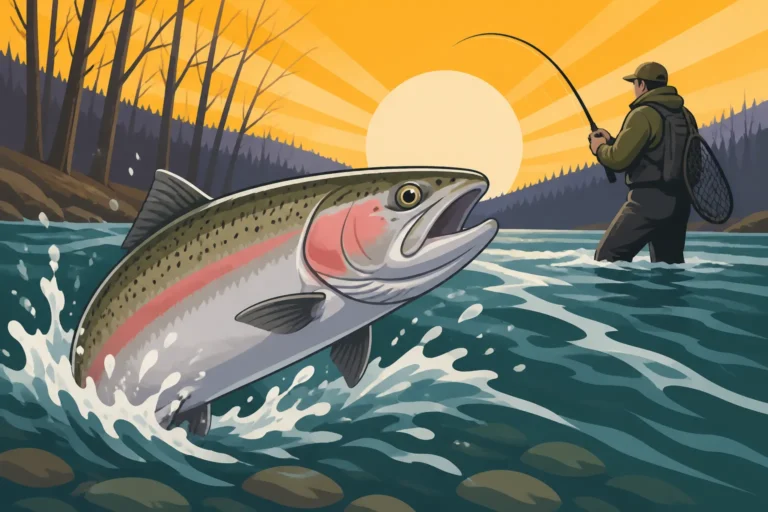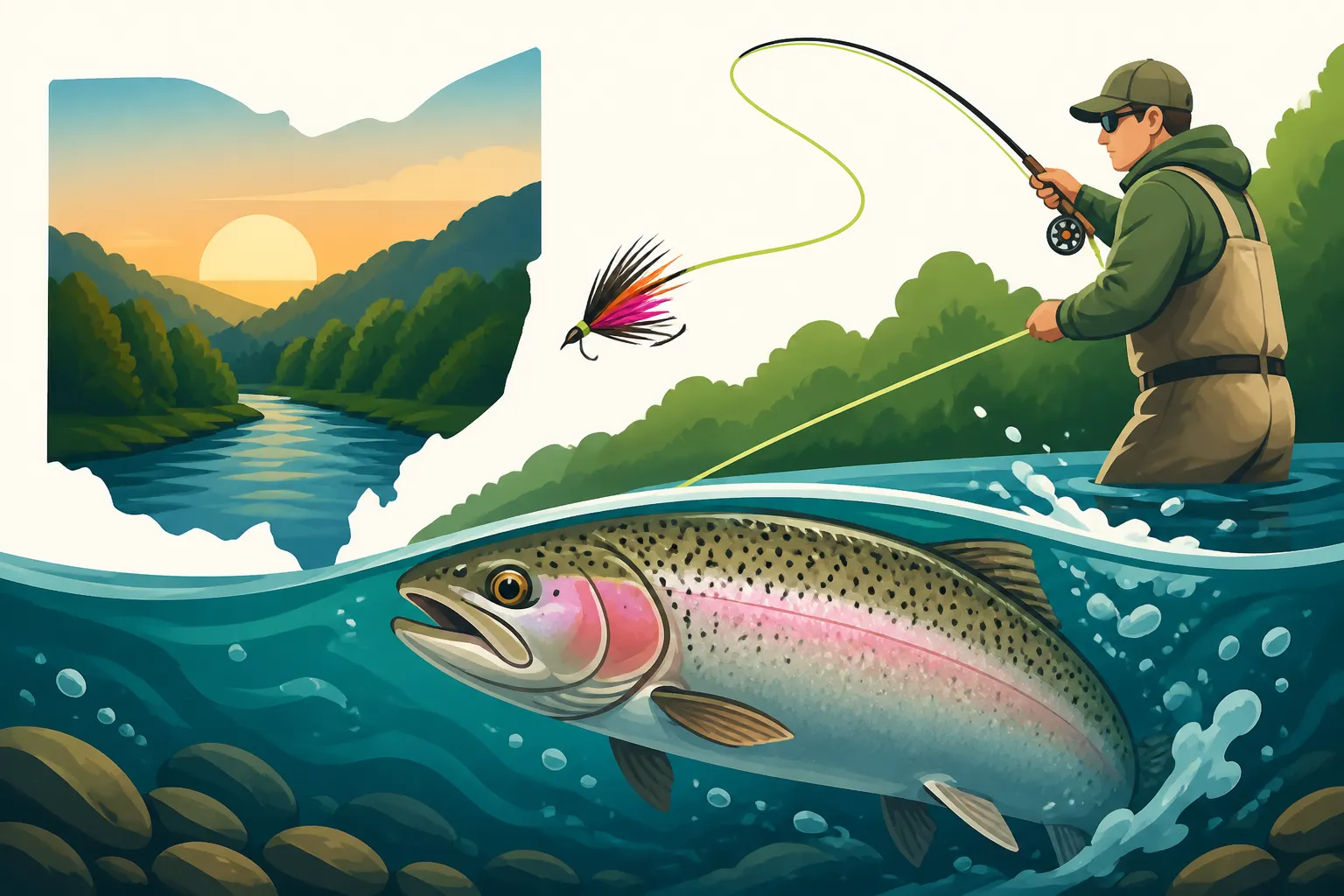
Fly Fishing Techniques for Ohio Steelhead
Anglers new to fly fishing for Ohio steelhead often feel overwhelmed by the sheer volume of techniques, gear, and river conditions they encounter. It's a challenging, yet incredibly rewarding pursuit, and getting started can feel like trying to hit a moving target in a current. This comprehensive guide will demystify the art of fly fishing for Ohio steelhead, breaking down the essential strategies and tackle you need to consistently connect with these magnificent Lake Erie chromers.
Understanding Ohio Steelhead Behavior and Habitat
Steelhead, often called "chrome missiles," are truly unique fish. They are rainbow trout that migrate from Lake Erie into Ohio's tributary rivers to spawn. Understanding their life cycle and preferred environments is paramount to successful fly fishing. These incredible fish undergo a transformation as they transition from the vastness of Lake Erie to the relatively confined waters of the rivers, adapting their behavior and feeding habits.
Steelhead Runs and Migratory Patterns
Ohio's steelhead runs are a phenomenon, drawing anglers from all over. These fish aren't just in the rivers year-round; they move in waves, dictated by water temperature and flow. Typically, the first significant push of steelhead into rivers like the Rocky River, Vermilion River, and Grand River begins in the fall, often after the first good rains and cooler temperatures. This initial run is usually a mix of "pre-spawn" fish that are staging for the winter and those that will hold over until spring. Knowing when Ohio Steelhead Runs Start is crucial, as early arrivals can be more aggressive and often willing to chase a fly.
As winter sets in, the runs might slow down during extreme cold snaps, but steelhead are still present and can be caught in deeper, slower pools. They become more lethargic, conserving energy in the frigid water, and will often hold in predictable lies. Then, spring brings the true spawning run, often the largest influx of fish, as they complete their reproductive cycle before dropping back into Lake Erie. Understanding these patterns means you're not just casting blindly but targeting fish when and where they're most likely to be. They're looking for specific conditions—cooler water, good oxygen, and access to spawning gravel—which influences their upstream movement and how actively they might feed.
Diet and Feeding Habits
While steelhead are in the rivers primarily to spawn, they do feed opportunistically, especially earlier in the runs or during periods of stable conditions. Their diet in the rivers is quite varied, shifting from the small baitfish and invertebrates they consume in Lake Erie to a more insect-based diet, including aquatic nymphs, larvae, and even salmon and steelhead eggs. These fish are not only driven by instinct but also by hunger, especially those fresh from the lake that are still accustomed to actively foraging. They also aren't shy about hitting small baitfish patterns or even larger streamers, especially if they're aggressive or territorial.
It's a common misconception that steelhead don't eat in rivers. They absolutely do, and tailoring your fly selection to their current foraging habits can be a game-changer. For example, during a significant insect hatch, a well-presented nymph can be irresistible. Conversely, if no bugs are active, imitating a sculpin or a drifting egg can entice a strike. Paying attention to what's in the water or even what's under rocks in the stream can give you vital clues. For instance, turning over a few rocks in the riffles might reveal a prevalence of stonefly nymphs, giving you a direct clue for your fly selection. The more you observe, the better you can "match the hatch" or the available forage.
Essential Fly Fishing Gear for Ohio Steelhead
Having the right tools for the job can make or break your steelhead experience. Ohio's rivers can be demanding, with varied flows, temperatures, and bank access, so your gear needs to be up to the task. Investing in quality gear, even if it's entry-level, will significantly enhance your comfort and success on the water, preventing common frustrations that can arise from inadequate equipment.
Rod, Reel, and Line Setup
For Ohio steelhead, a longer, heavier fly rod is usually the ticket. Most anglers opt for a 9 to 10-foot rod in a 7 to 8-weight. This length provides better line control for mending, which is vital for getting a drag-free drift, and helps manage larger fish in strong currents. The extra length also aids in casting heavier nymph rigs or larger streamers, allowing you to reach prime holding water across wide rivers. A 9' 8-weight rod is a fantastic all-around choice that offers a good balance of power and sensitivity. If you're looking for a good starting point, reputable brands offer solid options; you can often find great beginner setups on Amazon that combine a rod, reel, and line, making it easy to get started.
Your reel should match your rod weight and, critically, have a smooth, reliable drag system. Steelhead are powerful fish, notorious for their blistering runs, and a sticky drag will lead to broken leaders and lost fish in short order. Large arbor reels are popular because they retrieve line quickly (which helps when a steelhead charges you) and reduce line memory, minimizing coils that can cause tangles. For your line, a weight-forward floating line (WF7F or WF8F) is standard for nymphing and streamer fishing, as it casts easily and floats high. Some anglers also carry a sink-tip line for dredging deep pools with streamers or an integrated shooting head system for long casts with heavy flies, allowing them to adapt to different river depths and conditions. Remember, the goal is often to get your fly down quickly, so a line designed for that purpose helps significantly.
Leader and Tippet
When it comes to leaders and tippet, stealth and strength are key. A standard 9-foot tapered leader in 2X or 3X is a good starting point. However, many experienced steelhead anglers customize their leaders, often building them with a stiffer butt section and then adding fluorocarbon tippet. Fluorocarbon is less visible in the water than monofilament and sinks faster, which is a huge advantage when nymphing, getting your flies into the strike zone quicker. For tippet, you'll typically use 6-10 lb test, often 4X for smaller flies and clearer water, stepping up to 2X or 3X for larger flies, muddier water, or when targeting particularly aggressive fish. Brands like Seaguar and Rio offer excellent fluorocarbon options that stand up to the rigors of steelhead fishing.
Carrying multiple spools of tippet in different strengths is essential, allowing you to adapt to changing conditions on the fly. You might start with 8lb test, but if the water is low and clear, you might need to drop down to 6lb, or even 5lb for particularly wary fish. Conversely, in higher, off-color water, you might go up to 10lb to avoid break-offs on aggressive takes. The important thing is to tie strong knots, as a steelhead's powerful runs will test every connection; a weak knot is often the point of failure. Don't forget to regularly check your leader and tippet for nicks and abrasions, especially after catching a fish or snagging the bottom, as these can severely compromise strength.
Fly Selection
Ohio steelhead aren't overly picky, but certain fly patterns consistently produce. You'll want a good mix in your fly box to cover various conditions and fish moods.
- Egg Patterns: These are absolute staples, especially during spawning periods. Glo-Bugs, Estaz Eggs, and Nuke Eggs in various colors (orange, pink, chartreuse, white) are crucial. Remember that a lot of what steelhead key in on in the river is drifting eggs from other steelhead or salmon, making these flies incredibly effective as an opportunistic food source.
- Nymphs: Larger stonefly nymphs (Pat's Rubber Legs, Copper Johns in larger sizes), caddis larvae, and even larger pheasant tails or hare's ear nymphs are effective. Dead-drifting these along the bottom mimics natural food sources that the fish encounter daily. You can find pre-tied assortments of these essential nymphs on Amazon for convenience, offering a variety of sizes and colors to start with.
- Streamers: When fish are aggressive or water is stained, streamers can be deadly. Patterns like Woolly Buggers, Sculpzillas, and articulated streamers in black, olive, white, or natural baitfish colors are excellent choices. Stripping these through deeper runs can trigger a chase, especially from fresh-run fish.
- Spey Flies/Soft Hackles: For swinging flies, traditional Spey patterns or soft hackles can be very effective, especially in lower, clearer water. The subtle movement and natural presentation as they swing across the current can entice a grab, particularly from fish that are less interested in an aggressive take. Check out our guide on Best Fly Patterns for Ohio Steelhead for more in-depth recommendations.
A crucial tip: always have a variety of sizes and weights within each category. Sometimes, a subtle change from a size 12 nymph to a size 10 can make all the difference, especially when the fish are concentrated. Being able to adapt your fly choice to what the fish are responding to on any given day is a hallmark of a successful angler.
Key Fly Fishing Techniques for Ohio Steelhead
Successful steelhead fly fishing in Ohio often involves mastering a few core techniques and knowing when to apply each one. Adaptability is your best friend on the river, as conditions and fish behavior can change within hours. Rarely will one technique dominate all day long, so being proficient in several approaches is a huge advantage.
Nymphing Techniques
Nymphing is arguably the most consistent method for catching Ohio steelhead, especially when they are holding in runs and pools. The goal is to present a weighted fly or a multi-fly rig along the bottom, mimicking natural insects or eggs drifting in the current. This technique focuses on getting your fly into the "strike zone," which is often very close to the riverbed where steelhead prefer to hold.
-
Indicator Nymphing: This is the most common approach and often the first technique learned by new steelhead fly anglers. You'll attach a strike indicator (a small bobber) to your leader, setting its depth so your flies drift just above the bottom. Key to this technique is achieving a "drag-free drift," meaning your indicator and flies are moving at the same speed as the current. Any drag will make your fly look unnatural, signaling to the fish that something is amiss. Cast upstream, mend your line to eliminate drag as it drifts downstream, and watch that indicator like a hawk for any pause, twitch, or dive. Setting the hook aggressively on any irregularity is crucial, as takes can be incredibly subtle. Adjusting the depth of your indicator is also vital—too shallow, and you're not in the strike zone; too deep, and you're snagging constantly. For deeper runs, you might need a longer leader, up to 12-15 feet, to allow your flies to sink properly before reaching the indicator.
-
Euro Nymphing (Contact Nymphing): This technique has gained immense popularity for its sensitivity and direct connection to the flies. Instead of an indicator, you use a specialized leader (often a sighter or bi-color monofilament) that acts as your visual cue, allowing you to detect the slightest take. The rod tip is held high, maintaining direct contact with your flies, allowing you to feel subtle takes that an indicator might miss. This method is incredibly effective in complex currents and for targeting specific pockets where fish might be holding. It requires practice to master the feel, but once you do, your catch rates can soar due to the enhanced detection of strikes. It excels in getting flies deep quickly with minimal weight and offers superior control over your drift in tight quarters. This approach also allows you to target fish in specific seams and current lines with pinpoint accuracy, making it a great option for those looking to explore different areas of the river where traditional indicator nymphing might be less effective.
Swinging Flies
Swinging flies, often with Spey or switch rods, is a more active and traditional method that can be incredibly rewarding. It's less about dead-drifting and more about the fly's subtle movement as it swings across the current. This method often entices a more aggressive take from a steelhead, as the fly's motion can trigger their predatory instincts. It's a method that covers a lot of water and can be especially effective for actively cruising fish.
-
Wet Flies and Soft Hackles: For this technique, you typically cast quartering downstream, allowing the fly to swing across the current. The movement of the current against the line causes the fly to "swing" and then rise at the end of the swing, imitating an emerging insect or a baitfish moving through the water column. Steelhead often hit the fly at the apex of the swing or as it begins to rise, so be prepared for a strong tug. This is a more patient approach than nymphing, but the takes can be explosive and incredibly exciting. It's particularly effective in medium-depth runs with consistent current, allowing the fly to present naturally through the water.
-
Small Streamers: While larger streamers are often stripped, smaller streamer patterns can also be swung, especially in slightly off-color water or when fish are keyed in on baitfish. The key is to allow the current to impart movement to the fly, rather than actively stripping it. This technique covers a lot of water and can be very effective when fish are spread out or aggressively feeding. Experiment with different retrieve speeds and angles to find what triggers a strike. Sometimes, adding a small "twitch" or pause to the swing can make all the difference, mimicking an injured baitfish. The subtle movement of a swung streamer can be irresistible to a steelhead.
Streamer Fishing
Streamer fishing is about imitating baitfish or larger prey items. It's a highly visual and aggressive way to target steelhead, especially when they are fresh from the lake or when water conditions are higher and slightly discolored, providing cover for both the fish and the angler. This method often elicits a strong, confidence-boosting strike.
-
Active Stripping: This involves casting a streamer (like a Woolly Bugger, Sculpzilla, or a larger articulated pattern) and actively stripping it back in, making it dart and swim. The retrieve can vary from short, erratic strips to longer, continuous pulls, mimicking a fleeing baitfish or a sculpin hiding in the rocks. This technique can be physically exhausting but extremely effective for aggressive fish that are willing to chase. Focus on targeting ambush points like submerged logs, undercut banks, current seams, and deeper pockets where steelhead might be lurking.
-
Dead-Drifting Streamers: Sometimes, a dead-drifted streamer can be more effective, especially for wary fish in clearer water or when they aren't actively chasing. This combines elements of nymphing with a streamer, letting the current do most of the work, but with occasional subtle twitches to give the fly some life. The idea is to present the streamer as a helpless, injured baitfish drifting naturally with the current. This can be deadly in deeper pools and runs, where a natural-looking presentation can fool even the most educated steelhead. It requires a keen eye for subtle takes, similar to nymphing, but with the added benefit of a larger profile fly.
Table: Ohio Steelhead Fly Fishing Techniques at a Glance
| Technique | Primary Conditions | Best Fly Types | Leader/Tippet | Advantages | Disadvantages |
|---|---|---|---|---|---|
| Indicator Nymphing | All conditions, especially clear/medium water | Eggs, Stoneflies, Caddis | Fluorocarbon 4X-2X | Highly effective, covers water, easy to learn | Less direct feel, can miss subtle takes |
| Euro Nymphing | Complex currents, clear water, target specific pockets | Small Nymphs, Eggs | Specialized Sighter | Excellent feel, quick depth, superior control | Steep learning curve, shorter casting range |
| Swinging Wet Flies | Medium current, clear water, active fish | Soft Hackles, Spey Flies | Mono/Fluorocarbon 3X-2X | Aggressive takes, covers broader area | Less control over depth, can be slow |
| Stripping Streamers | High/stained water, aggressive fish | Woolly Buggers, Sculpins | Fluorocarbon 3X-1X | Triggers aggressive strikes, covers water fast | Can spook wary fish, more physically demanding |
| Dead-Drifting Streamers | Clear/medium water, wary fish | Smaller Streamers | Fluorocarbon 3X-2X | Natural presentation, effective for selective fish | Slower, requires good current reading |
Reading the Water and Weather for Ohio Steelhead
The most skilled fly anglers aren't just good at casting; they're masters at reading the water and understanding how environmental factors influence fish behavior. This is particularly true for Ohio steelhead, which are highly sensitive to changes in their river environment. Knowing where fish are likely to be, and how they might react to prevailing conditions, is often more important than any specific fly pattern.
Identifying Holding Water
Steelhead are powerful swimmers, but they're also opportunistic. They prefer to hold in areas where they can expend minimal energy while still having access to food or cover. Look for:
- Seams: The transition zones between fast and slow water are prime holding spots. Steelhead will sit in the slower water, waiting for food to drift by in the faster current. These are often created by submerged rocks or changes in the riverbed.
- Runs and Riffles: These are typically faster sections with broken water, often shallower. Steelhead will move through these, and some will hold in the deeper pockets within them, especially during migratory pushes. Don't overlook the "pocket water" created by larger rocks and boulders, which can hold surprising numbers of fish.
- Pools: Deeper, slower sections of the river. Steelhead often congregate here, especially in winter for thermal refuge or during spawning runs. The heads and tails of pools are particularly productive, as fish stage to move up or drop back.
- Undercut Banks and Submerged Structure: These provide critical cover from predators and strong currents, making them excellent ambush points. Fallen trees, large rocks, and bridge abutments are all worth investigating with careful casts.
- Confluence Areas: Where two currents meet, or a smaller feeder stream enters the main river, creates diverse current patterns and often concentrates bait and fish. These can be prime areas, especially after a fresh rain when new water is entering the system.
Mastering the art of Reading Steelhead Holding Water comes with practice, but understanding these key areas will drastically improve your success. Spend time observing the river before you even cast a line.
Interpreting Water Flow and Clarity
Water conditions are dynamic in Ohio's steelhead rivers and can change rapidly after rainfall or snowmelt. Being able to interpret these changes is critical for adapting your tactics.
- High Water/Stained Water: After a significant rain event, rivers will rise and often become muddy or "chocolate milk" colored. While intimidating, this isn't always bad. High water can trigger new pushes of steelhead from the lake. In stained water, fish tend to move closer to the banks and become less wary, seeking refuge from the main current. This is a good time for larger, brighter flies (like chartreuse eggs or black streamers) that create a strong silhouette and are easier for fish to see. However, excessively muddy water (zero visibility) is usually a bust, as fish can't see your fly. For safe wading, it's also important to know What Flow Is Too High to Fish Ohio Steelhead Rivers.
- Medium Flow/Green Water: This is often ideal. The water has a slight stain, offering some concealment for both fish and angler, but still has good clarity for fish to see your fly. Fish are typically well-distributed throughout the river, and their activity levels are usually high. This is a prime time for a variety of techniques, as fish are comfortable moving and feeding.
- Low and Clear Water: This is the most challenging condition. Fish are highly spooky and will hold in deeper, darker lies, easily put off by movement or unnatural presentations. Your presentation needs to be impeccable, your tippet finer (e.g., 6lb test or 5lb for wary fish), and your flies smaller and more natural. Long, drag-free drifts are paramount. Fishing during low light (dawn, dusk) or even at night can also be effective in these conditions, as the reduced light provides an extra layer of concealment. Stealth and precision are your best allies in these conditions.
Seasonal Considerations for Ohio Steelhead Fly Fishing
Ohio's steelhead season truly spans three distinct periods, each with its own characteristics and optimal techniques. Understanding these seasonal nuances is key to maximizing your time on the water. The behavior of steelhead shifts dramatically with the changing seasons, influenced by water temperature, photoperiod, and spawning instincts.
Fall Steelhead Fishing
The fall run, typically starting in late September or October and lasting through November, is highly anticipated. This is when the first waves of fresh steelhead enter the rivers, often aggressive and willing to chase. Water temperatures are cooling, and rain events provide the necessary flows to draw fish upstream from Lake Erie. These early arrivals are often the most active and provide some of the best opportunities for streamer fishing.
- Tactics: Early fall can see fish still holding in the lower river sections or even Lake Erie estuaries. As they move up, nymphing with egg patterns (mimicking salmon eggs) and larger stonefly nymphs is incredibly effective. Streamer fishing can also be red-hot, especially for those aggressive fresh fish that haven't seen many flies yet. Look for fish in faster runs and the heads of pools, as they push upstream. Anglers who hit the rivers right after a good rain often find the most success.
- Challenges: Fall weather in Ohio can be unpredictable, ranging from warm Indian summer days to bitter cold snaps. Be prepared for rapidly changing conditions, including sudden rises in water levels that can quickly blow out a river. The fish might be spread out, making covering water efficiently important. Always dress in layers and check the forecast.
Winter Steelhead Fishing
Winter fly fishing for steelhead, from December through February, is a test of dedication but can yield some of the biggest fish. Fish typically hold in deeper, slower pools and runs to conserve energy in the frigid water. They become less active, and their feeding windows are often shorter and more subtle. This is a time for patience and precision.
- Tactics: Nymphing becomes king in winter. Slow, deep drifts with egg patterns, caddis larvae, and small stonefly nymphs are the primary presentation. Fish are often lethargic, so takes can be incredibly subtle – sometimes just a slight pause or tic in the indicator. Euro nymphing is particularly effective for feeling these light bites and getting flies down quickly in deep, slow water where fish seek thermal refuge. Targeting dark, deep pockets where fish seek refuge from the main current is key. Look for areas with less current, as these require less energy expenditure from the fish.
- Challenges: The cold is the obvious challenge. Ice buildup in rod guides, numb fingers, and frozen lines are common frustrations that require constant attention. Safety is paramount – icy banks can be treacherous, so wearing appropriate wading boots with good grip (like Korkers with carbide studs) is essential. Ohio Winter Fishing and Ice Safety are always top priorities, and anglers should be especially cautious of thin ice near river edges.
Spring Steelhead Fishing
March and April mark the peak of the spawning run, often bringing the largest numbers of steelhead into the rivers. This is when the fish are most actively spawning, but they are also preparing for their return to the lake, which means a mix of fresh fish, actively spawning fish, and "drop-backs."
- Tactics: Egg patterns remain a dominant fly choice, as fish key in on the abundance of fresh eggs, whether their own or those of other spawning fish. Nymphing with a variety of patterns is still effective, but don't overlook streamers, especially for "drop-back" steelhead (fish that have finished spawning and are heading back to the lake), which can be very aggressive as they try to regain lost energy. Look for fish on or near gravel beds, where they are actively spawning or feeding on stray eggs. The water typically warms up during this period, making fish more active and willing to move for a fly.
- Challenges: Crowds can be a significant challenge during the spring run, especially on popular rivers like the Rocky River. Finding unpressured water often means hiking to less accessible spots. Also, rapidly changing weather and water levels (spring rains and snowmelt) can make conditions unpredictable, requiring quick adjustments to your fishing plan. Our Ohio Steelhead Fishing Guide provides more detail on specific rivers and their seasonal nuances.
Common Challenges and Troubleshooting
Fly fishing for Ohio steelhead is never easy, and even experienced anglers face setbacks. However, many common frustrations have straightforward solutions if you know how to troubleshoot. Persistence and a willingness to adapt are your greatest assets.
Dealing with High Water Conditions
When the rivers are high, swift, and often off-color, it can feel impossible to get a fly to the fish or even to keep your line under control.
- Go Big and Bright: Use larger, more visible flies. Think chunky egg patterns in vibrant colors like chartreuse or hot pink, or large black/olive streamers that create a strong silhouette against the stained water. The idea is to make your fly stand out and be easily seen in reduced visibility. You might even find some effective, high-visibility streamers on Amazon.
- Add Weight: You need to get your flies down to the fish quickly and keep them there. Don't be afraid to add extra split shot (non-toxic, of course) or use heavily weighted flies. Fish in high water often hug the bottom, trying to avoid the strong current, so your fly needs to be in their immediate vicinity.
- Fish the Edges: Steelhead in high water will often move out of the main current and into slower seams along the banks, behind submerged rocks, or in eddies. These are safer, less strenuous holding spots where they can escape the powerful flow. Focus your efforts on these calmer areas, often very close to the bank.
- Check Visibility: While stained water can be good, completely muddy water with zero visibility is usually unfishable. You need at least a few inches of visibility for fish to locate your fly. Wait for the water to drop and gain at least a few inches of clarity. Knowing How to Tell If a River Is Too Muddy for Steelhead can save you a wasted trip and unnecessary frustration.
Overcoming Low and Clear Conditions
The opposite extreme, low and clear water, presents its own set of difficulties. Fish become incredibly wary, easily spooked by movement or unnatural presentations, making stealth paramount.
- Lighten Up and Downsize: Use finer tippet (e.g., 5X or 6X fluorocarbon) and smaller, more natural-looking flies. Tiny pheasant tail nymphs, midge patterns, or very subtle egg patterns can be effective when fish are highly selective.
- Longer Leaders and Stealth: Extend your leader length to 12-15 feet to put more distance between your fly line and the fish, reducing the chance of spooking them. Approach the water cautiously, staying low and out of sight as much as possible. Avoid brightly colored clothing that can create a silhouette.
- Perfect Drifts: Drag-free drifts are absolutely essential. Any unnatural movement of your fly will immediately put fish off. Practice your mending and roll casts to achieve impeccable presentations, making your fly look as natural as possible.
- Fish Low Light: Early mornings, late evenings, or even night fishing can be incredibly productive during low and clear conditions. The reduced light helps mask your presence and makes the fish feel more secure, encouraging them to move and feed.
Snags and Presentation Issues
One of the most frustrating aspects of river fishing is constantly getting snagged or struggling with presentation, which often leads to lost flies, leaders, and precious fishing time.
- Learn Your Knots: Strong knots are non-negotiable in steelhead fishing, where fish put immense pressure on your tackle. Learn the improved clinch knot for attaching flies and the double surgeon's knot for connecting tippet. These knots are reliable and easy to tie. You can find excellent instructional videos for these knots easily online or in our guide on Ohio Fishing Knots to Know.
- Understand the Bottom: Pay attention to where you're snagging. If it's the bottom, your indicator is likely set too deep, or you're using too much weight. Adjust accordingly. If it's a particular log or rock, try to cast above it and mend to guide your fly past it, learning the contours of the riverbed.
- Mending is Key: Mending your fly line (either upstream or downstream) helps maintain a drag-free drift and guides your fly through complex currents, avoiding snags and ensuring a natural presentation. It's a skill that takes time to master but is fundamental to success in river fly fishing.
- Practice Casting: Whether it's a roll cast, a single Spey, or a simple overhead cast, practice will make you more accurate and efficient, reducing snags and improving your ability to put the fly where you want it. This also helps you land fish without breaking off, which is a common occurrence with powerful steelhead. Don't forget, Do You Need Waders for Ohio Steelhead Fishing? is also a common question, and the answer is usually yes, for both wading safety and accessing prime water.
Remember, every day on the river is a learning experience. Don't get discouraged by challenging conditions or lost fish. Steelhead fishing is a journey, and each outing helps you hone your skills for the next one.
Disclaimer
The information provided in this guide is for general informational purposes only. Fishing regulations and conditions in Ohio can change frequently. Always consult the latest official Ohio Department of Natural Resources (ODNR) fishing regulations booklet or website before heading out on the water. Stay safe and enjoy your time fishing!