Best Ohio Reservoirs for Saugeye
It's a common frustration among anglers: you hear whispers of incredible fishing for a specific species, but when you hit the water, it feels like finding a needle in a haystack. If you're chasing saugeye in Ohio, you know they're out there, but pinpointing the prime locations can be tricky with so many lakes and reservoirs. This comprehensive guide is here to cut through the confusion and steer you directly to the best Ohio reservoirs for consistent saugeye action.
Understanding Saugeye in Ohio's Waters
Before we dive into specific locations, let's take a moment to really understand what makes saugeye such a fantastic sportfish, especially here in the Buckeye State. They're a unique hybrid, and knowing their quirks can truly boost your success.
What Makes Saugeye So Special?
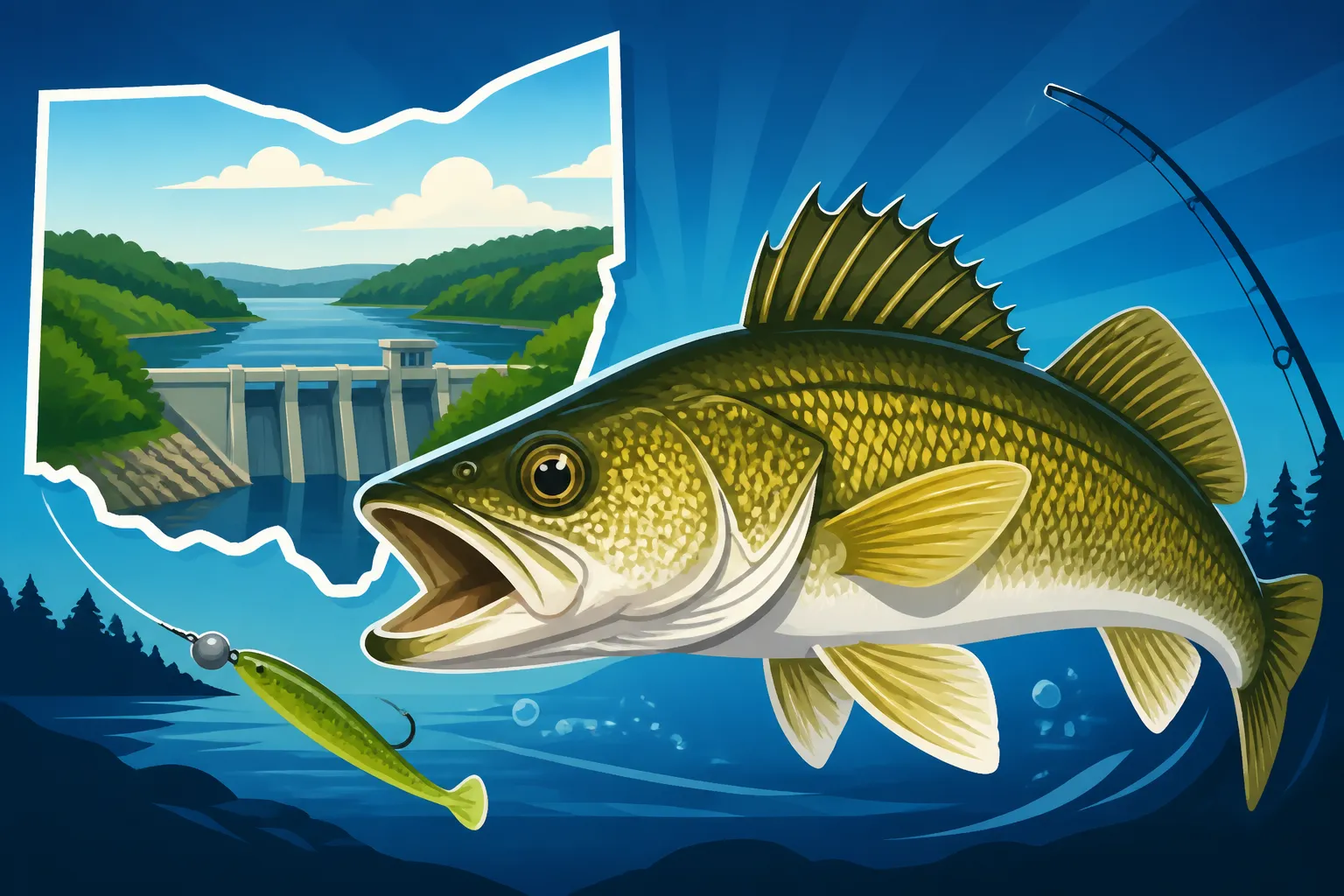
Saugeye are truly one of Ohio's inland fishing treasures. They're a sterile hybrid cross between a female walleye and a male sauger, and this genetic blend gives them some remarkable traits. For one, they tend to be a bit more tolerant of murkier water and higher water temperatures than pure walleye, which means they can thrive in reservoirs where walleye might struggle. They're also known for being aggressive fighters, often putting up a fantastic tussle on the line, and let's be honest, they're absolutely delicious on the dinner plate!
Many anglers, myself included, find saugeye to be a bit easier to target than their pure walleye cousins in certain environments. They often school up in predictable patterns, especially around structure and depth changes, making them a fantastic target for both seasoned anglers and those looking to get into walleye-style fishing without the full commitment of a Lake Erie trip. If you're curious about the subtle differences, you might want to check out our guide on Ohio Saugeye vs Walleye Identification.
Ohio's Saugeye Stocking Program
Unlike many other fish species in Ohio that reproduce naturally, saugeye populations in our reservoirs are primarily maintained through an extensive stocking program managed by the Ohio Department of Natural Resources (ODNR) Division of Wildlife. This is a crucial piece of information because it tells us that where saugeye thrive, it's often thanks to dedicated efforts to place them there. The ODNR raises millions of saugeye fry and fingerlings each year at their hatcheries, distributing them to dozens of lakes and reservoirs across the state. This strategic stocking ensures that anglers have a robust and sustainable fishery for this popular hybrid.
The goal of this program isn't just to provide a fun fishing experience, though that's certainly a big part of it! It's also to create a productive sport fishery in waters that might not naturally support large populations of pure walleye. By controlling the stocking, the state can manage population densities and ensure a healthy balance within the aquatic ecosystem. This ongoing commitment is why Ohio boasts some truly exceptional saugeye fishing.
Ideal Saugeye Habitat in Reservoirs
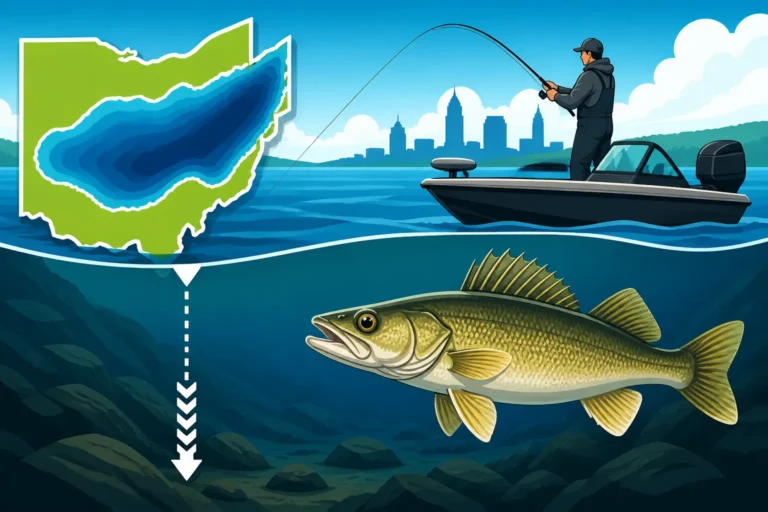
So, if saugeye are stocked, what kind of places do they prefer once they're out in the wild? Think "structure and transition." Because they carry traits from both walleye and sauger, saugeye often gravitate towards areas that offer a mix of both. This includes rocky bottoms, submerged timber, old creek channels, humps, and sudden drop-offs. They're often found patrolling the edges of these features, ambushing baitfish that swim by.
In reservoirs, especially those with fluctuating water levels, saugeye will also utilize areas with subtle current, like neck-down areas or spots near dam outflows, mimicking the riverine preferences of sauger. During warmer months, they'll seek out deeper, cooler water, but they'll often push shallower during low-light conditions or when actively feeding. Understanding these habitat preferences is key to narrowing down your search in any given reservoir. Look for those underwater topographical changes, and you're likely to find saugeye nearby.
Top Ohio Reservoirs for Consistent Saugeye Action
Ohio is blessed with numerous fantastic reservoirs, but a select few consistently rise to the top for saugeye fishing. These are the places where the stocking programs, natural habitat, and angler success rates truly shine.
Alum Creek Lake: A Saugeye Hotspot Near Columbus
Just north of Ohio's capital city, you'll find Alum Creek Lake in Delaware County, a large and popular destination often celebrated for its muskie fishing. But don't let the toothy giants overshadow the incredible saugeye opportunities here! Alum Creek consistently ranks as one of Ohio's top saugeye producers, offering anglers plenty of chances to hook into some impressive fish.
What makes Alum Creek so good? Its deep, extensive main lake channels, numerous standing timber areas (especially in the northern reaches), and prominent humps and points create ideal ambush points and foraging grounds for saugeye. The fish here often suspend over deeper water, especially in summer, following baitfish schools. Spring and fall are prime times to target them, but even in the dead of winter, ice anglers have great success. Common techniques include jigging spoons or blade baits off the bottom, trolling deep-diving crankbaits along contours, or using slip bobbers with live shiners near structure. If you're exploring this area, you might also be interested in our guide on Alum Creek Lake Muskie Fishing Tips for other opportunities.
Indian Lake: Saugeye in West Central Ohio
Moving west into Logan County, Indian Lake might be shallower than some other reservoirs, but don't underestimate its saugeye potential. This fertile lake has consistently produced strong saugeye populations thanks to regular stocking and an abundance of baitfish. Its unique blend of channels, weed beds, islands, and artificial habitat provides diverse hunting grounds for saugeye throughout the year.
Anglers at Indian Lake often find saugeye relating to the extensive weed lines and the main lake channels. During the spring, as water temperatures rise, saugeye move shallower, making them accessible to shore anglers and boaters alike. Summer nights can be particularly productive as saugeye emerge from deeper haunts to feed in the shallows. Fall sees aggressive feeding as they bulk up for winter. Trolling shallow-running crankbaits, casting jigs with soft plastics, or even bottom bouncing crawler harnesses are all effective methods here. Keep an eye on local reports, as the Indian Lake Ohio Fishing Report can often provide real-time insights into the bite.
Deer Creek Lake: South-Central Ohio's Saugeye Gem
For those in south-central Ohio, Deer Creek Lake, spanning parts of Pickaway, Fayette, and Madison counties, is a must-fish for saugeye. Known for its generally clear water, Deer Creek boasts healthy saugeye numbers and can provide some truly memorable days on the water. The reservoir’s broad open areas, combined with subtle submerged humps and the old river channel that winds through it, create a dynamic environment where saugeye thrive.
Early spring and late fall are particularly productive at Deer Creek, as saugeye become more active and concentrate in predictable areas. This reservoir is also a favorite among ice anglers when conditions allow, offering excellent opportunities for jigging. Trolling is a very popular and effective method here, with anglers often pulling spoons or crankbaits to cover water and find active schools. Vertical jigging blade baits or minnow-tipped jigs over structure can also be incredibly effective. For a deeper dive into fishing this body of water, our Deer Creek Lake Fishing Guide offers more detailed information.
Mosquito Creek Lake: Northeast Ohio's Saugeye Haven
Up in Trumbull County, in the northeastern part of the state, Mosquito Creek Lake stands out as another premier saugeye destination. This sprawling body of water, with its vast shallow flats punctuated by deeper channels and extensive stump fields, creates a fantastic environment for saugeye to grow large and plentiful. It's often one of the top producers in the state for both numbers and size.
Saugeye at Mosquito Creek Lake often relate to the edges of the old creek channels and the numerous submerged stumps and trees that provide cover and ambush points. Late spring through fall are fantastic, with summer seeing excellent trolling opportunities. Anglers here often have great success trolling various crankbaits, casting jigs tipped with soft plastics or live bait (like shiners) along channel edges, or drifting with slip bobbers. Understanding the layout and contours of this lake is a big advantage. You can find more specific details about this fishery in our Fishing Mosquito Creek Lake article.
Other Notable Saugeye Reservoirs
While the above are consistent top performers, Ohio has other reservoirs where saugeye fishing can be excellent. Consider these additional spots for your next saugeye adventure:
- Caesar Creek Lake (Warren/Clinton/Greene Counties): This deep, clear lake in southwest Ohio is known for its saugeye population. It's a great spot for both boat and shore anglers, especially during spring and fall. For more, see Caesar Creek Lake Saugeye Fishing.
- Portage Lakes (Summit County): A complex of interconnected lakes, the Portage Lakes offer diverse fishing, including good saugeye action, particularly in certain basins.
- LaDue Reservoir (Geauga County): Another northeast Ohio gem with a solid saugeye fishery, especially for those who enjoy slower trolling or drift fishing.
- Pymatuning Reservoir (Ashtabula County, shared with PA): The Ohio side of Pymatuning offers unique regulations and a strong saugeye presence, often overshadowed by its walleye reputation. Check out Pymatuning Reservoir Fishing on the Ohio Side.
Here’s a quick overview of these top saugeye reservoirs:
| Reservoir Name | Primary County | Key Features | Best Seasons | Typical Techniques |
|---|---|---|---|---|
| Alum Creek Lake | Delaware | Deep channels, standing timber, humps | Spring, Fall, Ice Fishing | Jigging, Trolling Crankbaits, Slip Bobbers |
| Indian Lake | Logan | Shallow, fertile, weed beds, channels | Spring, Summer (Night), Fall | Jigging Blades, Casting Crankbaits, Bottom Bouncing |
| Deer Creek Lake | Pickaway, Fayette, Madison | Clear water, humps, river channel, open areas | Early Spring, Late Fall, Ice Fishing | Trolling Spoons/Crankbaits, Jigging Blade Baits |
| Mosquito Creek Lake | Trumbull | Vast shallow flats, deep channels, stump fields | Late Spring, Summer, Fall | Trolling, Casting Jigs, Live Bait Under Slip Bobbers |
| Caesar Creek Lake | Warren, Clinton, Greene | Deep, clear water, strong thermocline | Spring, Fall | Jigging, Trolling, Live Bait |
Essential Strategies for Catching Reservoir Saugeye
Finding the right reservoir is half the battle; the other half is knowing how to effectively target these elusive, yet aggressive, predators. A little seasonal knowledge and the right gear can make all the difference.
Seasonal Tactics and Preferred Baits
Saugeye, much like their walleye and sauger parents, exhibit distinct seasonal patterns that savvy anglers can exploit. Knowing when and where to find them, and what to offer them, is crucial. For a broader view, our Ohio Fishing Season Calendar provides context for year-round fishing.
- Spring: As ice melts and water temperatures rise into the 40s and 50s, saugeye migrate towards traditional spawning areas like rocky points, riprap shorelines near dams, and the mouths of inflowing rivers or creeks. They're often aggressive then, hitting jigs tipped with a minnow or soft plastic. Small crankbaits retrieved slowly can also be deadly. This is a fantastic time for shore anglers, too, as fish move into more accessible shallow water.
- Summer: When the water warms up, saugeye typically retreat to deeper, cooler sections of the reservoir. Look for them along the thermocline (the boundary between warm surface water and cold deep water), or relating to deep structure like humps, submerged islands, or old creek beds. Trolling deep-diving crankbaits is highly effective for covering water and finding active fish. Night fishing can also be incredibly productive, as saugeye will often move shallower under the cover of darkness to feed.
- Fall: As water temperatures cool, saugeye enter a major feeding period to bulk up for winter. They'll often school tightly and can be found on main lake points, humps, and channel edges. This is a great time for casting larger crankbaits, blade baits, or heavy jigs. Fish tend to be aggressive, and if you find a school, you can often catch multiple fish.
- Winter (Ice Fishing): For dedicated ice anglers, many of Ohio's saugeye reservoirs offer fantastic opportunities. Saugeye will hold near bottom structure or suspend over deeper holes. Vertical jigging with small spoons, minnow-tipped jigs, or plastics like tubes and grubs can be incredibly effective. Always prioritize ice safety, and check conditions before heading out.
When it comes to baits, a variety of options work. Live bait such as shiners, minnows, or nightcrawlers (often fished on a bottom bouncer or slip bobber rig) is a perennial favorite. For artificials, jigs (bucktail, hair, or plastic-tipped), crankbaits (both shallow and deep divers, lipless), and blade baits are all highly effective. For detailed methods, explore our guide on Best Techniques for Ohio Saugeye.
Reading the Water and Locating Saugeye
Even in a productive reservoir, finding the saugeye can sometimes feel like a game of hide-and-seek. The most successful anglers are those who actively "read" the water and use their resources. Modern electronics, particularly fish finders, are invaluable. They help identify changes in depth, locate submerged timber or rock piles, and crucially, spot schools of baitfish and the predators that follow them. Learning to interpret your Reading Ohio Fish Finders and Electronics display is a game-changer.
Beyond electronics, pay attention to environmental cues. Wind-blown points can often concentrate baitfish, leading saugeye to patrol those areas. Look for sudden changes in depth, whether it's a rocky ledge, a channel drop-off, or an abrupt transition from soft bottom to hard bottom. These are classic saugeye holding areas. Don't be afraid to move around and cover water until you find where the fish are active.
Another excellent resource is local knowledge. Talk to bait shop owners, other anglers, or consider booking a trip with a local guide. Platforms like FishingBooker can help you find reputable guides who specialize in saugeye on specific reservoirs, offering invaluable insights into current patterns and techniques. They can put you on fish faster than trial and error.
Gear Up for Saugeye Success
Having the right tackle can significantly improve your saugeye fishing experience. You don't need a boatload of specialized gear, but a few key items will serve you well.
- Rods: A medium-light to medium power spinning or baitcasting rod, typically 6'6" to 7'6" in length, with a fast action tip is ideal. This setup provides the sensitivity to detect subtle bites while having enough backbone to handle a fighting saugeye.
- Reels: Pair your rod with a quality spinning or baitcasting reel that has a smooth drag system. This is crucial for fighting larger fish and preventing line breaks. Ensure it has adequate line capacity for the depths you'll be fishing.
- Line: Your choice of fishing line depends on your preferred technique. Monofilament line (6-10 lb test) offers good stretch, which can be beneficial when trolling crankbaits. Fluorocarbon (8-12 lb test) provides excellent sensitivity and invisibility in clearer water. Braided line (10-20 lb test) offers maximum sensitivity and strength, especially good for jigging, and you can add a fluorocarbon leader for stealth.
- Lures & Baits: As mentioned, jigs are a staple. Keep a variety of weights (1/8 oz to 1/2 oz) and colors (chartreuse, white, orange, dark greens). Crankbaits in various diving depths and colors (firetiger, chrome/blue, perch patterns) are essential for trolling. Blade baits are excellent for vertical jigging or casting. Don't forget live bait options like shiners, fathead minnows, and nightcrawlers, which can be irresistible to saugeye.
Remember to always consult the current Ohio Statewide Bag and Size Limits before heading out to ensure you're fishing legally and sustainably.
Disclaimer
Fishing conditions and regulations in Ohio can change. Always check the latest official regulations from the Ohio Department of Natural Resources (ODNR) before you go fishing. This guide is for informational purposes only and should not replace official sources. Be safe on the water!