Fishing the Ohio River Near Cincinnati
That vast, powerful current of the Ohio River flowing right through Cincinnati can feel like a complete mystery to many anglers. You stand on the bank, watching barges glide by, and wonder if there are even fish in that murky water, let alone how to catch them. The sheer size and ever-changing conditions can make it seem impossible to know where to start or what to expect. But trust me, beneath that surface lies an incredible fishery, and this guide is here to unravel the confusion, giving you the local lowdown on fishing the Ohio River right here in Cincinnati.
The Undeniable Appeal of Fishing Cincinnati's Ohio River
Fishing in the shadow of the Cincinnati skyline is an experience unlike any other. It’s a unique blend of urban energy and natural tranquility, offering anglers a chance to escape without truly leaving the city. The Ohio River, particularly around the Queen City, holds a special place in the hearts of many local anglers, and for good reason. It’s a productive, dynamic fishery that keeps you on your toes.
An Urban Angler's Paradise
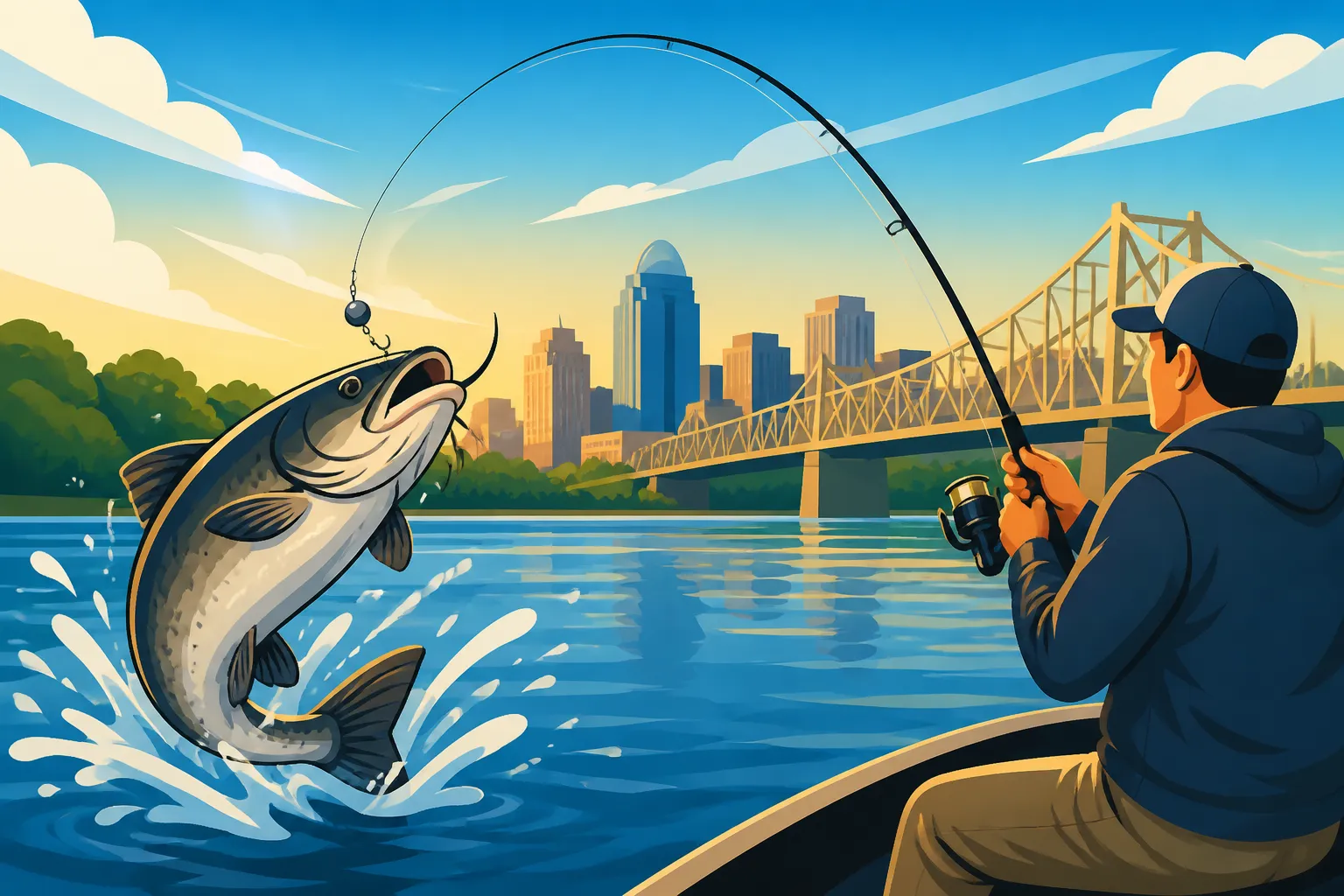
Imagine casting a line with the Great American Ball Park in the background, or seeing the iconic Roebling Suspension Bridge arching overhead as you reel in a hard-fighting catfish. That’s the Cincinnati Ohio River fishing experience. Public access points are surprisingly plentiful, especially along the riverfront parks, making it easy for both bank anglers and those with small boats to get out and enjoy. This accessibility is a huge plus, cutting down on travel time and allowing for spontaneous fishing trips after work or on a lazy weekend morning. You’re not just fishing; you’re experiencing Cincinnati from a whole new perspective.
Decoding the River's Dynamic Habitats
The Ohio River is far from a stagnant body of water; it’s a living, breathing system driven by currents, depths, and an intricate network of structures. Understanding these dynamics is key to finding fish. Around Cincinnati, you'll encounter a variety of habitats that attract different species. Think about the influence of the various dams and locks upstream and downstream; they create pools and tailwaters that concentrate fish. Tributaries like the Little Miami River and the Great Miami River dump into the Ohio, bringing nutrients and creating current breaks that are absolute magnets for bass and baitfish.
Then there are the man-made structures: bridge pilings, rip-rap along the shorelines, old submerged structures, and even the constantly shifting river bottom itself. These provide cover, ambush points, and vital current breaks where fish can rest without expending too much energy. The constant movement of commercial barge traffic also plays a role, sometimes stirring up the bottom and disorienting baitfish, which can trigger feeding frenzies for predators. It's a complex system, but knowing these elements helps paint a clearer picture of where the fish might be hiding.
Dispelling Myths: Water Quality and a Thriving Fishery
For many years, the Ohio River had a reputation for poor water quality, and honestly, some of those concerns were valid in the past. However, significant efforts by organizations like the Ohio Environmental Protection Agency and regional conservation groups have led to dramatic improvements. Today, the Ohio River boasts a healthy, thriving ecosystem capable of supporting a diverse range of fish species. While it might still appear murky after heavy rains due to sediment runoff, don't let that fool you into thinking it's lifeless.
Many species, including the highly sought-after catfish, sauger, and bass, are doing exceptionally well. Of course, common sense precautions still apply—always check local advisories if you plan to consume your catch, as some areas may still have recommendations for limiting consumption of certain species due to historical contaminants. But generally speaking, the fishing is robust, and the fish are plentiful and healthy, making it an exciting challenge for any angler.
Prime Species and Peak Seasons in Cincinnati Waters
The Ohio River near Cincinnati is a multi-species angler's dream, offering a chance to hook into a variety of fish throughout the year. Knowing what to target and when can dramatically increase your success rate and make your time on the water even more rewarding.
The Reign of River Catfish
When you think of the Ohio River, especially around Cincinnati, big catfish often come to mind first, and for good reason! This stretch of river is an absolute powerhouse for Channel, Flathead, and Blue Catfish. These powerful bottom dwellers provide an incredible fight and are excellent table fare.
- Channel Catfish are probably the most abundant and easiest to catch, found throughout the river. They're not picky eaters and will readily take worms, chicken livers, or various stink baits. Spring and summer, especially after dark, are prime times for these whiskered warriors. If you're looking for an excellent resource to learn more, check out our Ohio Channel Catfish Fishing Guide.
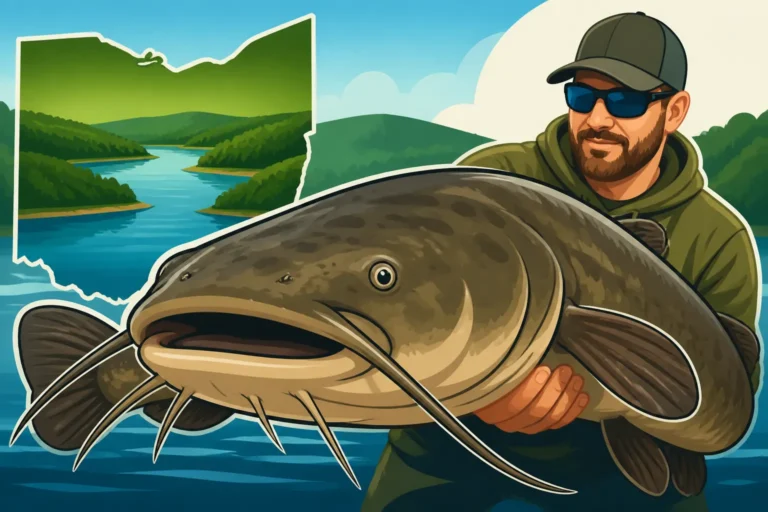
- Flathead Catfish are the apex predators of the river bottom. These brutes prefer live bait—think small bluegill or shad—and are often found lurking near submerged timber, rock piles, or bridge pilings, waiting to ambush their prey. They’re most active in the warmer months, especially at night. You can find more specific details on identifying these incredible fish in our Ohio Flathead Catfish Identification guide.
- Blue Catfish are the true giants of the Ohio River system, with some growing to incredible sizes. They prefer fresh cut bait, like shad or skipjack, and are often found in deeper holes with strong current. Fall and winter can be surprisingly productive times for targeting these monsters. To understand the differences between these species and how to spot them, take a look at our Ohio Blue Catfish Identification guide.
Many anglers specifically seek out local guides who specialize in these species. If you're considering a trip to target these large fish, our article on Ohio River Catfish Guide Services could be very helpful in finding an experienced captain.
Sauger and Hybrid Stripers: The Other River Stars
While catfish might dominate the headlines, the Ohio River also offers fantastic opportunities for other popular game fish, including sauger and hybrid striped bass. These species offer a different kind of fight and can be incredibly rewarding to target.
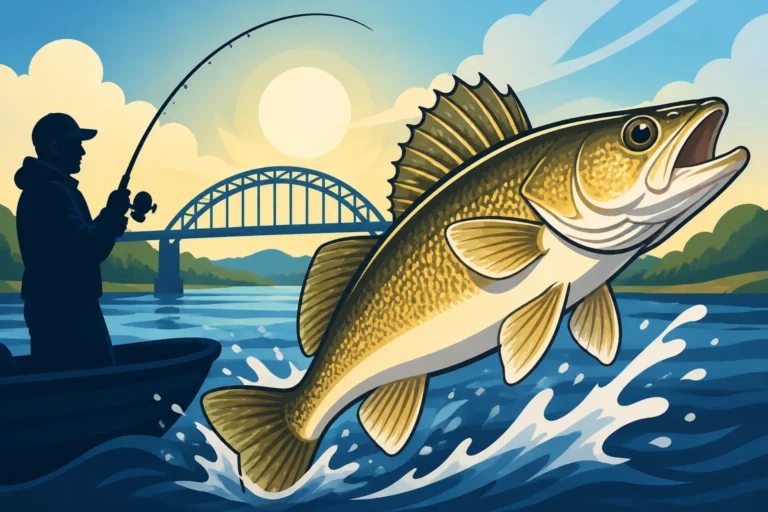
- Sauger, a cousin to the walleye, are fantastic eating fish known for their distinct mottled pattern. They thrive in the cooler, deeper parts of the river and are often found near current breaks, eddies, and tailwaters below dams. Fall, winter, and early spring are prime times to target sauger in Cincinnati. Vertical jigging with small jigs, blade baits, or minnows is a highly effective technique. It’s worth familiarizing yourself with Ohio River Sauger Regulations as they can vary. If you're curious about identifying these fish versus their walleye cousins, our Ohio Sauger Identification guide has all the details.
- Hybrid Striped Bass, a cross between a striped bass and a white bass, are incredibly strong fighters that school up and feed aggressively. They follow baitfish and can be found throughout the river, often in areas with moving water or near tributary mouths. Spring and fall are excellent times to target them, using crankbaits, swimbaits, or live shad. These fish offer a truly exhilarating tug-of-war. For more on these powerful swimmers, consult our Ohio White Bass and Hybrid Striper Identification article.
Hidden Gems: Bass and Panfish in River Backwaters
Don't overlook the opportunities for bass and panfish in the quieter sections and backwaters of the Ohio River near Cincinnati. While not as prevalent as in some inland lakes, these areas can offer some surprisingly good fishing, especially for families or those looking for a lighter tackle challenge.
- Largemouth Bass often seek out slack water, protected coves, and the mouths of tributaries where the current isn't as strong. Areas with submerged vegetation, fallen trees, or boat docks can hold good numbers of bass. Think about fishing around places like the Little Miami River confluence or other slower-moving embayments. If you're a bass enthusiast, our Ohio Largemouth Bass Fishing Guide offers a wealth of information.
- Smallmouth Bass prefer clearer water and rocky bottom structure, often found in areas with moderate current. While not as common as largemouth in the immediate Cincinnati area, they can be found in certain stretches, especially upstream or near rocky shorelines. Learn more about these feisty fish with our Ohio Smallmouth Bass Fishing Guide.
- Crappie and other Panfish like bluegill and sunfish can also be found in calmer sections, marinas, and tributary mouths. They often suspend around brush piles, docks, or other submerged structures. A simple jig and minnow or a small worm under a bobber can lead to a fun day of catching, especially for kids. Our Ohio Crappie Fishing Guide is a great resource for targeting these tasty panfish.
To get a broader perspective on fishing throughout the year, be sure to check out our Ohio Fishing Season Calendar.
Top Fishing Access Points and Effective Techniques in Cincinnati
Knowing where to drop a line and how to present your bait effectively are the two pillars of successful fishing on the Ohio River. Around Cincinnati, you’re fortunate to have a variety of access points, whether you prefer fishing from the bank or launching a boat.
Prime Shoreline Hotspots and Public Parks
For many local anglers, bank fishing is the most accessible way to experience the Ohio River. Cincinnati offers several excellent public areas where you can set up shop and target a variety of species.
- Cincinnati Public Landing and Friendship Park: Located right downtown, these areas offer paved walkways and rip-rap banks that provide excellent access. You'll often see anglers here targeting catfish, sauger, and even white bass during their runs. The current can be strong, so bring heavy sinkers. It's an incredible spot to fish with the city's iconic bridges and skyline as your backdrop. Parking is available, though it can be metered.
- Riverside Park (California, OH): Just east of downtown, this park offers a more serene environment with good bank access and some calmer water areas, particularly near the mouth of the Little Miami River. This confluence is a well-known hotspot for bass, sauger, and various catfish. The mix of current breaks and shallower water makes it ideal for a wider range of techniques. It's definitely one of the Best Fishing Spots Near Cincinnati, Ohio.
- Meldahl Dam (Near Felicity, OH): While a bit of a drive east from Cincinnati, the tailwaters below Meldahl Dam offer some of the most consistent fishing on the Ohio River for sauger, hybrid stripers, and large catfish. There's good bank access, but be extremely cautious of fluctuating water levels and strong currents, especially when the dam gates are open. This is a powerful, productive area, but demands respect. For specific advice on targeting catfish in the river, our Best Ohio River Access Points for Catfish article can provide more direction.
Boat Ramps and Navigating River Access
For those with a boat, the Ohio River truly opens up, allowing you to reach deeper channels, submerged structures, and areas inaccessible from shore. However, boating on the Ohio requires a keen awareness of commercial traffic and strong currents.
- Public Launch Ramps: There are several public ramps available. The ramp at Riverside Park (California, OH) is popular, offering good access to both the main river and the Little Miami. Further downstream, ramps in Anderson Ferry or Shawnee Lookout Park (near North Bend) provide access to different stretches of the river, often with more secluded waters away from the immediate downtown bustle. Always check ramp conditions, as water levels can affect usability.
- Safety on the Water: The Ohio River is a working river. Always yield to commercial towboats and barges, as they cannot stop or maneuver quickly. Be mindful of their wakes, which can be substantial. Keep a sharp eye on navigation markers, and be aware of your surroundings at all times. Strong currents, especially after heavy rains, can be dangerous. Always wear a life jacket and let someone know your float plan.
Tried-and-True River Fishing Techniques
Successfully fishing the Ohio River often comes down to mastering a few fundamental techniques and adapting them to the river's conditions.
- Bottom Fishing for Catfish: This is arguably the most popular and productive method. Use a sturdy spinning or baitcasting setup with a Carolina rig or a slip-sinker rig. The key is to use enough weight (often 2-4 oz or more) to hold your bait on the bottom in the current.
- Baits: Fresh cut bait (shad, skipjack herring, bluegill), nightcrawlers, chicken livers, and commercial stink baits are all excellent choices. For flatheads, live bait is almost always preferred.
- Rigging: A simple slip-sinker rig involves a heavy egg or no-roll sinker on your main line, followed by a barrel swivel, a heavy leader (12-24 inches of 20-50 lb mono or fluorocarbon), and a strong circle hook (3/0 to 8/0 depending on target size).
- Vertical Jigging for Sauger: When targeting sauger in deeper channels or current breaks, vertical jigging is highly effective.
- Lures: Small lead head jigs tipped with minnows or soft plastic grubs, and blade baits (like a Silver Buddy or Cicada) are go-tos.
- Technique: Position your boat directly over a known sauger spot or a promising piece of structure. Drop your jig to the bottom, then lift it a foot or two with a sharp snap, letting it fall back on a semi-slack line. Most bites happen on the fall.
- Casting for Bass and Hybrid Stripers: In calmer waters or near tributary mouths, traditional bass fishing techniques work well.
- Lures: Crankbaits that dive to the appropriate depth, spinnerbaits, chatterbaits, and soft plastics (Texas-rigged worms, swimbaits) are all productive.
- Technique: Focus on casting towards visible cover like fallen trees, rock piles, or dock pilings. For hybrid stripers, look for schooling baitfish or surface activity, and cast fast-moving lures into the fray.
Gearing Up and Local Intel for Cincinnati Anglers
Stepping onto the banks of the Ohio River or launching your boat means you need to be prepared. Having the right gear and a bit of local know-how can make all the difference between a frustrating day and a fantastic one.
Rod, Reel, and Line for River Warfare
The Ohio River demands robust tackle. Its powerful currents and large, hard-fighting fish will quickly expose any weaknesses in your setup.
- Catfish Rods: For targeting channel and blue cats from the bank, a medium-heavy to heavy action spinning or baitcasting rod, 7 to 9 feet long, is ideal. This length helps with casting heavier weights and provides leverage against strong fish. Pair it with a reel capable of holding 150-250 yards of 15-30 lb monofilament or 30-65 lb braided line. For flatheads, you’ll want even heavier gear, often 8-10 foot heavy action rods with larger reels spooled with 60-100 lb braid.
- Sauger/Bass Rods: A medium to medium-heavy action spinning rod, 6.5 to 7.5 feet long, is versatile for sauger, bass, and hybrid stripers. Spool your reel with 8-12 lb fluorocarbon or 15-20 lb braid with a fluorocarbon leader for sensitivity and stealth.
- Line Choice: Braided line is highly recommended for its strength, sensitivity, and lack of stretch, which is crucial for detecting subtle bites in current. However, always use a monofilament or fluorocarbon leader, as braid can be visible to fish and is more prone to abrasion on rocks.
Essential Tackle Box Additions
Beyond your basic lures and baits, a few specific items are absolute must-haves for Ohio River fishing around Cincinnati:
- Heavy Sinkers: As mentioned, you’ll need various sizes of pyramid, no-roll, or egg sinkers (1 oz to 6 oz) to combat the current.
- Strong Hooks: Circle hooks are excellent for catfish, minimizing gut-hooking and making releases easier. Invest in quality, sharp hooks from brands like Gamakatsu or Owner.
- Swivels and Leaders: Heavy-duty barrel or ball-bearing swivels prevent line twist, and a good selection of monofilament or fluorocarbon leader material (20-60 lb test) is critical for abrasion resistance.
- Pliers/Forceps: Essential for removing hooks safely, especially from toothy sauger or large catfish.
- Net/Gaff: A large, sturdy landing net is invaluable for big catfish. For truly massive flatheads or blues, a gaff might be considered by experienced anglers, but always prioritize the fish's safety if practicing catch and release.
- Headlamp/Flashlight: If you plan to fish at night, which is prime time for catfish, a reliable headlamp is non-negotiable.
Navigating Regulations and Licensing
Before you even think about casting a line, make sure you’re legal. An Ohio Fishing License Guide for Residents and Nonresidents is your first stop. If you're fishing from the Ohio side of the river or launching a boat in Ohio, you'll need an Ohio fishing license. While there are reciprocal agreements with Kentucky and West Virginia for certain stretches of the river, the easiest and safest bet is always to have a license from the state you're primarily fishing from. Don’t forget to familiarize yourself with Ohio Fishing Regulations Every Angler Should Know, as species-specific size and bag limits apply. The Ohio River also has some very specific nuances in its Special Fishing Rules on the Ohio River, so it's always best to check the current Ohio Department of Natural Resources (ODNR) regulations.
Hiring a Local Guide or Charter for an Edge
If you're new to the Ohio River, or simply want to maximize your chances of success and learn the local nuances quickly, consider hiring a professional guide. These captains live and breathe the Ohio River, knowing its ever-changing currents, hidden hot spots, and the most effective techniques for current conditions. They'll provide all the necessary gear, bait, and most importantly, invaluable knowledge. Websites like FishingBooker are an excellent resource for finding reputable Ohio River Fishing Guide Services right here in Cincinnati. You can browse different guides, read reviews, and find someone whose expertise matches the species you're eager to target. A guide can significantly shorten the learning curve, making your first few trips incredibly productive and enjoyable. This is especially true for specific targets like giant blue catfish where specialized knowledge is key.
Embrace the Local Community and Resources
Never underestimate the power of local intel! Pop into a local bait and tackle shop in the Cincinnati area. These folks are on the water constantly, hear reports daily, and are usually more than happy to share tips on what’s biting and where. They can guide you on the freshest local baits or the latest hot lures. Join local online fishing forums or Facebook groups dedicated to Ohio River fishing. Anglers often share real-time reports, conditions, and advice. Building connections within the fishing community can open doors to new spots and techniques you might never discover on your own. It's all part of the wonderful, shared experience of fishing!
Disclaimer
Please note that fishing regulations, conditions, and fish populations can change. Always consult the latest Ohio Department of Natural Resources (ODNR) fishing regulations before heading out on the water. This guide is for informational purposes only and should not replace official sources. Practice safe boating and fishing habits, and always prioritize your safety and the well-being of the fish.