Best Ohio Lakes for Smallmouth Bass
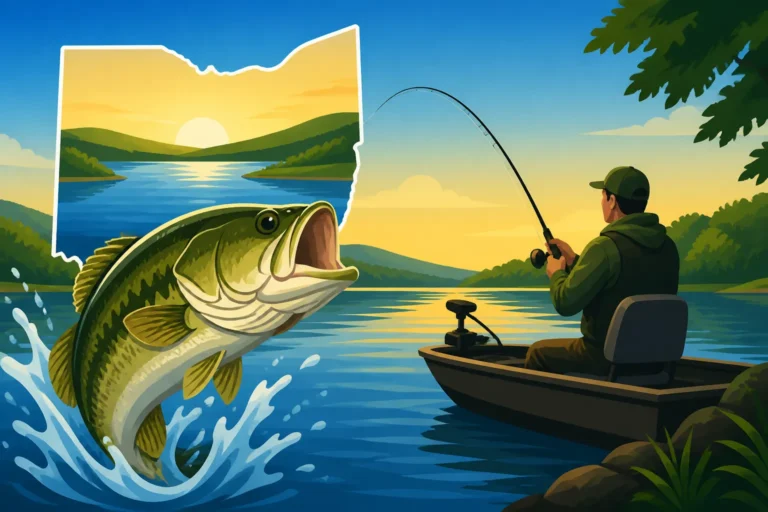
It can be incredibly frustrating to hit the water in Ohio, only to find yourself struggling to locate those elusive smallmouth bass. Many anglers default to targeting largemouth, but if you know where to look and what these bronze beauties prefer, you can unlock some truly spectacular smallmouth action. This guide is here to cut through the guesswork, pointing you directly to Ohio's prime smallmouth bass waters and arming you with the knowledge to make your next trip a success.
Understanding Smallmouth Bass Habitat in Ohio
Before we dive into specific locations, it's crucial to understand what makes a spot appealing to smallmouth bass. Unlike their largemouth cousins, smallmouth have distinct preferences that often revolve around specific environmental factors. Knowing these preferences will help you not only find the best lakes but also pinpoint productive areas within those lakes.
The Ideal Smallmouth Environment
Smallmouth bass are, in essence, fish that love structure and clean, oxygen-rich water. Think clear-to-moderately clear water, which allows them to use their keen eyesight to hunt. They thrive in environments with ample rocky bottom, gravel beds, and boulders. These features provide ambush points for hunting and crucial spawning grounds. You'll often find them lurking around sharp drop-offs, submerged humps, points, and even old creek channels. Areas with some current, whether it's from a river input or wind-driven patterns, are also highly favored, as current brings food and oxygen. This is a stark contrast to largemouth, who are typically found buried in thick weeds, lily pads, and shallow, murky coves. If you're looking for that signature bronze flash and incredible fighting spirit, start by seeking out these rocky, clear-water havens.
Key Forage and Behavior
The diet of a smallmouth bass heavily influences where they'll be found. In many Ohio waters, particularly in Lake Erie, invasive round gobies have become a primary food source, making any rocky structure that attracts gobies a smallmouth hotspot. Beyond gobies, smallmouth feed on crayfish, a wide variety of minnows, shad, and even small panfish. Their behavior also shifts dramatically with the seasons. In spring, as water temperatures rise, they move shallower to spawn on gravel beds, often found on protected points or in bays. During the heat of summer, they'll typically retreat to deeper, cooler waters, often suspending over structure or hugging the bottom on deep breaklines. Fall sees them aggressively feeding, bulking up for winter, often schooling up on offshore humps and ledges. Come winter, they'll be deep, less active, but still catchable with slow, precise presentations. Understanding these seasonal movements is key to consistent success.
Top Ohio Lakes for Smallmouth Bass
Ohio offers some fantastic opportunities for smallmouth enthusiasts, from the legendary waters of Lake Erie to hidden gems in our inland reservoirs. Let's explore where you can find these hard-fighting fish.
Lake Erie: The Smallmouth Mecca
When it comes to smallmouth bass, Lake Erie isn't just one of Ohio's best spots; it's often considered one of the top smallmouth fisheries in the entire world. The sheer abundance of rocky structure, diverse forage (including those plentiful gobies), and expansive water create an ideal environment for trophy-sized smallmouth. The lake is generally divided into three basins: Western, Central, and Eastern, each offering unique opportunities.
The Western Basin, famous for its walleye, also holds incredible smallmouth, particularly around the Bass Islands like Kelleys Island and South Bass Island, as well as the numerous reefs. Here, you'll often find them relating to rocky points, shoal edges, and deeper drops. Moving into the Central Basin, the smallmouth action continues, often focusing on the deeper rock piles and breakwalls near cities like Cleveland and Sandusky. The Eastern Basin, while less fished by Ohioans, also has fantastic smallmouth opportunities, especially around the deeper humps and structure.
Many anglers are surprised to learn just Does Lake Erie Have Good Smallmouth Bass Fishing?, and the answer is a resounding yes! The fish here grow to impressive sizes, with the potential to catch true giants. Anglers frequently report catching smallmouth in the 3-to-5-pound range, and even larger specimens are not uncommon. If you're wondering How Big Smallmouth Bass Get on Lake Erie, let's just say state record contenders are always a possibility here. The sheer volume of fish means you can often have multiple double-digit days, making it an incredible destination for smallmouth fanatics. If you're considering a trip and want to maximize your chances, booking a guided charter through a service like FishingBooker can be a fantastic way to navigate the expansive waters and tap into local knowledge, especially if you're unfamiliar with the lake's vastness.
Inland Reservoirs with Excellent Smallmouth Populations
While Lake Erie might grab the headlines, Ohio's inland reservoirs shouldn't be overlooked. Several of these large impoundments offer fantastic smallmouth fishing, often with less boat traffic than the big lake. These lakes typically feature clearer water and a good amount of rocky, hard-bottom structure.
- Deer Creek Lake: This beautiful reservoir in central Ohio is a fantastic destination for smallmouth. It boasts clear water and plenty of rocky shoreline, riprap, and deeper submerged structure that smallmouth adore. You'll find them holding on points, ledges, and around the causeways. If you're looking for a detailed plan, consult a Deer Creek Lake Fishing Guide for specific access points and seasonal tips.
- Hoover Reservoir: Just northeast of Columbus, Hoover Reservoir is another top-tier smallmouth lake. Its deep, clear waters and abundance of rocky ledges, bridge pilings, and offshore humps provide excellent habitat. Early mornings and evenings often see smallmouth cruising the rocky banks, especially near the dam area. Knowing the various Hoover Reservoir Fishing Access Points is crucial, as some areas offer better bank fishing than others.
- Alum Creek Lake: North of Columbus, Alum Creek Lake is a deep, clear reservoir known for its diverse fishery, including some impressive smallmouth. Look for rock outcroppings, deep offshore structure, and the edges of the old creek channel. While many anglers target muskie here, the same rocky, structural areas that hold muskie also hold smallmouth, making it a great multi-species destination. You might even pick up a bronzeback while following tips from an Alum Creek Lake Muskie Fishing Tips guide!
- Caesar Creek Lake: Located in southwest Ohio, Caesar Creek Lake is famed for its clear water, steep drops, and submerged timber, which create perfect smallmouth ambush points. The lake's deep channels and rocky points are prime areas. Anglers targeting saugeye often encounter smallmouth in similar deep, clear-water environments. If you're heading out to Caesar Creek Lake Saugeye Fishing, keep an eye out for smallmouth lurking around the same structures.
Smaller Lakes and Rivers for Quality Smallmouth
Beyond the major players, Ohio has a network of smaller lakes and rivers that provide excellent smallmouth opportunities, often in a more intimate setting.
- Pymatuning Reservoir (Ohio side): Straddling the Ohio-Pennsylvania border, Pymatuning Reservoir is well-known for its crappie and walleye, but don't overlook its smallmouth potential. The Ohio side, especially around the deeper, rockier sections, can yield some surprising bronzebacks. Focus on the areas where the old river channel meets rocky points. A good Pymatuning Reservoir Fishing on the Ohio Side guide can help you pinpoint these spots.
- Lake Milton: Situated in northeast Ohio, Lake Milton offers a mixed bag of species, but the clearer sections with rocky points and bridge structures hold good numbers of smallmouth. Look for them around the old dam remnants and any significant rock formations.
- Mohican River: For those who prefer moving water, Ohio's rivers offer a different, but equally exciting, smallmouth experience. The Mohican River, with its clear waters, rocky bottom, and numerous current breaks, is a prime example. River smallmouth are incredibly powerful due to constantly fighting current. Focus on eddies, current seams, submerged boulders, and log jams. While this guide doesn't specifically cover the Mohican, general knowledge from an Ohio River Fishing Guide can give you a baseline for river fishing techniques applicable to any Ohio waterway.
Strategies for Catching Ohio Smallmouth
Having identified the best lakes, let's talk tactics. Smallmouth bass are aggressive predators, but they can also be finicky. Employing the right gear and understanding their seasonal patterns will significantly increase your success.
Essential Tackle and Lures
Smallmouth fishing often requires a slightly different approach than largemouth. You'll want tackle that allows for sensitive presentations and can handle strong, sudden runs.
- Rods: A medium-light to medium-heavy spinning rod (6'6" to 7'2") is excellent for finesse techniques, while a medium baitcasting setup (6'9" to 7'6") works well for moving baits. The extra length helps with casting distance and fighting powerful fish.
- Line: Fluorocarbon line (6-10 lb test) is a fantastic choice for its low visibility and sensitivity. Alternatively, braid (10-20 lb test) with a fluorocarbon leader (6-10 lb) offers excellent casting distance and sensitivity, especially in deeper water.
- Lures: Smallmouth are suckers for anything that mimics their natural forage.
- Drop Shots: Indispensable for deep, clear water. Small worms, minnow baits, and creature baits on a drop shot rig are deadly. If you need a refresher, learning How to Fish a Drop Shot for Smallmouth Bass is a game-changer.
- Ned Rigs: A simple yet incredibly effective finesse presentation. Small stick baits or creature baits on a mushroom head jig can catch smallmouth even on tough days. Mastering How to Fish a Ned Rig for Ohio Smallmouth Bass will add a versatile tool to your arsenal.
- Tubes: Imitate crayfish or gobies perfectly. Hop them along the bottom or swim them through rocky areas.
- Swimbaits: Small paddle-tail swimbaits rigged on jig heads are great for covering water and mimicking baitfish.
- Crankbaits: Deep-diving crankbaits are excellent for reaching fish suspended over deep structure, while shallow-running crankbaits can be effective on rocky flats.
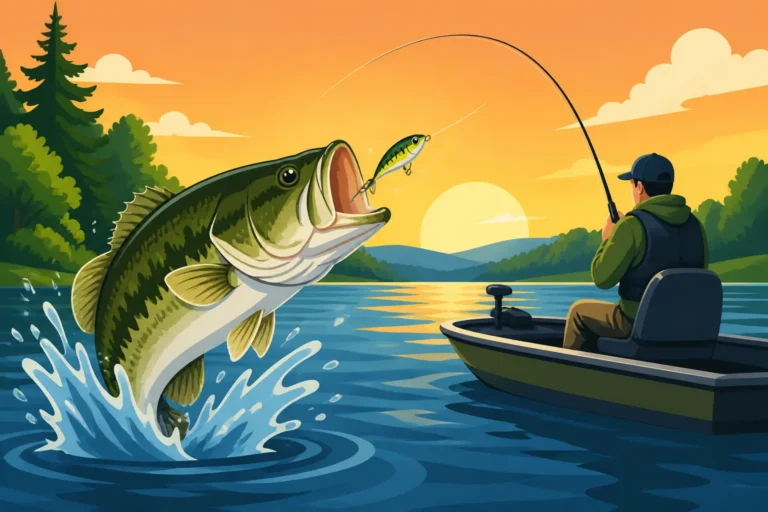
- Topwaters: Poppers, walk-the-dog baits, and prop baits can be exhilarating in low-light conditions or when smallmouth are actively feeding on the surface.
For a broader understanding of effective presentations, check out a comprehensive guide on Best Techniques for Ohio Smallmouth Bass.
Seasonal Tactics and Locations
Knowing what smallmouth are doing throughout the year is paramount to finding them. Their movements are highly dictated by water temperature and spawning cycles.
- Spring (Pre-spawn & Spawn): As ice thaws and water temperatures climb into the 40s and 50s Fahrenheit, smallmouth move shallower. They'll stage on rocky points and humps adjacent to spawning flats, often in 5-15 feet of water. Once water temperatures hit the mid-50s to low 60s, they'll move onto shallower gravel beds to spawn. Understanding the Water Temperature That Triggers Bass Spawning in Ohio is vital for timing this bite. Look for protected bays with rocky bottoms or wind-sheltered points. Jerkbaits, crankbaits, and tube baits are excellent during pre-spawn, while Ned rigs and soft plastics shine during the spawn.
- Summer: The dog days of summer see smallmouth retreating to deeper, cooler waters, often suspending over deep structure, clinging to ledges, or relating to the thermocline. Depths can range from 15-40 feet or more, especially in Lake Erie. Drop shots, deep-diving crankbaits, and heavy jigs are key. Early mornings and late evenings can offer opportunities for topwater action as fish briefly move shallower to feed. Think about applying strategies for How to Fish Deep Structure for Summer Walleye to find those deep summer smallmouth.
- Fall: As water temperatures begin to drop, smallmouth become highly aggressive, feeding heavily to prepare for winter. They'll often school up on offshore humps, deep points, and rock piles. This is a fantastic time for power fishing with crankbaits, spinnerbaits, and swimbaits, as well as finesse tactics like drop shots. The fish are often fat and feisty!
- Winter: During winter, smallmouth are generally deep and less active. You'll find them in the deepest parts of the lake, often clustered tightly on significant bottom structure. Slow, subtle presentations are key. Vertical jigging with small spoons, blade baits, or a slow-dragged Ned rig can entice bites. Patience is a virtue when ice fishing or targeting them in open water during the cold months.
| Ohio Smallmouth Lake | Key Features for Smallmouth | Primary Forage | Best Techniques |
|---|---|---|---|
| Lake Erie | Vast rocky reefs, islands, deep structure, clear water | Gobies, minnows, crayfish | Drop shot, tubes, crankbaits, swimbaits, blade baits |
| Deer Creek Lake | Clear water, rocky points, riprap, deep ledges | Shad, minnows, crayfish | Drop shot, Ned rig, tubes, crankbaits |
| Hoover Reservoir | Rocky ledges, bridge pilings, offshore humps, clear water | Minnows, crayfish, shad | Ned rig, drop shot, crankbaits, jigs |
| Alum Creek Lake | Deep, clear, rock outcroppings, submerged timber, old creek channels | Shad, minnows, crayfish | Drop shot, tubes, deep jigs, crankbaits |
| Caesar Creek Lake | Clear water, steep drops, submerged timber, rocky points | Shad, minnows, crayfish | Drop shot, jigs, tubes, swimbaits |
| Pymatuning Reservoir | Rocky sections of old river channel, points | Minnows, crayfish | Tubes, jigs, crankbaits |
| Lake Milton | Rocky points, bridge structures, clearer areas | Minnows, crayfish | Ned rig, jigs, spinnerbaits |
| Mohican River | Current breaks, submerged boulders, log jams, rocky bottom | Crayfish, hellgrammites, minnows | Jigs, tubes, crankbaits (shallow), topwaters |
Remember, while this table provides a general overview, smallmouth fishing is an art that requires adapting to conditions. Don't be afraid to experiment with different baits and presentations. If you're planning a trip to one of Ohio's larger lakes, especially Lake Erie, a reputable charter service found on platforms like FishingBooker can provide invaluable local insight and put you directly on the fish.
Disclaimer
The information provided in this guide is for general informational purposes only. Fishing conditions, regulations, and fish populations can change. Always consult the latest Ohio Department of Natural Resources (ODNR) fishing regulations before heading out on the water. Be aware of weather conditions and practice safe boating and fishing habits.