Best Ohio Fishing Gear and Tackle Guide
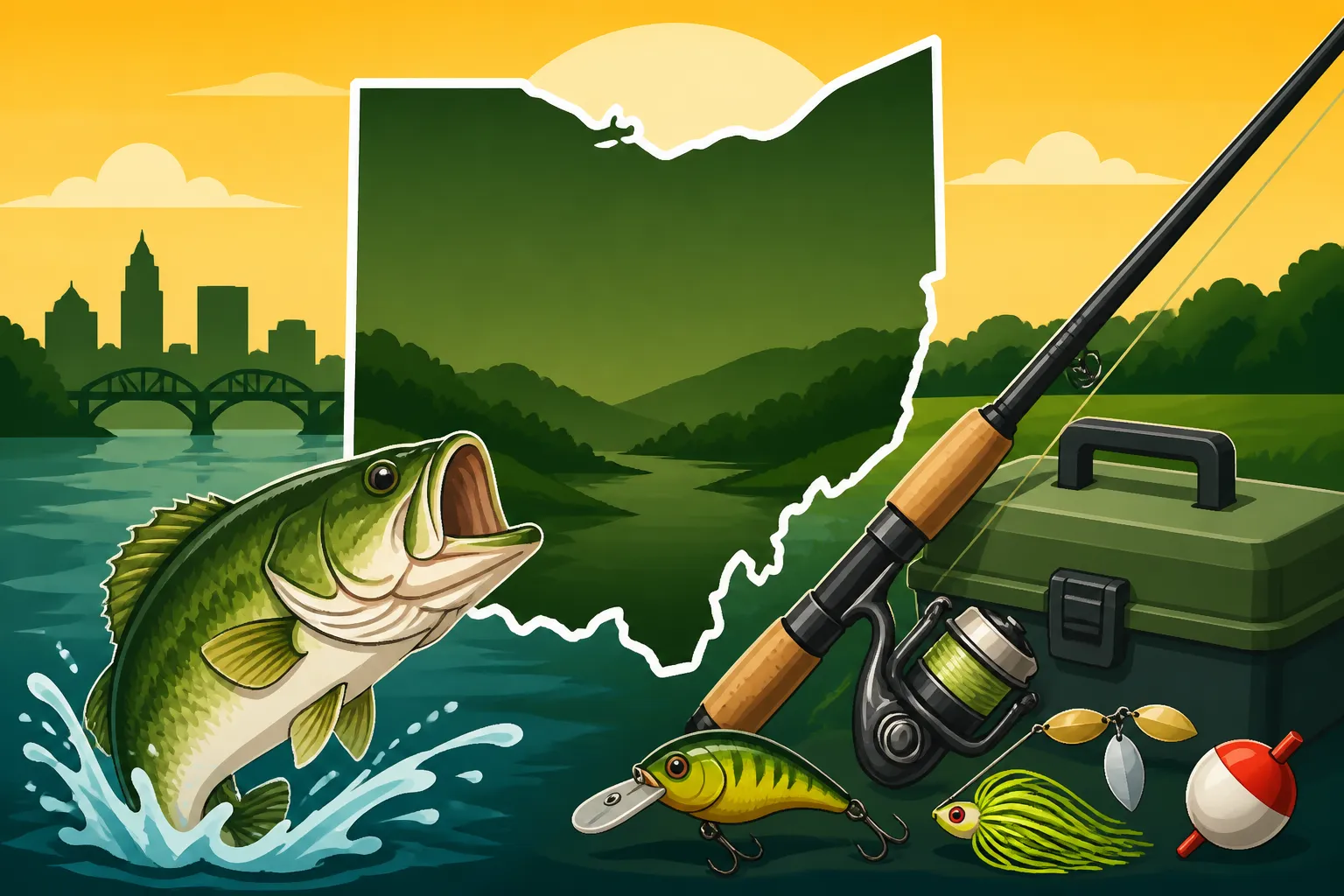
Stepping into the world of Ohio fishing, whether you’re a seasoned pro or just getting started, can feel like you’re trying to navigate a labyrinth of gear and tackle options. The sheer volume of rods, reels, lines, and lures available is enough to make anyone’s head spin, often leading to frustration and wasted money on equipment that just isn’t right for our diverse waters. This comprehensive guide is here to simplify that journey, helping you understand exactly what gear and tackle you need to confidently and successfully fish Ohio’s incredible lakes, rivers, and streams.
Understanding Ohio's Diverse Fishing Landscape
Ohio offers an incredibly varied fishing experience, from the vast open waters of Lake Erie to the quiet serenity of inland farm ponds, the strong currents of major rivers, and the intimate flows of steelhead tributaries. This rich diversity is fantastic for anglers, but it also means that a "one-size-fits-all" approach to fishing gear simply won't cut it. What works wonders for walleye on Lake Erie will likely be overkill for crappie in a small reservoir, and completely inadequate for a hard-fighting muskie.
From Lake Erie's Depths to Inland Lakes and Rivers
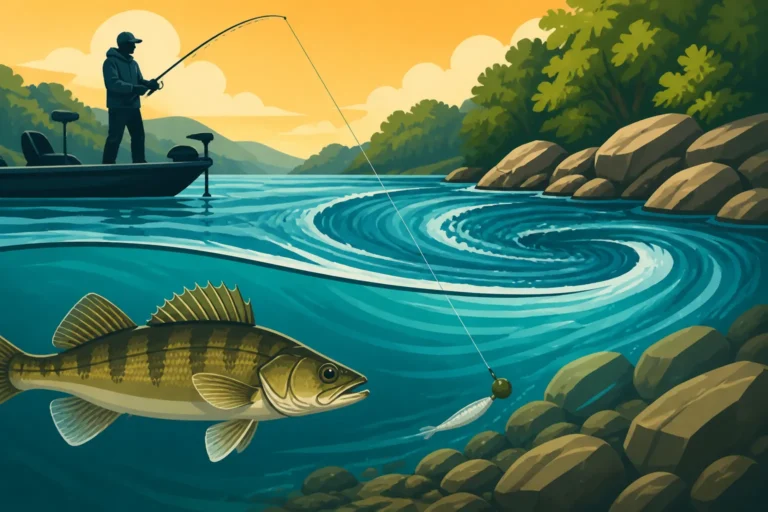
Think about the extreme differences in our fishing environments. Lake Erie, often called the "Walleye Capital of the World," is a beast of a lake. Fishing here often means contending with large waves, deep water, strong currents, and big fish. You'll need robust gear that can handle the elements and the fight. Trolling for walleye out on the open lake requires specialized rods designed for planer boards and heavy lures, while jigging for perch might demand a more sensitive setup. Trying to tackle Lake Erie with a flimsy panfish rod would be an exercise in futility and likely lead to heartbreak.
Then, consider our major inland reservoirs like Alum Creek Lake or Mosquito Creek Lake. These large bodies of water hold a fantastic variety of species, from big bass and saugeye to sizable catfish and muskie. While not as extreme as Lake Erie, they still require versatile gear that can handle both casting from shore and fishing from a boat. Your rod needs to be long enough for decent casting distance but sensitive enough to detect subtle bites. The same goes for the Ohio River, where powerful currents and often murky waters call for different strategies and tackle, especially if you're targeting those monster flathead catfish.
Contrast this with the smaller, more tranquil inland lakes and hundreds of public fishing ponds scattered across the state. Here, you might be targeting bluegill, sunfish, or smaller bass in calmer, clearer waters. Lighter, more finesse-oriented tackle becomes the order of the day. The delicate presentations needed for wary panfish in clear water are a world away from the heavy-duty trolling rigs used for offshore walleye. It's truly a testament to Ohio's angling opportunities that we need such a diverse tackle box.
Targeting Specific Species in Ohio
The species you're chasing plays an enormous role in determining your gear and tackle choices. It’s not just about the size of the fish, but also their fight, their preferred habitat, and the techniques you'll use to catch them. For instance, muskie are known as the "fish of 10,000 casts" for a reason – they're powerful, aggressive predators that demand heavy-duty equipment capable of handling massive lures and brutal fights. You wouldn't dream of throwing a 12-inch bucktail on a medium-action bass rod; it would simply snap.
On the other end of the spectrum, if you're aiming for a stringer full of crappie or bluegill, an ultralight setup is your best friend. This allows for super-light lines, tiny jigs, and extreme sensitivity to detect those often subtle bites from panfish. Using a heavy rod designed for catfish would feel like trying to pick up a feather with a baseball bat. The finesse required for these species is paramount, making an ultralight or light action rod and small reel absolutely essential.
Even within a species, different techniques might call for slightly different setups. For bass, you might have one rod for throwing heavy jigs into thick cover, another for delicate dropshotting, and yet another for topwater frogs. Understanding these nuances, which we'll dive into throughout this guide, will not only make you a more effective angler but also save you money by investing in the right tools for the job.
Rods: The Foundation of Your Ohio Fishing Arsenal
Your fishing rod is arguably the most critical piece of equipment you’ll choose. It’s the extension of your arm, transmitting every twitch and tap from your lure to your hands. Selecting the right rod involves understanding its power and action, and knowing whether a spinning or baitcasting setup is best for your target species and preferred techniques in Ohio.
Choosing the Right Rod Power and Action
Rod power refers to the amount of force required to bend the rod, essentially its strength or stiffness. This directly correlates to the weight of the lures and lines it’s designed to handle, and the size of fish it can effectively fight.
- Ultralight (UL): Perfect for small panfish like bluegill and crappie, small trout, or stream fishing. Handles very light lines (2-6 lb) and tiny baits. Provides maximum fun for smaller fish.
- Light (L): A step up, good for slightly larger panfish, small bass, and general trout fishing. Works well with 4-8 lb line.
- Medium (M): A versatile choice for many Ohio species, including bass, walleye, and smaller catfish. Can handle 6-12 lb line and a wider range of lures. Often a great starting point for new anglers.
- Medium-Heavy (MH): Excellent for targeting larger bass in heavy cover, saugeye, bigger walleye, and medium-sized catfish. Typically designed for 10-20 lb line.
- Heavy (H): Essential for big catfish, pike, and muskie. Used with heavy lines (20-50+ lb) and large, heavy lures. Provides the backbone needed to pull big fish out of thick vegetation or strong current.
- Extra-Heavy (XH): Specialized for the largest muskie, flathead catfish, or saltwater applications not typically seen in Ohio.
Rod action describes where along the blank the rod bends when pressure is applied, and how quickly it returns to straight. This affects casting distance, lure presentation, and hook-setting ability.
- Fast Action: The rod bends mostly in the top third or quarter of the blank. This provides excellent sensitivity, allowing you to feel subtle bites. It also offers powerful, quick hook sets, making it ideal for single-hook lures like jigs and Texas-rigged plastics. Most bass and walleye rods are fast action.
- Moderate (or Medium) Action: The rod bends through the top half of the blank. This action allows for longer casts with crankbaits and other treble-hook lures, as the rod loads up more smoothly. The slower bend also provides a more forgiving hook set, which helps prevent tearing the hooks out of a fish’s mouth when using multiple trebles. Many crankbait specific rods are moderate action.
- Slow Action: The rod bends throughout its entire length. These rods are less common for modern freshwater applications but are excellent for casting very light lures or live bait with delicate presentations. They provide a very forgiving fight for small fish on light line, often seen in specialized panfish or fly rods.
For most Ohio anglers, a good starting point is a 6'6" to 7' medium power, fast action spinning rod. This versatile setup can handle a wide range of situations, from casting for bass along the shore of a local pond to jigging for walleye on a larger reservoir. As you specialize, you'll find yourself adding rods with different powers and actions to your collection.
Spinning vs. Baitcasting Rods for Ohio Waters
When it comes to the type of rod, you'll generally be choosing between spinning and baitcasting setups. Both have their advantages and disadvantages, and most dedicated anglers in Ohio will eventually own both.
Spinning Rods are often recommended for beginners, and for good reason. They are generally easier to learn, less prone to backlashing (a tangle of line on the reel that can be a nightmare to untangle), and excel at casting lighter lures. A spinning reel hangs underneath the rod, allowing gravity to assist in line flow off the spool. This makes them ideal for lighter lines (anything from 2 lb to 12 lb test) and smaller lures like tiny jigs, spinnerbaits, or slip bobber rigs. They are fantastic for panfish, trout, and a variety of bass and walleye techniques, especially when using lighter tackle or when finesse is required. If you're planning on fishing a local stream for trout or drifting a minnow under a bobber for crappie, a spinning rod is definitely the way to go. You can find a huge range of quality spinning combos on Amazon, making it easy to get started.
Baitcasting Rods, on the other hand, are the choice of many experienced anglers for their precision, power, and control. The reel sits on top of the rod, and the line comes off the spool in a straight line with the rod guides, which means less friction and often more accurate casting once mastered. Baitcasters excel at throwing heavier lures, handling thicker lines (typically 10 lb test and up), and providing greater leverage for fighting larger fish. They are indispensable for techniques like flipping and pitching heavy jigs into dense cover for bass, burning large bucktails for muskie, or deep cranking for walleye. The learning curve for a baitcaster can be steep due to the potential for backlashing, but with practice, they offer unparalleled control and power. For instance, if you're targeting those massive Lake Erie walleye with heavy diving crankbaits, or tackling the toothy giants in Piedmont Lake, a baitcasting setup will give you the control and backbone you need.
Reels: Matching Your Rod and Fishing Style
A quality fishing reel is just as important as the rod, working in tandem to cast your lure, retrieve your line, and battle fish. The choice between a spinning reel and a baitcasting reel is paramount, and within each category, understanding size, gear ratio, and drag system will help you pick the perfect match for your Ohio angling adventures.
Spinning Reels for Versatility
Spinning reels are the workhorses for many Ohio anglers, beloved for their user-friendliness and versatility. They come in various sizes, typically denoted by a number series (e.g., 1000, 2000, 2500, 3000, 4000). The higher the number, the larger the reel, meaning it will hold more line and generally have a stronger drag system.
- 1000-2000 series: These are ultralight to light reels, perfect for delicate presentations. Pair them with ultralight or light action rods for targeting panfish like bluegill and crappie in calmer waters, or for finicky stream trout. They handle 2-6 lb test line beautifully, offering maximum sport for smaller species.
- 2500-3000 series: This is the sweet spot for many general-purpose fishing scenarios in Ohio. These reels balance line capacity with power, making them ideal for bass, walleye, saugeye, and even smaller catfish. They typically handle 6-12 lb mono or fluorocarbon, or 10-20 lb braid. If you're looking for a versatile setup that can cover a lot of ground, a 2500-size reel is an excellent choice. Many popular brands offer robust and smooth reels in this range that you can find easily.
- 4000 series and up: These larger spinning reels are designed for heavier applications, such as targeting larger catfish, steelhead, or even light-duty muskie fishing. They boast increased line capacity and a more powerful drag system, often paired with medium-heavy or heavy action rods. When you need to cast heavier spoons for steelhead on the Rocky River or drop a hefty bait for channel catfish in the Ohio River, a 4000-series reel gives you the necessary grunt.
Regardless of size, always look for a spinning reel with a smooth and reliable drag system. The drag is what allows line to pay out under pressure, preventing your line from breaking when a fish makes a strong run. A jerky or inconsistent drag can quickly lead to lost fish. Additionally, consider the reel's retrieve rate (gear ratio). A higher gear ratio (e.g., 6.2:1) means more line retrieved per crank, great for quickly reeling in slack or working fast-moving lures. A lower ratio (e.g., 5.0:1) offers more cranking power, better for retrieving lures with a lot of resistance.
Baitcasting Reels for Precision and Power
Baitcasting reels are for anglers who demand precision, power, and the ability to handle heavier lines and lures. While they have a steeper learning curve (beware the dreaded "bird's nest" backlash!), the control they offer is unmatched once mastered.
One of the key features of baitcasting reels is their gear ratio, which determines how much line is retrieved with each turn of the handle.
- Low gear ratios (e.g., 5.1:1 – 6.0:1): These reels prioritize cranking power. They are excellent for retrieving large, high-resistance lures like deep-diving crankbaits, big swimbaits, or heavy spinnerbaits. If you're grinding big bass lures through dense cover or working heavy muskie baits, a low gear ratio will save your arm from fatigue.
- Medium gear ratios (e.g., 6.1:1 – 7.0:1): These are considered versatile workhorses, offering a good balance of power and speed. They're suitable for a wide range of techniques including general bass fishing, topwater lures, and jigging.
- High gear ratios (e.g., 7.1:1 – 9.1:1): Designed for speed, these reels retrieve line quickly. They are perfect for techniques that require rapid lure retrieval or taking up slack quickly, such as pitching and flipping for bass, or working fast-moving jerkbaits. They can also be crucial when you need to quickly retrieve a lure after a missed strike or cast to another spot.
Another critical component of a baitcasting reel is its braking system. This system controls the speed of the spool during a cast, preventing it from spinning faster than the line is going out, which is what causes backlashes.
- Centrifugal brakes: Use pins that extend outwards as the spool spins, creating friction against the reel housing. They offer excellent control but often require opening the reel side plate to adjust.
- Magnetic brakes: Use magnets to slow the spool. These are often externally adjustable with a dial, making on-the-fly adjustments much easier when changing lures or conditions.
- Many modern baitcasters combine both systems or offer advanced versions for maximum adjustability and ease of use.
For targeting larger Ohio fish like muskie, heavy channel cats, or big Lake Erie walleye with trolling setups, a sturdy baitcasting reel is indispensable. They provide the backbone and line capacity needed to effectively manage these powerful species and heavy presentations. If you're serious about battling the giants, a good quality baitcaster is an investment you won't regret.
Fishing Line: The Unseen Connection
The fishing line is your only direct connection to the fish. Choosing the right type and weight of line is critical for successful angling in Ohio, influencing everything from casting distance and sensitivity to lure presentation and knot strength. There are three main types of fishing line, each with distinct properties that make them suitable for different situations.
Monofilament, Fluorocarbon, and Braided Lines
Let's break down the most common line types you'll encounter and why they matter for Ohio fishing:
Monofilament (Mono) Line is the oldest and perhaps most familiar synthetic fishing line. It’s made from a single strand of nylon, offering several distinct advantages. It’s generally the most affordable option, making it a great choice for beginners or for spooling up multiple reels without breaking the bank. Mono is also known for its stretch, which can be a double-edged sword: it acts as a shock absorber, helping to prevent hooks from pulling out of a fish's mouth and cushioning sudden strikes. This stretch can be particularly beneficial when fishing with treble hooks, such as on crankbaits, or when fish are thrashing violently at the boat. Furthermore, mono is relatively easy to tie knots with, and it tends to float, which is a big plus for topwater lures. However, its downsides include relatively high line memory (it can coil off the spool), lower abrasion resistance compared to other lines, and susceptibility to UV degradation over time, meaning it needs to be replaced more often. It's a fantastic all-around choice for many applications, from general panfishing to bass and walleye with certain techniques.
Fluorocarbon (Fluoro) Line is a much newer entry into the fishing line world and has gained immense popularity, especially among bass and walleye anglers. Its biggest advantage is its near-invisibility underwater, as it has a refractive index very close to that of water, making it incredibly difficult for fish to see. This is a huge benefit in clear waters or when targeting wary fish. Fluoro also has very low stretch, offering excellent sensitivity, allowing you to feel even the most subtle bites or changes in bottom composition. It's highly abrasion-resistant, which is great when fishing around rocks, docks, or other structures. Unlike mono, fluorocarbon sinks, which can be advantageous for keeping crankbaits running deeper or for maintaining contact with bottom-bouncing presentations. The main drawbacks are its higher cost compared to mono, its tendency to be stiffer (which can sometimes lead to knot issues if not tied correctly), and its slightly higher memory. Many anglers use fluorocarbon specifically as a leader material for its invisibility and abrasion resistance, attaching it to a main line of braid.
Braided Line is a powerful contender, literally. It’s made by weaving together multiple strands of synthetic fibers, typically Dyneema or Spectra, resulting in an incredibly strong line with a very small diameter for its breaking strength. The standout feature of braid is its almost complete lack of stretch, which provides unparalleled sensitivity. You'll feel everything – every blade of grass, every rock, and every light bite. This also translates to incredibly powerful hook sets, even at long distances. Braid casts exceptionally well due to its thin diameter and smooth surface, allowing for longer casts with less effort. It also boasts phenomenal abrasion resistance. However, braid is highly visible to fish, which is why it's often paired with a fluorocarbon leader. It's also more expensive than mono, and its slick, strong nature can make it prone to slipping on some knots if not tied correctly. Plus, its ability to cut through vegetation also means it can cut into your skin if not handled carefully, and it can be tough on reel components if not paired with appropriate guides. Braid is a favorite for fishing in heavy cover, deep water applications, and anytime maximum sensitivity and power are required.
Choosing Line Weight for Ohio Species
Matching your line weight to your target species, lure weight, and fishing environment is crucial. Here’s a general guide for Ohio:
| Species/Technique | Rod Power/Action | Main Line Type (Lbs) | Leader Type (Lbs) | Common Applications |
|---|---|---|---|---|
| Panfish (Bluegill, Crappie) | UL to L / Slow to Mod | Mono (2-6) | Fluoro (2-4) | Light jigs, live bait, bobber fishing. |
| Trout (Stocked, Stream) | UL to L / Mod to Fast | Mono (4-6) | Fluoro (2-6) | Small spinners, flies, bait. |
| Bass (Largemouth & Smallmouth) | M to MH / Fast | Fluoro (8-15) | Braid (15-40) with Fluoro leader (8-15) | Plastics, jigs, crankbaits, topwater. |
| Walleye/Saugeye (Jigging) | M / Fast | Braid (10-20) with Fluoro leader (8-12) | Fluoro (8-12) | Vertical jigging, casting jigs. |
| Walleye/Saugeye (Trolling/Cranking) | M to MH / Mod | Mono (10-17) or Braid (20-30) | Fluoro (10-17) | Deep-diving crankbaits, crawler harnesses. |
| Catfish (Channel, Blue) | MH to H / Mod to Fast | Mono (15-30) or Braid (30-50) | Mono (20-40) | Cut bait, live bait, bottom fishing. |
| Catfish (Flathead) | H to XH / Mod to Fast | Mono (40-60) or Braid (60-80) | Mono (50-80) | Large live bait, heavy current. |
| Steelhead | M / Mod to Fast | Mono (8-12) or Braid (15-20) with Fluoro leader (6-10) | Fluoro (6-10) | Drifting spawn, jigs, spoons. |
| Muskie | H to XH / Mod to Fast | Braid (65-100) | Wire or heavy Fluoro (80-130) | Large bucktails, jerkbaits, swimbaits. |
This table provides a rough guideline, and specific conditions and personal preferences might lead to variations. For instance, when fishing for bass in extremely clear water, you might opt for a full fluorocarbon setup to maximize stealth. Conversely, if you're punching through thick lily pads, heavy braid is non-negotiable. Don't forget that a good quality leader is crucial when using braid for species like walleye or steelhead, helping to hide your line and protect against abrasion.
Essential Terminal Tackle and Accessories
Terminal tackle refers to all the small but critical components at the "terminal" (end) of your fishing line: hooks, weights, swivels, and leaders. These elements directly connect to your bait or lure and play an enormous role in presentation and hook-up ratios. Beyond terminal tackle, a few key accessories can make your time on Ohio's waters much more productive and enjoyable.
Hooks, Weights, Swivels, and Leaders
Let's break down these foundational pieces of your fishing setup:
Hooks come in an astounding variety of shapes, sizes, and materials, each designed for a specific purpose. The most common types you'll encounter in Ohio include:
- J-Hooks: The traditional "J" shape, often used with live bait or for a variety of general fishing applications. They require the angler to set the hook. Sizes range from tiny #22 for panfish up to large 10/0 or more for catfish.
- Circle Hooks: Designed to hook fish in the corner of the mouth, minimizing gut-hooking and improving catch-and-release survival. They are excellent for bait fishing, especially for catfish or walleye, as the fish hooks itself as it swims away. No need for a forceful hook set – just reel steadily.
- Treble Hooks: Feature three points and are commonly found on crankbaits, jerkbaits, and spinnerbaits. They increase the chances of hooking a fish, especially those that swipe at a fast-moving lure. However, they can cause more damage to a fish if it's deeply hooked, so care is needed for catch-and-release.
- Worm Hooks/EWG Hooks: Specifically designed for rigging soft plastic worms and creature baits, often in a "weedless" fashion. The Extra Wide Gap (EWG) design helps expose the hook point when a fish bites, even with bulky plastics.
- Jig Heads: Hooks molded into a lead head, allowing for direct attachment of soft plastics or live bait. They come in various weights and shapes (round, stand-up, football) to suit different presentations and depths.
The size of your hook must match your bait and the mouth of your target fish. Using too small a hook for a large bait or too large a hook for a small fish will lead to missed opportunities. Always keep a variety of sizes and styles in your tackle box.
Weights (Sinkers) are used to get your bait or lure down to the desired depth and to aid in casting.
- Split Shot: Small, pinch-on weights ideal for light lines and presentations, often used to suspend bait under a bobber or add a bit of casting weight to a small lure.
- Bullet Weights: Tapered weights designed to be rigged in front of soft plastics (like a Texas rig) for bass fishing. Their shape allows them to slide through weeds and cover with less snagging.
- Slip Sinkers: Cylindrical or egg-shaped weights with a hole through the middle, allowing the line to "slip" through freely. Used for bottom fishing with live or cut bait, letting a fish take the bait without feeling the weight immediately.
- Drop Shot Weights: Designed for drop shot rigs, these weights are often cylindrical or tear-shaped and attached to the tag end of the line, keeping your bait suspended above the bottom.
Swivels prevent line twist, which can weaken your line and cause tangles, especially when using spinning lures or trolling.
- Barrel Swivels: The most basic type, effective for preventing line twist.
- Ball Bearing Swivels: Offer superior anti-twist performance and are essential when using lures with a lot of rotation, like spoons or certain spinnerbaits, or for heavy trolling applications where line twist can become a major problem.
- Snap Swivels: Combine a swivel with a snap clip, allowing for quick changes of lures or leaders. Handy for efficiency but can be a weak point if not high quality.
Leaders are sections of line tied between your main line and your hook or lure. They serve several crucial purposes:
- Invisibility: A fluorocarbon leader tied to a braided main line offers the best of both worlds – the strength and sensitivity of braid with the near-invisibility of fluorocarbon. This is vital for wary fish in clear water, common in many Ohio reservoirs and streams.
- Abrasion Resistance: A heavier fluorocarbon or even wire leader is essential when targeting toothy fish like muskie or northern pike, protecting your main line from their sharp teeth. Even for bass, a stout fluorocarbon leader can protect against nicks from rocks or heavy cover. An article like Ohio Muskie Size and Bag Limits will stress the importance of proper handling, which includes using a robust leader to manage these large fish.
- Breakaway Point: Sometimes, a leader of slightly lighter breaking strength than your main line is used to ensure that if you get snagged, only the leader breaks, saving your expensive main line.
Must-Have Tools and Accessories
Beyond the basics, a few essential tools and accessories will greatly enhance your fishing experience and ensure you're prepared for anything on Ohio’s waters.
- Pliers or Forceps: Absolutely indispensable for safely removing hooks from fish, cutting line, and bending wires. Long-nosed pliers or specialized fishing forceps are best, especially when dealing with deeply hooked fish or toothy critters.
- Line Cutters: A sharp pair of small scissors or line nippers is crucial for clean cuts, especially with braided line. Dull cutters can fray the line, weakening your knots.
- Landing Net or Boga Grip: A good landing net is vital for safely landing larger fish, especially if you plan on releasing them. For toothy fish like muskie or large catfish, a large rubberized net protects the fish's slime coat. A Boga Grip or similar lip gripper can be excellent for safely handling aggressive fish or those with sharp fins, especially if you're practicing catch and release.
- Tackle Box or Bag: Organization is key to an efficient fishing trip. A well-organized tackle box or bag keeps your lures, hooks, and weights neatly separated and easily accessible. Investing in a system with modular storage, like those offered by Plano or similar brands, allows you to customize compartments for different species or trips. Many anglers find great deals on various tackle organization solutions on Amazon, making it easy to keep track of all your smaller items.
- Measuring Tape and Scale: To ensure you're complying with Ohio Statewide Bag and Size Limits, a reliable measuring tape is a must. If you're into catch-and-release and want to know your fish's weight, a portable digital scale is a handy accessory.
- First-Aid Kit: Accidents happen. A small, waterproof first-aid kit with bandages, antiseptic wipes, and pain relievers is a smart addition to any fishing excursion.
- Sun Protection: Don't underestimate the Ohio sun, even on cloudy days. A wide-brimmed hat, polarized sunglasses (which also help you spot fish and submerged structure), and high-SPF sunscreen are vital for protecting yourself during long hours on the water.
- Headlamp/Flashlight: If you're fishing before dawn, after dusk, or plan on some night fishing techniques in Ohio, a reliable headlamp is essential for tying knots, rigging baits, and navigating.
Lures and Baits for Ohio's Most Popular Fish
Ohio boasts a spectacular array of freshwater fishing opportunities, and to truly unlock their potential, you need to understand which lures and baits entice each species. Your tackle box should be a reflection of the diverse habitats and appetites of Ohio’s most sought-after fish.
Walleye and Saugeye Lures
Walleye are perhaps Ohio’s most iconic sportfish, especially on Lake Erie, while their hybrid cousins, saugeye, are prized in many inland reservoirs. Both are opportunistic predators, often favoring presentations that mimic baitfish or crawfish.
- Crankbaits: These are arguably the most effective lures for walleye and saugeye, particularly when trolling or casting on larger bodies of water. Deep-diving crankbaits, like the popular Bandit Walleye Deep or Rapala Deep Husky Jerk, are essential for reaching fish holding in deeper water, especially on Lake Erie. Shallower-running models, such as Berkley Flicker Shads or Bagley Small Fry, work well when casting near shore or in shallower inland lakes. Experiment with different colors; chrome, firetiger, and natural baitfish patterns are consistent producers.
- Jigs: Vertical jigging with lead head jigs tipped with soft plastics (like Berkley Gulp! Minnows or Z-Man Scented PaddlerZ) or live minnows is deadly for walleye and saugeye, especially in cooler water or when fish are holding tight to structure. Jigging spoons, such as the Kastmaster or Acme Little Cleo, can also be very effective, especially when jigged aggressively off the bottom. Hair jigs and bucktail jigs also have their place, offering a subtle presentation that can trigger bites from finicky fish.
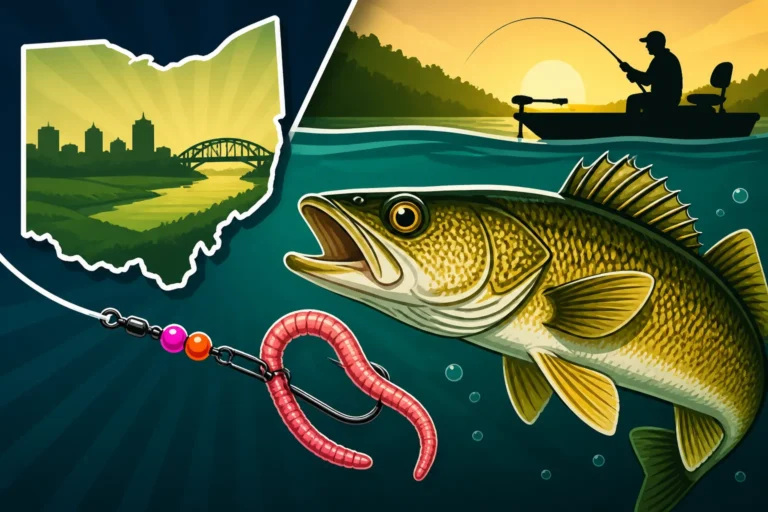
- Crawler Harnesses: For Lake Erie walleye, it's hard to beat a good old-fashioned crawler harness. These consist of a series of hooks rigged with beads and a spinner blade, typically pulled behind a bottom bouncer or in-line weight. Tipped with a live nightcrawler, they are incredibly effective, especially during the warmer months when walleye are feeding actively. The flash and vibration mimic an injured baitfish, making them irresistible. For a deep dive into catching these beauties, check out our Ohio Walleye Fishing Guide.
Bass (Largemouth & Smallmouth) Lures
Ohio offers incredible bass fishing, whether you're targeting chunky largemouth in lily pads or hard-fighting smallmouth on rocky points. Bass are aggressive and territorial, often striking out of instinct.
- Soft Plastics: The versatility of soft plastics makes them a cornerstone of any bass angler's tackle box.
- Worms (e.g., Senko, Zoom Trick Worm): Rigged Texas-style, wacky style, or on a Carolina rig, worms are incredibly effective for a wide range of conditions.
- Creature Baits (e.g., Zoom Brush Hog, Strike King Rage Craw): Mimic crawfish or other invertebrates, great for pitching into cover.
- Swim Baits (e.g., Keitech Swing Impact, Googan Baits Saucy Swimmer): Can be rigged on jig heads or as trailers, excellent for mimicking baitfish.
- Tubes: Fantastic for smallmouth bass, especially when dragged along rocky bottoms.
- Crankbaits: Shallow-running squarebill crankbaits are perfect for bouncing off timber and rocks in shallow water. Lipless crankbaits, like the Rat-L-Trap or Bill Lewis SB-57, are excellent for covering water and triggering reaction strikes. Deep-diving crankbaits can reach bass holding on offshore humps and ledges.
- Jigs: Flipping and pitching jigs (like the Strike King Hack Attack Jig) into heavy cover is a classic largemouth technique. Football jigs are ideal for dragging along rocky bottoms for smallmouth.
- Spinnerbaits and Chatterbaits: Excellent for covering water quickly and attracting aggressive fish, especially in stained water or around sparse cover. The flash and vibration are irresistible.
- Topwater Lures: There's nothing quite like a bass exploding on a topwater lure. Poppers, walking baits (e.g., Heddon Super Spook, Whopper Plopper), and frog imitations (e.g., SPRO Bronzeye Frog) are incredibly exciting and effective, especially during low-light conditions or over matted vegetation. To ensure you're fishing legally, always refer to the Ohio Largemouth and Smallmouth Bass Limits. For more detailed strategies, our Ohio Smallmouth Bass Fishing Guide has you covered.
Crappie, Perch, and Panfish Baits
These schooling fish provide fantastic action for anglers of all ages and are often found in abundance in Ohio's inland lakes and reservoirs. Their smaller mouths and sometimes finicky nature call for finesse.
- Small Jigs: Tiny jigs, often 1/32 oz to 1/16 oz, are paramount. Tipped with microplastics (such as Bobby Garland Crappie Baits, Johnson Crappie Busters) or small marabou jigs, these are deadly. Experiment with colors, but chartreuse, white, and black/chartreuse combos are often reliable.
- Live Bait: It's hard to beat live bait for panfish. Small minnows are a crappie's favorite meal. Wax worms, redworms, and maggots are irresistible to bluegill and sunfish. These can be fished under a bobber, on a tiny jig head, or with a simple split shot rig.
- Slip Bobbers: When fishing at specific depths, particularly for suspended crappie, a slip bobber rig is invaluable. It allows you to present your bait at any depth while still being able to cast effectively. Always be mindful of the Crappie and Panfish Daily Limits when filling your cooler.
Steelhead and Trout Specifics
Ohio's steelhead alley tributaries, primarily fed by Lake Erie, offer some of the best steelhead fishing in the Midwest during the cooler months. Stocked rainbow trout also provide great opportunities in inland lakes.
- Spawn Sacks/Beads: Mimicking fish eggs, these are incredibly effective for steelhead. Small mesh bags filled with cured salmon or trout eggs, or artificial "beads" that look like single eggs, are drifted under a float.
- Flies: For the fly angler, nymphs (like Pheasant Tail Nymphs, Hare's Ear Nymphs), streamers (Woolly Buggers), and egg patterns are all highly effective for steelhead and stream trout.
- Small Spoons/Spinners: Casting small, flashy spoons (e.g., Little Cleo, Koho) or inline spinners (e.g., Rooster Tail, Mepps Aglia) can trigger aggressive strikes from steelhead and stocked trout, especially in river runs or pond edges.
- Jigs under a Float: Small jigs, often tipped with a piece of bait or plastic, drifted under a sensitive float (often called a "bobber") are a highly productive method for steelhead in rivers. For comprehensive details, be sure to read our Ohio Steelhead Trout Fishing Guide.
Catfish Baits
Ohio’s rivers and lakes are home to robust populations of channel, flathead, and even some blue catfish. These powerful bottom-dwellers are often targeted with smelly, hearty baits.
- Cut Bait: For channel cats and especially flatheads, fresh cut bait is king. Shad, skipjack herring, bluegill, or other oily baitfish cut into chunks release strong scents that catfish can't resist.
- Stink Baits/Prepared Baits: For channel catfish, prepared "stink baits" (often in dip or punch bait form) are highly effective and convenient. They're designed to stick to specialized treble hooks or sponges.
- Live Bait: For trophy flathead catfish, a large live bluegill, sunfish, or large creek chub is often the preferred offering. These powerful fish respond best to lively, natural presentations. For more details on species-specific regulations and habits, explore our guide on Ohio Channel Catfish Fishing Guide.
Muskie Lures
The "fish of 10,000 casts" demands a unique arsenal. Muskie lures are almost comically large and require heavy-duty gear to cast and retrieve.
- Bucktails: These are probably the most iconic muskie lures. Featuring large spinner blades and a skirt of deer hair, they create significant flash and vibration. Sizes range from single blades to massive double-bladed models.
- Jerkbaits and Glide Baits: Mimicking injured baitfish, these lures are worked with a series of jerks and pauses. They can be incredibly effective when muskie are finicky.
- Swim Baits: Large soft plastic or hard-bodied swimbaits, often 8-12 inches long or more, provide a realistic baitfish profile.
- Topwater Lures: Massive topwater lures like walk-the-dog baits, prop baits, or even "whopper plopper" style lures create a huge commotion on the surface, drawing violent strikes from aggressive muskie.
Remember, muskie fishing requires specialized tackle due to the size and power of the fish and the sheer size of the lures. Your rod, reel, line, and leader must all be up to the task. Find out more about chasing these elusive predators in our Ohio Muskie Fishing Guide.
Seasonal Considerations for Your Ohio Tackle Box
Ohio's distinct seasons bring dramatic changes to fish behavior, metabolism, and location. A smart angler understands these shifts and adjusts their gear and tackle accordingly. What works in the heat of summer might be completely ineffective in the dead of winter. Tailoring your tackle box to the season is crucial for consistent success.
Spring Fishing Gear Adjustments
Spring in Ohio is a time of renewal and excitement for anglers, marked by warming waters and spawning activity. Fish, having been sluggish through winter, become more active and start to move into shallower waters to feed and reproduce.
- Shallow Presentations: As water temperatures rise, fish like crappie, bass, and walleye will often move to shallow flats, spawning beds, and warming coves. This means shallow-running crankbaits, jigs fished under a bobber, and soft plastics rigged weightless or lightly weighted will be highly effective. For bass, targeting visible cover like submerged logs or docks with jigs and creature baits can be extremely productive.
- Subtle Baits: Early spring can still be cold, making fish somewhat lethargic. Slower retrieves and subtle presentations are often key. Small jigs tipped with minnows or plastics for crappie, or Ned rigs and finesse worms for bass, can draw bites when more aggressive tactics fail.
- Steelhead Runs: For many Ohio anglers, spring means one thing: steelhead. The tributaries feeding Lake Erie experience significant runs of these powerful trout. Your spring tackle box for river fishing should include spawn sacks, small jigs under floats, spoons, and flies. Light to medium-light rods with sensitive tips and fluorocarbon leaders are essential for detecting subtle takes in swift currents. You can learn a lot more about these early-season tactics in our guide on Best Spring Fishing Techniques in Ohio.
Summer Fishing Gear Adjustments
Ohio summers mean hot weather, warm water, and often, fish moving deeper or seeking dense cover to escape the heat and bright sun. Your summer tackle box needs to reflect these changes with tactics that target aggressive feeding and deeper holding patterns.
- Deeper Presentations: As surface waters warm, many species, especially walleye, bass, and saugeye, will move to cooler, deeper water. This means focusing on deep-diving crankbaits, heavy jigs, and bottom-bouncing rigs for walleye and saugeye on Lake Erie and large reservoirs. Electronics become invaluable for locating offshore humps, drop-offs, and submerged structure where fish congregate.
- Bigger Baits and Faster Retrieves: Warm water ramps up fish metabolism, making them more active and willing to chase larger, faster-moving baits. Topwater lures for bass can be explosive during early morning or late evening hours. Spinnerbaits, chatterbaits, and swimbaits retrieved quickly can trigger reaction strikes.
- Night Fishing: For species like walleye and catfish, summer nights offer some of the best fishing opportunities. Walleye often move shallower to feed under the cover of darkness, making stickbaits and shallow-running crankbaits effective. Catfish, especially flatheads, are primarily nocturnal predators, so heavy rigs with cut bait or live bait should be ready for action. Our guide on Best Summer Fishing Techniques in Ohio offers more summer-specific advice.
- Heavy Cover: Largemouth bass will often bury themselves in thick vegetation, lily pads, or brush piles to ambush prey and find shade. Flipping and pitching jigs or weedless soft plastics into this heavy cover requires stout rods, heavy braided line, and robust hooks to pull fish out.
Fall and Winter Fishing Gear Adjustments
Fall fishing in Ohio offers some of the year's best action as many fish feed aggressively, preparing for winter. Winter brings the unique challenges and rewards of ice fishing.
- Fall Feeding Frenzy: As water temperatures begin to drop, many species enter a "feeding frenzy." Muskie, especially, become incredibly active, making fall one of the prime seasons to target them with large bucktails and jerkbaits. Bass will often move shallower, gorging on baitfish, making crankbaits, spinnerbaits, and soft plastics highly effective. Steelhead also begin their significant fall runs into the Lake Erie tributaries, similar to spring but often with more fish present.
- Slower Presentations: As fall progresses and water gets colder, retrieves generally need to slow down. Fish become more sluggish, requiring more subtle presentations to entice a strike. Jerkbaits with long pauses, slow-rolled spinnerbaits, and jigs worked painstakingly along the bottom can be very effective.
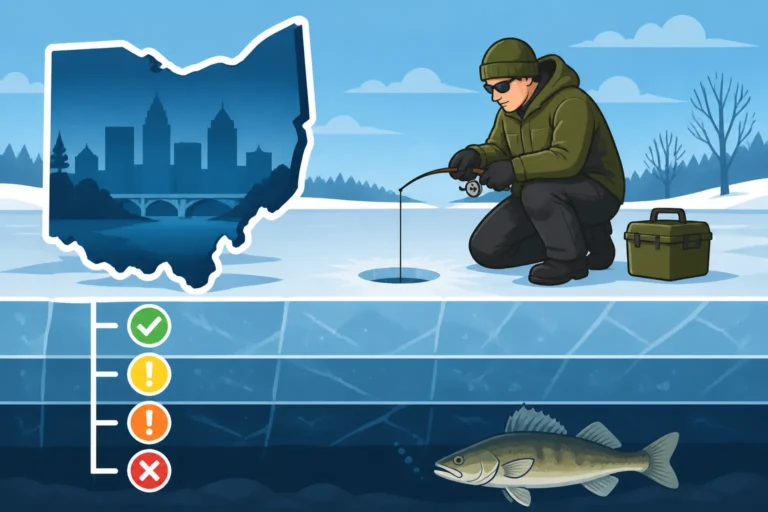
- Ice Fishing Gear: When winter fully sets in and safe ice forms on Ohio's lakes and reservoirs, a whole new world of fishing opens up. Your tackle box will transform to include:
- Ice Rods: Short, sensitive rods designed for fishing through a hole in the ice.
- Small Reels: Often smaller spinning reels or specialized inline ice reels.
- Tiny Jigs and Spoons: Micro jigs tipped with live bait (wax worms, spikes) or small spoons are essential for enticing walleye, crappie, bluegill, and perch.
- Tip-Ups: Devices that hold a line in the water and signal a bite, allowing you to fish multiple holes simultaneously.
- Ice Augers: Manual or power augers to drill holes through the ice.
- Safety Gear: Ice picks, flotation suit, and a spud bar are non-negotiables for ice safety. Delve into the specifics of hard-water angling with our comprehensive Ohio Ice Fishing Guide.
By understanding how the seasons dictate fish behavior, you can proactively adjust your Ohio fishing gear and tackle, ensuring you're always prepared for the challenges and opportunities each time of year brings.
Maintaining Your Gear for Longevity
Investing in quality fishing gear is just the first step; proper maintenance ensures that your equipment lasts for years and performs reliably when you need it most. Neglecting your rods, reels, and tackle can lead to premature wear, equipment failure, and ultimately, missed fish. A little care goes a long, long way in protecting your investment.
Cleaning and Storage Best Practices
After a successful day on the water, especially if you've been fishing in Lake Erie or other larger reservoirs, taking a few minutes to clean your gear can prevent significant problems down the line.
- Rinse Your Rods and Reels: This is particularly crucial after fishing on Lake Erie, where the water, while freshwater, can still contain corrosive elements and fine sediment. A gentle rinse with fresh tap water is usually sufficient. Pay close attention to the reel, removing any visible dirt or salt deposits. Avoid high-pressure sprays, which can force water into the reel's internal mechanisms. If your reel gets submerged in water, a more thorough cleaning and re-lubrication might be necessary.
- Dry Thoroughly: After rinsing, allow your rods and reels to air dry completely before storing them. Trapped moisture is the enemy, leading to corrosion on metal parts and mildew on grips. You can use a soft cloth to wipe down exterior surfaces.
- Lubricate Reels: Periodically, your reels will benefit from lubrication. Refer to your reel manufacturer's instructions, but generally, a light oil on bearings and moving parts, and a light grease on gears, will keep them running smoothly. Avoid over-lubricating, as this can attract dirt and grime. Modern reels are fairly robust, but a little preventative maintenance ensures their smooth operation.
- Store Rods Properly: Don't just toss your rods in a corner. Store them vertically in a rod rack or horizontally in a manner that prevents warping. Laying them against a wall for extended periods can cause a permanent bend in the blank. Keeping them out of direct sunlight and extreme temperatures (like a hot car trunk) will prevent degradation of the blank and guides.
- Organize Your Tackle: Keep your tackle box or bag clean and organized. Remove any wet lures, soft plastics (which can melt and ruin other tackle), or debris. Ensure all compartments are dry before closing. This prevents hooks from rusting, lures from degrading, and makes it much easier to find what you need on your next outing. A well-maintained tackle organization system, like those readily available on Amazon, can greatly simplify this process.
Regular Inspection and Replacement
Even with the best cleaning and storage, fishing gear experiences wear and tear. Regular inspection helps you identify potential problems before they lead to lost fish or damaged equipment.
- Check Your Line: Your fishing line is the weakest link if neglected. Before and after every trip, run your fingers along your line, especially the last few feet near your lure or leader. Feel for nicks, abrasions, or rough spots. These weak points are prime candidates for breaking. Replace your line regularly, especially monofilament, which degrades from UV exposure and memory. Braided line lasts longer but should still be checked for fraying and fading. Fluorocarbon can become brittle over time. A general rule of thumb is to replace mono every season, and braid/fluoro every 1-3 seasons depending on use.
- Inspect Hooks: Dull hooks lead to missed fish. Carry a hook sharpener and routinely sharpen your hooks. Replace any hooks that are bent, corroded, or too dull to sharpen effectively. Many lures come with decent hooks, but upgrading to sharper, stronger hooks can significantly improve your hook-up ratio.
- Examine Rod Guides: Run a cotton swab around the inside of each rod guide. If any cotton fibers catch, it indicates a crack or groove in the guide insert, which can quickly fray and weaken your line. Damaged guides should be replaced immediately by a professional.
- Test Your Drag: Periodically, test your reel's drag by pulling line off the spool. It should pay out smoothly and consistently without sticking or jerking. If it feels rough, it might need cleaning, lubrication, or new drag washers.
- Small Investments, Big Returns: Spending a little time on maintenance and making small replacements (like hooks or a fresh spool of line) is a small investment that pays off immensely in preventing bigger, more costly problems down the road. It ensures your gear is always ready to perform, giving you the best chance to land that Ohio trophy.
Disclaimer
The information provided in this guide is for general informational purposes only and does not constitute professional advice. Fishing regulations, conditions, and best practices can change. Always consult the latest Ohio Department of Natural Resources (ODNR) fishing regulations, local weather forecasts, and exercise caution and good judgment when on the water. Fishing can be dangerous, and personal safety is paramount.