Best Summer Fishing Techniques in Ohio
Ohio summers are absolutely glorious for spending time outdoors, but if you're an angler, you know they can also be a real head-scratcher when it comes to finding active fish. The scorching sun, rising water temperatures, and sudden storms can send fish deep, into dense cover, or into a state of pure lethargy. It’s easy to feel frustrated when your usual spring hotspots go quiet. This guide is dedicated to helping you unravel the mysteries of summer fishing in Ohio, equipping you with the specialized techniques and knowledge to successfully target a variety of species across our diverse waterways, from the vast expanse of Lake Erie to our numerous inland lakes and winding rivers.
Adapting to Ohio's Summer Fishing Conditions
When the mercury climbs, fish behavior shifts dramatically. What worked in April likely won't cut it in July. Understanding these changes and adapting your approach is crucial for summer success. It’s all about working smarter, not harder, to find those willing biters.
Understanding Water Temperature Changes and Their Impact
Water temperature is arguably the single most important factor influencing fish in the summer. As surface temperatures soar into the 80s, many desirable species like walleye, bass, and crappie seek out cooler, more oxygenated water. This often means moving deeper, but it can also mean finding spring-fed areas, shaded pockets, or areas with current that mixes and cools the water.
You’ll notice that fish become less active, their metabolism slowing down as the water warms up past their ideal comfort zone. This means shorter feeding windows and less aggressive strikes. What felt like a hard hit in the spring might be a subtle tick on your line in the summer. Being attuned to these subtle changes in behavior and bite is key. Carrying a good quality thermometer to check surface temps, and paying attention to your fish finder for thermoclines (where warm surface water meets cooler, deeper water) will give you a significant advantage. The cooler side of the thermocline is often where fish are hanging out.
Locating Cooler, Deeper Water and Oxygen-Rich Zones
Finding that sweet spot where fish are comfortable and active is the summer angler's quest. For many species, this means searching for depth. On large bodies of water like Lake Erie, that might be offshore humps, reefs, or the deep troughs. For inland lakes and reservoirs, it could be the main lake basin, deep creek channels, or the cooler water near a dam.
Beyond just depth, oxygen levels also play a huge role. Warm water holds less dissolved oxygen. Therefore, areas with good oxygenation become magnets for fish. This includes spots where springs feed into a lake, points with current, river mouths, or areas with submerged vegetation that produces oxygen (though too much dense vegetation can also deplete oxygen at night). Understanding the contours of the lake bottom, identifiable through detailed contour maps or your fish finder, will guide you to these critical zones. Don’t be afraid to explore new areas that offer these ideal conditions.
Fishing During Peak Bite Times
Forget sleeping in during the summer if you want to catch fish. The traditional "golden hours" become even more critical when the sun is high and the water is warm. Early morning, just as the sun cracks the horizon, and late evening, leading into dusk, are prime windows. During these times, the sun's intensity is lower, and water temperatures are at their coolest for the day, encouraging fish to move shallower and feed more actively.
On overcast days, or right before a summer storm rolls in, you might get a bonus bite window. The reduced light penetration and slight drop in atmospheric pressure can trigger fish to feed. Many experienced anglers track weather patterns closely, knowing that a front moving in often means an active bite before it hits. Conversely, fishing in the harsh midday sun often means targeting lethargic fish in their deep, shaded retreats, which requires different tactics entirely, often a slower, more deliberate presentation. For a comprehensive look at the year's patterns, check out our guide on Ohio Fishing Season Calendar.
Targeting Key Summer Species with Specialized Tactics
Ohio boasts a fantastic variety of fish, and each species has its own preferred summer hangout and feeding strategy. To consistently put fish in the boat or on the bank, you’ll need to tailor your approach to what they’re looking for in the heat.
Deep Water Walleye Strategies
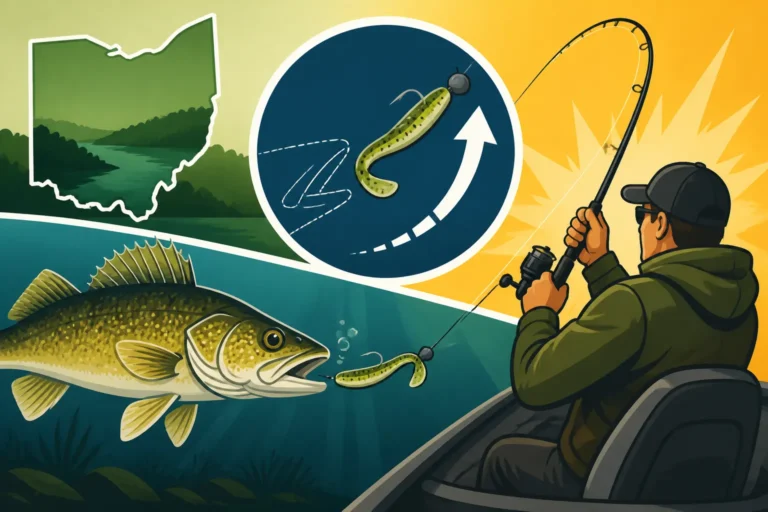
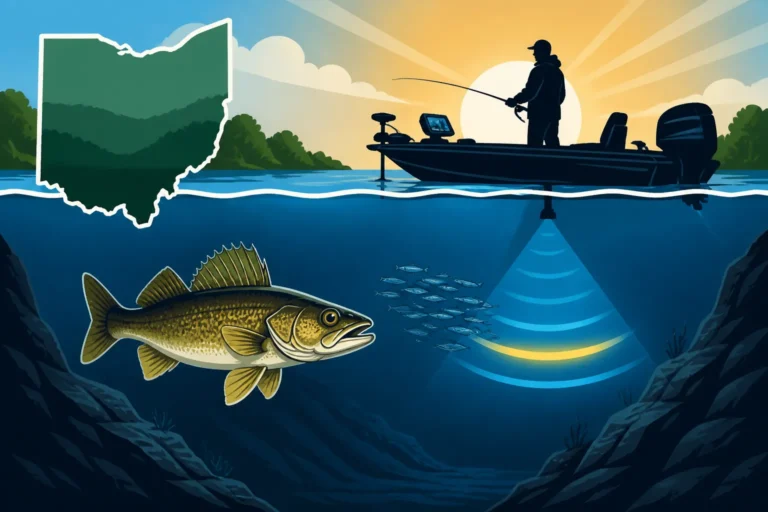
Walleye, often considered Ohio’s prized game fish, largely abandon shallow waters once summer sets in, especially on Lake Erie. They gravitate towards the deeper, cooler depths, often suspending over structure or following baitfish schools. Trolling becomes king here. Utilizing planer boards, like those from Off Shore Tackle, allows you to spread out multiple lines and cover a wide swath of water, intercepting scattered schools of walleye. Depending on the depth the fish are holding, you might be using crankbaits that dive to specific depths, or pulling crawler harnesses or spoons behind inline weights or downriggers.
Monitoring your electronics is paramount. Your fish finder isn't just for showing you the bottom; it’s essential for marking baitfish, identifying the thermocline, and spotting those tell-tale arches of walleye. Pay close attention to subtle changes in baitfish concentrations; where the bait is, the walleye are likely to be close by. Consistency in boat speed and lure depth is often the key to unlocking a pattern on a given day. For a deeper dive into these methods, read our article on Trolling for Lake Erie Walleye.
Cover-Focused Bass Tactics: Largemouth and Smallmouth
Both largemouth and smallmouth bass continue to be active in the summer, but they become much more particular about where they spend their time.
Largemouth Bass in Heavy Cover
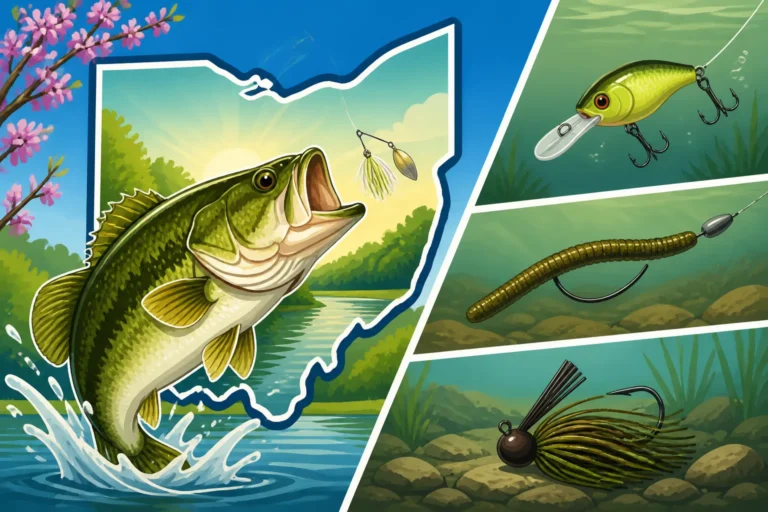
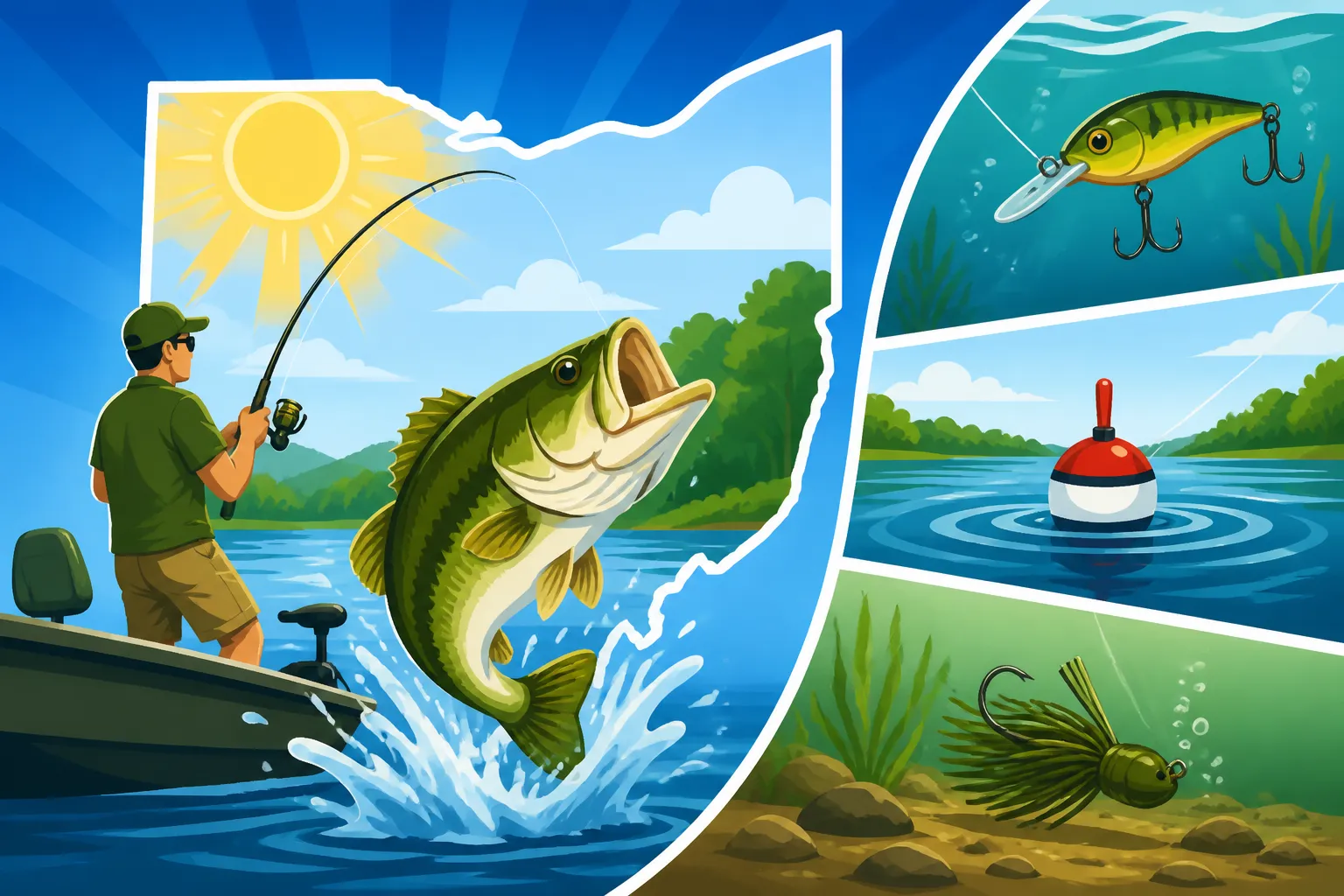
Largemouth bass are notorious for burying themselves in the thickest cover available during the summer to escape the sun and ambush prey. Think lily pads, dense weed beds, fallen trees, docks, and even brush piles. This means you need techniques that can penetrate or work through this heavy stuff. Flipping and pitching jigs, Texas-rigged worms, or creature baits into tight pockets of cover are highly effective. The key is a slow, deliberate presentation, often requiring a heavy-action rod and strong braided line to haul fish out of the nastiness. Topwater frogs or hollow-bodied lures are also fantastic when fished over matted vegetation, enticing explosive strikes. Remember, even in the thickest cover, bass will often be near some sort of edge or depth change. For more on this, check out Best Ohio Lakes for Bass Fishing.
Smallmouth Bass on Structure and Breaklines
Smallmouth bass, especially in Lake Erie or our larger, clearer inland lakes, prefer rocky structure, gravel bars, and deep breaklines. They’ll often suspend off these features or hold right on the bottom in cooler water. Drop-shotting, Carolina-rigging, and dragging tube jigs or Ned rigs become incredibly effective for these deep-dwelling smallmouth. Look for points, humps, and submerged rock piles that offer a sudden depth change. Current can also be a major attractor, as it brings food and oxygen. Again, electronics are your friend for locating these subtle underwater features. Don't underestimate the power of a deep-diving crankbait or swimbait retrieved quickly over these structures during low-light periods. Learn more about their preferences in our Ohio Smallmouth Bass Fishing Guide.
Bottom-Dwelling Catfish Approaches
Summer is prime time for Ohio’s catfish, particularly channel, flathead, and blue catfish. These hardy fish are less affected by warm surface temperatures and are often most active during the warmer months, especially at night. They’re scent-oriented predators, making bait choice critical.
For channel catfish, cut bait (like shad or skipjack), chicken livers, and various stink baits are irresistible. Fishing on or near the bottom in river bends, deep holes, or the channels of reservoirs is a proven tactic. Look for areas with current breaks where food accumulates. Flatheads prefer live bait such as bluegills, sunfish, or large minnows, and they often hang out near fallen trees, rock piles, or undercut banks in rivers and larger lakes. Blue catfish, where present (like in the Ohio River), can grow to immense sizes and also respond well to fresh cut bait. Heavy tackle is a must for these hard-fighting fish. A sturdy rod and reel, with line in the 20-30lb test range, is often necessary. You can find robust options for your tackle box on Amazon. For details on specific species, consult our guide on Catfish Regulations by Species.
Panfish in Shady Areas and Structure
Bluegill, crappie, and other panfish are a fantastic target for summer anglers, especially families or beginners. While they can be found shallower in the mornings and evenings, during the midday heat, they’ll retreat to shade and cover. Look for them under docks, overhanging trees, bridge pilings, or in the shade of dense lily pads and weed beds.
A simple bobber rig with a small hook, tipped with a piece of worm, a live cricket, or a tiny jig, can be incredibly effective. Light tackle is key for detecting their subtle bites and maximizing the fun. For crappie, focus on submerged brush piles, standing timber, or the deeper edges of weed lines. Small jigs (1/32 to 1/16 oz) or minnows suspended under a bobber are deadly. Even in summer, crappie will often school up, so if you catch one, there are likely more. For a general overview, see our Crappie and Panfish Daily Limits article.
Strategic Techniques for Different Ohio Water Bodies
Ohio offers a diverse range of fishing environments, from the vast Great Lake to numerous inland reservoirs and winding rivers. Each demands a slightly different approach to maximize your summer fishing success.
Trolling and Drifting on Large Lakes
For expansive bodies of water like Lake Erie, trolling and drifting are the bread and butter of summer fishing, particularly for walleye and yellow perch.
Lake Erie Walleye and Perch
On Lake Erie, once the walleye move offshore, trolling with crankbaits, spoons, or crawler harnesses becomes the most efficient way to cover water and find active fish. You'll often be targeting depths anywhere from 20 to 50 feet or more, depending on the season and location. Planer boards are indispensable for running multiple lines without tangling, allowing you to present lures across a wider path. The specific lure color, size, and depth will vary daily, so pay attention to what the local bait shops are recommending and don’t be afraid to experiment. Consider booking a Lake Erie Walleye Charter Guide if you're new to the tactics or want to learn from an expert.
For yellow perch, drifting with spreaders and live emerald shiners or pieces of nightcrawler on bottom-fishing rigs is the go-to method. Lake Erie's perch often concentrate in specific areas, sometimes relating to subtle bottom features or schools of baitfish. When you find them, you can often stay on top of the school by slowly drifting or using a controlled drift with a small electric motor.
Flipping and Pitching in Inland Cover
Inland lakes and reservoirs, especially those with abundant shallow cover, call for precision casting and presentation.
Targeting Bass in Dense Vegetation and Structure
Flipping and pitching are techniques designed for delivering a lure quietly and accurately into tight spots like dense lily pads, thick cattails, brush piles, or beneath docks. It involves using a heavy jig or Texas-rigged soft plastic (like a creature bait or a beaver-style bait) on a heavy-action rod with strong line. The goal is to drop the bait vertically into small openings in the cover, allowing it to sink naturally and enticing a reaction strike from a bass hiding below. This is an active and engaging way to fish, often leading to powerful, close-quarters battles. Patience is key, as you might work many spots for just a few bites, but those bites are usually from quality fish. Ensure you have the right weights and hooks, which are readily available on Amazon.
Current Seams and Eddy Fishing on Rivers
Ohio’s rivers, from the smaller tributaries to the mighty Ohio River, offer fantastic summer fishing, especially when you understand current dynamics.
Finding Fish in Moving Water
Fish in rivers often use current to their advantage, positioning themselves in "current seams" or "eddies" where they can expend less energy while waiting for food to be delivered to them. A current seam is where fast-moving water meets slower water, creating a distinct line. Eddies are areas of swirling or slack water downstream of an obstruction. These are prime locations for catfish, smallmouth bass, sauger, and even carp.
Drifting baits, casting jigs, or using crankbaits that mimic baitfish can be very effective here. For catfish, anchoring upstream of a deep hole or current break and sending cut bait or worms down with the current can yield excellent results. For smallmouth, casting crankbaits or tubes into eddy lines and working them back through the slower water can trigger aggressive strikes. Always be mindful of river safety and current strength, especially when boating. The Ohio River Fishing Guide offers more specific advice for that major waterway.
Essential Summer Gear and Tackle Adjustments
Summer fishing demands specific gear considerations, not just for catching fish, but for your comfort and safety under the relentless sun. Don't let a lack of preparation cut your trip short.
Choosing the Right Rods, Reels, and Line for Summer
Given the varied techniques and sometimes tougher fighting fish in the summer, your rod and reel setup needs to be versatile and robust.
Versatility and Strength
For deep-water walleye, a medium-heavy action rod (7-8 feet) with a fast tip, paired with a baitcasting reel spooled with 10-15lb fluorocarbon or braided line, is ideal for trolling or jigging. For bass in heavy cover, you'll want a stout, heavy-action rod (7-7.5 feet) and a high-gear ratio baitcaster, spooled with 30-50lb braided line for brute force. Smallmouth on open water might call for a medium-light spinning rod (6'6"-7') with 6-8lb fluorocarbon or monofilament for sensitivity. Catfish necessitate heavy-duty setups, often a medium-heavy to heavy power rod (7-9 feet) with a sturdy conventional or spinning reel, spooled with 20-50lb mono or braid.
The main takeaway here is: don't under-gun yourself. Summer fish can be strong, and you often need to put pressure on them quickly to get them out of cover. Braided line offers superior strength and sensitivity, especially important when fishing deep or in heavy cover. Fluorocarbon is excellent for its low visibility and abrasion resistance. Need a new reel? Check out the wide selection on Amazon.
Summer Lure and Bait Selection
When it comes to baits, summer is a time for both realism and reaction.
Natural Baits and Reaction Strike Lures
Live and Cut Baits: These are often irresistible, especially for catfish and panfish. Live minnows, nightcrawlers, crickets, and leeches are staples. For catfish, fresh cut bait (shad, skipjack, bluegill fillets) is usually superior to frozen.
Soft Plastics: For bass, a wide array of soft plastics are effective. Texas-rigged worms, creature baits, Senkos, and finesse worms on drop-shot rigs are fantastic. Experiment with colors, but natural tones often work best in clear water, while darker or brighter colors can be good in stained water or heavy cover.
Crankbaits: Deep-diving crankbaits are excellent for covering water and targeting walleye or bass on deeper breaks. Color patterns that mimic baitfish (shad, perch) are always a good starting point.
Jigs: Flipping jigs, football jigs, and various finesse jigs (like Ned rigs) are summer workhorses for bass. Small marabou or hair jigs are deadly for crappie and other panfish.
Topwater Lures: Don't forget topwater action! Early morning and late evening can bring thrilling strikes on poppers, walking baits, and frogs, especially for largemouth bass around shallow cover. For more ideas, our article on Best Lures for Ohio Fishing has great insights.
Sun Protection and Hydration
This isn't about fishing technique, but it's vital for a successful and safe summer day on the water. The Ohio sun can be brutal.
Staying Safe and Comfortable on the Water
- Sunscreen: Apply generously and reapply often, even on cloudy days. Look for broad-spectrum SPF 30+ water-resistant formulas.
- Hats and Sunglasses: A wide-brimmed hat offers maximum protection for your face and neck. Polarized sunglasses are non-negotiable – they protect your eyes and help you spot fish and submerged cover by cutting glare.
- Protective Clothing: Lightweight, long-sleeved shirts made from UPF-rated fabric provide excellent sun protection and often help keep you cooler than short sleeves. Neck gaiters are also fantastic for protecting your neck and face.
- Hydration: Bring plenty of water and drink it consistently throughout the day. Dehydration can creep up quickly and ruin your trip. Electrolyte drinks can also be beneficial on extremely hot days.
- Cooler: A good cooler packed with ice for your drinks and a separate one for your catch is essential. Keeping your fish on ice immediately after catching them is crucial for preserving their quality.
Night Fishing and Low-Light Tactics
When the midday sun becomes unbearable and the fish retreat, many savvy Ohio anglers shift their focus to the cooler, darker hours. Night fishing offers a completely different, often highly productive, experience.
Best Species for Night Fishing in Summer
Several Ohio species become more active under the cloak of darkness during the summer.
Catfish, Walleye, and Bass After Dark
Catfish: This is arguably the prime time for channel, flathead, and blue catfish. Their keen sense of smell and lateral lines give them an advantage in low light. They move shallower to feed, making them more accessible from shore or boat.
Walleye: While many associate walleye with daytime trolling, night fishing for them can be incredibly productive, especially around shallow reefs, points, or sandbars. They often cruise these areas hunting baitfish. Casting stickbaits, jigging, or even slow-trolling can yield impressive results. Check out How to Fish for Walleye After Dark for specific tips.
Bass: Largemouth bass will often move out from deep cover to hunt in shallower areas at night. Topwater lures, large dark-colored spinnerbaits, or even big worms can draw violent strikes. Smallmouth bass might be found near rocky banks or shallower humps.
Using Lights and Scent to Your Advantage
Night fishing isn't just about fishing in the dark; it's about strategically using tools to enhance your chances.
Attracting Fish and Enhancing Bait
Lights: Submersible fishing lights, often green or white, can be deployed to attract plankton, which then draws baitfish, and subsequently, game fish. Position them away from your boat to draw fish to the light while you fish the edges of the illuminated zone. Headlamps or clip-on lights are essential for rigging, tying knots, and safely moving around your boat or the bank. For an easy option, check Amazon for compact, powerful headlamps.
Scent: For species like catfish, scent is paramount. Enhancing your cut bait with commercial scents or using baits specifically designed to release a strong odor can make a significant difference. Even for walleye and bass, adding scent to your soft plastics or live bait can give you an edge, especially if the fish are lethargic and relying more on their olfactory senses.
Safety Precautions After Dark
While exciting, night fishing carries inherent risks that demand extra vigilance.
Navigating and Staying Safe in the Dark
- Know Your Water: Only fish familiar waters at night. Submerged hazards that are visible by day disappear in the dark.
- Navigation Lights: If boating, ensure all navigation lights are functional and turned on. Carry extra batteries for your headlamp.
- Life Jackets: Wear a life jacket. It's much harder to rescue someone in the dark.
- Buddy System: Whenever possible, fish with a partner at night.
- Communications: Bring a fully charged cell phone and let someone know your float plan or where you'll be fishing and when you expect to return.
- Extra Gear: Pack bug spray, a first-aid kit, and warm clothing, as temperatures can drop significantly after sunset.
Maximizing Your Summer Fishing Success
Beyond the specific techniques, a few overarching strategies can significantly boost your summer catch rates. It's about combining knowledge with a persistent, adaptable attitude.
Embracing Finesse Presentations
When the fishing gets tough due to warm water and high pressure, scaling down your tackle and presentations can be a game-changer. This is where finesse shines.
Lighter Line, Smaller Baits, and Slower Retrieves
Finesse fishing involves using lighter lines, smaller hooks, and more subtle baits. Think of a 6-pound test fluorocarbon on a spinning rod with a tiny jig, a Ned rig, or a small drop-shot worm. The goal is to present a bait as naturally and unthreateningly as possible to fish that might be finicky or lethargic. Often, a slow, painstaking retrieve with long pauses is what it takes to coax a bite. This is particularly effective for smallmouth bass, finicky walleye, and even stubborn largemouth. Sometimes, simply resizing your offerings from a 4-inch worm to a 3-inch worm can make all the difference. Don't be afraid to experiment with smaller sizes than you typically use.
The Importance of Stealth and Quiet Approach
Summer often means clearer water, especially in inland lakes and reservoirs. This increased visibility makes fish warier than ever.
Minimizing Disturbance on the Water
Any loud noises, heavy footsteps on the boat deck, or even shadows cast over a fishing spot can spook fish. Be mindful of your boat's trolling motor, avoiding sudden starts and stops. If bank fishing, approach the water's edge quietly and keep a low profile. Long casts become more important to present your bait to fish without getting too close. Even your boat's colors can play a role; some anglers prefer muted colors that blend with the water rather than bright, flashy hulls. Remember, fish feel vibrations and see movement – subtle approaches are key.
Weather and Barometric Pressure Readings
Fish behavior is undeniably linked to weather patterns and barometric pressure. Ignoring these factors is like fishing with one eye closed.
Interpreting Conditions for Better Bites
A falling barometer, often associated with an approaching cold front or thunderstorm, can trigger a feeding frenzy. Fish sense the change and feed aggressively before the weather hits. Conversely, a rapidly rising barometer after a front passes often leads to a tough bite, as fish can become sluggish. Keep an eye on local forecasts and consider investing in a portable barometer. Wind direction and speed also play a role, especially on Lake Erie, where certain winds can create productive current or concentrate baitfish. Understanding these nuances, even on a basic level, can inform your decision on where and how to fish on any given summer day. For further reading, check out Reading Weather Patterns for Ohio Fishing.
Essential Ohio Summer Fishing Chart
To help you quickly reference some key summer strategies for different species and locations, here's a handy chart:
| Species | Primary Location (Summer) | Preferred Depth | Best Time | Key Techniques | Recommended Bait/Lure |
|---|---|---|---|---|---|
| Walleye | Lake Erie (offshore), large reservoirs | 20-50+ ft | Dawn/Dusk, Night, Overcast | Trolling, Jigging, Drifting | Deep-diving crankbaits, Crawler harnesses, Spoons, Jigging Raps |
| Largemouth Bass | Inland lakes, ponds (heavy cover) | 5-15 ft | Early/Late, Overcast | Flipping/Pitching, Topwater (low light) | Jigs, Texas-rigged worms/creatures, Frogs, Buzzbaits |
| Smallmouth Bass | Lake Erie (rocky reefs), clear inland lakes, rivers | 10-30 ft | Early/Late, Overcast, Night | Drop-shotting, Carolina-rigging, Tubes, Cranks | Finesse worms, Tubes, Grubs, Small cranks, Ned rigs |
| Channel Catfish | Rivers, reservoirs, larger lakes | Bottom (deep holes, channels) | Night, Overcast | Bottom fishing (anchored/drifting) | Cut bait, Chicken liver, Stink baits, Nightcrawlers |
| Flathead Catfish | Rivers, reservoirs (heavy wood/rock) | Bottom (deep holes, snags) | Night | Bottom fishing (anchored) | Live bluegills, Live suckers |
| Crappie | Inland lakes, reservoirs (brush piles, docks) | 5-20 ft | Early/Late, Overcast | Jigging, Suspending bait | Small jigs (minnow imitations), Live minnows, Micro-plastics |
| Bluegill/Panfish | Ponds, lakes (under docks, shade, weeds) | Shallow-10 ft | Midday (shade), Early/Late | Bobber fishing, Small jigs | Worms, Crickets, Small jigs, Fly larvae |
Disclaimer
Fishing involves inherent risks. Always prioritize safety, wear appropriate personal protective equipment, and be aware of your surroundings. Fishing regulations can change, so always consult the latest Ohio Department of Natural Resources (ODNR) fishing regulations before heading out. This guide is for informational purposes only and does not constitute professional advice.