Best Baits for Ohio Crappie
There's nothing quite like the thrill of a crappie biting your line, but let's be honest, sometimes these speckled beauties can be incredibly finicky! You might find yourself out on the water, trying everything in your tackle box, and still coming up empty-handed while the angler next to you is pulling in slab after slab. It's enough to make you wonder if you're missing some secret trick. This comprehensive guide is here to unravel that mystery, diving deep into the best baits for Ohio crappie, so you can confidently hit the water with a strategy that truly works.
Understanding Crappie Behavior and Diet
Before we even talk about specific baits, it's crucial to understand what makes crappie tick. These fish aren't just swimming around aimlessly; they have distinct foraging habits and their preferences can shift dramatically with the seasons and water conditions. Ignoring these nuances is like trying to guess your best friend's favorite meal without knowing if they're a vegetarian or a meat-lover – you might get lucky, but you're probably going to be wrong a lot.
Crappie Foraging Habits
Crappie, whether you're chasing the black or white variety, are primarily sight feeders that love to ambush their prey. They often suspend themselves near structure – think submerged trees, brush piles, docks, bridge pilings, and weed lines – patiently waiting for an unsuspecting meal to swim by. This ambush predator behavior means your bait needs to be presented in a way that mimics their natural food sources and is easily visible. If you want to dive deeper into identifying these two species, check out our guide on Ohio White Crappie vs Black Crappie.
Their diet largely consists of smaller fish, insect larvae, crustaceans, and zooplankton. Minnows are a huge part of their diet, which is why they're such an effective bait. But don't underestimate the appeal of insects and their larval forms, especially for smaller crappie or during specific times of the year. Understanding this basic diet helps us choose baits that look, feel, and even smell like what they're already used to eating.
Seasonal Changes and Bait Preferences
Crappie behavior, and consequently their bait preferences, are heavily influenced by the changing seasons in Ohio. What works wonders in spring might get you absolutely nothing in winter. This seasonal shift is a major frustration for many anglers, but once you understand the patterns, you can adapt your approach and improve your success.
In the spring, as water temperatures rise, crappie move into shallower waters to spawn. This is often hailed as the best time of year for Ohio crappie fishing. They become incredibly aggressive, protecting their nests and feeding heavily. During this period, they'll strike at almost anything that comes close, making small jigs and live minnows exceptionally effective. They're often found around flooded timber and shallow brush.
As summer heats up, crappie retreat to deeper, cooler waters, often suspending over brush piles or deep-water structure. They become a bit more lethargic, requiring a slower, more subtle presentation. Fall sees them moving back towards shallower feeding grounds as baitfish schools migrate, presenting another excellent opportunity for active fishing. And in winter, especially during ice fishing, they school up tightly in deep water, requiring precise bait placement and very subtle jigging. If you're looking for tips on fishing through the ice, our Ice Fishing Techniques for Ohio Crappie guide has some great insights.
Live Bait: The Undisputed King for Crappie
When it comes to consistently catching crappie, especially those elusive slabs, live bait often reigns supreme. There’s something about the natural movement, scent, and texture of live offerings that artificial lures, no matter how good, simply can’t replicate perfectly. If you're serious about filling your cooler, you absolutely need to have live bait in your arsenal.
Minnows: The Gold Standard
Without a doubt, live minnows are the gold standard for crappie fishing in Ohio. Their natural erratic swimming action is an irresistible trigger for crappie, mimicking exactly what these fish are accustomed to hunting in their natural environment. When a crappie sees a struggling minnow, their predatory instincts kick in almost immediately, making them far more likely to strike than with a static artificial bait.
Typically, shiners or fathead minnows, ranging from 1 to 2.5 inches, are your best bet. Hook them lightly through the lips or just behind the dorsal fin, making sure not to impede their swimming action. A common setup involves a small hook (size 4-8), a split shot or two a few inches above the hook, and a small bobber to keep them suspended at the desired depth. You can drift them, suspend them over brush piles, or slowly retrieve them. The effectiveness of live minnows is so profound that many anglers refuse to fish for crappie without them, considering them a non-negotiable part of their tackle. If you want a detailed guide on presentation, check out How to Rig a Live Minnow for Crappie.
Worms and Other Naturals
While minnows steal the spotlight, other natural baits can be surprisingly effective for crappie, especially when conditions call for something a little different or when you're targeting a wider variety of panfish. Sometimes, you just don't have minnows on hand, or the crappie are being particularly picky, and having an alternative can save your day.
Small redworms or pieces of nightcrawlers can be excellent crappie baits, particularly in stained or muddy water where scent plays a larger role. The wiggling action and natural aroma of a worm can entice crappie that might ignore a minnow. Hook them once or twice through the body, leaving a good portion to dangle and entice. Wax worms and mealworms, often used for trout, also make fantastic crappie baits. Their small size and subtle movements are perfect for times when crappie are feeding on smaller insect larvae. These are often presented on tiny jigs or under a small float, offering a very delicate presentation that can be deadly, especially when the fish are less aggressive or during cooler water temperatures. Having a container of these readily available from a local bait shop or even purchased in bulk from somewhere like Amazon can really expand your options.
Artificial Lures: A World of Options
For many anglers, the challenge and satisfaction of catching crappie on artificial lures are unmatched. They offer versatility, require less maintenance than live bait, and allow for a more active fishing experience. While live bait has its place, mastering artificial presentations can make you a more well-rounded and successful crappie angler.
Jigs and Soft Plastics: Versatility is Key
Jigs, paired with an array of soft plastic bodies, are arguably the most versatile artificial lure for crappie. The combinations of head weight, jig color, and plastic tail shape are endless, allowing you to adapt to almost any fishing condition. This adaptability is precisely why they are so beloved by crappie fanatics across Ohio.
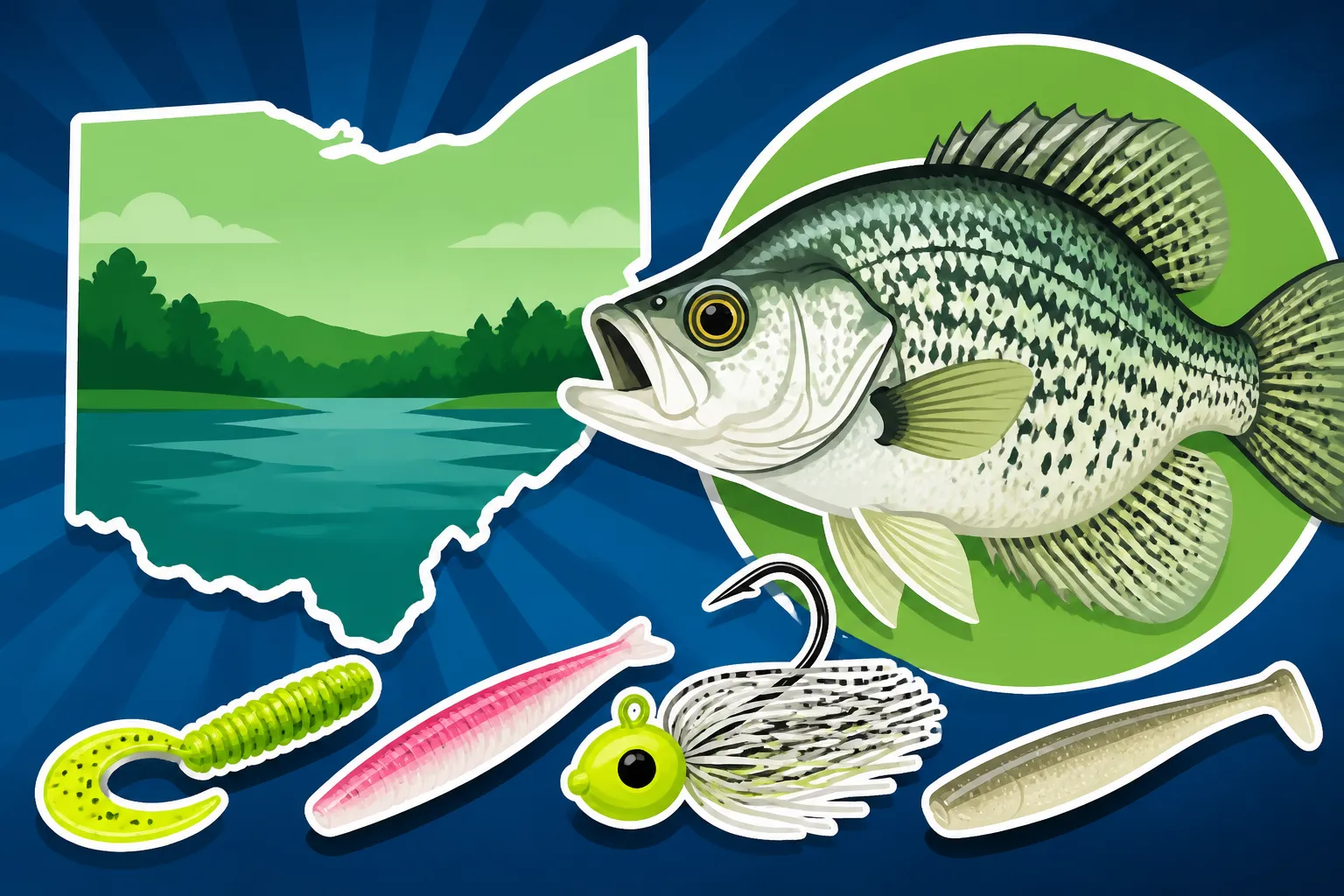
Small jig heads, typically ranging from 1/32 to 1/8 ounce, are usually sufficient. Heavier jigs might be needed for deeper water, strong currents, or windy conditions to maintain feel. The real magic, however, lies in the soft plastic bodies. Small tubes, curly tail grubs, paddle tails, and minnow imitations are all deadly options. Companies like Bobby Garland and Strike King offer a vast selection, and you can easily find multi-packs on Amazon to experiment with different shapes and colors. The key is to impart subtle action – a slow retrieve, a gentle lift-and-drop, or just letting it hang motionless in a brush pile can all trigger strikes. Don't be afraid to experiment with different retrieve speeds and pauses until you find what the crappie want on a given day. If you’re ever wondering about the best colors, our guide on Best Jig Color for Ohio Crappie is a must-read.
Spinnerbaits and Crankbaits: When to Go Aggressive
While subtle jigs dominate, there are times when crappie want a more aggressive presentation. This is where tiny spinnerbaits and crankbaits come into play. These lures often shine when crappie are active and feeding heavily, covering water quickly to locate schools, or when you're looking for a reaction strike.
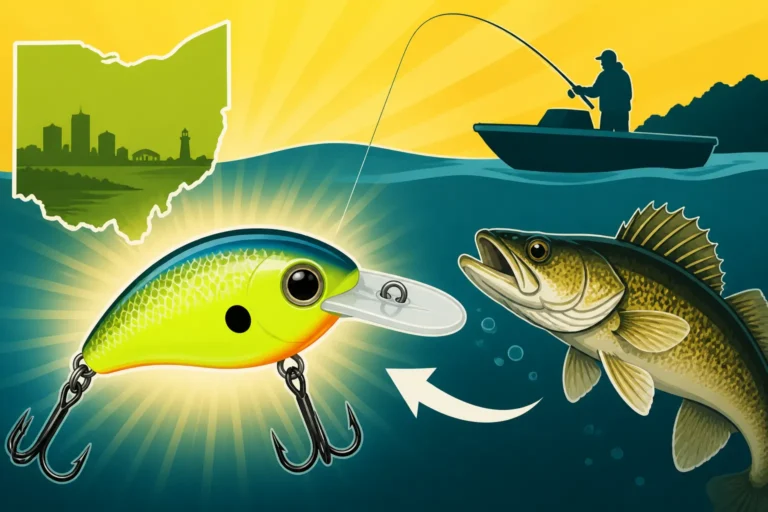
Miniature spinnerbaits, sometimes called "crappie spinners," typically feature a small, brightly colored blade (like chartreuse, white, or silver) attached to a jig head with a soft plastic body or skirt. The flash and vibration of the blade are excellent for attracting crappie from a distance, especially in stained water or when the fish are scattered. They can be particularly effective when trolled slowly or retrieved steadily near weed edges or submerged timber. As for crankbaits, look for small, shallow-diving models that imitate baitfish. These are fantastic for trolling or casting along drop-offs and channel edges, especially during warmer months when crappie might be chasing schools of baitfish in open water. Brands like Rebel or Rapala offer some excellent tiny crankbaits that crappie simply can't resist. While they might not be your everyday crappie bait, having a few of these in your tackle box from Amazon can turn a slow day into a productive one when the fish are in an aggressive mood.
Color, Size, and Presentation: Fine-Tuning Your Approach
Choosing the right bait is only half the battle. How you present it, and whether its color and size match the current conditions, can dramatically affect your success. Many anglers overlook these crucial details, assuming any bait will do, only to be disappointed. For crappie, the devil truly is in the details.
Matching the Hatch: Color Choices
Color is a critical factor, and what works one day might be completely ignored the next. It's not just about what looks good to you; it's about what looks natural or enticing to the crappie under specific water and light conditions. This constant variable is what keeps crappie fishing interesting (and sometimes frustrating!).
In clear water, natural colors like greens, browns, and whites often perform best, mimicking the natural baitfish and insect larvae crappie feed on. Think subtle, translucent colors that blend in. However, in stained or muddy water, or on overcast days, brighter colors become essential. Chartreuse, neon green, orange, and hot pink provide better visibility, allowing crappie to see your bait from a distance. Sometimes, a "two-tone" jig, like a black head with a chartreuse tail, can be a killer combination, offering both contrast and visibility. It's always a good idea to start with a natural color and a bright color, then let the fish tell you what they prefer. Don't be afraid to change colors frequently until you find what's working.
Size Matters: Matching Bait to Crappie Mouths
Crappie have relatively small, delicate mouths, which means the size of your bait and hook is incredibly important. You might be targeting a trophy slab, but if your hook or bait is too large, they simply won't be able to get it into their mouth properly, leading to missed bites.
For live minnows, aim for 1-2.5 inches. For artificial jigs, a 1/32 to 1/8 ounce jig head with a 1 to 2-inch soft plastic body is typically ideal. Tiny crankbaits should also be in this small size range. The goal is to present a meal that is manageable for a crappie to inhale. Using a hook that is too large will not only deter bites but also make it difficult for the crappie to get the hook fully in their mouth, resulting in them spitting it out. This is especially true for smaller crappie, but even larger ones can be surprisingly finicky about bait size. Always err on the side of smaller rather than larger, especially if you're getting a lot of light taps but no hookups.
Presentation Techniques: Making Your Bait Irresistible
Even with the perfect bait, poor presentation can mean the difference between a full livewell and an empty stringer. Crappie are often suspended and can be shy, so a natural, subtle presentation is usually key. Your technique needs to convince them your bait is a struggling, easy meal.
For jigs and soft plastics, a slow, subtle retrieve is often best. Experiment with a "lift and drop" motion, letting the jig fall slowly on a slack line, mimicking a dying baitfish. Sometimes a steady, ultra-slow retrieve with occasional pauses is all it takes. When fishing around structure like brush piles or submerged trees, try vertically jigging your bait directly into the cover. This requires patience and a good fish finder, but it can be incredibly effective at pulling out those big slabs that are tucked deep in cover. For live minnows, simply suspending them under a bobber at the depth where crappie are holding is often enough. The minnow's natural movements do all the work. When the bite is tough, an even slower approach, like dead-sticking a minnow, can sometimes entice reluctant crappie. Remember, crappie often take baits on the fall or during a pause, so pay close attention to your line for any subtle twitch or movement.
Essential Crappie Bait Considerations for Ohio Waters
Ohio offers a fantastic diversity of crappie fishing opportunities, from the massive reservoirs of the central part of the state to smaller farm ponds and the various rivers. Each body of water, and even different spots within the same lake, can present unique challenges and preferences. Being prepared for these specific conditions will elevate your crappie game. If you're new to fishing in Ohio, our Ohio Fishing Regulations Every Angler Should Know will be invaluable.
Water Clarity and Depth
These two factors are paramount when deciding on your crappie bait strategy. Ignoring them is like trying to navigate a dense fog without headlights; you're bound to miss something important. Crappie rely heavily on their vision, so how well they can see your bait directly impacts what bait will work best.
In extremely clear water, crappie can be very spooky and discerning. Your best bet here is often smaller, more natural-looking baits. Think natural colored jigs (greens, browns, clear with flecks) or very small live minnows. Light line (2-4 lb test monofilament or fluorocarbon) is also crucial to avoid detection. You'll often need to present these baits more subtly and from a distance to avoid spooking the fish. Conversely, in murky or stained water, visibility is low, so crappie rely more on scent and vibration. This is where brighter colors (chartreuse, orange, white) on your jigs or the strong scent of live worms or scented soft plastics really shine. The added vibration from a curly tail grub or a small spinnerbait can also help crappie locate your offering. As for depth, shallower waters typically mean brighter light, so natural colors still often prevail. Deeper water, however, diminishes light penetration, so brighter, more contrasting colors can become more effective to stand out against the murk. Always adjust your bait color and action based on what the water is telling you.
Ohio-Specific Crappie Hotspots and Bait Recommendations
Ohio boasts numerous fantastic crappie fisheries, each with its own character and best practices. While the general bait guidelines hold true, knowing local tendencies can give you a significant edge. From the sprawling depths of Lake Erie's tributaries to the hidden gems of smaller inland lakes, crappie thrive across the state. For a complete overview, be sure to check out our Best Ohio Lakes for Crappie.
For example, places like Mosquito Creek Lake or Alum Creek Lake are known for their strong crappie populations, often found around brush piles and standing timber. Here, a vertical jigging presentation with a chartreuse or white tube jig, or a live minnow under a slip bobber, can be incredibly effective. The depths can vary, so having a good fish finder to pinpoint schools is key. Indian Lake and Buckeye Lake, with their shallower, weedier characteristics, might call for different tactics. Here, small spinnerbaits or subtle curly tail grubs worked along weed lines can draw aggressive strikes.
The Ohio River, with its currents, also has excellent crappie fishing in backwater areas, oxbows, and protected coves. In these environments, current-resistant jigs with paddle tails or small minnows fished on a simple drop-shot rig can be very productive. Local bait shops often have the most up-to-date information on what's biting and what specific baits are working well in their area, so it's always a good idea to stop in and chat with them.
Here's a quick comparison of popular crappie baits:
| Bait Type | Key Advantages | Best Use Cases | Presentation Tips | Where to Buy (Examples) |
|---|---|---|---|---|
| Live Minnows | Natural action & scent, highly effective | All seasons, especially when fish are finicky | Hook through lips/dorsal, under bobber or slow drift | Local bait shops, some sporting goods stores |
| Redworms/Worms | Natural scent, good for stained water | Moderate to low activity, multi-species angling | Small pieces on tiny hook, jig or float | Local bait shops, Amazon |
| Tube Jigs | Versatile, wide range of colors/sizes | All conditions, vertical jigging, casting | Slow retrieve, lift & drop, twitch | Sporting goods stores, Amazon (e.g., Strike King) |
| Curly Tail Grubs | Vibration & action, good visibility | Active crappie, covering water, stained water | Steady retrieve, pauses | Sporting goods stores, Amazon (e.g., Bobby Garland) |
| Paddle Tail Jigs | Strong thumping action, mimics baitfish | Aggressive crappie, clear water, casting | Steady retrieve, occasional twitch | Sporting goods stores, Amazon |
| Crappie Spinnerbaits | Flash & vibration, attracts from distance | Active crappie, covering water, stained water | Slow to moderate steady retrieve, trolling | Sporting goods stores, Amazon |
| Tiny Crankbaits | Covers water quickly, reaction strikes | Aggressive crappie, open water, trolling | Steady retrieve, varying speed, trolling | Sporting goods stores, Amazon (e.g., Rebel, Rapala) |
| Wax Worms/Mealworms | Small, subtle, good for picky fish | Cold water, light bite, multi-species angling | Tiny jig, micro-float, dead-sticking | Local bait shops, Amazon |
Disclaimer
The information provided in this guide is for general informational purposes only. Fishing regulations, season dates, and limits can change frequently. Always consult the official Ohio Department of Natural Resources (ODNR) website or their current fishing regulations booklet before heading out on the water. Following all state and local regulations is the responsibility of the angler.