Best Month to Catch Yellow Perch on Lake Erie
It can feel like a real mystery trying to pinpoint the absolute best time to hit Lake Erie for yellow perch. One year they're biting like crazy in July, the next you're struggling until fall. This guide is here to cut through that uncertainty, helping you understand the seasonal patterns of Lake Erie yellow perch so you can plan your trips for maximum success, hopefully reeling in those delicious jumbo perch you've been dreaming about.
Understanding Yellow Perch Behavior and Seasonal Patterns on Lake Erie
Yellow perch are one of Lake Erie's most sought-after species, known for their delectable fillets and often aggressive bites. However, they aren't static; their movements and feeding patterns are heavily influenced by the changing seasons, primarily driven by water temperature and the availability of their favorite foods. Knowing these patterns is key to unlocking consistent success.
Seasonal Movements and Foraging Habits
As the seasons progress, yellow perch undertake predictable migrations across Lake Erie's diverse bottom structures. In early spring, after the ice recedes, they'll often be found in shallower waters, especially around protected bays and harbors, staging for their spawning ritual. These areas warm up faster, activating their metabolism and attracting baitfish. After spawning, which typically occurs from April to early May when water temperatures are in the 40s to low 50s Fahrenheit, they disperse.
Through the summer, perch tend to follow baitfish like emerald shiners, gizzard shad, and other small forage, moving to deeper, cooler waters as the surface warms. They often school up in large numbers, making them a fantastic target once located. They'll relate to structure like reefs, humps, and even subtle changes in bottom composition, but they can also be found suspended over open water, chasing bait. Their diet is varied, including small fish, insect larvae, crustaceans, and zooplankton, adapting to whatever is most abundant.
Impact of Water Temperature and Depth
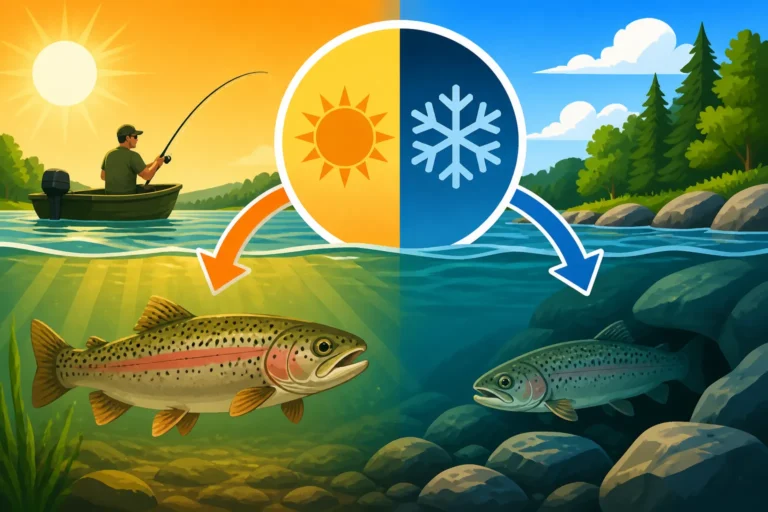
Water temperature is arguably the single most critical factor dictating yellow perch activity. They are cool-water fish, preferring temperatures generally between 55 and 70 degrees Fahrenheit. When the water gets too warm in shallow areas during the dog days of summer, they will seek refuge in deeper, more comfortable thermal zones. Conversely, as fall approaches and surface temperatures drop, they'll begin to move back into shallower, yet still cool, waters to feed aggressively before winter.
Depth also plays a significant role. Early in the season, you might find them in 10-20 feet of water. By mid-summer, it's not uncommon to target them in 30-50 feet, or even deeper, particularly in the Central and Eastern Basins of Lake Erie. Understanding these depth preferences throughout the year, often by consulting local fishing reports or talking to charter captains, can save you hours of searching. Being able to read your electronics to find schools of fish, often relating to the bottom, is invaluable.
Identifying the Peak Seasons for Yellow Perch Success
While perch can be caught year-round in Lake Erie, certain seasons offer distinct advantages and present different challenges. Each period has its own charm, from the quiet anticipation of spring to the fast-paced action of fall.
Spring Perch Opportunities April-May
Spring on Lake Erie, roughly from April through May, offers some fantastic opportunities for yellow perch, especially right after the ice melts and the water begins to warm. During this time, perch are actively feeding to regain energy lost during the colder months and in preparation for spawning. They tend to congregate in shallower areas, often in 10 to 25 feet of water, making them accessible to smaller boats and even shore anglers in certain harbors.
The key to spring perch fishing is patience and mobility. Schools can be tight-lipped one day and ravenous the next. Focus on areas with a mix of soft and hard bottom, near protective structures like breakwalls or docks. Live bait, like emerald shiners or fathead minnows, fished on a small spread (often called a "perch rig"), is usually the most effective approach. Remember to check the Ohio Statewide Bag and Size Limits to ensure you're compliant with current regulations before heading out.
Summer Perch Success June-August
Summer, from June through August, sees yellow perch scattering into deeper, cooler waters as Lake Erie's surface temperature rises. This can make them a bit trickier to locate consistently, as they might be suspended over open water or relating to more subtle underwater features that aren't obvious on a chart. However, once you find a school, the action can be non-stop. This is a popular time for charter boats and those with larger vessels equipped with good electronics.
Targeting summer perch often involves drift fishing over vast areas, covering ground until you mark significant schools of fish on your sonar. Depths can range from 25 to 60 feet or even deeper, depending on the basin and current conditions. Light-action rods with sensitive tips are crucial for detecting the often subtle perch bite. Many anglers find success with classic perch rigs, often tipped with live minnows or small pieces of shrimp, readily available from bait shops or online retailers like Amazon. For more on techniques, you might want to read our guide on Drift Fishing for Lake Erie Yellow Perch.
Fall Perch Frenzy September-October
Without a doubt, fall is when Lake Erie truly shines for yellow perch fishing. From September through October, as the water temperatures begin to drop and baitfish congregate in preparation for winter, perch go into an intense feeding frenzy. They're trying to pack on as much weight as possible, making them incredibly aggressive and eager to bite. This period often yields the largest perch of the year, including those coveted "jumbos" that make for incredible meals.
During the fall, perch tend to move shallower again compared to mid-summer, often found in 20-40 feet of water. They will relate to traditional structures like the reefs and deeper humps, but also closer to shore as the baitfish move. The cooling water stimulates their metabolism, making them less finicky. This season offers some of the most consistent and exciting perch fishing experiences, often with higher catch rates and bigger fish. If you're wondering how many you can keep, check out the Lake Erie Yellow Perch Daily Limit in the West Zone.
Zeroing in on the Absolute Best Month for Lake Erie Yellow Perch
While all three seasons—spring, summer, and fall—offer unique opportunities to catch yellow perch on Lake Erie, there is indeed one month that consistently stands out for both quantity and quality.
Why September Reigns Supreme
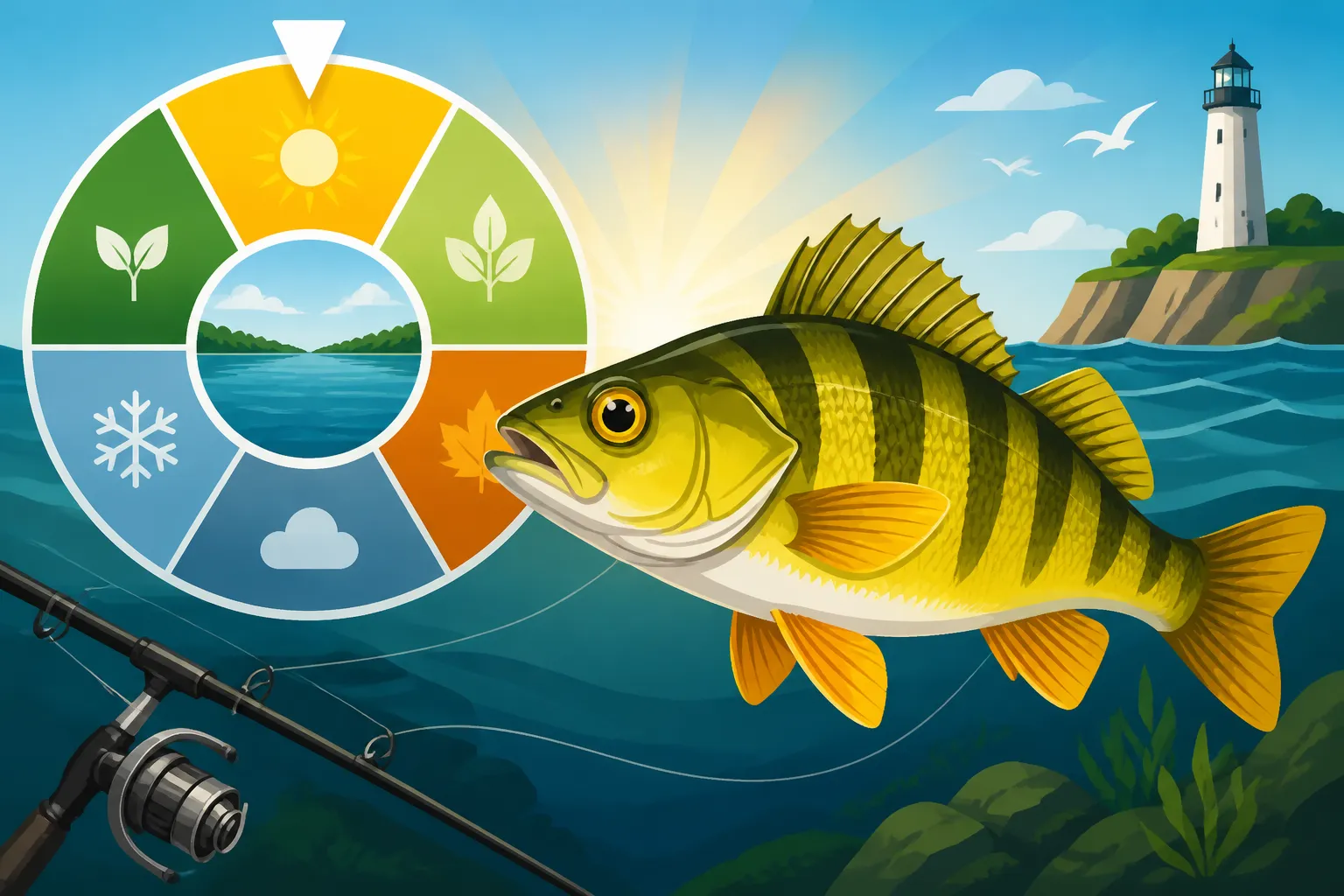
If you ask seasoned Lake Erie anglers and charter captains, many will point to September as the absolute best month to catch yellow perch. This is the sweet spot where several factors converge to create prime fishing conditions. The lake has begun its cooling trend, signaling to perch that it's time to feed aggressively before the cold grip of winter sets in. Water temperatures are typically in their preferred range, and baitfish are still abundant.
What makes September so special is the combination of active, well-fed fish and generally stable weather. While squalls can certainly pop up, the intense heat of summer has usually subsided, leading to more comfortable fishing days. Perch are often schooled up in large numbers, and once you locate them, the action can be fast and furious. It’s not uncommon to fill coolers with big, healthy perch during September trips. For more comprehensive insights into these fish, check out our Ohio Yellow Perch Fishing Guide.
Adapting to Yearly Variations
While September is a fantastic general rule, it's crucial to remember that Mother Nature doesn't always follow the calendar precisely. Early fall (late August) can sometimes offer conditions similar to September, especially if there's an early cold snap. Conversely, a prolonged warm fall might push peak action into early October. Anglers need to be flexible and pay close attention to current conditions.
Always keep an eye on weather patterns, lake temperatures, and local fishing reports. A warm, sunny September might mean perch are still a bit deeper, whereas a cooler, cloudy one could bring them shallower sooner. Reputable bait shops around Lake Erie, especially those in fishing hubs like Port Clinton and Sandusky, are excellent resources for up-to-the-minute information on where the perch are biting and what depths they are being found in. Sometimes, the best month can stretch into October, creating an extended fall bite.
Here's a quick overview of perch activity by month:
| Month | Typical Water Temperature (F) | General Perch Depth (Feet) | Activity Level | Notes |
|---|---|---|---|---|
| April | 40s – Low 50s | 10 – 25 | Moderate | Post-spawn, seeking warmer shallows. Good for smaller boats. |
| May | 50s – Low 60s | 15 – 30 | Moderate-High | Spreading out, actively feeding after spawn. |
| June | Mid 60s – Low 70s | 20 – 40+ | High | Summer patterns begin, moving deeper. Find schools for fast action. |
| July | Mid 70s | 30 – 50+ | High | Deeper, cooler water sought. Often suspended. |
| August | High 70s | 40 – 60+ | High | Deepest summer patterns, can be hot and humid. Start of fall movement. |
| September | Low 60s – Low 70s | 20 – 45 | Excellent | Peak season for quantity and quality. Aggressive feeding. |
| October | Low 50s – Low 60s | 15 – 35 | Excellent | Strong fall bite continues, large fish. Weather can be variable. |
Optimizing Your Trip for Prime Yellow Perch Action
Once you've zeroed in on the best time to go, it's essential to have the right gear and a solid plan to make the most of your Lake Erie yellow perch adventure. Even in the peak month, a well-prepared angler will always out-fish someone who isn't.
Rigging for Success Terminal Tackle
When it comes to yellow perch, a simple and effective setup is often the best. Light to medium-light spinning rods, around 6 to 7 feet long, paired with reels spooled with 6-8 lb monofilament or braided line, are ideal. The key is sensitivity; perch can have a very subtle bite, and a limber rod tip will help you detect even the lightest taps.
The most common and effective terminal tackle is a "perch rig." These typically consist of two snelled hooks (size 4-8), often with small beads or spinners, spaced several inches apart above a lead sinker (usually 1/2 to 1 oz, depending on current and depth) at the bottom. You can find many variations on Amazon, including pre-tied rigs that are super convenient for a quick change. Some anglers prefer to tie their own, using a dropper loop setup. For detailed rigging, check out our guide on the Best Rig for Yellow Perch on Lake Erie.
Lures and Baits That Get Bites
While artificial lures can sometimes catch perch, live bait is almost always king on Lake Erie. Small emerald shiners are the undisputed favorite, but fathead minnows, nightcrawlers (especially a piece of one), and even small pieces of shrimp or crappie nibblers can be highly effective. The key is to present fresh, lively bait. Make sure you have a good aerated bait bucket to keep your minnows active throughout the day.
When it comes to presentation, a slow, controlled drift is often best. Let your rig hit the bottom, then lift and drop it gently, stirring up a little puff of mud, then let it sit briefly. Perch are bottom feeders, and this action often attracts their attention. Sometimes, simply holding your rod still will be enough, especially when you're directly over a hungry school. Experiment with a very slow retrieve or jigging motion to see what they prefer on any given day. If you're struggling, consider focusing on how to fish for perch near the bottom, as this is where they spend most of their time feeding.
Planning Your Lake Erie Perch Trip
Successful fishing isn't just about what happens on the water; it starts long before you launch the boat. Thoughtful planning can make all the difference between a frustrating day and a memorable one.
Checking Conditions and Forecasts
Lake Erie is famously temperamental. What might be calm waters one hour can turn into choppy waves the next. Always, and I mean always, check the marine forecast before heading out. Pay attention to wind speed and direction, wave height, and any small craft advisories. A day with 5-10 knot winds might be perfect, but anything over 15-20 knots can make fishing uncomfortable or even dangerous, especially in smaller boats. You'll also want to monitor water temperature trends.
Beyond the wind, consider atmospheric pressure. Stable barometric pressure often means stable fish activity, while rapidly rising or falling pressure can sometimes shut down the bite. Clear skies versus cloudy, and whether a front is moving through, can also influence how and where perch feed. Staying informed about the weather won't just keep you safe, it will also help you make informed decisions about where to fish and what techniques to employ.
Chartering vs. Private Boat
Deciding whether to take your own boat or book a charter depends on your experience, equipment, and comfort level on a large body of water like Lake Erie. If you have a properly equipped boat, good electronics, and experience navigating open water, fishing from your own vessel offers maximum flexibility. You can target specific areas, stay as long as you like, and learn the lake at your own pace. Many anglers also enjoy the challenge of finding the fish themselves.
For those without their own boat, or those new to Lake Erie, booking a reputable perch charter is an excellent option. Charters provide all the necessary gear, bait, and most importantly, an experienced captain who knows the lake like the back of their hand. They'll have up-to-date information on where the fish are biting, saving you hours of searching. This is often the quickest way to get on a pile of fish and gain valuable insights into Lake Erie perch fishing. Consider asking around for recommendations for Lake Erie perch charter captains in areas like Port Clinton or Sandusky.
Disclaimer
Fishing involves inherent risks. Always prioritize safety, check local regulations, and be aware of weather conditions. The information provided is for general guidance and educational purposes only. Fishing regulations, fish behavior, and weather conditions can change rapidly. Always consult the official Ohio Department of Natural Resources (ODNR) for the most current regulations and safety guidelines.