How to Rig a Live Minnow for Crappie
It's a common scenario: you're out on an Ohio lake, you know the crappie are there, but getting them to commit to a bite can feel like a guessing game. Many anglers struggle to present their bait naturally, leading to missed opportunities and a lot of head-scratching. This guide is all about demystifying one of the most effective methods for catching these speckled beauties: rigging and fishing with live minnows. We'll dive deep into the tackle, techniques, and nuances to help you entice even the pickiest crappie.
Why Live Minnows are a Crappie Angler's Best Friend
There's just something about a live minnow that crappie can't resist. These panfish are sight feeders, and the erratic, natural movement of a struggling minnow is often all it takes to trigger a strike, even when they're not actively feeding. Understanding why minnows work so well is the first step to mastering their use.
Natural Prey and Irresistible Movement
Crappie, whether you're targeting the deeper-dwelling black crappie or the more shallow-loving white crappie found across Ohio, have a diet heavily centered around small baitfish. Minnows are a staple in their natural forage, making them an instinctive target. The subtle vibrations and the desperate wiggles of a live minnow on the hook mimic an easy meal, something artificial lures often struggle to replicate perfectly. This becomes especially important when crappie are finicky, perhaps due to a cold front or heavy fishing pressure. A live minnow offers that unbeatable combination of visual appeal and lifelike action that just screams "eat me!"
Seasonal Effectiveness and Crappie Behavior
The effectiveness of live minnows can vary slightly with the seasons, but they generally perform well year-round. In the spring, when crappie move shallow for their spawn, a suspended minnow near brush piles or docks is deadly. You might find this to be especially true as Do Crappie Move Shallow in Spring in Ohio?. During the warmer summer months, crappie often suspend in deeper water or relate to deeper structure, and a carefully presented minnow can reach them effectively. As fall cools the water, crappie tend to school up and feed aggressively, making them prime targets for vertical jigging with minnows. Even in winter, when ice fishing, a minnow dangled beneath the ice is a top producer. Knowing the Best Time of Year for Ohio Crappie Fishing will certainly boost your success with minnows.
Essential Gear for Rigging Live Minnows
Before we get into the nitty-gritty of rigging, let's talk about the tools you'll need. Using the right gear not only makes the process easier but also significantly increases your chances of success. Crappie have delicate mouths, so light tackle is key.
Rods, Reels, and Line: Keeping it Light
For crappie fishing with live minnows, finesse is the name of the game. You want a rod that's sensitive enough to detect those often subtle crappie bites, but with enough backbone to set the hook.
- Rods: A light to ultralight spinning rod, typically 5 to 7 feet long, is ideal. Look for a fast action tip, which means the rod bends mostly in the top third, giving you excellent sensitivity for feeling bites and quick hooksets. Brands like Ugly Stik or St. Croix offer great options that won't break the bank.
- Reels: Pair your rod with a small, lightweight spinning reel (500 or 1000 series). Smooth drag is crucial, as crappie can make surprisingly strong runs, especially larger specimens.
- Line: This is where many anglers make a mistake. Heavy line will deter crappie. Opt for 4 to 6-pound test monofilament or fluorocarbon. Monofilament is forgiving, stretches a bit, and floats, which can be good for bobber rigs. Fluorocarbon is nearly invisible underwater and has less stretch, offering more sensitivity, making it excellent for vertical presentations. Braided line can be used, but usually with a fluorocarbon leader, as its visibility can be an issue in clear water.
Hooks: Size, Type, and When to Use Them
The hook is your direct connection to the fish, so choosing the right one is paramount. Crappie have relatively small, papery mouths, so you need a hook that's sharp, thin-wired, and appropriately sized.
- Size: Generally, size 4, 6, or 8 hooks are best for crappie fishing with minnows. The exact size depends on the size of your minnows – you want the hook to be proportionate. A hook that's too large will kill the minnow or hinder its natural movement, while one that's too small might not hold the fish securely.
- Types:
- Aberdeen Hooks: These are probably the most popular for crappie. They have a long shank, which makes them easier to remove from a crappie's mouth, and a thin wire. The thin wire is crucial because it bends more easily if snagged, allowing you to often straighten it out and save your tackle.
- J-Hooks: Standard J-hooks in appropriate sizes can work, but Aberdeen's long shank is generally preferred.
- Circle Hooks: While less common for crappie, small circle hooks can be effective, especially if you're fishing multiple rods or want to ensure a hookset in the corner of the mouth, minimizing gut hooks.
- Jig Heads: When actively fishing or wanting to add weight directly to your minnow, jig heads are excellent. Look for 1/32 to 1/8 ounce jig heads with a fine wire hook. The weight helps get your minnow down, and you can tip the jig with a minnow for an irresistible combination. This is a fantastic option when you're exploring Best Jig Color for Ohio Crappie as well, simply by using a jig head with a minnow.
Sinkers and Floats: Achieving the Perfect Presentation
These components help you control the depth and presentation of your minnow.
- Sinkers:
- Split-Shot Sinkers: These are small, easy-to-attach weights that simply pinch onto your line. They come in various sizes (BB, 3/0, 2/0, 1/0 being common for crappie). Use just enough weight to get your minnow to the desired depth and keep it there, without hindering its natural swim.
- Egg Sinkers: For deeper water or when you need more weight to fight current, a small egg sinker (1/8 to 1/4 ounce) above a swivel can be used. This setup allows the line to slide through the sinker, so a biting crappie doesn't feel the weight.
- Floats/Bobbers:
- Clip-On Bobbers: The classic red and white bobbers are simple and effective for shallow water. They clip directly to your line at a fixed depth.
- Slip Bobbers: These are a game-changer for crappie fishing. A slip bobber slides freely on your main line, stopping at a small bobber stop knot that you can adjust. This allows you to fish at virtually any depth, even with a long leader, which is impossible with a fixed clip-on bobber. Brands like Thill or Comal make excellent slip bobbers. You can often find a wide variety of these, as well as aerators and bait buckets, on platforms like Amazon. Learning How to Rig a Slip Bobber for Saugeye can provide transferable knowledge here for crappie, too.
Live Bait Container: Keeping Minnows Perky
A quality live bait container is non-negotiable. Happy, lively minnows are effective minnows.
- Bucket and Aerator: A 5-gallon bucket with an insulated liner or a dedicated bait bucket, paired with a battery-powered aerator, is essential. The aerator keeps the water oxygenated, and cool, clean water helps your minnows stay vibrant. You can find reliable aerators and insulated bait buckets on Amazon.
- Water Treatment: Consider adding a small amount of non-iodized salt or a commercial minnow additive to the water. This helps reduce stress and mortality rates, especially on longer fishing trips.
Step-by-Step Rigging Techniques for Crappie
Now that we've covered the gear, let's get into the practical application. There are several ways to rig a live minnow, each suited for different conditions and fishing styles. We'll break down the most popular and effective methods.
The Classic Bobber Rig
This is arguably the simplest and most common way to fish a live minnow for crappie, perfect for beginners or when crappie are holding in shallow, visible cover.
Assembling the Rig:
- Tie on your hook: Start by tying a size 4, 6, or 8 Aberdeen hook to your main line using a Palomar knot or improved clinch knot.
- Add split-shot: About 6-12 inches above your hook, pinch one or two small split-shot sinkers onto your line. The goal is just enough weight to keep your minnow down without impeding its natural movement too much.
- Attach the bobber: Clip a fixed bobber onto your line, usually 1-3 feet above the split-shot. Adjust this distance based on the depth you expect the crappie to be.
Hooking the Minnow:
This is crucial for keeping your minnow alive and presenting it naturally.
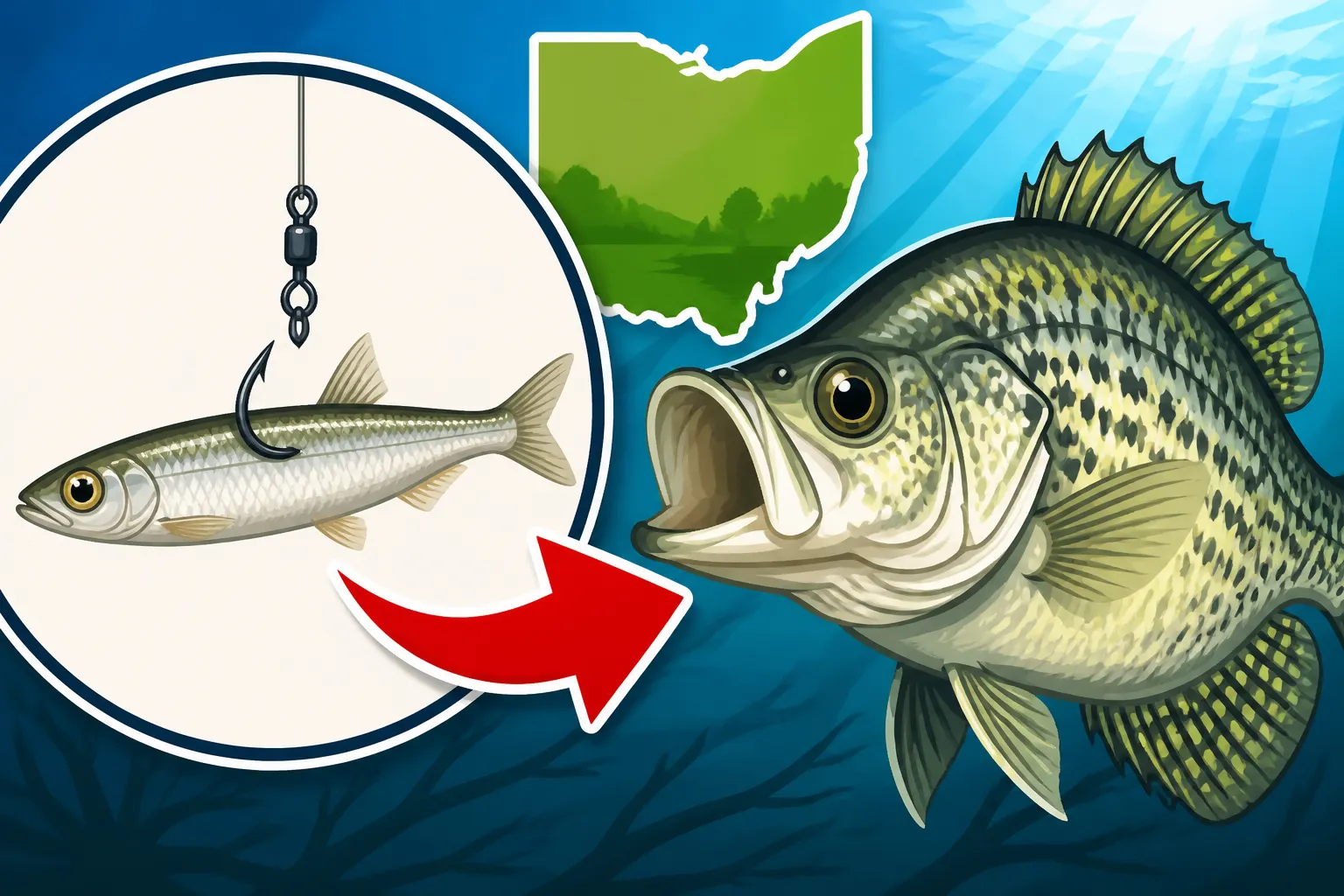
- Through the Lips: This is the most common method. Gently push the hook point up through the bottom lip of the minnow and out through the top lip. This allows the minnow to swim freely and naturally. It also ensures the hook point is exposed for a solid hookset.
- Behind the Dorsal Fin (Carefully!): For a slightly different presentation, you can gently hook the minnow just behind its dorsal fin, being very careful not to hit its spine. This allows the minnow to swim head-down, which can sometimes trigger a bite. However, it can also kill the minnow more quickly if done incorrectly.
When to Use It:
The classic bobber rig shines in shallow water (under 5 feet) around visible cover like docks, brush piles, lily pads, or submerged timber. It’s a passive technique; you cast it out and let the minnow do the work. Watch the bobber closely for any dips, wiggles, or disappearances – those are your cues to set the hook!
The Versatile Slip Bobber Rig
For deeper water or when crappie are suspended at a precise depth, the slip bobber rig is unbeatable. It offers excellent depth control and castability.
Assembling the Rig:
- Attach a bobber stop: Thread a small bobber stop (usually a piece of string on a sleeve) onto your main line first. Slide it up your line about 10-15 feet. This is what stops your bobber at the desired depth.
- Slide on a bead: Next, thread a small plastic bead onto your line. This prevents the bobber stop from sliding into the bobber itself.
- Add the slip bobber: Now, thread the main line through the eyelet of your slip bobber.
- Attach sinker: About 12-18 inches above your hook, tie on a small barrel swivel. Then, above the swivel, thread on a small egg sinker (1/8 to 1/4 ounce) or use a few larger split-shot. The swivel acts as a stopper for the sinker, allowing the crappie to pull line without feeling the weight of the sinker.
- Tie on the hook: Finally, tie your hook (size 4-8 Aberdeen) to the free end of your leader, below the swivel.
Hooking the Minnow:
Same as with the classic bobber rig – through the lips for natural movement, or carefully behind the dorsal for a head-down presentation.
When to Use It:
The slip bobber rig excels when crappie are suspended over deeper water, along channel edges, or in brush piles that extend well below the surface. You can easily adjust your fishing depth by sliding the bobber stop up or down the line. This is particularly effective when you've located crappie on your fish finder and want to present a minnow at their exact depth. If you're fishing at locations mentioned in our guide to the Best Ohio Lakes for Crappie, a slip bobber will be a crucial tool.
Jig Head Rig with Minnow
This active fishing technique combines the weight and action of a jig head with the irresistible appeal of a live minnow. It's excellent for vertical jigging or slow-trolling.
Assembling the Rig:
- Tie on the jig head: Tie a 1/32 to 1/8 ounce jig head (with a sharp, fine-wire hook) directly to your main line using a loop knot like the Rapala knot or a good improved clinch. A loop knot allows the jig to swing freely, enhancing its action.
Hooking the Minnow:
- Through the Lips: Pass the jig hook up through the bottom lip and out the top lip of the minnow. This is the most common and effective method for jig head presentations, allowing maximum minnow movement.
- Through the Head: For a more secure, streamlined presentation (especially if casting or trolling slightly faster), you can thread the hook through the minnow's mouth and out the top of its head. Ensure the minnow hangs straight on the hook.
When to Use It:
This rig is fantastic for active fishing. Use it to:
- Vertically jig: Drop it straight down into brush piles, over sunken timber, or along drop-offs where you see crappie on your fish finder. Gently lift and drop your rod tip, letting the minnow swim and struggle.
- Slow-troll/Spider Rig: If you're covering water from a boat, multiple rods with jig-and-minnow rigs can be slow-trolled or spider-rigged (where rods extend out from the boat in various directions) to cover different depths and areas.
- Casting: Cast it towards structure and retrieve very slowly, letting the minnow swim back.
The Drop Shot Rig for Crappie
While often associated with bass fishing, a scaled-down drop shot rig can be incredibly effective for suspended crappie, offering precise depth control and a very natural minnow presentation.
Assembling the Rig:
- Tie the hook: Tie a size 6 or 8 Aberdeen hook directly to your main line using a Palomar knot. Important: Thread the tag end of the line back through the eye of the hook after tying the knot. This makes the hook stand out horizontally from the main line.
- Add the weight: Leave a long tag end (12-36 inches, depending on desired depth) and tie a small drop shot weight (1/8 to 1/4 ounce cylindrical or round weight) to the very end of this tag.
Hooking the Minnow:
Hook the minnow through the lips or gently through the nose. Because the hook stands out horizontally, the minnow will swim very naturally at a fixed depth above the bottom or structure.
When to Use It:
The crappie drop shot rig is excellent when:
- Crappie are tightly schooled and suspended at a specific depth, especially over deeper water.
- You want to keep your minnow perfectly still at a certain depth.
- You're fishing around vertical structure like bridge pilings or deep timber, where you can keep the minnow in the strike zone longer.
This rig allows you to feel subtle bites without the crappie feeling the weight of the sinker, as the line slides through the hook eye.
Keeping Your Minnows Lively and Attractive
Even the best rigging won't matter if your minnows are dead or listless. Keeping them healthy and active is just as important as how you hook them.
Proper Storage and Water Management
Think of your minnow bucket as a miniature ecosystem.
- Aeration is King: A good battery-powered aerator is non-negotiable. It constantly pumps oxygen into the water, vital for minnow survival. Check the batteries before each trip!
- Temperature Control: Minnows prefer cool water. In summer, this means keeping your bucket in the shade, adding frozen water bottles (never ice directly, as tap water often contains chlorine), or using an insulated bait bucket. In colder weather, protect them from freezing. Extreme temperature fluctuations are detrimental.
- Clean Water: Change the water periodically, especially if it gets cloudy or if many minnows have died. Use non-chlorinated water from the lake or river you're fishing, if possible, or bottled water. Avoid tap water unless it's been treated to remove chlorine.
- Don't Overcrowd: Too many minnows in too small a bucket will quickly deplete oxygen and stress the fish. A good rule of thumb is about one dozen medium minnows per gallon of water, assuming good aeration.
Gentle Handling and Timely Replacement
Your minnows are delicate creatures; handle them with care.
- Use a Small Net: Don't grab minnows with your bare hands, as the oils and heat from your skin can harm them. Use a small, fine-mesh minnow net to scoop them out.
- Quick Hooking: Hook your minnow quickly and efficiently to minimize stress. Get it into the water as soon as possible after hooking.
- Change Out Listless Minnows: If a minnow starts swimming erratically, floats on its side, or simply seems sluggish, it's time to replace it. Crappie are looking for an active, struggling meal. A dead or dying minnow is far less effective.
Fishing with Live Minnows for Crappie in Ohio
Now that you're an expert in rigging and minnow care, let's talk about putting it all together on the water. Crappie fishing with minnows is a nuanced art, and a few tips can make a big difference. Remember to always be aware of the Ohio Crappie Daily Limit and other Ohio Fishing Regulations Every Angler Should Know.
Locating Crappie and Presenting the Bait
Knowing where to find crappie is half the battle. They are highly structure-oriented fish, and their Crappie Schooling Behavior often leads them to congregate in predictable spots.
- Target Structure: Look for submerged timber, brush piles, docks, bridge pilings, rock piles, and weed beds. Crappie use these areas for ambush points and cover.
- Electronics are Your Friend: A good fish finder can pinpoint crappie schools, especially when they are suspended. Once you find them, present your minnow at that exact depth using a slip bobber or by vertical jigging.
- Subtle Presentation: Crappie often have a light bite. Cast your minnow rig gently and let it settle naturally. Avoid splashing or making sudden movements that could spook the fish. For vertical presentations, lower your minnow slowly into the strike zone.
- Work the Cover Thoroughly: Don't just cast once and move on. Fan cast around a brush pile or dock, or slowly vertical jig through different parts of a submerged structure. Crappie might be holding in a very specific spot.
Detecting the Bite and Setting the Hook
Crappie bites can be incredibly subtle, especially in cold water or when they're not aggressive.
- Bobber Watching: If using a bobber, watch it like a hawk. Any dip, sideways movement, or slow sinking could indicate a bite. Don't wait for it to fully disappear; often, a crappie will just suck the minnow in and hold it.
- Line Watching: When vertical jigging or using a drop shot, watch your line where it enters the water. Any twitch, jump, or subtle movement could be a bite. Sometimes, the line will just go slack for a split second as a crappie swims up and grabs the bait.
- Feeling the Bite: With practice and sensitive tackle, you'll learn to feel the faint "tick" or added weight of a crappie bite.
- Gentle Hookset: Once you detect a bite, set the hook with a smooth, upward sweep of the rod, rather than a hard jerk. Remember, crappie have delicate mouths, and too aggressive a hookset can tear the hook out.
Common Mistakes to Avoid
Even experienced anglers can fall into these traps:
- Using Too Heavy Tackle: Heavy line, big hooks, and stiff rods will significantly reduce your catch rate. Finesse is key.
- Dead or Listless Minnows: Always replace minnows that are no longer active. They won't attract fish.
- Fishing the Wrong Depth: Crappie are very depth-sensitive. If you're not getting bites, try adjusting your depth by a foot or two at a time until you find them.
- Impatience: Crappie fishing often requires patience. Don't rush your presentation or move too quickly from a productive spot. Let the minnow work its magic.
- Ignoring Local Conditions: Pay attention to water temperature, clarity, and recent weather patterns. These factors can influence where crappie are holding and how they're feeding. You might want to check out general guides like the Best Ohio Fishing Gear and Tackle Guide for more insights on adapting to conditions.
Following these guidelines will undoubtedly enhance your crappie fishing experience in Ohio. With lively minnows and the right technique, you'll be well on your way to a cooler full of delicious crappie!
| Rigging Method | Best Use Cases | Pros | Cons |
|---|---|---|---|
| Classic Bobber | Shallow water (2-5 ft), visible cover | Simple to set up, easy to detect bites, good for beginners | Limited depth control, challenging in wind, not ideal for deep water |
| Slip Bobber | Deeper water, suspended crappie, precise depth | Excellent depth control, good castability, very versatile | Requires more components, slight learning curve for bobber stop |
| Jig Head (w/ Minnow) | Active fishing, vertical jigging, slow trolling | Direct presentation, added flash/vibration from jig, good for covering water | Can kill minnow quicker if not hooked properly, more active fishing required |
| Drop Shot (w/ Minnow) | Suspended crappie, precise depth, vertical structure | Very natural minnow presentation, excellent bite detection, precise depth control | More complex to tie, can be finicky in current, requires attention |
Disclaimer
Fishing regulations, license requirements, and local conditions can change. Always consult the latest Ohio Department of Natural Resources (ODNR) fishing regulations booklet or website before heading out. This guide is for informational purposes only and does not supersede official regulations.