Best Crankbait Color for Lake Erie Walleye
One of the biggest head-scratchers for any angler hitting the expansive waters of Lake Erie is trying to figure out which crankbait color the walleye are going to hit. You’ve got your boat loaded, your rods rigged, and a tackle box full of every color imaginable, but knowing which one to tie on can feel like a complete shot in the dark. It’s frustrating to watch other boats pulling in fish while you’re coming up empty, all because you might be using the "wrong" hue. This guide is here to unravel that mystery, helping you understand the science and art behind choosing the best crankbait colors for Lake Erie's notoriously finicky walleye.
Understanding Lake Erie's Walleye Habitat and Preferences
Before we dive into specific color recommendations, it's crucial to understand why certain colors work better than others in Lake Erie's unique environment. Walleye are ambush predators with excellent low-light vision, and their world beneath the waves is far different from ours above it. The clarity of the water, the available light, and what they're naturally feeding on all play massive roles in their crankbait color preferences.
Water Clarity and Depth
Lake Erie is a massive body of water, and its clarity can vary wildly depending on the basin you're fishing, recent weather patterns, and even the time of year. The Western Basin, for instance, is generally shallower and more prone to turbidity (murkiness) due to agricultural runoff and wave action. The Central and Eastern Basins tend to be deeper and often clearer, especially further offshore.
When the water is clear, walleye have a much better view of your presentation. This means they can be pickier. In these conditions, natural, subdued colors that accurately mimic their prey are often more effective. Think about how a live shiner or perch would look in clear water – subtle flashes, natural patterns. Loud, unnatural colors can sometimes spook wary fish in high-visibility conditions. However, when you're fishing deeper water, even if the surface is clear, less light penetrates the depths. Colors that appear vibrant or create strong contrast in low light become more important here.
Conversely, in stained or muddy water, visibility is severely reduced. Walleye rely less on sight and more on their lateral line system to detect vibrations. This doesn't mean color is irrelevant, but its purpose shifts. In murky conditions, you want colors that stand out and create a strong profile, even if the exact hue is somewhat muted by the water itself. Bright, fluorescent, or high-contrast patterns become your best friends, as they are more likely to catch the limited light available and present a discernible target. Understanding this fundamental concept of how light and clarity affect visual cues is the first step in becoming a true walleye crankbait maestro.
Forage Base and Mimicry
Walleye are opportunistic predators, but they primarily feed on baitfish. Lake Erie boasts a diverse forage base, and the dominant baitfish can influence what crankbait colors are most effective at different times and locations. Common forage species include emerald shiners, gizzard shad, yellow perch, smelt, and even juvenile white bass.
Mimicking the local baitfish is often a highly successful strategy. If you're fishing an area known to hold large schools of emerald shiners, a crankbait with a silver or iridescent finish, perhaps with a subtle green or blue back, can be deadly. When walleye are gorging on yellow perch, especially during late summer and fall, crankbaits with green backs, yellow bellies, and distinct vertical bars can be irresistible. This is where "match the hatch" really comes into play. Pay attention to what's showing up on your Reading Ohio Fish Finders and Electronics or what the charter captains are reporting. Sometimes, a quick check of the stomach contents of the first few fish you catch can give you invaluable clues about their current diet, helping you dial in your color selection.
However, it's not always about exact mimicry. Sometimes, an "attractor" pattern that doesn't perfectly match anything but triggers a predatory response works wonders. This is especially true when walleye are aggressive or when fishing in conditions where they need a little extra nudge to strike. The key is to be observant. Are there baitfish flickering on your electronics? What are other successful anglers using? These observations can quickly point you toward the most appropriate colors.
Light Conditions Through the Day
The amount and angle of sunlight dramatically impact how colors appear underwater. What looks brilliant in direct sunlight might be dull and lifeless in low light. This means your "best" crankbait color can change from dawn to dusk, and even on cloudy days.
- Sunrise/Sunset (Low Light): During the magical "golden hours" when walleye are most active, light penetration is low. This is often when walleye feed most aggressively. Bright, fluorescent colors like chartreuse, hot pink, and firetiger often excel because they absorb and reflect what little UV light is available, making them highly visible. Dark colors, like black or deep purple, can also create a strong silhouette against the dim sky, making them easy for walleye to spot from below.
- Midday (Bright Sun): When the sun is high and bright, light penetrates deeply. In clear water, natural, realistic patterns like silver, blue, or green work well. The natural flash and shimmer of these baits can be incredibly effective, mimicking the subtle glint of real baitfish. Sometimes, though, too much flash can be overwhelming, so opting for a more subdued, natural pattern can prevent spooking fish. On bright days, walleye might also move to deeper, darker water, so consider colors that stand out in lower light even during the day, such as a strong chartreuse or orange.
- Overcast/Cloudy Days: These days can often feel like an extended version of low-light conditions. Bright, high-contrast colors continue to perform well, as they compensate for the lack of direct sunlight. Again, chartreuse, firetiger, and even reflective patterns with a good flash can be very effective because they make the most of the diffused light. Don't be afraid to experiment with brighter natural colors too, such as a bold blue/silver.
The trick is to think about what the walleye actually sees from its perspective, not just what looks good to you on the boat.
Top Crankbait Colors for Lake Erie Walleye (And Why They Work)
Alright, let’s get down to the nitty-gritty: the specific colors that reliably put Lake Erie walleye in the boat. There are no absolutes in fishing, but these colors have proven themselves time and again, and understanding their applications will give you a serious edge.
Natural and Transparent Patterns
These are your "bread and butter" colors, designed to imitate the natural forage found in Lake Erie. They work exceptionally well when walleye are actively feeding on baitfish, especially in clearer water conditions where discretion is key.
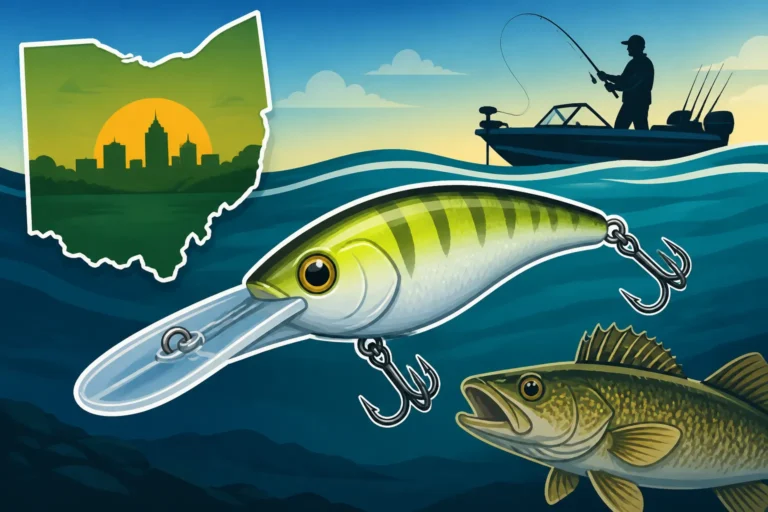
- Perch/Walleye Patterns: These often feature green, yellow, or orange bellies, with dark vertical bars and a dark back. They are phenomenal during the late summer and fall when walleye frequently target juvenile perch. Brands like Bagley, Rapala, and Berkley offer excellent perch patterns that are readily available on Amazon. These mimic one of the walleye's primary food sources, making them a consistently good choice.
- Smelt/Shiner Patterns: Think silver, chrome, natural blue, or green backs with silver sides. These are deadly in clear water, especially in the deeper Central and Eastern Basins, where smelt are a significant part of the walleye's diet. The flash and shimmer perfectly imitate these schooling baitfish. A good example is a metallic silver with a faint blue back. These are particularly effective during periods when the baitfish are schooling tightly, and walleye are chasing them.
- Shad/Cisco Patterns: Similar to shiner patterns, these often have a slightly darker, more muted silver or grey tone, sometimes with a subtle purple or brown tint on the back. They imitate gizzard shad and ciscoes, especially important forage in certain parts of the lake. They provide a more subtle flash than pure chrome, which can be advantageous on very bright days or when fish are pressured.
The beauty of these natural patterns lies in their subtlety. They fool walleye into thinking they’re looking at an easy meal, triggering strikes based on instinct rather than aggression. When the fish are less active, or the water is gin-clear, these are often the first patterns to try.
Bright and High-Contrast Patterns
When natural just isn't cutting it, or when conditions demand something more aggressive, you turn to the vibrant, high-contrast patterns. These are designed to grab attention and trigger reaction strikes, even from less-than-enthusiastic walleye.
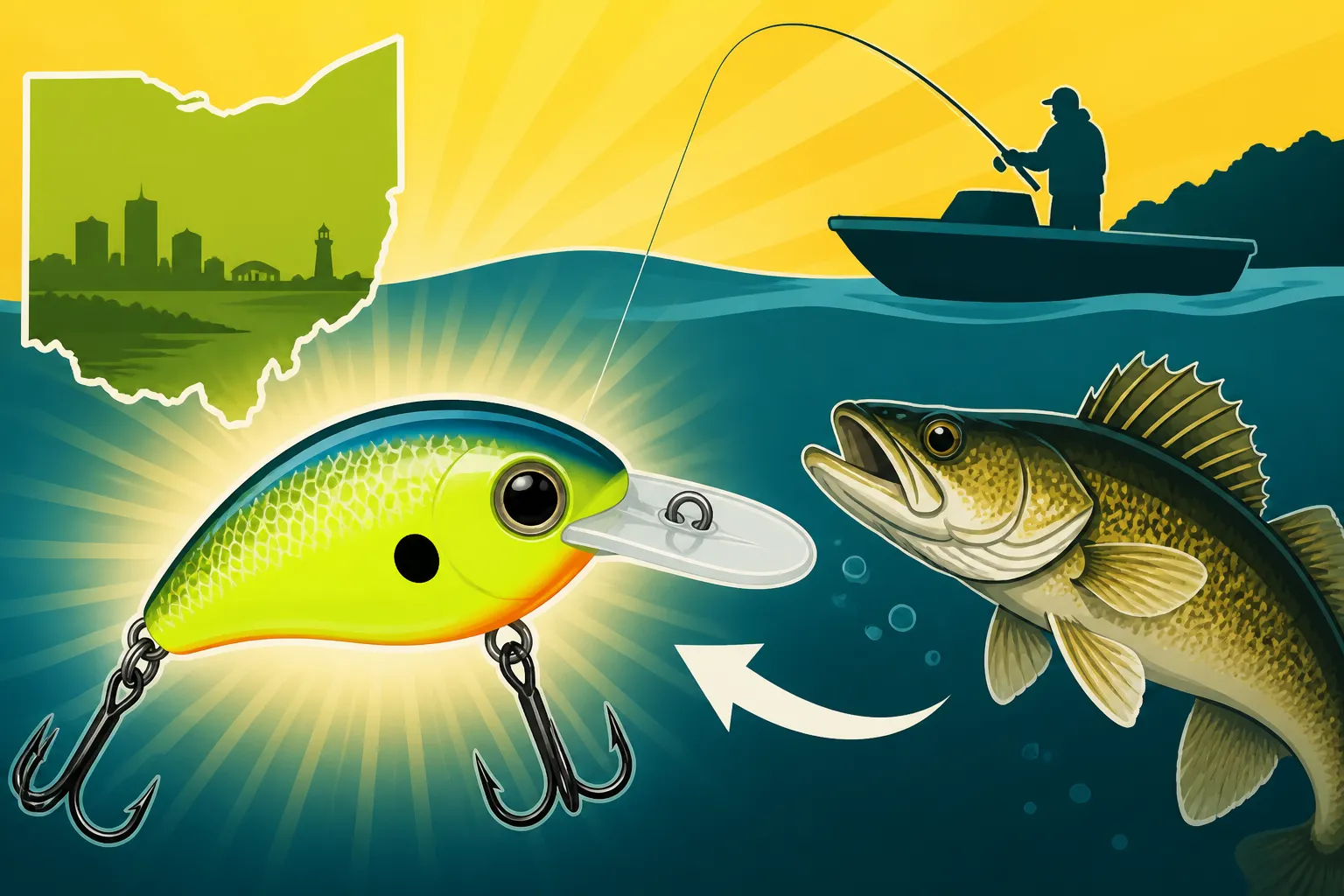
- Chartreuse: This fluorescent yellow-green is a perennial favorite for a reason. It glows brightly in low light, cloudy conditions, and stained water. It’s incredibly visible, and something about its intensity just seems to irritate walleye into biting. Many anglers keep a chartreuse crankbait tied on as their "search bait" because it consistently produces.
- Firetiger: A classic pattern combining fluorescent green, yellow, and orange/red stripes with a dark back. Firetiger is a go-to in stained or muddy water, and on overcast days. The combination of bright, contrasting colors creates a strong visual profile that walleye can easily spot. It's an attractor pattern that doesn't necessarily mimic a specific baitfish but signals "prey" very effectively. This pattern is particularly strong when the Ohio Walleye Fishing Guide suggests fishing shallower, more turbulent areas.
- Hot Pink/Purple: Don't underestimate these vibrant colors, especially pink. Hot pink crankbaits, often with a white belly, are surprisingly effective for walleye, particularly in cold water or during early spring. Some theories suggest these colors mimic crayfish or trigger a unique reaction strike. Purple, often in combination with silver or black, also has a long history of success, especially on deeper walleye.
- Orange/Gold: Bright orange, sometimes with a black back or combined with gold, is another fantastic option for stained water and low light. Gold itself creates a strong flash and shimmer that performs well on sunny days in slightly off-color water. Many successful walleye crankbaits feature significant orange accents.
These "loud" colors are about making a statement. They scream "EAT ME!" even when the walleye might be a bit sluggish or in water where their vision is impaired. When you’re trying to generate a reaction, these are the colors you reach for.
Dark and Silhouette Patterns
Sometimes, the best way to be seen is to be unseen – or rather, to create a strong, discernible shape against the ambient light. Dark and silhouette patterns excel in extremely low light, clear water at night, or when you need a stark contrast.
- Black/Purple: A solid black crankbait, or one predominantly black with subtle purple or blue accents, can be incredibly effective, particularly at night or during deep dives in clear water. Walleye often look up to ambush prey, and a dark bait creates a strong silhouette against the lighter surface or sky. It's simple but incredibly potent.
- Dark Blue/Silver: While silver is a natural pattern, when paired with a deep, dark blue back, it can create a powerful silhouette, especially on clear, sunny days when fish are pushed deep. The dark blue contrasts sharply with the brighter silver belly, providing both mimicry and a strong profile.
These patterns leverage the walleye's excellent low-light vision. They don't rely on flash or vibrant hues but rather on creating a clear, easy-to-track shape that a walleye can confidently attack. If you're struggling during the twilight hours or after dark, don't overlook the power of dark colors.
Matching Crankbait Color to Specific Conditions
Knowing the best colors is one thing; knowing when to use them is another. The real art of crankbait fishing for Lake Erie walleye comes from adapting your color choices to the ever-changing conditions you face on the water.
Clear Water vs. Stained Water
This is perhaps the most fundamental distinction when choosing crankbait colors.
- Clear Water Strategies: In water where you can see several feet down, subtlety is key. Start with natural patterns that mimic emerald shiners, smelt, or yellow perch. Silver, natural blue, green, and muted pearl finishes are excellent. The goal is to make your bait look as much like a real baitfish as possible. If the fish are active, the subtle flash from a chrome or iridescent finish can be a significant draw. If they're finicky, sometimes a completely transparent or ghost pattern can be surprisingly effective. You might even want to look for baits with a subtle rattle to add another layer of attraction without being overly aggressive.
- Stained Water Strategies: When the water has a significant tint to it, whether it's muddy, cloudy, or even a deep tea color, visibility is reduced. This is when you want your crankbait to scream for attention. Fluorescent colors like chartreuse, firetiger, and hot pink really shine here. They absorb and reflect ambient light more effectively, making them stand out. High-contrast patterns, such as black and orange, or even brightly painted metallic baits (like a gold firetiger), also work well because their distinct patterns are easier for walleye to discern in murky conditions. The goal is to create a strong visual presence and perhaps even a bit of vibration to help the walleye locate your lure.
Many anglers carry a variety of crankbaits in popular patterns and then buy a couple in "hot" colors that are currently being talked about on the fishing forums or local tackle shops. Having a good selection readily available, perhaps even on Amazon, is crucial.
Sunny vs. Cloudy Days
The amount of direct sunlight directly impacts how colors are perceived underwater, much like a filter.
- Sunny Day Tactics: On bright, sunny days, especially in clear water, natural-looking baits with reflective properties tend to excel. Silver, chrome, and gold finishes with blue, green, or black backs effectively mimic the flash of real baitfish. The direct sunlight causes these metallic finishes to glint and shimmer, making them highly attractive. However, in extremely bright, clear conditions, too much flash can sometimes spook wary walleye. In such cases, a more subdued, natural matte finish or even a transparent bait might be better. If fishing deep on a sunny day, remember that less light penetrates, so brighter attractor colors might be needed in the deeper water column.
- Cloudy Day Tactics: Overcast conditions reduce the amount of direct light, creating a dimmer, diffused environment. This is prime time for brighter, fluorescent, and high-contrast patterns. Chartreuse, firetiger, and bright oranges really pop in these conditions. They make the most of the limited light, ensuring your bait remains highly visible. Darker, silhouette patterns like black and purple can also be effective on cloudy days, as they create a strong, easy-to-track profile against the muted background. Consider using a little extra flash, like a subtle glitter in your bait, to help it catch any ambient light.
Early Season vs. Mid-Summer vs. Fall
Walleye behavior and baitfish availability change throughout the year, influencing the best crankbait colors.
- Early Season (Spring): As the water warms after ice-out, walleye are often in shallower areas, either spawning or recovering. Water can be cold and often stained from spring runoff. Bright, visible colors like chartreuse, firetiger, and hot pink are frequently top producers, especially when paired with a good baitfish profile. Smallmouth bass also become more active around this time, so these colors can double up. In clear, cold water, a subtle silver or smelt pattern can also be effective. Consider baits with a strong wobble, as walleye can be sluggish. You can learn more about specific timing in our guide on Best Time of Year to Fish Lake Erie for Walleye.
- Mid-Summer: Walleye often move deeper to find cooler water and follow baitfish schools. The water generally clears up, especially offshore. Natural patterns like silver/blue, perch, and smelt colors are excellent choices. However, on bright, sunny days, or if fish are aggressive, a flashier metallic bait or a subtle firetiger can still produce. This is when you often use Trolling for Lake Erie Walleye techniques to cover vast amounts of water, so having a range of colors is important. Pay attention to your How to Troll for Walleye in Early Summer techniques here, as depth and speed are just as critical as color.
- Fall: As the water cools, walleye become very active and often feed heavily, bulking up for winter. Perch patterns become incredibly effective, as yellow perch are a primary food source. Silver/blue and smelt patterns continue to work well. In stained fall water, brighter colors like chartreuse or firetiger can still trigger strikes. Walleye often congregate in specific areas, making them easier to target.
Beyond Color: Other Factors Influencing Crankbait Success
While color is a huge piece of the puzzle, it's never the only piece. To truly maximize your success on Lake Erie, you need to consider how color interacts with other crucial elements of your presentation.
Crankbait Action and Size
The way a crankbait moves through the water and its physical dimensions are just as important as its color.
- Action: Crankbaits come in various actions, from tight wiggles to wide, erratic wobbles. A tight, subtle wiggle is often preferred in cold water or when fish are finicky, as it mimics a natural baitfish that might be slightly stunned. A wider, more aggressive wobble can be excellent for triggering reaction strikes in warmer water or when walleye are actively chasing prey. Some days, they want a subtle shimmy, and other days, they want a violent shake. Match the action to the mood of the fish.
- Size: The size of your crankbait should generally correspond to the size of the available forage. If walleye are feeding on small emerald shiners, a smaller, thinner crankbait will be more effective than a large, bulky one. Conversely, if they're targeting larger yellow perch, a bigger, perch-patterned crankbait might be the ticket. Don't be afraid to experiment. Sometimes, a slightly oversized bait can trigger a "trophy" strike, while other times, downsizing is the only way to get a bite.
Think about the overall profile of the bait. Is it slender like a shiner, or deeper-bodied like a perch? This profile, combined with color, creates the complete illusion for the walleye. Many experienced anglers keep a variety of sizes and shapes in their tackle boxes, ensuring they have the right presentation for any situation. You can find a huge selection of crankbaits in various sizes and actions on Amazon.
Trolling Speed and Depth
Even the "perfect" color won't catch fish if your crankbait isn't presented at the right depth and speed.
- Depth: Walleye are often suspended at specific depths, especially in Lake Erie. Using a How to Read a Fish Finder for Suspended Walleye is crucial to identify where the fish are holding and then selecting a crankbait that can reach and maintain that depth. Different crankbaits are designed to dive to various depths based on their lip size, body shape, and trolling speed. Precision in depth control, often achieved through lead core line, diving planers, or downriggers, ensures your chosen color is actually in front of the fish's face.
- Trolling Speed: The speed at which you troll influences both the diving depth and the action of your crankbait. Generally, faster speeds make crankbaits dive deeper and often increase their wobble. Slower speeds keep them shallower and can result in a more subdued action. Finding the "sweet spot" speed for a particular crankbait and a particular day can be critical. Sometimes, a subtle speed change can make all the difference, transforming a slow day into a hot bite. For more details on this, check out our guide on Best Trolling Speed for Lake Erie Walleye.
Remember, your crankbait's color is only effective if the walleye can see it. Proper depth and speed ensure that visibility.
Trial and Error: Becoming a "Color Detective"
No guide can give you the absolute, definitive "best" crankbait color every single day. Lake Erie walleye fishing is dynamic, and what worked yesterday might not work today. The most successful anglers are those who are willing to experiment and become "color detectives."
- Start with a Diverse Spread: If you're trolling, deploy a spread of crankbaits in different colors and patterns. Run a natural bait, a bright attractor, and maybe a dark silhouette. Pay attention to which rod gets hit.
- Observe and Adapt: Did all the bites come on the chartreuse? Then switch another rod to chartreuse. Did the fish hit a perch pattern? Try another rod with a similar natural color. Look for patterns, both in color and in other factors like depth or trolling speed.
- Pay Attention to Your Fishing Buddies: If you're fishing with others, share information. What are they catching fish on? What are the charter boats in your area using? While you might not want to copy exactly, it gives you valuable clues.
- Don't Be Afraid to Change: If a color isn't producing, change it! It’s better to spend a few minutes re-rigging than to troll unproductive baits for hours. Sometimes, a subtle shift in hue is all it takes.
The process of trial and error, combined with a solid understanding of why certain colors work, is what separates consistently successful anglers from those who just get lucky.
Here's a quick reference table to help guide your choices:
| Condition | Water Clarity | Light Level | Recommended Color Types | Specific Examples |
|---|---|---|---|---|
| Morning/Evening Bite | Stained | Low | Bright, Fluorescent, High-Contrast | Chartreuse, Firetiger, Hot Pink, Bright Orange, Dark Purple |
| Morning/Evening Bite | Clear | Low | Dark Silhouette, Subtle Natural | Black, Dark Blue/Silver, Silver/Purple |
| Midday Sun | Clear | High | Natural, Reflective, Subtle | Silver/Blue, Perch, Smelt, Shad, Ghost |
| Midday Sun | Stained | High | Bright, High-Contrast, Bold Natural | Firetiger, Bright Orange, Gold/Black |
| Overcast Day | Any | Medium/Low | Bright, Fluorescent, High-Contrast | Chartreuse, Firetiger, Hot Pink, Gold/Orange |
| Muddy Water | Stained | Any | Bright, Fluorescent, Bold Contrast | Firetiger, Chartreuse, Hot Pink, Black/Orange |
| Clear Water (Deep) | Clear | Low (at depth) | Bright Attractors, Dark Silhouette | Chartreuse, Hot Pink, Dark Blue, Black |
| Mimicking Perch | Any | Any | Perch Pattern, Green/Yellow with Bars | Perch, Firetiger (sometimes) |
| Mimicking Shiners/Smelt | Clear | Any | Silver, Chrome, Blue/Silver, Green/Silver | Emerald Shiner, Blueback Herring, Natural Smelt |
Understanding the nuances of crankbait color selection for Lake Erie walleye is a journey, not a destination. It requires observation, experimentation, and a willingness to adapt. By considering water clarity, available light, and the local forage, you'll be well on your way to making informed decisions that lead to more successful days on the water. And remember, the right Ohio Fishing Gear and Tackle Guide will have you equipped for every scenario. Happy fishing!
Disclaimer
Fishing regulations and conditions can change. Always consult the latest Ohio Department of Natural Resources (ODNR) fishing regulations before heading out. This guide provides general advice and recommendations based on common fishing practices and available information. Neither the author nor the publisher assumes responsibility for any outcomes related to the use of this information. Fish responsibly and safely.