How to Fish a Crawler Harness for Walleye
There's nothing quite like the thrill of a walleye hitting your line, but sometimes it feels like they've gone into hiding, leaving you scratching your head at what you're doing wrong. Many anglers find themselves in a rut, using the same old techniques with dwindling success, especially when those prized walleye are suspended or scattered across vast open waters like Lake Erie or Ohio's big inland reservoirs. This guide is here to equip you with the knowledge to master one of the most consistently effective methods for catching these elusive fish: the crawler harness. We're going to dive deep into how to properly rig, present, and fish a crawler harness for walleye, ensuring you're ready to put more fish in the boat or on the bank, validating all those times you felt like giving up.
Understanding the Walleye's Appeal and Why Crawler Harnesses Work
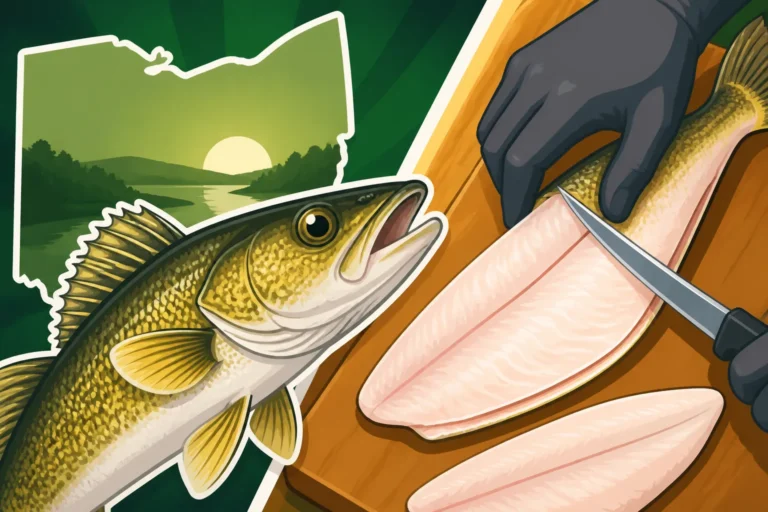
Walleye are undoubtedly one of Ohio's most sought-after game fish. They're prized for their delicious, flaky white meat, making them a favorite on the dinner table, and their sometimes subtle, sometimes aggressive strikes offer an exciting challenge to anglers of all skill levels. Whether you're targeting the immense populations of Lake Erie or the healthy stocks in reservoirs like Alum Creek Lake or Mosquito Creek Lake, walleye fishing can be incredibly rewarding. But what makes them such a desirable catch, and why does a simple-looking crawler harness often outperform other presentations?
Why Walleye are Such a Desirable Catch in Ohio
For many Ohio anglers, the pursuit of walleye is almost a religion. It's more than just catching a fish; it's about the entire experience, from the anticipation of a bite to the satisfying thump of a heavy fish on the line. Walleye are known for their strong, determined fight, often making powerful runs and head shakes that test your tackle and skill. They're wary predators, and outsmarting them provides a unique sense of accomplishment. Plus, as mentioned, their culinary value is exceptionally high. A fresh walleye fillet, lightly breaded and fried, is a delicacy that justifies every early morning and every cast. From the vast expanse of Lake Erie, often called the "Walleye Capital of the World," to the smaller, calmer waters of inland lakes, Ohio offers incredible opportunities to pursue these golden-eyed beauties.
Their elusive nature, however, is a big part of their allure. Walleye are light-sensitive, often preferring deeper, darker waters or low-light conditions. They can be incredibly particular about presentation, depth, and speed, which means anglers constantly need to adapt. This challenge is what draws many to the sport, pushing them to refine their techniques and understand the fish's behavior more intimately. When you finally figure out the pattern and start consistently catching them, it’s an incredibly satisfying feeling, a testament to patience and persistence.
The Anatomy of a Crawler Harness and Its Effectiveness
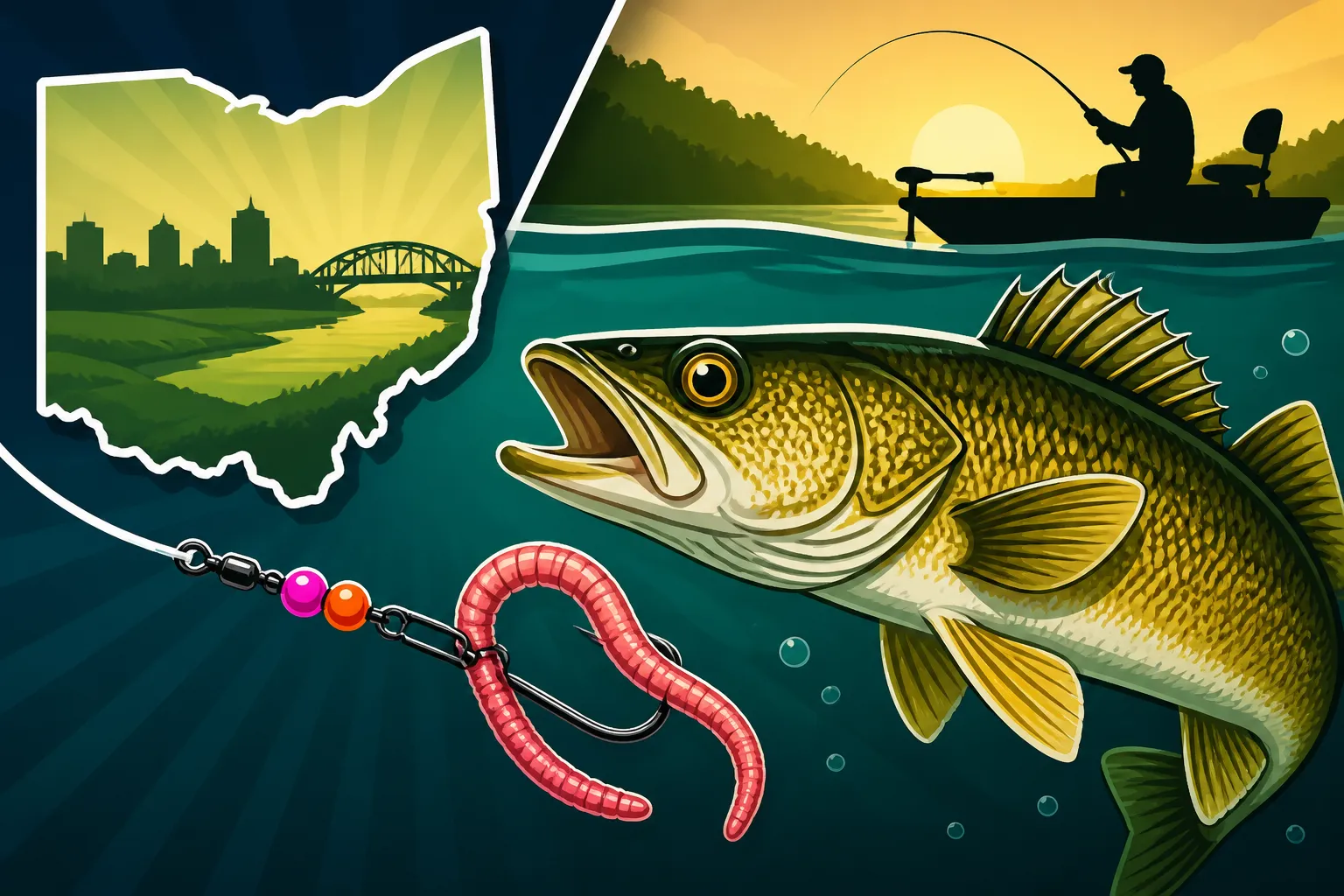
A crawler harness is, at its core, a simple yet highly effective rig designed to present a live nightcrawler in a way that mimics natural prey and maximizes attraction. It typically consists of a monofilament or fluorocarbon leader, usually 3-6 feet long, featuring two or three snelled hooks, several colorful beads, and a spinner blade. The magic lies in the combination of these elements. The snelled hooks are spaced to allow the nightcrawler to stretch out naturally, ensuring good hook-ups without hindering its enticing movement. The beads, often brightly colored, serve a dual purpose: they add visual attraction, resembling insect larvae or baitfish, and they create a bearing for the spinner blade to rotate freely.
The spinner blade is arguably the most critical component, providing flash, vibration, and sometimes a distinct thumping noise that calls fish in. As the harness moves through the water, the blade spins, reflecting light and creating a hydrodynamic vibration that walleye can detect with their lateral line system from a surprising distance. This combination of visual appeal (blade flash, bead colors), vibration, and the irresistible scent and natural movement of a live nightcrawler is a potent cocktail for hungry walleye. It's a "search bait" that allows you to cover water efficiently while offering a natural presentation that few walleye can resist.
Essential Components for Your Ohio Walleye Crawler Harness Setup
Getting your gear dialed in is crucial for success with crawler harnesses. While the harness itself is important, the rod, reel, and line all play a significant role in how effectively you can present your bait, detect subtle bites, and ultimately land those walleye. Don't skimp on these details; they make a world of difference.
Choosing the Right Rod, Reel, and Line for Harness Fishing
When it comes to selecting your rod, think about sensitivity and backbone. A medium-light to medium power rod, typically 7 to 8 feet long, with a moderate or moderate-fast action, is often ideal. The length helps with casting distance and allows for better line control when trolling or drifting, keeping your baits spread out. The moderate action is forgiving, absorbing the shock of a strike and preventing hooks from tearing out of a walleye’s soft mouth, while still providing enough power to handle bottom bouncers and fight larger fish. For those who enjoy Lake Erie fishing, a slightly heavier medium power rod might be preferred to handle the larger walleye and heavier weights often used in open water.
For reels, both baitcasting and spinning setups can work, but many serious walleye anglers prefer baitcasting reels, especially for trolling with bottom bouncers or planer boards. They offer better line control for precise depth adjustments and are generally more robust for handling heavy weights. Look for a reel with a smooth, reliable drag system, as walleye can make powerful runs, especially those trophy fish. A good line counter reel is invaluable for trolling, allowing you to accurately replicate successful depths. As for line, a 10-15 lb test monofilament main line is a popular choice due to its stretch, which acts as a shock absorber. However, some anglers prefer the sensitivity of braided line (15-20 lb test) with a fluorocarbon leader (10-14 lb test) for added stealth and abrasion resistance, particularly when fishing around zebra mussels or sharp rock piles.
Selecting Blades, Beads, and Hooks for Optimal Presentation
The choice of spinner blade is a critical decision and can often dictate success on any given day. There are three primary shapes:
- Colorado blades: Rounder and wider, they produce the most vibration and "thump" at slower speeds. Excellent in stained or turbid water, or when walleye are sluggish.
- Indiana blades: A hybrid between Colorado and Willowleaf, offering good vibration and flash, making them a versatile choice for many conditions.
- Willowleaf blades: Longer and narrower, they create maximum flash and minimal vibration, making them great for fast trolling speeds and clear water.
Colors matter too! Gold and silver are always reliable, mimicking baitfish flash. Chartreuse, orange, and other bright colors excel in stained water or low light. Experimentation is key; sometimes a subtle difference in hue can turn a slow bite into a hot one. You can find a vast array of blade shapes and colors on platforms like Amazon, allowing you to build a diverse tackle box ready for any condition.
The beads (often called "smash beads") provide visual appeal and ensure the blade spins freely. Using a combination of different colors and sizes can help you fine-tune your presentation. For example, some anglers swear by a "firetiger" pattern of green, yellow, and orange beads, while others prefer simpler patterns of clear or metallic beads. The hooks should be sharp and adequately sized for your nightcrawlers, typically #2 or #4 octopus-style hooks are good choices. Ensure the snell is strong and securely tied. Remember, a dull hook will lead to missed fish, so always check your points!
Mastering the Crawler (Nightcrawler) for Your Harness
The nightcrawler is the "meat" of the crawler harness, and how you rig it significantly impacts its effectiveness. A properly threaded nightcrawler will create a sinuous, enticing action in the water, irresistible to walleye. The most common method is to gently thread the first hook through the tip of the crawler's head, then lightly hook the second (and sometimes third) hook into the middle or tail section, allowing the crawler to stretch out naturally. Avoid bunching up the crawler, as this can impede the blade's spin and create unnatural action. The goal is a long, undulating presentation.
Keeping your nightcrawlers fresh and lively is paramount. Store them in a cool, dark place in breathable bedding. If you’re out on the water, a well-insulated cooler with ice packs will prevent them from becoming lethargic or dying, which drastically reduces their appeal. Many anglers also add a scent attractant to their nightcrawlers, either by soaking them in a commercial product or by squirting it directly onto the rigged bait. The added scent trail can draw in curious walleye, especially when visibility is low. Remember, a vibrant, wriggling nightcrawler is your best friend when harness fishing!
Practical Techniques for Fishing a Crawler Harness for Walleye in Ohio
Now that your gear is in order, let's talk about putting those crawler harnesses to work. While they're incredibly versatile, understanding the primary methods and knowing when to use each can significantly boost your success on Ohio's diverse fishing grounds.
Trolling with Crawler Harnesses: The Most Common Approach
Trolling is by far the most popular and effective way to fish crawler harnesses for walleye, especially on larger bodies of water like Lake Erie and Ohio's larger reservoirs. It allows you to cover vast amounts of water and present your bait at a consistent depth and speed. The key to successful trolling is depth control and knowing how to get your harness down to where the walleye are holding.
Bottom bouncers are perhaps the most common weighting system for trolling crawler harnesses. These L-shaped weights drag along the bottom, keeping your harness just above the structure and signaling bottom contact with a subtle tap on your rod tip. Choose a bottom bouncer heavy enough to maintain bottom contact at your chosen speed and depth, typically ranging from 1/2 ounce to 3 ounces or more, depending on depth and current. You want to maintain a 45-degree angle with your line for optimal feel. Vary your trolling speed, usually between 1.0 to 2.5 mph, to find what the walleye prefer on a given day. Sometimes a subtle speed change is all it takes to trigger a bite. When targeting walleye on Lake Erie, especially during the peak season, using planer boards is a game-changer. These devices clip onto your line and carry your baited harness away from the boat, allowing you to run multiple lines simultaneously and cover a wider swath of water, which is incredibly effective for scattered fish. You can find a variety of reliable bottom bouncers and planer board systems on Amazon, ready for your next trip.
Drifting and Casting Harnesses in Specific Ohio Scenarios
While trolling dominates the scene for open water, drifting and even casting crawler harnesses have their place, particularly in certain Ohio scenarios. Drifting is an excellent technique when you've located a concentration of walleye on a specific piece of structure, like a reef, hump, or subtle breakline. You can use the wind or a trolling motor to slowly move over the area, presenting your harness naturally. Again, bottom bouncers are effective here, keeping your bait in the strike zone. The slower, more natural movement of a drifting harness can often entice finicky walleye that might be put off by the speed of a trolled bait. It’s a fantastic way to thoroughly dissect a productive area on lakes such as Hoover Reservoir or Indian Lake.
Casting a crawler harness, while less common for walleye, can be surprisingly effective in specific situations. Imagine fishing current seams in a river, the edges of weed beds in shallower lakes, or around docks and fallen timber. You can use a lighter bottom bouncer or even a split shot to get your harness down. Cast it out, let it sink, and then retrieve it with a slow, steady retrieve, perhaps with occasional pauses or light jigs to mimic a struggling baitfish. This approach works well when walleye are holding tight to cover and you need a more precise presentation than trolling allows. It's a method that requires a bit more finesse but can pay off handsomely in the right conditions.
Reading Your Electronics and Adjusting Your Presentation
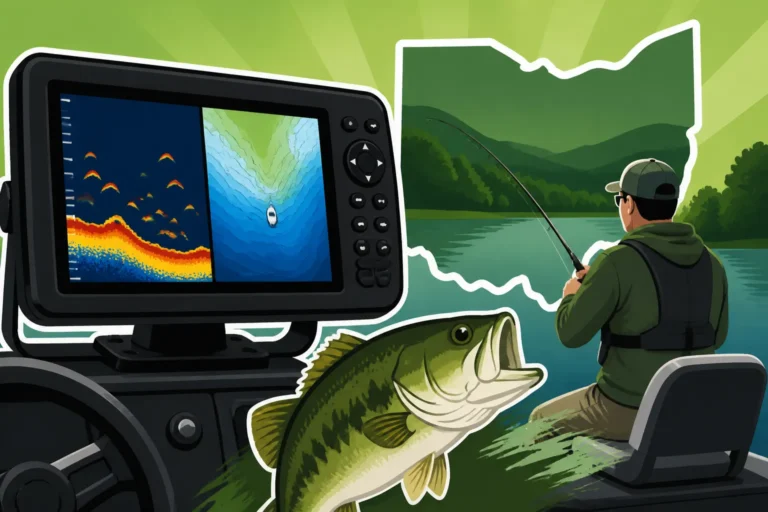
In modern walleye fishing, your fish finder and other electronics are invaluable tools, especially when fishing with crawler harnesses. They aren't just for locating fish; they're for understanding the underwater world and adapting your technique. Pay close attention to your depth sounder to identify changes in bottom contour – humps, drop-offs, channels, and submerged rock piles are all prime walleye habitat. Mark these waypoints! Your electronics can also reveal schools of baitfish, which are magnets for predatory walleye.
More advanced fish finders can even show you individual fish or schools of walleye, and their depth. This information is crucial for adjusting your harness presentation. If you see fish suspended 20 feet down over 40 feet of water, you know to adjust your weight or line out to get your harness precisely to that depth. Don't be afraid to experiment with your trolling speed. Watch your rod tips for the consistent vibration of the blade, but also for any irregularities that might indicate a subtle bite or a snag. If you're marking fish but not getting bites, try changing your blade color, bead pattern, or even the size of your nightcrawler. Sometimes, a slight deviation from the norm is what triggers a strike. This constant adjustment and interpretation of your electronics and fish behavior are what elevate good walleye anglers to great ones.
Tips for Maximizing Your Success with Walleye Crawler Harnesses
Fishing a crawler harness isn't just about rigging it correctly; it's about understanding the entire ecosystem, from the walleye's habits to the local regulations. By paying attention to these details, you'll not only increase your catch rate but also become a more responsible and ethical angler.
Understanding Walleye Behavior and Habitat
To consistently catch walleye, you need to think like a walleye. These fish are masters of their environment, and their behavior changes with the seasons, water temperatures, and available forage. In the spring, after the spawn, walleye often move to shallower feeding flats before migrating to deeper structures as summer progresses. During the warmer months, they tend to relate to main lake points, humps, offshore reefs, and significant depth changes. Knowing when Ohio's Walleye Season Peaks on Lake Erie, for instance, can help you plan your trips around the most productive times.
Walleye are also highly sensitive to light. This is why you often hear about the Best Time of Day to Catch Walleye on Lake Erie being dawn, dusk, or even at night. On bright, sunny days, they'll typically seek deeper water or dense cover to avoid the light, making them harder to find in the shallows. Cloudy days, however, can bring them higher in the water column or closer to shore. Understanding these patterns, combined with insights from your electronics, will guide you to the most productive areas and allow you to present your crawler harness where the fish are most likely to be actively feeding.
Troubleshooting Common Issues and Fine-Tuning Your Setup
Even the most experienced anglers encounter problems when fishing with crawler harnesses. Tangles are a common frustration, especially when multiple lines are deployed or when you're using bottom bouncers in snaggy terrain. To minimize tangles, ensure your main line and leaders are in good condition, and periodically check your rig for twists. If using planer boards, ensure adequate spacing between lines. Lost bait can also be an issue, particularly when small panfish or baitfish are pecking at your nightcrawler. Consider using a firmer nightcrawler or a slightly larger hook to secure it better.
Missed bites can be agonizing. Walleye sometimes "short strike," nipping at the tail of the crawler. If you're getting taps but no solid hook-ups, try slowing your retrieve or troll speed, or shorten your leader to bring the hooks closer to the blade and beads. Sometimes, a quick pump of the rod can trigger a full commitment from a hesitant fish. Don't be afraid to experiment with different blade sizes, shapes, and colors. Have a variety of harnesses available, perhaps even from a multi-pack found on Amazon, and switch them up if one isn't producing. A subtle change in vibration or flash might be all it takes to turn a slow day into a memorable one.
Safety, Regulations, and Ethical Angling
Before you even think about dropping a line, always remember that fishing in Ohio requires a valid Ohio Fishing License Guide for Residents and Nonresidents. Make sure you understand the current Ohio Fishing Regulations Every Angler Should Know, including specific bag and size limits for walleye, as these can vary by water body and season. For example, Lake Erie Fishing Regulations in Ohio often have specific rules regarding walleye. Ignorance of the law is no excuse, and wildlife officers take these regulations seriously.
Beyond the legalities, practicing ethical angling is vital for the health of Ohio's fisheries. If you plan to release fish, handle them with care. Minimize their time out of the water, support their body horizontally, and use a net to land them gently. For fish you intend to keep, dispatch them quickly and humanely, and store them properly on ice to preserve their quality. Consider exploring resources like the Ohio Walleye Fishing Guide for more comprehensive information on this prized species. By respecting the fish, the regulations, and your fellow anglers, you help ensure that Ohio's fantastic walleye fishing opportunities remain strong for generations to come.
Disclaimer
This article is for general informational purposes only and does not constitute professional advice. Laws, prices and regulations vary by location and change over time. Consult a qualified professional for guidance on your specific situation.