Do You Need a Boat to Fish Lake Erie for Walleye?
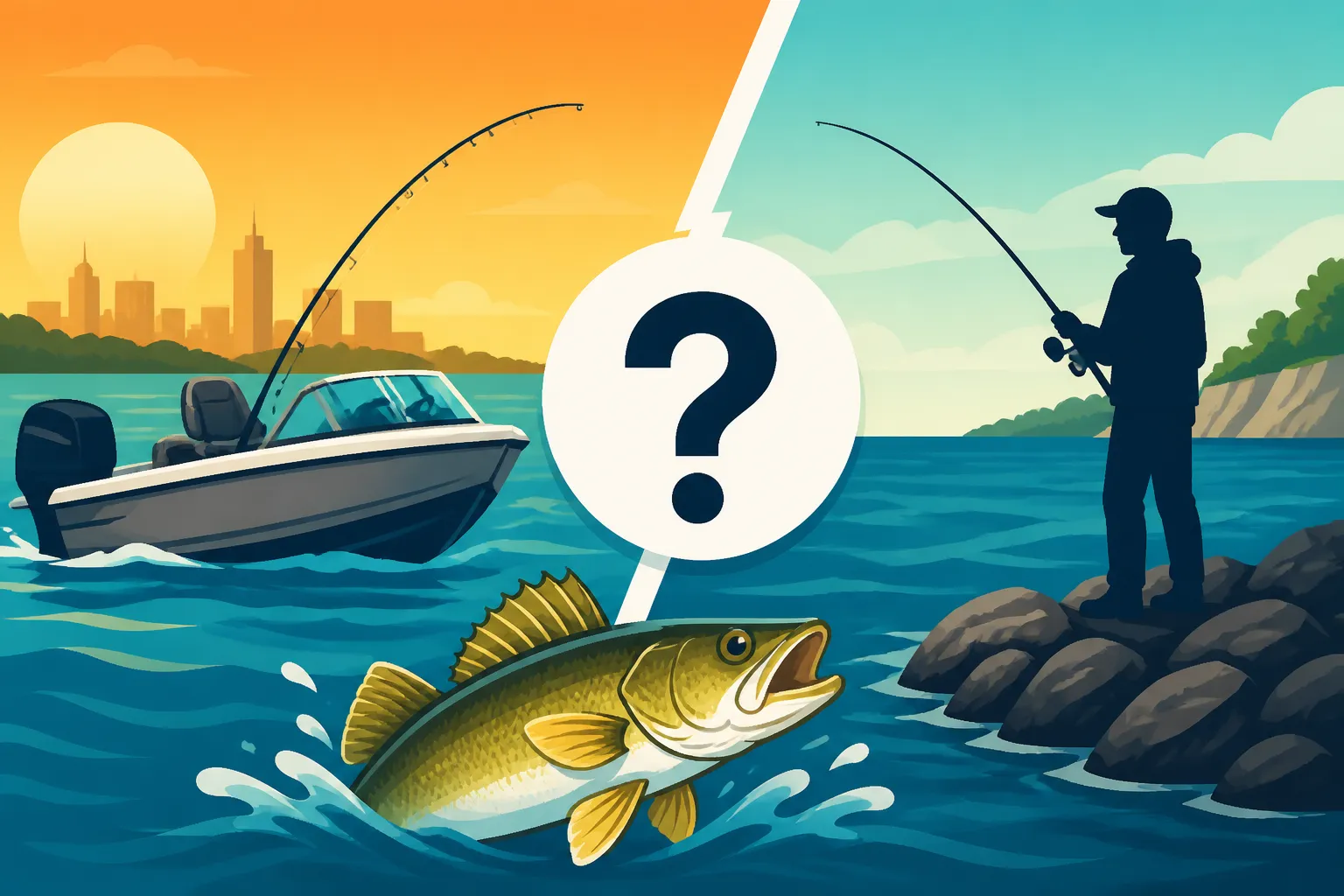
It's a common thought among anglers, especially those new to the region: do you really need a fancy boat to catch walleye on Lake Erie? Many folks get discouraged, picturing vast open waters and expensive charter trips, believing that unless you own a fully rigged fishing vessel, those delicious walleye are simply out of reach. But I'm here to tell you that this simply isn't the whole story. While a boat certainly opens up a lot of opportunities, you absolutely can catch Lake Erie walleye without one, and this guide is going to break down exactly how you can do it, saving you money and getting you on the water.
The Common Misconception: Why Many Think a Boat is Essential for Lake Erie Walleye
Let's be honest, when you hear "Lake Erie walleye," images of massive fishing boats trolling dozens of lines across miles of open water often come to mind. It's a perception that's been built over years, and for good reason—a significant portion of the walleye fishery on Lake Erie does indeed happen far from shore.
The Vastness of Lake Erie and Traditional Walleye Tactics
Lake Erie is a truly enormous body of water, and its reputation as the "Walleye Capital of the World" often centers around its incredible offshore bite. Professional guides and serious recreational anglers alike often head miles offshore, particularly in the summer months, to chase massive schools of walleye suspended over deep water. This usually involves sophisticated electronics, powerful outboard motors, and specialized techniques like trolling with planer boards and deep-diving crankbaits. When you see photos of charter boats with coolers full of fish, it's typically from these deep-water excursions.
Because walleye are often found in these deeper, open water areas, especially during the warmer parts of the year, it creates a natural assumption that you must have a boat to get to them. Without a boat, reaching these prime offshore locations becomes impossible, leading many to believe that bank fishing for walleye on Lake Erie is a futile endeavor. This perception is further fueled by the sheer number of boats you see on the water, seemingly dominating the walleye scene.
When Walleye Do Hang Out Offshore
It's true that for much of the open-water season, particularly from late spring through late summer, the largest concentrations of walleye tend to be found offshore. They follow baitfish, like emerald shiners and gizzard shad, into the cooler, deeper parts of the lake. These offshore schools are often the targets of those big charter operations and serious tournament anglers. During these times, if your goal is to consistently fill a cooler with limits of walleye, a boat is undeniably an advantage.
However, the key here is "consistently" and "largest concentrations." Just because the majority of the fish might be offshore doesn't mean all of them are. Lake Erie is dynamic, and walleye movements are influenced by a myriad of factors, including water temperature, baitfish presence, wind, and even spawning instincts. It's during these transitional periods and specific conditions that the boat-free angler really shines.
Unlocking Shoreline Success: When and Where Walleye Come Close to the Bank
The secret to catching Lake Erie walleye without a boat lies in understanding their seasonal movements and identifying specific nearshore habitats they frequent. Walleye aren't always out in the middle of the lake; there are predictable times and places where they move within casting distance of shore.
Seasonal Walleye Movements for Shore Anglers
Walleye, like many fish, are creatures of habit driven by spawning instincts and the pursuit of food. These natural cycles create incredible opportunities for bank and pier anglers.
- Spring Spawning Runs: This is arguably the absolute best time for shore anglers to target walleye. As ice retreats in late winter and early spring, mature walleye migrate from the deeper parts of Lake Erie into its tributary rivers, like the Maumee, Sandusky, and Grand, and into shallow nearshore areas to spawn. This means they are literally feet from the bank, sometimes in water only a few feet deep. During the famed "Walleye Run" on rivers like the Maumee, anglers stand shoulder-to-shoulder, casting from shore and catching limits of big walleye. Even along the lakefront, warm water discharges from power plants or shallow rocky points can concentrate pre-spawn and post-spawn fish. If you want to experience incredible action without a boat, targeting the Maumee River Walleye Run Fishing is a must-do.
- Summer Nights and Low-Light Conditions: While many walleye are offshore during the day in summer, don't write off the warmer months entirely for shore angling. Walleye are highly light-sensitive and become much more active during low-light periods. As the sun dips below the horizon, they often move into shallower water to feed on baitfish that have also pushed in closer. This makes dawn, dusk, and nighttime prime times for shore fishing. Piers and breakwalls with good lighting can be particularly productive as the lights attract baitfish, which in turn attract walleye.
- Fall Feeding Frenzy: As water temperatures begin to cool in the autumn, walleye again become more active feeders and often push closer to shore as baitfish schools move in before winter. This can be another fantastic time for shore anglers, especially if there's a good onshore wind pushing bait—and walleye—towards the banks. The cooler water makes them more comfortable in shallower depths throughout the day, not just at night.
Identifying Productive Shore Fishing Hotspots
Not just any patch of shoreline will hold walleye. You need to look for specific features that provide cover, current breaks, or access to deeper water.
- Piers and Breakwalls: These are absolute goldmines for shore anglers. Structures like those found in Port Clinton, Sandusky, or Cleveland extend out into the lake, giving you access to deeper water and acting as natural highways and ambush points for walleye. They break up current, provide shade, and often have lights that attract baitfish at night. You can reach depths that are otherwise inaccessible from a natural shoreline.
- River Mouths and Estuaries: As mentioned with the spring runs, river mouths are critical areas. They offer current, different water temperatures, and are natural migratory routes. Even outside the main spawning runs, these areas often hold transient walleye looking for an easy meal.
- Rocky Points and Reefs: Walleye love structure. Rocky points that jut out into the lake, or areas with known submerged rock reefs, provide excellent ambush points. These areas often hold baitfish seeking shelter, and walleye are never far behind. Look for areas on maps that show contour lines close to shore, indicating a quick drop-off.
- Harbors and Marinas: While not always the prettiest places to fish, harbors and marinas can offer protected, slightly deeper water and often have artificial lights that draw in bait and walleye after dark. They're also often accessible and safe places to fish.
- Warm Water Discharges: Power plant discharges or other industrial outflows can create localized pockets of warmer water, which can attract baitfish and walleye, especially during colder months. Always check local regulations before fishing these specific areas.
Beyond the Boat: Effective Strategies for Catching Lake Erie Walleye Without a Rig
So, you know when and where to look. Now, let's talk about the how. Catching walleye from shore or a small craft requires adapting your techniques to your limited mobility and casting range.
Top Techniques and Lure Choices for Bank Anglers
When you're land-based, casting distance and lure action are paramount.
- Jigging with Soft Plastics or Live Bait: This is a classic and incredibly effective method. From a pier or a short cast from shore, a jig tipped with a soft plastic swimbait, grub, or a live minnow (like a shiner or nightcrawler) can be deadly. Cast it out, let it sink to the bottom, and work it back with a series of short hops and pauses. The goal is to imitate a struggling baitfish. For deeper water off piers, heavier jigs are key. You can find a fantastic selection of jigs and soft plastics on Amazon to get started.
- Casting Crankbaits: Shallow-diving crankbaits are excellent for covering water along rocky shorelines or over shallow reefs, especially at dawn or dusk. Choose lures that dive to the depth you expect the walleye to be. In low-light conditions, rattling crankbaits or those with a good wobble can attract attention. Medium-diving crankbaits can also be effective from piers or jetties that allow you to reach slightly deeper water.
- Slip Bobber Rigs: When walleye are holding at a specific depth, especially over structure or near drop-offs, a slip bobber rig is invaluable. This allows you to present a live minnow or a jig at a precise depth, much deeper than a fixed bobber would allow for casting. It's particularly effective from piers or breakwalls where you can vertically jig or cast a short distance.
- Casting Spoons: Casting spoons can imitate fleeing baitfish and offer good casting distance. They are particularly effective when targeting active walleye that are chasing schools of bait in open water near shore, such as around river mouths or along the main lakefront. The flash and flutter of a spoon can be irresistible.
Utilizing Piers, Breakwalls, and Wading Opportunities
These structures and methods are your best friends when you don't have a boat.
- Piers and Breakwalls: As discussed, these extend your reach. They offer stability, often have amenities, and can put you over deeper water that holds walleye. Fishing off these structures allows for longer casts and often provides access to areas where current congregates baitfish. Always be mindful of other anglers and respect their space. Many of the best fishing spots near Cleveland, Ohio, are found along these robust lakefront structures.
- Wading: In certain shallow areas, particularly during the spring spawning runs or in protected bays, wading can be a viable option. It allows for stealthy approaches and can put you in spots that are inaccessible by foot from the bank. However, always exercise extreme caution, especially on Lake Erie, where conditions can change rapidly. Wear a PFD, have a wading staff, and never wade alone or in unfamiliar areas.
The Power of Kayaks and Small Watercraft
If you want a bit more mobility than shore fishing but aren't ready for a full boat, kayaks, canoes, or even small johnboats can open up a whole new world on Lake Erie.
- Access to Untouched Water: A kayak allows you to paddle quietly into coves, along marshy areas, or to small points that are inaccessible to larger boats or shore anglers. This can put you on fish that see less pressure.
- Safety First: Lake Erie can be notoriously fickle with its weather. Always check the forecast rigorously, stay close to shore, and wear a personal flotation device (PFD). Kayak fishing for walleye is best reserved for calm days. Having a reliable VHF radio and knowing how to use it is also a smart move.
- Targeting Depths and Structure: While you won't be trolling miles offshore, a kayak can get you to nearshore reefs, weed lines, or current breaks that might be just beyond casting range from the bank. You can drift over these areas, jigging or casting small crankbaits. For more detailed safety advice, check out Is Lake Erie Safe for Kayak Fishing?.
Know Before You Go: Regulations and Essential Gear for Boat-Free Walleye Fishing
Even without a boat, you're still fishing on Lake Erie, and that means adhering to Ohio's fishing regulations. Being prepared with the right gear also makes a huge difference.
Understanding Ohio Fishing Licenses and Lake Erie Specific Rules
Before you even think about casting a line, you need to ensure you're legally compliant.
- Ohio Fishing License: Every angler 16 years of age or older needs a valid Ohio Fishing License Guide for Residents and Nonresidents. This applies whether you're fishing from the shore, a pier, or a kayak. You can easily purchase one online through the Ohio Department of Natural Resources website or from many bait and tackle shops. Failing to have a license can result in fines and a spoiled fishing trip.
- Lake Erie Walleye Limits: Lake Erie has specific bag and size limits for walleye that can vary from year to year based on population assessments. You need to be familiar with the current Lake Erie Walleye Bag Limits before you go. These limits apply to all anglers, regardless of whether you're fishing from a boat or from shore. Always measure your fish carefully and release any that don't meet the minimum size requirement. It's smart to keep a copy of the current regulations, perhaps even a PDF on your phone, to reference quickly.
- Two-Pole Limit: In Ohio, you are generally allowed to fish with up to two rods and lines at a time. This rule applies to shore anglers too, allowing you to cover more water or try different baits simultaneously. Make sure your setup adheres to the Two-Pole and Line Limit Rules in Ohio.
Gearing Up for Optimal Shore and Small Craft Performance
Your gear choices will be crucial for success when fishing without a boat. You need to prioritize casting distance, sensitivity, and versatility.
- Rods and Reels:
- Shore Casting: A medium-heavy spinning rod, 7 to 9 feet long, paired with a reliable spinning reel (size 3000-4000) is ideal. The longer rod will give you the casting distance needed to reach distant walleye, and the medium-heavy action will handle heavier lures and bigger fish. Brands like Penn or Shimano offer great options for saltwater-grade durability often preferred for large lakes.
- Kayaks/Piers: A slightly shorter rod, perhaps 6'6" to 7'6", might be more manageable in a kayak or on a crowded pier, but still with enough backbone to fight fish and cast effectively.
- Fishing Line:
- Braided Line: For shore and pier fishing, braided line in the 10-20 lb test range is a game-changer. It offers superior casting distance, incredible sensitivity to detect subtle walleye bites, and minimal stretch for solid hooksets. Always tie on a fluorocarbon leader (8-12 lb test) to your braid using a knot like the FG or Double Uni to provide invisibility and abrasion resistance.
- Monofilament/Fluorocarbon: If you prefer, a good quality 10-15 lb monofilament or fluorocarbon line can also work, though you'll sacrifice some casting distance and sensitivity compared to braid. You can find a wide array of fishing lines on Amazon.
- Essential Terminal Tackle:
- Jigs: A selection of jigs from 1/4 oz to 3/4 oz, with different head styles (round, stand-up) and colors (chartreuse, white, pink, black).
- Soft Plastics: Grubs, swimbaits, and paddletails in various sizes and colors to tip your jigs.
- Crankbaits: A few shallow to medium-diving crankbaits in baitfish patterns, perch, or bright colors like firetiger.
- Spoons: Casting spoons in silver, gold, or brass.
- Slip Bobbers: Various sizes, along with bobber stops and beads.
- Hooks: Octopus or Aberdeen hooks (sizes #1 to #4) for live bait.
- Sinkers: Split shot, egg sinkers, or walking sinkers for bottom rigs.
- Swivels and Leaders: Quality barrel swivels and fluorocarbon leader material.
- Other Must-Haves:
- Pliers/Forceps: For hook removal.
- Net: A long-handled landing net is indispensable for reaching fish from high piers or keeping them secure in a kayak.
- Headlamp/Flashlight: Essential for low-light and night fishing.
- Cooler/Livewell: To keep your catch fresh if you plan to keep fish.
- Measuring Device: A reliable tape measure or bump board to ensure your fish meet legal size limits.
- Rain Gear and Layers: Lake Erie weather can be unpredictable. Dress for conditions!
By understanding walleye behavior, knowing where to focus your efforts, and equipping yourself with the right techniques and gear, you can absolutely enjoy fantastic walleye fishing on Lake Erie without the need for a costly boat. Get out there and explore those accessible waters!
| Fishing Method | Pros for Walleye | Cons for Walleye | Best Times for Walleye | Typical Gear |
|---|---|---|---|---|
| Shore/Bank Fishing | Most accessible, no boat costs, can be very productive during runs/low light, good for specific hotspots. | Limited range, dependent on fish movements, may miss offshore schools. | Spring spawn runs, summer nights, fall feeding. | Long casting rod, spinning reel, braid, jigs, soft plastics, shallow crankbaits. |
| Piers/Breakwalls | Extends casting range, deeper water access, often lit at night, relatively safe. | Can be crowded, fixed location, still limited compared to a boat. | Spring spawn, summer nights (especially under lights), fall. | Medium-heavy spinning rod, jigs, slip bobbers, casting spoons. |
| Kayak/Canoe | Increased mobility, stealthy approach, access to shallower/unpressured areas, good exercise. | Weather dependent (safety is key), limited storage, slower travel, requires paddling/pedaling. | Calm days in spring, early summer, fall; allows exploration of nearshore structure. | Shorter spinning rod, PFD, paddle, anchor, fish finder (optional), safety gear. |
| Full Fishing Boat | Maximum mobility, access to offshore schools, ability to troll, carry more gear, more comfortable. | Expensive to buy/maintain, requires boat launch access, weather dependent, more complex. | All open water seasons, particularly summer offshore trolling. | Specialized trolling rods, downriggers, multiple reels, advanced electronics. |
Disclaimer
This article is for general informational purposes only and does not constitute professional advice. Laws, prices and regulations vary by location and change over time. Consult a qualified professional for guidance on your specific situation.