Best Technique for Saugeye in Ohio Reservoirs
Trying to consistently catch saugeye in Ohio's diverse reservoirs can feel like a puzzle. These elusive hybrids often move, hold at specific depths, and can be frustratingly finicky, leaving many anglers wondering if they're using the right approach. This comprehensive guide will unravel the best techniques for targeting saugeye in Ohio’s reservoirs, breaking down their habits, the most effective presentations, essential gear, and how seasonal changes dictate your strategy.
Understanding Saugeye Behavior in Reservoirs
Saugeye, a hybrid cross between walleye and sauger, inherit traits from both parents, making them resilient and adaptable. However, in Ohio's often turbid and structure-rich reservoirs, understanding their specific preferences is key to consistent success. They tend to follow baitfish, relating heavily to available cover and changes in bottom contour.
Habitat Preferences and Structure
Unlike their walleye cousins who might roam vast open water, saugeye in reservoirs often stick closer to discernible structure. Think main lake points that drop off quickly, submerged humps, old creek channels, and areas with standing timber or brush piles. These aren't just random spots; they're ambush points where saugeye can hide, conserve energy, and dart out to intercept passing schools of shad or other forage fish. Finding these subtle changes in the bottom is paramount, often requiring careful use of your boat's electronics.
It's not enough to simply find a drop-off; consider what kind of drop-off it is. Is it a gradual slope or a sharp break? Is there rock, gravel, or soft mud? Saugeye generally prefer harder bottoms with some irregular features, as these areas often attract baitfish. River channels running through reservoirs, especially those with current influence from inflows or outflows, are absolute magnets. These currents concentrate bait and provide saugeye with a consistent food delivery system, making them prime targets. Understanding these nuances will dramatically improve your chances, turning a generic cast into a targeted presentation.
Feeding Habits and Forage
Saugeye are opportunistic predators with a diet that largely mirrors that of their walleye and sauger parents. In Ohio reservoirs, their primary food sources often include shad, minnows, and various invertebrates. Their feeding behavior is highly influenced by light conditions, often becoming more active during low-light periods such as dawn, dusk, and overcast days, or even at night. This crepuscular feeding strategy allows them to gain an advantage over their prey, which might be less alert in dim conditions.
When it comes to forage, shad are kings in many Ohio reservoirs. Knowing when and where shad are schooling can pinpoint saugeye locations. If shad are shallow in the mornings, saugeye might follow. If a cold front pushes shad deeper, expect saugeye to be right there with them. Pay attention to surface activity; if you see baitfish jumping or birds diving, there’s a good chance saugeye or other predators are pushing them from below. Matching the hatch, or mimicking the size and color of the local baitfish, is a tried and true principle that holds particularly true for these sharp-eyed predators.
Top Saugeye Fishing Techniques for Ohio
Once you have a handle on where saugeye might be holding and what they're eating, the next step is presenting your bait or lure in a way that entices a strike. There are a few core techniques that consistently produce in Ohio's saugeye reservoirs, each with its own advantages depending on the conditions. If you're looking for broader strategies, check out our guide on Ohio Saugeye Fishing Guide.
Jigging and Vertical Presentation
Vertical jigging is perhaps the most precise and effective method when saugeye are concentrated on specific pieces of structure or holding tight to the bottom. This technique involves dropping a jig straight down to the fish, often directly beneath the boat. It's incredibly efficient for targeting small schools or individual fish identified on your fish finder. The key is to keep your bait in the strike zone for as long as possible, using subtle lifts and drops to impart action.
Effective jigging lures include traditional lead head jigs tipped with live bait like minnows or shiners, soft plastics (grubs, paddle tails, or hair jigs), and blade baits. Blade baits, like those from Johnson or Heddon, vibrate intensely on the lift and flutter on the fall, mimicking a distressed baitfish—a perfect trigger for saugeye. For deeper water or when fish are less active, a jigging spoon can be incredibly effective. The erratic fall and flash can provoke strikes even from lethargic fish. You can find a fantastic selection of these jigs and blade baits on sites like Amazon, ready to ship to your door. Remember that a keen sense of feel is crucial; saugeye often deliver very subtle bites, sometimes feeling like nothing more than extra weight on your line.
Trolling and Covering Water
When saugeye are scattered across broader flats, along channel edges, or suspended over deeper water, trolling becomes the most efficient way to cover vast amounts of water and find active fish. This technique involves pulling crankbaits or crawler harnesses behind the boat at specific speeds and depths, often using planer boards to spread out your lines and cover a wider swath. Trolling allows you to present multiple baits at once, experimenting with different colors, sizes, and diving depths until you hit on the winning combination.
Crankbaits are a staple for trolling saugeye. Look for baits that dive to the depth where saugeye are holding, with a wobble and vibration that mimics their natural forage. Brands like Bandit, Rapala, and Berkley offer excellent options designed for walleye and saugeye. The Best Lures for Ohio Fishing often include these versatile crankbaits. Adjust your trolling speed until you find what the fish prefer, typically between 1.0 to 2.5 mph, but sometimes faster or slower depending on the water temperature and fish activity. Crawler harnesses, consisting of spinner blades and beads ahead of a live nightcrawler, are also deadly, especially when fished slower or after a cold front.
Casting and Retrieve Methods
Casting is a versatile technique that allows you to target specific structures from a distance, or work shorelines and shallow flats where saugeye might move to feed. This is especially useful in smaller reservoirs or when you don't have a boat, making it a favorite for many bank anglers. Shoreline access points and rocky outcrops can be prime casting locations.
For casting, lipless crankbaits, swimbaits, and even larger spinnerbaits can be highly effective. Lipless crankbaits, like a Rat-L-Trap, allow for long casts and can be worked at various depths by adjusting your retrieve speed and pause duration. Soft plastic swimbaits, rigged on a weighted swimbait hook or jig head, provide a natural profile and action that saugeye can't resist. When saugeye are shallow, consider topwater lures during low-light conditions, or shallow-diving crankbaits that mimic fleeing baitfish. The key is to experiment with different retrieve speeds and cadences—sometimes a steady retrieve works best, other times an erratic stop-and-go presentation can trigger more bites.
Gear and Tackle Essentials for Reservoir Saugeye
Having the right equipment can make all the difference, especially when you're trying to feel those subtle saugeye bites. Investing in quality gear means better sensitivity, greater control, and ultimately, more fish in the net.
Rod, Reel, and Line Selection
For saugeye in Ohio reservoirs, a sensitive, medium-light to medium-power spinning rod, typically 6'6" to 7' in length, is ideal. The fast action tip allows you to feel those light bites and gives you enough backbone to set the hook firmly. Look for rods made of graphite, as they offer superior sensitivity compared to fiberglass. A good example might be something from the St. Croix Eyecon series or a similar sensitive walleye-specific rod you can often find on Amazon. Matching this with a smooth-operating spinning reel in the 2500-3000 size range, spooled with 8-10 lb braided line, will give you excellent casting distance and minimal stretch for superior bite detection.
When it comes to line, braided line is a game-changer for sensitivity, especially when jigging in deeper water or feeling light bites. However, a fluorocarbon leader of 6-10 lb test is crucial. This provides stealth in clear water and offers abrasion resistance around rocks and other structure. The virtually invisible nature of fluorocarbon can fool wary saugeye that might shy away from visible braided line. Learning Ohio Fishing Knots to Know is essential to properly tie your leader to your main line. Don’t skimp on your terminal tackle; sharp hooks are non-negotiable for saugeye’s bony mouths.
Lure and Bait Choices
The world of saugeye lures is vast, but focusing on a few key categories will set you up for success. As mentioned, blade baits are fantastic for vertical jigging or casting, with their intense vibration. Colors like chrome, firetiger, or subtle shad patterns are usually winners. Jigging spoons, such as a Kastmaster or Slab Grabber, are excellent when fish are deeper and you need a heavier profile. For soft plastics, grubs (like those from Mister Twister or Kalin's) and paddle tail swimbaits (like Keitech or Berkley Gulp! Minnows) on a jig head in sizes from 1/8 to 1/2 ounce are consistently productive.
When trolling, crankbaits that mimic shad or perch are prime. Shallow-running crankbaits (diving 5-10 feet) work for active fish in spring and fall, while deep-diving crankbaits (diving 15-30+ feet) are crucial for summer and winter depths. Popular choices include the aforementioned Bandit Walleye Deep, Berkley Flicker Shad, and Rapala Shad Raps. Don't forget live bait, particularly for less active fish. Shiners, fathead minnows, or nightcrawlers rigged on a jig, a simple slip bobber setup (see How to Rig a Slip Bobber for Saugeye), or a bottom bouncer with a crawler harness are often irresistible. For the freshest options, often a local bait shop is best, but for specific lure models, Amazon provides convenience. Remember to always use the Best Live Bait for Ohio Saugeye that’s legal and effective in your chosen reservoir.
| Technique | Primary Lure/Bait Types | Optimal Depth Range | Ideal Conditions | Pros | Cons |
|---|---|---|---|---|---|
| Vertical Jigging | Blade Baits, Jigging Spoons, Soft Plastics, Live Bait | Bottom to Mid-column | Concentrated fish, clear electronics | Precise, effective on subtle bites | Requires boat positioning, less water covered |
| Trolling | Deep-diving Crankbaits, Crawler Harnesses | Mid-column to Deep | Scattered fish, covering large areas | Covers wide area, good for finding fish | Less precise, can spook shallow fish |
| Casting/Retrieve | Lipless Crankbaits, Swimbaits, Shallow Crankbaits | Shallow to Mid-column | Shore access, specific structure | Versatile, good for active fish | Limited depth control, harder to find fish |
| Slip Bobber Fishing | Live Minnows, Leeches, Nightcrawlers | Suspended fish, varying depths | Moderate wind, specific depth targeting | Simple, natural bait presentation | Less effective in strong current |
Seasonal Strategies for Ohio Reservoir Saugeye
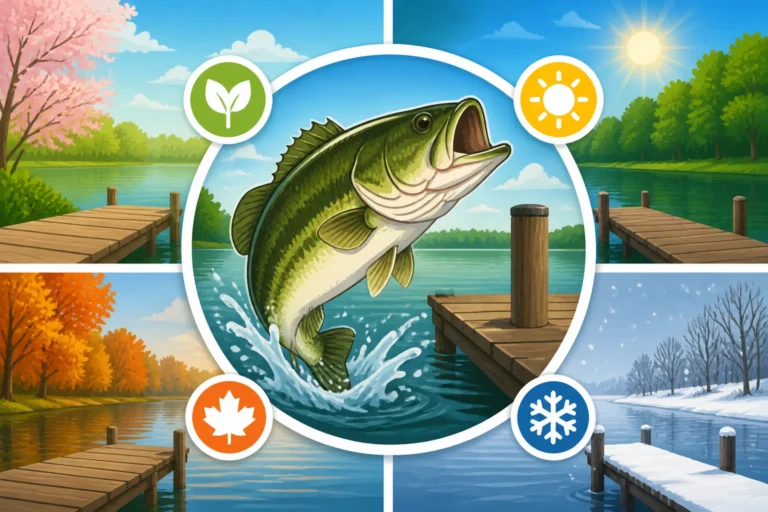
The behavior of saugeye, and thus the most effective techniques, changes dramatically with the seasons in Ohio's reservoirs. Adapting your approach to water temperature, fish metabolism, and forage availability is crucial for year-round success. Be sure to consult the Ohio Fishing Season Calendar for relevant dates.
Spring Spawning and Post-Spawn Tactics
Spring is a time of transition and excitement for saugeye anglers. As ice recedes and water temperatures climb into the 40s and 50s Fahrenheit, saugeye begin their spawning migration. While saugeye don't reproduce naturally, the instinctual urge is still strong, drawing them towards traditional spawning grounds of walleye and sauger, typically rocky areas with current, like those near dam outflows or feeder creek mouths. During this pre-spawn period, they are actively feeding to build energy reserves, making them aggressive targets. Shallow-diving crankbaits, jigs tipped with minnows, or even simple slip bobber presentations can be deadly in these areas.
After spawning, usually by late spring, saugeye become less concentrated and will often disperse to recover. They’ll still be feeding, but often move to slightly deeper main lake points or submerged humps as water temperatures continue to rise. This post-spawn period calls for a mix of techniques. Trolling crankbaits along reservoir contours can help you locate scattered fish, while vertical jigging can pick off those still relating to specific structure. Focus on depths of 10-20 feet, where the water is comfortable and baitfish are congregating. Knowing the Ohio Walleye Fishing Guide can also provide insights, as saugeye often mirror walleye behavior during these times.
Summer Deep Water Strategies
As Ohio's summers heat up and reservoir water temperatures reach their peak, saugeye often retreat to deeper, cooler waters, usually associated with the thermocline if one forms. They'll relate to deep main lake points, channel edges, and submerged humps or brush piles in 20-40 feet of water. Finding these thermal refuges and the baitfish that congregate there is paramount. Your fish finder becomes an indispensable tool for locating these fish. If you're struggling to locate them, a refresher on Reading Ohio Fish Finders and Electronics might be in order.
For summer saugeye, deep trolling with heavy crankbaits or snap weights to get lighter lures down is highly effective. Trolling speeds might need to be slightly faster to entice a reaction strike from less active fish. Vertical jigging with heavier blade baits or jigging spoons directly over deep structure can also produce. Live bait, especially large shiners or nightcrawlers, presented slowly on a bottom bouncer or a slip bobber over deep cover, can coax bites from lethargic fish. Remember, sun-drenched midday can be tough; focus your efforts during early mornings, late evenings, or even night fishing when saugeye are more likely to push into shallower feeding flats adjacent to their deep-water haunts.
Fall Feeding Frenzy and Winter Ice Fishing
Fall is a fantastic time for saugeye in Ohio reservoirs. As water temperatures begin to drop, saugeye sense the coming winter and engage in an aggressive feeding frenzy to pack on reserves. They'll often move shallower, particularly during overcast days, to chase baitfish, making them more accessible to a wider range of techniques. Trolling crankbaits along main lake contours, casting lipless cranks or swimbaits at points and flats, and vertical jigging can all be incredibly productive. Focus on depths of 10-25 feet, or even shallower in low-light. This is when saugeye are most actively chasing down prey, so faster retrieves and more aggressive presentations often pay off.
When the ice forms on Ohio’s reservoirs, saugeye fishing doesn't stop; it just changes. Ice fishing for saugeye can be incredibly rewarding, though it often requires venturing into deeper sections of the reservoir. Look for them holding on or near deep structure, channel edges, or even suspended over basins, often following baitfish schools. Vertical jigging small spoons (like Swedish Pimples or Do-jiggers), blade baits, or tungsten jigs tipped with wax worms or minnows is the go-to technique. A flasher or sonar unit is invaluable for identifying fish and presenting your bait at the correct depth. Always prioritize safety on the ice, checking thickness regularly and being aware of changing conditions. Knowing the Ohio Saugeye Minimum Length Limit is crucial for both open water and ice fishing.
Disclaimer
Fishing conditions and regulations in Ohio can change. Always consult the latest Ohio Department of Natural Resources (ODNR) fishing regulations booklet or website before heading out on the water. This guide is for informational purposes only and should not replace official sources.