How to Anchor in Current on the Ohio River
Anchoring in a strong river current, especially one as dynamic and mighty as the Ohio River, can feel like trying to hold a kite in a hurricane – frustrating, ineffective, and potentially even dangerous if you don't know the ropes. Many anglers struggle with their anchor dragging, losing their prime fishing spot, or worse, getting into a tricky situation. This guide is here to walk you through the proper techniques and essential gear needed to confidently and safely anchor your boat in the ever-present flow of the Ohio River, ensuring you can hold your position and enjoy your fishing experience.
Understanding Ohio River Current Dynamics
Before you even think about dropping anchor, it’s crucial to understand the very thing you're trying to counteract: the river current itself. The Ohio River isn't just one uniform, steady flow; it's a complex system with different personalities depending on the stretch you're on, recent rainfall, and even barge traffic. Knowing these dynamics will be your first line of defense against a dragging anchor.
The Nuances of River Flow
The current in a large river like the Ohio is rarely consistent. You might find swift, powerful currents in the main channel, especially around bends or through narrower sections, while quieter eddies and backwaters offer a reprieve. Depth plays a huge role too; deeper sections often have a stronger, more laminar flow, while shallower areas can create more turbulent, unpredictable currents. Submerged structures, like old bridge pilings, rock formations, or even debris from past floods, can create swirling currents and undertows that will challenge your anchor's grip.
Think about how the river changes as it flows past Cincinnati, then through Portsmouth, and eventually down toward the confluence with the Mississippi. Each stretch presents its own set of challenges. Heavy rains upstream can dramatically increase the flow and water levels downstream, transforming a gentle current into a raging torrent overnight. Barges passing by also create significant wakes and temporary current shifts that can test your anchor setup, so always be aware of commercial traffic.
Safety First: Assessing the Conditions
Your safety, and the safety of your boat and crew, should always be your top priority. Before you even consider deploying an anchor, take a moment to assess the current speed and overall river conditions. Are the buoys leaning significantly? Is debris, like logs or branches, floating by at a rapid pace? These are clear indicators of a strong current that demands extra caution and preparation.
Check local river gauges and weather reports to get a sense of water levels and flow rates. A river that’s high and fast is a completely different beast than one at normal pool. Also, consider what's downstream from your intended anchoring spot. Are there dams, locks, or navigation hazards that you could drift into if your anchor were to fail? Always have a mental escape route. If the current feels too strong, or you're unsure about the bottom conditions, it's always better to err on the side of caution and opt for a different approach, perhaps drift fishing or fishing from shore.
Essential Anchoring Gear for River Currents
Having the right gear is non-negotiable when you're battling the Ohio River's flow. A flimsy anchor or insufficient line is a recipe for disaster. Investing in quality, purpose-built equipment will pay dividends in peace of mind and successful fishing trips.
Choosing the Right Anchor Type
Not all anchors are created equal, and what works well in a lake might be completely useless in a strong river current. For the Ohio River, you need an anchor designed to dig in and hold firm against horizontal force.
- River Anchors (Grapnel/Box Anchors): These are often the go-to for river fishing. They typically feature multiple flukes or a box design that allows them to grab onto various bottom compositions, from rock to mud. Their weight and design are optimized for current. Many anglers swear by a sturdy box anchor, especially when fishing for catfish where holding a precise spot is key. You can find a wide selection of these, along with other essential boating accessories, on Amazon.
- Fluke Anchors (Danforth-style): While excellent for sandy or muddy bottoms in calmer waters, they can struggle to penetrate harder riverbeds or hold effectively in very strong currents if they don't get enough "bite." However, if you know you're anchoring in a soft, silty spot, they can be quite effective.
- Plow Anchors (CQR/Delta-style): These are heavier-duty anchors, often used on larger boats. They excel at digging deep into various bottom types and can provide excellent holding power in strong currents, but they are also bulkier and heavier to manage on smaller fishing boats.
The ideal anchor weight and type will depend on your boat size, the strength of the current, and the expected bottom composition. A good rule of thumb is to choose an anchor on the heavier side for your boat, especially on the Ohio.
Anchor Rode and Accessories
Your anchor is only as good as the line connecting it to your boat – what we call the "rode." Don't skimp here.
- Anchor Line (Rope): You need plenty of it. The general recommendation for anchoring is a 7:1 scope (seven feet of rope for every one foot of water depth, plus any freeboard from your bow to the water line). In strong currents like the Ohio, you might want even more, perhaps 10:1 or higher, to ensure your anchor flukes are pulling horizontally and digging in, not lifting. This means if you're in 20 feet of water, you might need 140-200 feet of line! A strong, braided nylon line is ideal as it has some stretch to absorb shock from waves and current surges.
- Chain: This is a critical, yet often overlooked, component. A minimum of 6-10 feet of galvanized chain between your anchor and your rope helps in several ways:
- It adds weight directly to the anchor shank, helping it dig into the bottom more effectively.
- It creates a horizontal pull on the anchor, ensuring the flukes are biting into the riverbed rather than being lifted up by the current.
- It protects your rope from abrasion on rough or rocky bottoms.
- Shackle and Thimble: Use a strong, marine-grade shackle to connect the anchor to the chain, and the chain to your rope (with a thimble to prevent chafe). These connections are under immense strain.
- Anchor Buoy and Trip Line (Optional but Recommended): A small buoy attached to a light line (trip line) running from the crown of your anchor (the end opposite the flukes) can be a lifesaver if your anchor gets snagged on an underwater obstruction. You can pull the anchor free in reverse. You can find these handy accessories for your setup on Amazon as well.
Step-by-Step Techniques for Anchoring in Current
Now that you've got the right gear, let's talk strategy. Deploying an anchor in current isn't like dropping it in a placid lake; it requires a deliberate approach to ensure it sets properly and holds securely.
Approaching Your Spot and Setting the Anchor
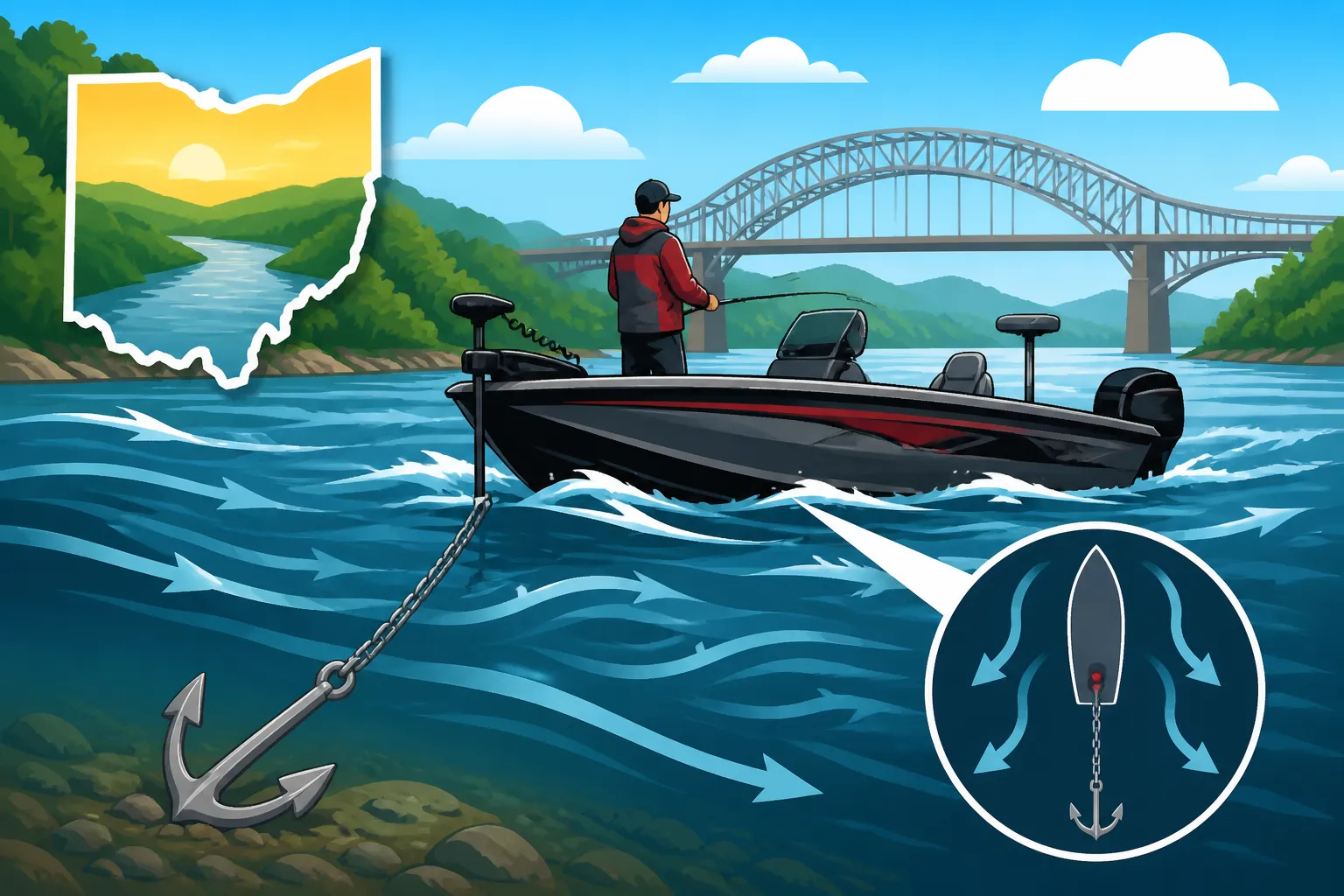
The key to successfully anchoring in current is to approach your desired spot from upstream. This allows the current to work with you, slowing your boat's forward momentum as you deploy the anchor.
- Motor Upstream: Approach your chosen fishing spot from downstream, motoring well past it, perhaps 50-100 yards upstream, depending on the current speed and water depth.
- Turn and Head Downstream (Slowly): Turn your boat around and slowly motor downstream, directly over the spot where you want your anchor to finally come to rest. Keep your engine running, just enough to maintain steerage and control your speed.
- Deploy the Anchor: As you pass your intended spot, begin to slowly lower your anchor over the bow. Do not throw it! Lowering allows the anchor to hit the bottom gently and lay flat. As it sinks, continue to slowly drift downstream, paying out anchor line as you go. You want to pay out enough line for the proper scope (7:1 or more, remember?).
- Feel it Set: Once you've paid out sufficient line, cleat it off. The boat will then begin to swing back upstream, with the current pulling on the anchor. You should feel the anchor dig in with a distinct "thunk" or a steady pressure, rather than a continuous slide. If it feels like it's dragging, pay out more line or try to reset. You might need to gently "power set" by putting your engine in reverse for a brief moment to really dig the anchor in.
- Confirm the Hold: Watch your surroundings – a landmark on shore or other anchored boats. Does your boat hold steady, or are you slowly drifting? If you're drifting, the anchor isn't set, and you need to retrieve and try again, perhaps with more scope or in a different spot. This process might take a few tries, especially on an unfamiliar stretch of river.
Dealing with Stronger Currents and Obstructions
Sometimes, despite your best efforts, the current is just relentless. This is where advanced techniques come into play, or a bit of improvisation.
If your anchor is dragging or you need extra stability, consider increasing your scope even further. The more line you have out, the more horizontal the pull on your anchor, and the better it will hold. Another trick is to use a "riding weight" – a heavy object (like a lead ball or a second, smaller anchor) attached to your anchor line a few feet above the primary anchor. This extra weight helps hold the line down, improving the angle of pull on your main anchor.
When fishing for species like catfish or sauger in swift current, you might find yourself needing to hold a very precise position. This is where a dual-anchor system can be invaluable. If you're encountering snags regularly, such as old fishing lines, logs, or rocky outcroppings, a trip line to the crown of your anchor can save you from losing your gear. If you don't have one, sometimes motoring in a wide circle around the snagged anchor can help dislodge it. Just be extremely careful not to wrap the anchor line in your prop.
Retrieving Your Anchor Safely
Retrieving an anchor in current can be just as challenging as setting it, especially if it's really dug in.
- Motor Towards Your Anchor: Engage your engine and slowly motor upstream, directly towards your anchor. This reduces the tension on the anchor line, making it easier to pull.
- Pull Straight Up: Once you're directly over the anchor, pull the line straight up with steady pressure. The upward force should break the anchor free from the bottom. Avoid yanking aggressively, which can cause the anchor to become more firmly wedged.
- Clear of Obstructions: As the anchor comes up, quickly inspect it for any debris or snags before bringing it fully into the boat. This prevents bringing unwanted guests into your deck or storage.
- Secure the Anchor: Once free, quickly and securely stow your anchor. Let's face it, no one wants a heavy, mud-covered anchor swinging freely on a moving boat. Make sure it's properly secured and won't suddenly come loose, creating a tripping hazard or even going overboard accidentally. This is especially important when you're moving to a new fishing spot or heading back to the ramp. For guidance on securing your vessel, you might also want to look into Do You Need a Boating License to Fish From a Boat in Ohio?.
Advanced Tips and Common Pitfalls
Mastering river anchoring takes practice, but understanding some advanced techniques and common mistakes can give you a significant advantage.
Stern Anchoring and Dual Anchor Systems
While typically it's best to anchor from the bow to keep your boat pointed into the current, sometimes a stern anchor, or a combination of bow and stern anchors, is called for.
- Stern Anchoring: This is generally discouraged in strong currents as it can allow water to come over the transom, potentially swamping the boat. However, in very light currents or for specific presentations, some anglers use a stern anchor. If you do, ensure your transom is high enough and that there's no risk of a wake from a passing boat overwhelming you. Always prioritize safety.
- Dual Anchor Systems: For ultimate stability, especially when fishing for species that require a very precise presentation, like certain types of Fishing the Ohio River for Catfish, a dual anchor system is the way to go.
- Set Your Bow Anchor: Follow the steps above to set your main anchor upstream from your desired spot.
- Deploy the Stern Anchor: Once your bow anchor is firmly set and holding, drift back slowly past your desired position. Lower a second, smaller anchor (your stern anchor) from the stern. Pay out just enough line for it to grab the bottom and hold your stern in place, preventing your boat from swinging in the current.
This creates a much more stable platform, minimizing boat swing and allowing you to present baits or jig more effectively. Just remember that retrieving two anchors takes more time and effort. When thinking about your overall fishing plan for the year, don't forget to check the Ohio Fishing Season Calendar for optimal times.
Troubleshooting Anchor Drifting or Snagging
Every angler who fishes rivers has dealt with a dragging or snagged anchor. It's part of the game, but knowing how to react can save you a lot of headache.
- Dragging Anchor: If you feel your anchor dragging, don't panic. Immediately pay out more anchor line to increase your scope. Sometimes, just a little more line is all it takes for the anchor to find a better hold. If it continues to drag, you'll need to retrieve it and reposition, perhaps moving to a different spot with a more stable bottom. This is where a powered anchor winch can be incredibly helpful for quicker resets, and you can often find a good selection of these on Amazon too.
- Snagged Anchor: This is the worst-case scenario. If your anchor is stuck fast, first try motoring in a wide circle around the anchor point, reducing the tension on the line from different angles. If you have a trip line, simply pull on that to reverse the anchor's angle and free it. If you don't have a trip line and the anchor won't budge, it might be time to unfortunately cut your losses (literally). Always carry a sharp knife for emergencies, and be prepared to sacrifice an anchor if it means avoiding a dangerous situation or damaging your boat. Remember, your gear can be replaced, but safety is paramount. Speaking of safety, knowing about Ohio Wildlife Officer Fishing Violation Fine Schedule can give you an idea of what happens if you don't follow regulations.
The Role of Current in Presenting Your Bait
While anchoring is about holding your ground, the current itself can be your ally in fishing. Instead of fighting it, learn to leverage it.
When anchored, the current naturally flows past your boat. This is fantastic for presenting baits downstream, allowing them to drift naturally into feeding lanes where fish like walleye, sauger, or catfish might be holding. Think about how a natural food source would move in the current – your bait can mimic that perfectly. For certain species, like Ohio River Sauger Regulations often suggest techniques that utilize the current to present jigs or live bait.
You can also use a controlled "slack line" technique, where you let out just a bit of line to allow your bait to bounce along the bottom with the current, while still maintaining contact with your rod tip. This is particularly effective for bottom-dwelling species. Experiment with different weights and bait presentations to see what the current allows for best. Even when you're technically anchored, you're still using the river's flow to your advantage. And don't forget to maximize your chances by knowing How Many Fishing Lines You Can Use in Ohio to cover more water.
Anchor Management for Different Ohio River Species
The Ohio River offers fantastic fishing opportunities for a variety of species, and sometimes, the best anchoring strategy changes depending on what you're targeting. Whether it's the hard-hitting fight of a flathead catfish or the subtle bite of a sauger, adapting your approach is key.
Holding for Catfish on the Ohio River
When you're after those monstrous flathead or blue catfish that call the Ohio River home, anchoring often means setting up shop in a prime current seam or near significant structure. Catfish, especially big ones, prefer to sit just out of the main current, waiting for food to wash to them. This means you'll want to anchor directly upstream of where you expect the fish to be, allowing your bait to drift naturally into their strike zone.
Because these fish can be found near heavy cover like submerged trees or rock piles, a strong anchor and robust rode are non-negotiable. Many experienced anglers will deploy a heavier box anchor or a dedicated river anchor, making sure it's absolutely dug in. A dual-anchor setup can provide the extra stability needed, especially if you're battling strong winds on top of the current, which can cause your boat to swing off the target. For dedicated Best Time to Fish the Ohio River for Catfish research, consider consulting specific guides.
Positioning for Walleye and Sauger
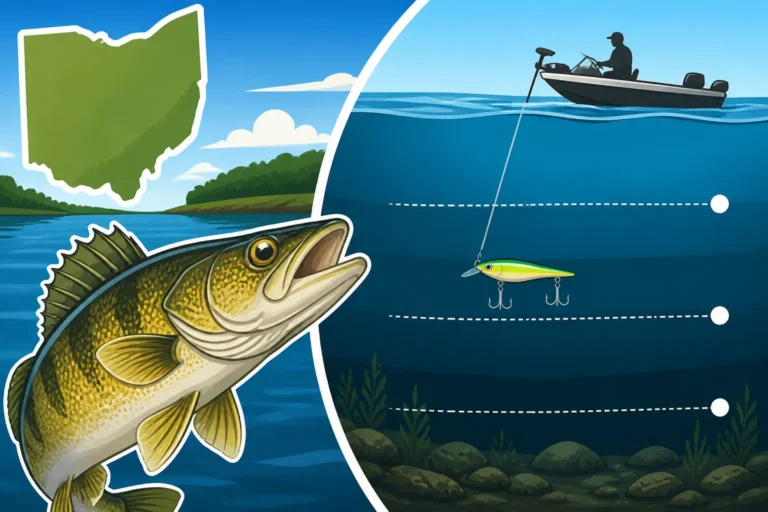
Walleye and sauger on the Ohio River also use current to their advantage, often stacking up in eddies, behind current breaks, or along channel edges. Unlike catfish, you might be targeting them with jigs or crankbaits, so precision boat control is crucial. You don't want your boat swinging wildly back and forth if you're trying to vertically jig a specific piece of structure.
For these species, anchoring slightly upstream of the fish and casting downstream allows your lure to get down to depth and work naturally with the current. This often means a lighter tackle presentation. If the current is mild enough, a single, well-set bow anchor may suffice. However, in stronger flows, or if you're trying to work a narrow channel, even a subtle boat swing can pull your lure out of the strike zone. In these situations, a two-anchor system can make all the difference, pinning your boat exactly where you want it to be. If you're planning a trip to the Ohio, be sure to read our comprehensive Ohio River Fishing Guide.
Adapting to Changing River Conditions
The Ohio River is always changing. River levels can fluctuate significantly with rainfall and dam operations, directly impacting current speed. What was a gentle drift yesterday might be a raging torrent today. Your anchoring strategy needs to be flexible.
Always pay attention to current speed indicators like leaning buoys, debris movement, or the behavior of other boats. If the current picks up unexpectedly, be prepared to adjust your anchor scope or even move to a more protected area. Sometimes, the best strategy is simply to avoid anchoring altogether and opt for drift fishing if the conditions are too challenging. Having a clear understanding of the river's unique features, from its locks and dams to its varying depths, will ultimately make you a more confident and effective angler on this magnificent waterway.
Disclaimer
This article is for general informational purposes only and does not constitute professional advice. Laws, prices and regulations vary by location and change over time. Consult a qualified professional for guidance on your specific situation.