Walleye Size and Age Growth Rates on Lake Erie
For any angler chasing the elusive trophy walleye on Lake Erie, there’s a common frustration: you hear tales of giants, yet often you're reeling in fish that seem a bit smaller than expected. It makes you wonder, "How old is this fish anyway? And how big should it be?" This guide is all about peeling back the curtain on the incredible growth rates and life cycles of Lake Erie walleye, helping you understand why some fish are monsters and others are merely modest, and what that means for your next trip out on the water.
The Dynamics of Walleye Growth in Lake Erie
Lake Erie isn't called the "Walleye Capital of the World" for nothing. It's a truly special fishery, but the factors contributing to its abundant, fast-growing walleye population are complex. Understanding these dynamics can give you a deeper appreciation for every fish you catch and improve your chances of finding those sought-after giants.
Why Lake Erie Walleye Grow So Big, So Fast
One of the most remarkable things about walleye in Lake Erie is their sheer size and how quickly they achieve it compared to many other bodies of water. This isn't just luck; it's a testament to the lake's incredible ecosystem. Lake Erie, particularly its western and central basins, is incredibly fertile, creating an ideal environment for walleye to thrive. It’s like a super-rich buffet that’s open all year round for these fish.
The primary reason for this rapid growth boils down to food availability. Lake Erie boasts a robust forage base, meaning there's an abundance of baitfish for walleye to eat. Smelt, gizzard shad, emerald shiners, and yellow perch are just a few of the prolific species that contribute to the walleye's diet. With such a consistent and high-quality food source, walleye can pack on pounds and inches at an astonishing rate. This constant access to protein and energy allows them to grow larger and reach impressive sizes much faster than walleye in less nutrient-rich environments.
Factors Influencing Walleye Growth Rates
While the overall richness of Lake Erie is a huge advantage, several specific factors influence how quickly an individual walleye grows. It's not a one-size-fits-all situation; some fish grow faster than others, even within the same year class. Genetics play a role, as some walleye are simply predisposed to grow larger and more quickly. Think of it like people: some individuals naturally grow taller than others, even with the same diet.
Beyond genetics, environmental conditions are paramount. Water temperature, for instance, significantly impacts a walleye's metabolism and feeding activity. Warmer water generally means higher metabolism and more active feeding, leading to faster growth, assuming food is available. Conversely, prolonged periods of cold water can slow down growth. But perhaps the most critical factor remains food availability and density. When baitfish populations are booming, walleye have an easier time finding meals, resulting in impressive growth spurts. When forage fish are less abundant, walleye growth can slow down, and they might even struggle to maintain weight. It's a delicate balance that fishery biologists constantly monitor to ensure the health of the entire ecosystem.
Decoding Walleye Age and Length
When you hold a walleye in your hands, its size is obvious, but its age is a secret it keeps well hidden. Yet, knowing the typical length-to-age relationship can give you a better understanding of the fish you’re catching and the health of the fishery. It's truly fascinating to think about how much life a fish has lived, just by looking at its size.
How Scientists Determine Walleye Age
You might wonder how on earth fishery biologists figure out how old a fish is without asking it for its birth certificate. It's a pretty ingenious process, actually, and it relies on some fundamental biological principles. Just like trees have rings that tell their age, fish have structures that record their growth history. The most common method involves taking a small sample of scales from the fish. Under a microscope, these scales show annual growth rings, much like tree rings, which correspond to periods of faster and slower growth. By counting these rings, scientists can accurately determine the fish's age.
Another highly accurate, though more invasive, method is examining the fish’s otoliths, or "ear bones." These small, calcified structures also develop annual rings, and because they're internal, they're less prone to damage or false rings than scales. Scientists carefully remove these bones, prepare them, and then view them under magnification to count the rings. This meticulous work is crucial for understanding population dynamics, setting appropriate regulations, and ensuring sustainable fishing for generations to come. Ohio Fishing Regulations Every Angler Should Know outlines how this data influences what we can keep.
Average Lengths at Different Ages
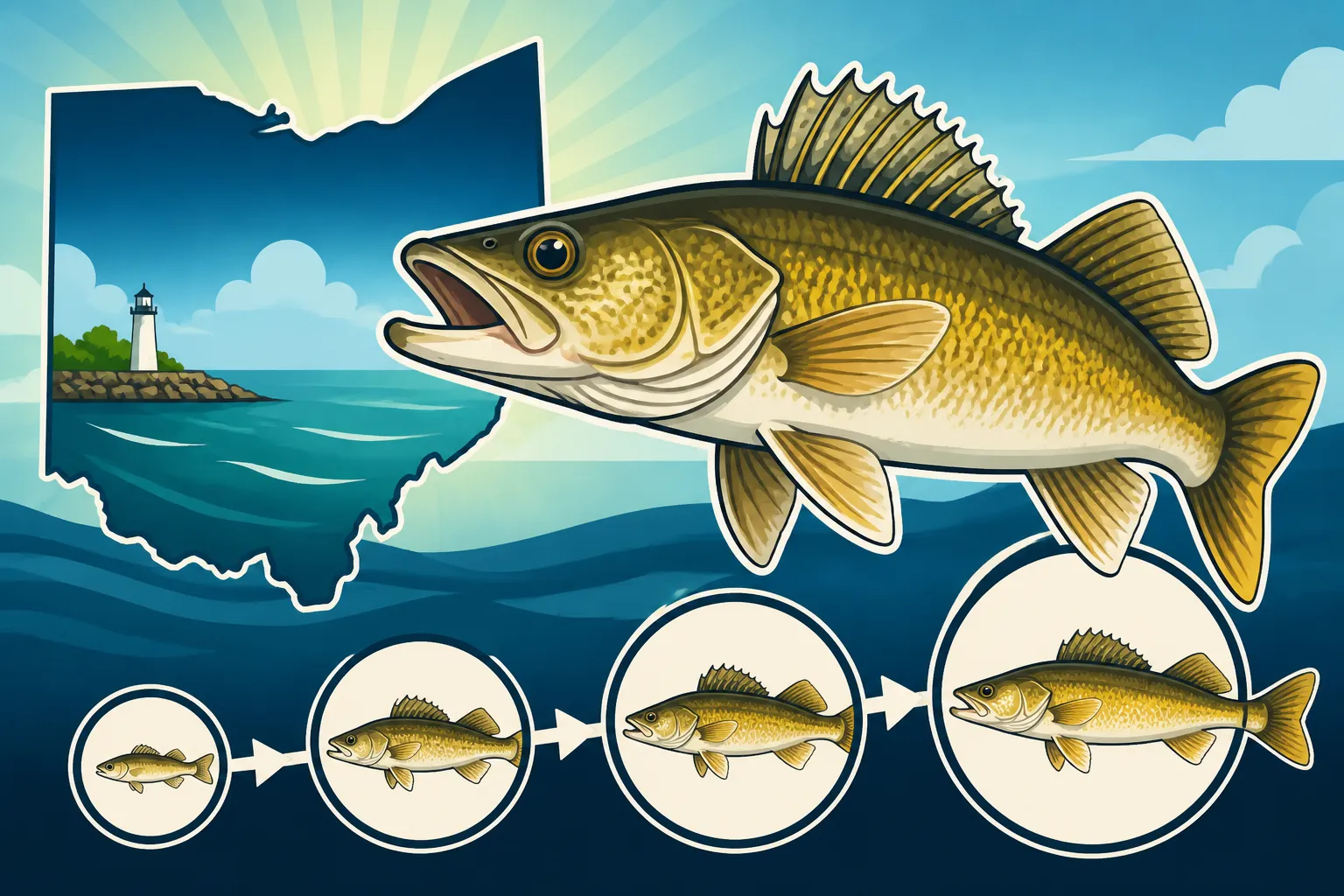
It's natural to be curious about how old that 20-inch walleye you just caught might be. While growth rates can vary quite a bit depending on individual genetics and localized food availability, there are general averages that fishery agencies use to track the health of the population. For Lake Erie walleye, growth is remarkably fast in their early years. A 1-year-old walleye might be around 8-10 inches, while a 2-year-old can easily hit 14-16 inches. These are "eater" fish, often perfect for the frying pan.
As they mature, the growth rate might slow slightly in terms of inches per year, but they continue to add significant weight. A 3-year-old walleye could be in the 17-20 inch range, and by 4-5 years old, you're looking at fish pushing well past 20 inches, sometimes even 25 inches or more. Fish in the 6-8 year range are often the true "trophies," regularly exceeding 28 inches and sometimes topping 30 inches. These larger, older fish are the ones that have navigated many seasons and escaped countless anglers. It's worth noting that these are averages; you might catch a relatively young fish that's grown exceptionally fast, or an older fish that hasn't packed on as much length. Understanding these averages helps us appreciate the journey of each fish. Average Size of a Lake Erie Walleye delves deeper into what you can expect.
| Walleye Age (Years) | Typical Length Range (Inches) | Description |
|---|---|---|
| 1 | 8-10 | Young of the year, fast growing |
| 2 | 14-16 | Common "eater" size, reaching maturity |
| 3 | 17-20 | Good size for table fare, strong fighters |
| 4-5 | 20-25 | Increasingly common trophy potential |
| 6-8+ | 25-30+ | True trophy class, experienced fish |
The Connection Between Size, Age, and Fishing
For us anglers, knowing about walleye size and age isn't just academic; it directly influences how we fish, what we expect to catch, and how we interact with the regulations. It shifts our perspective from just casting a line to strategically targeting the fish we're after, whether it's a skillet-sized dinner or a wall-hanger.
Targeting Different Size Classes of Walleye
Understanding the age and size structure of the walleye population helps you refine your fishing strategy. If your goal is to fill the cooler with delicious "eater" walleye, you'll often target younger, more abundant fish, typically in the 15-20 inch range. These fish are usually less wary and found in larger schools, making them excellent targets for consistent action. Many popular Best Ohio Walleye Fishing Techniques are geared towards finding these plentiful schools.
However, if you're dreaming of a true Lake Erie monster, a walleye that might stretch the tape over 30 inches, you're looking for older, more experienced fish. These bigger walleye tend to be more solitary, inhabit deeper structures, or relate to specific types of forage. They're often more challenging to catch, requiring different tactics, presentations, and sometimes more patience. Knowing that a 30-inch walleye is likely 6-8 years old or older can help you appreciate the challenge and the reward of such a catch, and might lead you to focus on specific times or locations where these older fish are known to reside. How Big Walleye Get on Lake Erie explores this in more detail.
Impact of Regulations on Walleye Populations and Growth
Fishing regulations aren't just arbitrary rules; they're carefully crafted based on scientific data, including walleye growth rates and age structure. Bag limits, for instance, are designed to ensure that enough fish remain in the lake to reproduce and maintain a healthy population. If anglers kept too many fish, especially the larger, more prolific breeders, the population could decline.
Size limits, like the minimum length requirement for walleye on Lake Erie, are particularly impactful on growth. By protecting smaller, immature fish, these regulations allow them to grow to a larger size and reach sexual maturity, giving them a chance to spawn at least once, or even multiple times, before being harvested. This ensures that the next generation of walleye is strong. It can be frustrating to catch a healthy fish that's just shy of the legal limit, but these rules are essential for the long-term sustainability of the fishery. Understanding that the minimum length helps ensure the fish has a chance to contribute to future populations makes those "throwbacks" a bit easier to release. You can find comprehensive details in the Lake Erie Walleye Regulations in Ohio guide.
The Walleye Life Cycle on Lake Erie
The journey of a Lake Erie walleye from a tiny egg to a magnificent trophy fish is truly epic. It's a life cycle that spans years, involves incredible challenges, and is deeply intertwined with the rhythms of the lake. Understanding these stages gives us a deeper respect for these fish and the fishery they support.
Spawning and Early Life Stages
The walleye's life on Lake Erie begins in the spring, typically from late March through April, when water temperatures climb into the 40s and low 50s Fahrenheit. This is when the male and female walleye migrate to shallower, rocky areas to spawn. They don't build nests; instead, females broadcast their eggs over rocky shoals and reefs, which are then fertilized by multiple males. It’s an incredible natural spectacle, vital for replenishing the lake's population. Walleye Spawning Behavior in Ohio covers this fascinating period in depth.
Once fertilized, these tiny, non-adhesive eggs settle into the crevices of the rocks, where they are somewhat protected from predators and currents. After about 10-20 days, depending on water temperature, the eggs hatch into tiny walleye fry. These fry are incredibly vulnerable, drifting with the currents and feeding on microscopic plankton. Survival rates are low during this stage, but the sheer number of eggs laid ensures that enough survive to maintain the species. These early life stages are a critical bottleneck, and successful spawning years are often followed by exceptional fishing a few years later.
Juvenile Walleye Development
The fry that survive their initial drift quickly begin to grow and develop. As they get slightly larger, they transition from feeding on plankton to consuming small invertebrates and then, relatively quickly, to small baitfish. This rapid shift to a piscivorous (fish-eating) diet is one of the keys to their impressive growth. Juvenile walleye will spend their first year or two growing rapidly, often reaching lengths of 8-16 inches.
During this juvenile stage, they are often found in specific areas of the lake, relating to structure or baitfish schools. They are still relatively vulnerable to predation from larger fish and birds, but their numbers are typically very high. These young fish form the backbone of the future fishery, and strong year classes of juveniles are what anglers eagerly anticipate for bountiful seasons a few years down the line. It's a constant cycle of growth, predation, and survival, making every year class a unique story.
Mature Walleye and Their Journey
Once walleye reach sexual maturity, typically around 2-3 years of age for males and 3-4 years for females, their life takes on a more migratory pattern. While they still participate in the annual spawning runs, their post-spawn and summer feeding patterns often involve extensive travel across the lake. Lake Erie walleye are known for their nomadic tendencies, following schools of baitfish across vast distances. This constant movement requires a huge amount of energy, which they replenish by feeding heavily.
These mature walleye continue to grow, although the rate of length increase might slow compared to their explosive juvenile growth. However, they continue to add significant girth and weight. Older, larger walleye are often the most experienced and wary, having learned to avoid predators and anglers alike. Their journeys can take them from the western basin spawning grounds to the central basin's deeper, cooler waters in summer, and then back again. This continuous search for optimal conditions and abundant food drives their impressive growth and makes them a challenging but rewarding target for anglers. The Ohio Walleye Fishing Guide explores these movements in more detail.
Maximizing Your Chances for a Trophy Walleye
If the goal is to land one of those true Lake Erie behemoths, you need to think a little differently. It's not just about luck; it's about understanding the habits of older, larger fish and tailoring your approach to find them. This knowledge, combined with the right techniques, significantly improves your odds.
Locating Older, Larger Walleye
Older, trophy-sized walleye aren't usually found in the same tightly packed schools as their younger counterparts. They tend to be more solitary or in smaller groups, often preferring deeper, cooler water, especially during the warmer months. These fish are looking for larger prey and may relate more to subtle changes in bottom structure, rock piles, or isolated wrecks. Instead of chasing massive bait balls in the open water, consider focusing on these more discrete features.
Look for areas with sharp depth changes, underwater points, or even the fringes of deeper channels. These locations can act as ambush points for bigger walleye, allowing them to conserve energy while waiting for prey. Sonar and fish finders become invaluable tools here, not just for marking fish, but for identifying these prime structural elements that might hold a monster. Learning to read your electronics to distinguish individual large marks from dense schools of smaller fish can be a game-changer. It takes patience, but the reward of a truly massive walleye is well worth the extra effort.
Seasonal Patterns and Walleye Growth
The seasons dictate everything in a walleye's life, including their growth cycles. Spring is a period of recovery after spawning, where fish actively feed to regain lost energy. Post-spawn walleye are often aggressive, and while they might not be at their peak weight, they are certainly catchable. Summer sees walleye spreading out across the lake, feeding heavily on the abundant baitfish. This is a prime time for consistent growth, and by late summer, fish are typically at their heaviest.
As fall approaches, walleye enter a pre-winter feeding frenzy, bulking up for the leaner months ahead. This can be an excellent time to target large, fat walleye. Even in winter, under the ice, walleye continue to feed, albeit at a slower pace, and can be caught by persistent ice anglers. Understanding these Ohio Fishing Season Dates and Effective Periods and how they influence walleye behavior and feeding patterns allows you to adapt your techniques and focus your efforts when trophy potential is highest. Fishing during peak feeding windows, often associated with specific water temperatures and baitfish movements, will increase your chances of connecting with a larger, older fish.
The Health of Lake Erie's Walleye Fishery
The incredible walleye fishing we enjoy on Lake Erie today is not just a happy accident. It's the result of diligent conservation efforts, careful management, and a constant battle against environmental challenges. Understanding these broader contexts helps us appreciate the resource and our role in sustaining it.
Management Efforts and Their Success
The robust health of Lake Erie's walleye population is a testament to the effective management strategies implemented by the Ohio Department of Natural Resources (ODNR) and other regional agencies. These efforts involve continuous monitoring of walleye populations through surveys, netting programs, and angler creel censuses. By collecting data on age, size, and recruitment (the number of young fish entering the population), biologists can make informed decisions about regulations.
Stocking programs, though not always necessary for Lake Erie's naturally reproducing walleye, are sometimes used to bolster specific year classes or introduce fish into other Ohio waters. More importantly, harvest quotas are set annually based on population assessments, ensuring that enough fish remain to spawn and grow. This proactive approach, coupled with strong enforcement of Ohio Statewide Bag and Size Limits, has allowed Lake Erie to maintain one of the healthiest and most productive walleye fisheries in North America, ensuring generations of anglers can enjoy it.
Environmental Factors and Walleye Health
Despite excellent management, the Lake Erie walleye fishery faces ongoing environmental challenges. Water quality is paramount, and while significant strides have been made, issues like harmful algal blooms can still impact the ecosystem, particularly in the western basin. These blooms can reduce oxygen levels and affect the food chain, ultimately impacting walleye health and growth.
Invasive species also pose a constant threat. Organisms like zebra and quagga mussels have dramatically altered the lake's clarity and nutrient cycling. While this clearer water has some benefits, it also changes the habitat for walleye and their prey. Round gobies, another invasive species, have become a major food source for walleye, which is a mixed blessing. While they provide forage, they also compete with native species and prey on walleye eggs. The resilience of the Lake Erie walleye in adapting to these changes, combined with ongoing research and conservation, is truly remarkable and speaks to the dynamic nature of this precious resource.
Disclaimer
This article is for general informational purposes only and does not constitute professional advice. Laws, prices and regulations vary by location and change over time. Consult a qualified professional for guidance on your specific situation.