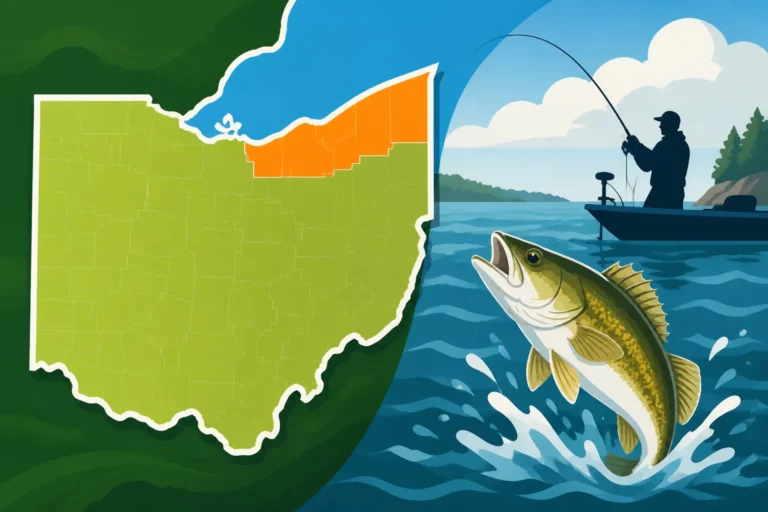
Fishing LaDue Reservoir
There's nothing quite like the thrill of discovering a new favorite fishing spot, a place that offers both the promise of a great catch and a bit of peace away from the usual crowds. Many Ohio anglers yearn for waters that challenge them with diverse species but also reward their efforts with scenic beauty and productive fishing. This comprehensive guide is here to introduce you to LaDue Reservoir, a true gem in Geauga County, offering exceptional opportunities for walleye, saugeye, muskie, bass, and panfish.
Why LaDue Reservoir is a Hidden Gem for Anglers
LaDue Reservoir, nestled in the picturesque landscape of Geauga County, isn't always the first name that comes up in casual fishing conversations, and that's precisely part of its charm. It offers a fantastic angling experience without the overwhelming boat traffic or crowded shorelines you might find on some of Ohio's larger, more well-known lakes. It’s a place where you can truly connect with the water and the fish, making it a perfect destination for those seeking a more serene yet productive outing.
Location and Accessibility
LaDue Reservoir is conveniently located roughly 30 miles east of Cleveland and about 20 miles north of Akron, making it a relatively easy drive for many Northeast Ohio residents. The reservoir spans across several townships in Geauga County, including Auburn, Claridon, and Troy. Access to the lake is managed by the Cleveland Water Department, which means there are specific rules to be aware of, particularly regarding boating, which we'll delve into later.
For land-based anglers, LaDue offers numerous public access points scattered around its extensive shoreline. These can range from designated parking areas with clear paths to the water to more informal pull-offs that seasoned locals know. While some sections are private property, there's ample public access for shore fishing, especially around the bridges and causeways. Boat ramps are available at several locations, providing easy entry for those with small boats, canoes, or kayaks. Always check local signage for specific parking regulations and access hours to ensure a smooth trip.
Unique Features and Ecosystem
Covering approximately 1,475 acres with a maximum depth of around 35 feet, LaDue Reservoir is a sprawling body of water characterized by its irregular shape and diverse underwater topography. It's a complex system, featuring a mix of deep main lake basins, shallower coves, submerged timber, rocky points, and expansive weed beds. This variety of habitat is precisely why LaDue can support such a wide array of fish species.
The reservoir's bottom structure includes old creek channels, humps, and subtle depressions that act as natural fish highways and holding areas. The water clarity can vary throughout the year, but it generally has a healthy tint, which is often a good sign for walleye and saugeye. The presence of abundant forage, like shad and various minnow species, contributes to the excellent growth rates of its predatory fish. What truly sets LaDue apart is its dedication to maintaining a healthy, natural ecosystem, which translates directly into robust fish populations and a rewarding angling experience.
Primary Target Species
LaDue Reservoir truly caters to a diverse range of angling preferences. For many, the main draw is the opportunity to hook into hard-fighting walleye and saugeye. These cousins of the pike family thrive in LaDue's environment and offer some fantastic table fare. Beyond the 'eyes, LaDue boasts a robust muskie population, drawing dedicated anglers from all over the state who are willing to put in the time for a chance at these elusive giants.
Bass anglers also find plenty to love, with both healthy populations of largemouth and smallmouth bass inhabiting different parts of the reservoir. And for those looking for a more relaxed day on the water or introducing new anglers to the sport, the panfish action—crappie, bluegill, and yellow perch—can be outstanding. Don't forget the catfish; LaDue holds some impressive channel and flathead catfish, particularly for those willing to fish into the evening. This rich diversity means you can tailor your trip to target a specific species or simply enjoy whatever bites!
Unlocking LaDue's Walleye and Saugeye Potential
If you're heading to LaDue with visions of flickering walleye or saugeye in your net, you're in good company. These prized game fish are a significant draw here, and for good reason. LaDue offers excellent opportunities for both, provided you understand their seasonal movements and preferred presentations. They're often found together, utilizing similar habitat and forage, which means you can often target both on the same outing.
Seasonal Strategies for Walleye and Saugeye
The fishing calendar at LaDue starts strong for walleye and saugeye in the spring. As ice recedes and water temperatures begin to climb into the 40s and 50s, these fish become highly active and move shallower for their spawning rituals. Early spring is an excellent time for jigging with minnows or soft plastics along rocky points, submerged humps, and the edges of old creek channels. Think areas where they can easily transition from deeper water to shallow spawning grounds. Many anglers find success casting blade baits or hair jigs in these areas, as the fish are aggressive and looking to feed after the long winter. Don't overlook the main lake basin in areas where the water is slightly warmer.
As summer fully takes hold and water temperatures rise into the 70s, walleye and saugeye often move to deeper, cooler water. This is when trolling becomes a highly effective strategy. Using crankbaits that dive to different depths, often behind planer boards, allows you to cover vast amounts of water and locate schools of fish. Crawler harnesses, tipped with live nightcrawlers and pulled behind bottom bouncers, are also deadly during this time, especially over humps and along the main lake basin's contours. Pay close attention to your fish finder during summer to locate thermoclines and schools of baitfish, as walleye and saugeye will often be close by.
Fall brings another peak in activity as walleye and saugeye begin their pre-winter feeding frenzy. As water temperatures cool, they move back into shallower areas, especially around weed lines and rocky points, gorging themselves on baitfish. Casting crankbaits, jigging with spoons or large shiners, and even drifting with live bait can be incredibly productive. This is often when you'll find some of the heaviest fish of the year. During the winter, for those brave enough to venture out on the hard water, Ohio Ice Fishing Guide offers great tips, and LaDue can be quite good for ice fishing walleye and saugeye, often found suspended over deeper areas or near structure.
Recommended Baits and Lures
For walleye and saugeye at LaDue, versatility is key. Jigs are a cornerstone, especially in spring and fall. Lead head jigs tipped with live minnows, shiners, or soft plastic swimbaits (like paddle-tails or grub bodies) in colors such as chartreuse, white, or pumpkinseed, are perennial favorites. Blade baits, with their intense vibrations, can also trigger strikes, especially when jigged vertically in deeper water.
When it comes to covering water, crankbaits are indispensable. Choose models that dive to various depths depending on the season and where the fish are holding. Trolling with Rapala, Berkley, or Bandit crankbaits in natural baitfish patterns or bright colors can be very effective. Don't forget crawler harnesses, which consist of a spinner blade, beads, and two hooks, usually baited with a lively nightcrawler. These are fantastic for drifting or slow trolling, appealing to the walleye's sense of smell and sight. For live bait, shiners and nightcrawlers are always top contenders, fished under a slip bobber or on a simple weight-and-hook rig. Knowing your Best Lures for Ohio Fishing can give you a significant advantage.
Key Fishing Locations and Structure
Successfully targeting walleye and saugeye at LaDue means understanding where they hold at different times. The main lake basin is a crucial area, particularly during summer months when fish seek deeper, cooler water. Look for subtle changes in depth, humps, and old creek channels that wind through the basin. Your fish finder will be your best friend here, helping you locate schools of bait and predatory fish.
Points and humps are classic walleye and saugeye magnets, acting as ambush points for feeding fish. During spring and fall, these structures, especially those with access to deeper water, will hold active fish. The causeways and bridge areas also concentrate fish due to current breaks and available structure. Don't overlook the expansive weed lines during late spring and early summer; these areas provide cover and attract baitfish, drawing in hungry walleye and saugeye. As the season progresses, deeper weed edges become more important. Familiarizing yourself with how to use electronics, as discussed in Reading Ohio Fish Finders and Electronics, will greatly improve your ability to pinpoint these productive areas.
Chasing Trophy Muskie and Bass at LaDue
Beyond the walleye and saugeye, LaDue Reservoir is a legitimate contender for trophy muskie and offers superb action for both largemouth and smallmouth bass. Anglers looking for a true challenge or just a fantastic fight will find plenty to keep them busy on these waters. The muskie fishery here is managed to promote large fish, and the bass populations are robust, offering consistent action.
Muskie Hunting Tactics
Muskie fishing at LaDue is not for the faint of heart; it requires dedication, heavy tackle, and a lot of patience. However, the reward of hooking into one of these apex predators makes it all worthwhile. LaDue has a reputation for producing muskie in the 40-inch range, with larger fish certainly present. Trolling is a very popular and effective method here, especially when covering large areas of open water. Anglers will often troll large crankbaits, swimbaits, or even oversized bucktails behind their boats, targeting specific depths and contours.
When casting, focus your efforts on known muskie haunts: extensive weed beds, submerged timber, rocky points, and areas with significant baitfish concentrations. Large bucktails, jerkbaits, and soft plastic swimbaits are the go-to lures. Remember the "figure eight" at the boat! Many muskie will follow a lure all the way to the boat and strike only at the very last second during this maneuver. Targeting muskie is often best during low light conditions or on overcast days. Understanding Ohio Muskie Size and Bag Limits is crucial, as muskie here are almost exclusively caught and released to maintain the trophy fishery.
Bass Fishing Hotspots and Techniques
LaDue offers excellent opportunities for both largemouth bass and smallmouth bass, each with their preferred habitats and requiring slightly different approaches.
For largemouth bass, focus on the shallower, more protected coves, especially those with dense weed beds, lily pads, and submerged timber. These areas provide excellent cover and ambush points. Techniques like flipping jigs or Texas-rigged soft plastics into heavy cover are highly effective. Topwater lures, like frogs or poppers, can produce explosive strikes during low light periods or overcast days, particularly in the summer. Spinnerbaits and crankbaits worked along weed lines and points are also great choices. You'll find good largemouth action throughout the warmer months, with spring and fall often producing the largest fish as they prepare for or recover from spawning.
Smallmouth bass, on the other hand, typically prefer cleaner, rockier bottom structures and deeper water, though they will push shallow during their spawning period. Look for them around rocky points, humps, and areas with gravel or shale bottom. Jerkbaits, tube jigs, drop shots, and small crankbaits are excellent for smallmouth. Smallmouth bass on LaDue are known for their strong fights, often making powerful runs and acrobatic jumps. Pay attention to changes in bottom composition indicated by your electronics. The cooler months of spring and fall tend to be prime for smallmouth, when they are more concentrated and aggressive. Knowing the Ohio Largemouth and Smallmouth Bass Limits is essential for responsible harvesting, though many bass anglers practice catch and release.
Best Seasons for Muskie and Bass
The fishing seasons for muskie and bass at LaDue tend to overlap and offer distinct opportunities throughout the year.
For muskie, early summer (June-July) can be fantastic as these fish are actively feeding after their spawn, and water temperatures are ideal. They'll often be found cruising weed lines and open water. The action picks up again dramatically in the fall (September-November) as muskie put on the feedbag for winter. This is arguably the best time to target trophy-sized fish, as they are at their heaviest and most aggressive. The colder water of late fall concentrates them, and they respond well to large baits trolled or cast slowly.
Bass fishing is strong from spring through fall. Spring, particularly April and May, sees both largemouth and smallmouth moving shallow for their spawning period, making them more accessible and aggressive. Topwater and shallow-running baits can be excellent. Summer offers consistent action, especially around cover for largemouth and deeper structures for smallmouth. As fall approaches and water temperatures drop, bass become highly active again, feeding heavily in preparation for winter. This pre-winter bite can be some of the best fishing of the year, with fish often schooling up and readily hitting a variety of presentations.
Beyond the Big Game: Panfish and Catfish Opportunities
While LaDue Reservoir shines for its walleye, saugeye, muskie, and bass, it also provides fantastic, often overlooked, opportunities for panfish and catfish. These species are perfect for a more relaxed outing, family trips, or when you just want to feel a tug on the line. They offer consistent action and can be found in various parts of the reservoir.
Crappie and Bluegill: Family-Friendly Fun
If you're looking to introduce kids to fishing or just enjoy a day of steady action, LaDue's crappie and bluegill populations are robust. These panfish are abundant and relatively easy to catch, making them perfect for anglers of all skill levels.
For crappie, look for them congregating around submerged brush piles, standing timber, and along deeper weed edges, particularly during the spring spawning period. They'll move into shallower water in April and May, making them accessible from shore or small boats. Small jigs (1/32 to 1/16 ounce) tipped with a minnow or a small soft plastic grub are deadly. Light line (2-4 lb test) and a sensitive rod will help you detect their subtle bites. During summer, crappie often suspend over deeper water or relate to deeper structure. Knowing the patterns detailed in an Ohio Crappie Fishing Guide can definitely increase your catch rates.
Bluegill are even more widespread and can be found almost anywhere in the reservoir, especially in shallower bays, around docks, and near weed beds. A simple setup—a bobber, a small hook, and a piece of nightcrawler, red worm, or wax worm—is all you need. Fly fishing with small poppers or nymphs can also be incredibly fun and effective for bluegill. They're very aggressive, making them a joy to catch for any angler. Look for bluegill nests in shallow, hard-bottomed areas during late spring and early summer.
Channel and Flathead Catfish Strategies
LaDue Reservoir also boasts an impressive catfish population, with both channel catfish and flathead catfish growing to substantial sizes. Catfish are a fantastic target, especially during warmer months and into the evening or night hours when they become most active.
Channel catfish are widespread throughout the reservoir. They're opportunistic feeders and can be caught on a variety of baits. Bottom fishing with cut bait (like shad or sunfish), chicken livers, shrimp, or commercially prepared stink baits is often very effective. Focus on deeper holes, the edges of creek channels, and areas with current or structure. Channel cats are fantastic fighters and make excellent table fare. Consider fishing after dark, as this is often when the biggest channels come out to play.
Flathead catfish are a more elusive, but highly prized, species. They are predatory and prefer live bait, such as bluegill, bullheads, or large shiners. Flatheads are often found near heavy cover like submerged timber, rock piles, or deep log jams, where they can ambush prey. Fishing for flatheads requires heavier tackle and a lot of patience, but landing one of these monstrous fish is an unforgettable experience. They tend to be more solitary than channel cats, but the reward is often a truly massive fish. Always use circle hooks when fishing with live bait to ensure a clean, lip hookup.
Year-Round Panfish Action
One of the greatest things about panfish at LaDue is their year-round availability. While spring and early summer are prime for open water, they also offer exciting ice fishing opportunities. When the ice is safe (at least 4 inches thick), anglers can target crappie, bluegill, and yellow perch with great success. Small jigs tipped with wax worms or plastic grubs fished through the ice in shallower bays or over submerged structure can produce limits of fish.
During the open water seasons, even beyond the peak spring activity, panfish remain a reliable target. Throughout the summer, bluegill can be found in weed beds, while crappie might suspend over deeper brush. Fall sees both species feeding aggressively, often schooling up. Whether you're casting from shore, drifting in a kayak, or anchored in a boat, there's almost always a good panfish bite to be found somewhere on LaDue Reservoir. It’s a great way to guarantee some action, even if the larger game fish are being finicky.
Navigating LaDue: Regulations, Access, and Amenities
Fishing LaDue Reservoir is a truly rewarding experience, but like any managed body of water, it comes with specific rules and considerations. Understanding these regulations, knowing your access options, and being aware of local amenities will ensure a smooth and enjoyable trip for everyone.
LaDue Reservoir Specific Regulations
Being a water supply reservoir managed by the Cleveland Water Department (CWD), LaDue has some unique regulations that differ from statewide Ohio fishing rules. The most significant of these is the motor restriction. Generally, boats on LaDue Reservoir are limited to electric motors only, or internal combustion motors with a maximum of 10 horsepower. Always double-check current regulations, as rules can occasionally be updated. This restriction greatly contributes to the tranquil atmosphere and makes it a fantastic spot for kayak, canoe, and small boat anglers. It also helps maintain water quality.
Beyond motor restrictions, standard Ohio fishing regulations apply, but it's always wise to confirm if there are any special size or bag limits specific to LaDue for certain species, such as muskie or specific bass regulations. You'll need an Ohio Fishing License Guide for Residents and Nonresidents to legally fish here. Make sure you check the current Ohio Fishing Regulations Every Angler Should Know from the Ohio Department of Natural Resources (ODNR) before heading out. Respecting these rules not only keeps you compliant but also helps preserve the excellent fishing opportunities for future generations.
Boat Launch Facilities and Shore Access
LaDue Reservoir provides several public boat launch facilities, typically equipped with ample parking. One popular launch is located off State Route 44 (Ravenna Road), offering good access to the central part of the reservoir. Another well-known spot is the access point near the dam, often providing good shore fishing opportunities as well. These ramps are generally well-maintained and suitable for boats meeting the horsepower restrictions.
For those without a boat, or who prefer land-based angling, LaDue offers a substantial amount of shore access. The areas around bridges, causeways, and designated park sections provide excellent spots to cast a line. For example, areas near Washington Street and Valley Road often have good shore access. It's important to be mindful of private property signs and stick to clearly marked public access points. Many anglers find success walking the banks, targeting weed lines, drop-offs, and points that are within casting distance. Don't forget that if you're looking for guidance for other Ohio waters, or even local insights, resources like FishingBooker can sometimes help connect you with regional experts, though LaDue is often a more self-guided adventure.
Local Bait Shops and Supplies
While LaDue feels wonderfully remote in spots, you're never too far from necessary supplies. Several local bait and tackle shops are located in nearby towns such as Burton, Chardon, and even some spots slightly further afield like Ravenna. These shops are invaluable resources, not just for bait and tackle, but also for up-to-the-minute local fishing reports and expert advice. They can tell you what's biting, on what, and where.
It's always a good idea to call ahead to confirm their hours of operation, especially if you plan an early morning or late evening trip. Most will carry live bait like minnows, nightcrawlers, and wax worms, as well as a good selection of lures appropriate for LaDue's species. Having your Ohio Fishing License Costs Explained and ready to show is a given. You might also find convenience stores in the area that stock basic fishing essentials and snacks. Being prepared with all your gear, including any necessary permits or licenses, before you arrive at the reservoir will allow you to maximize your time on the water.
Table: LaDue Reservoir Fishing Overview
| Target Species | Best Seasons | Common Baits/Lures | Preferred Habitat | Regulations |
|---|---|---|---|---|
| Walleye / Saugeye | Spring, Summer, Fall | Jigs (minnows, plastics), Crankbaits, Crawler Harnesses | Main basin, points, humps, creek channels | OH state limits, confirm any special LaDue rules |
| Muskie | Early Summer, Fall | Large Bucktails, Jerkbaits, Swimbaits | Weed lines, timber, rocky points | OH state limits, catch & release highly encouraged |
| Largemouth Bass | Spring, Summer, Fall | Jigs, Texas Rigs, Topwater, Spinnerbaits | Weed beds, lily pads, submerged timber | OH state limits, confirm any special LaDue rules |
| Smallmouth Bass | Spring, Summer, Fall | Jerkbaits, Tube Jigs, Drop Shot, Crankbaits | Rocky points, humps, gravel bottom | OH state limits, confirm any special LaDue rules |
| Crappie | Spring, Summer, Fall, Winter (Ice) | Small Jigs (minnows, grubs), Wax Worms | Brush piles, timber, weed edges, docks | OH state limits, confirm any special LaDue rules |
| Bluegill | Spring, Summer, Fall, Winter (Ice) | Worms, Wax Worms, Small Jigs, Fly Poppers | Shallow bays, weed beds, docks, brush | OH state limits, confirm any special LaDue rules |
| Catfish (Channel/Flathead) | Summer, Fall, Night | Cut Bait, Live Bait, Chicken Livers, Stink Bait | Deep holes, creek channels, timber jams | OH state limits, confirm any special LaDue rules |
Disclaimer
Fishing regulations and conditions can change. Always consult the official Ohio Department of Natural Resources (ODNR) fishing regulations and any specific rules posted by the Cleveland Water Department for LaDue Reservoir before you head out. This guide is for informational purposes only and does not replace official sources.