Biggest Fish You Can Legally Keep in Ohio
One of the most common frustrations anglers face in Ohio is trying to keep track of the ever-changing and sometimes complex fishing regulations, especially when it comes to knowing precisely what size fish you can legally keep. It's tough enough finding the fish, let alone making sure it meets the legal requirements before you put it on ice. This comprehensive guide will cut through the confusion, helping you understand the specific size and bag limits for popular species across Ohio's diverse waterways, so you can fish with confidence and stay compliant.
The Basics of Ohio's Fish Regulations: Why Size Limits Exist
Before we dive into the nitty-gritty of specific species, it’s really important to understand why we even have these size regulations in the first place. It's not just to make our lives harder, I promise! These rules are thoughtfully designed by wildlife biologists to ensure healthy fish populations for generations to come. They play a crucial role in managing our fisheries and protecting valuable resources.
Protecting Spawning Stock and Future Generations
Imagine if everyone kept every small fish they caught – what would happen to the future of fishing? Size limits are primarily about protecting the breeding population, or "spawning stock." When fish reach a certain size, they've often had at least one, if not several, opportunities to reproduce. By letting smaller fish go, we're ensuring they have a chance to grow larger and contribute to the next generation of anglers. This is particularly vital for species that mature later in life or have high angler pressure. It's a long-term investment in the health of our lakes and rivers, ensuring that those trophy-sized fish you dream about catching today will still be there for your kids and grandkids.
Sometimes, regulations also aim to protect larger, older fish that are often the most prolific spawners, or to prevent overharvesting a year class of fish that might be particularly vulnerable. It’s all about balance – allowing anglers to enjoy their catch while safeguarding the biological future of the species. When you release a healthy fish, especially one that's under the legal size, you're directly contributing to that sustainability.
Understanding Minimum vs. Maximum Size Limits
When you look at the Ohio fishing regulations, you'll primarily see "minimum length limits." This means any fish shorter than the stated length must be immediately released. The idea here, as we discussed, is to give fish time to grow and reproduce. For example, if walleye in a particular lake have a minimum length, it’s because the biologists want to ensure those fish contribute to the spawning population before they become part of an angler's dinner. You might carry a flexible tape measure or a rigid bump board – readily available on Amazon – to quickly verify your catch's length right at the side of the boat or bank.
Less common, but still present for certain species or in specific waters, are "maximum length limits" or "slot limits." A maximum length limit means you cannot keep a fish over a certain size. Slot limits are a bit more nuanced: they allow you to keep fish within a certain size range (the "slot"), but require you to release fish that are either too small or too large. These types of limits are often implemented to protect those large, mature breeders, or to thin out an overabundant mid-sized population to allow remaining fish to grow faster. Understanding which type of limit applies to your target species and location is absolutely critical to avoid unintentional violations.
Key Species and Their Keepable Sizes in Ohio Waters
Ohio offers an incredible diversity of fishing, from the mighty Lake Erie to tranquil inland ponds. Because of this variety, the rules for keeping fish can change quite a bit depending on what you're fishing for and where you're casting your line. Let's break down some of the most popular species and their specific size requirements.
Walleye and Saugeye: Lake Erie vs. Inland Waters
Walleye are perhaps Ohio's most prized game fish, and their regulations are a perfect example of how location matters. If you're out on Lake Erie chasing these golden beauties, you'll find a specific set of rules. For instance, there's a Ohio Lake Erie Walleye Daily Bag Limit that dictates how many you can keep, and crucially, a Ohio Lake Erie Walleye Minimum Length Limit that states the shortest fish you can legally put in your cooler. These rules are designed to protect the phenomenal walleye fishery in the "Walleye Capital of the World." It's not uncommon to hear charter captains reminding everyone to double-check their measurements before keeping a fish, as being even a quarter-inch short can lead to a hefty fine.
However, once you move away from Lake Erie and venture into Ohio's many inland reservoirs and rivers, the rules can shift dramatically for both walleye and their close cousin, saugeye. Many inland waters have different minimum length limits, and some, like Alum Creek Lake or Mosquito Creek Lake, might have special provisions, even sometimes no minimum length limit at all for certain species or during specific times. It's always best to check the specific regulations for the body of water you're fishing. For example, a question like Does Alum Creek Lake Have a Walleye Size Limit? highlights how localized these rules can be. Always consult the official Ohio fishing regulations for the most up-to-date information before your trip.
Muskie: The Ohio Trophy Fish
Muskellunge, or muskie, are often called the "fish of 10,000 casts" for good reason. They are apex predators and a true trophy for any angler in Ohio. Due to their slow growth rate and their status as a trophy species, muskie typically have a very significant minimum length limit, usually 48 inches or more on most inland lakes. You'll find the exact figures in the Ohio Muskie Minimum Length Limit on Inland Lakes section of the regulations. This isn't a fish you accidentally keep; catching one is an event! The vast majority of muskie anglers practice catch-and-release, often taking careful measurements and photos before gently returning these giants to the water to grow even bigger.
Imagine battling a massive muskie for what feels like an eternity, only to bring it boat-side and discover it's an inch shy of the legal mark. It's disappointing, sure, but releasing it means it lives to fight another day and contribute to the genetic pool. Many dedicated muskie anglers even equip their boats with extra-large landing nets and specialized release tools, often sourced from places like Amazon, to ensure the fish's safety during handling and release. The goal with muskie is almost always about the thrill of the catch and the photograph, rather than filling the freezer.
Bass (Largemouth and Smallmouth): Diverse Rules
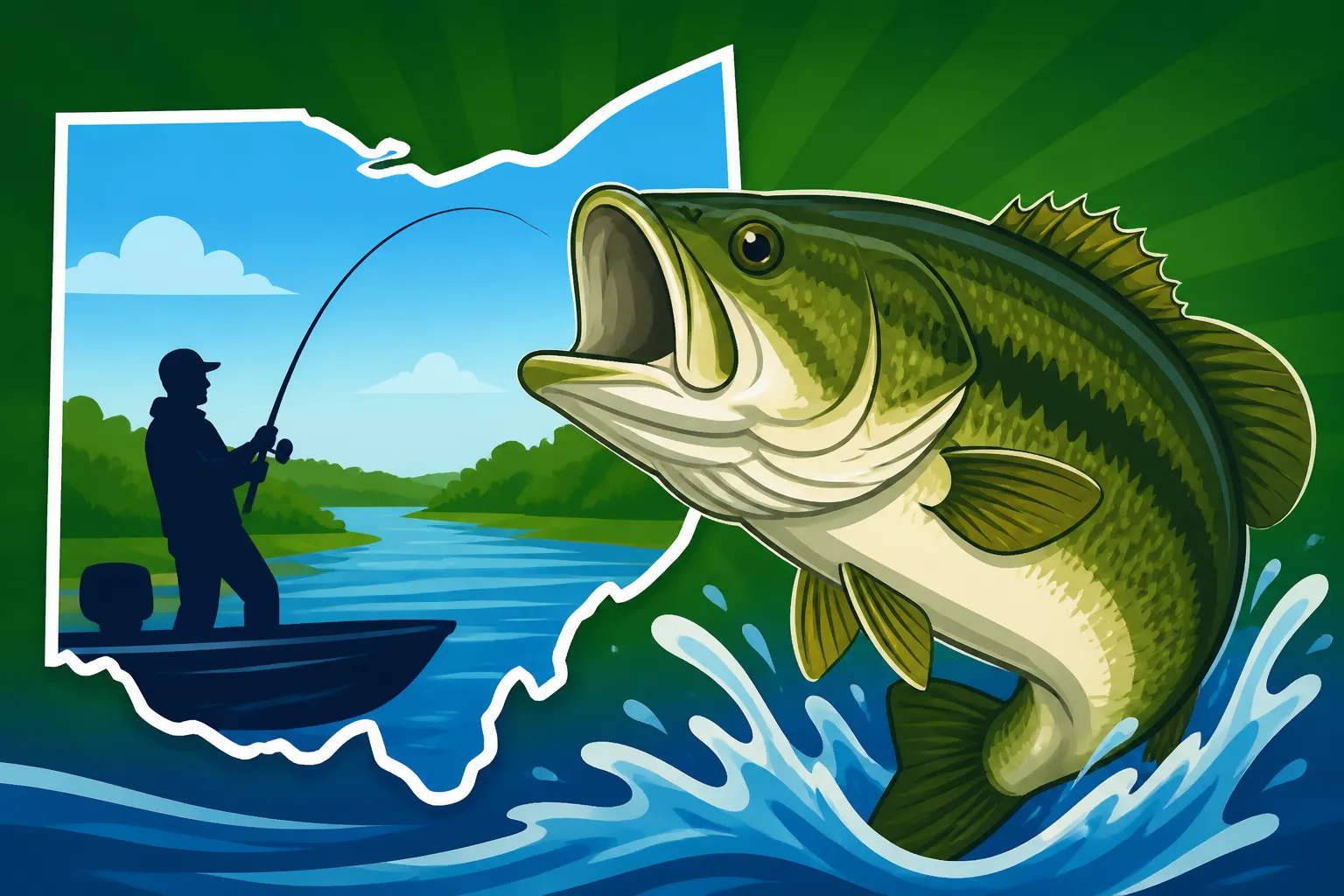
Largemouth and smallmouth bass are incredibly popular sport fish throughout Ohio, found in nearly every type of water imaginable. While there's a general statewide regulation for bass, often encompassing a minimum length, some specific lakes and reservoirs might have their own unique rules. For example, the Ohio Largemouth and Smallmouth Bass Minimum Length Limit often sets a standard, but a specific reservoir known for its trophy bass might implement a slot limit to protect its larger breeding stock.
It's common to find anglers passionately discussing bass regulations at boat ramps or local bait shops, trying to interpret the nuances for their favorite spots. You might encounter a 12-inch minimum length for bass in one lake, while another might have a "no harvest between 12 and 15 inches" rule, meaning you can only keep fish under 12 inches or over 15 inches. These variations are usually in place to manage the bass population specifically for that body of water, aiming to improve growth rates or produce more trophy-sized fish. Always review the site-specific regulations if you're venturing to a new bass fishery.
Catfish and Panfish: Simpler, But Still Important
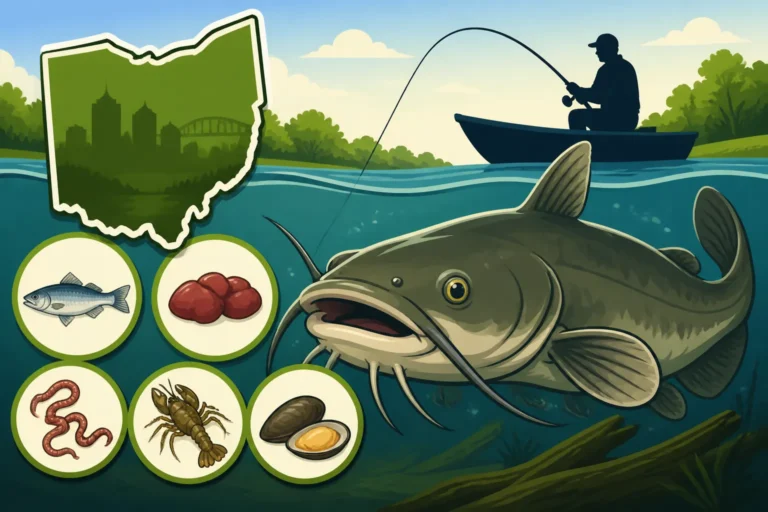
For many anglers, chasing catfish or filling a cooler with panfish is what fishing is all about – simple fun and a great meal. Generally, catfish regulations tend to be more straightforward than those for walleye or muskie. For species like channel catfish, the Ohio Catfish Daily Bag Limit typically focuses more on the number you can keep per day, rather than strict length requirements. While there usually isn't a minimum size for channel catfish, especially in larger rivers like the Ohio River or the Muskingum, anglers still practice selective harvest, often releasing smaller ones to grow and keeping the mid-sized "eaters."
Panfish, including crappie, bluegill, and various sunfish, are usually even simpler. Most panfish species in Ohio, such as those covered by the Ohio Crappie Daily Limit, have generous daily bag limits and often no minimum length requirement at all. This is because panfish reproduce quickly and can easily overpopulate a pond or lake if not harvested, leading to stunted growth. So, while you can technically keep a very small bluegill, most anglers choose to keep panfish that are at least a decent size for filleting, typically 7-8 inches for crappie or 6 inches for bluegill. Even with relaxed size rules, it's still courteous and responsible to only take what you'll use.
Navigating Special Regulations and Exceptions Across Ohio
Ohio's fishing landscape is incredibly diverse, which means a "one size fits all" approach to regulations just doesn't work. What's legal on Lake Erie might be completely different from a small inland pond, or even a shared border river. Understanding these special circumstances is key to staying compliant.
Lake Erie's Unique Zone-Based Rules
Lake Erie is a massive fishery, and its sheer size and productive waters necessitate its own specific set of regulations, often distinct from the rest of the state. It's not just different, it can also be complex. For instance, while there's a consistent walleye minimum length limit across the entire Ohio portion of the lake, other species like yellow perch have zone-based rules. The Lake Erie Yellow Perch Zone Limits actually divide the lake into different geographical areas, each with its own daily bag limit for perch. This can be confusing if you launch from a port in the Western Basin and then fish your way into the Central Basin without realizing the rules have changed!
Captains of Lake Erie fishing charters are meticulously aware of these invisible boundaries and their associated regulations. They often brief their clients at the start of the day, explaining where they'll be fishing and what limits apply. When you're out there, a good GPS unit can help you keep track of your location relative to these zones. Always consult the Lake Erie fishing regulations specifically – don't assume inland rules apply when you're on the big lake.
The Ohio River: A Shared Resource, Shared Rules
Fishing the Ohio River presents another unique set of challenges because it's a shared border water with Kentucky and West Virginia. This means that while Ohio sets its regulations for its side of the river, there are often reciprocal agreements or special regulations that apply to the entire river, regardless of which bank you launched from. The Special Fishing Rules on the Ohio River are a perfect example of this collaboration between states to manage a shared resource.
For example, a common understanding might exist for species like sauger or certain catfish, where the daily limits and size restrictions are agreed upon by all three states to ensure consistent management. This can be particularly beneficial for anglers who might cross state lines while drifting or trolling. However, it also means you need to be familiar with these specific rules, which are typically found in a dedicated section of the Ohio fishing regulations booklet. A general Ohio license covers the Ohio portion of the river, but understanding the shared regulations for the fish themselves is paramount.
Local Lake and Reservoir Specifics
Beyond the major waterways, many of Ohio's individual inland lakes, reservoirs, and even smaller streams have their own unique regulations tailored to their specific fisheries. These local rules can be put in place for a variety of reasons: to protect a recently stocked population, to improve the size structure of a certain species, or to manage a particularly vulnerable fishery. For instance, while a general statewide bass limit might apply, a specific lake known for its excellent bass fishing might have a different slot limit or even a "no minimum length" rule for certain species to encourage harvest and prevent stunting.
It's crucial not to assume that if you know the statewide regulations, you know all the regulations. Whenever you plan to fish a new body of water, make it a habit to check for site-specific rules. The Ohio Department of Natural Resources (ODNR) website is a fantastic resource, or you can pick up a physical copy of the Where to Find the Ohio Fishing Regulations Booklet from most bait shops or license vendors. These booklets usually have a section dedicated to special regulations for individual lakes and rivers, making it easier to find what you need. A quick scan of this section can save you a lot of grief and potential penalties.
Practical Tips for Responsible Angling and Compliance
Understanding the regulations is one thing, but putting that knowledge into practice on the water is another. Responsible angling isn't just about knowing the rules; it's about making sure you adhere to them, protect the resource, and avoid legal trouble.
Measuring Your Catch Accurately
This is where the rubber meets the road. If you're going to keep a fish, you must measure it accurately. The general rule in Ohio is that fish are measured from the tip of the nose (mouth closed) to the tip of the tail, with the tail compressed. This "total length" measurement is the standard unless explicitly stated otherwise (some states use fork length, but Ohio typically uses total length). A rigid measuring board, often called a "bump board," is highly recommended over a flexible tape measure, especially for slippery fish, as it provides a consistent, reliable measurement. You can find excellent, durable bump boards and measuring tapes on Amazon that are perfect for marine environments.
When you land a fish that's close to the legal limit, take your time. Lay the fish flat, close its mouth gently, and compress its tail to get the most accurate read. If there's any doubt, it's always best to practice catch-and-release. A fish that's even a fraction of an inch under the limit can still result in a violation if checked by a wildlife officer. Having a high-quality fish scale from Amazon can also help if you're trying to track personal bests, but length is king when it comes to legal keep.
The Role of Your Ohio Fishing Regulations Booklet
Think of your Ohio fishing regulations booklet as your angler's bible. It's the definitive source for all legal size and bag limits, season dates, and other important rules. These booklets are updated annually and are available digitally on the ODNR website or in print at most places where you can buy a fishing license, including bait shops and sporting goods stores. Always make sure you have the current year's regulations with you when you're on the water.
Relying on old information or hearsay from a buddy can lead to costly mistakes. I've heard too many stories of anglers getting cited because they were going off outdated rules. Before each fishing trip, especially if you're targeting a new species or visiting a new body of water, take a few minutes to quickly review the relevant sections. This simple habit can save you from potential fines and ensures you're fishing legally and responsibly. Consider laminating key pages or keeping the PDF on your phone for quick access.
What Happens If You Keep an Illegal Fish?
Nobody wants to face a wildlife officer and realize they've accidentally broken the law. Keeping an undersized fish or exceeding your daily bag limit can have serious consequences. The penalties for fishing violations in Ohio can vary depending on the severity and frequency of the offense. For instance, knowingly keeping an oversized muskie or exceeding the walleye limit can result in significant fines. You can find examples of these penalties, such as the Penalty for Keeping an Oversized Muskie in Ohio or the Penalty for Exceeding the Daily Walleye Limit in Ohio, in the regulations or related legal documents.
Beyond monetary fines, repeated or serious offenses can lead to the suspension of your fishing privileges. It's not just about the cost; it's about the privilege of enjoying Ohio's natural resources. Wildlife officers are there to protect those resources and ensure fair play. They're often very knowledgeable and can be a great source of information, but they also have a job to do when violations occur. Always err on the side of caution. If you're unsure about a measurement, release the fish. If you're close to your bag limit, consider switching to catch-and-release for the rest of your outing. It's better to be safe than sorry and keeps our fisheries healthy for everyone.
Here's a quick reference table for some common Ohio fish species and their typical regulations. Please remember these are general guidelines and specific water bodies or seasonal changes can impact these rules. Always consult the current Ohio fishing regulations booklet for definitive information.
| Species | Typical Minimum Length (Inches) | Typical Daily Bag Limit | Special Considerations |
|---|---|---|---|
| Walleye | Lake Erie: 15 | Lake Erie: 6 | Inland lakes vary, some have no minimum or different limits. |
| Saugeye | Varies by lake, often 14-18 | 6-10 (combined with walleye) | Many inland lakes; check site-specific rules. |
| Muskellunge (Muskie) | 48 (statewide) | 1 | Highly regulated trophy species; catch & release common. |
| Largemouth Bass | 12 | 5 | Some lakes have slot limits or no minimum length. |
| Smallmouth Bass | 12 | 5 | Lake Erie has abundant smallmouth; check specific regulations. |
| Channel Catfish | None | 10 | Often generous limits, focus on quantity not size. |
| Flathead Catfish | None | 10 | Larger river systems; no size restriction. |
| Crappie | None | 30 (combined species) | White and Black Crappie; focus on desired eating size. |
| Yellow Perch | None | Lake Erie: Zone-based; Inland: 30 | Lake Erie has West, Central, and East Basin limits. |
| Bluegill/Sunfish | None | 20 | Very popular panfish; no size limits. |
Disclaimer
This article is for general informational purposes only and does not constitute professional advice. Laws, prices and regulations vary by location and change over time. Consult a qualified professional for guidance on your specific situation.