Are Blue Catfish Native to Ohio?
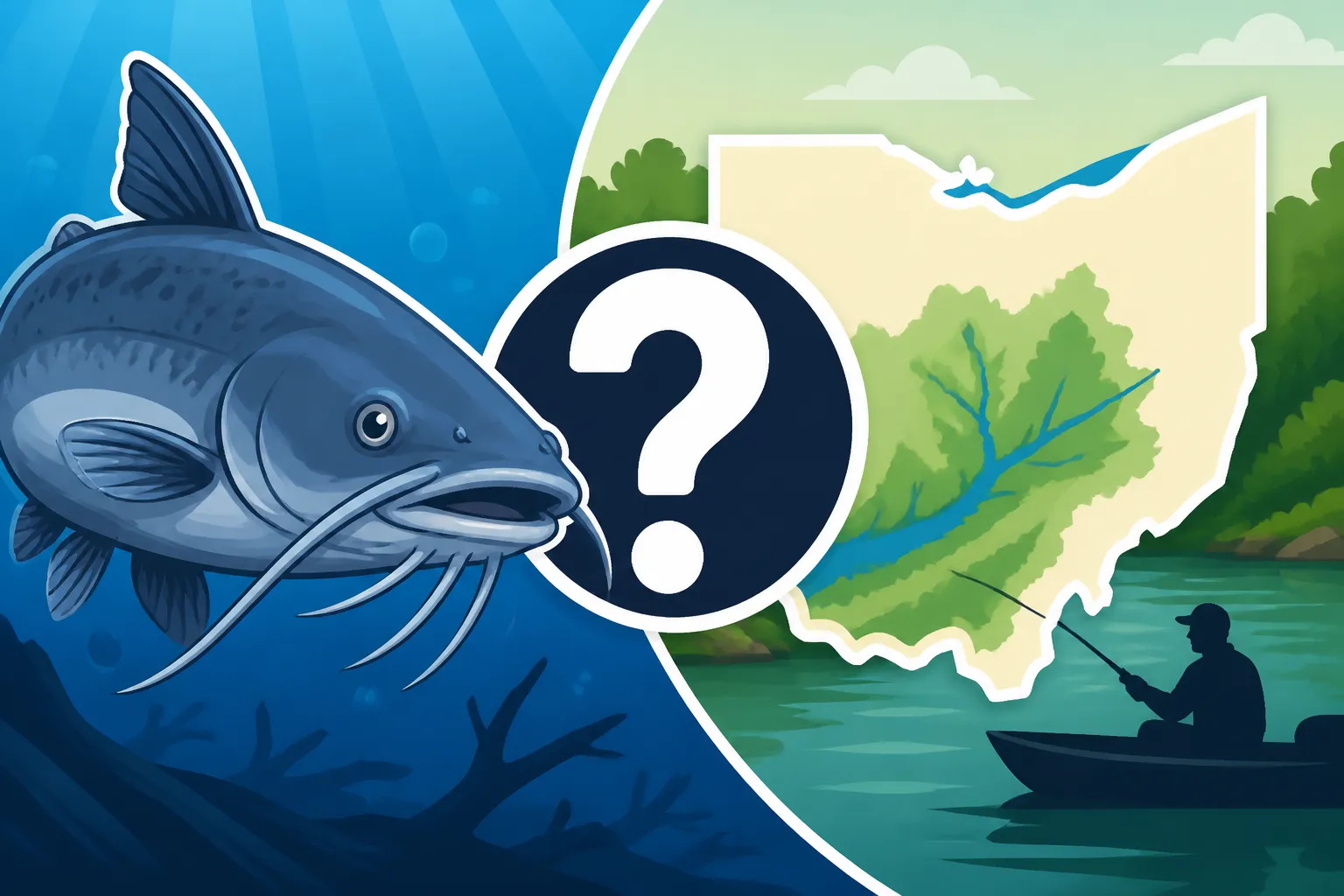
It’s a common question among Ohio anglers, especially as you hear more and more about those monster catfish being pulled from our waters: just how "Ohioan" are blue catfish, anyway? Many of us grew up fishing for channel cats and flatheads, so when these massive blue dynamos started becoming more prevalent, a lot of folks wondered if they were always here, lurking in the deep, or if they were newcomers. This guide aims to clear up that mystery, exploring the blue catfish's origins in Ohio, where they call home now, and what that means for your fishing adventures.
The Native Question: Are Blue Catfish Truly Ohio Natives?
When we talk about a species being "native," we're generally referring to whether it naturally occurred in a particular region before human intervention significantly altered the landscape or introduced new species. It's a surprisingly complex question for many fish, and blue catfish in Ohio are a prime example of why.
Understanding Ohio's Native Fish Species
Ohio's waters are rich with a diverse array of fish species that have evolved and thrived here for millennia. When we think of native catfish, the channel catfish and the flathead catfish immediately come to mind. These species have long been part of Ohio's aquatic ecosystems, playing crucial roles as predators and scavengers. They're well-adapted to our rivers and larger lakes, from the muddy bottoms of the Ohio River tributaries to the diverse habitats of Lake Erie. Their presence predates significant human settlement and widespread modification of waterways. Understanding what constitutes a native species helps us appreciate the intricate balance of our local ecosystems and consider the potential impacts of non-native introductions, whether accidental or intentional.
The Blue Catfish's Historical Range and Introduction
Historically, the blue catfish (Ictalurus furcatus) is indeed a native North American species, but its natural range primarily centered around the Mississippi River basin and its major tributaries, extending into some Gulf Coast states. Think big, slow-moving rivers with vast stretches of deep water. While the Ohio River is a major tributary of the Mississippi, the blue catfish's presence in the Ohio portion of the river, and certainly in its smaller tributaries and inland lakes within Ohio, is largely a result of range expansion and introductions.
For many years, the Ohio River itself formed the northernmost edge of their accepted native range in some sections. However, widespread stocking efforts in states upstream and downstream, combined with their natural tendency to expand their territory, led to a much more pronounced and widespread presence in the entire Ohio River system. In some cases, fish were intentionally stocked to create new fisheries, and once established in a massive river system like the Ohio, their populations can flourish and spread. It's important to differentiate between a species that has naturally migrated into new waters versus one that has been directly introduced by humans into areas outside its historical range. For blue catfish in Ohio, it's a bit of both: a natural expansion within a connected river system, often augmented by stocking practices in the broader basin over decades. So, while they are native to North America and certainly thrive in the Ohio River, their status as "native" to the entire state of Ohio, particularly in many inland waters, is a bit more nuanced. They are certainly a well-established and valued part of the Ohio River fishery today, regardless of their exact historical pathway.
Where Blue Catfish Thrive in Ohio Today
If you're looking to tangle with a monster blue catfish in Ohio, you absolutely need to know where to find them. These impressive fish have found a stronghold in certain parts of our state, offering incredible opportunities for dedicated anglers.
Key Ohio River Basins and Lake Systems
Without a doubt, the undisputed capital of blue catfish fishing in Ohio is the Ohio River itself. This mighty waterway, forming the southern border of our state, provides the perfect habitat for these large, schooling catfish. They favor deep channels, areas with strong current breaks, and stretches with plenty of submerged structure like old logs, rock piles, and bridge pilings. Anglers regularly pull true trophy-sized blue catfish from the Ohio River, especially in the larger pools and bends from Cincinnati downstream towards Portsmouth and beyond. Tributaries that feed into the Ohio River, especially their lower stretches, can also hold good numbers of blue catfish, particularly during periods of higher water or when fish move into these areas to spawn or forage.
While the Ohio River is their primary residence, some of our larger reservoirs and lake systems that are connected to or historically fed by major river systems might also have blue catfish populations, often as a result of stocking or migration. However, their populations in these inland waters typically don't reach the same density or average size as those found in the main stem of the Ohio River. Always consult the Ohio Fishing Regulations Every Angler Should Know for specific water body rules, as local populations can vary greatly.
Identifying Blue Catfish in Ohio Waters
Distinguishing blue catfish from their whiskered cousins – channel catfish and flathead catfish – is crucial for both regulation compliance and understanding what you've caught. Luckily, there are a few key features that make blue cats stand out.
- Anal Fin Shape and Count: This is the most reliable identifier. Blue catfish have a long, straight-edged, or slightly concave anal fin with a high number of rays, usually 30-36. In contrast, channel catfish have a rounded or convex anal fin with fewer rays (typically 24-29). Flathead catfish have an even shorter, rounded anal fin.
- Coloration: As their name suggests, blue catfish generally have a silvery-blue to slate-gray color on their back and sides, fading to a white belly. Channel catfish can vary widely in color, from silvery-blue to olive green or even yellowish, often with scattered dark spots (though large channels may lose their spots). Flatheads are typically mottled brown and yellow, offering excellent camouflage.
- Head Shape: Blue catfish have a somewhat humped back and a distinctive, prominent head with a relatively straight profile from the snout to the dorsal fin. Flatheads have a noticeably wide, flattened head (hence the name). Channel cats have a more tapered head.
- Barbel Arrangement: All three species have barbels (whiskers). Blue catfish typically have relatively short barbels, often darker on top and lighter below.
Here's a quick comparison table to help you identify these magnificent bottom dwellers:
| Feature | Blue Catfish | Channel Catfish | Flathead Catfish |
|---|---|---|---|
| Anal Fin | Long, straight edge, 30-36 rays | Rounded/convex, 24-29 rays | Short, rounded, 14-17 rays |
| Coloration | Silvery-blue to slate-gray, white belly | Silvery-blue, olive, yellow; often spotted (juveniles) | Mottled brown/yellow, darker back |
| Tail Fin | Deeply forked | Deeply forked | Slightly notched or straight |
| Head Shape | Prominent, straight profile, slightly humped back | Tapered, smaller | Wide, flattened |
| Barbels | Relatively short, dark top, light bottom | Medium length | Relatively long |
Knowing these differences is not just academic; it helps you understand the fish's behavior and the best ways to target it. If you're looking for gear specifically designed for targeting these larger catfish, a quick search on Amazon for "heavy action catfish rod" can yield a lot of good options.
The Impact of Blue Catfish on Ohio's Ecosystems
Whenever a species expands its range or is introduced into new waters, it's natural to wonder about its ecological footprint. Blue catfish are large, powerful predators, and their presence can certainly shift the dynamics of a waterway.
Ecological Role and Potential Competition
In their native range, blue catfish are apex predators and scavengers, playing a vital role in keeping fish populations in check and cleaning up the aquatic environment. They primarily feed on other fish, especially shad and other schooling baitfish, but they are opportunistic and will consume crustaceans, mollusks, and even insects. As they grow larger, their diet shifts almost entirely to fish.
In the Ohio River, where they are now well-established, they have integrated into the existing food web. Their impressive size and robust populations demonstrate that the Ohio River provides ample forage and suitable habitat. However, any large, successful predator in an ecosystem will inevitably compete with other species for food and space. This competition could potentially impact native species, especially other large piscivores (fish-eating fish) or even other catfish species like channel cats, particularly when food resources might be limited. The extent of this impact is something that fisheries biologists continuously monitor to maintain a healthy balance within the river systems. They are powerful fish that can dramatically influence the biomass of a given fishery.
Management and Conservation Efforts
The Ohio Department of Natural Resources (ODNR) actively manages Ohio's fish populations, including blue catfish. Management efforts typically focus on ensuring sustainable fisheries for anglers while maintaining ecological balance. For blue catfish, this often involves monitoring population health, growth rates, and angler harvest. While specific regulations like Ohio Catfish Daily Bag Limit exist for general catfish species, state wildlife agencies typically track the populations of different species to determine if special measures are needed.
For a species like the blue catfish, which thrives in large river systems, management often involves promoting it as a sportfish due to its excellent fighting qualities and impressive size. Promoting responsible angling practices, such as proper catch-and-release techniques for trophy fish, is also a common strategy. Anglers are often encouraged to harvest catfish within legal limits to help manage populations, especially if they become overly abundant in certain areas. It’s all about finding that sweet spot where everyone – fish and fisher – benefits.
Fishing for Blue Catfish in Ohio
Ready to tackle one of Ohio's biggest and hardest-fighting fish? Blue catfish fishing is an exciting endeavor that often rewards patience with truly memorable catches. With the right approach, you can have a fantastic time pursuing these giants.
Best Baits and Techniques
Blue catfish are primarily piscivores, meaning they love to eat other fish. This preference dictates the best baits and techniques for targeting them.
- Cut Bait: This is king for blue catfish. Fresh cut bait from oily, local baitfish like shad, skipjack herring, or even large shiners works exceptionally well. Cut it into chunks that are appropriate for the size of fish you're targeting – larger chunks for larger fish. The scent trail that cut bait leaves in the current is irresistible to blues. You can often find a good selection of specialized catfish baits online, and even check Amazon for things like bait knives or bait buckets.
- Live Bait: While cut bait is often preferred for its scent, live bait such as large shiners, gizzard shad, or even smaller common carp can also be very effective, especially when anchored near structure or current seams.
- Techniques:
- Anchoring: This is perhaps the most common and effective method on the Ohio River. Anglers will anchor upstream from deep holes, channel bends, submerged structure, or current breaks, allowing their baits to drift naturally into the prime feeding zones. Using a robust anchor system is critical in strong river currents.
- Drift Fishing: Sometimes, allowing your boat to slowly drift with the current while dragging baits along the bottom can cover more water and locate active fish. This requires careful boat control and attention to bait presentation.
- Heavy Bottom Rigs: A simple Carolina rig or a three-way swivel rig works wonders. Use a heavy sinker (3-8 ounces or more, depending on current) to keep your bait on the bottom, where blue cats feed. A strong circle hook (8/0 to 12/0 or larger) is essential for solid hookups and minimizing gut hooks. For specific rig components, you can usually find diverse options by browsing fishing tackle on Amazon.
Understanding the river's flow and finding those current breaks where blue catfish lie in wait is key. They're often found near submerged wood, rock piles, sudden depth changes, or the edges of main river channels.
Gear Recommendations for Trophy Blues
Don't show up with ultralight gear if you're serious about battling a big blue catfish; you'll likely end up with a broken heart and snapped line. These fish can grow incredibly large and fight with immense power, especially in strong current.
- Rods: Look for heavy to extra-heavy action casting rods, typically 7 to 9 feet long. These rods need backbone to handle heavy weights, powerful casts, and the brute strength of a big catfish. A medium-heavy rod might suffice for smaller blues, but for trophy fish, you want something robust.
- Reels: Large, baitcasting reels (often called "conventional" or "round" reels) are the standard for blue catfish. They offer superior cranking power and line capacity. Look for models designed for heavy-duty applications.
- Line: Spool up with strong monofilament (25-50 lb test) or braided line (50-100 lb test). Braided line offers superior sensitivity and strength for its diameter, which is a huge advantage when fishing deep water and strong currents. A heavy monofilament leader (50-80 lb test) is often used to absorb shock and resist abrasion.
- Terminal Tackle: As mentioned, robust circle hooks are crucial. Use swivels, heavy-duty snaps, and plenty of lead weights to hold your bait in place. You might also want a good, long pair of fish pliers for hook removal and a large landing net or lip grip designed for big fish.
Equipping yourself with the right gear is paramount for a successful and enjoyable blue catfish outing. Consider that larger blue catfish in Ohio can easily exceed 50 pounds, with true giants pushing well over 80 pounds, so your tackle needs to be up to the challenge! Make sure you check out Ohio State Record Blue Catfish Weight for some inspiration on just how big these fish can get. You'll want to have everything ready, from your fishing license (see Ohio Fishing License Guide for Residents and Nonresidents) to your heavy-duty rod and reel, before you hit the water.
Disclaimer
This article is for general informational purposes only and does not constitute professional advice. Laws, prices and regulations vary by location and change over time. Consult a qualified professional for guidance on your specific situation.