Fish That Spawn in the Maumee River in Spring
There's a special kind of electricity in the air around the Maumee River each spring. You can feel it, see it, and sometimes even taste it if you're out there long enough. For many Ohio anglers, the question isn't if fish are spawning, but which fish are making their annual pilgrimage upriver, and more importantly, how to respectfully and successfully target them. This guide is going to pull back the curtain on the incredible aquatic drama that unfolds in the Maumee every spring, detailing the key species that push upriver to spawn and what makes this annual event so unique.
The Maumee River's Springtime Spectacle: A Fisher's Dream
The Maumee River isn't just any waterway; it's a legendary fishery, especially when spring rolls around. As the ice melts and the days lengthen, a biological alarm clock goes off for countless fish species, signaling the ancient urge to reproduce. For anglers in Ohio, this means one of the most anticipated fishing opportunities of the year is about to begin. It's a time of renewed hope, camaraderie on the banks, and the thrilling prospect of a bent rod.
Why the Maumee is a Spawning Magnet
So, what makes the Maumee River such a hotspot for spawning fish, particularly in the spring? It's a perfect storm of geographical features and ecological conditions. First, its sheer size and length provide a significant migratory pathway from Lake Erie. Fish accustomed to the vastness of the lake find the river's current, gravel beds, and varied depths ideal for their reproductive rituals. The river offers everything from shallow riffles perfect for egg deposition to deeper pools where fish can rest and stage before or after their strenuous journey.
Beyond its physical attributes, the Maumee also benefits from its nutrient-rich waters and a robust forage base, which supports healthy populations of predator fish. This abundant food supply ensures that the fish are well-nourished before, during, and after their spawning efforts, contributing to strong year classes. The combination of accessible spawning grounds, clean water, and ample food creates an environment that has drawn fish for millennia, making it a critical ecosystem for species continuity in the region.
Understanding the Spring Run Calendar
The term "spring run" isn't a single event; it's a progression, a staggered lineup of species making their appearance as water temperatures gradually climb. It truly begins when the earliest signs of warmth penetrate the cold winter waters, usually sometime in March. However, Mother Nature rarely adheres to a strict schedule, so understanding the nuances of water temperature and current flow is far more important than any calendar date. Different fish species have their own preferred temperature ranges for spawning, meaning the "run" can stretch out over several weeks, even into early May.
The early part of spring might see one species kicking things off, followed by another as the mercury rises, and then yet another as conditions become even warmer. This overlapping schedule means that while the walleye run might grab all the headlines, there are always other fish moving and biting. Keeping an eye on local reports and especially water temperatures is key to timing your trip and knowing which species you're most likely to encounter. It’s a dynamic period, and adaptability is an angler’s best friend.
Walleye: The Undisputed King of the Maumee Run
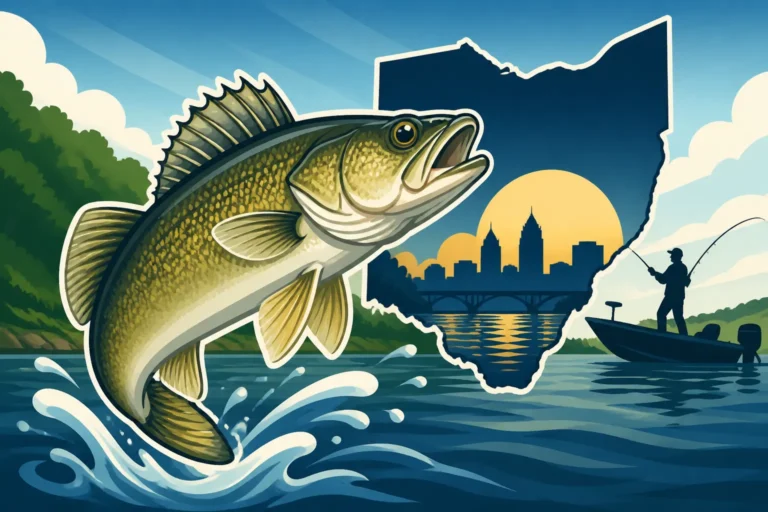
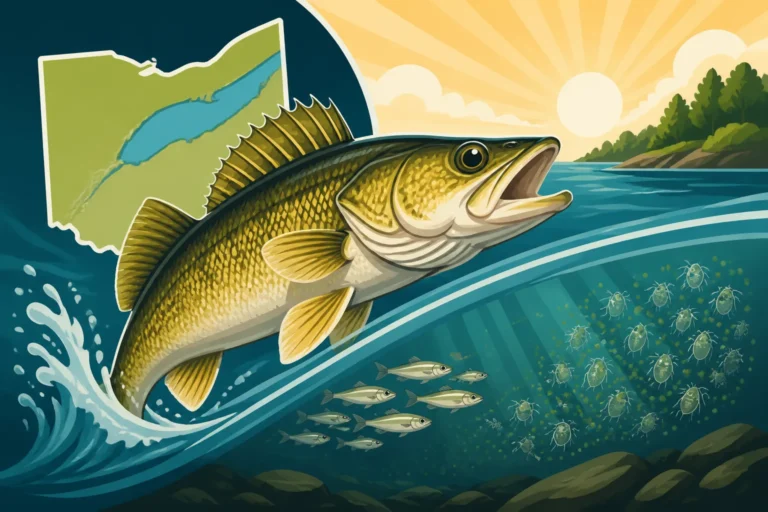
When most anglers think of "spring spawning fish in the Maumee River," one species immediately comes to mind: the walleye. The Maumee Walleye Run is an iconic event, drawing thousands of anglers from across Ohio and beyond. It’s a phenomenon that speaks to the heart of what makes fishing so captivating – the sheer abundance, the challenge, and the connection to nature’s cycles. The drive of these fish to reproduce is so strong that they literally pack into certain stretches of the river, creating a unique fishing scenario.
When Walleye Make Their Move
The walleye run generally kicks into high gear when the Maumee River's water temperature consistently hits the mid-40s Fahrenheit. This usually translates to sometime in March, often peaking in late March or early April, depending on the severity of the winter and how quickly spring arrives. These fish migrate en masse from Lake Erie, pushing upstream to find the gravelly bottom and swift currents they prefer for laying their eggs. The exact timing can vary year to year; a cold snap can delay the run, while an early warm spell can bring it on sooner.
It's not just about temperature, though. River flow rates play a huge role. Too high and muddy, and the fish might hold back or become spread out and hard to locate. Too low, and access to certain spawning areas might be restricted. The ideal conditions are generally stable or slowly rising water temperatures with moderate flow, allowing the fish to move comfortably and stage in predictable locations. Keeping a close watch on river gauges and weather forecasts is almost as important as checking your tackle box. For more detailed information on this spectacle, check out When the Maumee River Walleye Run Starts.
What Walleye Are Looking For
Once in the river, walleye aren't just swimming aimlessly; they are actively seeking out very specific conditions to spawn successfully. Their preferred spawning grounds are typically hard-bottomed areas, especially gravel or rubble, where their sticky eggs can adhere and not get washed away or suffocated by silt. These areas are often found in moderate to strong currents, which provide oxygenation for the eggs and help disperse them, increasing survival chances. Think of riffles, current breaks behind islands, or gravel bars.
During the actual spawning act, which often occurs at night, the female walleye will broadcast her eggs over these chosen areas, and males will fertilize them. After spawning, the adult walleye will gradually make their way back to Lake Erie, but they often linger in the deeper pools and eddies of the river for a bit, recuperating from their arduous journey. This post-spawn period can also offer some excellent fishing opportunities, though the intensity of the "run" itself tends to lessen. Understanding these preferences helps anglers pinpoint where the fish are likely to be throughout the spawning cycle.
Fishing Ethics During the Walleye Run
Given the sheer numbers of anglers and fish concentrated in relatively small areas, responsible fishing practices are paramount during the Maumee walleye run. It's not just about following the rules; it's about respecting the resource and your fellow anglers. Anglers should always be familiar with Ohio Fishing Regulations Every Angler Should Know, paying close attention to specific bag and size limits for walleye, which can sometimes have special rules during the run. Catch and release, especially for larger females that contribute significantly to future populations, is a common practice for many.
Using appropriate tackle and techniques that minimize harm to the fish is also crucial. Snagging, while often accidental in such crowded conditions, is illegal and unethical. Most anglers use jigs and leadheads, often tipped with plastic grubs or live bait, allowing for a clean hookset. It's also important to be mindful of your casting space and avoid crowding others. The Maumee River is a public resource, and maintaining a positive, respectful atmosphere ensures everyone can enjoy this incredible annual event. And, of course, make sure you have your Ohio Fishing License Guide for Residents and Nonresidents in order!
Other Key Players in the Spring Spawning Frenzy
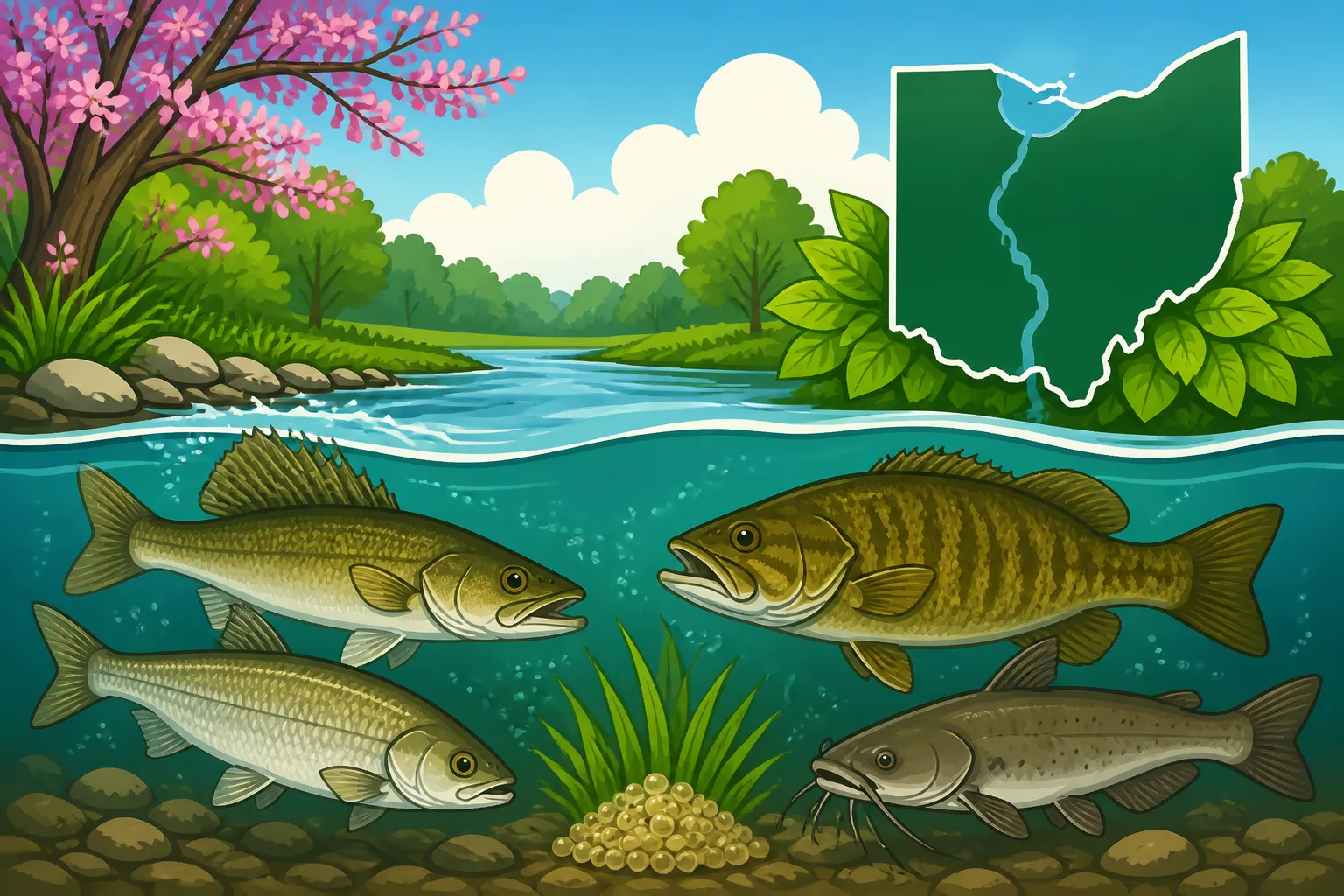
While walleye often hog the spotlight, they are by no means the only fish making a move up the Maumee River in spring. A variety of other species also utilize the river's fertile waters for their annual reproductive cycle, offering diverse fishing opportunities for those willing to broaden their horizons. These other runs, while perhaps not as famous as the walleye, can be incredibly productive and just as much fun.
White Bass: An Aggressive Alternative
Hot on the heels of the walleye, or sometimes even alongside them, come the white bass. These feisty members of the temperate bass family provide an incredibly aggressive and action-packed fishery in the Maumee. White bass typically begin their spawning run when water temperatures climb into the 50s Fahrenheit, usually a bit later than walleye, often peaking in April and early May. They are schooling fish, and when you find one, you've often found a hundred.
White bass prefer similar spawning habitat to walleye, seeking out gravelly riffles and shallow, oxygenated areas in the current. However, unlike walleye, they are often less shy and will readily strike a wide variety of lures. Small jigs, spinnerbaits, and even topwater lures can be incredibly effective when the white bass are actively feeding and spawning. For many anglers, the white bass run is a fantastic way to extend the excitement of spring fishing and enjoy continuous action. You can learn more about identifying them in White Bass and Hybrid Striper Identification.
Sauger and Hybrid Stripers
The Maumee River also sees runs of sauger and, to a lesser extent, hybrid striped bass (wipers). Sauger are cousins to the walleye, sharing similar physical characteristics but often preferring slightly murkier water and slower currents. They tend to spawn a bit earlier than walleye, sometimes overlapping with the very beginning of the walleye run. While not as numerous as walleye in the Maumee, a sauger catch is always a welcome surprise for an angler targeting spring spawners.
Hybrid striped bass, a cross between striped bass and white bass, are stocked in various Ohio waters, and some make their way into the Maumee during the spring. These powerful fish are known for their strong fights and will often hit the same lures as white bass or even larger crankbaits. While not a primary spawning species in the same way as walleye or white bass, their presence adds another exciting dimension to the spring fishery. Catching one of these hard-fighting hybrids is a memorable experience.
Panfish and Rough Fish
Don't forget the unsung heroes of the river: panfish and "rough" fish. As spring progresses and water temperatures warm further, species like crappie and bluegill will begin to move into shallower, protected areas of the river to spawn. While not undertaking the long migrations of walleye or white bass, they become much more active and accessible, especially in backwaters, marinas, and slower-moving sections. Light tackle and small jigs or live bait can lead to some fantastic panfish action.
And then there are the carp and suckers. Often overlooked by many anglers, these fish are incredibly active in the spring. Large common carp and various species of suckers migrate upstream to spawn, often in very shallow water. While not traditionally targeted for sport by all, they offer a unique challenge and can provide incredible fights on appropriate gear. Bowfishing for carp is also a popular activity in certain areas during this time. These species contribute to the rich biodiversity of the Maumee's spring run, proving there's something for every type of angler.
Gear and Tactics for Maumee Spring Spawners
Successfully fishing the Maumee River during the spring spawn isn't just about knowing what fish are in the river; it's also about having the right tools and understanding how to use them effectively. The combination of current, fluctuating water levels, and concentrated fish requires specific approaches that can make or break your day on the water.
Essential Tackle for the Maumee
When tackling the Maumee River in spring, having the right gear can make a significant difference. For walleye and white bass, a medium-light to medium power spinning rod, typically 6'6" to 7'6" in length, is a good all-around choice. This provides enough backbone to fight strong fish in current, while still offering the sensitivity needed to detect subtle bites. Pair this with a reliable spinning reel spooled with 6-10 lb monofilament or braided line with a fluorocarbon leader. Braided line offers superior sensitivity and casting distance, which can be crucial when fishing crowded banks or battling the current.
For lures, jigs are king on the Maumee. Leadhead jigs in various weights (from 1/4 oz to 5/8 oz, depending on current and depth) are standard. These are typically tipped with soft plastic grubs (like twister tails or paddle tails) in chartreuse, orange, white, or dark colors, or often with live bait like minnows or shiners. Many anglers also use a "hair jig" or "floating jig head" setup. Don't forget a good selection of snap swivels and sinkers if you're drift fishing. You can find a vast array of these items on Amazon, making it easy to stock up before your trip. For a broader look at what to tie on, check out Best Lures for Ohio Fishing.
Reading the Water and Fish Behavior
Understanding how to "read the water" is perhaps the most critical skill for spring fishing on the Maumee. Fish, especially spawning fish, will position themselves in predictable ways relative to current, depth, and structure. Look for current seams, eddies, and slack water areas just out of the main flow – these are prime resting spots where fish can conserve energy. Gravel bars, rock piles, and submerged timber also act as magnets for fish. The clearer the water, the more precise your presentations need to be.
The biggest challenge can be the fluctuating water levels and clarity. After a heavy rain, the river might become high and muddy, pushing fish to the edges or into deeper, slower pools. As the river drops and clears, fish will move back into their preferred current breaks and spawning grounds. Paying attention to other anglers can also give you clues, but ultimately, it's about observing the river, understanding how the current moves, and making educated guesses about where the fish will be holding. Sometimes, it’s just about being patient and waiting for the fish to come to you, especially when they are actively moving upstream.
Table: Maumee River Spring Spawning Species Overview
| Species | Primary Spawning Period | Preferred Water Temp (F) | Preferred Habitat | Common Baits/Lures During Run | Notes |
|---|---|---|---|---|---|
| Walleye | March – April | 40-50° | Gravel bottoms, strong currents, riffles | Jigs (tipped with plastic or live minnow) | Iconic run, draws huge crowds, often nocturnal. |
| White Bass | April – Early May | 50-68° | Gravel, rocky areas, moderate currents | Small jigs, spinners, small crankbaits, topwater | Aggressive, schooling fish, high action. |
| Sauger | March – April | 40-50° | Rocky/gravel bottoms, deeper pools | Jigs, minnows | Similar to walleye, often found in turbid water. |
| Crappie | April – May | 60-70° | Shallow, protected areas, submerged brush | Small jigs, minnows, small plastics | Found in quieter backwaters, docks. |
| Common Carp | May – June | 65-75° | Shallow vegetated areas, mud flats | Dough balls, corn, worms | Powerful fighters, often overlooked. |
Navigating the Maumee with Confidence
Fishing the Maumee River during the spring spawn is an experience every Ohio angler should have at least once. It's an incredible display of nature's resilience and bounty, offering some of the most exciting and productive fishing in the region. Whether you're chasing the legendary walleye, battling a school of feisty white bass, or simply enjoying the energy of the river, the Maumee delivers.
Remember that success isn't just measured in the number of fish caught, but in the experience itself. The crisp spring air, the sound of the current, the camaraderie with fellow anglers, and the sheer anticipation of a bite all contribute to a truly unforgettable outing. By understanding which fish spawn when, their preferred habitats, and the best techniques to use, you'll be well-equipped to make the most of this unique seasonal opportunity. Always review current regulations, practice ethical angling, and most importantly, soak in every moment of this remarkable natural event. Happy fishing! You might also want to look into Ohio Fishing License Costs Explained to make sure you're squared away before hitting the water.
Disclaimer
This article is for general informational purposes only and does not constitute professional advice. Laws, prices and regulations vary by location and change over time. Consult a qualified professional for guidance on your specific situation.