Fishing Alum Creek Lake for Muskie and Saugeye
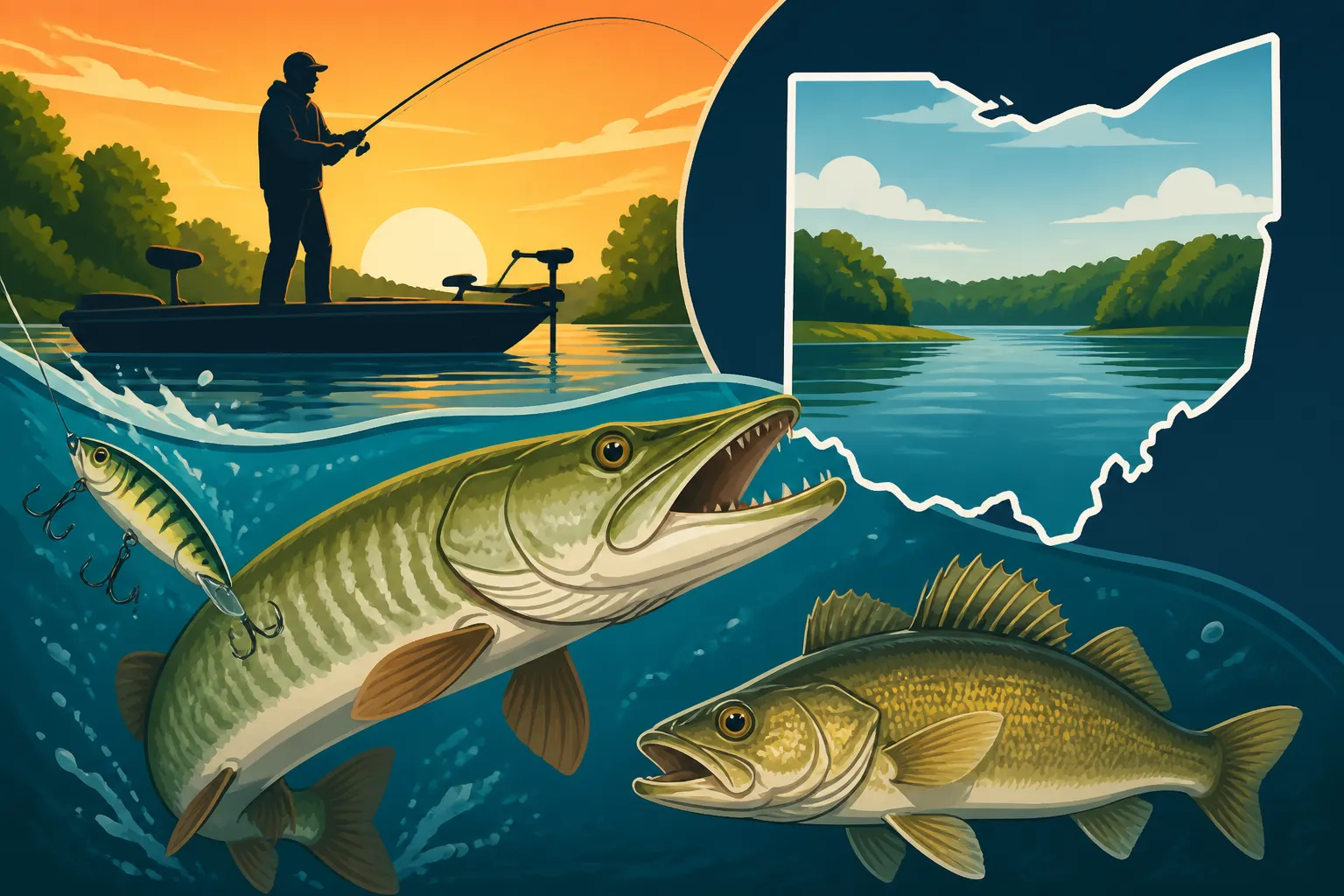
Trying to dial in on elusive, trophy-sized fish like muskie or the delicious, hard-fighting saugeye in a large, complex reservoir like Alum Creek Lake can feel like searching for a needle in a haystack. It’s easy to get overwhelmed by the sheer size of the water and wonder where these magnificent fish might be hiding. This comprehensive guide is designed to cut through the confusion, offering you the specific insights and strategies you need to successfully target muskie and saugeye in Alum Creek, turning your next fishing trip into a rewarding adventure.
Understanding Alum Creek Lake's Unique Ecosystem
Alum Creek Lake, nestled in central Ohio, isn't just a pretty body of water; it's a dynamic ecosystem that offers a diverse range of fishing opportunities, especially for those targeting predator species. To consistently find muskie and saugeye, you first need to understand the characteristics that make this lake tick. Its varying depths, extensive shoreline, and underwater structure all play crucial roles in where these fish choose to live and hunt.
General Lake Characteristics and Layout
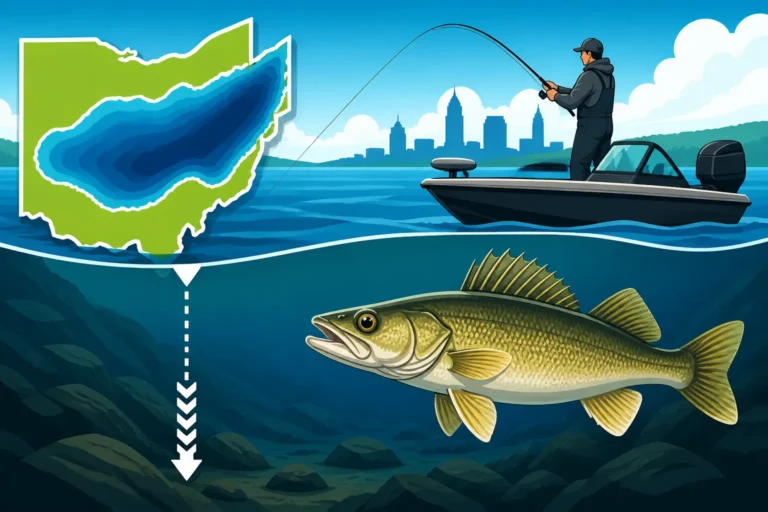
Alum Creek Lake is one of Ohio's largest inland lakes, covering approximately 3,387 acres with an impressive 75 miles of shoreline. What makes it particularly interesting is its varied topography. The northern reaches of the lake are generally shallower, with numerous stumps, laydowns, and gradual tapering banks. This area often warms up faster in the spring and can hold active fish earlier in the season. As you move south towards the dam, the lake becomes progressively deeper, featuring more pronounced drops, rocky ledges, and open water expanses. The average depth is around 20 feet, but there are areas that plunge well beyond 60 feet, particularly near the dam and in old creek channels. This provides ample vertical stratification for fish to move between depths depending on light conditions, temperature, and forage availability. The clarity of the water can fluctuate throughout the year, from slightly stained in spring after heavy rains to relatively clear during the summer and fall, which influences fish behavior and your lure choices. Understanding "How Deep Alum Creek Lake Is" is paramount for success here.
This diverse layout means that anglers need to be adaptable. Muskie, often referred to as the "fish of 10,000 casts," can be found patrolling the shallower, cover-rich northern sections, ambushing prey from submerged timber, or lurking along deeper breaks in the central and southern basins. Saugeye, a walleye-sauger hybrid prized for its table fare and aggressive bites, tends to prefer the deeper, open water of the main lake, congregating around submerged humps, points, and channel edges, particularly where current is present, even if subtle. The interplay of these varying habitats is key to locating your target species.
Key Forage Species and Their Influence
Like any productive fishery, Alum Creek Lake thrives on a robust food chain. For muskie and saugeye, the availability and behavior of their primary forage species dictate much of their movement and feeding patterns. The most prevalent baitfish in Alum Creek include gizzard shad, emerald shiners, and various panfish like bluegill and crappie. These species form the backbone of the diet for both muskie and saugeye, and understanding their movements is essential for successful angling.
Gizzard shad are particularly influential. They tend to school in large numbers and can be found in different parts of the lake depending on water temperature and oxygen levels. In warmer months, shad often inhabit shallower coves and flats, drawing muskie and saugeye to those areas. As waters cool in the fall, shad move to deeper water, and the predatory fish follow. Identifying these baitfish concentrations, often visible on your fish finder as large clouds of tiny marks, is often the first step in locating active muskie and saugeye. During the cooler seasons, smaller panfish might become a more significant part of their diet, especially for muskie that are looking for a substantial meal to sustain them.
Observing how these forage species behave can give you crucial clues. If you see large schools of shad near a point, chances are a muskie or saugeye won't be far behind. Matching your lure presentation, size, and color to the prevalent forage is often a critical factor in triggering strikes. This deep understanding of the food web and the lake's structure allows anglers to predict where and when these coveted fish will be most active, transforming a random cast into a targeted strategy.
The Thrill of Muskie Fishing at Alum Creek
Muskie fishing at Alum Creek is a true test of patience, persistence, and skill, but the reward of landing one of these freshwater titans is unparalleled. Alum Creek has a reputation for producing some impressive muskie, making it a bucket-list destination for many dedicated anglers. These powerful predators are apex hunters, and understanding their preferred hideouts and effective presentation strategies is key to coaxing them into striking.
Prime Muskie Locations and Structure
Alum Creek’s diverse underwater landscape offers a variety of prime muskie habitats. One of the most consistent areas to find muskie is around main lake points and submerged humps, particularly those that quickly drop off into deeper water. These structures act as natural ambush points, allowing muskie to dart out and surprise unsuspecting baitfish migrating along the contours. Look for points with rock rubble, standing timber, or dense weed beds nearby, as these provide excellent cover. The deeper, clearer sections of the main lake, particularly in the central and southern basins, are often productive, especially during periods of high boat traffic or bright sunshine when muskie might retreat to deeper sanctuaries.
Another significant muskie magnet is standing timber and large laydowns. These areas, especially in the northern half of the lake, offer extensive vertical cover and shade, which muskie adore. They can hold tightly to the trunks and branches, waiting for prey to swim by. Creek channels, both visible and submerged, that cut through flats are also high-percentage spots. Muskie will often patrol these channels, using them as highways to move between different feeding grounds. Focus your efforts on the edges of these channels, especially where they intersect with points or humps. You might find some good bass here too, so check out "Best Coves for Bass at Alum Creek Lake" for related insights on structure.
Finally, don't overlook deep weed lines and grass beds. While Alum Creek isn't as heavily vegetated as some other muskie lakes, pockets of healthy submergent vegetation can be found, especially in shallower bays and protected coves. These weed lines provide both cover for muskie and a haven for baitfish. Targeting the outside edges of these beds, where muskie can easily move into open water for an attack, can be incredibly effective. Remember, muskie are often solitary hunters, so thoroughly working a productive area before moving on is a common strategy.
Effective Techniques and Lures for Alum Creek Muskie
When it comes to muskie fishing at Alum Creek, anglers often employ a mix of casting and trolling, adapting their approach to the specific conditions and preferred locations of the fish. Trolling is a popular method, especially for covering large expanses of open water and systematically working deeper points and channels. Large crankbaits, often those designed to dive to depths of 15-30 feet or more, are commonly used. Speed is crucial when trolling; experiment with speeds ranging from 3 to 5 miles per hour until you find what triggers bites. Trolling is particularly effective when muskie are suspended over deeper water or are holding tight to defined structure like deep ledges.
Casting is where the "10,000 casts" adage truly comes to life. Bucktails are arguably the most iconic and effective muskie lures, mimicking fleeing baitfish with their pulsating blades and skirts. Sizes ranging from 8 to 12 inches are standard for Alum Creek. Focus on retrieving them with a fast, steady pace, and don't forget the all-important figure-eight boat-side maneuver, as many muskie strikes occur right at the boat. Large jerkbaits, glide baits, and soft plastics (like Bondy Baits or Bull Dawgs) are also highly effective, especially when muskie are holding tight to cover or are less aggressive. These baits allow for more erratic, stop-and-go retrieves that can entice a wary muskie. For a deeper dive into lure selection, refer to our guide on "Best Lures for Ohio Muskie".
Seasonal timing plays a huge role in muskie success. Spring and fall are generally considered prime times. In spring, as water temperatures rise, muskie will move into shallower areas to spawn or feed aggressively in the post-spawn period. Big spinnerbaits and bucktails fished over newly emerging weeds or around timber can be very effective. In fall, muskie enter a "feeding frenzy" to bulk up for winter. This is when larger baits, faster retrieves, and deeper presentations often yield the biggest fish. Always remember to perform a proper figure-eight at the end of every retrieve; it can turn a follow into a strike. For more strategies, check out our comprehensive "Ohio Muskie Fishing Guide".
Muskie Regulations and Safe Handling Practices
Targeting muskie at Alum Creek Lake comes with specific regulations designed to protect this incredible fishery and ensure healthy populations for future generations. It's imperative that every angler understands and adheres to these rules. Currently, in Ohio inland lakes, there is a minimum length limit of 42 inches for muskie, with a daily bag limit of one fish. These regulations are crucial because muskie are slow-growing fish, often taking many years to reach trophy size. Catching and releasing smaller fish allows them to mature and contribute to the breeding population. Always check the latest "Ohio Fishing Regulations Every Angler Should Know" booklet, as rules can change annually.
Beyond just knowing the limits, responsible muskie fishing emphasizes safe handling practices. These fish are powerful, armed with sharp teeth and gill rakers, and can be easily injured if not handled correctly. A large, rubberized landing net is not just a convenience; it's a necessity. This type of net, ideally one with a hoop size of 30 inches or more, helps cradle the fish gently, reducing scale and fin damage. Our guide on "Best Landing Net for Ohio Muskie Fishing" can help you choose the right one. Once netted, keep the fish in the water as much as possible. Use long-nosed pliers or jaw spreaders to remove hooks, and if possible, avoid taking the fish out of the water for photos. If you must lift it for a quick picture, support its entire body horizontally, avoiding vertical hangs by the jaw or gills.
The goal is to release the muskie quickly and safely, giving it the best chance of survival. Proper release involves gently reviving the fish boat-side until it swims away under its own power. These practices ensure that Alum Creek continues to be a premier destination for muskie anglers and that future generations can experience the thrill of battling these magnificent creatures.
Mastering Saugeye Fishing at Alum Creek
While muskie often steal the spotlight, Alum Creek Lake is also celebrated as one of Ohio's premier saugeye fisheries. These feisty hybrids, a cross between a walleye and a sauger, offer a fantastic angling experience, known for their aggressive bites and excellent table fare. Unlike muskie, which can be elusive, saugeye often school up, meaning if you find one, you've likely found several.
Hotspots and Preferred Habitats for Saugeye
Saugeye in Alum Creek, much like their walleye cousins, are primarily structure-oriented fish, though they also roam open water in search of baitfish. Their preferred habitats are typically found in the deeper sections of the lake, particularly the main lake basin towards the central and southern portions. Key hotspots include long tapering points, submerged humps, and old creek channel edges. These features provide depth changes and current breaks that saugeye love to ambush prey from. The area around the dam, where the deepest water and most pronounced structural elements are located, is often a consistent producer, especially during the colder months.
Another critical area to focus on is offshore structure and ledges. Alum Creek has numerous underwater humps and drop-offs that might not be immediately obvious from the surface. These isolated structures, often overlooked by less experienced anglers, can hold significant schools of saugeye. When baitfish congregate around these spots, the saugeye will follow. You'll often find them just off the bottom, or sometimes suspended if the baitfish are higher in the water column. Unlike muskie which often prefer heavy cover, saugeye gravitate towards more subtle depth transitions and open water ambush points. Our "Ohio Saugeye Fishing Guide" offers even more detailed insights into their habits.
The mouths of significant feeder creeks and even the main creek channel itself, especially where it winds through the central basin, can also be productive. Saugeye will use these channels as travel corridors and feeding lanes. It's often a good idea to scout these areas with your fish finder, looking for schools of baitfish and distinct hooks representing saugeye holding tight to the bottom or slightly suspended. For more general insights on where to find these fish, consider our guide on "Best Ohio Reservoirs for Walleye and Saugeye".
Go-To Techniques and Baits for Alum Creek Saugeye
Saugeye fishing at Alum Creek is often a game of finesse and precision, though aggressive presentations can also be effective depending on the mood of the fish. Jigging is a perennial favorite, especially for anglers targeting saugeye holding tight to bottom structure. Blade baits like Silver Buddies, jigging spoons, or even traditional lead head jigs tipped with a minnow, nightcrawler piece, or a soft plastic grub are all highly effective. The key is to present these baits vertically, maintaining contact with the bottom, and imparting a subtle lift-and-drop action. This technique allows you to precisely work specific pieces of structure where saugeye are known to congregate.
Trolling is another exceptionally popular and effective method, particularly for covering broader areas and locating schools of active fish. Small to medium-sized crankbaits, such as Berkley Flicker Shads or Rapala Shad Raps, are excellent choices. Experiment with different diving depths and colors, matching them to the water clarity and forage present. Trolling with crawler harnesses, especially those adorned with colorful beads and a spinning blade, can also be deadly. These presentations, often trolled slowly, appeal to the saugeye’s natural inclination to feed on bottom-dwelling insects and minnows. Ensure your lines are tuned to run at the desired depth, often near the bottom in 15-30 feet of water.
Drift fishing with live bait, such as shiners or large fathead minnows, is a classic and highly productive approach. Using a simple slip-sinker rig or a Lindy Rig, allow your bait to slowly drift along contour lines, points, or over humps. This natural presentation is often irresistible to wary saugeye. Regardless of the technique, watching your rod tip for the subtle "thump" of a saugeye bite is crucial. They can be light biters, but once hooked, they put up a spirited fight. For more detailed insights into these methods, dive into "Best Techniques for Ohio Saugeye".
Saugeye Regulations and Identification
Like all managed fisheries, Alum Creek Lake has specific regulations in place to ensure the health and sustainability of its saugeye population. It's important to remember that saugeye are considered a "walleye" for regulation purposes in Ohio, so the statewide walleye limits typically apply. Currently, Ohio's statewide regulations for walleye and saugeye often specify a minimum length limit of 15 inches and a daily bag limit of six fish. However, always, and I mean always, double-check the latest Ohio Department of Natural Resources (ODNR) fishing regulations booklet for any specific exceptions for Alum Creek or recent changes, as these can be updated annually.
Correct identification between a saugeye, a pure walleye, and a sauger is also beneficial, though less critical for regulations in most Ohio inland lakes where they fall under the same "walleye" rules. Saugeye possess characteristics of both parents: they typically have distinct dark blotches or saddle markings on their sides (more prominent than a walleye but less defined than a sauger), a white tip on the lower lobe of their tail (like a walleye), and often have speckles on their dorsal fin (like a sauger). The overall body shape is usually more slender than a walleye but more robust than a sauger. The lack of a distinct dark spot at the base of the dorsal fin is often a key differentiator from a sauger. Our guide on "Saugeye vs Walleye Identification" can help clear up any confusion.
Understanding these regulations and being able to identify your catch ensures you're fishing legally and contributing to responsible resource management. Always handle your catch carefully, especially if planning to release it, to minimize stress.
Seasonal Strategies for Success
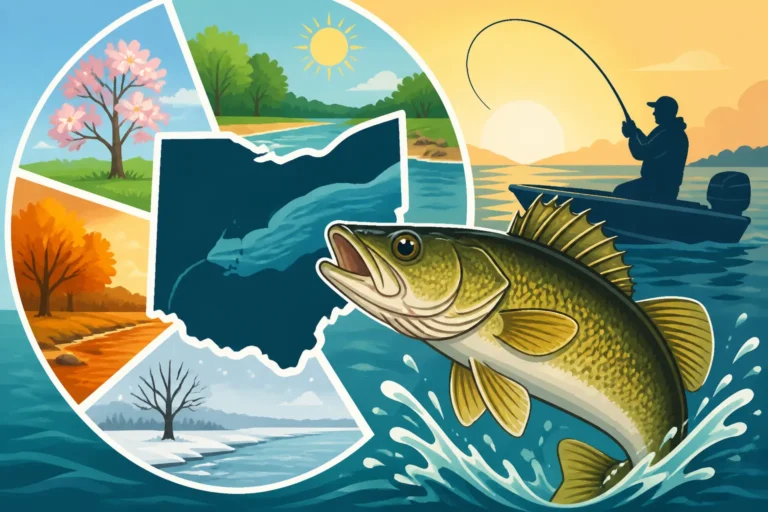
Fishing Alum Creek Lake successfully for muskie and saugeye requires a keen understanding of how these fish, and their forage, respond to seasonal changes. Water temperature, light penetration, and spawning cycles dramatically influence where fish will be found and how aggressively they will feed. Adapting your approach to the time of year is crucial for consistent success.
Spring and Early Summer Tactics
As the ice retreats and water temperatures begin to climb in spring, Alum Creek comes alive. This is a fantastic time to target both muskie and saugeye, though their specific movements will differ. For muskie, early spring finds them often staging in shallower, warmer bays and northern lake sections, preparing for their spawn. Post-spawn, they'll remain in these areas, feeding aggressively to recover. Look for them around newly emerging weed beds, submerged timber, and shallower points where baitfish are congregating. Large spinnerbaits, bucktails, and lipless crankbaits retrieved with a medium pace can be very effective as muskie are often more active in cooler, shallower waters.
Saugeye in spring will also make movements towards shallower spawning grounds, often in the upper reaches of the reservoir or along wind-swept banks. However, after their spawn, they will quickly move back to their deeper haunts, especially those leading into main lake basins. Early summer sees saugeye spreading out more, often holding on mid-lake humps, channel edges, and points in 15-25 feet of water. Trolling crankbaits that mimic shad or jigging with minnows or soft plastics are highly effective techniques during this period. The warmer waters of early summer trigger increased metabolism, meaning saugeye are actively feeding. The "Ohio Fishing Season Calendar" can give you a broader overview of seasonal trends.
During this period, paying close attention to water temperature is key. Both species will often relate to specific temperature ranges. As the water warms, so does the activity level, but too warm, and they may seek deeper, cooler refuge. Overcast days or low-light periods like dawn and dusk can provide excellent opportunities for both species as they become more active in shallower feeding zones.
Late Summer and Fall Strategies
Late summer at Alum Creek typically means warmer water temperatures throughout the lake, which often pushes both muskie and saugeye into deeper, more oxygenated areas. For muskie, this means focusing on deeper break lines, main lake points, and submerged humps that still offer access to cool, oxygenated water. Trolling large crankbaits or deep-diving jerkbaits can be particularly effective during the hottest parts of summer, as it allows you to cover water efficiently at depths where these fish are comfortable. Night fishing can also be incredibly productive for muskie in late summer, as they move shallower under the cover of darkness to feed.
As fall progresses and water temperatures begin to drop, Alum Creek truly shines for both species. Muskie enter their famous "fall feed" or "gorge period," bulking up for the winter ahead. This is when they become incredibly aggressive and responsive to large baits. Focus on steep breaks, creek channels, and the edges of remaining green weed beds. Big bucktails, glide baits, and large soft plastics are prime choices, often retrieved with more erratic actions to trigger a strike. This period offers the best chance at a true trophy muskie.
Saugeye in the fall will also be aggressively feeding. They'll often school tightly on main lake points, humps, and structural elements in 20-40 feet of water. Trolling deep-diving crankbaits or jigging spoons and blade baits becomes exceptionally effective. Pay close attention to your fish finder to locate these schools. They can be found tightly schooled near the bottom. As the water continues to cool into late fall, saugeye might move even deeper, but they remain active right up until ice forms. The cooler water also means less boat traffic and often more comfortable fishing conditions for anglers.
Essential Gear and Planning Your Trip
Success on Alum Creek Lake, especially when targeting formidable species like muskie and saugeye, isn't just about knowing where the fish are; it's also about being properly equipped and prepared. Having the right gear, understanding how to use modern electronics, and knowing where to find local expertise can significantly increase your chances of a memorable and productive trip.
Rods, Reels, and Line Considerations
For muskie fishing, heavy-duty gear is absolutely non-negotiable. These fish are large, powerful, and will put your tackle to the ultimate test. You'll want a heavy power, fast action casting rod, typically 7'6" to 9' in length. The longer rods provide better casting distance for large baits and more leverage for fighting big fish. Pair this with a robust baitcasting reel designed for muskie, featuring a high line capacity and a strong drag system. Spool up with 80-100 lb braided line, which offers superior strength, sensitivity, and resistance to abrasion. Always, and I mean always, use a heavy-duty fluorocarbon or wire leader (100-150 lb test) to prevent bite-offs from their razor-sharp teeth.
For saugeye fishing, you can opt for slightly lighter, but still capable, setups. A medium-heavy power, fast action spinning or baitcasting rod, ranging from 6'6" to 7'6", is ideal. This provides enough backbone to handle a fighting saugeye but retains the sensitivity needed to detect their often subtle bites. Pair this with a quality spinning reel in the 2500-3000 size class or a baitcasting reel with a smooth drag. Spool with 10-20 lb braided line, again for sensitivity and strength, and attach a 10-15 lb fluorocarbon leader. The fluorocarbon leader is nearly invisible underwater, which can be critical for wary saugeye in clearer water. Remember, choosing the right "Choosing the Right Ohio Fishing Line" is key.
Having a variety of rod and reel setups allows you to quickly switch between techniques and target species without re-rigging, making your time on the water more efficient and productive.
Navigational Aids and Electronics
In a large, sprawling reservoir like Alum Creek Lake, modern navigational aids and electronics are invaluable tools. A reliable GPS unit is essential for marking hotspots, navigating safely, and returning to productive areas. Use it to mark those key muskie points, saugeye humps, and creek channel intersections. Many anglers use their GPS to create detailed maps of the lake, noting depth contours and submerged structure.
A quality fish finder or sonar unit is perhaps the most critical piece of electronic equipment. Modern units, especially those with Down Imaging and Side Imaging capabilities, allow you to literally "see" the underwater world. You can identify schools of baitfish, pinpoint individual large fish (potential muskie or saugeye), and visualize intricate bottom structure like stumps, rock piles, and ledges. Understanding "Reading Ohio Fish Finders and Electronics" is a skill that will dramatically increase your catch rates. Pay attention to changes in depth, hard vs. soft bottom transitions, and any suspended arcs that indicate fish. Knowing "How Deep Alum Creek Lake Is" is only useful if you can visually confirm what lies beneath.
When marking spots, don't just mark the fish; mark the precise piece of structure they're holding on. This allows you to return to productive spots even when the fish aren't actively biting, knowing that conditions might change. A good electric trolling motor with GPS Spot-Lock features can also be a game-changer, allowing you to hold precisely over a hotspot in windy conditions, freeing you up to focus on fishing.
Booking Guides and Staying Current
For anglers new to Alum Creek Lake or those looking to maximize their time on the water, booking a local fishing guide can be an incredibly smart investment. A knowledgeable guide, specializing in muskie or saugeye, can provide years of accumulated wisdom about the lake's ever-changing patterns, secret spots, and most effective techniques. They supply the specialized gear, the boat, and invaluable expertise, often cutting down the "learning curve" significantly. Platforms like FishingBooker make it incredibly easy to find and book experienced guides specifically for Alum Creek, allowing you to read reviews and compare offerings before you commit. A guide can help you understand current "Alum Creek Lake Muskie Fishing Tips" in real-time.
Beyond guides, staying current with fishing reports and local conditions is vital. Check online forums, local bait shops, and the Ohio Department of Natural Resources (ODNR) website for recent updates. Pay attention to water temperatures, clarity, and any special advisories. Before heading out, always ensure you have a valid Ohio fishing license. You can learn more about this process in our guide on "Ohio Fishing License Guide for Residents and Nonresidents".
Remember that fishing conditions are dynamic. What worked yesterday might not work today. Being adaptable, continually learning, and leveraging the resources available, including professional guides found on services like FishingBooker, will lead to more consistent success and ultimately, a more enjoyable experience on Alum Creek Lake.
Alum Creek Muskie & Saugeye Fishing Comparison
To help you visualize the differences and similarities when targeting muskie and saugeye at Alum Creek Lake, here's a quick comparison table of key aspects:
| Feature | Muskie Fishing | Saugeye Fishing |
|---|---|---|
| Primary Goal | Catching a trophy-sized predatory fish (often catch & release) | Catching aggressive, schooling fish for sport and table fare |
| Typical Size | 30-50+ inches, 10-30+ lbs | 15-25 inches, 1-5 lbs |
| Preferred Habitat | Standing timber, deep weed lines, main lake points, rocky humps, creek channels | Deeper main lake points, submerged humps, channel edges, dam area, open water |
| Key Techniques | Casting large bucktails, jerkbaits, glide baits; Trolling large crankbaits | Jigging (blade baits, spoons, minnows); Trolling crankbaits, crawler harnesses; Drift fishing live bait |
| Recommended Gear | Heavy power, fast action casting rod (7'6"+), heavy baitcaster, 80-100lb braid, heavy leader | Med-Heavy power, fast action spinning/casting rod (6'6"-7'6"), 10-20lb braid, fluorocarbon leader |
| Best Seasons | Spring (post-spawn), Fall (feeding frenzy) | Spring (post-spawn), Summer (deep), Fall (aggressive feeding), Winter (ice fishing) |
| Patience Level | High (often "fish of 10,000 casts") | Moderate (can be found in schools, multiple hook-ups possible) |
| Regulations | 42-inch minimum length, 1 daily bag limit (statewide inland lakes) | 15-inch minimum length, 6 daily bag limit (statewide) |
Alum Creek Lake truly offers a fantastic and diverse fishing experience for anglers willing to put in the time. Whether you're chasing the legendary muskie or filling a cooler with delicious saugeye, the opportunities are abundant. By understanding the lake's unique characteristics, adapting your techniques to the season, and using the right gear, you're well on your way to a successful and unforgettable day on the water. Don't be afraid to experiment, stay vigilant with your electronics, and consider leveraging the expertise of local guides found on platforms like FishingBooker to shorten the learning curve. Happy fishing!
Disclaimer
The information provided in this guide is for general informational purposes only and is subject to change. Fishing regulations, season dates, and limits are set by the Ohio Department of Natural Resources (ODNR) and can be updated annually. Always consult the most current official ODNR fishing regulations booklet or website before heading out to fish. Adherence to all local, state, and federal laws is the responsibility of the angler. Fishing carries inherent risks; always prioritize safety on the water.