Steelhead Trout Diet and Feeding Habits
It can feel like a guessing game sometimes, standing in one of Ohio's magnificent steelhead tributaries, wondering what on earth these elusive fish are actually eating. You’ve got your tackle box full, but without a solid understanding of their diet and feeding habits, it’s hard to know which lure or bait to tie on with confidence. This guide will pull back the curtain on what Ohio steelhead feast on throughout their life cycle, from their time in Lake Erie to their spawning runs up our rivers, helping you make more informed decisions on your next fishing adventure.
Understanding the Steelhead's Natural Forage in Ohio Tributaries
When steelhead enter Ohio's rivers like the Rocky, Grand, or Vermilion, their diet often shifts dramatically from what they consume in the vastness of Lake Erie. They're no longer primarily chasing schools of baitfish in open water; instead, they adapt to a more varied, often opportunistic menu offered by the river environment. This change is crucial for anglers to understand, as it dictates the types of presentations that will be most successful.
Insect Life: The Small but Mighty Meal
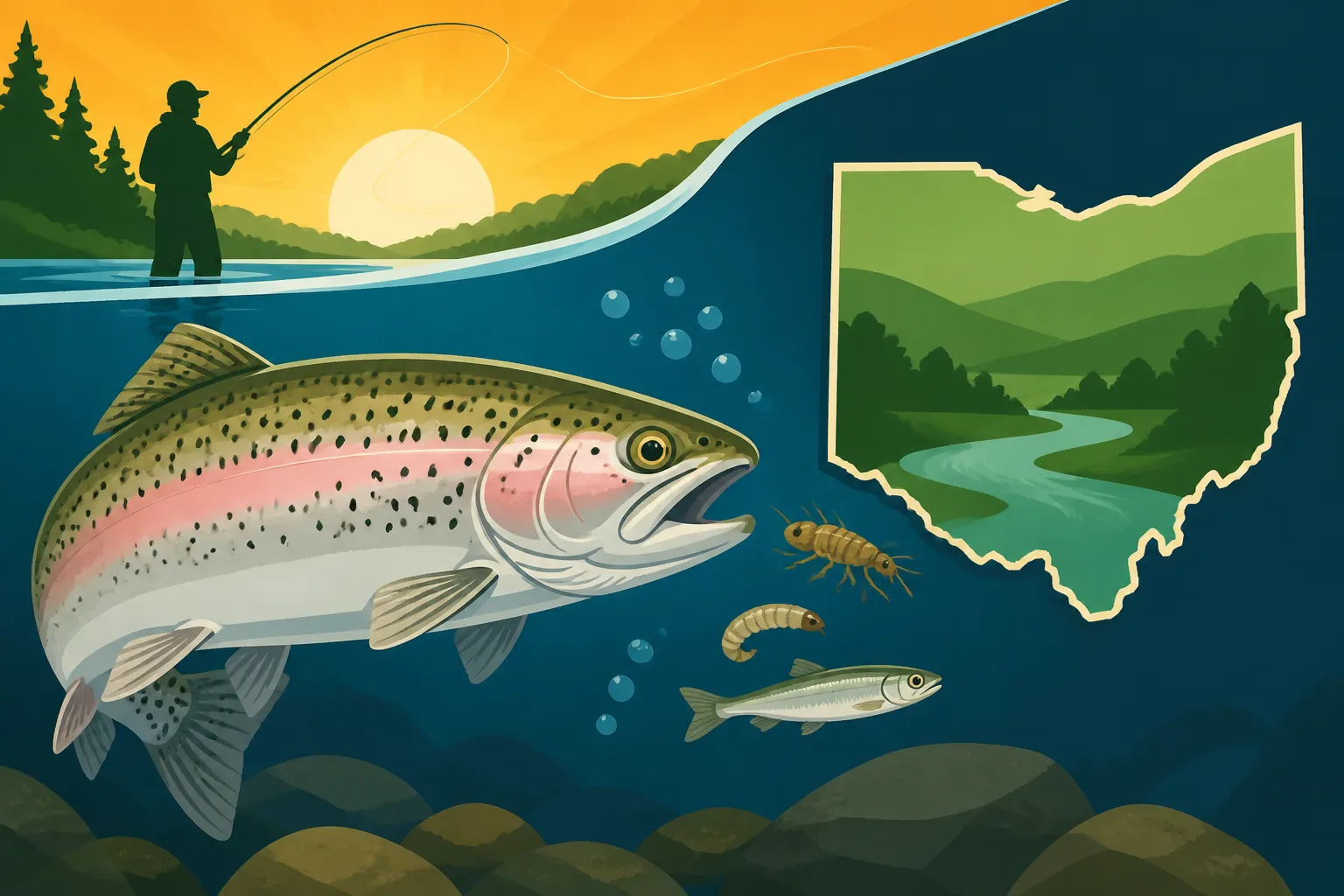
One of the most consistent food sources for steelhead in our rivers is insect life. We're not just talking about adult bugs buzzing around, though they certainly grab those too! The real backbone of their stream diet often comes from aquatic insects in their larval and nymph stages. Think about turning over a rock in a riffle – you'll often find stonefly nymphs, caddisfly larvae, and mayfly nymphs clinging to the underside. These are prime targets for a hungry steelhead.
These insects represent a constant protein source, readily available in the gravel and rocky bottoms of Ohio's steelhead streams. Steelhead learn to recognize these small morsels drifting in the current, becoming incredibly adept at plucking them out. This is why fly anglers often do so well with various nymph patterns, mimicking these subsurface insects. Even conventional anglers can take cues from this, using small, subtle presentations that don't spook these fish that are often very attuned to natural drifts. Knowing what insects are prevalent in a specific river section can give you a significant advantage, helping you select a fly or a small jig that closely imitates their natural prey.
Fish Eggs and Fry: Opportunistic Feasting
While insects are a staple, steelhead are also incredibly opportunistic feeders, especially when other fish species are spawning in the same waters. When suckers, smallmouth bass, or even other trout species are laying eggs, steelhead will readily gorge themselves on these nutrient-rich protein bombs. These eggs, often dislodged from nests or carried downstream by the current, become an irresistible buffet.
This explains the incredible effectiveness of egg-imitating baits and flies, particularly during certain times of the year. It's a prime example of steelhead capitalizing on an easy meal. Beyond eggs, tiny fry – the newly hatched offspring of other fish – can also become a target. While less common than eggs, a cloud of vulnerable fry can certainly draw attention from a passing steelhead. Understanding these opportunistic feeding habits means being aware of the spawning cycles of other fish in the system. If you see suckers gathering or other fish on redds, it's a good time to consider an egg-pattern or a small, subtle streamer to mimic a darting fry.
Terrestrial Insects and Worms: The Bank-Side Bounty
Rivers aren't just about aquatic life. The surrounding land plays a huge role in what drifts into the water, especially after a good rain or during warmer months. Terrestrial insects – ants, grasshoppers, beetles, and crickets – that accidentally fall into the current become easy pickings for steelhead. While not as consistent as aquatic nymphs, these can be a significant food source at certain times.
Perhaps even more important, especially after heavy rains, are worms. Earthworms washed into the river by runoff present an incredibly enticing meal. Their scent and wriggling action are hard for a steelhead to ignore. Many anglers have found great success with natural earthworms or artificial worm imitations after a rain event. This "bank-side bounty" illustrates how varied a steelhead's diet can be and how quickly they adapt to new food sources. It’s about being observant of your environment – did it just rain? Are there a lot of grasshoppers around the banks? These observations can lead you to the most effective bait or lure choices, whether you’re fishing with natural bait or trying to imitate these offerings with artificials you found on Amazon.
Seasonal Shifts in Steelhead Diet: Adapting to Ohio's Calendar
Just like us, steelhead don't eat the same thing all year round. Their diet is heavily influenced by the seasons, the availability of food, and their own biological imperatives, such as spawning. Understanding these seasonal shifts is absolutely vital for any Ohio angler hoping to consistently hook into these chrome beauties. What works in October might be completely ineffective in April.
Fall and Winter: Fueling Up for the Spawning Run
As autumn leaves begin to fall and the air gets crisp, steelhead start their migration from Lake Erie into the tributary rivers for their spawning runs. During this period, particularly in the early fall, they are often actively feeding to build up energy reserves for the strenuous journey upstream and the spawning process itself. In the rivers, their diet can be quite diverse.
Early fall steelhead might still be keen on minnows and sculpins, as well as the larger aquatic insects like stonefly nymphs. As winter sets in and temperatures drop, their metabolism slows down, but they still need to feed. Fish eggs, especially those from spawning salmon (where present) or early-spawning suckers, become a highly sought-after food source due to their caloric density. Worms washed in by winter thaws can also be surprisingly effective. Steelhead in winter often hold in slower, deeper pools, conserving energy, and any food item that drifts naturally into their strike zone is likely to be investigated. This is when a subtle, perfectly drifted presentation can make all the difference, as they might not chase aggressively. Ohio Fishing Season Calendar can help you track these key periods.
Spring: Post-Spawn Recovery and Returning to Lake Erie
Spring is a complex time for steelhead. You'll find a mix of "fresh" steelhead still entering the rivers to spawn, active spawners, and "spent" steelhead (also known as drop-backs or post-spawn fish) that are heading back to Lake Erie. The feeding habits of these different groups can vary wildly.
Spent steelhead, in particular, are often incredibly hungry and aggressive as they try to regain weight lost during spawning. They become ravenous and will often hit a wide variety of baits and lures, from minnow imitations and streamers to egg patterns and even small worms. As they move downstream, they'll target any available protein source to rebuild their strength before returning to the ample food supply of Lake Erie. This makes spring an exciting time, as these fish are often more willing to strike. New aquatic insect hatches also begin in spring, adding to the smorgasbord available to recovering fish. Knowing the Steelhead Trout Life Cycle in Lake Erie Tributaries can give you an edge in targeting these fish.
Summer: Deep Water Foraging in the Lake
While many steelhead spend the summer months out in Lake Erie, often in deeper, cooler waters, some can linger in the lower reaches of the larger tributaries if conditions are favorable – meaning cool, well-oxygenated water. For those in the lake, their diet reverts to a predominantly baitfish-based regimen.
Out in the open waters of Lake Erie, steelhead are primarily pelagic feeders, meaning they chase schools of baitfish like smelt, emerald shiners, and alewives. They are highly migratory, often following these baitfish concentrations across vast areas. This is why trolling with spoons and crankbaits that imitate these small baitfish is so effective for catching them in the lake. For the occasional summer steelhead found in a river, they are usually holding in deep, cold pools and will be less actively feeding than their lake-dwelling counterparts, but will still opportunistically strike at minnow patterns or larger nymphs if presented correctly.
Key Food Sources for Steelhead in Lake Erie Itself
When steelhead are out in Lake Erie, their world is a vast freshwater ocean, and their feeding habits reflect that environment. Unlike the more diverse and localized menu of the rivers, Lake Erie offers a buffet of pelagic (open-water) forage, primarily driven by the abundance of schooling baitfish. Understanding this lake-specific diet is crucial for anglers targeting them offshore.
Baitfish Bonanza: Smelt, Alewives, and Minnows
Without a doubt, the primary food source for steelhead in Lake Erie is baitfish. These include species like rainbow smelt, alewives, and various shiners and minnows. These small, schooling fish provide the caloric intake necessary for steelhead to grow large and strong, giving them that incredible fighting power they are famous for. Steelhead are built for chasing and ambushing, and these abundant baitfish schools are their main targets.
Steelhead will actively pursue these baitfish, often suspending in the water column and moving with the schools. They rely on their excellent eyesight and speed to ambush their prey. Anglers targeting steelhead on Lake Erie, therefore, often mimic these baitfish with their presentations. Long, slender spoons, deep-diving crankbaits, and even soft plastic jerkbaits can all imitate a struggling or fleeing baitfish. The color and size of your lure often depend on the prevalent baitfish species in the area and how deep the steelhead are holding. Investing in a good selection of these on Amazon can make a big difference.
Invasive Species: A Mixed Bag Meal
Lake Erie, unfortunately, has its share of invasive species, and one of them, the round goby, has become an unexpected, albeit controversial, part of the steelhead's diet. While not their preferred food, steelhead, being opportunistic predators, will consume gobies when they are available, particularly in nearshore areas or around structure where gobies are abundant.
Round gobies are bottom-dwelling fish, often found around rocky structures, breakwalls, and reefs. Steelhead that patrol these areas may encounter and feed on them. While gobies provide a protein source, they are generally less efficient for steelhead than schooling baitfish dueen to their bottom-hugging nature. Nevertheless, recognizing their presence can inform your lure selection. Goby-imitating jigs or soft plastics fished near the bottom can sometimes entice a steelhead, especially if they are holding in deeper, rockier sections of the lake or near tributary mouths. This just goes to show how adaptable these fish can be, even to new and sometimes problematic food sources.
Reading the Water: How Environmental Factors Influence Feeding
Steelhead don't just eat what's available; they eat when they feel like eating, and that feeling is heavily influenced by their environment. Water temperature, clarity, and flow are like the secret language of the river, telling the fish when to be aggressive and when to conserve energy. Learning to "read" these conditions can give you a significant leg up in predicting steelhead feeding behavior.
Water Temperature: The Metabolic Controller
Water temperature is arguably one of the most critical factors influencing steelhead feeding habits. Like all cold-blooded fish, their metabolism is directly tied to the water temperature. In colder water, their metabolism slows down, making them less active and less inclined to chase a meal. They'll often feed less frequently and require less food to sustain themselves.
Conversely, as water temperatures rise within their preferred range (typically in the 40s to low 50s Fahrenheit for active feeding in rivers), their metabolism speeds up. They become more active, require more energy, and thus feed more aggressively. Knowing the general water temperature of the river can help you determine the optimal speed of your presentation. In cold water, a slow, deliberate drift of a small fly or bait is often best. In warmer, more active water, a quicker retrieve or a more aggressive jigging motion might trigger a strike. Always try to check local water temperatures before heading out; it’s a game-changer. Best Water Temperature for Ohio Walleye is a different species but illustrates the importance of this factor.
Water Clarity and Flow: Visibility and Presentation
Water clarity and flow are two sides of the same coin when it comes to steelhead feeding. Steelhead are primarily sight feeders in clear water, relying on their keen vision to spot prey. In such conditions, subtle presentations, natural colors, and fine lines are often paramount. A fish in crystal clear water has plenty of time to inspect your offering.
However, when rivers are stained or muddy due to heavy rain, visibility drops dramatically. Steelhead then rely more on other senses, like their lateral line (to detect vibrations) and their sense of smell. In these conditions, brighter colors, larger profiles, and even scented baits become more effective. A heavier current might make it harder for fish to hold position and chase, leading them to prefer stationary baits or food items that drift slowly into their holding lies. Conversely, low, clear water often means spooky fish that require very light lines and delicate presentations. Reading Weather Patterns for Ohio Fishing delves into how changing conditions impact your chances. Understanding this dynamic interplay between clarity and flow is key to choosing the right lure or bait and the correct presentation speed and depth.
Translating Diet Knowledge into Effective Lures and Baits
So, we've talked a lot about what steelhead eat. Now, let's connect that knowledge directly to your tackle box. Understanding their diet isn't just academic; it's about making smart choices that lead to more hookups. You want to present something that looks, acts, or smells like something they're naturally looking for.
Matching the Hatch: Imitating Natural Prey
"Matching the hatch" is a term often associated with fly fishing, but the concept applies across all fishing methods. It means using a bait or lure that closely resembles the size, shape, and color of the natural food items available to the fish at that moment. For steelhead, this could mean a variety of imitations:
- Egg Patterns: These are deadly, especially during spawning seasons of various fish. A small, round, fluorescent orange or pink bead or fly can perfectly mimic a salmon or sucker egg drifting in the current. Brands offer a huge array of these, and you can easily stock up on different sizes and colors on Amazon.
- Nymphs and Larvae: For fly anglers, this means stonefly, caddisfly, or mayfly nymph patterns in various sizes and weights. For conventional anglers, small jigs tipped with a grub or a wax worm can achieve a similar effect, mimicking the subsurface insect life.
- Minnow Imitations: When steelhead are in an aggressive mood, or when targeting them in Lake Erie, lures that look like small baitfish are incredibly effective. This includes various streamers for fly fishing, as well as soft plastic jerkbaits, spoons, and small crankbaits that mimic emerald shiners or smelt.
- Worm Imitations: Whether it's a real nightcrawler after a rain or a lifelike plastic worm fished naturally, these can be irresistible, especially in stained water.
The goal is to trick the fish into thinking your offering is a natural, easy meal. Best Lures for Ohio Fishing offers a broader perspective on effective tackle.
Color and Scent: Appealing to Steelhead Senses
Beyond just imitating the shape and size, color and scent play a significant role in enticing steelhead. Just like any predator, steelhead have preferences and respond differently based on water conditions.
- Color: In clear water, natural, muted colors (like browns, greens, and grays) often work best, blending in with the environment. However, in stained or muddy water, brighter, high-visibility colors like chartreuse, orange, or hot pink can be essential to help the fish locate your bait. Sometimes, even in clear water, a "trigger" color can provoke a strike from a neutral fish. Don't be afraid to experiment with different hues.
- Scent: While steelhead are primarily sight feeders, their sense of smell can definitely play a role, especially in less-than-clear water. Adding a scent attractant to your artificial lures, or using natural baits like worms, roe, or pieces of shrimp, can provide that extra appeal. Many commercial scents are available that imitate natural fish oils or the smell of eggs, giving a hesitant steelhead one more reason to bite. You can find many popular scent brands and applicators on Amazon.
Presentation is Key: Drift, Swing, and Retrieve
Having the perfect lure isn't enough; you also need to present it effectively. How you put your bait or lure in front of a steelhead is just as important as what it is. The goal is always to make it look as natural and effortless as possible.
- Drift Fishing: This is a cornerstone technique for river steelhead, especially with egg patterns, nymphs, or small baits. The idea is to allow your offering to drift downstream at the same speed as the current, just like natural food items would. This often involves using minimal weight, careful line management, and an indicator or float to detect subtle bites. A perfect dead drift is hard to achieve but incredibly effective.
- Swinging Flies/Lures: Another popular method involves casting across or slightly downstream and allowing your fly or lure to "swing" across the current, often presenting a broadside profile to the fish. This can imitate a minnow swimming or an insect dislodged from the bottom. Ohio Steelhead Fishing Techniques will give you more details on this.
- Retrieving: For minnow imitations like spoons or crankbaits, a steady retrieve, sometimes with a twitch or pause, is standard. The speed and action of the retrieve should mimic a fleeing baitfish. In Lake Erie, trolling with planer boards allows you to cover vast amounts of water and present multiple lures at different depths, mimicking schools of baitfish.
Ultimately, understanding the steelhead's diet is about more than just knowing what they can eat; it's about knowing what they will eat, given the environmental conditions and their current biological state. By observing the water, considering the season, and choosing your presentations wisely, you'll be well on your way to becoming a more successful Ohio steelhead angler.
Here's a quick reference table to help you match food sources with effective imitations:
| Natural Food Source | Typical Location/Season | Effective Lure/Bait Types | Presentation Considerations |
|---|---|---|---|
| Aquatic Insects (Nymphs/Larvae) | Rivers (all year, esp. cooler months) | Fly Nymphs, Small Jigs, Micro Grubs, Waxworms | Dead drift, subtle bounces, light line |
| Fish Eggs | Rivers (during spawning runs of other fish) | Bead flies, Egg patterns, Scented soft plastics | Slow, natural drift, often near bottom |
| Terrestrial Insects | Rivers (warmer months, near banks) | Fly Dry Flies (hoppers, ants), Small topwater lures | Cast near overhangs, allow natural drift/splash |
| Earthworms | Rivers (after rain, spring/fall) | Live Nightcrawlers, Scented plastic worms | Drift near bottom, especially in turbid water |
| Small Baitfish (Smelt, Minnows) | Lake Erie (all year), Rivers (early run/post-spawn) | Spoons, Crankbaits, Streamer flies, Soft plastic jerkbaits | Trolling, casting & retrieving, jigging |
| Round Gobies | Lake Erie (nearshore/structure) | Goby-imitating jigs, Dark-colored soft plastics | Bouncing/dragging near bottom, slow retrieves |
Disclaimer
This article is for general informational purposes only and does not constitute professional advice. Laws, prices and regulations vary by location and change over time. Consult a qualified professional for guidance on your specific situation.