Ohio Fishing Regulations Every Angler Should Know
Navigating the world of Ohio fishing regulations can sometimes feel like trying to untangle a stubborn knot in your fishing line – frustrating, confusing, and potentially leading to a headache if you don't know the right approach. It's easy to feel overwhelmed by the sheer volume of rules, differing limits for various species, and special zones, especially when all you want to do is get out on the water and enjoy your passion. This comprehensive guide is here to cut through that complexity, helping you understand the essential Ohio fishing regulations so you can fish with confidence and peace of mind.
Understanding the Foundation: Why Regulations Matter in Ohio
Let's be real, nobody loves rules, especially when they seem to complicate a relaxing day on the water. But when it comes to fishing, these regulations aren't just arbitrary lines in the sand. They are the backbone of sustainable fishing in Ohio, designed to protect our precious natural resources and ensure that the joy of angling can be passed down through generations.
The Purpose Behind the Rules
Imagine if everyone could just take as many fish as they wanted, whenever they wanted. Our lakes, rivers, and streams would be stripped bare in no time, leaving nothing for tomorrow's anglers. This is precisely why the Ohio Department of Natural Resources (ODNR) Division of Wildlife implements these rules. Their core purpose is conservation – to manage fish populations scientifically, ensuring healthy numbers of various species, from the mighty walleye in Lake Erie to the feisty crappie in inland reservoirs.
These regulations are based on extensive research into fish biology, spawning habits, growth rates, and environmental factors. They help prevent overfishing, allow fish to reach maturity and reproduce, and maintain a balanced ecosystem. It’s a delicate dance, and every rule, every limit, serves a vital role in keeping our aquatic environments thriving. Think of it as an investment in the future of Ohio fishing, guaranteeing that our kids and grandkids will have vibrant fisheries to explore, just like we do today.
How Regulations Protect Our Fisheries
The rules you see in the annual fishing digest are more than just numbers; they’re carefully crafted measures to protect against ecological imbalances. For instance, minimum size limits for certain species ensure that fish have at least one chance to spawn before being harvested. This is incredibly important for maintaining genetic diversity and robust population levels. Similarly, daily bag limits prevent any single angler from taking an excessive number of fish, spreading the harvest across more participants and reducing pressure on popular species.
Consider the remarkable comeback of walleye in Lake Erie. This wasn't by accident; it was a direct result of sound fishery management, including adaptive regulations on bag and size limits over the years. These rules, often refined based on scientific data, have allowed Lake Erie to solidify its reputation as the "Walleye Capital of the World." Without these regulatory protections, the delicate balance of predator and prey, native species and their habitats, would quickly falter, leading to fewer fish and poorer fishing experiences for everyone.
Ohio Fishing Licenses: Your First Step to Legality
Before you even think about baiting a hook or casting a line into Ohio waters, understanding the licensing requirements is absolutely non-negotiable. Fishing without a proper license isn't just a minor oversight; it's a violation that can lead to fines and a less-than-pleasant encounter with a wildlife officer. Getting your license is truly your first and most important step to enjoying a legal and worry-free fishing trip in the Buckeye State.
Who Needs a License and Who is Exempt
Generally speaking, if you're 16 years old or older and you plan to fish in Ohio’s public waters, you’re going to need a valid Ohio fishing license. This applies whether you're a resident or a nonresident. However, there are some important exceptions that can save you a bit of money or simplify your planning:
- Youth Anglers: Great news for families! Children under the age of 16 are not required to have a fishing license in Ohio. This makes it super easy to get the little ones hooked on fishing without any bureaucratic hurdles. You can read more about this in our guide on Do Kids Need a Fishing License in Ohio?.
- Ohio Residents 66 and Older: If you're an Ohio resident and you've celebrated your 66th birthday, you qualify for a senior fishing license at a significantly reduced cost, or even a lifetime license if purchased before December 31, 2023. These discounts are a wonderful way to honor our senior anglers. Our guide on the Ohio Senior Fishing License Guide has all the specifics.
- Landowners and Family: If you own land in Ohio and are fishing on your own private pond or water that is completely enclosed and not connected to any other public waterways, you (and members of your immediate family fishing on your property) are typically exempt from needing a license. However, if that water is connected to a public stream or lake, a license is usually required. Always double-check this specific rule to be safe.
- Disabled Veterans and Military Personnel: Ohio offers special fishing license discounts for disabled veterans and active-duty military personnel. These programs are designed to thank those who serve or have served our country. Details can be found in our guide to Disabled Veteran Fishing License Discounts.
- Free Fishing Days: The ODNR designates a couple of days each year as "Free Fishing Days" where everyone, resident and nonresident alike, can fish without a license. These are fantastic opportunities to introduce new people to the sport or just enjoy a spontaneous fishing trip. Check out Ohio's Free Fishing Days for the current year's schedule.
For everyone else, grabbing an Ohio Fishing License Guide for Residents and Nonresidents is the way to go.
Different License Types and Their Validity Periods
Ohio offers a variety of license options to fit different needs and budgets, which is a great convenience but can also be a source of confusion. The standard validity period for most annual licenses runs from March 1st of one year through the last day of February the following year. It's not a calendar year, which sometimes trips people up.
Here’s a quick rundown of the most common types:
- Annual Resident Fishing License: This is the most common option for Ohio residents and covers fishing for the entire license year. You can find details on the Ohio Resident One-Year Fishing License Cost.
- Annual Nonresident Fishing License: For visitors to our great state, this license allows them to fish Ohio waters for the full license year. If you're just visiting, this is what you'll need.
- One-Day Fishing License (Resident & Nonresident): Perfect for a spur-of-the-moment trip or if you're only going to fish for a single day. These are valid for 24 hours from the time of purchase. Our Ohio Resident One-Day Fishing License Cost article provides more insight.
- Three-Day Nonresident Fishing License: A popular choice for out-of-state anglers planning a weekend trip or a short vacation focused on fishing. It offers a bit more flexibility than the one-day option without committing to an entire annual license.
- Multi-Year Fishing Licenses: Ohio has offered multi-year options like three-year and five-year licenses in the past, providing a convenient way to purchase once and not worry about renewal for a while. These can be a great value for dedicated anglers. Our article on Ohio Multi-Year Fishing License Options delves deeper into these choices.
- Lifetime Fishing License: For those truly committed to Ohio fishing, a lifetime license is an excellent investment. It guarantees you fishing privileges for the rest of your life, no matter how regulations or prices might change. There are even options for Ohio Youth Lifetime Fishing License before age 16. Consider if an Ohio Lifetime Fishing License vs Annual License Cost is right for you.
- Combination Hunting and Fishing License: If you enjoy both pursuits, a combo license can often be more economical and convenient than purchasing two separate licenses. Our article on the Ohio Combination Hunting and Fishing License Cost breaks down the details.
Remember, regardless of the license type you choose, it needs to be with you, either physically or digitally on your phone, while you're fishing. Wildlife officers do check!
Where and How to Purchase Your License
Getting your Ohio fishing license is thankfully quite straightforward these days. You have several convenient options:
- Online through the ODNR Website: This is by far the easiest and quickest way. Just visit the Ohio Department of Natural Resources Division of Wildlife website, navigate to the licensing section, and you can purchase and print your license from the comfort of your home. You'll receive a digital copy instantly, which you can save to your phone, but it's always a good idea to print a physical copy just in case your phone battery dies or you lose signal. Our guide on Buying an Ohio Fishing License Online walks you through the steps.
- Authorized License Agents: Many sporting goods stores, bait and tackle shops, and even some Wal-Mart locations are authorized to sell Ohio fishing licenses. This is a great option if you prefer to buy in person, perhaps while picking up some last-minute bait or tackle. The staff can usually help answer any quick questions you might have about the purchase process. For a list of locations, check out Where to Buy an Ohio Fishing License in Person.
- By Phone: While less common now with the ease of online purchasing, you can sometimes purchase licenses over the phone through the ODNR's licensing system.
When you purchase, make sure you have your Ohio driver's license or state ID readily available, especially for resident licenses. If you're purchasing online, you'll need to create an account first or log into an existing one. And once you have your license, consider getting a waterproof license holder, perhaps one you can find on Amazon, to protect it from the elements while you’re out on the water. This small investment can save you the hassle of trying to replace a soggy, illegible license later on.
Statewide Bag and Size Limits: Knowing What You Can Keep
Once your license is in hand, the next big hurdle for many anglers is understanding exactly what fish they can keep, how many, and how big they need to be. These rules are crucial for conservation and can vary significantly by species, and sometimes even by specific body of water. Misunderstanding these limits can lead to severe penalties, so it’s essential to pay close attention.
General Rules for Common Species
Ohio has a diverse range of fish species that anglers target, and each typically comes with its own set of rules. While specific regulations can change, it's helpful to know the general approach for popular species. For example, panfish like bluegill and crappie often have generous daily bag limits, sometimes as high as 30 or 40 fish, with no minimum size limit on many inland waters. This allows for a great day of catching and keeping a meal for the family. However, even these limits can vary in specific locations, so always refer to the current Ohio fishing regulations digest.
For other species, like bass, walleye, saugeye, and muskie, the rules become much more restrictive. These fish are often managed with stricter size and bag limits to protect them during critical growth and spawning periods, and to ensure a healthy population of larger, more desirable fish. Our guide to Ohio Statewide Bag and Size Limits covers a lot of the general regulations.
Understanding Minimum Length and Daily Bag Limits
Let's break down these two critical components:
- Minimum Length Limit: This specifies the smallest size a fish must be to be legally kept. For example, if a species has a 12-inch minimum length limit, any fish you catch that measures less than 12 inches must be immediately and carefully released back into the water.
- How to Measure: Measuring a fish correctly is key. Lay the fish flat on a ruler or measuring board. The measurement is taken from the tip of the nose (mouth closed) to the very end of the tail, with the tail pinched together (to get the maximum length). It's always best to carry a reliable measuring device, easily found on Amazon or at any tackle shop, to avoid guesswork.
- Why it Matters: Minimum length limits protect juvenile fish, allowing them to grow, mature, and reproduce at least once, contributing to future generations of that species. It’s a cornerstone of sustainable fisheries management.
- Daily Bag Limit: This is the maximum number of fish of a specific species you are allowed to keep in a single day (from midnight to midnight). Once you reach your daily limit for a species, you must stop fishing for that species, even if you continue fishing for others.
- What Counts as "Possession": The daily bag limit also serves as your possession limit. This means that if you caught your limit of walleye on Monday and still have them in your cooler or freezer, you cannot catch more walleye on Tuesday until those from Monday have been consumed or gifted. The intent is to prevent anglers from stockpiling fish beyond the daily allowance.
- Filleting Rules: Be very careful when filleting fish while still on the water or before you reach your final destination. For species with a size limit, you often must keep the fish whole or in a manner that allows for species identification and measurement until you're back home or at your lodging. Check the digest for specific rules on filleting, as improper filleting can be considered a violation.
Catch and Release vs. Harvest Mentality
Ohio’s regulations accommodate both the catch-and-release angler and the angler who enjoys bringing home a fresh meal. Many anglers practice catch-and-release, either entirely or for specific trophy-sized fish, even if they are legally allowed to keep them. This is a personal choice that further contributes to conservation efforts.
If you choose to release a fish, particularly one that is undersized or a trophy you want to preserve, proper handling is crucial for its survival. Wet your hands before touching the fish to protect its slime coat, support its body horizontally to avoid organ damage, and use a net designed for gentle handling. Quick releases are best, especially in warm water conditions. Conversely, if you plan to harvest fish, ensure you have a cooler with ice to keep them fresh and adhere strictly to all bag and size limits. It's about respecting the resource, whether you're releasing it or bringing it to the dinner table.
Special Regulations and Zone-Specific Rules
While statewide regulations provide a baseline, Ohio fishing often involves navigating specific rules that apply to certain bodies of water or distinct geographical zones. These special regulations are put in place to address the unique ecological conditions, fishing pressures, or species management goals of those particular areas. Ignoring them can lead to costly mistakes.
Lake Erie's Unique Walleye and Perch Regulations
Ah, Lake Erie – the crown jewel of Ohio fishing! While it offers incredible opportunities, especially for walleye and yellow perch, its size and productivity necessitate its own set of distinct regulations. These rules are often dynamic, changing annually based on scientific assessments of fish populations, spawning success, and angler harvest data.
- Walleye: Lake Erie's walleye limits are a prime example of adaptive management. The daily bag limit and sometimes even a minimum size limit can fluctuate from year to year. For instance, in some years, the bag limit might be six walleye per angler, while in others it might be fewer, or even more, depending on the health of the fishery. Always check the current year's digest or the ODNR website before heading out to Lake Erie. Our article on Lake Erie Walleye Bag Limits is a must-read for anyone targeting these prized fish.
- Yellow Perch: Similarly, yellow perch regulations on Lake Erie are unique, often divided into different "zones" – typically the Western, Central, and Eastern Basins. Each zone can have its own daily bag limit. This zonal approach accounts for differences in perch population densities and fishing pressure across the vast lake. For example, the Western Basin might have a higher limit than the Central Basin in a given year. Knowing which zone you're fishing in and its corresponding limit is critical. Dive deeper into this with our guide on Lake Erie Yellow Perch Zone Limits. Many anglers equip themselves with GPS units or marine charts, easily available on Amazon, to precisely identify their location within these zones.
These specific Lake Erie rules are a testament to the ODNR's commitment to protecting this world-class fishery. They are vital for ensuring that both walleye and perch populations remain robust for generations to come.
Ohio River's Border Water Considerations
Fishing the Ohio River presents its own unique set of regulatory challenges because it serves as a border water between Ohio and several other states, including Kentucky and West Virginia. While Ohio’s regulations generally apply on the Ohio side of the river, there are often reciprocal agreements or specific rules for border waters that anglers need to be aware of.
For instance, you might find that if you possess a valid Ohio fishing license, you are also permitted to fish the main stem of the Ohio River from the Ohio bank or from a boat in the main stem, even into the waters technically belonging to Kentucky or West Virginia. However, these agreements usually don't extend to the tributaries of the other state. It's crucial to understand these nuances. Species like sauger and various catfish species are popular targets in the Ohio River, and their specific bag and size limits might be influenced by interstate agreements. The key takeaway here is to always consult the Ohio fishing regulations digest section specifically covering the Ohio River to avoid any cross-state misunderstandings. Our guide on Special Fishing Rules on the Ohio River offers an in-depth look.
Inland Lakes with Special Management Rules
Beyond Lake Erie and the Ohio River, many of Ohio's inland lakes and reservoirs also have specific management rules that differ from the statewide general regulations. These are usually in place to manage particular species effectively, often to promote trophy fisheries or to control overpopulation.
- Muskie Lakes: Lakes like Alum Creek Lake, Leesville Lake, Piedmont Lake, and West Branch Reservoir are well-known muskie fisheries. Muskie are a prized, slow-growing species, and as such, they almost always have a much higher minimum size limit (e.g., 48 inches) and a very low daily bag limit (often just one per day) compared to other fish. Some lakes may even have specific catch-and-release only periods. Our article on Ohio Muskie Size and Bag Limits provides a detailed overview.
- Walleye/Saugeye Reservoirs: While Lake Erie is famous for walleye, several inland reservoirs also offer excellent walleye and saugeye fishing. Lakes such as Mosquito Creek Lake, Deer Creek Lake, and Indian Lake may have specific size or bag limits that differ from Lake Erie or general statewide rules, particularly concerning walleye and saugeye. For example, some lakes might have a 15-inch minimum length limit for walleye and saugeye, while others might not have a minimum size limit at all. It's vital to check the specific regulations for the lake you plan to visit. The Inland Walleye and Saugeye Size Limits article is a great resource.
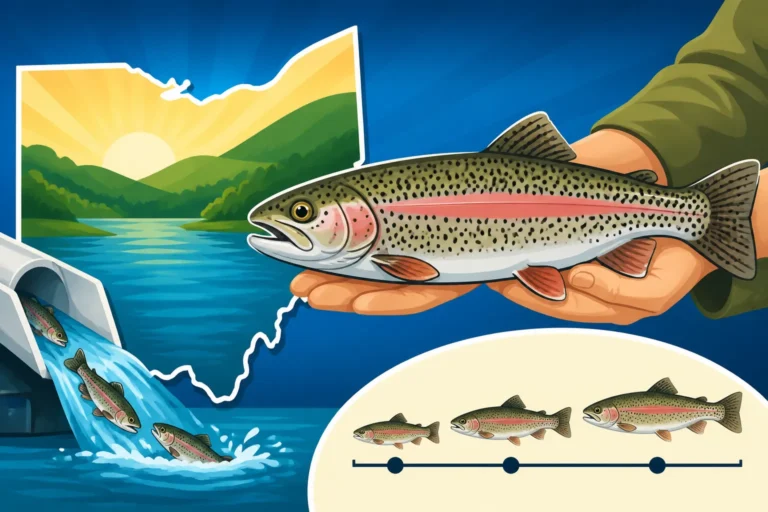
- Trout Stocked Lakes: Ohio actively stocks rainbow trout in several lakes and ponds, particularly in the spring and fall. These "stocked trout lakes" often have specific daily bag limits (e.g., five trout per day) and sometimes even closed periods immediately following stocking to allow the fish to disperse.
The lesson here is simple: never assume the general statewide rules apply everywhere. Always check the specific section of the Ohio fishing regulations digest for the particular body of water you intend to fish. A few minutes of research can save you a lot of trouble.
Fishing Methods and Gear Restrictions
Just as important as knowing what you can keep is understanding how you're allowed to catch fish in Ohio. The state has regulations regarding the types of gear, the number of lines, and the methods you can employ. These rules ensure fair chase, prevent harmful practices, and maintain a level playing field for all anglers.
Permitted and Prohibited Fishing Devices
For most recreational anglers, a rod and reel with a hook and line is the go-to method, and it's perfectly legal. However, Ohio regulations outline specific devices that are permitted and those that are strictly prohibited:
- Permitted Devices (with conditions):
- Hook and Line: This is the most common and widely accepted method.
- Minnow Traps/Seines: Small minnow traps or seines (up to a certain size) can be used to catch baitfish for personal use, but usually only in certain waters and with specific dimensions.
- Cast Nets: In some waters, a cast net may be used to collect bait fish, again, usually with size restrictions and for non-commercial purposes only. For instance, in Lake Erie and its tributaries, cast nets can sometimes be used to collect certain baitfish, but always check for the exact legal specifications.
- Trotlines/Setlines: While generally not permitted for recreational fishing in inland waters, certain types of trotlines or setlines might be allowed in very specific locations, particularly on the Ohio River, and often require specific tagging and licensing. This is generally more for commercial or specialized fishing and not typically for the average angler.
- Prohibited Devices:
- Spear Guns/Bows (for game fish): While spearfishing is permitted for certain rough fish (like carp, gar, bowfin) in specific waters, it is generally illegal to harvest game fish (like bass, walleye, crappie) with spear guns or bows.
- Electrofishing: Using electrical currents to stun fish is strictly prohibited for recreational anglers.
- Poisons/Chemicals/Explosives: Any method involving chemicals, poisons, or explosives to kill or stun fish is highly illegal and carries severe penalties.
- Commercial Fishing Gear (without license): Using large nets, trawls, or other commercial fishing gear without the appropriate commercial fishing licenses and permits is illegal.
The underlying principle is to ensure that fishing remains a sport and a sustainable harvest, not a destructive or excessively efficient method of taking fish.
The Two-Pole Rule and Other Line Limits
One of the most common gear regulations in Ohio that trips up new anglers or those from other states is the "two-pole rule."
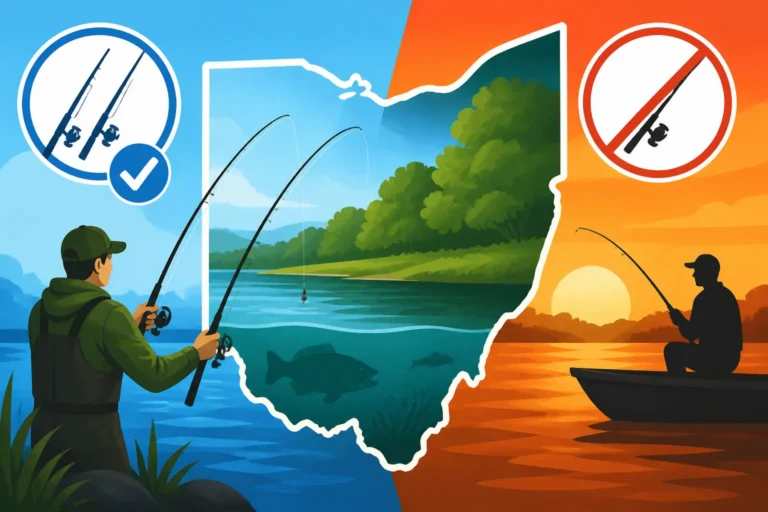
- Two-Pole Rule: In Ohio, generally, an angler is permitted to use no more than two fishing rods or poles at any given time. This means you can cast out two lines, each attached to its own rod. This rule applies to most inland waters and Lake Erie. So, if you're out with a buddy, you each get two lines, not four lines combined. Our detailed article on How Many Fishing Lines You Can Use in Ohio breaks this down completely.
- Ice Fishing Exceptions: Interestingly, during ice fishing, the two-pole rule generally still applies to the number of lines you can actively fish. However, you might be allowed to drill more holes than just two, but you can only be actively using two lines at any one time. Again, always double-check the current regulations in the digest for specifics on ice fishing.
- Trotlines/Jug Lines (Special Cases): As mentioned, certain specialized methods like trotlines or jug lines are generally prohibited for recreational anglers in most inland waters. Where they are permitted (e.g., on parts of the Ohio River), there are often very strict limits on the number of hooks, length of the line, and tagging requirements. This is usually not relevant for the typical recreational angler.
These line limits are designed to provide a fair and equitable fishing experience for all, preventing any single angler from monopolizing an area or harvesting an excessive amount of fish through multiple lines.
Rules for Ice Fishing and Spearfishing
Beyond conventional rod-and-reel fishing, Ohio has specific regulations for specialized methods like ice fishing and spearfishing.
- Ice Fishing: When the lakes freeze over, a whole new world of fishing opens up, but with its own set of safety and regulatory guidelines.
- Shanties/Shelters: While shelters are generally allowed, they often need to be clearly marked with the owner's name and address. There are also rules about when temporary shelters must be removed from the ice (e.g., by a certain date as the season ends).
- Ice Thickness: The ODNR strongly advises against venturing onto ice that is less than 4 inches thick for individual fishing. Safety is paramount, and while not a direct regulation fine, it's a critical recommendation. Our Ohio Ice Fishing Guide emphasizes safety protocols.
- Hole Size: There might be limits on the maximum diameter of ice holes.
- Spearfishing: Spearfishing (using a spear gun or pole spear while submerged, or a bow from the surface) is a more niche method in Ohio, primarily used for "rough fish" or "non-game fish."
- Target Species: Legal spearfishing targets generally include carp, suckers, gar, bowfin, and sometimes even catfish in certain waters. It is almost always illegal to spear game fish like bass, walleye, or crappie.
- Location Restrictions: Spearfishing is often prohibited in certain areas, such as within a certain distance of dams, public swimming areas, or during specific times of the year (e.g., during spawning seasons for protected species).
- License: A regular Ohio fishing license is required for spearfishing.
Before engaging in either ice fishing or spearfishing, it's absolutely crucial to consult the latest Ohio fishing regulations digest. These methods have specific rules that, if overlooked, could lead to violations.
Ohio Fishing Seasons and Closed Periods
Many anglers assume that once they have their license, they can fish for anything, anywhere, anytime. While much of Ohio fishing is indeed open year-round, there are important seasonal considerations and closed periods for certain species or locations that you absolutely need to be aware of. These are put in place to protect fish during vulnerable times, like spawning, or to manage populations more effectively.
Year-Round Opportunities vs. Specific Season Closures
For many common species in Ohio, such as bluegill, channel catfish, and even largemouth and smallmouth bass in most inland waters, fishing is open year-round. This is great news for anglers who want to hit the water whenever the mood strikes. However, this isn't universally true for all species or all locations.
- Closed Seasons: Some species, particularly those that are highly sought after or have very specific spawning patterns, might have a closed season where it is illegal to target or possess them. Muskie, for example, often have very specific regulations that might include catch-and-release only periods or outright closures during critical times in certain lakes. Similarly, some stocked trout lakes might have a short "closed period" immediately after stocking to allow the fish to acclimate and disperse before anglers are allowed to harvest them.
- Seasonal Limits: It’s also common to see a particular species have different bag or size limits depending on the time of year. For instance, bass might have a more restrictive size or bag limit during their spawning season in certain lakes, before reverting to a more liberal limit later in the year.
Always checking the Ohio Fishing Season Dates and Effective Periods in the current ODNR fishing regulations digest is paramount. A quick glance can save you from inadvertently violating a closed season or a temporary limit change.
Understanding Spawning Season Restrictions
Spawning season is a particularly vulnerable time for fish. They are often concentrated, focused on reproduction, and less wary, making them easier targets for anglers. To protect these populations during their most critical period, the ODNR often implements specific restrictions.
- Bass Spawning: Largemouth and smallmouth bass, for instance, typically spawn in the spring when water temperatures rise. During this period, you might find specific size limits (e.g., a higher minimum length) or even catch-and-release only rules on certain lakes or rivers to ensure successful reproduction. Fishing around visible bass nests is generally frowned upon, and sometimes even prohibited, as disturbing spawning fish can severely impact their success.
- Walleye Spawning: On Lake Erie and its tributaries, the walleye spawning run in early spring is legendary. While fishing is often permitted during this time, it's a period of intense activity and regulations are designed to manage this harvest. The Lake Erie walleye regulations, particularly the daily bag limits, are always carefully set with spawning success in mind.
- Steelhead Runs: For steelhead trout in Ohio's Lake Erie tributaries, while there isn't typically a "closed season" per se, the fishing is entirely seasonal, peaking during the fall, winter, and spring runs. Regulations during these runs focus on bag limits and sometimes specific gear restrictions (e.g., single-hook lures in certain areas) to promote fair chase and protect the resource.
These spawning season restrictions are vital conservation tools, allowing fish to successfully reproduce and maintain healthy populations for the future.
The Importance of Checking Annual Updates
Perhaps the most critical piece of advice regarding seasons and regulations is this: don't rely on last year's knowledge. Ohio fishing regulations are not static; they are dynamic and can change annually based on scientific data, environmental conditions, and population assessments.
The ODNR typically releases a new fishing regulations digest each year, usually effective March 1st. These digests detail all the current rules, including any changes to bag limits, size limits, specific lake regulations, and season dates.
- Where to Find Updates: You can pick up a physical copy of the digest at most places where licenses are sold (bait shops, sporting goods stores, ODNR offices). Even better, the full digest is available as a PDF download on the ODNR Division of Wildlife website. It’s always a good practice to download the latest version to your phone or tablet, or print out the relevant pages for the waters you plan to fish.
- Why They Change: Changes aren't made to make your life harder; they're made to protect the fisheries. For example, if a particularly strong year-class of walleye is observed in Lake Erie, the bag limit might be increased for a few years. Conversely, if a species is struggling, limits might be tightened. These adjustments ensure long-term sustainability.
Making it a habit to review the current year's regulations before your first outing, and occasionally throughout the year if you fish different waters, will ensure you're always compliant and fishing responsibly.
Protecting Ohio's Waters: Invasive Species and Aquatic Health
As responsible anglers, our role extends beyond simply following bag and size limits. We also have a crucial part to play in protecting Ohio's aquatic ecosystems from threats like invasive species and pollution. Every angler can contribute to maintaining the health and integrity of our waterways, ensuring they remain vibrant habitats for fish and wildlife.
Identifying and Preventing the Spread of Invasives
Invasive species are a serious threat to Ohio's native fish populations and aquatic environments. These non-native plants, animals, or pathogens can outcompete native species for food and habitat, introduce diseases, and drastically alter ecosystems.
- Common Aquatic Invasives: In Ohio, examples include Asian carp (like Grass Carp), Round Gobies, Zebra Mussels, and Rusty Crayfish. Round gobies, for instance, are an invasive fish in Lake Erie that can compete with native species like yellow perch and smallmouth bass for food and spawning areas. They are a common bait stealers but also a food source for walleye and smallmouth. Our guide to Ohio Invasive Fish Species to Know offers a deeper dive into these threats.
- "Clean, Drain, Dry" Protocol: This is the golden rule for preventing the spread of invasives.
- Clean: Before leaving any body of water, inspect your boat, trailer, waders, and fishing gear. Remove any visible mud, plants, or animals.
- Drain: Pull your drain plug and drain all water from your boat, livewell, and bait buckets. Do this before leaving the ramp.
- Dry: Allow all equipment to thoroughly dry for at least 5 days before using it in a different body of water. If you can't dry it, wash it with high-pressure, hot water.
- Bait Management: Never transport live bait from one body of water to another, especially across different watersheds. This is a common way for invasive species (or diseases) to spread. Dispose of unused bait in the trash, not in the water. Many anglers purchase live bait in convenient containers, often available from local tackle shops or even in bulk from Amazon suppliers, making proper disposal easier.
By adhering to these simple steps, you can significantly reduce the risk of becoming an unwitting vector for invasive species.
Proper Fish Handling and Release Practices
Whether you're releasing an undersized fish, a species you don't intend to keep, or a trophy you want to fight another day, proper handling is paramount to its survival. A fish's chances of survival after release are largely in the angler's hands.
- Minimize Time Out of Water: The longer a fish is out of water, the less oxygen it gets, and the more stressed it becomes. Work quickly.
- Wet Hands: Always wet your hands before handling a fish. Dry hands can remove the fish's protective slime coat, leaving it vulnerable to infections.
- Support the Fish Horizontally: Especially for larger fish, support their entire body weight horizontally. Holding a fish vertically by the jaw or gill plate can cause serious internal damage to its spine and organs.
- Avoid the Gills: Do not put your fingers into a fish's gills unless you intend to harvest it, as this is a very delicate and vital organ.
- Use Barbless Hooks or Pinch Barbs: Barbless hooks make removal easier and reduce tissue damage. You can easily pinch down the barb on a regular hook with a pair of pliers.
- Use a Landing Net: A soft, knotless rubber or coated mesh landing net, like those commonly found on Amazon, can help secure the fish gently and prevent it from flopping on hard surfaces.
- Revive If Necessary: If a fish seems lethargic after a long fight, gently hold it upright in the water, facing into the current (if applicable), until it kicks its tail and swims away strongly on its own.
Practicing these responsible handling techniques ensures that the fish you release have the best possible chance to survive and thrive.
Respecting Property and Natural Resources
Beyond the fish themselves, responsible angling means respecting the entire environment, including private property and public lands.
- No Trespassing: Always be aware of property lines. Fishing on private property without permission is trespassing and can lead to legal issues. If you're unsure, find out who owns the land and ask for permission.
- Leave No Trace: "Pack it in, pack it out" is a fundamental principle. This means taking all your trash, including discarded fishing line, bait containers, and food wrappers, with you. Fishing line, in particular, can be a serious hazard to wildlife.
- Minimize Disturbances: Be mindful of noise levels, especially early in the morning or late at night. Avoid disturbing wildlife or other recreational users of the waterways and surrounding lands.
- Protect Riparian Zones: The vegetation along the banks of rivers and lakes (the riparian zone) is crucial for preventing erosion, filtering pollutants, and providing habitat. Avoid trampling plants or disturbing these areas unnecessarily.
Being a good steward of Ohio’s natural resources ensures that everyone can continue to enjoy the beauty and bounty of our state's fishing opportunities for years to come.
What Happens If You Break the Rules: Violations and Penalties
Let's face it, nobody wants to have an unexpected conversation with a wildlife officer that involves a citation. While the vast majority of anglers are law-abiding, it's important to understand the potential consequences of breaking Ohio's fishing regulations. These rules are enforced, and violations can range from simple fines to more serious legal repercussions.
Common Fishing Violations and Their Consequences
Most fishing violations in Ohio are considered misdemeanors, but the specific penalties can vary greatly depending on the severity of the offense and whether it's a first-time or repeat infraction.
- Fishing Without a License: This is one of the most common violations. If you're caught fishing without a valid Ohio fishing license, you can expect a fine. The exact amount can vary by jurisdiction, but it can be a couple of hundred dollars. Additionally, your fishing equipment and even your catch might be confiscated. Our guide on What Happens If You Fish Without a License in Ohio elaborates on the specifics.
- Exceeding Daily Bag Limits: Keeping more fish than legally allowed for a specific species is another serious violation. The fines for this can be substantial, especially if you're significantly over the limit. Each fish over the limit can count as a separate infraction, and again, your catch will likely be confiscated.
- Keeping Undersized Fish: Similar to exceeding bag limits, keeping fish that do not meet the minimum length requirement is a violation. Wildlife officers carry measuring devices, and if your fish are short, you'll be cited. The fines can be significant, particularly for species with strict size limits like muskie or walleye. For example, the Penalty for Keeping an Oversized Muskie in Ohio can be very severe.
- Fishing in a Closed Season or Closed Water: If you're caught fishing for a species during its closed season or in an area that is temporarily closed to fishing, you'll face penalties. This often applies to specific trout waters after stocking or certain spawning areas.
- Using Prohibited Gear or Methods: Employing illegal fishing methods, such as using too many lines, dynamiting, or electrofishing, carries very stiff penalties, including large fines, potential jail time, and revocation of fishing privileges.
- Trespassing: Fishing on private property without permission can lead to criminal trespassing charges, in addition to any fishing violations.
It's important to remember that these regulations are in place to protect the resource. Enforcement isn't about ruining your day; it's about safeguarding Ohio's fisheries for everyone's future enjoyment.
Encountering a Wildlife Officer
Meeting a wildlife officer while fishing is a fairly common occurrence, and for most law-abiding anglers, it's a non-event. They are primarily there to ensure compliance with regulations and to protect wildlife.
- Be Cooperative and Respectful: If a wildlife officer approaches you, remain calm, cooperative, and respectful. They are uniformed law enforcement officers performing their duties.
- Present Your License and ID: The first thing they will typically ask for is your fishing license and a form of identification. Have these readily accessible.
- Answer Questions Honestly: They may ask about your catch, your methods, or how long you've been fishing. Answer their questions truthfully.
- Allow Inspections: Wildlife officers have the authority to inspect your catch, tackle, and livewells to ensure compliance with bag limits, size limits, and other regulations.
- Don't Argue: If you believe there's a misunderstanding or an error, calmly explain your position. However, arguing or becoming confrontational will only make the situation worse. Any disputes can be addressed through the proper legal channels later.
Remember, a pleasant and cooperative interaction benefits everyone. Wildlife officers are often a great source of information about local fishing conditions, regulations, and conservation efforts.
Reporting Violations to Protect Our Sport
Just as wildlife officers enforce the rules, ethical anglers also play a vital role in protecting Ohio's fisheries by reporting violations. You might feel hesitant about "snitching," but rampant violations by a few individuals can have significant negative impacts on fish populations, ultimately affecting everyone's fishing experience.
- Why Report? Reporting violations helps curb illegal activities like poaching, overharvesting, and habitat destruction. It sends a message that the angling community cares about conservation and is committed to upholding fair and sustainable practices.
- How to Report: If you witness a fishing violation, you can report it to the ODNR Division of Wildlife.
- Call the Turn-In-A-Poacher (TIP) Hotline: Ohio has a dedicated hotline (1-800-POACHER or 1-800-762-2437) where you can anonymously report wildlife violations.
- Contact Local ODNR Office: You can also contact your nearest ODNR Division of Wildlife office directly.
- What to Report: When reporting, try to provide as much detail as possible: the nature of the violation, the date and time, specific location, descriptions of the individuals involved, vehicle descriptions (license plates if possible), and any other relevant information.
By taking an active role in reporting violations, you're not just upholding the law; you're actively participating in the conservation of Ohio's precious fishing resources, ensuring that healthy fish populations endure for all anglers, present and future.
Ohio Fishing Regulations At A Glance: Common Species Limits
Please note: This table summarizes general statewide regulations for popular species. Many lakes, rivers, and specific zones (like Lake Erie basins) have special regulations that supersede these general rules. Always consult the current Ohio fishing regulations digest for the most accurate and up-to-date information for your specific fishing location.
| Species | Minimum Length Limit (Inches) | Daily Bag Limit | Notes |
|---|---|---|---|
| Largemouth Bass | 12 | 5 | May vary on specific lakes/reservoirs. |
| Smallmouth Bass | 12 | 5 | May vary on specific lakes/reservoirs. |
| Walleye | 15 (Inland) | 6 (Inland) | Lake Erie limits often fluctuate, check current digest. |
| Saugeye | 15 (Inland) | 6 (Inland) | Many inland reservoirs have specific rules; some have no size limit. |
| Yellow Perch | None (Statewide) | 30 (Inland) | Lake Erie limits vary by basin (West, Central, East). |
| Crappie (Black/White) | None (Statewide) | 30 | Often generous, but local exceptions may exist. |
| Bluegill & Sunfish | None | No Limit | Highly abundant, open season year-round. |
| Channel Catfish | None | No Limit | Open season year-round. |
| Flathead Catfish | None | No Limit | Open season year-round. |
| Muskie | 48 | 1 | Highly managed, check specific lake rules. |
| Steelhead Trout | 12 | 2 | Lake Erie tributaries during runs. |
| Rainbow Trout | None | 5 | Stocked lakes, may have post-stocking closures. |
Disclaimer
The information provided in this guide is intended for general informational purposes only and is subject to change. While we strive to offer accurate and up-to-date content, fishing regulations are complex and frequently updated by the Ohio Department of Natural Resources (ODNR) Division of Wildlife. It is the angler's sole responsibility to consult the most current official Ohio fishing regulations digest or the ODNR website before engaging in any fishing activity. Relying solely on the information presented here without verifying it against official sources may result in non-compliance with applicable laws and regulations. We assume no liability for any actions taken or not taken based on the information provided herein.