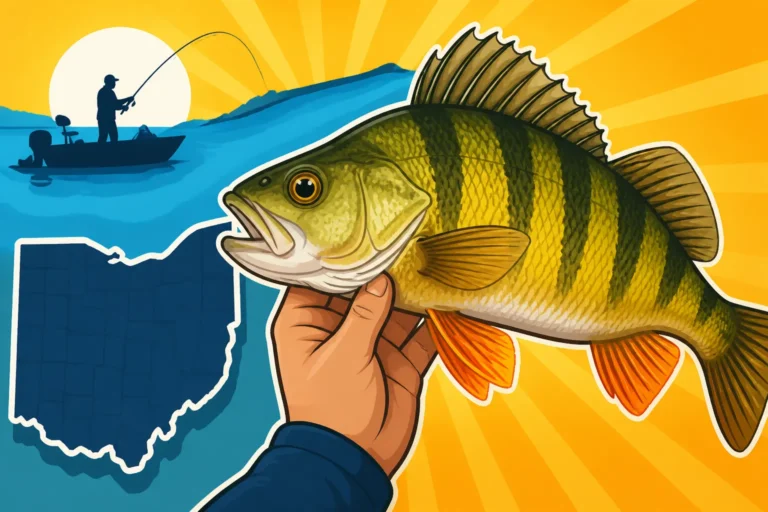
Ohio State Record Yellow Perch
Every angler who's spent time on Ohio's waters, especially the vast expanse of Lake Erie, has felt that thrill of a heavy tug, wondering if this could be the one – the fish that puts them in the history books. It’s a natural dream, yet many don't truly know the benchmark for a truly monumental catch, like the elusive record-breaking yellow perch. It's frustrating to land a jumbo and not know if it's truly special. This comprehensive guide is here to demystify the pursuit of the ultimate yellow perch, diving deep into the current Ohio state record, its historical context, and what it truly takes to land a fish that makes the record books.
The Undisputed King: Ohio's State Record Yellow Perch
The current Ohio state record for yellow perch is a legendary fish, a true giant among its species, and it stands as a testament to the incredible potential of Ohio's fisheries. For many years, anglers have chased this benchmark, and the story of the record-setting catch is one of persistence and a bit of luck, much like any great fishing tale. It’s important to remember that these records aren't just about the size of the fish; they represent peak conditions, prime habitat, and often, an angler’s profound understanding of their quarry. This record is a beacon for all who dream of that once-in-a-lifetime catch.
The Historic Catch and Its Angler
The current Ohio state record yellow perch was caught decades ago, and its longevity on the books speaks volumes. Imagine the excitement for the angler, who, on that fateful day, pulled in a fish far exceeding anything they or anyone else had seen before. The official weight and length are crucial details that seal its place in history. This wasn't just a big perch; it was an absolute behemoth, a fish that defied expectations and showcased the incredible growth potential of yellow perch in Ohio’s nutrient-rich waters. It’s a moment forever etched into the state’s angling lore, inspiring countless others to cast their lines with similar aspirations.
The specifics of the catch, such as the exact location (though often kept somewhat guarded by record holders, it's generally associated with Lake Erie), the bait used, and even the time of year, are details that become legend. Many anglers, myself included, often pore over these historical accounts, looking for any nugget of wisdom that might lead them to their own personal best, or perhaps even challenge the state record. While technology and techniques have evolved since the record was set, the fundamental understanding of perch behavior and habitat remains timeless, proving that a sharp eye and dedication are often more important than the latest gadgets.
Why This Record Stands the Test of Time
Setting a state record, especially for a popular species like yellow perch, is no easy feat. The existing record has held firm for a significant period, which means that any fish caught today would have to be truly exceptional to surpass it. This is partly due to the specific conditions that allowed that particular fish to grow to such an immense size – a combination of ample food, ideal water temperatures, genetic predisposition, and perhaps an uncanny ability to evade predators and anglers alike for many years. It's a rare confluence of factors that makes such a fish possible, and it’s why the record stands as a formidable challenge.
Furthermore, the sheer fishing pressure on Lake Erie, the undisputed Ohio Yellow Perch Fishing Guide capital, means that giant perch are often targeted. With so many anglers actively pursuing yellow perch, the chances of a truly exceptional fish going unnoticed are slim. The fact that this record remains unchallenged underscores just how remarkable the original catch was. It serves as a reminder that while modern fishing technology can help, there’s an element of wildness and unpredictability in nature that contributes to these extraordinary fish.
The Pursuit of Perfection: Chasing a Trophy Yellow Perch
While breaking the state record might seem like a monumental task, understanding what contributes to a trophy yellow perch can significantly increase your chances of landing an exceptionally large one. It's not just about luck; it's about strategy, patience, and knowing your quarry. Many dedicated perch anglers spend years honing their skills, studying patterns, and learning the nuances of different fishing spots. It’s a commitment, but the reward of a truly massive perch makes every effort worthwhile.
Key Factors for Catching Jumbo Perch
To catch a true jumbo or even a potential record-setting yellow perch, several elements need to align. First, location is paramount. Lake Erie is renowned for its yellow perch, and its vastness provides diverse habitats where perch can thrive and grow to impressive sizes. Within Lake Erie, certain areas, often shallower productive flats or areas with abundant structure and forage, tend to hold bigger fish. Knowing the Lake Erie Yellow Perch Daily Limit in the West Zone or the Lake Erie Yellow Perch Daily Limit in the Central Zone is essential, but understanding where the big ones lurk is the real secret.
Second, timing is crucial. Yellow perch have distinct feeding patterns and movements throughout the year. For instance, the Best Month to Catch Yellow Perch on Lake Erie often coincides with cooler water temperatures and aggressive feeding ahead of winter, or during the spawn. You'll want to focus your efforts when perch are most active and concentrated. Finally, your presentation matters. Using the right bait, like emerald shiners, and the appropriate Best Rig for Yellow Perch on Lake Erie for the conditions can make all the difference. Sometimes, a subtle approach is key, while other times, a more aggressive jigging technique can trigger bites from larger, more territorial perch.
Essential Gear for Targeting Record-Sized Perch
Having the right gear won't guarantee a record, but it will certainly improve your odds and make the experience more enjoyable. When targeting larger yellow perch, you'll want a sensitive yet sturdy rod and reel combo. A light to medium-light action rod, perhaps 6 to 7 feet long, paired with a reliable spinning reel spooled with light monofilament or fluorocarbon line (4-6 lb test) offers the perfect balance. This setup allows you to feel those subtle perch bites while still having enough backbone to handle a heavy fish. You can find excellent options for sensitive rods and reels on Amazon, often with detailed reviews from other anglers.
Beyond the rod and reel, consider a good quality fish finder to locate schools of perch, especially when drift fishing over expansive flats. A sensitive fish finder can show you not just the presence of fish, but often their size and how tightly schooled they are. Don't forget a sturdy landing net with a fine mesh to protect your trophy perch – you don't want to lose a potential record at the boat! Finally, if you believe you’ve caught a potential record, a certified scale is absolutely vital. Standard kitchen scales won't cut it for official records; you need a precise, certified scale to ensure accuracy.
| Factor | Average Yellow Perch (8-10 inches) | Jumbo Yellow Perch (12-14 inches) | Potential Record Perch (15+ inches) |
|---|---|---|---|
| Age | 2-4 years | 4-7 years | 8+ years |
| Diet | Small invertebrates, minnows | Larger minnows, insect larvae, crayfish | Larger forage fish, consistent abundant food |
| Habitat Preference | Varied, near weeds/structure | Deeper water, specific structure, cooler | Prime, stable environment, minimal pressure |
| Water Temperature | Wide range (50-70°F) | Optimal feeding range (45-65°F) | Consistent optimal temperatures |
| Fishing Pressure | Commonly caught in high-pressure areas | Often found in less pressured spots | Extremely low pressure areas, deep haunts |
| Forage Base | Good supply of small prey | Abundant, diverse forage | Exceptionally rich and stable food sources |
Understanding the Life of Ohio Yellow Perch: From Fry to Record
To consistently catch big yellow perch, you really need to understand their biology. It's not enough to just cast a line; knowing how they live, what they eat, and where they thrive gives you a significant edge. Think of it like being a detective, gathering clues about their behavior and environment. This deeper knowledge is what separates the casual angler from the consistent trophy hunter. When you understand the species, you can anticipate their movements and preferences, increasing your chances of success.
Yellow Perch Identification and Habits
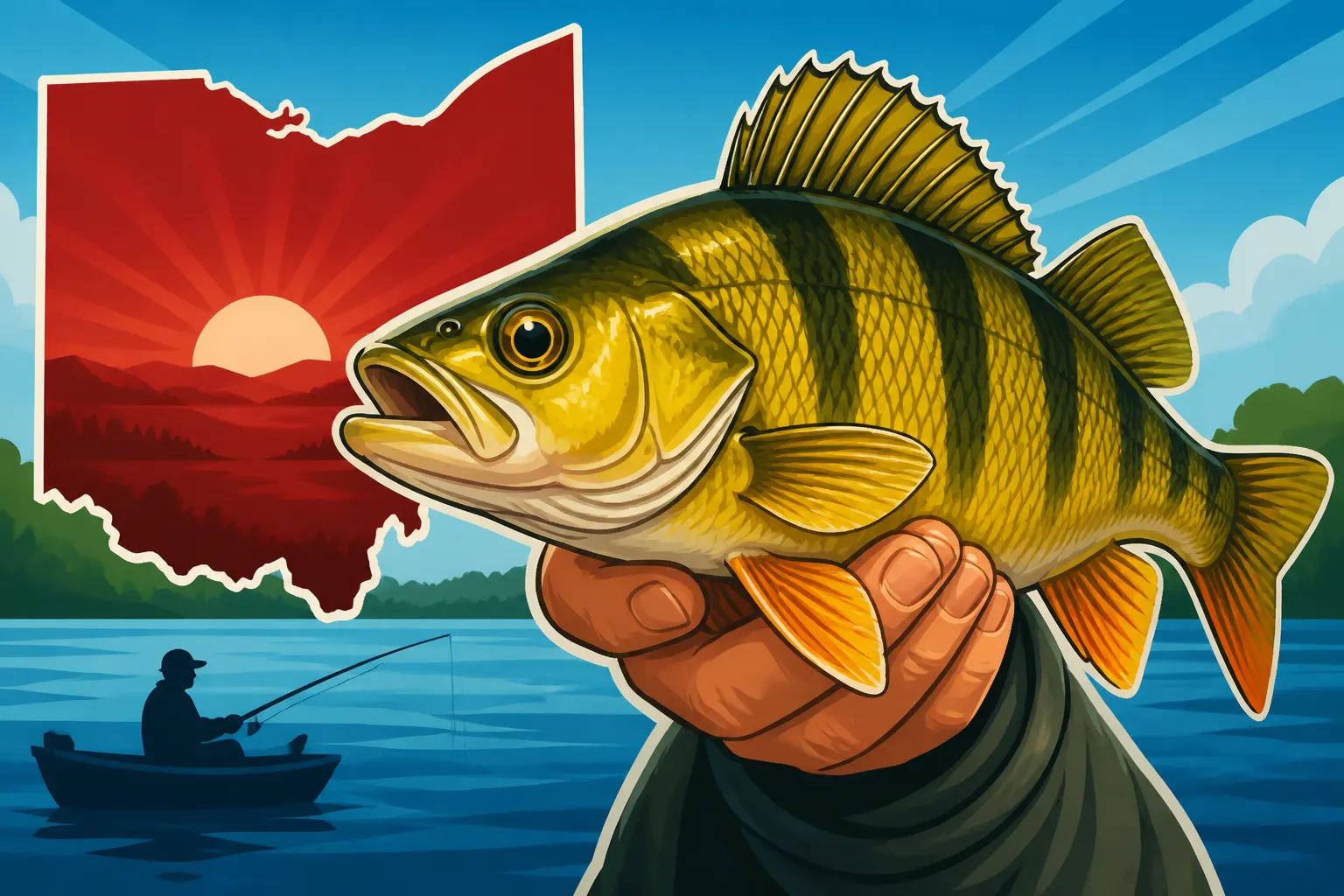
Yellow perch (Perca flavescens) are easily recognizable with their distinctive vertical stripes and golden-yellow sides. They are schooling fish, meaning they typically move and feed in groups, which is great for anglers who find them – where there’s one, there are often many! However, as perch grow larger, they often become more solitary or form smaller groups of similarly sized fish, sometimes separating from the smaller schools. Understanding Yellow Perch Identification and Habits is the first step in differentiating them from other species and learning their typical behavior.
Their habits change with the seasons. In spring, they move into shallower areas for spawning, and after the spawn, they disperse. During summer, they often seek deeper, cooler waters, concentrating around structure or thermoclines. Fall sees them become incredibly active feeders as they bulk up for winter, making it a prime time for trophy hunting. Even in winter, during ice fishing season, they can be found schooled up in specific areas, making them a popular target. Knowing these seasonal patterns allows you to predict where the biggest fish will be.
What Counts as a Jumbo Perch on Lake Erie
While the state record is a one-in-a-million fish, many anglers are thrilled to catch a "jumbo" perch. So, What Counts as a Jumbo Perch on Lake Erie? Generally, a yellow perch measuring 12 inches or more is considered a jumbo. These are solid, hefty fish that put up a fantastic fight and make for excellent table fare. While they might not challenge the state record, they are a significant catch and a worthy goal for any angler. Landing several jumbos in a single outing is considered a fantastic day on the water and speaks to the health of Ohio's perch population.
The growth rate of yellow perch is influenced by several factors, including food availability, water temperature, and population density. In prime habitats like Lake Erie, with its rich food sources and vast expanses, perch can grow relatively quickly. However, reaching jumbo size takes several years, and to become a true record contender, a perch must survive many seasons, avoiding predators like walleye and human anglers, which is why those truly giant perch are so rare and prized.
Conservation and Responsible Angling
With the immense popularity of yellow perch fishing, particularly on Lake Erie, responsible angling and conservation efforts are more important than ever. While we all dream of catching a record, sustaining healthy fish populations ensures future generations can enjoy the same opportunities. This means adhering strictly to Ohio Statewide Bag and Size Limits and practicing catch and release for any fish you don't intend to keep, especially larger females that are crucial for spawning. Handling fish gently and returning them quickly to the water increases their survival rate.
Supporting conservation initiatives and understanding the biology of species like the yellow perch, including Yellow Perch Spawning Behavior in Ohio, helps us appreciate the delicate balance of our aquatic ecosystems. Many anglers now carry portable aerators for their livewells, and some even use specialized tools, available on Amazon, to ensure fish are handled with care. By being mindful of our impact, we can all contribute to the health and longevity of Ohio's incredible yellow perch fishery, ensuring that the dream of a record-breaking catch remains a possibility for years to come.
Disclaimer
This article is for general informational purposes only and does not constitute professional advice. Laws, prices and regulations vary by location and change over time. Consult a qualified professional for guidance on your specific situation.