How Big Yellow Perch Get on Lake Erie
One of the most common questions I hear from fellow anglers, especially those newer to the waters of Lake Erie, is about the size of yellow perch. It's a real frustration when you're out there, reeling in fish after fish, only to wonder if they're "keepers" or if you're ever going to land one of those legendary jumbo perch. This guide is going to dive deep into what you can realistically expect when it comes to yellow perch size on Lake Erie, what influences it, and how you can increase your chances of catching those bigger ones.
Understanding Yellow Perch Growth on Lake Erie
It's easy to get caught up in the tales of enormous perch, but what exactly constitutes a "big" yellow perch on Lake Erie? The truth is, average size can vary significantly depending on a myriad of environmental factors, fishing pressure, and even the specific basin of the lake you're fishing. When we talk about yellow perch, we're discussing a species known for its schooling behavior and its ability to thrive in a variety of conditions, which is part of what makes them such a popular target for anglers across Ohio.
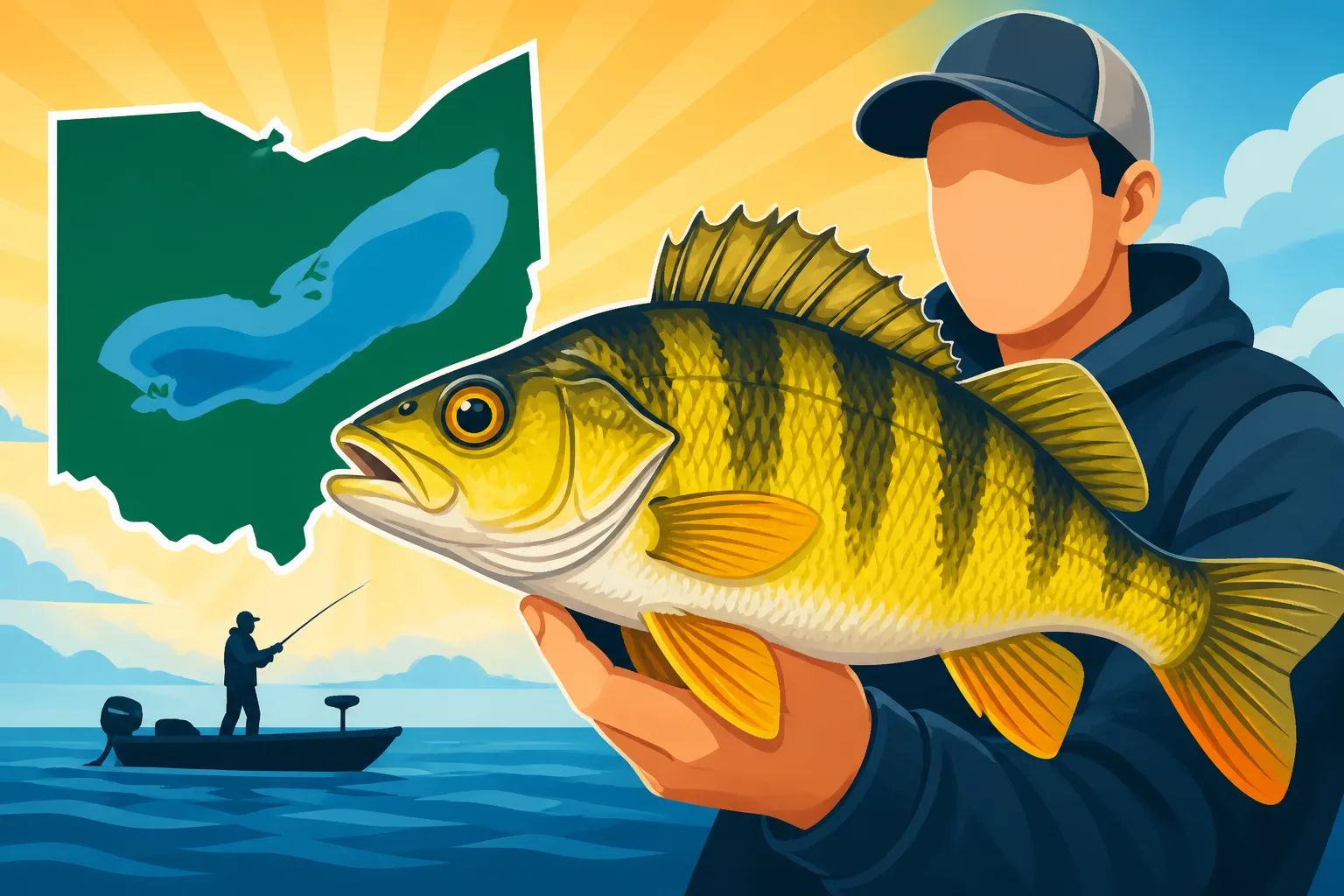
Generally speaking, a "keeper" yellow perch on Lake Erie is often considered to be around 8 to 9 inches, offering a decent fillet. However, a truly "jumbo" perch, the kind that makes your fishing buddies envious, usually measures 12 inches or more. These larger fish are typically older, often 4-6 years old, sometimes even older, having survived multiple seasons and found ample food sources. You'll find that anglers often have spirited debates about what exactly constitutes a "jumbo," but generally, anything over 12 inches is cause for celebration. For a deeper dive into the species, check out our Yellow Perch Identification and Habits guide.
What Defines a "Jumbo" Perch?
The term "jumbo perch" is tossed around a lot, and for good reason—they're the prize catch for many Lake Erie anglers. But let's get real about what that means. While an 8-inch perch is perfectly fine for the frying pan, a jumbo perch usually pushes the tape measure past the 12-inch mark, with some reaching an impressive 14 to 15 inches. These are the fish that have a noticeably thicker body and a heft that makes your rod bend a little more. They're not just longer; they're beefier, providing a much more substantial meal.
Catching a jumbo perch isn't an everyday occurrence for most anglers, and that's precisely what makes them so special. It takes a combination of factors, including being in the right place at the right time, using the right techniques, and a bit of luck. These larger fish are typically older, smarter, and have seen a few baits in their day. They've grown to that impressive size by successfully navigating the perils of the lake, from predators to fishing pressure. If you're wondering about the overall perch fishery, our Ohio Yellow Perch Fishing Guide covers all the bases.
| Perch Size Category | Typical Length (Inches) | Description & Characteristics |
|---|---|---|
| Small / Young | 5-7 inches | Often targeted by younger anglers or for live bait. Slimmer body profile. |
| Average Keeper | 8-11 inches | Standard table fare; good fillets. Most common size in daily catches. |
| Jumbo Perch | 12+ inches | Desired trophy size. Thicker, heavier body. Less common to catch in large numbers. |
Average Lengths You Can Expect
When you head out on Lake Erie, especially during peak season, you're most likely going to encounter yellow perch in the 8 to 11-inch range. These are the workhorse fish that make up the bulk of most anglers' catches and provide excellent eating. Don't underestimate these "average" perch; a cooler full of them makes for a fantastic fish fry. While the dream is always for jumbos, consistently catching good numbers of 9 to 10-inch perch is a successful day on the water.
These average-sized perch are often 2 to 4 years old, reaching a good harvestable size. Their abundance is a testament to Lake Erie's healthy ecosystem and the robust management efforts that keep the perch population thriving. Understanding these average lengths helps manage expectations; while a few jumbos might sneak into your cooler, you'll be primarily filling it with these delicious, mid-sized fish. Knowing what to expect also helps you appreciate the true monsters when they do come along.
Factors Influencing Perch Size in Lake Erie
So, why do some perch get massive while others seem to stay smaller? It's not just random chance. Several key environmental and biological factors play a significant role in how large yellow perch grow in Lake Erie. From food availability to water conditions, everything contributes to the overall health and growth rate of these popular fish. It's a complex equation, but understanding some of the variables can give you a better appreciation for the fishery and even help you target areas more likely to hold larger fish.
Food Availability and Diet
Just like any living creature, yellow perch need a consistent and abundant food supply to grow large. Lake Erie is renowned for its rich ecosystem, which supports a diverse diet for perch. Their primary food sources include various aquatic insects, small crustaceans like zooplankton, and, crucially, smaller baitfish. The presence of ample forage, particularly species like emerald shiners and young-of-the-year fish, provides the necessary protein and energy for perch to pack on the pounds.
When food is abundant, perch can grow faster and reach larger sizes. Conversely, in years or areas where food sources are scarce, growth rates might slow down, resulting in smaller fish. The western basin of Lake Erie, for example, is often celebrated for its high productivity, which in turn fuels the growth of larger perch. Having a good understanding of what perch eat can even influence your bait selection; for instance, some anglers swear by specific minnow patterns or soft plastics that mimic their natural prey, often found on Amazon or local tackle shops.
Water Quality and Habitat
Water quality is paramount to the health and growth of all fish, including yellow perch. Lake Erie has seen significant improvements in water quality over the decades, leading to a resurgence in its fish populations. Clean, well-oxygenated water allows perch to thrive, while poor conditions can stress fish, stunt their growth, and even lead to disease. Factors like nutrient levels, dissolved oxygen, and water clarity all play a part.
Beyond water quality, the availability of suitable habitat is critical. Yellow perch prefer areas with a mix of structure, like submerged vegetation, rocky bottoms, and even man-made structures that offer protection from predators and ambush points for feeding. Deeper humps, drop-offs, and soft bottom areas with good current can all hold perch. If you're fishing in areas with diverse and healthy habitat, you're often increasing your chances of finding larger, healthier fish. Knowing where to look for them is half the battle, and our Lake Erie Yellow Perch Grounds article can give you some excellent starting points.
Population Density and Competition
It might seem counterintuitive, but sometimes too many fish in an area can lead to smaller average sizes. This is due to competition for food and space. If a particular year class of yellow perch is exceptionally strong, meaning there are a huge number of young fish, they might outcompete each other for available resources. This increased competition can result in slower growth rates for the entire population, as each fish gets less food than it needs to reach its full growth potential.
Fisheries biologists closely monitor population densities to ensure a healthy balance. While a strong year class is generally a good thing for anglers (more fish to catch!), an overabundance can sometimes mean a higher proportion of smaller fish. It's a delicate balance that the ecosystem manages, often resulting in fluctuations in average size from year to year. This natural ebb and flow is part of what makes fishing so dynamic and keeps us coming back for more, always wondering what the next season will bring.
The Reality of Your Lake Erie Perch Catch
Let's talk brass tacks. When you're out there on Lake Erie, what's the actual likelihood of filling your cooler with those massive jumbos versus a mix of respectable keepers and smaller ones? It's easy to see pictures of giant perch online and think every trip will yield similar results, but the reality is often a little more nuanced. Successful perch fishing is about understanding these realities and adapting your expectations and techniques accordingly.
The truth is, most of your catches will fall into the "average keeper" category—those delicious 8- to 11-inch fish. These are the backbone of the Lake Erie perch fishery, providing consistent action and great meals. While jumbos are certainly out there, they make up a smaller percentage of the overall population and require a bit more effort, and sometimes a lot more patience, to target specifically.
Daily Limits and Size Regulations
When you're out on the water, it's crucial to be aware of the daily bag and size limits for yellow perch. These regulations are put in place by the Ohio Department of Natural Resources (ODNR) to ensure the sustainability of the fishery and to help manage fish populations, which indirectly impacts average size over time. Ignoring these rules can lead to hefty fines and penalties, and it's simply not responsible angling. Always check the current regulations before you head out, as they can change annually. Our Lake Erie Yellow Perch Daily Limit in the West Zone and Lake Erie Yellow Perch Daily Limit in the Central Zone articles can give you specific details for those areas.
Typically, anglers are allowed a certain number of perch per day, and sometimes there are minimum size restrictions, though Lake Erie perch often have a "no minimum size" rule to allow anglers to keep the abundant smaller fish while still maintaining a healthy population. Responsible anglers keep only what they plan to eat, regardless of limits, ensuring there are plenty of fish for future generations. It's all part of being a good steward of our natural resources.
Expectations vs. Reality on the Water
Every angler dreams of the "epic bite" day where every fish is a behemoth, but the reality on Lake Erie is often a mixed bag. You'll likely catch a range of sizes, from smaller perch that you'll release to those solid keepers and, if you're lucky, a few true jumbos. It's important to adjust your expectations and enjoy the entire experience, not just focus on landing a trophy. Even a steady bite of average-sized perch can be incredibly fun and rewarding, especially if you're fishing with family or friends.
One common frustration for perch anglers is when they hit a school of fish, but they're all just a tad too small to bother filleting. It happens! That's when you might consider moving to a different spot or adjusting your presentation to try and entice larger fish. Patience is truly a virtue in perch fishing, as is the willingness to adapt. For tips on when to go, check out Best Time to Catch Yellow Perch on Lake Erie.
Maximizing Your Chances for Bigger Perch
So, you've heard the tales, you understand the reality, and now you want to know how to tip the scales in your favor when it comes to catching bigger yellow perch on Lake Erie. While there are no guarantees in fishing, there are certainly strategies and techniques that can increase your odds of landing those sought-after jumbos. It often comes down to understanding perch behavior, choosing the right gear, and putting in the time.
Targeting Specific Depths and Structure
Big perch, like big fish of many species, often relate to specific depths and structures. While smaller perch might be found almost anywhere in a school, the larger, more experienced fish tend to hang around deeper water or more defined structures that offer better cover, ambush points, or consistent food sources. This could mean looking for deeper humps, rock piles, drop-offs, or even areas where current creates an eddy or food funnel.
Using your fish finder effectively is key here. Look for schools of fish holding tighter to the bottom or near significant changes in contour. Don't be afraid to explore areas that might seem a little off the beaten path; sometimes the most productive spots aren't where everyone else is clustered. Big perch are often a bit more solitary or in smaller, looser schools compared to the dense congregations of smaller fish.
Bait and Lure Selection for Larger Perch
While yellow perch aren't typically picky eaters, the size of your bait or lure can sometimes help filter out the smaller fish and attract bigger ones. For instance, instead of using the smallest emerald shiner, try a slightly larger minnow. Or, if you're using artificial baits, consider a slightly larger soft plastic or a jig with a bulkier profile. This doesn't mean you should go overboard with huge baits, but a subtle increase in size can make a difference. Many anglers find a good selection of specialized perch rigs on Amazon that cater to different bait sizes.
Live bait, especially emerald shiners or fathead minnows, is incredibly effective for Lake Erie perch. However, scent is also a major attractant. Consider using baits infused with scent or adding a dab of scent attractant to your artificial lures. Sometimes, a subtle flutter or a slightly heavier jig can help your presentation stand out in a school, drawing the attention of a larger, more aggressive perch. Our Best Rig for Yellow Perch on Lake Erie offers some great starting points for tackle.
Strategic Fishing Techniques
When pursuing larger perch, it's often about more than just dropping a bait and waiting. Strategic fishing techniques can make a huge difference. Drift Fishing for Lake Erie Yellow Perch is a popular and highly effective method, allowing you to cover a lot of water and present your bait to numerous schools. Pay close attention to your boat speed and drift direction, as subtle changes can often trigger a bite.
Another technique to consider is How to Fish for Perch Near the Bottom. Many of the biggest perch hug the bottom, picking off whatever morsels come their way. Ensure your rig is consistently presented in the strike zone, whether that's with a dropper rig or a simple jigging spoon. Sometimes, a slow, methodical jigging motion is more effective than aggressive movements, especially for those wary, older fish. Don't forget that a good minnow bucket with an aerator, easily found on Amazon, will ensure you have lively bait all day. Making sure your bait is fresh and lively can be just as important as the presentation itself, so be sure to read our tips on Best Way to Keep Minnows Alive While Perch Fishing.
Disclaimer
This article is for general informational purposes only and does not constitute professional advice. Laws, prices and regulations vary by location and change over time. Consult a qualified professional for guidance on your specific situation.