Do Round Gobies Hurt Ohio Fishing?
There's a persistent whisper among Ohio anglers, a question that often comes up when reeling in a small, mottled fish with bulging eyes: "Are these round gobies actually harming our fishing?" It’s a valid concern, as these non-native bottom dwellers have firmly established themselves in many of our beloved waterways, leaving many of us wondering about their true impact on the native fish populations we cherish. This guide will delve deep into the world of the round goby, exploring their arrival, their undeniable negative effects, and even a few surprising ways they've inadvertently changed the fishing landscape for better or worse.
Understanding the Round Goby Invasion in Ohio Waters
The story of the round goby in Ohio is a classic tale of unintended consequences, a narrative many states across the Great Lakes region share. For anglers who've spent decades fishing these waters, the sudden appearance and proliferation of this species can be unsettling, feeling like an unwelcome guest that just won't leave. It's easy to spot them now, especially in Lake Erie and its tributaries, often clinging to rocks or darting away from disturbed areas on the bottom.
Where Did They Come From and How Did They Get Here?
The round goby, a small, aggressive bottom-dwelling fish, isn't native to North America at all. Their original home is the Black and Caspian Seas in Eurasia. So, how did they end up thriving in the cool, clear waters of Lake Erie and beyond? The primary culprit, as with many invasive species in the Great Lakes, is ballast water. Large cargo ships traveling from European ports often take on ballast water in one port to stabilize the vessel, then discharge it in another. This water, unfortunately, often contains a diverse array of aquatic life, including the hardy larvae and eggs of species like the round goby.
Once introduced, these fish found the Great Lakes environment surprisingly hospitable, with plenty of food, suitable habitat, and a distinct lack of their natural predators. They were first documented in the St. Clair River, which connects Lake Huron and Lake Erie, in the early 1990s. From there, their spread was rapid and relentless, quickly establishing populations throughout Lake Erie and then making their way into inland rivers and reservoirs. This rapid expansion left many seasoned anglers scratching their heads, wondering what this new arrival would mean for the future of Ohio Walleye Fishing Guide and other native species.
Identifying the Sneaky Invader: What a Round Goby Looks Like
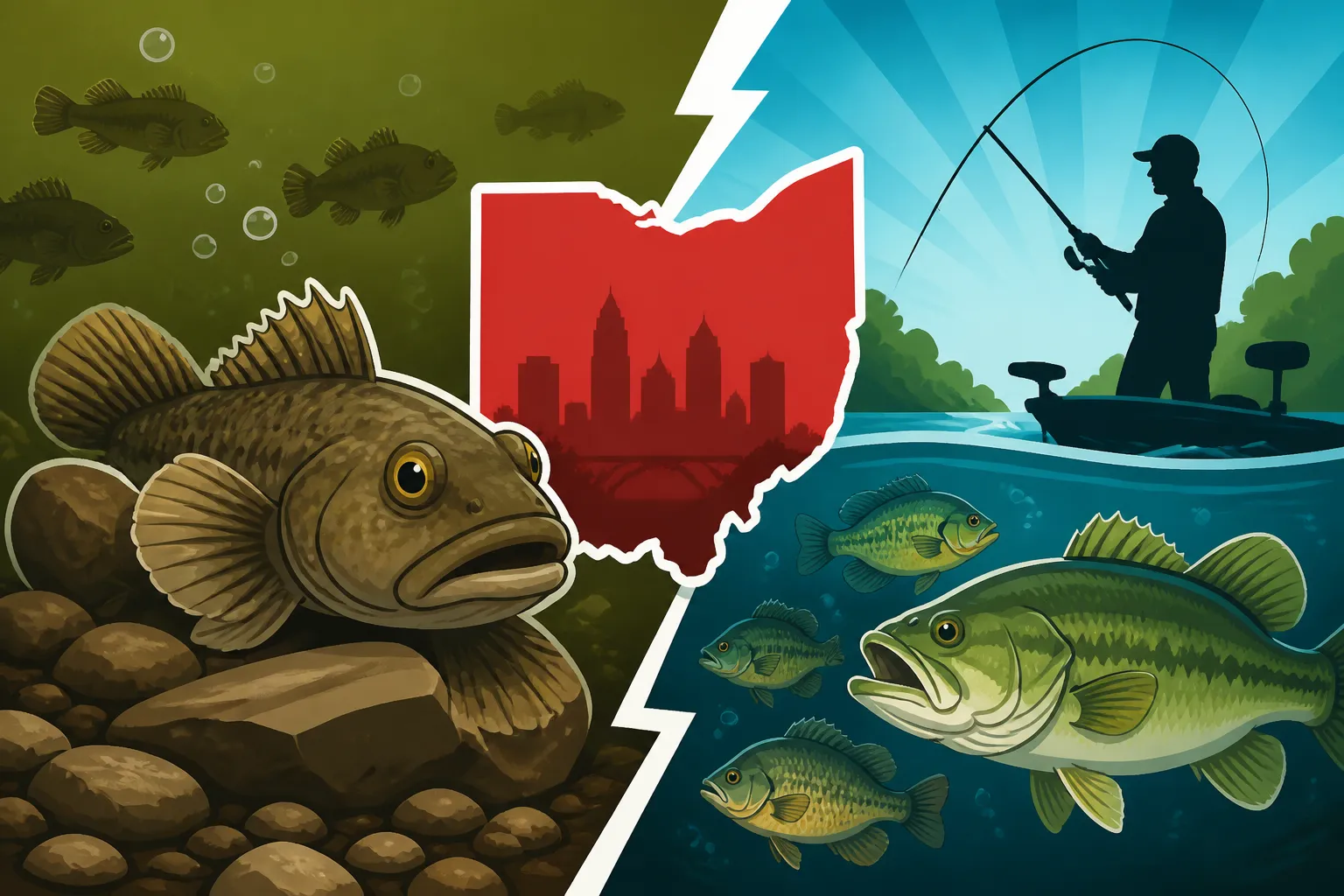
Before you can understand their impact, you need to know how to spot a round goby. They're not particularly flashy fish, but they have some distinct features that set them apart from native Ohio species. Typically, they grow to be about 4 to 10 inches long, though some larger individuals have been reported. Their body is mottled brown and grey, providing excellent camouflage against rocky or sandy bottoms. This cryptic coloration makes them masters of blending in, allowing them to ambush prey and evade predators.
The most defining characteristic, however, is their single, prominent dorsal fin which has a distinct black spot at its anterior end, though this can sometimes be faint. They also possess a fused pelvic fin, resembling a suction cup, which allows them to firmly adhere to rocks and other substrates, even in strong currents. This adaptation is part of what makes them so successful in various environments, from calm lake bottoms to fast-moving river sections. If you're unsure, comparing their appearance to native bottom-dwelling species like sculpins or darters is key; the fused pelvic fin is usually the dead giveaway. If you want to dive deeper into fish identification, a good field guide, easily found on Amazon, can be invaluable.
The Negative Impacts of Round Gobies on Ohio's Ecosystem and Fishing
The widespread presence of round gobies has, without a doubt, created significant challenges for Ohio's aquatic ecosystems and, by extension, for anglers pursuing their favorite native fish. It’s not just a matter of seeing a new fish; it’s about how that fish fundamentally alters the balance of a system that has evolved over millennia. Many anglers report changes in fish behavior and population dynamics, and much of that can be attributed to the goby.
Competition for Food and Habitat with Native Species
One of the most concerning impacts of round gobies is their direct competition with native fish species for vital resources. They are incredibly opportunistic feeders, with a diverse diet that includes insects, crustaceans, small mollusks, and even the eggs and fry of other fish. This broad diet means they are directly competing with species like darters, sculpins, and even juvenile sport fish for the same food sources. When an invasive species is both aggressive and efficient at foraging, native populations often struggle to keep up.
Beyond food, gobies are highly territorial and prefer rocky, creviced habitats, which are also prime spawning and hiding grounds for many native fish. Imagine a prime piece of real estate in a bustling city; that's what these rocky bottom areas are for fish. When gobies move in, they can aggressively displace native species, taking over crucial nesting sites and forcing other fish into less ideal areas. This habitat displacement can lead to increased stress, reduced reproductive success, and overall declines in native fish populations. It's a silent battle playing out on the lakebed, and our native species are often on the losing side. Ohio Statewide Bag and Size Limits are in place to help manage native populations, but competition from invasives adds another layer of pressure.
Predation on Eggs and Fry: A Threat to Future Generations
Perhaps the most devastating impact of round gobies on Ohio's fisheries is their voracious appetite for the eggs and fry (newly hatched fish) of native species. Gobies are known to actively seek out and consume the eggs of valuable sport fish like walleye, smallmouth bass, and even various panfish. Picture a walleye nest, carefully constructed and guarded by a male walleye, only to have small, agile gobies sneak in and feast on the precious eggs. This level of predation can significantly reduce the recruitment of young fish into the population.
When fewer young fish survive to maturity, the long-term health of the fishery is compromised. This is particularly concerning in critical spawning areas, such as the rocky shoals of Lake Erie where walleye and smallmouth bass reproduce. The loss of future generations directly impacts the angling experience down the line, as fewer fish reach legal size. It's a truly disheartening reality for those of us who care deeply about sustaining robust fish populations. The presence of gobies can also force native fish to spawn in less optimal, more exposed areas, further increasing the vulnerability of their eggs to other predators or environmental factors. Learning about Walleye Spawning Behavior in Ohio highlights just how critical these vulnerable stages are.
Spreading Disease and Parasites
Beyond direct competition and predation, round gobies also pose a less visible but equally insidious threat: they can act as carriers and vectors for diseases and parasites. Because they are an introduced species, native fish often lack natural immunity to pathogens that gobies might carry without showing severe symptoms themselves. This means gobies can introduce new diseases or amplify existing ones within the ecosystem.
One notable concern is their role in the spread of Viral Hemorrhagic Septicemia (VHS), a devastating fish disease that can cause significant mortality in a wide range of freshwater fish species, including muskellunge, walleye, and yellow perch. While gobies may not always die from VHS, they can harbor the virus and transmit it to more susceptible native fish. This biological warfare, waged beneath the surface, adds another layer of complexity to managing our fisheries and protecting the health of our beloved game fish. It's a stark reminder that what happens in one part of the ecosystem can have ripple effects throughout, impacting everything from fish health to Ohio Muskie Fishing Guide.
Surprising Ways Round Gobies Can Actually Benefit Ohio Fishing (Yes, Really!)
While the discussion often focuses on the negative, it’s also important to acknowledge that nature finds a way, and sometimes, an invasive species can inadvertently create new opportunities or alter food webs in ways that, from an angler’s perspective, aren't entirely bad. It might sound counterintuitive, but round gobies have become a double-edged sword, offering both challenges and a few unexpected silver linings.
A New Food Source for Larger Game Fish
One of the most frequently discussed "benefits" of the round goby explosion is their role as a new, readily available food source for larger predatory fish. Species like smallmouth bass, walleye, channel catfish, and especially lake trout and burbot in the deeper parts of Lake Erie, have all adapted to prey heavily on gobies. Anglers often report catching large, healthy game fish that are clearly gorging themselves on these abundant invaders. If you examine the stomach contents of a trophy smallmouth bass from Lake Erie, there’s a good chance you’ll find several gobies in there.
This shift in diet has potentially contributed to the impressive growth rates and robust health of some of Lake Erie’s trophy fish. Smallmouth bass, in particular, seem to have embraced the goby as a primary food source, leading to bigger, fatter fish that fight harder. While the gobies may have outcompeted native forage fish, they have, in turn, become forage themselves. It’s a complex ecological adjustment, but for anglers targeting these larger predators, it can mean more consistent action and impressive catches. Looking for tips on how to catch these fish? Check out Ohio Smallmouth Bass Fishing Guide.
Bait Opportunity and Angler Adaptability
Another unexpected 'benefit' of the round goby's presence is their use as bait, albeit with strict regulations. While it's generally illegal to possess or use live gobies as bait in Ohio (due to the risk of spreading them further), dead gobies can sometimes be used in specific regulated areas where they are already established. This opens up new tactical approaches for anglers. Some have found success using cut goby or whole dead gobies to target larger species like flathead catfish or even trophy walleye.
Moreover, the gobies' presence has forced anglers to adapt their techniques and lures, leading to new and often effective strategies. Lures that mimic the appearance and darting action of a goby have become incredibly popular and successful. Soft plastic goby imitations, jigged along the bottom, or crankbaits with goby-like patterns, have become staples in many Ohio anglers' tackle boxes. You can find a vast array of these specialized lures on Amazon, designed specifically to capitalize on this new forage base. This adaptability showcases the ingenuity of anglers and how a challenge can spark innovation in fishing methods, influencing everything from Best Ohio Walleye Fishing Techniques to Best Ohio Catfish Fishing Techniques.
What Anglers Can Do to Manage Round Gobies and Protect Ohio's Fisheries
As anglers, we have a vital role to play in protecting Ohio's precious aquatic resources. While we can't magically make round gobies disappear, our actions can certainly help mitigate their negative impacts and prevent their further spread. It’s about being responsible and understanding the interconnectedness of our fishing environment. Every little bit we do helps preserve the sport we love for future generations.
Proper Handling and Disposal: Do Not Release Live Gobies!
This is perhaps the most crucial rule: if you catch a round goby, do not release it alive back into the water, especially if you are in an area where they are not yet established. Many anglers mistakenly think releasing any fish is good practice, but with invasive species, it's the opposite. Releasing a live goby could introduce them to a new body of water, leading to another ecological nightmare.
Instead, when you catch a goby, humanely dispatch it and dispose of it properly. The best method is to put it in a bucket and take it home, where you can either freeze it (if you plan to use it as dead bait in legal areas later), or dispose of it in the trash. Never, ever use live gobies as bait, even in waters where they are abundant; this is strictly against regulations and designed to prevent their spread. Always check Ohio Fishing Regulations Every Angler Should Know for the most current guidelines, as rules can change to protect our fisheries.
Cleaning Your Gear: Preventing Further Spread
Another vital step in preventing the spread of round gobies, and other aquatic invasive species, is diligent cleaning of your fishing gear. This practice, often overlooked, is absolutely essential if you move your boat, kayak, or even just your waders and tackle from one body of water to another. Goby eggs or larvae, though tiny, can easily cling to damp gear and be unknowingly transported.
Think of it this way: every time you pull your boat out of Lake Erie and plan to launch it into an inland lake or reservoir, you could be carrying hitchhikers. This means inspecting your boat, trailer, livewells, bilge, and even your anchor for any clinging weeds or mud. It's a simple mantra: "Clean, Drain, Dry."
- Clean: Remove all visible plants, animals, and mud from your boat, trailer, and fishing equipment. This includes propellors, fishing lines, and nets. A stiff brush and even a mild bleach solution for non-porous items can be effective.
- Drain: Completely drain all water from your boat, livewells, bilge, and bait buckets before leaving the ramp.
- Dry: Allow all equipment to thoroughly dry for at least 5 days before using it in another body of water. If drying isn't possible, a high-pressure wash with hot water is a good alternative. This applies not just to boats but to waders, boots, and anything else that touches the water. Taking these steps seriously is critical to protecting vulnerable waterways, a topic often highlighted in discussions about Ohio Fishing Season Dates and Effective Periods and environmental stewardship. If you're looking for gear cleaning solutions, many effective products are available through retailers like Amazon.
Participating in Conservation Efforts
Beyond individual actions, anglers can also get involved in broader conservation efforts. Local fishing clubs, state wildlife agencies, and environmental organizations often have programs aimed at monitoring invasive species, educating the public, or even conducting removal efforts in specific areas. Lending your time, knowledge, or financial support to these initiatives can make a real difference.
Staying informed about the latest research and regulations regarding invasive species is also crucial. The Ohio Department of Natural Resources (ODNR) provides a wealth of information through their website and publications like the Where to Find the Ohio Fishing Regulations Booklet. By being an informed and proactive angler, you become part of the solution rather than inadvertently contributing to the problem. Your passion for fishing can be a powerful force for good in maintaining the health and balance of Ohio's diverse aquatic environments.
Here's a quick comparison of characteristics to help distinguish round gobies from some common native bottom dwellers:
| Characteristic | Round Goby | Mottled Sculpin (Native) | Johnny Darter (Native) |
|---|---|---|---|
| Pelvic Fins | Fused into a single, suction-cup-like disc | Two distinct, separate pelvic fins | Two distinct, separate pelvic fins |
| Dorsal Fins | Two, with a distinct black spot on the anterior first dorsal fin | Two, but usually more separated; no distinct black spot | Two, with the first fin typically spiny |
| Eyes | Prominent, often bulging, set high on the head | Smaller, often set more to the side | Smaller, set more forward and slightly upward |
| Lateral Line | Complete, often visible | Complete | Complete, sometimes faint |
| Size (Adult) | Typically 4-10 inches | Up to 6 inches | Up to 4 inches |
| Behavior | Aggressive, territorial, bottom-dwelling | Secretive, typically found under rocks | Bottom-dwelling, often darting rapidly |
| Origin | Invasive (Europe/Asia) | Native to Ohio | Native to Ohio |
Disclaimer
This article is for general informational purposes only and does not constitute professional advice. Laws, prices and regulations vary by location and change over time. Consult a qualified professional for guidance on your specific situation.