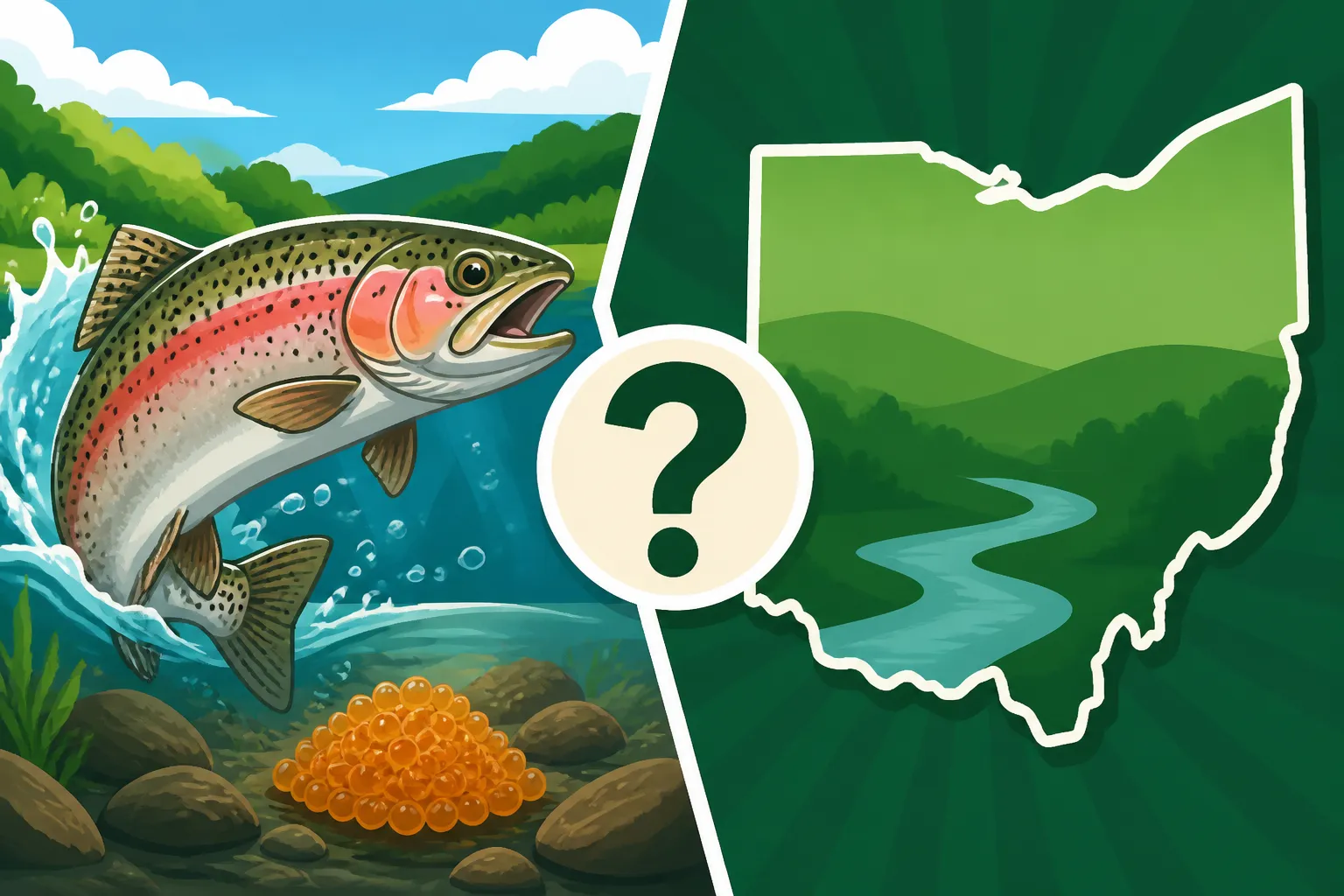
Do Stocked Rainbow Trout Reproduce in Ohio?
It’s a question that pops into the mind of almost every angler casting a line into one of Ohio’s beautiful lakes or streams, especially after a fresh stocking: do these vibrant rainbow trout actually stick around and reproduce, creating a self-sustaining population? It’s a perfectly natural thought when you see those beautiful fish being introduced, and the answer, while not always straightforward, deeply impacts how we approach trout fishing here in the Buckeye State. This guide will dive into the science and reality behind rainbow trout reproduction in Ohio’s waters.
Understanding Ohio's Trout Stocking Program
Ohio is not naturally a state known for its prolific wild trout fisheries, unlike some of our neighbors to the east. Our waterways, generally speaking, are a bit warmer and slower than what trout truly thrive in for long-term survival and reproduction. This is why the Ohio Department of Natural Resources (ODNR) has a robust stocking program, bringing the joy of trout fishing to thousands.
Why Ohio Stocks Trout
The primary goal of Ohio's trout stocking program isn't to create naturally reproducing populations, but rather to provide diverse and accessible fishing opportunities. Think of it as a "put-and-take" fishery. These stocked trout offer fantastic recreational value, especially in areas where native trout species simply wouldn't survive or reproduce naturally. It's about giving anglers, from seasoned veterans to excited kids on their first outing, a chance to experience the thrill of catching a beautiful fish. Without these stockings, many Ohioans would have to travel significant distances to other states to enjoy trout fishing, which just isn't feasible for everyone. The program helps to keep fishing accessible and enjoyable right here at home.
Where Trout Are Stocked
You'll find these spirited rainbows introduced into a variety of water bodies across Ohio. The ODNR typically focuses on specific inland lakes and ponds that are easily accessible to the public, often within state parks or urban areas. They choose locations that provide decent survival rates for the stocked fish, at least for a season or two, and where anglers can easily access the shores or launch small boats. While less common, some smaller rivers and coldwater streams may also receive stockings, particularly those with conditions that might offer a slightly longer holdover period for the trout. It's a strategic effort to spread the joy of trout fishing geographically. Keep an eye on the Ohio Inland Trout Stocking Schedule to know when and where these opportunities arise.
The Species of Trout Stocked
While there are many species of trout, the vast majority of the trout stocked in Ohio's inland waters are rainbow trout. These particular fish are chosen for several key reasons. They tolerate a slightly wider range of water conditions than some other trout species, making them more resilient in Ohio's variable climate. They also grow relatively quickly in hatchery environments and provide a good fight for anglers, making them a popular choice for recreational stocking. The Size of Rainbow Trout Stocked in Ohio Lakes can vary, but they are typically of a catchable size, ready to be pursued by anglers almost immediately after being introduced into their new homes.
The Reality of Reproduction for Stocked Rainbow Trout in Ohio
Now, for the million-dollar question: do these hatchery-reared rainbow trout actually reproduce in Ohio's waters? For the most part, the answer is no, not effectively enough to establish self-sustaining populations in most stocked locations. It's a common misconception, and it's understandable why people hope for it, but the reality is more complex.
The "Put-and-Take" Philosophy and Its Implications
As we touched on earlier, Ohio's stocking program for inland rainbow trout operates largely on a "put-and-take" model. This means the fish are stocked with the expectation that they will be caught by anglers within a relatively short period, usually within a year of their release. The goal isn't for them to establish a breeding population, but to provide immediate fishing enjoyment. Because of this, the management strategies, location selection, and even the genetics of the hatchery fish are geared toward this model.
When you purchase your Ohio Fishing License Guide for Residents and Nonresidents, you're participating in a system that makes these opportunities possible. The regulations, like the Ohio Inland Trout Daily Limit, are set to encourage harvest and rotation of the stocked fish, rather than protecting them for spawning purposes in most areas. It’s simply not expected that they will survive long enough, or find suitable conditions, to contribute significantly to the next generation in the vast majority of Ohio's lakes and ponds.
Environmental Challenges to Reproduction
Trout, especially rainbow trout, have very specific requirements for successful natural reproduction. Many of Ohio’s stocked waters simply don’t meet these criteria year-round, which is a major hurdle.
- Water Temperature: Trout need cold, consistently oxygenated water to spawn successfully. Their eggs and fry (newly hatched fish) are particularly sensitive to warm temperatures. Many Ohio lakes and ponds, while cool enough in spring and fall, become too warm in the summer months for eggs to develop or for small fry to survive. Even if adult trout can survive the summer in deeper, cooler pockets, the shallow areas needed for spawning become too warm.
- Habitat and Substrate: Trout don't just lay eggs anywhere. They require specific gravel beds, known as redds, in areas with clean, flowing water where oxygen can reach the eggs. The gravel needs to be of a certain size, free from excessive silt, and stable enough to protect the developing eggs. Many of Ohio's lake bottoms are silty or muddy, lacking the clean, current-swept gravel essential for natural reproduction.
- Flow and Oxygenation: While some stocked areas are lakes, others are slower-moving rivers or large ponds. Trout eggs need constant flow to bring oxygen and remove waste. Stagnant or slow-moving waters simply don't provide the optimal environment. Without proper oxygenation, eggs often suffocate or become susceptible to fungal infections.
Even if an individual stocked rainbow trout somehow manages to survive for multiple seasons, finding all these specific conditions simultaneously in most Ohio waters is like finding a needle in a haystack.
Genetic Factors and Hatchery-Raised Fish
It's also worth considering the nature of hatchery-raised fish. These trout are bred and raised in controlled environments, designed for efficiency and survival in a hatchery setting. While incredibly robust for their intended purpose, this upbringing can sometimes lead to differences in behavior compared to wild trout.
- Lack of Spawning Instincts: While the biological drive to spawn is inherent, the specific cues and behaviors for constructing a redd, defending it, and successfully fertilizing eggs might be less refined in hatchery fish that have never experienced a natural spawning cycle. Their parents were likely hatchery-raised as well, meaning generations have passed without the need to perform these complex natural behaviors.
- Survival Skills: Wild trout are masters of evasion and survival. Hatchery trout, having been fed consistently and protected from predators their entire lives, sometimes lack the acute instincts needed to navigate a challenging natural environment, find food efficiently, and avoid predators effectively enough to reach spawning age in an untamed waterway. This doesn't mean they're "bad" fish; it simply means their life history hasn't prepared them for the rigors of natural reproduction in a competitive ecosystem. When you're looking for gear, you might find specific fly patterns or spinnerbaits on Amazon that work well for these stocked fish, but their survival often relies on anglers finding them before natural attrition takes its toll.
Exceptions and Limited Natural Reproduction
While broad-scale natural reproduction of stocked rainbow trout is rare in Ohio's inland waters, it's not entirely impossible in every single corner of the state. There are nuances, and it's important to understand them.
Niche Environments and Coldwater Streams
In some truly unique and limited circumstances, usually in very specific coldwater streams or spring-fed tributaries in northern Ohio, you might find some evidence of stocked rainbow trout attempting to reproduce, and perhaps even minimal success. These are typically small, isolated pockets with exceptional water quality, consistent cold temperatures year-round, and natural gravel bottoms that mimic ideal trout habitat. These locations are few and far between and often already host sensitive ecosystems, meaning they are usually managed carefully.
However, even in these rare instances, the contribution to the overall trout population is generally considered negligible compared to the thousands of fish stocked annually by the ODNR. It's more of a scientific curiosity than a viable source of a self-sustaining fishery. The Special Regulations for Ohio's Stocked Trout Lakes often reflect the temporary nature of these fisheries.
Steelhead vs. Inland Rainbows
This is a crucial distinction that often confuses anglers. While genetically the same species (Oncorhynchus mykiss), steelhead in Ohio are an anadromous (or, in this case, adfluvial) strain of rainbow trout. They spend their adult lives growing large in Lake Erie before making spawning runs up its tributaries, such as the Rocky, Chagrin, or Vermilion Rivers.
Steelhead do attempt to reproduce naturally in these Lake Erie tributaries. They ascend the rivers in the fall, winter, and spring, seeking gravel beds to spawn. While their natural reproduction success rates vary year by year and river by river, depending on water levels, temperature, and habitat quality, there is a documented level of natural reproduction, supplemented heavily by ODNR stockings. These fish are much better adapted to the natural spawning process than their pond-dwelling cousins, having maintained stronger wild instincts over generations of river life. Understanding the Difference Between a Rainbow Trout and a Steelhead is key to appreciating their distinct life cycles and reproductive patterns. If you're targeting steelhead, you'll want different gear and tactics than for inland stocked trout, perhaps a stronger line and specialized lures found on Amazon.
Monitoring and Management
The ODNR continuously monitors fish populations across the state, including trout. They conduct surveys, electrofishing, and creel censuses to assess the health and success of various fisheries. This data helps them determine the effectiveness of stocking programs and identify any unusual instances of natural reproduction. If a viable, self-sustaining trout population were to emerge in an unexpected location, it would certainly be a cause for detailed study and potential shifts in management strategy. However, for the general stocked rainbow trout program, the evidence consistently points to minimal to no self-sustaining natural reproduction. This data drives decisions on stocking numbers and locations.
Maximizing Your Experience with Stocked Trout
So, if reproduction isn't the main goal, what is the best way to enjoy Ohio's stocked trout fisheries? It's all about understanding the "put-and-take" nature and adapting your approach.
Best Practices for Anglers
When fishing for stocked rainbow trout, you're primarily targeting fish that are actively looking for food and are generally less wary than wild trout.
- Timing is Key: Stocked trout are often most active and eager to bite shortly after stocking. Check the ODNR stocking schedule and plan your trips accordingly. Early morning and late afternoon are usually prime times.
- Bait is Your Friend: These fish are used to hatchery pellets, so they often respond well to traditional baits. PowerBait, corn, small worms, and salmon eggs are perennial favorites. You can find a huge variety of these baits on Amazon, ready for your next trip. For more specific advice, check out Best Bait for Stocked Rainbow Trout in Ohio.
- Light Tackle: You don't need heavy gear. A light to medium-light spinning rod with 4-6 pound test line is usually perfect. This allows for sensitive bites and a fun fight.
- Stay Mobile: If one spot isn't producing, don't be afraid to move along the shoreline or to a different part of the lake. Stocked fish can disperse, but they often school up.
Gear Considerations
Having the right gear makes a difference, even for these readily available fish.
- Rods and Reels: A simple 6-foot ultralight to light action spinning rod paired with a matching spinning reel is ideal. This setup is sensitive enough to detect subtle bites and provides an exciting fight with a feisty trout.
- Line: Stick with monofilament line in the 4-6 lb test range. It has enough stretch to absorb sudden runs and is less visible to the fish than heavier lines.
- Terminal Tackle: Small hooks (size 10-14), split shot weights, and slip bobbers are essential. A good tackle box organizer, readily available on Amazon, will keep your trout gear separate and tidy.
- Lures: While bait is highly effective, small spinners (like Rooster Tails or Mepps), tiny spoons, and small inline spinners can also entice strikes. Explore different colors and sizes to see what the fish are hitting on any given day. To broaden your lure knowledge, consider reading up on Best Lures for Ohio Fishing.
Respecting the Resource
Even though these are stocked fish, it's still important to practice ethical angling and respect the resource.
- Know the Regulations: Always be aware of the daily bag limits and any special regulations for the specific body of water you're fishing. The Ohio Fishing Regulations Every Angler Should Know and Ohio Statewide Bag and Size Limits are your go-to resources.
- Handle Fish Carefully: If you plan to release fish, handle them as little as possible with wet hands. This helps protect their slime coat, which is vital for their health.
- Leave No Trace: Pack out everything you pack in. Let's keep our Ohio fishing spots beautiful for everyone. Many Ohio State Parks, for instance, have excellent fishing access, and observing Ohio State Park Fishing Rules helps preserve these areas.
Ohio's stocked rainbow trout program is a fantastic way to enjoy freshwater fishing, providing countless hours of fun and the chance to reel in a beautiful fish. While they generally don't reproduce on their own in most stocked environments, understanding this allows us to appreciate the program for what it is: a valuable recreational opportunity.
| Characteristic | Stocked Inland Rainbow Trout (Ohio) | Naturally Reproducing Steelhead (Ohio) |
|---|---|---|
| Primary Goal | Recreational "Put-and-Take" fishing | Recreational fishing, natural cycles |
| Reproduction Success | Minimal to non-existent in most waters | Variable, but present in Lake Erie tribs |
| Spawning Habitat | Lacking in most stocked lakes/ponds | Gravel beds in cold, flowing tributaries |
| Summer Survival | Often challenging due to warm water | Return to cold depths of Lake Erie |
| Genetic Adaptation | Hatchery-bred for survival in captivity | Stronger natural spawning instincts |
| Seasonality | Best after stocking, short-term fishery | Peak runs in fall, winter, spring |
Disclaimer
This article is for general informational purposes only and does not constitute professional advice. Laws, prices and regulations vary by location and change over time. Consult a qualified professional for guidance on your specific situation.