Fish Species Living in Ohio Farm Ponds
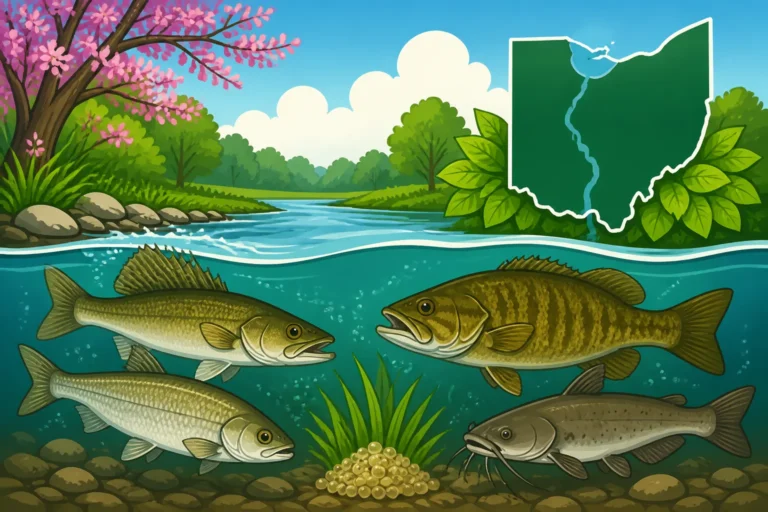
It's incredibly frustrating when you're looking for a simple, peaceful fishing experience, far from the crowded boat ramps and bustling lake shores, but you're not sure what kind of fish you can realistically expect to find in those quiet, unassuming farm ponds scattered across Ohio. This guide is all about pulling back the curtain on those hidden gems, revealing the common and not-so-common fish species that call Ohio's farm ponds home, and helping you understand what makes these waters tick.
Why Farm Ponds Are Hidden Gems for Ohio Anglers
There's something uniquely serene about fishing a farm pond. Maybe it's the peaceful solitude, the gentle hum of nature, or the feeling that you've stumbled upon a secret fishing hole. For many Ohio anglers, these smaller, often privately owned bodies of water offer a completely different experience than the vastness of Lake Erie or the larger state reservoirs. They can be incredibly productive, often holding surprisingly robust populations of fish, and they require a different approach and understanding than their bigger counterparts.
The Appeal of Small, Local Waters
One of the biggest draws to farm ponds is their accessibility and the sheer lack of competition. While you might need to know the landowner or get permission, once you're there, you often have the entire pond to yourself or with a small group of friends or family. This intimacy allows for a more relaxed and focused fishing trip. You're not battling boat traffic or jostling for position on a busy pier. Ponds are fantastic places to introduce kids to fishing, too, because the action can be consistent, and the fish, while perhaps not always trophy-sized, are usually eager biters. Plus, knowing Do You Need a License to Fish a Private Pond in Ohio? is crucial before you even cast a line.
Common Misconceptions About Pond Fishing
Many anglers mistakenly believe that farm ponds are only good for tiny panfish or that they're completely devoid of anything substantial. That couldn't be further from the truth! While some ponds might be overrun with smaller fish due to lack of management, many others are carefully stocked and maintained, holding impressive numbers of larger game fish. Another misconception is that all ponds are the same; in reality, a pond's size, depth, age, and surrounding environment all play a huge role in the fish species it can support and how healthy those populations are. Don't let these myths deter you from exploring these fantastic local opportunities.
The Usual Suspects: What You'll Most Likely Find in Ohio Farm Ponds
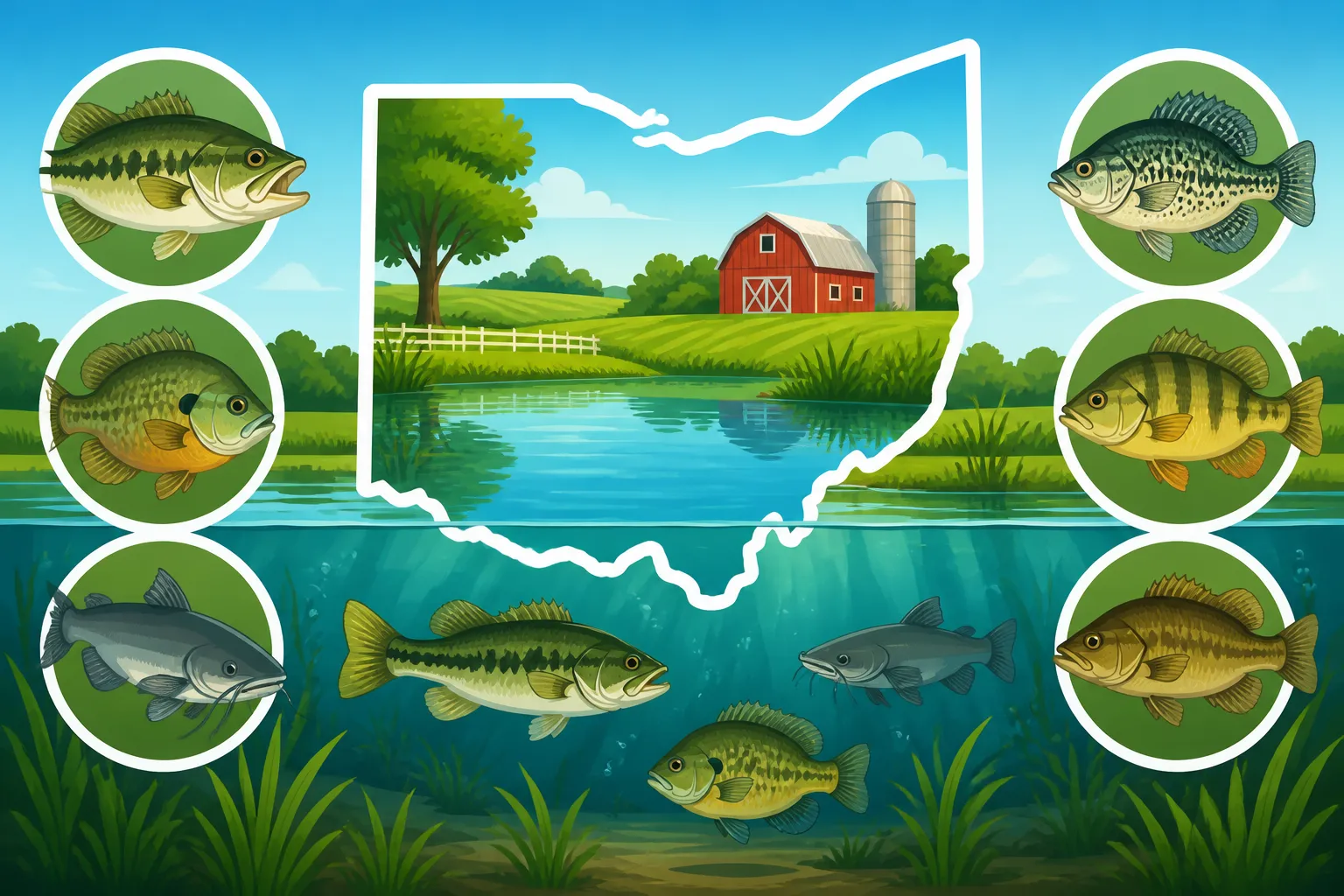
When you think about typical Ohio farm pond inhabitants, a few species immediately come to mind. These are the workhorses of the pond ecosystem, often stocked intentionally and thriving in the somewhat confined, nutrient-rich environments. They provide endless hours of fun and are often what makes pond fishing so consistently rewarding.
Largemouth Bass: The Apex Predator
Ah, the largemouth bass! These aggressive, hard-fighting fish are arguably the most sought-after species in Ohio farm ponds. They are often stocked to help manage panfish populations, but they quickly grow to become the top predators in these smaller ecosystems. You'll find them lurking around any structure imaginable—fallen trees, weed beds, lily pads, or even submerged rocks. A healthy farm pond with good cover and a plentiful supply of baitfish or panfish can produce some truly impressive largemouth. They are notoriously territorial and will strike a variety of lures, making them an exciting target for anglers of all skill levels. If you're targeting these green monsters, check out our Ohio Largemouth Bass Fishing Guide for more tips.
Their diets in ponds are diverse. Young bass will feast on insects and small minnows, while larger bass will engulf anything from bluegill and frogs to crayfish and even small rodents or birds that fall into the water. This opportunistic feeding behavior is why so many different lures and baits work for them. When you’re fishing a pond, pay close attention to areas where baitfish might hide or where shade provides an ambush point. Using a weedless Texas rig worm or a topwater frog, easily found on Amazon, can be incredibly effective when fishing around thick cover.
Bluegill and Sunfish: Panfish Perfection
No Ohio farm pond would be complete without a thriving population of bluegill and other sunfish species like green sunfish or redear sunfish. These little powerhouses are often the backbone of the pond's food chain, serving as a primary food source for larger predators like largemouth bass. But don't let their size fool you; bluegill are incredibly fun to catch on light tackle and offer some of the most consistent action, especially for young anglers. They're often schooling fish, so once you find one, you're likely to find many more.
They prefer areas with aquatic vegetation, submerged timber, or any place where they can find cover and feed on insects, small crustaceans, and plant matter. When they spawn, typically in late spring and early summer, they create dinner plate-sized nests in shallow, sandy or gravelly areas, often in colonies. This makes them particularly easy to target during these periods. A simple setup with a small hook, a bit of worm or a tiny artificial lure, and a bobber is often all it takes to have a blast with bluegill. Want to learn more about targeting these feisty panfish? Our Best Places to Catch Bluegill in Ohio article has some great insights!
Channel Catfish: The Bottom Dwellers
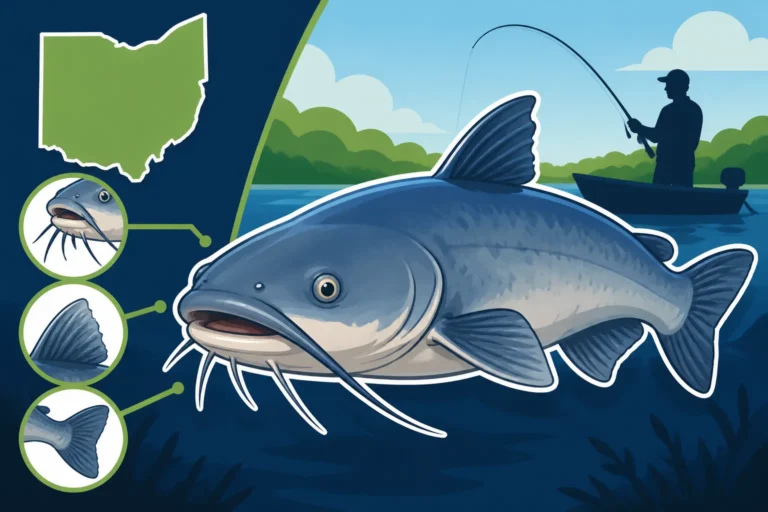
Channel catfish are another staple of Ohio farm ponds, particularly those that are regularly stocked. These whiskered bottom dwellers are incredibly hardy, tolerant of various water conditions, and grow to respectable sizes, offering a powerful fight. They are excellent table fare and are a favorite target for anglers looking for a relaxing evening bite. Unlike bass that prefer active presentations, catfish often respond best to baits fished on the bottom, relying on their keen sense of smell to find food.
They are scavengers and opportunistic feeders, eating anything from insects and crustaceans to dead baitfish, prepared stink baits, and even corn. Fishing for channel cats is often a game of patience, but the reward of a bending rod and a strong pull is well worth the wait. Many ponds are specifically managed to include channel catfish because of their popularity and their ability to thrive in these environments. Using a simple slip-sinker rig with a piece of cut bait or a chicken liver, sometimes enhanced with a scent attractant found on Amazon, can be incredibly effective. Read up on our Ohio Channel Catfish Fishing Guide for detailed techniques.
Other Fish You Might Encounter in Ohio Farm Ponds
While largemouth bass, bluegill, and channel catfish are the most common residents, Ohio farm ponds can sometimes hold a few other species, especially if they've been stocked historically or have connections to other waterways. These can add a delightful surprise to your fishing trip and expand your angling opportunities.
Crappie: The Schooling Favorites
Crappie, both black and white varieties, are occasionally found in Ohio farm ponds, particularly larger ones with good depth and plenty of submerged timber or brush piles. They are schooling fish, much like bluegill, but tend to prefer slightly deeper water and more structured cover. Crappie are renowned for their delicious white flesh and make for excellent eating. If a pond has a healthy population, they can provide fast and furious action, especially in the spring and fall when they move into shallower water.
Finding crappie in a pond often involves locating submerged brush or standing timber. Small jigs, minnows, or even tiny crankbaits are effective baits. They have delicate mouths, so a light touch and quick hookset are often key to landing them. A good fish finder, even a portable one, can be a huge asset in locating these schools in deeper ponds. Our Ohio Crappie Fishing Guide offers a deep dive into targeting these popular panfish.
Bullhead Catfish: Hardy and Abundant
While channel catfish are often the preferred species for stocking, brown bullhead and sometimes black bullhead catfish can also be present in Ohio farm ponds. These are generally smaller than channel cats, rarely exceeding a few pounds, but what they lack in size, they make up for in sheer abundance and willingness to bite. Bullheads are incredibly tough fish and can tolerate lower oxygen levels and murkier water than many other species, making them ideal residents for ponds that might not be pristine.
They share similar feeding habits with channel catfish, scavenging the bottom for food. A simple worm on the bottom will usually do the trick. While not as prized for eating as channel catfish, they are still a blast to catch and are perfect for a casual family fishing outing. They are hardy and can sustain populations even without active stocking, often reproducing naturally once established.
Sometimes, Even More Surprises
Depending on the pond's history and its connection to other water sources (even seasonal overflow), you might occasionally encounter other species. Common carp, for instance, are incredibly adaptable and can find their way into ponds. While some anglers view them as a nuisance, others actively target them for their size and fighting ability. Sometimes, you might even find golden shiners, which serve as excellent baitfish for the larger predators in the pond.
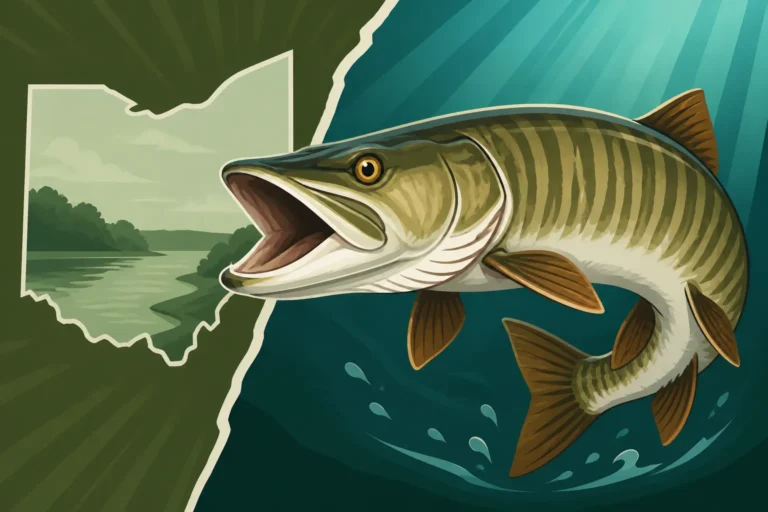
It's rare, but some ponds might even hold a rogue northern pike or a muskie if they were specifically stocked for them, though this is far less common in typical farm ponds. Always remember that what's in the pond is often a direct result of past stocking decisions and the pond's overall ecological health. Exploring Ohio Wildlife Area Ponds Open to Public Fishing might offer you even more diverse experiences.
Factors Influencing Pond Fish Populations
Understanding what lives in an Ohio farm pond isn't just about identifying species; it's also about understanding the dynamics that create and sustain those populations. A pond isn't a static environment; it's a living, breathing ecosystem where various factors play a critical role.
Pond Size, Depth, and Habitat
The physical characteristics of a pond are foundational to its fish community. A larger, deeper pond can support a more diverse range of species and larger individual fish than a small, shallow one. Depth is crucial, especially in Ohio's climate, as it provides thermal refuge in both summer heat and winter cold, and it's essential for species like crappie. Habitat features like submerged logs, rock piles, aquatic vegetation, and even artificial structures (like old tires or Christmas trees) provide cover for baitfish, ambush points for predators, and spawning grounds. Without adequate habitat, fish populations struggle to thrive. If you're managing your own pond, consulting resources on Largemouth Bass Habitat Preferences can be extremely beneficial.
For instance, a pond with steep banks and little shallow water might struggle to maintain a robust bluegill population, which in turn could impact the growth of its largemouth bass. Conversely, a pond that is too shallow could suffer from oxygen depletion during hot summer months or be prone to winterkill, severely impacting all fish species. Understanding these elements is key to predicting what kind of fishing experience you might have.
Stocking Practices and Management
Many Ohio farm ponds, especially those managed for fishing, rely heavily on stocking programs. Landowners often purchase fish directly from hatcheries to introduce or supplement populations. The most common stocking combination is largemouth bass, bluegill, and channel catfish, designed to create a balanced fishery. If a pond is stocked correctly and managed well, these populations can flourish. However, improper stocking, such as introducing too many predators or not enough forage fish, can lead to imbalanced populations where fish are stunted or one species dominates.
Regular management, including occasional selective harvesting (taking out smaller bass to allow others to grow, or culling overpopulated panfish), can greatly improve the health and size structure of a pond's fish. Some landowners even install aeration systems or manage aquatic vegetation to maintain water quality, which directly impacts fish health and growth. When you’re fishing a pond, you're often seeing the direct results of these past and ongoing decisions.
Water Quality and Ecosystem Health
Good water quality is paramount for healthy fish populations. Factors like dissolved oxygen levels, pH, temperature, and nutrient content all influence what fish can survive and thrive. Runoff from agricultural fields can introduce excess nutrients, leading to algal blooms and subsequent oxygen depletion. Poor water clarity can impact sight-feeding predators, while overly acidic or alkaline water can stress fish.
A healthy pond ecosystem is a delicate balance, with a robust food chain starting from aquatic insects and plankton, moving up through small baitfish and panfish, and culminating in apex predators. Any disruption in this chain, or a decline in water quality, can quickly lead to an unhealthy fishery. Understanding the general health of a pond, even by observing its clarity and the abundance of natural vegetation, can give you clues about its potential for good fishing.
Remember, fishing these local treasures often involves knowing the landowner and obtaining permission. It's a fantastic way to connect with the outdoors and enjoy some of the best, most accessible fishing Ohio has to offer. So grab your tackle box, maybe a new portable rod and reel from Amazon, and go explore those hidden gems!
| Common Ohio Farm Pond Fish Species | Typical Size Range (Ohio Ponds) | Preferred Habitat | Common Baits/Lures |
|---|---|---|---|
| Largemouth Bass | 1-5 lbs (can be larger) | Weeds, logs, brush, lily pads | Worms, jigs, crankbaits, topwater |
| Bluegill (and Sunfish) | 4-8 inches | Aquatic vegetation, shallow edges | Worms, crickets, small jigs, tiny spinners |
| Channel Catfish | 2-10 lbs (can be larger) | Deeper areas, soft bottoms, structure | Cut bait, chicken liver, stink baits, worms |
| Crappie (Black & White) | 7-12 inches | Submerged timber, brush piles, drop-offs | Small jigs, minnows, tiny crankbaits |
| Bullhead Catfish | 8-15 inches | Mucky bottoms, murky water | Worms, prepared baits |
Disclaimer
This article is for general informational purposes only and does not constitute professional advice. Laws, prices and regulations vary by location and change over time. Consult a qualified professional for guidance on your specific situation.