Ohio’s Western Basin of Lake Erie
Navigating the vast waters of Lake Erie can feel overwhelming, especially when you're looking for that perfect fishing spot without knowing where to start. The sheer size of the lake, coupled with its ever-changing conditions, often leaves anglers scratching their heads about where the fish are biting. This guide will take a deep dive into Ohio's Western Basin of Lake Erie, breaking down exactly why it's a legendary fishery and how you can maximize your chances for a successful and memorable trip.
Understanding the Western Basin's Unique Charm
The Western Basin of Lake Erie isn't just another section of water; it's a truly dynamic and incredibly productive ecosystem that stands apart from the rest of the lake. Its unique characteristics are precisely what make it such a renowned fishing destination, drawing anglers from all over the country. If you've ever wondered why so many tales of monster walleye and limits of yellow perch come from this particular area, it's largely due to its geographical makeup and rich aquatic life.
Geographical Significance and Unique Features
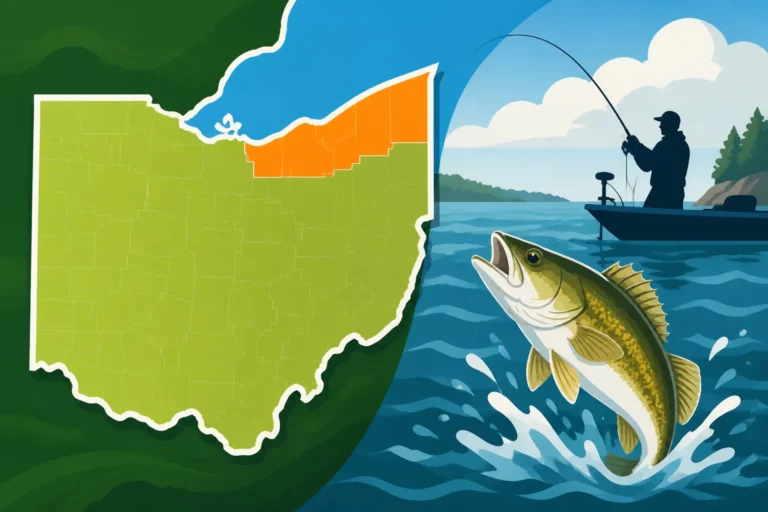
Unlike the deeper, colder central and eastern basins, the Western Basin is remarkably shallow. On average, it’s only about 24 feet deep, with many areas considerably shallower. This shallow depth means the water warms up much faster in the spring and holds that warmth well into the fall, creating an ideal environment for a thriving food chain. Imagine a giant, nutrient-rich dinner plate for fish – that's the Western Basin. Its bottom composition is a mix of soft muds and hard substrates, offering diverse habitats. The basin is also fed by several major tributaries, most notably the Maumee River, which carries a tremendous amount of nutrients and sediment into the lake, further enriching the waters. These river systems are crucial for spawning fish, acting as vital nurseries. The outflow from the Detroit River also plays a significant role, bringing cold, oxygen-rich water that contributes to the overall health of the ecosystem.
Another defining feature is the scattering of islands, like the famous Lake Erie Islands such as Kelleys Island and South Bass Island, which create natural current breaks and structure. These islands, along with numerous reefs and shoals, provide critical habitat and ambush points for predatory fish. Anglers often find these areas to be honey holes, particularly for smallmouth bass and walleye looking for a meal. The shallower water and varied bottom structure also contribute to the basin's incredible productivity, fostering dense populations of baitfish, which in turn support the larger game fish.
Why the Western Basin is a Fishing Hotspot
So, why does all this geography translate into an unparalleled fishing experience? Simply put, the Western Basin is a biological powerhouse. The warm, nutrient-rich, shallow waters create perfect conditions for an explosion of zooplankton and phytoplankton, the base of the entire aquatic food web. This abundance of microscopic life fuels massive populations of baitfish like emerald shiners and gizzard shad. And where there's bait, there are predators. The walleye, in particular, absolutely thrive in these conditions, growing at an astonishing rate. Many anglers affectionately call Lake Erie the "Walleye Capital of the World," and a huge part of that reputation is built on the Western Basin's productivity.
Beyond walleye, the yellow perch also flourish here, forming immense schools that offer fantastic fishing opportunities, especially for those who enjoy steady action and delicious table fare. The diverse habitat also supports healthy populations of smallmouth bass, especially around the rocky islands and reefs, and even some surprisingly large channel catfish and white bass. The fishing pressure can be intense, especially during peak seasons, but the lake is so vast and the fish populations so robust that there's usually room for everyone. It’s truly a testament to Ohio's conservation efforts and the lake's natural resilience that such a productive fishery can exist right on our doorstep.
Key Fish Species and When to Target Them
When you're planning a trip to Ohio's Western Basin, knowing which fish to target and, more importantly, when to target them, can make all the difference. This area is famous for a few star species that truly define the Lake Erie fishing experience. Understanding their habits throughout the year will give you a significant advantage on the water.
Walleye: The King of the Lake
Without a doubt, walleye are the reigning champions of the Western Basin. These elusive, hard-fighting, and delicious fish draw thousands of anglers annually, making them the primary target for most visitors. Their life cycle heavily influences when and where you'll find them. In the early spring, typically from late March through April, the Western Basin comes alive with the massive walleye spawning run. Fish move into the shallower, warmer waters of the rivers, like the Maumee and Sandusky, as well as over offshore reefs like those near Port Clinton, to reproduce. This is a prime time for shore anglers in the rivers or boaters drifting jigging baits over the reefs. If you've ever heard tales of anglers catching limits in a matter of hours, it's often during this exhilarating period. For a deeper dive, check out our Ohio Walleye Fishing Guide.
As spring turns into early summer (May and June), the post-spawn walleye begin to disperse and feed heavily to recover their energy. They'll often be found in the clearer, slightly deeper areas of the Western Basin, still relatively shallow compared to the central basin. Trolling crankbaits or crawler harnesses becomes incredibly effective as fish spread out, actively hunting baitfish. This is when some of the biggest numbers of fish are often caught, offering consistent action for charter boats and private anglers alike. The bite remains strong throughout the summer, though fish may move to slightly deeper thermal breaks or structure as water temperatures peak. You can learn more about Best Time of Year to Fish Lake Erie for Walleye to fine-tune your trip.
Yellow Perch: Abundant and Delicious
While walleye might be the glamour species, yellow perch are the unsung heroes of the Western Basin, providing incredible angling opportunities, especially for families and those looking for a cooler full of tasty fillets. These schooling fish are abundant and, once you find a school, the action can be non-stop. Perch typically begin to show up in good numbers in the Western Basin around late spring and early summer (May-June) after their own spawning efforts. They prefer slightly cooler, deeper pockets of water or areas with plenty of submerged structure where they can hide and ambush bait.
Summer (July-August) and fall (September-October) are arguably the best times to target yellow perch. They tend to school up in large groups, often found suspended over soft bottom areas or near reefs. Anglers commonly use spreaders rigs tipped with emerald shiners or pieces of nightcrawler to entice these schooling fish. Drop-shot rigs also work wonders. When you hit a school, it's common to catch multiple fish on a single drop. The key with perch is often mobility – if you're not catching, move until you find them. The harvest limits for yellow perch vary by zone on Lake Erie, so it's always critical to check the current Lake Erie Yellow Perch Zone Limits before heading out.
Smallmouth Bass and Other Species
Beyond the big two, the Western Basin also offers fantastic opportunities for other game fish, with smallmouth bass being a particular standout. These bronze backs thrive around the rocky islands, reefs, and points, where they can ambush baitfish and crayfish. The prime time for smallmouth is usually late spring through fall, with some of the best fishing occurring in June and September. Anglers often target them with crankbaits, tubes, drop-shot rigs, and even topwater lures around structure near islands like South Bass or Kelleys Island. They are incredibly aggressive fighters and a blast on light tackle. For more detailed techniques, our Ohio Smallmouth Bass Fishing Guide has you covered.
Don't overlook the potential for other species either. White bass make a strong showing in the spring, often schooling up in huge numbers and providing fast action, especially in the rivers and nearshore areas. Channel catfish are also abundant, particularly in the warmer, shallower bays and estuaries. They offer a great fight and can be targeted effectively with cut bait or stink bait on bottom rigs. Even freshwater drum, often called sheepshead, are common and can provide a surprising fight, though they aren't usually targeted for their eating quality. The diversity of the Western Basin means there's almost always something biting, no matter the season or your preferred fishing style.
Top Fishing Spots and Access Points
Knowing the general characteristics and fish species of the Western Basin is one thing, but pinpointing the actual places to drop a line is another. Fortunately, the Western Basin is peppered with renowned fishing spots and excellent access points, making it relatively easy to get out on the water, whether you're launching a boat or fishing from shore.
Famous Port Towns and Launches
The Western Basin is home to several iconic fishing towns that serve as hubs for anglers. Port Clinton, Ohio, often dubbed the "Walleye Capital of the World," is arguably the most famous. Its central location in the Western Basin makes it a prime launching point for accessing the best walleye and perch grounds. You'll find numerous marinas, bait shops, and charter services here. Public boat ramps like those at Waterworks Park offer easy access, though they can get incredibly busy during peak season. Port Clinton is also the gateway to the Lake Erie Islands, offering diverse fishing close by. If you're looking to book a guided trip, consider researching Port Clinton Ohio Fishing Charters.
Just east of Port Clinton lies Sandusky, Ohio, another major player in the Lake Erie fishing scene. Sandusky Bay and the surrounding waters offer excellent fishing for perch, walleye, and even some bass, especially near the causeway and along the bay's numerous piers and docks. Like Port Clinton, Sandusky boasts multiple boat launches, including those in the downtown area and further east. Both towns have a strong infrastructure built around fishing, offering everything from tackle shops to fish cleaning services. Further west, the Maumee River itself, particularly around Toledo and Perrysburg, becomes a major hotspot during the spring walleye run, with numerous shore access points and boat launches. The river mouth where it meets the lake, near the Toledo Harbor Light, is a consistent producer for many species throughout the season.
Nearshore vs. Offshore Fishing Opportunities
The Western Basin offers a fantastic blend of nearshore and offshore fishing, catering to different boat sizes, skill levels, and target species. Nearshore fishing, generally within a few miles of the coastline or islands, is often productive for yellow perch, smallmouth bass, and even walleye, especially during the spring and fall when walleye move shallower. Areas like Turtle Creek near Port Clinton, the vast Sandusky Bay, and the waters around Catawba Island offer excellent nearshore opportunities. Shore anglers can also find success from piers and jetties in these areas, particularly for yellow perch and white bass. Remember to check local regulations specific to these nearshore areas, as they can sometimes differ slightly from open lake rules.
Offshore fishing, typically meaning venturing several miles out into the open lake, is where many anglers chase the large schools of walleye that roam the Ohio's Lake Erie Walleye Grounds. The vast, open waters of the Western Basin offer immense potential for trolling crankbaits or crawler harnesses. Key offshore structures like the Kelleys Island Reef and the vast open flats between the islands and the mainland are prime territories. While offshore fishing can be incredibly rewarding, it also demands proper equipment, navigation skills, and a keen eye on the weather, as Lake Erie can turn from placid to dangerous in a hurry. Many anglers opt for a guided trip, booking a charter through services like FishingBooker, especially if they are new to the lake or lack the proper big-water fishing gear. A good charter captain will know the nuances of Lake Erie Fishing Regulations in Ohio and ensure a safe, productive trip.
Effective Fishing Techniques and Gear
Successfully fishing Ohio's Western Basin requires more than just knowing where to go; it demands understanding the techniques that work best for specific species and conditions. Adapting your approach with the right gear can significantly boost your success rate, turning a slow day into a memorable one.
Seasonal Tactics for Walleye and Perch
Walleye tactics vary dramatically with the seasons in the Western Basin. In early spring, during the spawn, jigging is king, especially over the reefs and in the rivers. Anglers use lead head jigs tipped with soft plastics, live minnows, or a piece of nightcrawler. Vertical jigging directly below the boat or casting and retrieving slowly along the bottom are common methods. As fish transition to post-spawn in late spring and early summer, they begin to spread out, and trolling becomes the dominant technique. Anglers deploy planer boards to spread out multiple lines, covering a wider area. Deep-diving crankbaits in various colors are popular, as are spinner rigs tipped with nightcrawlers (often called "worm harnesses"). Speed and depth are crucial, so having a good fish finder and understanding how to adjust your trolling spread is essential.
For yellow perch, the technique is generally more straightforward, often involving still-fishing or slow-drifting. Perch are schooling fish, so finding them is half the battle. Once located, anglers typically use a spreader rig or a simple drop-shot rig with small hooks, usually baited with live emerald shiners (the go-to perch bait) or pieces of nightcrawler. Light to medium-light action rods are ideal for feeling their subtle bites. Most perch fishing is done in depths ranging from 15 to 40 feet, often suspending their baits just off the bottom or at the depth where fish are marked on the sonar. Keep a close eye on your fish finder for those tell-tale dense schools.
Essential Gear for Western Basin Success
When it comes to gear, preparing for the Western Basin means being ready for both deep-water trolling and finesse presentations. For walleye, a sturdy boat equipped with a reliable outboard, a good GPS/chartplotter, and a high-quality fish finder is almost a necessity for offshore excursions. Rods and reels should be matched to your preferred technique: stout trolling rods with line counter reels for crankbaits and harnesses, and medium-action spinning rods for jigging. Line choice is critical; many walleye anglers prefer braided line with a fluorocarbon leader for sensitivity and abrasion resistance. Don't forget an ample supply of lures, including a variety of crankbait colors and sizes (e.g., Bandits, Reef Runners, Berkley Flicker Shads) and plenty of spinner blades, beads, and weights for worm harnesses.
For yellow perch, a lighter setup is usually preferred. Medium-light spinning rods paired with 1000-2500 series reels spooled with 6-8 pound monofilament or braid are perfect. A good supply of small hooks (size 4-8), split shot weights, and spreader rigs are essential. Live bait, particularly emerald shiners, is almost mandatory for consistent perch success. A large cooler with ice is also a must, as these fish are incredibly tasty and you'll want to keep your catch fresh. Regardless of your target, always have a good quality landing net, pliers for hook removal, and a reliable cooler for your fish. And, of course, your valid Ohio Fishing License Guide for Residents and Nonresidents is non-negotiable!
| Species | Best Season | Primary Technique | Recommended Bait/Lure | Typical Depth Range |
|---|---|---|---|---|
| Walleye | Spring (Spawn) | Jigging | Jigs w/ soft plastics/minnows | 10-25 ft (reefs, rivers) |
| Walleye | Summer/Fall | Trolling | Crankbaits, Crawler Harnesses | 20-45 ft (open water) |
| Yellow Perch | Summer/Fall | Still-fishing/Drifting | Emerald Shiners, Nightcrawlers | 15-40 ft (schools) |
| Smallmouth Bass | Spring/Fall | Casting/Drop-shot | Tubes, Crankbaits, Soft Plastics | 5-25 ft (structure) |
Navigating Regulations and Safety
Fishing the Western Basin is an incredible experience, but it comes with responsibilities. Lake Erie is a vast, powerful body of water, and understanding the specific regulations and prioritizing safety are paramount for a successful and legal trip. Ignoring these aspects can quickly turn a dream outing into a nightmare.
Understanding Lake Erie Specific Rules
Ohio fishing regulations, especially on Lake Erie, can be quite nuanced and are subject to change annually based on fish populations and scientific assessments. It’s absolutely critical to stay informed. For instance, walleye and yellow perch have specific daily bag limits and sometimes minimum size limits that can vary by season or even by zone within Lake Erie. These limits are set by the Ohio Department of Natural Resources (ODNR) to ensure sustainable fishing for future generations. Never assume the rules from last year are the same this year. Always consult the most current Ohio Fishing Regulations Every Angler Should Know or the ODNR's yearly fishing digest.
Beyond bag and size limits, there are other regulations to be aware of. For example, the number of fishing lines you can use in Ohio waters is typically limited to two per angler, though there can be exceptions in certain areas. Also, remember that a fishing license is required for anyone 16 years or older. Even if you're fishing with a charter, you'll still need your own valid license. Specific areas, like certain tributaries or harbors, might have their own unique rules, so always be attentive to signage. Ignorance of the law is not an excuse, and wildlife officers do patrol the lake to ensure compliance.
Boating Safety and Weather Awareness
Lake Erie, especially the shallower Western Basin, can be notoriously fickle when it comes to weather. A calm morning can quickly transform into a treacherous afternoon with rapidly building waves. Sudden storms, strong winds, and dense fog are not uncommon. Therefore, boating safety must be your top priority. Always check the marine weather forecast before you leave the dock and throughout your trip using multiple reliable sources (NOAA Weather Radio, weather apps, etc.). If the forecast calls for small craft advisories or worse, it’s always better to err on the side of caution and postpone your trip. No fish is worth risking your life.
Ensure your boat is equipped with all required safety gear: properly fitting life jackets for everyone on board (children 12 and under must wear them at all times), visual distress signals (flares or flag), a sound-producing device (horn or whistle), fire extinguisher, first-aid kit, and navigation lights. Always let someone on shore know your float plan – where you're going, who's with you, and when you expect to return. Consider carrying an emergency VHF radio for communication, as cell service can be spotty far offshore. If you're new to boating on big water, taking a boating safety course is highly recommended. Being prepared and respectful of Lake Erie's power will ensure a much safer and more enjoyable fishing adventure.
Planning Your Trip: Charters, Guides, and Accommodations
A successful fishing trip to Ohio's Western Basin often hinges on good planning. From deciding whether to hire a professional to finding a place to stay, a little foresight goes a long way. This hub of activity offers plenty of resources, but knowing how to tap into them effectively can make your experience seamless and memorable.
Choosing a Charter or Guide Service
For many anglers, especially those new to Lake Erie or without their own suitable boat, hiring a charter or guide service is the best way to experience the Western Basin's world-class fishing. A good charter captain brings decades of experience, intimate knowledge of the lake, top-of-the-line equipment, and the ability to put you on fish. They know the current patterns, bait movements, and where the hot bites are happening. If you're looking for a hassle-free day targeting trophy walleye or limits of perch, a charter is an excellent investment. You can find comprehensive details in our Ohio Fishing Charter Guide and specifically about Lake Erie Walleye Charter Guide.
When choosing a charter, consider a few factors. First, decide what you want to fish for (walleye, perch, bass). Then, look for captains specializing in those species. Reputable services like FishingBooker allow you to browse captains, compare prices, read reviews, and see what's included in the trip (e.g., bait, tackle, fish cleaning). Don't be afraid to call captains directly to ask questions about their experience, boat, and safety protocols. Booking well in advance, especially for peak season weekends, is crucial as the best captains fill up fast. Discuss expectations beforehand, including what you need to bring (your fishing license, food, drinks, appropriate clothing) and what the captain provides. Tipping your captain and mate is customary, typically 15-20% of the trip cost, especially if they work hard and put you on fish.
Logistics and Local Resources
Beyond the fishing itself, consider the logistics of your trip. The Western Basin is well-equipped to handle the influx of anglers. Accommodation options range from campgrounds and RV parks to hotels, motels, and vacation rentals in towns like Port Clinton, Sandusky, and Marblehead. If you plan to make multiple trips or stay for several days, booking lodging in advance is highly recommended, particularly during the busy summer months. Many local businesses cater specifically to anglers, offering bait and tackle shops, marine services, and even fish cleaning and vacuum-sealing services for your catch. This is particularly convenient if you've had a successful day on the water and want to preserve your fillets.
For those bringing their own boat, familiarize yourself with public boat ramps and marina facilities. Many towns have excellent launch sites, but they can get crowded. Arriving early is often a good strategy during peak times. Most launch ramps require a fee, so have cash or a credit card ready. Make sure your trailer is in good working order and your tow vehicle is capable of handling the load. Finally, don't overlook local visitor centers or tourism bureaus. They can provide maps, local insights, and information on other attractions in the area, allowing you to blend your fishing adventure with a broader exploration of the beautiful Lake Erie region. With so much to offer, a well-planned trip to the Western Basin is sure to be an unforgettable experience.
Disclaimer
Please note that fishing regulations, conditions, and availability of services in Ohio's Western Basin of Lake Erie can change. Always consult the latest official Ohio Department of Natural Resources (ODNR) regulations before your trip and prioritize safety on the water. This guide is for informational purposes only.