Best Time of Day to Catch Walleye on Lake Erie
Oh, the age-old question that plagues every angler staring out at the vast expanse of Lake Erie: "When exactly is the best time of day to catch those elusive walleye?" It’s a frustrating riddle, isn't it? One day they're biting like crazy at dawn, the next it's late evening, and sometimes, just to keep us on our toes, it's the middle of the afternoon. This isn't just about luck; it’s about understanding walleye behavior and adapting your strategy. This guide will dive deep into cracking the code of prime walleye feeding windows on Lake Erie, helping you maximize your time on the water.
Understanding Walleye's Low-Light Advantage
Walleye are often nicknamed "low-light feeders," and there's a very good reason for that. Their eyes are specially adapted to see extremely well in dim conditions, giving them a significant advantage over their prey, like yellow perch and baitfish, when the sun isn't shining brightly. This evolutionary trait dictates much of their daily activity and is the foundation for why certain times are generally better for targeting them.
Dawn and Dusk: The Golden Hours
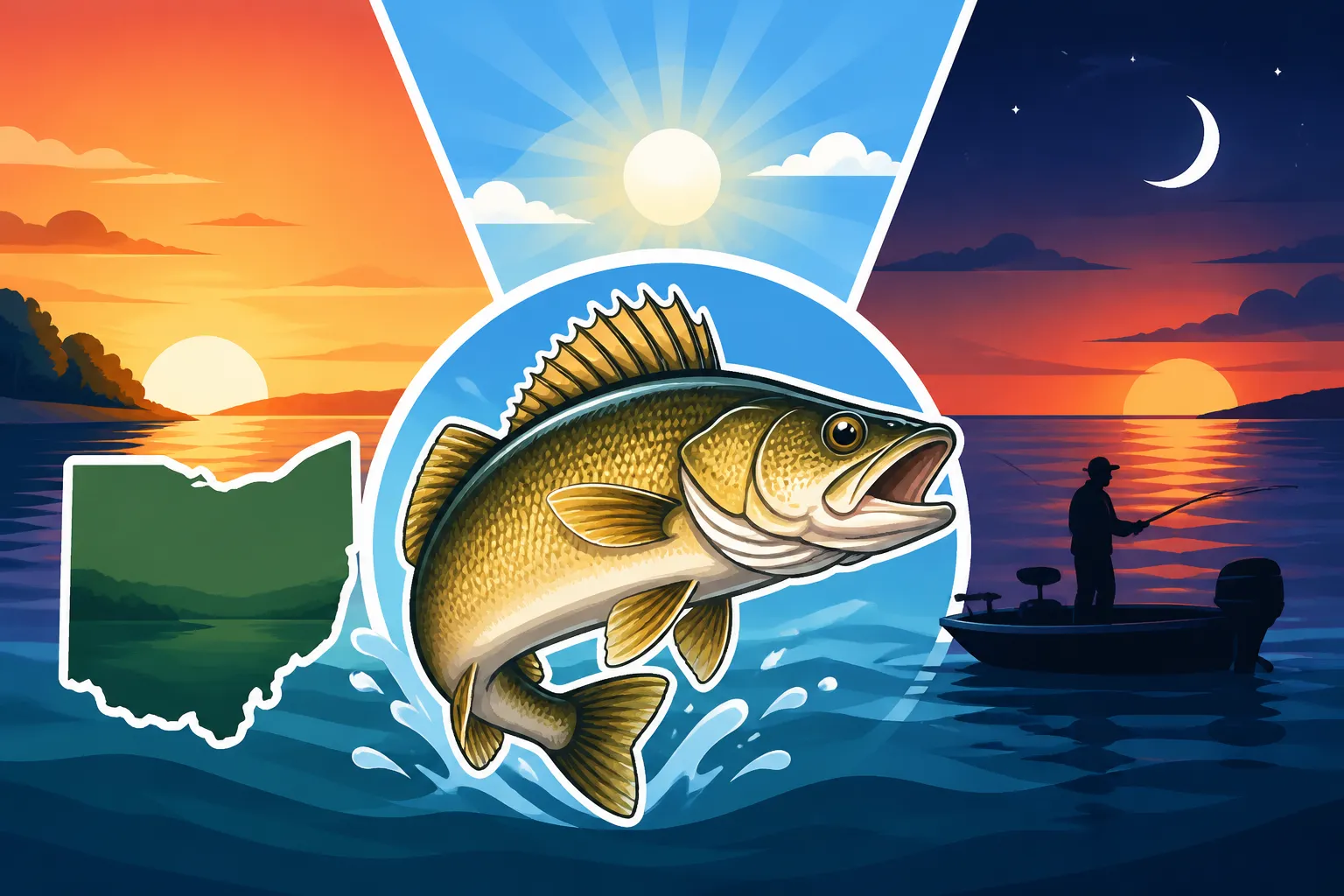
If there's one piece of universal advice about walleye fishing, it's to be on the water during dawn and dusk. These periods, often referred to as the "crepuscular hours," are when walleye are typically at their most active. As the sun rises or sets, the light intensity changes, creating that perfect window where walleye can hunt effectively while their prey struggles.
During dawn, as the first light breaks, walleye often move into shallower areas to feed on baitfish that are also becoming active. They might be aggressive, hitting lures hard after a night of less intense feeding or transitioning from deep water. Similarly, as dusk settles in and the sun dips below the horizon, walleye again push into feeding areas, capitalizing on the diminishing light. This is when you'll often hear stories of frenzied bites, with anglers reeling in fish after fish. Many experienced captains on Lake Erie, especially those you might find listed on platforms like FishingBooker, will schedule their trips to ensure you're out there during these critical times.
The Mysteries of Night Fishing
While dawn and dusk are prime, true night fishing for walleye on Lake Erie can be absolutely phenomenal, especially in the warmer months. As darkness completely envelops the lake, walleye's nocturnal vision truly shines. They become even bolder, venturing into extremely shallow waters, sometimes just a few feet deep, to chase bait.
Night fishing often requires a different approach. You might focus on casting shallow-running crankbaits, stickbaits, or even vertical jigging under lights if you're anchored. The key is to remember that walleye are incredibly sensitive to vibrations and silhouettes in the dark, making stealth and presentation vital. It's a different world out there after dark, and for many anglers, it offers some of the most memorable and productive walleye experiences. Understanding How to Fish for Walleye After Dark is a game-changer for many anglers seeking trophy-sized fish.
Daytime Walleye: Cracking the Midday Code
Just because walleye prefer low light doesn't mean you can't catch them when the sun is high in the sky. It simply means you need to adjust your tactics significantly. Daytime walleye fishing on Lake Erie often involves different depths, different techniques, and a lot more patience, but it can be incredibly rewarding.
Deep Water Strategies
When the sun is blazing overhead, walleye often retreat to deeper, cooler water where the light penetration is less intense. This could mean hanging around thermoclines, congregating near structure, or suspending over deep flats. During these hours, trolling becomes one of the most effective methods.
Anglers will often use planer boards to spread out their lines, presenting various crankbaits or crawler harnesses at different depths and distances from the boat. The goal is to cover a lot of water and find those elusive schools of walleye. Downriggers and dipsy divers are also popular tools to get baits down to precise depths where fish are holding. This isn't just a blind effort; smart anglers are constantly monitoring their fish finders and electronics, looking for baitfish schools and arcs indicating walleye, adjusting their depth and speed accordingly. If you're planning a trip, especially with a charter, make sure to read up on Ohio Trolling Techniques for Lake Erie to see how pros manage during the bright hours.
Overcast Days and Choppy Water
One exception to the "deep water, low light" rule for daytime fishing is when Mother Nature throws us a curveball with overcast skies or choppy water. These conditions can mimic low-light scenarios, making walleye more active in shallower or mid-depth ranges throughout the day. The cloud cover diffuses the sunlight, and the rough water breaks up the light, reducing its intensity and making it harder for prey to spot predators.
On these days, walleye might move up higher in the water column or closer to structure, presenting excellent opportunities for jigging, casting, or even drift fishing. It’s all about monitoring the weather and being ready to adapt your approach. Pay attention to how the wind and clouds are impacting the water; often, a little chop can be your best friend.
Seasonal Shifts and Their Impact
The "best time of day" for Lake Erie walleye isn't static; it shifts dramatically with the seasons. What works in the spring might be completely ineffective in the heat of summer or the chill of fall. Understanding these seasonal nuances is critical for consistent success.
Spring: Post-Spawn Aggression
In the spring, especially after the walleye have completed their spawning rituals in areas like the Maumee River or near the reefs, they enter a period of aggressive feeding to regain energy. The water is still cool, and daylight hours are increasing. During this time, walleye can often be caught throughout the day, though dawn and dusk remain prime. They might be found in shallower waters as they migrate from spawning grounds to summer feeding areas.
Focus on areas where warmer water might be collecting, like bays or near river mouths. This is also a fantastic time for casting blade baits or jigs in shallower depths, as the fish are actively chasing food. Many anglers look into Best Time of Year to Fish Lake Erie for Walleye to get a broader overview of seasonal trends.
Summer: Deeper and Nocturnal
As Lake Erie warms up in the summer, walleye generally move to deeper, cooler waters during the day, often suspending over open water or congregating around structure. This is prime time for deep-water trolling with crankbaits and worm harnesses, or even vertical jigging in specific spots.
However, summer nights become incredibly productive for those willing to stay out. Walleye will migrate from those deep daytime haunts into much shallower areas to feed under the cover of darkness. This transition makes night fishing particularly exciting and can yield some of the biggest fish of the season. During the peak summer, if you're not getting bites during the day, don't give up! Just shift your focus to the nighttime bite, or plan your trips around the low-light transitions.
Fall: Feeding Frenzy Before Winter
As autumn approaches and water temperatures begin to drop, walleye embark on another intense feeding period. They're trying to pack on calories for the long winter ahead. This means they can be incredibly active throughout the day, especially if there's good cloud cover or a chop on the water.
Walleye might be found in a wider range of depths in the fall, from shallow rock piles to deeper flats. Trolling remains effective, but vertical jigging over specific structures, or casting crankbaits along breaklines, can also be highly productive. This is a fantastic time for targeting larger walleye as they bulk up. The fish are often more cooperative, biting readily as they chase baitfish that are also schooling up.
Here's a quick reference table to summarize the general best times:
| Season | Prime Time of Day | General Depth/Location | Preferred Techniques | Notes |
|---|---|---|---|---|
| Spring | Dawn, Dusk, Overcast Days | Shallow to Mid-depth (10-30 ft), Reefs | Casting Jigs, Blade Baits, Trolling Shallow Cranks | Post-spawn aggression, feeding to regain energy. |
| Summer | Dusk, Night, Dawn | Deep water (25-60 ft) during day; Shallow (5-20 ft) at night | Deep Trolling, Vertical Jigging, Night Casting Cranks | Walleye seek cooler water during bright days, more active at night. |
| Fall | All day (especially overcast/choppy), Dawn, Dusk | Wide range of depths (15-50 ft), transitional areas | Trolling, Vertical Jigging, Casting Crankbaits | Pre-winter feeding frenzy, fish actively chasing bait. |
| Winter | Midday (Ice Fishing) | Near bottom, structure | Jigging, Tip-ups | Less light penetration under ice, stable conditions. |
Note: This table focuses on open-water fishing, except for a brief mention of winter ice fishing.
External Factors Influencing Walleye Activity
Beyond the time of day and season, several other critical environmental factors can significantly impact when and where walleye decide to bite. Ignoring these can lead to a frustrating day on the water, even if you’re out during a "prime" window.
Weather and Barometric Pressure
The weather isn't just about comfort; it's a major player in fish behavior. Stable weather patterns, even if they're sunny, often lead to more predictable fishing. However, a falling barometric pressure, often signaling an approaching storm or front, can trigger a feeding frenzy right before the weather changes. Conversely, a rapidly rising pressure after a front has passed can make walleye sluggish and difficult to catch.
Cloud cover, as mentioned earlier, is a walleye angler's friend, as it reduces light penetration and can extend prime feeding times throughout the day. Wind is another critical factor; a steady breeze creates a "walleye chop" that helps break up light and can concentrate baitfish, making it easier for walleye to hunt. Always check the forecast and factor in these conditions. Knowing Best Weather Conditions for Lake Erie Walleye Fishing can truly make or break your trip.
Water Clarity and Temperature
Water clarity plays a huge role in how walleye utilize their low-light vision. In clear water, they might be more sensitive to bright conditions and stick to deeper or darker areas even more rigidly. In stained or slightly turbid water, their low-light advantage is amplified, and they might be more active in shallower depths for longer periods.
Water temperature is arguably the most crucial factor, dictating walleye metabolism, spawning, and feeding patterns. Walleye are cold-water fish, generally preferring temperatures between 45-65°F (7-18°C). When temperatures are within their ideal range, they are typically more active. Extremely cold or hot water can make them more lethargic, requiring slower presentations or adjustments to deeper, more stable thermal zones. The water temperature dictates When Ohio's Walleye Season Peaks on Lake Erie and affects their overall activity.
Adapting Your Strategy for Success
Since there's no single "best" time, the most successful Lake Erie walleye anglers are those who are constantly observing, adapting, and experimenting. It's a dynamic puzzle, and every piece of information helps.
Be Flexible with Your Schedule
While dawn and dusk are generally fantastic, don't be afraid to try different times, especially if conditions change. If a bright, sunny morning turns into a cloudy afternoon with a good chop, those midday hours might suddenly become incredibly productive. Similarly, if your morning bite is slow, stick around for the evening transition, or consider a night trip.
Many charters on Lake Erie offer different trip lengths and times. If you're booking through a platform like FishingBooker, you can often discuss these options with captains to find one that aligns with the conditions and your preferred fishing style.
Observe and Adjust
Pay close attention to what the fish are telling you. Are they hitting fast-moving baits or slow-trolled crawler harnesses? Are they deep or suspended? Are they concentrated on structure or spread out over flats? Your fish finder is your best friend here, giving you invaluable insights into their depth and schooling behavior. Don't be afraid to change lures, colors, depths, or even locations if you're not getting bites. Sometimes a small adjustment, like switching to a different color of crankbait or trying a slightly different trolling speed, can make all the difference. Many anglers find success by mastering Reading Ohio Fish Finders and Electronics to locate active fish.
Don't Overlook the "Off-Hours"
While not "prime," the hours leading up to dawn and the hours immediately following dusk can still be incredibly productive. These are transitional periods when walleye are either moving into or out of their main feeding areas. Often, these moments are less pressured by other anglers, giving you a quiet window to target fish. Even in the middle of a sunny day, if you find a specific piece of deep structure, a deep breakline, or a concentration of baitfish, walleye will often be holding there, ready to ambush a well-presented lure. Understanding the nuances of Best Ohio Walleye Fishing Techniques for different times and conditions is a lifetime pursuit for many dedicated anglers.
Ultimately, the best time of day to catch walleye on Lake Erie is when you're out there, rods in hand, paying attention to the details, and ready to adapt. While the low-light hours generally offer the highest odds, consistent success comes from understanding the interplay of time, season, weather, and water conditions, and being flexible enough to fish accordingly.
Disclaimer
The information provided in this guide is for general informational purposes only and is subject to change. Fishing regulations, seasons, and recommended techniques can vary. Always consult the most current Ohio Department of Natural Resources (ODNR) fishing regulations before heading out on the water. Stay safe and enjoy your time fishing!