How Far Offshore You Need to Go for Lake Erie Walleye
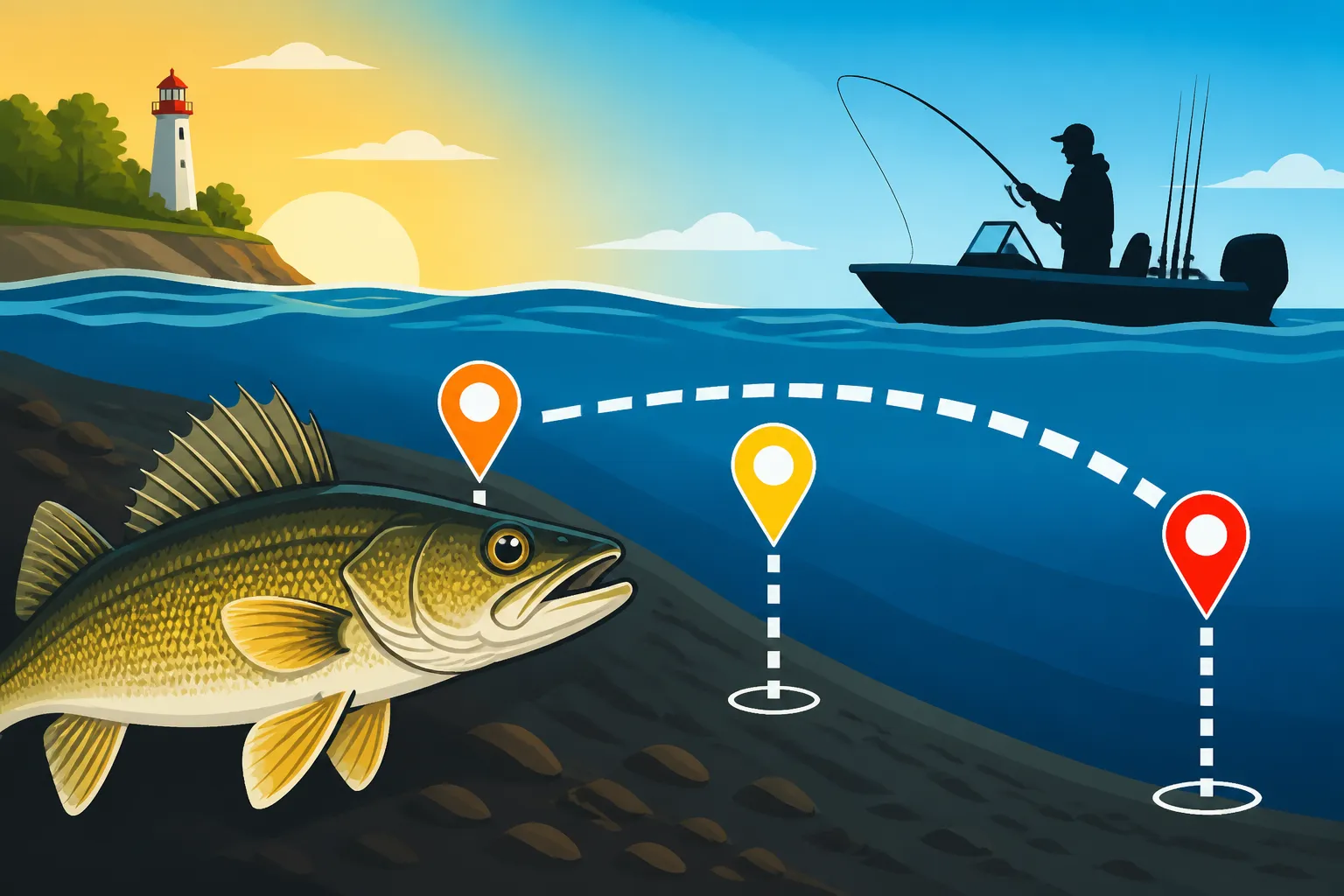
If you're dreaming of reeling in some big Lake Erie walleye, one of the first questions that probably pops into your head, especially if you're new to the big lake, is "Just how far offshore do I need to go to find these fish?" It’s a completely valid question, and frankly, it's not always a simple answer because Lake Erie walleye are notorious for moving around! This guide will break down the factors that influence how far you'll need to venture from shore, helping you understand their patterns and get you closer to those prized catches.
Understanding Lake Erie's Walleye Habitat and Movements
Walleye in Lake Erie are a phenomenal resource, but they're not static. They're constantly on the move, driven by a few key factors: spawning, food availability, and water temperature. Knowing these patterns is like having a secret roadmap to their ever-changing hideouts.
Seasonal Migrations and Depth Preferences
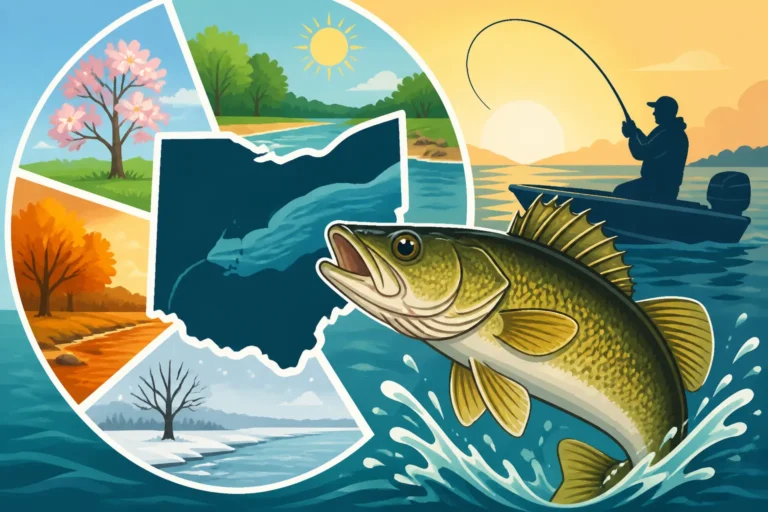
Just like clockwork, walleye have distinct seasonal movements that dictate how far offshore you might find them. It's rarely a "set it and forget it" kind of situation; their preferred depths and distances from shore shift dramatically throughout the year.
- Springtime Sprawl (March – May): Ah, spring! This is when walleye are focused on one thing: spawning. In Ohio, the prime spawning grounds are often in the shallower, western basin of Lake Erie, particularly around the reefs and rivers like the Maumee and Sandusky. During this period, you might find walleye incredibly close to shore, sometimes within just a few miles, or even right off the river mouths. They're in shallower water, often 10-20 feet deep, concentrated and relatively easy to target. As the spawn finishes, they'll start to disperse but generally remain in the western basin as they recover and begin to feed aggressively in the warming waters. If you're looking for prime spring action, understanding the nuances of the When Ohio's Walleye Season Peaks on Lake Erie can be incredibly helpful.
- Summer Offshore Shuffle (June – August): Once summer truly hits, Lake Erie walleye tend to move offshore, seeking cooler, more comfortable water and abundant baitfish. This is especially true as you move eastward into the deeper central and eastern basins. In the western basin, they might still be found within 5-10 miles of shore, often over deeper mud flats or channel edges, but in the central and eastern basins, you could be looking at runs of 10, 15, even 20 miles or more to find the main schools. They'll often be suspended over deeper water, following the thermocline – that invisible boundary between warm surface water and cold deep water. This is when your boat's electronics really shine, helping you locate these suspended schools.
- Autumn Amble (September – November): As fall approaches and water temperatures begin to drop, walleye often start to reverse their summer patterns. They'll move back shallower and closer to shore, particularly in the western and central basins, as they prepare for winter and feed heavily. They might still be found a good distance offshore, but you'll also find them congregating closer to structure or in shallower depths, making them accessible to a wider range of boats. This is a fantastic time for many anglers, as the fish are often aggressive.
- Winter Wonders (December – February): For the intrepid ice angler, walleye can often be found in shallower waters, sometimes only a few miles from shore, especially in the western basin. The key here is ice safety and knowing where to access these shallower areas. For open-water anglers, winter fishing is less common but when accessible, the fish are often deeper but still relatively close to shore in certain areas where bait congregates.
Forage and Water Temperature Influence
Walleye are opportunistic predators, and their entire existence revolves around finding food and being comfortable. This means two things are paramount: baitfish and water temperature.
- Following the Food: Walleye don't just swim aimlessly; they follow their dinner. Lake Erie is teeming with various baitfish, including emerald shiners, gizzard shad, alewives, and even invasive round gobies. These baitfish, in turn, are influenced by microscopic plankton and water conditions. If a large school of shiners moves into an area 15 miles offshore, you can bet the walleye won't be far behind. Anglers using modern fish finders are essentially looking for these baitfish schools as much as they are looking for walleye arches. Understanding the How to Locate Baitfish Schools on Lake Erie can really improve your success.
- Temperature is Key: Walleye are cool-water fish, generally preferring temperatures between 55 and 65 degrees Fahrenheit. In the heat of summer, the surface waters of Lake Erie can become quite warm. This forces walleye to seek refuge in deeper, cooler waters, often congregating around the thermocline. The thermocline's depth can vary depending on weather patterns and basin, but it's often where the walleye will be suspended. If you're fishing in 40 feet of water and the thermocline is at 25 feet, that's often where you'll find the fish, even if the bottom is much deeper. This directly translates to needing to go further offshore to find those deeper, cooler pockets of water, particularly in the central and eastern basins where the lake is naturally deeper. Knowing the Best Water Temperature for Ohio Walleye is crucial intel for any serious angler.
The Influence of Lake Erie's Basins on Walleye Location
Lake Erie isn't a uniform body of water; it's divided into three distinct basins – Western, Central, and Eastern – each with its own unique characteristics that profoundly impact how far offshore walleye will be found. Ignoring these differences is a surefire way to come back with an empty cooler.
Western Basin Dynamics
The Western Basin is arguably the most famous for its walleye fishing, often hailed as the "Walleye Capital of the World." This reputation is largely due to its unique geography.
- Shallower Waters, Closer Fish: This basin is the shallowest of the three, with an average depth of only about 24 feet. It's characterized by numerous reefs, islands (like the Lake Erie Islands), and a relatively soft, muddy bottom interspersed with rocky structures. Because it's so shallow, walleye don't have to go as far offshore to find suitable depths or cooler water. In spring and fall, during prime spawning and feeding migrations, you can often find walleye within a few miles of key access points like Port Clinton or Sandusky. It’s not uncommon to be within sight of land, or at least a recognizable landmark, while still being on top of a hot walleye bite. Even in summer, while they may move a bit further from the immediate shoreline, they rarely require the extreme offshore runs seen in the deeper basins. You might be targeting them 5 to 10 miles out over the vast mudflats, but "offshore" here feels much different than in other parts of the lake. Many anglers find excellent success focusing on the Ohio's Lake Erie Walleye Grounds here.
- Structure and Current: The Western Basin's numerous reefs and islands create current breaks and natural congregating points for baitfish, which in turn attract walleye. This means walleye can relate more closely to underwater structure rather than simply suspending in open water. Anglers often drift or troll over these structures, sometimes just a short boat ride from popular launch ramps. This accessibility makes it a favorite for many, from seasoned pros to those new to Lake Erie fishing.
Central and Eastern Basin Realities
As you move east from the Western Basin, Lake Erie transforms into a much deeper, more expansive body of water. This dramatically changes the game for walleye anglers.
- Deeper Water, Further Runs: The Central Basin plunges to an average depth of around 60 feet, while the Eastern Basin is the deepest, averaging 80 feet and reaching depths over 200 feet in some areas. In these deeper basins, the walleye's search for comfortable temperatures and abundant forage often leads them much further from shore. During the peak summer months, it's very common for anglers to make runs of 10, 15, or even 20+ miles offshore to find the schools of walleye. These fish will often be suspended over deep water, following the thermocline and vast schools of baitfish that roam the open lake. This is a completely different style of fishing than in the Western Basin, requiring more robust boats, greater fuel capacity, and a solid understanding of open-water trolling techniques. If you're venturing into these waters, a reliable fish finder capable of How to Read a Fish Finder for Suspended Walleye is non-negotiable.
- Open Water Tactics: Unlike the Western Basin where walleye relate to reefs, in the Central and Eastern Basins, you're often targeting fish in what feels like the middle of nowhere. Trolling with planer boards and downriggers to cover vast stretches of open water at specific depths is the name of the game. It’s less about finding a specific piece of structure and more about locating subtle changes in depth, temperature, or baitfish concentrations across miles of featureless bottom. This requires a boat that can handle potentially rougher open-lake conditions and the patience to search for moving schools. If you’re not familiar with how to do this yourself, booking a charter, perhaps through a service like FishingBooker, can be an excellent way to experience these offshore runs safely and effectively. Many of these experienced captains, whose services you can find on FishingBooker, specialize in these longer, offshore trips.
Practical Considerations for Finding Offshore Walleye
While understanding walleye biology and Lake Erie's geography provides a foundation, successful offshore walleye fishing also requires practical considerations on a day-to-day basis. The conditions change constantly, and adapting to them is key.
Weather, Wind, and Water Clarity
Lake Erie is known for its rapidly changing conditions, and these environmental factors heavily influence walleye behavior and, consequently, how far offshore you might need to go.
- Wind and Waves: Wind is arguably the biggest factor on Lake Erie. Strong winds can quickly whip up dangerous waves, making long offshore runs unsafe or simply uncomfortable. Even if the fish are 15 miles out, if there's a small craft advisory, you're staying closer to shore. Beyond safety, wind also affects water clarity. Strong winds can churn up shallow areas, making the water muddy. Walleye often prefer clearer water, so a sustained west wind might push them further east, or conversely, a strong east wind might push them west, causing them to move offshore to find cleaner water. When planning your trip, always check the Reading Weather Patterns for Ohio Fishing specifically for Lake Erie marine forecasts, not just inland forecasts.
- Water Clarity: Walleye are sight feeders but also light-sensitive. They prefer water with a certain level of clarity – not too muddy, not too crystal clear in bright sun. After heavy rains or strong winds, nearshore waters can become turbid, pushing walleye further offshore into cleaner water. Conversely, on exceptionally bright, calm days, they might seek deeper water or denser cover (like suspended bait schools) even if close to shore to escape the intense light. Understanding how Best Fishing Techniques for a Cold Front in Ohio can help you adapt to these rapid changes.
Using Technology and Local Knowledge
Modern fishing has been revolutionized by technology, and for offshore Lake Erie walleye, it's indispensable. Combining this with current reports and local wisdom is a powerful strategy.
- Sonar and GPS: A good fish finder with down imaging and side imaging, coupled with reliable GPS and lake mapping, is absolutely crucial for offshore walleye. You're not just looking for fish; you're looking for baitfish, the thermocline, subtle depth changes, and occasionally, deeper structure. GPS allows you to mark waypoints of productive areas, track your trolling passes, and safely navigate back to port, especially after a long run in potentially changing conditions. Companies like Humminbird and Lowrance offer excellent marine electronics that are practically standard on serious Lake Erie walleye boats.
- Fishing Reports and Local Insight: While technology is great, nothing beats current fishing reports and local knowledge. Check online forums, local bait shops, and social media groups for recent catches and patterns. Many experienced anglers and charter captains are generous with general information, helping you narrow down your search area. This is where services like FishingBooker can also indirectly help – by exploring active charters, you can sometimes get a sense of which ports are seeing action and in which general areas (e.g., "Walleye 12 miles north of Huron"). Knowing when Best Time of Day to Fish in Ohio for your target species can also leverage local insights. Just remember, conditions change daily, so a report from yesterday is a starting point, not a guarantee.
Boat Size and Safety Considerations
Venture far offshore on Lake Erie demands respect for the immense power of the lake, and your boat is your primary tool for safety.
- Vessel Capability: How far offshore you can go safely is dictated by your boat's size, design, and condition. A 16-foot aluminum tiller boat might be perfectly suitable for a few miles out in the Western Basin on a calm day, but it would be reckless to take it 20 miles into the Central Basin. For consistent offshore runs in the Central and Eastern Basins, most experienced anglers opt for boats 20 feet or longer, often deep-V hulls, that can handle bigger waves. These boats also have more fuel capacity, which is critical for long runs. Don't push your boat's limits or your own comfort level.
- Essential Safety Gear: Beyond a capable boat, always ensure you have all required safety gear: properly fitting life jackets for everyone on board, a marine radio (VHF) for communication, flares, a first-aid kit, and an anchor with plenty of rope. Consider investing in an EPIRB or PLB for extreme offshore trips. Lake Erie can turn from calm to treacherous in a heartbeat, and you need to be prepared for anything. If you're new to the lake or uncertain about your boat's capabilities, considering an Ohio Fishing Charter Guide for your first offshore walleye experience is a wise choice. Charters often have larger, more stable boats and captains with intimate knowledge of the lake's moods.
| Basin | Typical Offshore Distance (Spring) | Typical Offshore Distance (Summer) | Typical Offshore Distance (Fall) | Average Depth | Key Features |
|---|---|---|---|---|---|
| Western Basin | 1-5 miles | 5-10 miles | 3-8 miles | 24 feet | Shallow, reefs, islands, river mouths |
| Central Basin | 5-10 miles | 10-25+ miles | 8-15 miles | 60 feet | Deeper, open water, gradual slopes |
| Eastern Basin | 8-15 miles | 15-30+ miles | 10-20 miles | 80 feet (max 210 ft) | Deepest, steep drop-offs, open water |
Note: These distances are general guidelines and can vary significantly based on daily conditions, baitfish location, and specific fishing spots.
So, how far offshore do you need to go for Lake Erie walleye? The answer, as you can see, isn't a single number. It's a dynamic range dictated by the time of year, which basin you're fishing in, the ever-changing weather, and where the baitfish are holding. In the shallow Western Basin, you might find them just a few miles from shore, while in the deeper Central and Eastern Basins, summer walleye might require runs of 10, 15, or even 20+ miles.
The best approach is to be prepared for anything. Pay attention to seasonal patterns, monitor fishing reports, utilize your electronics to locate bait and thermoclines, and always prioritize safety, especially when venturing far from port. Don't be afraid to try different depths and distances. Sometimes the fish are closer than you think, and other times, that long run out to the horizon is exactly what it takes for a cooler full of delicious walleye. If you're ever in doubt, remember that experienced captains, many of whom are available for booking on platforms like FishingBooker, can take the guesswork out of finding those elusive offshore schools. Good luck out there, and tight lines!
Disclaimer
The information provided in this guide is for general informational purposes only. Fishing conditions, regulations, and fish behavior can change rapidly. Always consult the latest Ohio Department of Natural Resources (ODNR) fishing regulations before heading out, and prioritize safety on the water.