Best Fishing Techniques for a Cold Front in Ohio
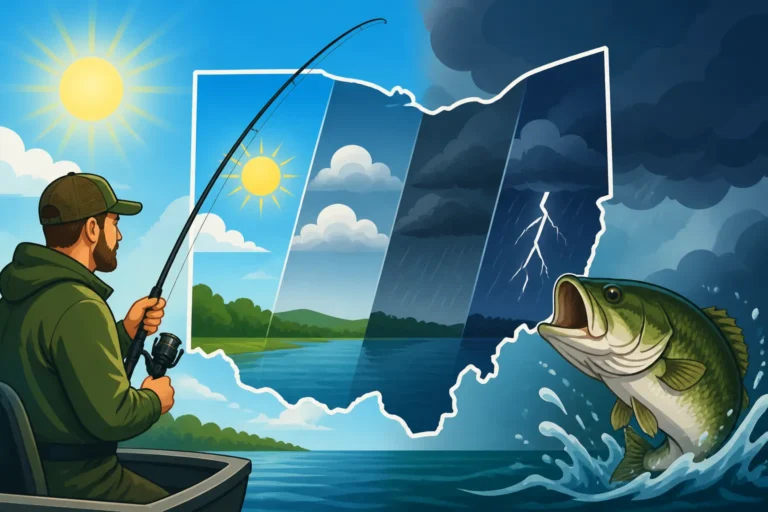
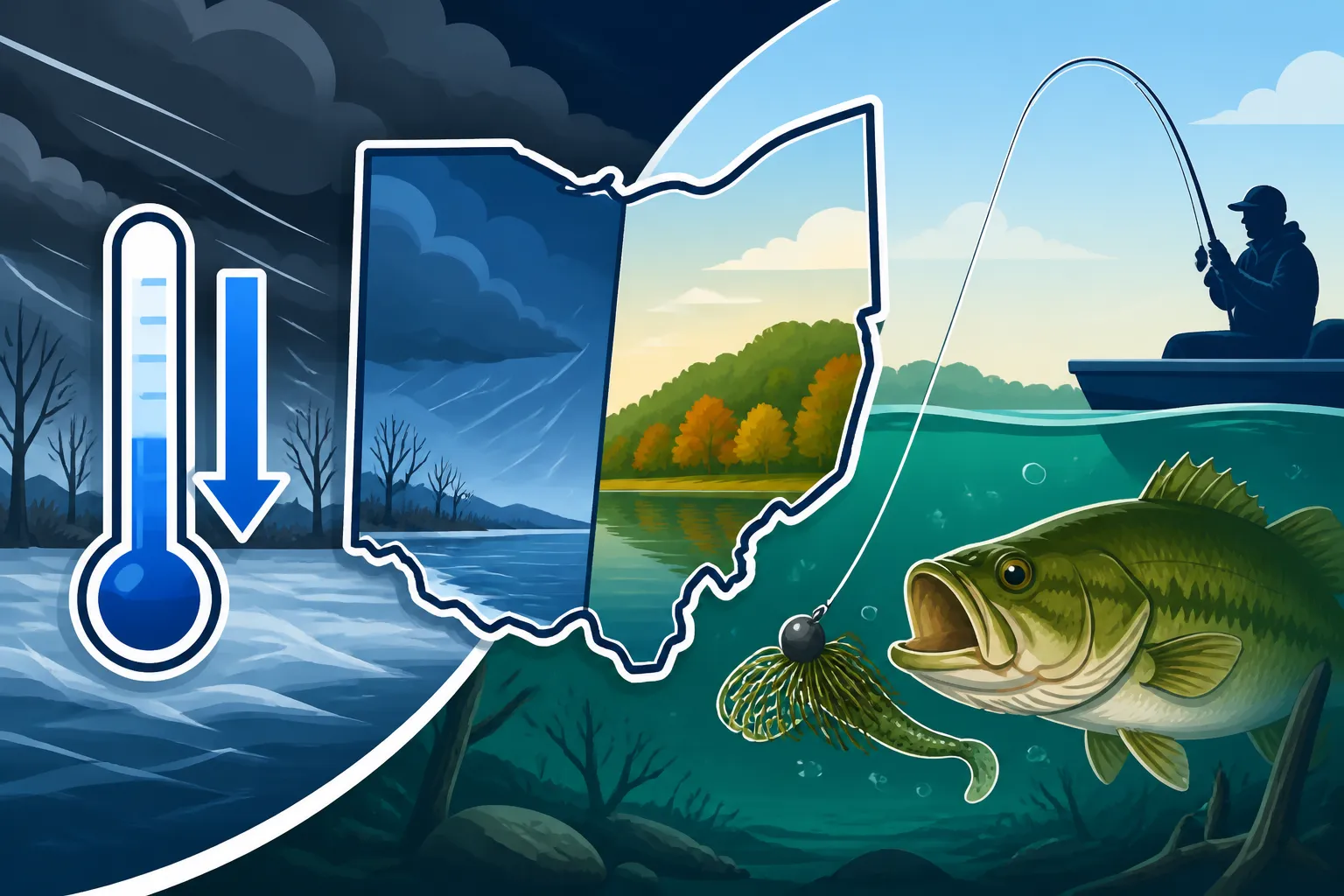
Oh, the dreaded cold front! There's nothing quite like planning a fantastic day out on an Ohio lake or river, only to wake up to a sudden temperature drop and a clear, blue sky that feels great for us but often signals a tough bite for our finned friends. It's a frustrating scenario many anglers face, watching the fish seemingly vanish or become incredibly finicky. But don't despair! This guide is here to arm you with the best fishing techniques for a cold front in Ohio, helping you understand what's happening beneath the surface and how to adjust your approach to still find success when Mother Nature throws a curveball.
Understanding the Impact of a Cold Front on Ohio Fish
Before we dive into how to catch them, it's really helpful to understand why a cold front makes fishing so challenging. It’s not just a sudden chill in the air; it sets off a chain reaction in the aquatic environment that directly influences fish behavior. Think of it like a sudden change in your daily routine – it throws everything off!
Water Temperature Drops and Fish Metabolism
The most immediate and obvious impact of a cold front is the rapid drop in water temperature, especially in shallower areas. While deep water is more insulated, the surface and upper water column can cool quickly. Fish, being cold-blooded creatures, have their metabolism directly tied to water temperature. When the water cools rapidly, their metabolic rate slows down.
Imagine trying to run a marathon after eating a huge, heavy meal – that's kind of how a fish feels. Their digestion slows, their energy levels drop, and their need to actively hunt for food decreases. This doesn't mean they stop eating entirely, but they become much less aggressive and more opportunistic. They'll often seek out areas with more stable temperatures, which means moving deeper or into dense cover where the water temperature fluctuates less dramatically. This makes them less inclined to chase fast-moving baits and more likely to prefer a slow, easy meal that doesn't require much effort.
Barometric Pressure Swings and Fish Behavior
Beyond temperature, one of the most significant, yet often unseen, factors during a cold front is the rapid increase in barometric pressure. Before a front moves in, the pressure often drops, leading to an active bite – that "pre-front bite" we all love. But as the cold, high-pressure system settles in, the pressure spikes.
This sudden rise in pressure can make fish uncomfortable. It's thought to affect their swim bladders, which help them maintain buoyancy. A rapid increase in pressure can compress their swim bladder, making them feel "heavy" or causing discomfort. To relieve this pressure, many fish will move deeper in the water column, where the ambient water pressure naturally increases, thus equalizing the pressure on their swim bladder. This explains why they often go to deeper holes, creek channels, or the deep side of a drop-off. They're not just trying to stay warm; they're literally trying to feel better. This phenomenon is a key reason why you might struggle to find fish where they were just hours before, and it highlights why understanding Does Barometric Pressure Affect Ohio Fishing? is so crucial for success.
Food Chain Disruptions
It's not just the game fish that react to cold fronts; the entire food chain feels the shift. Baitfish, insects, and other aquatic organisms also react to temperature and pressure changes. Baitfish might move deeper or become less active, making them harder for predators to find and creating fewer opportunities for an easy meal. Insect hatches might cease, and crawfish might burrow deeper into the substrate.
This disruption means that the fish you're targeting have fewer readily available food sources, and the ones that are there are harder to catch. This further reinforces the need for slow, precise presentations that mimic an easy, irresistible meal rather than an energetic chase. The fish are sluggish, their food is sluggish, and your presentation needs to match that lethargy.
Strategic Adjustments for Cold Front Fishing Success
Okay, so we know why they're acting weird. Now, what do we do about it? The good news is that cold fronts, while challenging, are not insurmountable. It just means changing your mindset and tactics. Forget what worked yesterday; today requires a new game plan.
Slow Down Your Presentation
This is probably the most critical adjustment you can make. When fish are lethargic due to cold water and high pressure, they're not going to expend a lot of energy chasing down a fast-moving lure. They want an easy meal.
Think of it like this: if you're feeling a bit under the weather, you're not going to run a sprint for a sandwich. You want it brought to you, maybe even cut into smaller, easier-to-eat pieces. Fish are the same way. Slow down your retrieve to a crawl. Let your bait sit motionless for longer periods. Use subtle twitches and pauses rather than aggressive jerks. For a crankbait, slow-roll it. For a jig, let it drop, hit bottom, sit, and then barely lift it. If you're using a spinnerbait, a "dead stick" approach where you let it flutter down or just barely turn the blades can be surprisingly effective. Even with live bait, allow it to drift naturally or present it under a slip bobber with minimal resistance. This patient approach is often the key to enticing a strike from a wary, cold-front fish.
Go Deeper or Seek Cover
As discussed, fish will often move deeper to find more stable water temperatures and to alleviate pressure on their swim bladders. This means you need to adjust your depth strategy. If you were catching them shallow yesterday, chances are they've pulled back to deeper breaks, ledges, creek channels, or humps.
In Ohio's many reservoirs and lakes, like Alum Creek or Hoover Reservoir, look for the deepest water accessible to the fish, especially if it has some kind of structure – a rock pile, a submerged timber field, or a defined channel edge. For bass, they might bury themselves deep in dense cover like brush piles, fallen trees, or thick weed beds (if the weeds haven't died back). Here, the cover provides both thermal stability and a sense of security. Flipping jigs or Texas-rigged plastics into the heart of this cover can be effective, requiring a precise presentation right into their living room. Understanding How to Fish Deep Structure for Summer Walleye can even translate to cold front situations when fish seek stable depths. Sometimes, even in rivers, fish will stack up in the deepest holes or slower eddies, seeking refuge from the cold.
Focus on Prime Times and Patience
During a cold front, the bite windows become much shorter and less predictable. You're unlikely to have an all-day feeding frenzy. This means patience is absolutely paramount. Don't expect constant action; instead, celebrate every bite you get.
The best time to fish during a cold front is often during the warmest part of the day, usually late morning to mid-afternoon, after the sun has had a chance to warm the surface water a degree or two. Even a slight temperature increase can trigger a short burst of activity. Overcast skies can sometimes be better than bright, clear skies because they prevent the rapid cooling of the water and keep the fish feeling more secure. Also, pay attention to the days after a cold front has settled in and the weather stabilizes. Once the high pressure has been around for a day or two, and the fish have adjusted, they might become slightly more active again. Remember to consult a good Ohio Fishing Season Calendar and cross-reference with weather patterns for the best chances, and understand Reading Weather Patterns for Ohio Fishing can make a huge difference in anticipating these changes.
Recommended Baits and Lures for Cold Front Conditions
Choosing the right bait can make or break your day when a cold front hits. Forget your flashy, high-action lures that worked so well last week. It's time to go subtle, natural, and irresistible.
Finesse Presentations for Finicky Fish
"Finesse" is the name of the game. You want baits that offer minimal resistance, have a natural look, and allow for a slow, controlled presentation.
- Jigs: Small jigs, especially those tipped with a soft plastic trailer or live bait, are excellent. Whether it's a hair jig, a marabou jig, or a football jig with a creature bait, the key is to fish it slowly along the bottom with long pauses. For walleye, blade baits or jigging spoons fished vertically can be deadly in deeper water.
- Drop Shots: This rig keeps your bait suspended off the bottom, right in the fish's face, allowing you to impart subtle action without moving it away from the strike zone. It's fantastic for bass and even walleye holding tight to structure.
- Small Crankbaits or Jerkbaits: If fish are slightly more active, or if you're trying to cover water, a small crankbait that dives to the desired depth or a jerkbait with long pauses can work. The key is the pause – let it sit for what feels like an eternity.
- Colors: During a cold front, natural colors often outperform bright, flashy ones. Think shades of green, brown, black, and dull blues. If the water is stained, sometimes a dark purple or black can provide enough contrast to be seen without being too aggressive. You can find a vast selection of these specialized lures and baits from retailers like Amazon, making it easy to stock up before your next outing.
Live Bait Advantages
Sometimes, nothing beats the real thing, especially when fish are in a funk. Live bait has natural scent, movement, and an appeal that artificial lures sometimes can't replicate.
- Minnows: Live minnows, fished under a bobber or on a jig head, are a classic cold front killer for walleye, saugeye, crappie, and even bass. The natural struggle of a lively minnow is often too tempting for a sluggish predator to resist. You can find convenient minnow buckets and aerators on Amazon to keep your bait lively all day.
- Worms/Nightcrawlers: Fished on a simple hook or a worm harness (slowly!), nightcrawlers are excellent for a variety of species, including bass, catfish, and panfish.
- Crappie Minnows: Smaller minnows are perfect for panfish, especially crappie when they're tight-lipped. Vertical jigging a crappie minnow near brush piles or bridge pilings can be incredibly effective.
Using live bait means giving the fish an easy, natural meal. Just be sure to check Ohio's regulations regarding baitfish use in specific waters.
Species-Specific Cold Front Strategies in Ohio
Different fish species react to cold fronts in slightly different ways, so tailoring your technique to your target is crucial. Whether you're chasing the famous Ohio Walleye Fishing Guide or trying to land a trophy bass, a nuanced approach will pay off.
Walleye
Walleye are particularly susceptible to cold fronts, often retreating to deeper, more stable environments. On Lake Erie, this means they might drop into deeper channels or gravitate towards the bottom structure.
- Jigging Blade Baits or Spoons: This is a killer technique. Find them on your electronics in deeper water (say, 25-40 feet on Lake Erie, or 15-25 feet in inland reservoirs like Mosquito Creek Lake), and then vertically jig a blade bait or jigging spoon right on their nose. Lift it a foot or two, let it flutter down on a slack line, and watch for that subtle thunk on the fall.
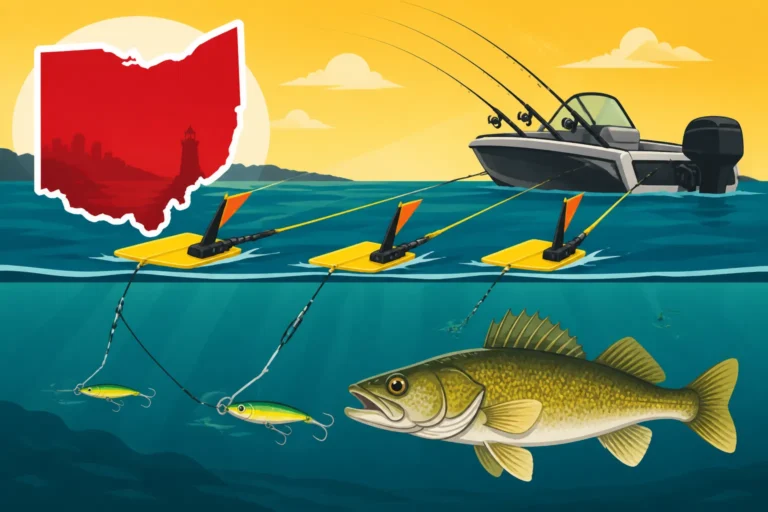
- Slow Trolling: If you're on a boat, extremely slow trolling with crankbaits that reach the depth where the walleye are suspended or along deep breaks can entice strikes. Think slow, methodical pulls. Trolling for Lake Erie Walleye can be adapted for cold front conditions by reducing your speed significantly.
- Crawler Harnesses: Still effective, but again, slow your presentation. Use heavier weights to keep it on the bottom and retrieve it at a snail's pace, or let it drift naturally. Don't forget that sometimes the Best Time of Day to Catch Walleye on Lake Erie can be after dark, even during a cold front, as fish feel more secure feeding under the cover of night.
Bass Largemouth and Smallmouth
Both largemouth and smallmouth bass tend to get tight-lipped and relocate during cold fronts. Largemouth will bury into the thickest cover they can find, while smallmouth will often retreat to deep rock piles, ledges, or offshore humps.
- Largemouth:
- Flipping and Pitching Jigs/Creature Baits: Target dense brush, lily pad stems, or docks. Present your bait quietly and let it sit. Often, the strike will come on the initial fall or after a long pause. Check out our Ohio Largemouth Bass Fishing Guide for more insights into their behavior.
- Slow-Rolling Spinnerbaits: Choose a spinnerbait with large, slow-turning blades and retrieve it just fast enough to keep the blades turning, bumping it off any available cover.
- Smallmouth:
- Drop Shots and Finesse Jigs: For those deeper, clear-water smallmouth spots common in places like Lake Erie or the deeper reservoirs, a drop shot or a small tube jig fished slowly along the bottom is hard to beat.
- Ned Rigs: The Ned Rig is a fantastic finesse presentation for finicky smallmouth, presenting a small, buoyant plastic that stands up off the bottom.
Crappie and Panfish
Crappie and other panfish like bluegill and sunfish can be surprisingly active during cold fronts if you know where to find them and how to present your bait. They often school up tightly, making them easier to target once located.
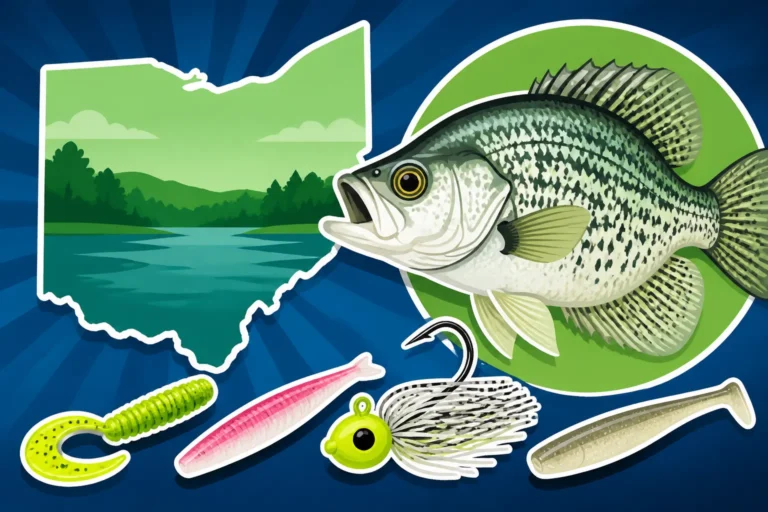
- Vertical Jigging: Crappie will often suspend in brush piles, around bridge pilings, or over deeper structure. Use your electronics to find them, then drop small jigs (1/32 to 1/16 ounce) or crappie minnows directly into the school. A very slow, subtle jigging motion is key.
- Slip Bobbers: For bluegill and other panfish, a small jig or a piece of worm under a slip bobber set to the depth of the fish can be very effective, especially if you can get it right in front of them in dense cover. Our Ohio Crappie Fishing Guide offers excellent tips for year-round success that can be adapted.
- Small Baits, Dull Colors: Stick to very small baits and natural or dull colors. Bright colors can sometimes spook them.
| Species | Typical Cold Front Behavior | Recommended Location | Recommended Baits/Techniques |
|---|---|---|---|
| Walleye | Move deeper, lethargic, tight-lipped, less aggressive. | Deep channels, drop-offs, offshore humps, bottom structure. | Blade baits, jigging spoons, slow-trolled crankbaits/harnesses, live minnows. |
| Largemouth Bass | Seek dense cover, less active, ambush predators. | Thick brush, fallen trees, docks, heavy weed beds. | Flipping/pitching jigs/creature baits, slow-rolled spinnerbaits. |
| Smallmouth Bass | Retreat to deep rock piles, ledges, humps, clear water. | Deep rock piles, offshore humps, channel bends. | Drop shots, Ned rigs, finesse jigs, tubes. |
| Crappie | School tightly, suspend in cover, finicky. | Brush piles, bridge pilings, submerged timber, deeper open water. | Vertical jigging small jigs/minnows, slip bobbers. |
| Catfish | Less active, but often still willing to bite with scent. | Deep holes, river bends, channel bottoms. | Bottom fishing with cut bait, stink bait, live bait (slow presentations). |
Final Thoughts on Cold Front Fishing
Remember, fishing during a cold front is less about catching a limit and more about the challenge and the satisfaction of outsmarting finicky fish. It requires patience, adaptability, and a willingness to slow down and embrace the subtle side of fishing. While it can be disheartening, a successful cold front outing feels even more rewarding because you truly earned it. So next time the mercury drops in Ohio, don't put away your rods; instead, grab your warmest gear, adjust your tactics, and get ready to prove that you're a true cold-front angler! The thrill of figuring out the puzzle is part of the magic, and with these techniques, you're well on your way to cracking the code.
Disclaimer
This article is for general informational purposes only and does not constitute professional advice. Laws, prices and regulations vary by location and change over time. Consult a qualified professional for guidance on your specific situation.