Hoover Reservoir Fishing Access Points
Finding that perfect spot to cast your line can sometimes feel like a treasure hunt, especially when you're looking at a large, popular body of water like Hoover Reservoir. It's easy to get overwhelmed trying to figure out where to park, where you can actually get to the water, and which access points offer the best shot at your target species. This guide is here to untangle all that, providing a clear roadmap to Hoover Reservoir's fishing access points so you can spend less time searching and more time reeling in fish.
Why Hoover Reservoir is a Go-To Spot for Central Ohio Anglers
Hoover Reservoir, nestled just northeast of Columbus, is truly a gem for anglers in Central Ohio. It's not just a beautiful place; it's a bustling ecosystem that supports a fantastic variety of fish, making it a perennial favorite for both casual bank anglers and serious boat fishermen alike. Its extensive shoreline and diverse underwater structure provide endless opportunities, but knowing where to start is key to unlocking its full potential.
Diverse Fish Species and Healthy Populations
What really draws people to Hoover is the sheer diversity and healthy populations of its fish. You're not just limited to one or two species here; you can practically plan an entire multi-species fishing trip.
- Walleye and Saugeye: Many anglers consider Hoover Reservoir one of the premier inland spots for walleye and saugeye in Ohio. These toothy predators thrive in its murky depths, especially around ledges, drop-offs, and creek channels. Come spring and fall, the fishing for these species can be absolutely phenomenal. If you're looking to target them, understanding the subtle nuances between them and their walleye cousins can be helpful, so check out our guide on Ohio Saugeye Fishing Guide.
- Largemouth Bass: The reservoir's numerous coves, submerged timber, and weed lines create ideal habitat for largemouth bass. Anglers often find success flipping jigs or pitching soft plastics into these areas. From shallow bays in the spring to deeper points in the summer, there's always a pattern to chase. Dive deeper into techniques with our Ohio Largemouth Bass Fishing Guide.
- Crappie: Hoover is also renowned for its crappie fishery, with both black and white crappie growing to impressive sizes. These panfish congregate around brush piles, submerged trees, and bridge pilings. Spring is prime time when they move shallow to spawn, but they can be caught year-round. Learn more about targeting them by exploring our Ohio Crappie Fishing Guide.
- Catfish: For those who enjoy a good fight, channel catfish are abundant throughout the reservoir. They're often found in deeper holes or along the main creek channels, especially during warmer months. Night fishing for catfish can be incredibly rewarding. If you're interested in pursuing these whiskered giants, our Ohio Channel Catfish Fishing Guide has plenty of tips.
- Other Panfish: Beyond crappie, you'll find healthy populations of bluegill and sunfish, offering great action for kids and fly anglers.
Scenic Beauty and Recreational Opportunities Beyond Fishing
Beyond the fantastic fishing, Hoover Reservoir offers a truly beautiful natural setting. The reservoir is surrounded by expansive parkland, walking trails, and scenic overlooks, making it a wonderful place to simply enjoy the outdoors, even if you're not holding a fishing rod. Wildlife viewing is common, with numerous bird species, including bald eagles, often spotted. It’s a peaceful escape from the hustle and bustle of city life, perfect for a family outing or a quiet day connecting with nature. Just be sure to check the Ohio Fishing Season Calendar before you head out to know what's in season.
Unpacking Hoover Reservoir's Key Fishing Access Points
Now, let's get down to brass tacks: where exactly can you get to the water? Hoover Reservoir boasts numerous access points, but they vary greatly in terms of amenities, parking availability, and suitability for different types of fishing (shore, boat, kayak). Understanding these differences will help you plan your trip effectively.
North End Access
The northern end of Hoover Reservoir is characterized by its narrower channels, submerged timber, and the inflow of Big Walnut Creek. This area can be fantastic for early season crappie and bass, and offers several key access points.
- Sunbury Road Causeway: This is arguably one of the most popular and easily accessible spots for shore anglers. Located near the northern tip of the reservoir, the causeway provides extensive bank fishing opportunities on both sides. You can park along the shoulder in designated areas and walk right down to the water. It’s a great spot for throwing a bobber and minnow for crappie, or casting crankbaits for bass and saugeye. During the spring, many anglers flock here for the walleye/saugeye run. Just be mindful of traffic and other anglers, especially on busy weekends.
- Route 37 Bridge Area: Further east along the northern arm, where Route 37 crosses a section of the reservoir, you'll find additional pullover spots that offer bank access. These areas tend to be a bit more secluded than the main Sunbury Road causeway but can still yield good results, especially for anglers targeting channel catfish in the deeper pockets formed by the old creek bed. Parking can be limited, so arrive early.
Central and East Side Access
The central and eastern shores of Hoover Reservoir feature larger, more open water areas, deeper sections, and the primary boat ramps. This side is ideal for those looking to launch a boat or explore extensive shoreline.
- Galena Boat Ramp (Cheshire Road): This is the main boat launch facility on Hoover Reservoir, located off Cheshire Road near Galena. It offers multiple paved ramps, ample parking for trailers, and restrooms. If you’re planning to hit the water in a power boat (remember, electric motors only on Hoover!), a pontoon, or a larger fishing boat, this is your go-to. From here, you can easily access the reservoir's deeper channels, humps, and expansive flats. The fee to launch a boat is reasonable, usually around $5-$10 for a daily pass, or you can purchase an annual pass. You can even use resources like FishingBooker to look for local guides who launch from here.
- Blanchard Parking Area/Access (Central): There are several informal access points and smaller parking areas along the eastern side, particularly off places like Oxbow Road or extending from the Hoover Reservoir Park system. These spots often provide access to smaller coves and quieter sections perfect for wading or launching a canoe/kayak without using a formal ramp. Keep an eye out for signs indicating public access. These areas are excellent for getting away from the crowds and exploring secluded bass and crappie hideouts.
South End and Westerville Access
The southern end of Hoover Reservoir, closer to Westerville, offers more developed park areas, fantastic bank fishing, and excellent amenities for families.
- Hoover Reservoir Park (Westerville): This extensive park on the southwestern side provides abundant opportunities for shore fishing. There are numerous picnic areas, walking paths, and designated fishing areas with easy access to the water. This is a fantastic option for families or anglers who prefer a comfortable bank fishing experience. You can often find success here with simple setups targeting panfish, or by casting for bass and saugeye during twilight hours. This area is particularly great for Bank Fishing Techniques for Ohio Anglers.
- Smothers Road Access: Further southeast, Smothers Road offers additional parking and access to more secluded coves and wooded areas. This spot is popular with anglers looking to target deeper water from the bank or for those launching smaller kayaks or canoes where a formal ramp isn't necessary. The quieter atmosphere can be a real draw here.
- Red Bank Road Causeway: This causeway, similar to Sunbury Road, provides good bank access on the southern end. It's another hotspot for targeting migrating species during their seasonal runs and offers good opportunities for catfish as well.
Kayak and Canoe Launch Points
While the Galena Boat Ramp can accommodate canoes and kayaks, many anglers prefer more specialized or less crowded launch points for paddle craft. Thankfully, Hoover has plenty of options.
- Any non-motorized access: Many of the smaller pull-offs and park areas mentioned above are ideal for kayak and canoe launching. Look for gentle slopes down to the water's edge, often marked by worn paths from previous launches.
- Specific park areas: The Hoover Reservoir Park on the Westerville side offers several spots where it's easy to get a kayak or canoe in the water without the hassle of a busy boat ramp. These areas are especially good for exploring the shallower, weed-laden coves that larger boats can't reach, which are prime habitat for largemouth bass. If you're into paddle sports, our guide on Kayak Fishing Techniques in Ohio might be useful.
- Small creeks and inlets: Exploring the mouths of creeks like Big Walnut Creek (accessible from the northern end) by kayak can be incredibly productive, especially during periods of higher water or fish migrations. These areas often hold abundant baitfish, attracting predatory species.
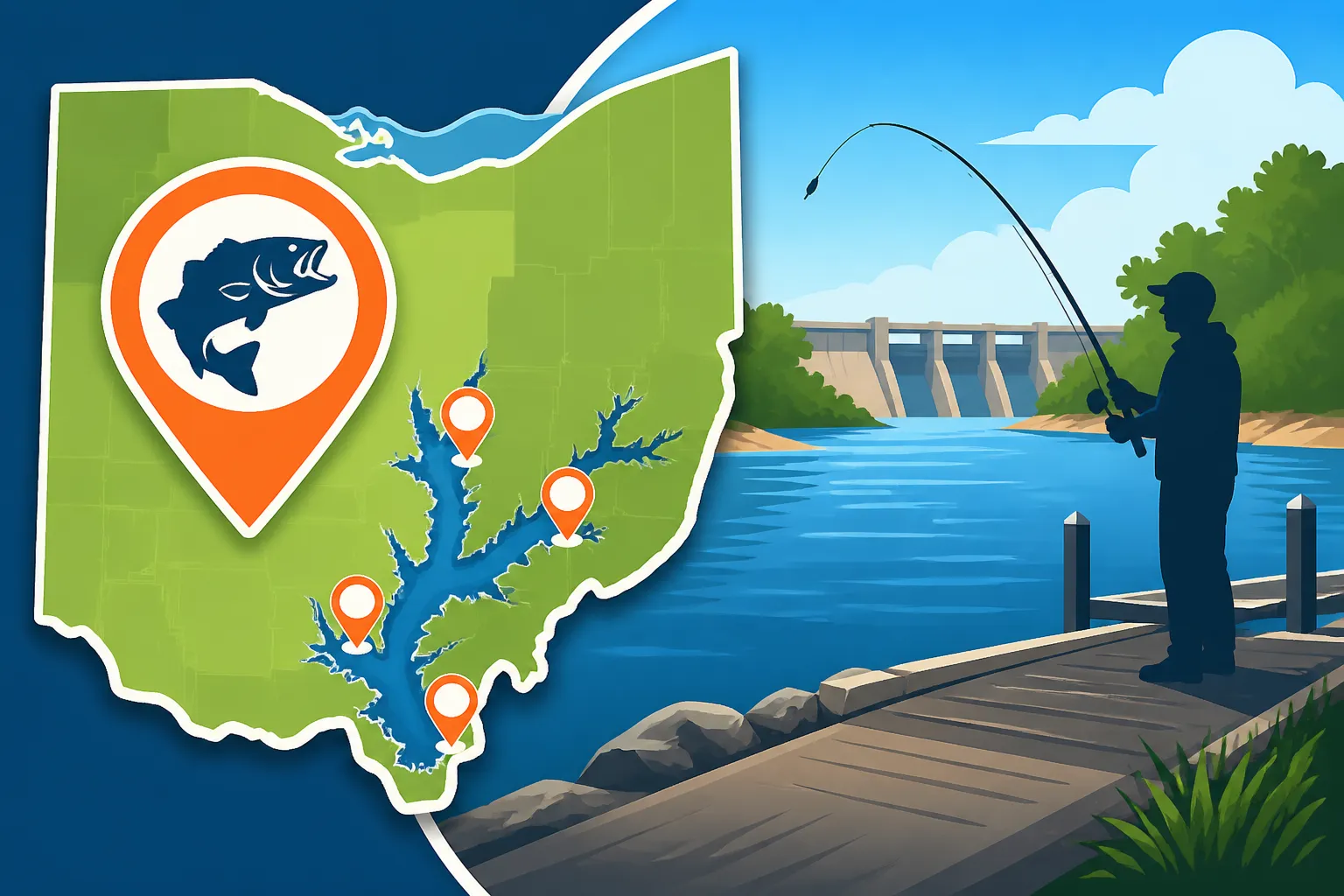
Here's a quick overview of some popular access points:
| Access Point | Type of Access | Primary Fishing | Amenities | Notes |
|---|---|---|---|---|
| Galena Boat Ramp | Paved Boat Ramp | All Species | Ample Parking, Restrooms, Docks | Main launch for larger boats (electric only). Fee required. |
| Sunbury Road Causeway | Bank/Shore | Walleye, Crappie, Bass | Roadside Parking | Highly popular, extensive bank access. Can be crowded. |
| Hoover Reservoir Park (Westerville) | Bank/Shore, Kayak | Panfish, Bass | Picnic Areas, Restrooms, Trails, Parking | Family-friendly, easy access, good for beginners. |
| Smothers Road Access | Bank/Shore, Kayak | Bass, Catfish | Limited Roadside Parking | More secluded, good for wading or small craft launch. |
| Route 37 Bridge Area | Bank/Shore | Catfish, Saugeye | Limited Roadside Parking | Smaller pull-offs, quieter spots. |
| Blanchard Parking Area | Bank/Shore, Kayak | Bass, Crappie | Small Parking Lot, Informal Paths | Good for exploring quiet coves, manual launch. |
| Red Bank Road Causeway | Bank/Shore | Walleye, Catfish | Roadside Parking | Similar to Sunbury, popular during runs. |
Navigating Regulations and Best Practices at Hoover Reservoir
Fishing Hoover Reservoir is a fantastic experience, but it’s crucial to be aware of the specific rules and regulations that govern this unique body of water. Ohio has statewide fishing regulations, but Hoover often has local nuances you need to understand.
Understanding Boating and Fishing Rules
Hoover Reservoir is managed as a municipal water supply by the City of Columbus, which means it has specific rules in addition to state fishing laws.
- No Gas Motors: This is perhaps the most significant rule for boaters. Only electric trolling motors are permitted on Hoover Reservoir. This creates a much quieter, more peaceful fishing environment, but it's vital to know before you launch a boat with an outboard. Violations are taken seriously.
- Speed Limits: There are strict speed limits on the reservoir, further emphasizing its tranquil nature.
- Fishing Licenses: As with any public waterway in Ohio, you must possess a valid Ohio fishing license. Make sure yours is up-to-date before heading out. If you're a resident, check out the Ohio Fishing License Guide for Residents and Nonresidents for all the details on types and costs.
- Bag and Size Limits: Hoover Reservoir follows Ohio's statewide bag and size limits for most species, but always double-check the current year's Ohio Fishing Regulations booklet or the ODNR website, as these can change. For example, walleye and saugeye often have specific limits that differ from other species. You can find comprehensive information in our guide on Ohio Fishing Regulations Every Angler Should Know.
- Respect Private Property: While there are many public access points, much of the surrounding land is private. Always be sure you are on public property when accessing the water.
Tips for Maximizing Your Fishing Trip
A little preparation goes a long way when fishing Hoover Reservoir.
- Seasonal Hotspots: Understanding the seasons is critical. Spring and fall are prime for walleye/saugeye, especially in the northern channels. Summer means bass and crappie in weed lines and submerged timber, often moving deeper as the day heats up. Catfish are generally active throughout the warmer months.
- Bait and Lures: For walleye and saugeye, jigging with minnows or shiners, or trolling with crankbaits and crawler harnesses, are popular choices. Largemouth bass respond well to spinnerbaits, jigs, and soft plastics. Crappie can be caught on small jigs tipped with minnows or soft plastic bodies. Live bait, like nightcrawlers and chicken liver, are excellent for catfish.
- Depth Finders and Maps: If you're using a boat, a good depth finder is invaluable for locating submerged structure and fish. A detailed contour map of the reservoir can also help you identify productive areas before you even launch. Many experienced anglers often look to resources like FishingBooker for tips on local hotspots, or even to book a guided trip if they're unfamiliar with the area.
- Early Bird Gets the Worm: Especially on weekends or during peak seasons, popular access points can fill up fast. Arriving early will ensure you get a good spot, whether it's a parking space for your boat trailer or a prime piece of shoreline.
- Dress for the Weather: Ohio weather can be unpredictable. Layering your clothing is always a good idea, and don't forget rain gear, even if the forecast looks clear. Sunscreen, a hat, and polarized sunglasses are also essentials.
Respecting the Reservoir and Its Wildlife
Hoover Reservoir is a fantastic natural resource, and it’s up to all of us to keep it that way.
- Pack It In, Pack It Out: Always take all your trash with you. This includes discarded fishing line, bait containers, and food wrappers. Litter not only detracts from the beauty of the reservoir but can also harm wildlife.
- Catch and Release Ethic: While keeping your legal limit is perfectly fine, consider practicing catch and release, especially for larger breeding fish, to help sustain healthy populations for future generations. If you do keep fish, handle them responsibly and quickly.
- Mind Your Noise: The electric-only motor rule helps keep Hoover quiet. Be mindful of your noise levels, especially if you're fishing near other anglers or residential areas.
- Protect the Shoreline: Avoid trampling sensitive vegetation along the banks, and be careful not to erode the shoreline. Staying on designated paths and access points helps minimize your impact.
Disclaimer
Please note that fishing regulations, access rules, and facilities can change. While we strive to provide the most accurate and up-to-date information, it is always your responsibility to consult the latest Ohio Department of Natural Resources (ODNR) fishing regulations and any specific rules posted by the City of Columbus for Hoover Reservoir before your trip. Always prioritize safety and adhere to all local and state laws.