Steelhead Alley: Where It Is and What It Means
For many Ohio anglers, the quest for a challenging and rewarding fishing experience often leads to a yearning for a fish that fights hard, jumps high, and thrives in our colder waters. The good news is, we have an incredible fishery right in our backyard for just such a pursuit: the mighty steelhead trout, and the unique region they call home, affectionately known as Steelhead Alley. This guide will take you on a deep dive into what Steelhead Alley is, why it's so special, and how you can prepare to tackle its legendary waters.
Understanding Ohio's Steelhead Alley
It’s easy to feel overwhelmed when you hear whispers of "Steelhead Alley"—it sounds like some secret society or an exclusive club. But really, it’s a geographical phenomenon, a network of rivers and streams that feed into Lake Erie, becoming prime real estate for migrating steelhead trout. For anglers, it’s a seasonal pilgrimage, a place where you can test your skills against one of the toughest freshwater adversaries.
What is Steelhead Alley?
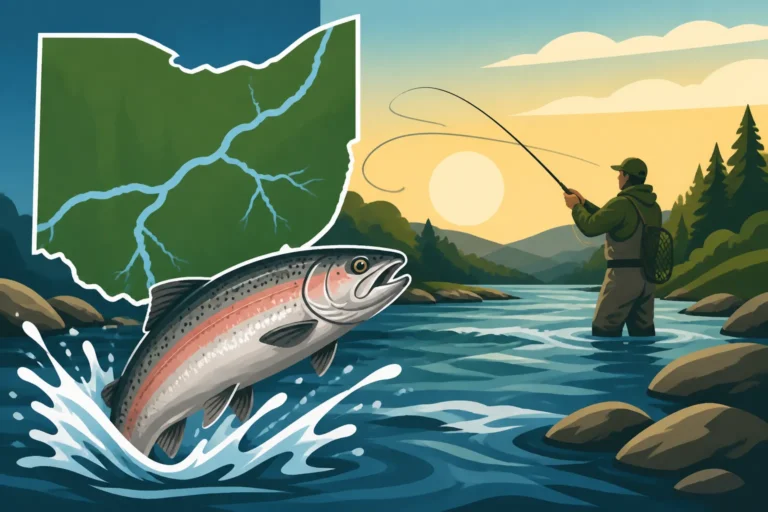
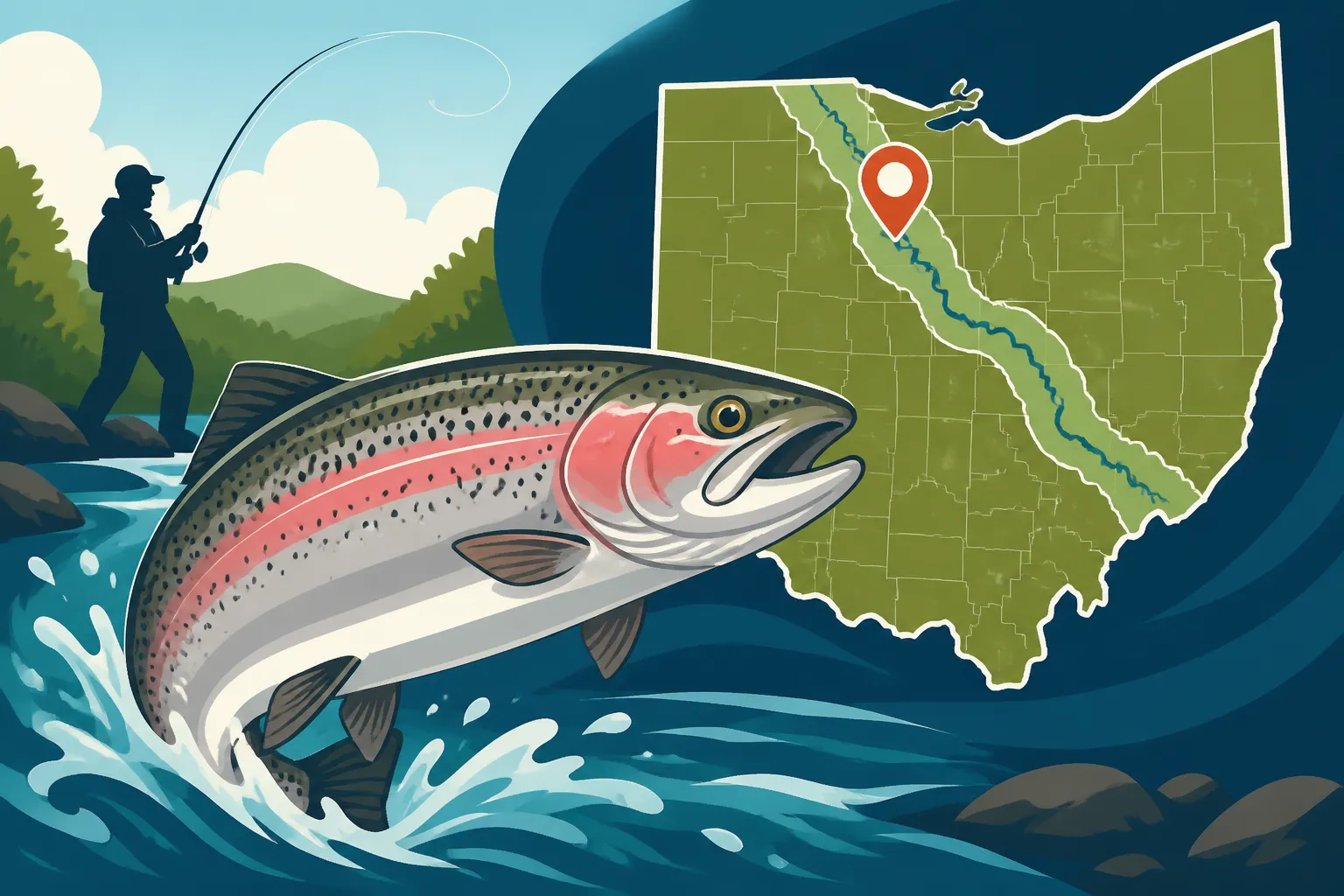
Steelhead Alley isn't a single river or even a specific park; it's a general term encompassing the numerous tributaries that flow into Lake Erie, stretching from roughly the Sandusky area in Ohio, eastward through Pennsylvania, and into New York. In Ohio, our stretch of this fabled alley is particularly vibrant, offering diverse fishing opportunities. These rivers, fed by snowmelt and rain, provide the perfect gravel beds and cool, oxygenated water that steelhead crave for their annual spawning runs. From the broad, winding Grand River to the more intimate confines of the Vermilion, each waterway presents its own character and challenges, but all share the common thread of hosting these incredible fish.
The magic truly begins when the lake water cools in the fall, signaling the steelhead to begin their journey upstream. They're not just looking for a place to spawn right away; many are entering the rivers to forage and settle into deeper pools, waiting for the optimal conditions in late winter and early spring. This means that from October through April, you have a solid window of opportunity to intercept these chrome-bright beauties. It’s a fishery that truly spans seasons, offering something different as the months progress.
The Lake Erie Connection
To truly understand Steelhead Alley, you have to understand the Lake Erie connection. The steelhead in these rivers are not residents; they are anadromous rainbow trout, meaning they spend most of their adult lives growing large and strong in the nutrient-rich waters of Lake Erie before making their migratory push into the tributaries to spawn. They feast on baitfish like emerald shiners and gizzard shad in the lake, packing on muscle and size, which is why they fight so hard when hooked. This unique life cycle creates a fantastic fishery that combines the best of both worlds: the vastness of a Great Lake and the intimacy of river fishing.
When these fish leave Lake Erie, they transform. Their silvery, lake-run camouflage shifts, often developing a vibrant pink or red stripe along their sides, especially the males, as they prepare for spawning. This transition is a tell-tale sign of their migratory purpose. Anglers often refer to these returning fish as "chrome" for their bright, fresh-from-the-lake appearance, or "dark" as they spend more time in the river, their colors intensifying. The sheer volume of steelhead stocked annually by the Ohio Department of Natural Resources (ODNR), combined with natural reproduction in some areas, ensures a robust and sustainable fishery, making the Lake Erie tributaries a genuine gem for anglers chasing these powerful fish. If you're looking for more information on their incredible journey, check out our guide on the Steelhead Trout Life Cycle in Lake Erie Tributaries.
Key Rivers of Steelhead Alley in Ohio
Ohio’s stretch of Steelhead Alley boasts several standout rivers, each with its own personality and appeal. Knowing the nuances of these waterways can significantly impact your fishing success and overall experience.
The Grand River
The Grand River, particularly in Lake County, is often considered the crown jewel of Ohio’s Steelhead Alley. It’s one of the longest and widest rivers in the state that supports a significant steelhead run, offering a variety of water types from long, slow pools to faster riffles and runs. This diversity means you can employ multiple techniques and find fish in different conditions. Public access points are plentiful, with numerous state-owned parcels and park systems like the Lake Metroparks providing convenient entry points. Its sheer size allows for more room to spread out, which can be a huge bonus on busy weekends when everyone has the same idea.
Fishing the Grand River requires a bit of strategy. In the fall, steelhead often hold in deeper pools and runs, especially those with cover like downed trees or undercut banks. As winter progresses, they might stack up in slower, deeper sections, becoming more lethargic. Come spring, when spawning is on their minds, they'll push into shallower gravelly areas. Learning to read the water, identifying these holding lies, is crucial. You'll often find anglers drift fishing with spawn sacks or egg patterns in the deeper runs, while fly anglers might target seams and current breaks. For those looking to explore this magnificent fishery, understanding the various stretches, from the upper reaches near Harpersfield covered bridge to the lower sections closer to Lake Erie, is a lifelong pursuit for many dedicated anglers.
The Rocky River
The Rocky River, flowing through the heart of the Cleveland Metroparks system, offers an incredibly accessible and productive steelhead fishery, particularly for anglers in the greater Cleveland area. What it might lack in wilderness feel compared to some other rivers, it makes up for in convenience and consistent returns. The Metroparks maintain excellent access, with well-marked trails, ample parking, and even fishing platforms in some spots. This accessibility means you can often get a quick fishing fix before or after work, making it a favorite for local anglers. The river itself has a good mix of riffles, runs, and deeper pools, creating varied habitat for steelhead throughout their migratory journey.
However, the Rocky River can also be challenging due to its popularity. It often sees heavy fishing pressure, especially during peak runs. You might find yourself shoulder-to-shoulder with other anglers, requiring patience and good angling etiquette. Water conditions here are also critical; it can blow out and become muddy quickly after heavy rains, making fishing tough. Conversely, it drops and clears relatively fast compared to some larger rivers, bringing it back into prime fishing condition fairly quickly. Knowing the Best Water Flow for Steelhead Fishing on the Rocky River can be a game-changer for planning your trip, and conversely, understanding What Flow Is Too High to Fish Ohio Steelhead Rivers? will save you a wasted journey.
Other Notable Tributaries
While the Grand and Rocky Rivers often steal the spotlight, Ohio has several other excellent tributaries that are part of Steelhead Alley, each offering distinct opportunities and experiences for anglers.
The Chagrin River, another gem within the Cleveland Metroparks system, is well-regarded for its beautiful, scenic stretches and often boasts strong steelhead runs. It's a slightly smaller, more intimate river than the Grand, which can make for a more focused fishing experience. Access is good, though perhaps not as expansive as the Rocky, and it can fish very well, especially during the peak fall and spring runs. Anglers often find success here using similar techniques: float fishing for steelhead and fly fishing.
Further east, Conneaut Creek stands out as a highly productive steelhead stream. It shares characteristics with Pennsylvania's famed steelhead waters, being one of the easternmost tributaries in Ohio’s portion of Steelhead Alley. This creek is known for its strong, healthy runs of fish and offers excellent wade fishing opportunities. It can be a fantastic option if you're willing to travel a bit further east and are looking for a slightly different vibe than the more centrally located rivers.
Closer to the western edge of the "Alley" for Ohio, the Vermilion River also provides excellent steelhead fishing. It's another river that can offer a great experience, especially if you're looking to avoid some of the heavier crowds found on the more popular central rivers. Like all these tributaries, conditions can vary, so it’s always wise to check local reports before heading out. All these rivers, from the Grand to the Vermilion, have their own charms and challenges, but all consistently deliver on the promise of incredible steelhead action. For a broader overview, you can check out our comprehensive guide to the Best Ohio Rivers for Steelhead.
| River Name | Key Features | Typical Water Conditions | Primary Fishing Seasons | Accessibility (Ohio) |
|---|---|---|---|---|
| Grand River | Longest, widest, diverse habitat (pools, runs, riffles), less crowded | Can be slow to drop/clear after rain; generally stable | Fall, Winter, Spring | Many public access points, Lake Metroparks |
| Rocky River | Highly accessible (Cleveland Metroparks), urban setting, consistent runs | Blows out quickly after rain, clears relatively fast | Fall, Winter, Spring | Excellent Metroparks access, good parking |
| Chagrin River | Scenic, intimate, good runs, good wade fishing | Similar to Rocky, can be prone to muddy conditions | Fall, Winter, Spring | Good public access, some Metroparks areas |
| Conneaut Creek | Easternmost tributary, strong runs, excellent wade fishing, gravel bottoms | Can be influenced by heavy rain, good gravel filtration | Fall, Winter, Spring | State access points, private easements |
| Vermilion River | Smaller, more secluded sections, good alternative to popular rivers | Can be prone to low water in dry spells, or muddy after rain | Fall, Winter, Spring | Public access points, some parks |
Essential Techniques and Gear for Steelhead Alley
Tackling steelhead in Ohio's rivers isn't just about showing up with a rod and reel; it's about understanding the specific techniques that make these challenging fish bite and having the right gear to withstand their incredible power. Many an angler has learned the hard way that a standard bass setup just won't cut it when a chrome missile decides to peel line off your spool.
Go-To Fishing Techniques
When it comes to steelhead, versatility is key, but some techniques are tried and true staples in Steelhead Alley. Drift fishing, also known as float fishing, is arguably the most popular and often most effective method. This involves using a bobber (often referred to as a "float" by steelhead anglers) to present a small bait or lure naturally in the current. The idea is to have your offering drift at the same speed as the current, directly into a steelhead's strike zone. Common baits include cured salmon eggs (spawn sacks), plastic beads that imitate eggs, or small jigs tipped with maggots or wax worms. The sensitivity of the float allows you to detect even the slightest bite, which can be crucial when steelhead are being finicky.
For those who prefer a more artistic approach, fly fishing for steelhead is an incredibly rewarding experience. Nymphing with indicators is a highly effective method, mimicking aquatic insects or eggs drifting along the bottom. Patterns like stoneflies, caddis nymphs, and, of course, egg patterns in various colors are staples. Swinging streamers, which involves casting across and downriver and allowing the fly to swing through potential holding lies, can also elicit aggressive strikes, especially from larger, more territorial fish. Beyond these, don't underestimate the power of casting small spoons or inline spinners in faster runs or deeper pools. Lures like Little Cleos or Rooster Tails can be very effective, especially for fresh-run fish that are still aggressive and reacting to movement. For a deeper dive into methods, you can explore Ohio Steelhead Fishing Techniques.
Must-Have Gear
Having the right equipment can make or break your Steelhead Alley experience. First and foremost, you need a rod with enough backbone to handle a powerful fish but sensitive enough to detect subtle bites. A medium-light to medium-heavy spinning rod, typically 9 to 11 feet long, is ideal for float fishing, offering excellent line control and shock absorption. For fly anglers, a 9 to 10-foot, 7 or 8-weight rod is a good all-around choice. Pair these with a quality reel spooled with strong, abrasion-resistant main line (like 8-10 lb monofilament or braid) and a fluorocarbon leader of 6-8 lb test. Fluorocarbon is nearly invisible underwater and has excellent abrasion resistance, which is vital when fishing around rocks and snags.
Beyond your rod and reel, waders and appropriate attire are non-negotiable. The rivers in Steelhead Alley can be chilly, even on sunny days, and you'll often be standing in the water for extended periods. Neoprene or breathable chest waders, along with studded wading boots for grip on slippery rocks, are essential for safety and comfort. Don't forget layers of warm clothing, a waterproof jacket, and a good hat. Finally, a large, rubberized landing net is crucial for safely landing and releasing steelhead without damaging their protective slime coat. Always remember to handle these magnificent fish gently, especially if you plan to release them. This commitment to ethical angling is a hallmark of the steelhead community. You can also find tips on selecting other Best Lures for Ohio Fishing or even determining if Do You Need Waders for Ohio Steelhead Fishing? in our other guides.
Planning Your Steelhead Alley Adventure
A successful steelhead trip isn't just about showing up; it's about preparation. Steelhead fishing can be a demanding endeavor, both physically and mentally, and a well-thought-out plan can turn a frustrating outing into a memorable triumph.
Timing Your Trip for Success
The steelhead season in Ohio is remarkably long, stretching from early fall right through to late spring, but timing is everything when it comes to maximizing your chances. The fall run typically kicks off in October as water temperatures begin to drop and rains bring fresh fish into the rivers. These early fish are often aggressive and willing to chase lures. As winter sets in, the bite can slow, but steelhead remain in the rivers, often congregating in deeper, slower pools. This can be a challenging but rewarding time, as the fish are less active but can be caught with patient, subtle presentations. Come spring, as water temperatures rise and daylight hours increase, the main spawning run truly takes hold, bringing in large numbers of fresh fish alongside those that overwintered. This period, from March through April, often sees the most intense action. If you're wondering When Ohio Steelhead Runs Start, you'll find it depends heavily on the weather, but generally, late September to early October is when the first significant pushes occur.
Beyond the calendar, water conditions are paramount. Steelhead are highly sensitive to water flow, clarity, and temperature. After a heavy rain, rivers can become "blown out"—too high and muddy to fish effectively. However, as the water begins to drop and clear (often called "dropping and clearing"), fishing can be phenomenal. Conversely, during prolonged dry spells, rivers can become low and clear, making steelhead spooky and difficult to approach. Always check online river gauges and local weather reports before you head out. Websites like the USGS provide real-time streamflow data, which is invaluable. Understanding what a good flow rate looks like for your target river, and how temperature fluctuations affect fish activity, will allow you to hit the water when conditions are prime. Knowing the Best Time to Fish for Steelhead After Rain can truly make or break your day.
Access, Regulations, and Guides
Navigating Steelhead Alley involves more than just finding fish; it means understanding where you can legally access the water and what rules apply. Ohio boasts a great network of public access points, largely through the efforts of the Ohio Department of Natural Resources (ODNR) and local park systems like the Cleveland Metroparks and Lake Metroparks. These areas often provide designated parking, walking trails, and well-maintained access to the river. However, private property lines are everywhere, and respecting landowners' rights is crucial. Always be aware of your surroundings and only fish on public land or with explicit permission.
Beyond access, understanding current regulations is non-negotiable. Steelhead fishing is managed carefully to ensure sustainable populations. This includes specific bag limits, size restrictions, and gear restrictions that can vary slightly between rivers or seasons. For instance, some areas may have single-hook artificial lure only regulations during certain times. Before casting a line, you absolutely need to consult the current Ohio Fishing Regulations Every Angler Should Know and secure your Ohio Fishing License Guide for Residents and Nonresidents. Fishing without a valid license or violating regulations can result in hefty fines and impact future fishing privileges.
Finally, for those new to steelhead fishing or looking to significantly improve their chances, hiring a professional fishing guide can be an invaluable investment. A local guide knows the rivers intimately, understands current conditions, and can put you on fish faster than you might accomplish on your own. They provide specialized gear, teach effective techniques, and offer insights into reading the water and steelhead behavior. This can be especially helpful on your first few trips, as the learning curve can be steep. You can find reputable guides through word-of-mouth recommendations or by using online platforms like FishingBooker, which helps connect anglers with experienced local Ohio Steelhead Fishing Guide Services. A good guide will not only help you catch fish but also instill a deeper appreciation for the fishery and ethical angling practices.
Disclaimer
Please note that fishing regulations and conditions can change. Always consult the latest official regulations from the Ohio Department of Natural Resources (ODNR) before planning any fishing trip. The information provided in this guide is for general informational purposes only and should not be considered legal advice or a substitute for official sources.