Best Access Points for the Maumee River Walleye Run
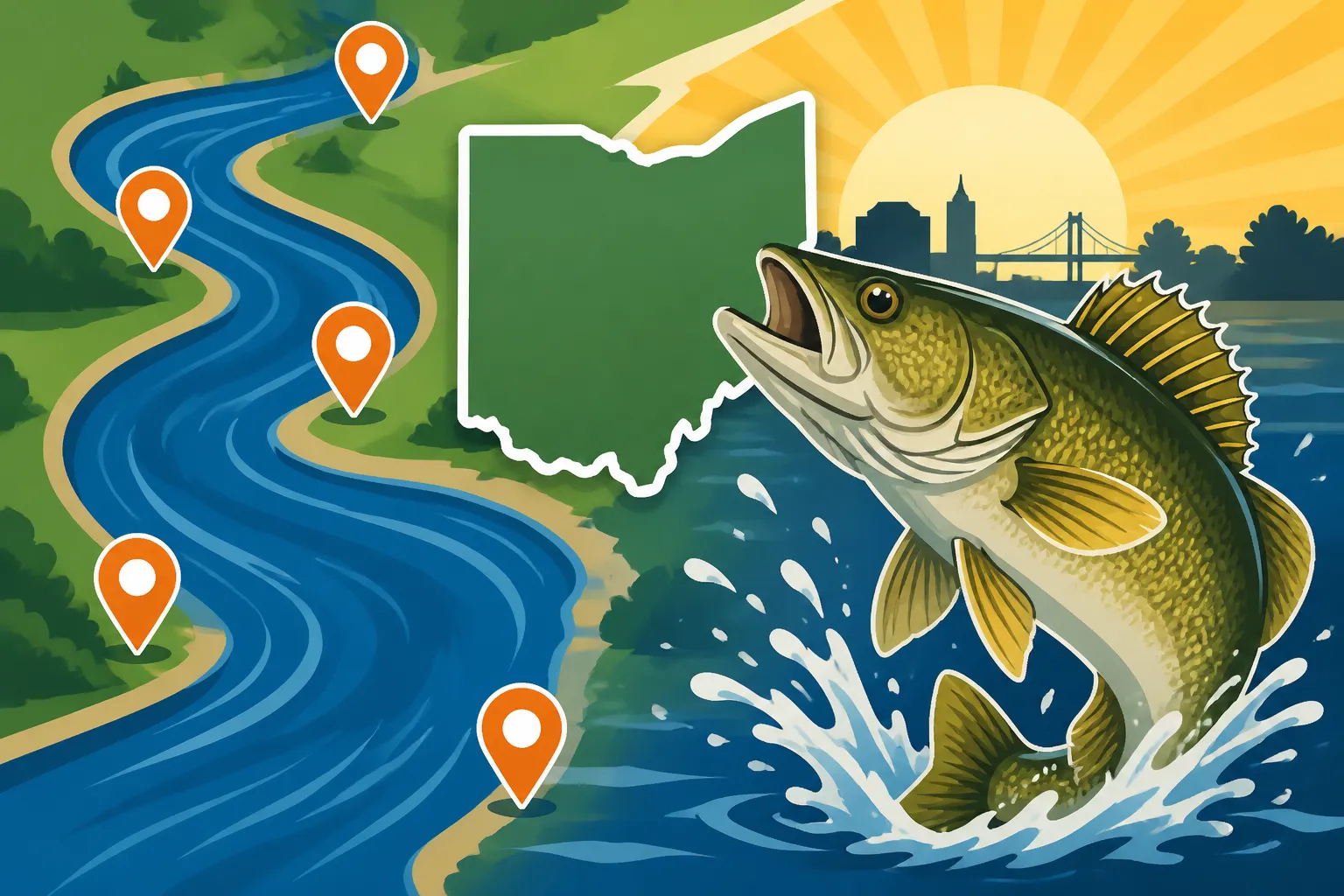
The annual Maumee River walleye run is an absolute spectacle in Ohio, drawing anglers from all over, but if you've never experienced it, the sheer number of people and the vastness of the river can feel incredibly daunting. You might find yourself wondering where to even start, how to navigate the crowds, or if you'll actually find a decent spot to cast a line. This comprehensive guide is here to cut through that confusion, giving you the insider scoop on the best and most accessible points along the Maumee River to intercept those migrating walleye, ensuring your trip is less about stress and more about reeling in a keeper.
Understanding the Maumee River Walleye Run Phenomenon
The Maumee River walleye run isn't just a local event; it's a world-renowned migration that every angler in Ohio, and many beyond, looks forward to. To truly appreciate why certain spots are prime, it helps to understand the "why" behind this incredible natural phenomenon.
Why the Maumee River is a Walleye Magnet
The Maumee River earns its reputation as a walleye magnet for very specific, biological reasons. It's the largest tributary to Lake Erie, and its lower stretches, particularly around Maumee and Perrysburg, offer the ideal spawning habitat that mature walleye crave after spending their lives in the big lake. As the ice melts and water temperatures begin to climb in early spring, usually when they hit that sweet spot of 40-50 degrees Fahrenheit, millions of walleye make their journey upstream.
They're looking for rocky bottoms, gravel beds, and areas with good current flow – all characteristics abundant in the Maumee River. These conditions are perfect for depositing and fertilizing their eggs. The river provides a natural funnel, concentrating these fish in predictable locations, which is precisely why anglers flock to its banks. It's a truly amazing sight to witness, and when you hook into a powerful walleye fresh from Lake Erie, you understand why people brave the crowds. If you're looking for more general information, our Ohio Walleye Fishing Guide covers everything you need to know about targeting these fish across the state.
Timing Your Trip for Peak Action
Timing is absolutely everything when it comes to the Maumee River walleye run. While the run typically kicks off in late March and can extend into early May, the peak action is often a much narrower window. The exact start and intensity are heavily dependent on environmental factors, primarily water temperature and river flow. A rapid warm-up can trigger an explosive start, while persistent cold snaps or heavy rains can delay it or spread it out.
Experienced anglers often keep a close eye on weather forecasts and river gauges, looking for that consistent rise in temperature and stable flow after any significant high water. Generally, the second and third weeks of April are often cited as the prime time for catching the most fish, especially during the weekdays when crowds might be slightly thinner. However, the early part of the run can produce some real giants, while the tail end can offer great action for those lingering spawners. To get a better grasp of when to hit the river, check out our guide on When the Maumee River Walleye Run Starts.
Prime Shoreline Access Points for Anglers
For many, the Maumee River walleye run is synonymous with shore fishing and wading. It's accessible, affordable, and incredibly effective if you know where to go and how to navigate the bustling banks.
Maumee's Side: Key Locations and What to Expect
The Maumee side of the river boasts some of the most famous and productive access points. These spots are popular for a reason, but that also means you should expect company, especially on weekends.
Farnsworth Metropark
Farnsworth Metropark is a staple for Maumee River walleye anglers, and for good reason. It offers extensive shoreline access with a mix of wading opportunities and deeper pools along the bank. What makes Farnsworth great is its diverse structure. You'll find areas with strong current, perfect for drifting jigs, and calmer eddies where walleye might hold up out of the main flow.
Parking is generally abundant, but on peak weekends, it can fill up quickly, so arriving early is always a smart move. Anglers here often wade out, sometimes up to their waists, to reach prime fishing lanes. The key is to be respectful of others' space and understand the common "drift" paths. You'll mostly be targeting walleye here, but don't be surprised to encounter white bass or even a stray carp. For general knowledge about prime fishing spots in Ohio, you might want to read our Best Places to Fish in Ohio.
Blue Grass Island
Ah, Blue Grass Island. This is the legendary spot, the Holy Grail for many Maumee walleye enthusiasts. It’s an island situated in the middle of the river, accessible only by wading when water levels permit. The sheer number of walleye that pass through the channels around Blue Grass Island is astounding. However, because of its popularity and ecological sensitivity, access to the island itself is strictly regulated by a lottery system during the peak of the run.
If you secure a permit, you're in for some potentially phenomenal fishing. The wading can be challenging, with strong currents and uneven bottom, so proper gear, like studded wading boots and a wading staff, is non-negotiable. Even without an island permit, the banks opposite Blue Grass Island on the Maumee side still offer excellent fishing, as fish concentrate both above and below the island's channels. You can find more specific details on access in our dedicated guide on Best Access Points for the Maumee River Walleye Run.
Side Cut Metropark
Side Cut Metropark, located just downstream from Farnsworth, is another fantastic option, particularly if you're looking for a slightly different experience or want to bring the family. It's often considered a bit more beginner-friendly due to less intense wading and more bank-fishing opportunities. The park features a famous "towpath" that runs along the river, offering easy access to various sections.
You'll find designated fishing areas, picnic spots, and facilities. The "rapids" area is a perennial favorite, creating oxygenated water and current breaks where walleye congregate. While still popular, Side Cut can sometimes feel a little less chaotic than the absolute busiest spots at Farnsworth. It's a great choice for those who prefer to keep their feet on more solid ground or want quicker access to different stretches of the river.
Here's a quick comparison of these popular Maumee-side access points:
| Access Point | Primary Fishing Method | Crowds During Peak | Wading Difficulty | Special Considerations |
|---|---|---|---|---|
| Farnsworth Metropark | Wading & Bank | Very High | Moderate to High | Extensive access, diverse structure, good parking (early). |
| Blue Grass Island | Wading (Island Permit) | Extremely High | High | Lottery access for island, legendary fishing. |
| Side Cut Metropark | Bank & Light Wading | High | Low to Moderate | Family-friendly, towpath access, rapids section. |
Perrysburg's Side: Overlooked Gems
While the Maumee side gets a lot of attention, don't underestimate the Perrysburg side of the river. It often offers equally good fishing, sometimes with slightly fewer crowds, and different structural advantages.
Fort Meigs State Memorial
Steeped in history, Fort Meigs State Memorial isn't just a landmark; it offers unique access for walleye anglers. While you won't be wading out into the rapids here, the shoreline along the memorial provides excellent bank fishing opportunities. The deeper water close to shore can be highly productive, especially during lower light conditions or when walleye are actively moving upstream.
Parking is available, and the access is generally straightforward. This spot is particularly good if you prefer a more stationary approach, perhaps soaking a minnow on a Carolina rig, or if you're targeting fish moving along the main channel edges. It’s also a good alternative if the more popular wading spots are too crowded or if river levels are too high for safe wading.
Buttonwood Park
Buttonwood Park, also on the Perrysburg side, is a fantastic option that often gets overlooked by the masses heading to the better-known metroparks. It offers good bank access, often with some current breaks and slower pockets that can hold resting walleye. Crucially, Buttonwood Park also provides a public boat launch, making it a valuable spot for those launching smaller craft like kayaks or canoes.
If you're looking to escape some of the intense crowds of the wading areas, Buttonwood can be a breath of fresh air. It's a versatile spot, allowing for both bank fishing and convenient boat access for those who prefer to drift or anchor. Just remember that currents can still be strong, so always prioritize safety, especially if you're in a smaller vessel.
Launching Your Boat or Kayak for the Run
While shore fishing is popular, many experienced anglers prefer the freedom and access that a boat or kayak provides during the Maumee River walleye run. It allows you to cover more water, target fish in less pressured areas, and adapt to changing conditions.
Public Boat Ramps and Facilities
Having the right launch point can make or break your boating experience on the Maumee.
Maumee City Launch
The Maumee City Launch is one of the primary access points for boaters looking to get on the river for the walleye run. It's typically well-maintained and can handle a variety of boat sizes. From this launch, you can easily access the stretches of river near Farnsworth and Side Cut Metroparks, offering a different perspective on these popular fishing zones.
Be aware that during peak times, this launch can get incredibly busy, so patience and courtesy are essential. Parking for trailers can also become a challenge. Many anglers here will drift jigs or troll crankbaits, or even anchor up in strategic locations, targeting deeper holes or current seams that are inaccessible from shore. Remember to always have your Ohio Fishing License Guide for Residents and Nonresidents handy, as wildlife officers frequently patrol the river during the run.
Side Cut Metropark Launch
Side Cut Metropark offers another public launch, which is often a better choice for smaller boats, kayaks, and canoes. It might not have the same capacity as the Maumee City Launch, but it can be less congested and provides direct access to the calmer sections of Side Cut.
This is an excellent option for kayakers who want to paddle upstream and drift back down, or for those in smaller aluminum boats who prefer to stay out of the heaviest boat traffic. Always check river levels and current speeds before launching, as conditions can change rapidly in the spring.
Buttonwood Park Launch
As mentioned earlier, Buttonwood Park on the Perrysburg side also offers a public launch, again, often favored by smaller craft and kayakers. Its location gives you access to a slightly different section of the river, potentially allowing you to explore areas with less pressure. Parking here is generally decent, and the atmosphere can be a bit more relaxed than the more frantic launch points. If you're considering a guided trip to experience the Maumee from a boat, resources like FishingBooker can help you find experienced captains who know the river inside and out.
Navigating the River During the Run
Boating on the Maumee during the walleye run requires a keen understanding of river dynamics and a strong emphasis on safety. The river can be surprisingly powerful, especially after spring rains.
The currents are significant, and debris (tree branches, logs) is often present, so always be vigilant. Other boaters, many of whom are also focused on fishing, can contribute to crowded conditions, so situational awareness is key. For those considering casting from the bank, you can review some strategies in our Bank Fishing Techniques for Ohio Anglers.
When anchoring, ensure your anchor is firmly set and can hold your boat against the current. Many anglers use a bow and stern anchor system to keep their boat stable and prevent it from swinging. If you're drifting, be mindful of other boats and waders, giving everyone ample space. Understanding the river's flow and depth, especially around the spawning shoals, is crucial not only for finding fish but for safe navigation. Familiarize yourself with shallow areas and rocks, which can easily damage props or lower units. Always wear your life jacket, and ensure all required safety equipment is onboard.
Essential Tips for a Successful Maumee Walleye Run Experience
The Maumee River walleye run is an experience unlike any other in Ohio, but a little preparation and knowledge can go a long way in turning a potentially frustrating day into a truly memorable one.
Gear and Techniques for the Maumee
Having the right gear and knowing the most effective techniques are paramount when tackling the Maumee.
When it comes to rods and reels, a medium-heavy spinning or casting rod, about 6.5 to 7.5 feet long, paired with a reliable reel spooled with 8-12 pound monofilament or fluorocarbon line is a solid choice. Many anglers prefer mono for its stretch, which can be forgiving on light bites, but fluorocarbon offers less stretch and more sensitivity, which can be critical when drifting jigs in current. Some even opt for braid with a fluorocarbon leader for maximum sensitivity and strength. You can learn more about general walleye setups in our guide on the Best Rod and Reel Setup for Lake Erie Walleye.
The most popular and arguably most effective technique on the Maumee is drifting jigs. A lead-head jig, typically 1/4 to 5/8 ounce depending on current speed and depth, tipped with a plastic grub or a live minnow, is the go-to. Popular jig colors include chartreuse, orange, pink, and firetiger. The idea is to bounce your jig along the bottom, mimicking a baitfish struggling in the current. You'll want to use just enough weight to feel the bottom without getting hung up too often.
Another highly effective presentation is the Carolina rig or a three-way rig, especially when the fish are holding deeper or being finicky. These rigs allow your bait (often a live minnow or a half nightcrawler) to drift naturally a foot or two off the bottom, just above any snags. Always keep your bait fresh and lively; walleye can be surprisingly particular. For a deeper dive into methods, check out our Best Ohio Walleye Fishing Techniques.
Understanding Regulations and Etiquette
Fishing on the Maumee during the run means you'll be fishing alongside hundreds, if not thousands, of other anglers. Knowing the rules and practicing good etiquette is crucial.
First and foremost, make sure your Ohio Fishing License Guide for Residents and Nonresidents is current. The Ohio Department of Natural Resources (ODNR) wildlife officers are highly visible and vigilant during the run to ensure compliance. You can typically find detailed information on licenses and how to obtain them via the ODNR website or through local bait shops. If you need a refresher on the specifics, our guide on Ohio Fishing Regulations Every Angler Should Know is an invaluable resource.
Pay close attention to specific Maumee River regulations, including daily bag limits and size restrictions, which can sometimes differ from statewide norms, especially for walleye during the spawning period. These regulations are in place to protect the fishery and ensure its health for future generations. Our guide on Ohio Statewide Bag and Size Limits provides a comprehensive overview.
When it comes to etiquette, remember that everyone is there to enjoy the fishing. Give fellow anglers space, especially if you're wading or drifting. Avoid casting over someone else's line. If you're wading, don't walk directly in front of someone who's actively fishing or in their "drift lane." A simple "excuse me" and a nod go a long way. When the river is crowded, it's about sharing the resource respectfully.
Planning Your Trip for Comfort and Convenience
The Maumee River walleye run isn't a gentle stroll in the park; it can be an arduous endeavor, so planning for comfort and convenience will significantly enhance your experience.
Parking: This is often the biggest headache. Arrive early, especially on weekends, to secure a decent spot. Many metroparks have dedicated parking, but even those fill up. Be prepared to walk a bit from your car to your desired fishing spot.
Wading Safety: If you plan to wade, safety is paramount. Invest in good quality waders (neoprene for cold water, breathable for warmer days) and wading boots with felt or studded soles for traction on slippery rocks. A wading staff is not optional; it's a lifesaver for maintaining balance against the strong current and navigating uneven bottoms. The water can be frigid, especially early in the season, so dressing in layers is crucial to avoid hypothermia. Bring plenty of food and drink, as you might be out there for hours, and don't forget a small cooler or stringer for your catch.
For those venturing out for the first time or looking to maximize their chances without the hassle of learning all the nuances, consider booking a guided trip. Guides, often found through services like FishingBooker, offer invaluable local knowledge, equipment, and a safe, productive experience. They can help you navigate the river, understand the best techniques for the current conditions, and even clean your catch at the end of the day. It's a fantastic way to learn the ropes and enjoy the run without the initial stress.
No matter how you approach it, a well-prepared angler is a happy angler, and a successful Maumee River walleye run is truly a rewarding experience that will have you coming back year after year.
Disclaimer
Please note that fishing regulations, access points, and river conditions can change. Always consult the official Ohio Department of Natural Resources (ODNR) website or their current fishing regulations booklet before heading out. Safety should always be your top priority when on or near the water.