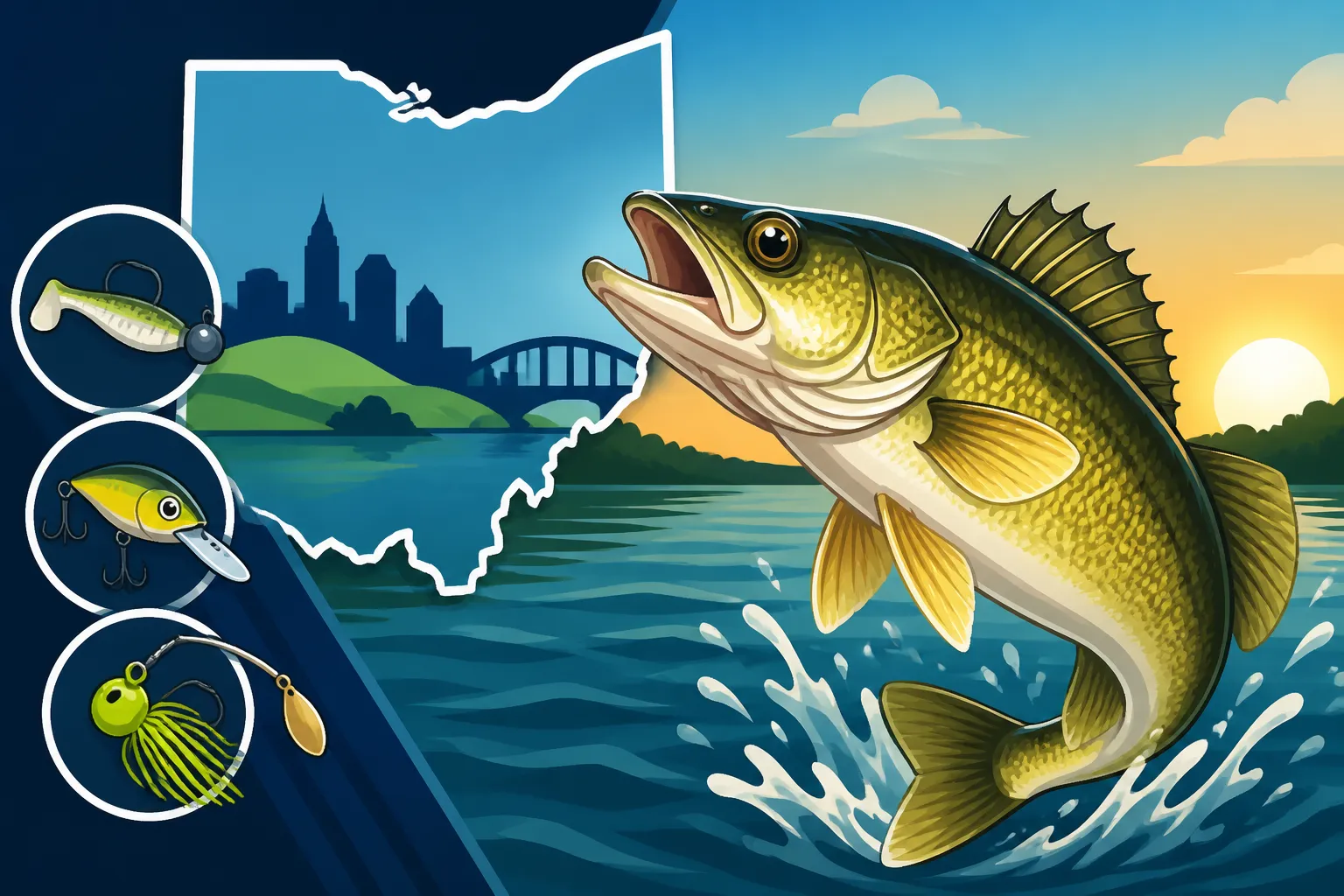
Best Ohio Walleye Fishing Techniques
Ohio offers some of the most exciting walleye fishing opportunities in the country, but consistently finding and catching these elusive fish can be a real head-scratcher. Many anglers, even seasoned ones, find themselves frustrated when the bite turns off or they can't seem to locate the fish, especially with diverse habitats from the vastness of Lake Erie to countless inland reservoirs. This comprehensive guide is designed to cut through that frustration, breaking down the most effective walleye fishing techniques tailored specifically for Ohio's waters, helping you turn those challenging days into memorable successes.
Understanding Walleye Behavior in Ohio Waters
Before we even talk about lures or rods, it's crucial to get inside the head of a walleye. These fish are creatures of habit, driven by water temperature, light conditions, and their constant search for food. Understanding their natural rhythms throughout the year in Ohio's diverse environments is the first step to becoming a more effective angler.
Seasonal Movements and Spawning
Walleye in Ohio don't just hang out in one spot all year. Their movements are largely dictated by the changing seasons and, most importantly, their spawning cycle.
Come spring, as ice recedes and water temperatures climb into the 40s Fahrenheit, walleye begin their annual migration to spawning grounds. For Lake Erie, this means massive runs into tributaries like the Maumee River and Sandusky River. These fish are focused on reproduction, seeking rocky bottoms or gravel areas where they can broadcast their eggs. Once spawning is complete, usually when water temps hit the low 50s, post-spawn walleye will slowly disperse, often moving to shallower flats and points to recover and feed. In inland lakes and reservoirs, walleye will spawn on rocky shoals, rip-rap, or even submerged timber, often moving into shallower bays or creek arms before retreating to deeper water.
Summer brings warmer water, and with it, a shift to deeper, cooler, and more oxygenated waters for walleye, especially in Lake Erie. They'll often suspend over significant depths, following schools of baitfish like emerald shiners. In inland lakes, they'll congregate around main lake points, humps, ledges, and channels, using structure to ambush prey. The heat of summer also means walleye are most active during low-light conditions – dawn, dusk, and overnight.
As fall arrives and water temperatures begin to drop into the 60s and then 50s, walleye experience a "feeding frenzy." They know winter is coming and need to bulk up. This often brings them shallower, closer to shorelines and river mouths, mimicking their spring patterns but with a focus purely on feeding. This is a prime time for aggressive presentations.
Finally, winter, particularly during safe ice conditions, finds walleye generally holding in deeper basins, near main lake points, or over humps in inland lakes. On Lake Erie, depending on ice formation, they can be found in a variety of depths, often relating to current or sharp breaks. They're still catchable, but their metabolism slows, requiring slower, more subtle presentations. If you're planning an ice fishing adventure, make sure you consult an Ohio Ice Fishing Guide to learn about specific rules and best practices.
Preferred Habitats
Walleye are masters of relating to structure and cover. They are often found where food is plentiful and where they can ambush prey without being overly exposed to bright light.
In Lake Erie, during the open water season, you'll find walleye near shoals like those around the Lake Erie Islands, over submerged reefs, and along sharp depth contours. In the vast open basin, they'll often suspend over depths of 20 to 50 feet, following baitfish schools. The Western Basin, known for its shallower, warmer waters, sees walleye relating more to widespread rocky bottoms and vast mud flats, whereas the Central and Eastern Basins, being deeper, will see them more concentrated along breaklines and deep structure. For a deeper dive into Lake Erie, consider reading our Lake Erie Fishing Guide for Ohio Anglers.
For inland lakes and reservoirs across Ohio, walleye gravitate towards specific features. Look for them on points, especially those with a quick drop-off into deeper water. Humps, which are underwater hills that rise from the bottom, are classic walleye magnets. Ledges and channel edges provide travel corridors and ambush points. Submerged timber, rock piles, and old creek beds can also hold significant numbers of fish. Rivers like the Maumee and Sandusky are distinct, with walleye favoring deeper holes, current seams, and stretches of rocky bottom during their spawning runs. Our guide on the Best Ohio Reservoirs for Walleye and Saugeye might also offer some valuable insights into specific locations.
Diet and Forage
What walleye eat directly influences what lures and baits work best. Walleye are primarily piscivores, meaning they eat other fish. In Lake Erie, emerald shiners are a huge part of their diet, but they'll also consume gizzard shad, smelt, and yellow perch. This is why slender, silver, or shiner-imitating crankbaits and soft plastics are so effective.
Inland, their diet can be more varied, but they still prefer baitfish like gizzard shad, alewives, and various minnow species. Crayfish can also be a significant food source in certain lakes and at certain times, making jigs tipped with soft plastic crayfish imitations or even live crayfish effective. Knowing what baitfish are prevalent in your target water body can give you a significant advantage in selecting the right presentation.
Spring Walleye Fishing Techniques: The Spawning Run and Beyond
Spring in Ohio means one thing for many walleye anglers: the run. Those first few weeks of open water, leading up to and immediately following the spawn, offer some of the most concentrated walleye fishing of the year.
Maumee River and Sandusky River Runs
The Maumee River near Toledo and the Sandusky River near Fremont are legendary for their spring walleye runs. Thousands of walleye migrate from Lake Erie upstream to spawn, creating an incredible opportunity for shore and boat anglers alike. The peak of this run usually occurs in March and April, depending on water temperature and flow.
The primary technique here is jigging. Anglers typically use a lead-head jig, often 1/2 to 3/4 ounce, tipped with either a live minnow (like a shiner or fathead) or a soft plastic body. Popular soft plastics include twister tails, grub bodies, or paddle tails in colors like chartreuse, white, or orange. The key is to present your bait slowly along the bottom, mimicking a struggling baitfish. Cast upstream and allow your jig to drift naturally downstream, maintaining contact with the bottom. A slow, steady retrieve with occasional subtle lifts and drops is often all it takes to entice a strike. Many anglers will "drag" their jig, barely lifting it off the bottom, letting the current do most of the work. If you're new to fishing these river systems, getting familiar with the Ohio River Fishing Guide can help understand river dynamics. For convenience, a variety of effective jig heads and soft plastics are readily available on Amazon, making it easy to stock up before hitting the water.
Shore anglers line the banks, shoulder-to-shoulder at times, especially in popular spots like Side Cut Metropark on the Maumee. Boat anglers position themselves in current seams and deeper holes, often anchoring or using their trolling motor to hold position. Precision casting into known holding areas is key.
Early Season Lake Erie Trolling and Casting
Once the river runs start to wane, or for those who prefer the big lake, early season Lake Erie offers excellent walleye fishing as post-spawn fish recover and begin to feed aggressively in nearshore waters. Water temperatures in the low to mid-50s are prime.
Trolling is a highly effective method. Long-lining crankbaits that mimic shiners or shad is a go-to tactic. Baits like Berkley Flicker Shads, Rapala Husky Jerks, or Bandit Walleye Deep are excellent choices. Choose colors that match the local forage or stand out in the water clarity of the day (e.g., bright colors for stained water, natural colors for clear). Troll at slower speeds, typically 1.0 to 1.8 mph, near break lines, shallow reefs, and along the shoreline. Many anglers employ planer boards to spread out their lines and cover a wider swath of water, allowing multiple baits to run at different depths. For an in-depth look at this, check out our guide on Ohio Trolling Techniques for Lake Erie.
Casting is also viable, particularly from shore or piers when walleye move into very shallow water, especially during low light. Blade baits like Silver Buddies or Vib-Es, and lipless crankbaits, can be cast and retrieved with a lift-and-drop motion, imitating a wounded baitfish. Early spring often presents some of the best shore fishing opportunities on Lake Erie before fish move deeper.
Inland Lake Shallow Water Tactics
Ohio's inland lakes, though not as famous for walleye runs as the rivers, still offer fantastic spring walleye fishing. The key is often finding them in shallower transition areas where they've moved after spawning or are still staging.
Slip bobber fishing with a live minnow or a jig and minnow is incredibly effective. Target main lake points, submerged humps, or the edges of weed beds in 8 to 15 feet of water. The slip bobber allows you to present your bait precisely at the depth where fish are holding, keeping it suspended just off the bottom or above any cover. This technique is especially good on calm days or when fish are finicky.
Casting small crankbaits or jigging with soft plastics (like curly tail grubs or paddle tails on 1/8 to 1/4 ounce jigs) along these same structures can also be productive. Look for areas with a mix of rock and sand, or even sparse emerging vegetation, as these provide both cover and feeding opportunities. Focus on low-light periods, as inland walleye tend to be more light-sensitive than their Lake Erie counterparts.
Summer Walleye Fishing Techniques: Deep Water and Open Lake Strategies
When the summer sun beats down, walleye seek refuge in cooler, deeper waters. This is where the strategies shift dramatically, especially on Lake Erie, which truly earns its title as the "Walleye Capital" during these months.
Lake Erie Trolling Techniques
Trolling becomes the undisputed king of walleye fishing on Lake Erie during the summer. It allows anglers to cover vast expanses of water and present baits precisely at the depths where schools of walleye are suspended.
Planer Boards are essential for spreading out lines and preventing tangles, especially when fishing with multiple rods. Inline planer boards, like those from Off Shore Tackle, are clipped to your fishing line and run out to the side of the boat, carrying your lure away from the boat's prop wash. This is particularly effective for shy fish.
Downriggers allow you to present lures at exact depths, regardless of line out. A cannonball weight on a cable is lowered, and your fishing line is clipped to the downrigger release, sending your lure down to the desired depth. When a fish hits, the line pops free, and you fight the fish directly.
Dipsy Divers and Jet Divers are diving devices that take your lure down to specific depths without requiring a heavy weight on your line. They are set to dive at different angles and depths, making them incredibly versatile. You can run them off planer boards or directly off the rod tip.
As for lures, crankbaits continue to shine, but often deeper-diving models like Rapala Deep Husky Jerks, Reef Runner 800 Series, or Walleye Deep Bandits are preferred. Match colors to the water clarity and forage. Silver, blue/silver, perch, and chartreuse are perennial favorites.
Spoons are another excellent choice, especially when fish are feeding on smaller baitfish. Brands like Stinger and Michigan Stinger are popular. They are often run off downriggers or Dipsy Divers. Vary your spoon size and color until you find what the walleye are keying in on.
Crawler harnesses are perhaps the most iconic Lake Erie walleye bait. These consist of a series of beads and small blades (Colorado, Indiana, or willowleaf) followed by two or three hooks, to which a live or artificial nightcrawler is attached. They're typically run behind bottom bouncers, snap weights, or Dipsy Divers. The flash and vibration of the blades, combined with the scent and action of the crawler, are irresistible to walleye. For detailed tips on this, look up How to Fish a Crawler Harness for Walleye. Finding a good selection of quality hooks and beads for making your own crawler harnesses is easy on Amazon, often saving money in the long run.
Typical trolling speeds for walleye on Lake Erie range from 1.2 to 2.5 mph, but always experiment. Sometimes a slight speed change can make all the difference.
Jigging and Drifting on Lake Erie
While trolling gets a lot of attention, jigging and drifting are also highly effective, particularly in the Western Basin where shallower depths allow for more direct contact with the bottom.
Drift fishing with a weight-forward spinner (like a Worm Harness or a "Weapon" lure) tipped with a nightcrawler is a classic. You let the boat drift with the wind or current over known walleye areas, allowing your bait to bounce along the bottom. The weight-forward design ensures the lure stays down and spins enticingly. This is especially good for covering flats and targeting scattered fish.
Vertical jigging can be deadly when walleye are concentrated on structure like reefs or humps. Lures like spoons, blade baits, or heavy jigs tipped with soft plastics are dropped directly down to the fish. A sharp snap and fall, or a more subtle lift-and-drop, can trigger strikes. This technique is often used in conjunction with a good fish finder to pinpoint schools of walleye.
Casting with soft plastics from a drifting boat can also be effective. A jig head with a paddle tail or twister tail grub can be cast out, allowed to sink, and then retrieved with a retrieve-and-pause action, keeping it near the bottom.
Inland Lake Deep Water Strategies
Fishing for walleye in Ohio's inland lakes during summer requires finding those deeper havens. Just like Lake Erie, low light is often best, but consistent success means adapting to their deep-water patterns.
Bottom bouncing with crawler harnesses is a staple. Use an appropriately weighted bottom bouncer (usually 1/2 to 2 ounces, depending on depth and speed) to keep your crawler harness near the bottom as you slow-troll with your electric motor or drift with the wind. Target contours, main lake points, and deep flats.
Vertical jigging with spoons or blade baits works well when you mark fish on your sonar directly over structure like a submerged hump or a sharp break. Drop your lure down to their depth and work it with varying lifts and drops. Sometimes a subtle quivering motion is all that's needed.
Slip bobber fishing with a live minnow (or even a leech or nightcrawler) can still be effective, especially if you can anchor precisely over a specific piece of structure where walleye are holding. The key is to present the bait just above their head, tempting them to strike. This method allows for a very natural, almost static presentation. When targeting walleye in various lakes, remember to check Ohio Fishing Regulations Every Angler Should Know before heading out.
Fall Walleye Fishing Techniques: The Feeding Frenzy
Autumn is a glorious time to be an Ohio walleye angler. As the leaves change and the air crisps, walleye undergo a dramatic shift, moving shallower and feeding voraciously in preparation for winter. This is when some of the most aggressive bites occur.
Lake Erie Fall Migration Patterns
As Lake Erie's waters cool, typically from late September through November, walleye often reverse their summer patterns. Instead of holding deep, they move closer to shore, concentrating in shallower depths from 10 to 25 feet, or even shallower during periods of low light or cloudy conditions. They'll frequent rocky points, offshore humps, and the mouths of tributaries as they stage for another push of feeding. This migration provides excellent opportunities for both trolling and casting, particularly near areas that hold abundant baitfish. Understanding When Ohio's Walleye Season Peaks on Lake Erie can help you time your trips perfectly.
Crankbaiting and Blade Baiting in Fall
The fall feeding frenzy makes aggressive lure presentations incredibly effective. Walleye are trying to pack on calories, and they're less shy about chasing down a meal.
Crankbaiting is a top choice. Both casting and trolling with crankbaits can be dynamite. For casting, shallow to medium-diving crankbaits that mimic shad or shiners are excellent. Work them along rocky shorelines, weed edges, and near tributary mouths. Retrieve with a steady pace, adding pauses or jerks to impart an erratic action. For trolling, continue to use those deeper diving models from summer, but also experiment with shallower running baits if you're finding fish higher in the water column or closer to shore. The key is to match the hatch – if you see baitfish jumping, try to match their size and color.
Blade baits come into their own during the fall. These metal lures vibrate intensely on the retrieve, imitating a fleeing baitfish. They can be cast and retrieved with a lift-and-drop motion, or vertically jigged when fish are suspended. Colors like chrome, gold, or painted patterns work well. The vibration often triggers reaction strikes from aggressive walleye. Brands like Heddon Sonar or Binsky Blade Baits are classic choices. When fish are schooling up in predictable areas, a fast retrieve with a sharp snap of the rod tip can be incredibly effective at drawing strikes.
Late Season Inland Lake Tactics
Fall fishing in Ohio's inland lakes also offers fantastic opportunities. Walleye in these waters also become more active feeders, often moving to predictable deep-water structures.
Focus on main lake points, deep humps, and channel bends. As surface temperatures drop, baitfish often congregate in these deeper zones, and walleye follow. Trolling with crankbaits or crawler harnesses remains a go-to, but slow down your presentation as the water cools into the 40s. Walleye are still aggressive, but their movements can become a bit more sluggish.
Vertical jigging with spoons, blade baits, or heavy jigs tipped with minnows or soft plastics can be very effective when you locate schools on your electronics. Often, these fish will be tightly grouped, and precise jigging directly over them can produce multiple fish. Experiment with different colors and retrieve speeds until you find what triggers a strike. Sometimes, a subtle quiver or dead-sticking the lure for a few seconds can be more effective than an aggressive jigging motion.
For those calm, late fall evenings, slip bobber fishing with a large live minnow over deep structure can also produce trophy walleye. The natural presentation of a struggling minnow is often irresistible to a hungry walleye preparing for winter.
Winter Walleye Fishing Techniques: Embracing the Ice
When the mercury drops and the lakes freeze over, many anglers pack it in. But for the dedicated walleye enthusiast in Ohio, safe ice means prime opportunities. Ice fishing for walleye can be incredibly rewarding, especially on inland lakes and occasionally on Lake Erie's shallower western basin. Just remember, ice safety is paramount! Always check local conditions and ensure sufficient ice thickness before venturing out.
Ice Fishing Basics for Walleye in Ohio
Getting started with ice fishing for walleye requires a few key pieces of equipment. An ice auger (manual, power, or electric) is essential for drilling holes. A good ice fishing rod and reel combo – typically shorter, more sensitive rods (28-36 inches, medium-light to medium action) – will help detect subtle bites. A fish finder (flasher or LCD unit) is invaluable for locating fish and determining depth. And don't forget your ice cleats, warm layers, and safety picks. For comprehensive guidance on preparing for the season, consult our Ohio Ice Fishing Guide.
Walleye under the ice tend to relate to similar structures as in open water: points, humps, deep weed lines, and channel edges. They will often cruise these areas, actively searching for food. The key is often to drill a series of holes along a contour or structure and hop between them until you find active fish.
Jigging and Deadsticking Through the Ice
The two primary techniques for catching walleye through the ice are jigging and deadsticking (or using tip-ups). Often, a combination of both is the most effective strategy.
Jigging for walleye involves using specific ice fishing lures that entice strikes.
- Jigging Spoons: These metal spoons, like Swedish Pimples or Kastmasters, are dropped to the bottom and then lifted with a sharp snap, allowing them to flutter back down. The flash and vibration mimic a wounded baitfish. Tip them with a minnow head or a piece of plastic for added attraction.
- Jigging Raps/Rapala Ice Jigs: These balanced, lipless minnow baits, such as the Rapala Jigging Rap, have a unique darting action when jigged. They imitate a swimming baitfish and are incredibly effective for active walleye.
- Small Jigs and Plastics: Tiny jigs (1/16 to 1/8 ounce) tipped with soft plastic grubs or minnow imitations can be deadly for finicky walleye. A slow, subtle jigging motion is often best.
The retrieve is crucial. Start by dropping your lure to the bottom, then reel up a foot or two. Work the lure with small lifts, pauses, and shivers. Pay close attention to your fish finder; if you mark fish, adjust your depth and presentation to get them to bite. Often, walleye will hit on the pause or as the lure falls.
Deadsticking involves setting up a stationary line, usually with a tip-up. Tip-ups are devices that hold your line and have a flag that springs up when a fish takes the bait. They are ideal for covering more water and targeting less aggressive fish.
- Live Minnows: The most common bait for tip-ups. Hook a lively minnow (like a shiner or golden shiner) just behind the dorsal fin or through the lips. Set the bait at or just above the depth where you expect walleye to be. The minnow's natural struggles will attract attention.
- Depth: For deadsticking, position your bait anywhere from a foot off the bottom to several feet up, especially if you're marking suspended fish.
Using a combination of jigging and deadsticking allows you to actively target fish with one rod while having another rod (or multiple tip-ups, within legal limits) presenting a more passive, natural bait. This significantly increases your chances, especially when walleye are a bit less active.
Safe Ice Conditions and Regulations
Ice fishing safety cannot be overstressed. Always prioritize caution and never assume ice is safe. General guidelines suggest:
- 2 inches or less: STAY OFF
- 4 inches: Safe for ice fishing on foot.
- 5-7 inches: Safe for a snowmobile or ATV.
- 8-12 inches: Safe for a small car or light pickup.
- 12-15 inches: Safe for a medium pickup.
However, these are general guidelines. Ice thickness can vary greatly, even on the same body of water, due to currents, springs, underwater structures, and recent weather. Always check with local bait shops or official wildlife agencies for current ice conditions. Carry safety picks, wear a PFD, and never fish alone. Be aware of Ice Fishing Rules on Ohio Lakes regarding shelters, number of lines, and hours. You definitely don't want to run afoul of the law or put yourself in danger while enjoying some winter walleye action.
Essential Gear and Lures for Ohio Walleye Fishing
Having the right tools for the job can make a world of difference in walleye fishing. While you don't need to break the bank, investing in quality gear tailored to walleye techniques will pay dividends.
Rods, Reels, and Line Selection
Choosing the right rod, reel, and line setup is critical for feeling those subtle walleye bites and successfully landing them.
-
Rods:
- Trolling: For Lake Erie trolling, you'll want longer (7' to 9'+), medium to medium-heavy action rods with a moderate tip. These rods absorb shock from waves and the thrashing of a hooked walleye, preventing hooks from pulling out. Fiberglass or composite rods are popular for their forgiving action.
- Jigging/Casting: A 6'6" to 7'6" medium-light to medium power, fast-action spinning rod is versatile for jigging and casting presentations. The fast action provides sensitivity for feeling bites and a quick hook set. For heavier jigs or larger soft plastics, a medium-heavy action might be preferred.
- Ice Fishing: Short (28-36 inch), medium-light to medium action ice rods with sensitive tips are ideal. The shorter length allows for easier maneuvering in shanties or while kneeling.
-
Reels:
- Trolling: Baitcasting reels with line counters are a massive advantage for trolling, especially on Lake Erie. A line counter allows you to precisely replicate presentations by knowing exactly how much line you have out, which is key for finding the right depth for suspended fish. Brands like Shimano Tekota or Daiwa Sealine are common.
- Spinning: For jigging and casting, a quality 2500-4000 series spinning reel (e.g., a Shimano Sedona or Daiwa Revros) will provide smooth drag, good line capacity, and reliable performance.
-
Line:
- Monofilament: Affordable, good stretch (forgiving), and easy to handle. Excellent for trolling with crankbaits where some stretch is desired. Use 10-14 lb test for trolling, 6-10 lb for jigging/casting.
- Fluorocarbon: Nearly invisible underwater, very low stretch, and good abrasion resistance. Great as a leader material for jigging or tying directly to lures where sensitivity and stealth are paramount. Use 8-12 lb test.
- Braided Line: Extremely strong, no stretch (maximum sensitivity), and thin diameter for its breaking strength. Excellent for jigging and casting where you need to feel every bump and bite. Always use a fluorocarbon leader with braid, as braid is highly visible. Use 10-20 lb test braid with an 8-12 lb fluorocarbon leader. For example, PowerPro braid is a popular choice among walleye anglers. You can often find great deals on these line types on Amazon.
Top Walleye Lures and Baits
The world of walleye lures is vast, but a few categories consistently produce in Ohio.
-
Crankbaits: These are a must-have.
- Deep Divers: Reef Runner 800 Series, Bandit Walleye Deep, Rapala Deep Husky Jerk. Essential for summer trolling on Lake Erie.
- Shallow/Medium Divers: Berkley Flicker Shad, Rapala Shad Rap, Storm ThunderStick. Great for casting, shallow trolling, or spring/fall presentations.
- Lipless Crankbaits: Rapala Rippin' Rap, Bill Lewis Rat-L-Trap. Excellent for casting and retrieving with a lift-and-drop, especially in cold water or around weed edges.
- Colors: Perch, firetiger, blue/silver, chrome, chartreuse, clown, and various natural shad/shiner patterns.
-
Spoons: Thin metal lures that flutter. Stinger, Michigan Stinger, Wolverine Tackle spoons. Used primarily for trolling off downriggers or Dipsy Divers, especially on Lake Erie.
-
Jigs:
- Lead-head jigs: Pair with live minnows or soft plastics. Sizes from 1/8 oz to 1 oz depending on depth and current.
- Hair jigs: Classic walleye bait, especially in cold water or stained rivers. Northland Gum-Ball Jigs or custom-tied options.
- Soft Plastics: Paddle tails (Keitech Swing Impact Fat), twister tails (Mister Twister), minnow imitations (Berkley Gulp! Minnow, Z-Man StreakZ). Rigged on jig heads.
-
Blade Baits: Vibrating metal lures that are vertically jigged or cast and retrieved. Silver Buddy, Binsky Blade Bait, Heddon Sonar. Very effective for aggressive walleye in cold water or fall feeding frenzies.
-
Crawler Harnesses: Spinner rigs tipped with live or artificial nightcrawlers. Wedding Rings, Tru-Trip, or custom tie your own. Blades (Colorado, Indiana, Willowleaf) provide flash and vibration.
-
Live Bait:
- Minnows: Shiners, fatheads, suckers. Absolutely deadly, especially in spring, fall, and winter. Use on jigs, under bobbers, or on tip-ups.
- Nightcrawlers: The standard for crawler harnesses. Also effective on slip bobbers or bottom rigs.
- Leeches: Fantastic for walleye, especially during the summer. Can be fished under bobbers or on jigs.
Electronics and Accessories
Modern fishing electronics can dramatically improve your walleye success.
- Fish Finders/Sonar: Essential for locating fish, identifying structure, and understanding depth. Units from Garmin, Lowrance, and Humminbird offer CHIRP sonar, Down Imaging, and Side Imaging to paint a clear picture of the underwater world. A good fish finder is crucial for understanding How to Read a Fish Finder for Suspended Walleye.
- GPS/Chartplotter: Allows you to mark productive waypoints, navigate safely, and follow contour lines. Many fish finders now integrate GPS.
- Electric Trolling Motor: Essential for precise boat control, particularly when drifting or slow-trolling. Spot-Lock features on Minn Kota or MotorGuide motors are invaluable for holding position over structure.
- Planer Boards: As mentioned, critical for spreading lines when trolling multiple baits, especially on Lake Erie.
- Landing Net: A good, wide-mouthed net with a rubberized mesh is essential for safely landing walleye, especially large ones. Rubberized mesh protects the fish's slime coat and prevents hooks from tangling.
- Livewell/Cooler: For keeping your catch fresh, or for keeping live bait lively.
Reading the Water and Adapting Your Approach
Walleye fishing is rarely a static endeavor. Conditions change, fish move, and their moods fluctuate. The best walleye anglers are those who can read the subtle cues of the water and adapt their techniques on the fly.
Understanding Weather and Water Conditions
Walleye are highly sensitive to their environment. Paying attention to weather patterns, water conditions, and even barometric pressure can give you a significant advantage.
- Wind: Wind can be a blessing or a curse. A moderate chop on the water surface breaks up light penetration, making walleye more active, especially in shallower water. It also creates current and concentrates baitfish. Too much wind, however, makes boat control difficult and can make fishing unpleasant or unsafe.
- Waves: Similar to wind, a good ripple or small chop is often ideal. Large waves can churn up the bottom and make water dirty, putting fish off.
- Current: In rivers or areas of Lake Erie with significant current, walleye will orient themselves to face into the flow, waiting to ambush baitfish that are swept past them. Fishing the upstream side of structure or current seams is often productive.
- Water Clarity: Walleye thrive in stained or murky water, which is why they are so active in low-light conditions. In very clear water, they'll often hold deeper or tighter to structure. Adjust your lure colors accordingly: brighter, more contrasting colors in stained water; natural, subtle colors in clear water.
- Temperature: Water temperature is perhaps the most critical factor influencing walleye behavior, dictating their seasonal movements and metabolism. We've discussed how temperatures affect spawning and summer/winter patterns. Always know the current water temperature of your fishing area.
- Barometric Pressure: While not as obvious, changes in barometric pressure can influence fish activity. A falling barometer often precedes a storm and can trigger a feeding frenzy, while a high, stable barometer can sometimes lead to slower fishing.
Locating Walleye with Sonar and Mapping
Gone are the days of just blindly casting. Modern electronics are a walleye angler's best friend.
- Interpreting Sonar: Learn to distinguish baitfish schools from larger fish arches. Walleye often appear as distinct arches near the bottom or suspended. Pay attention to the "clutter" on your screen – often, this indicates baitfish or thermoclines where fish might be holding. Modern units offer incredibly detailed views of structure.
- Down Imaging/Side Imaging: These technologies provide photographic-like views of the bottom and structure to the sides of your boat. Use them to pinpoint rock piles, submerged timber, or subtle depth changes that traditional 2D sonar might miss.
- GPS and Mapping: Pre-loaded lake maps or custom mapping (like Navionics or Lowrance Insight Genesis) allow you to identify contours, humps, points, and old creek beds before you even launch your boat. Mark successful spots as waypoints, and use trails to follow productive paths. If you can understand how to read these effectively, you'll greatly improve your chances of locating fish.
Adjusting to Walleye Moods
Walleye can be frustratingly finicky. What worked yesterday might not work today, and what works in the morning might not work in the afternoon. Being able to adjust your approach is a hallmark of a great walleye angler.
- Speed: If fish aren't biting, try slowing down your troll or retrieve. Conversely, sometimes a faster, more aggressive presentation can trigger reaction strikes. This is especially true when using techniques like Best Trolling Speed for Lake Erie Walleye.
- Lure Size/Color: If you're marking fish but not getting bites, try downsizing your lure or changing colors. Sometimes a subtle change from a bright crankbait to a natural-colored soft plastic can make a huge difference.
- Depth: Walleye are often very depth-sensitive. A foot or two can mean the difference between catching fish and getting skunked. Pay close attention to your fish finder and adjust your lure's running depth to match where the fish are holding.
- Presentation: Vary your jigging cadence, adding longer pauses or more aggressive snaps. When trolling, try S-turns to change the speed and depth of your lures. Don't be afraid to experiment with different actions.
- Location: If a spot isn't producing, don't be afraid to move. Walleye are often nomadic, following baitfish. Use your electronics to find new schools or shift to a different type of structure.
Conservation and Best Practices
As passionate anglers, we have a responsibility to protect Ohio's incredible walleye fisheries for future generations. Following ethical practices and understanding regulations is key to ensuring sustainable fishing.
Catch and Release Ethics
While walleye are prized table fare, sometimes you'll catch a fish you don't intend to keep, either because it's too small, too large (especially a large spawning female), or you've already filled your limit. Proper catch and release techniques minimize stress and increase the fish's survival rate.
- Minimize Handling: Try to keep the fish in the water as much as possible. If you must remove it, do so quickly and carefully.
- Wet Hands: Always wet your hands before touching a fish to protect its protective slime coat, which guards against disease.
- Support the Fish: Support the fish horizontally, especially larger walleye. Avoid holding them vertically by the jaw, which can damage internal organs and the jaw itself.
- Use Pliers: Use long-nosed pliers or forceps to remove hooks quickly and cleanly. Barbless hooks can make this even easier.
- Revive the Fish: If a fish seems sluggish, hold it gently in the water, supporting its belly, and allow water to flow over its gills until it swims away under its own power. This is especially important for How to Revive a Muskie Before Release, which are also popular in Ohio.
Adhering to Regulations
Ohio has specific regulations in place to manage its walleye populations, ensuring healthy numbers for everyone to enjoy. It's every angler's responsibility to know and follow these rules.
- Fishing License: First and foremost, you need a valid Ohio Fishing License Guide for Residents and Nonresidents. Always carry it with you when fishing.
- Bag and Size Limits: Walleye have specific daily bag limits (how many you can keep) and minimum size limits. These can vary by water body. For example, Lake Erie Walleye Bag Limits are often different from inland lake limits. Always check the current Ohio Fishing Regulations booklet or the ODNR website before you go.
- Seasonal Closures: While walleye generally don't have a closed season in Ohio, there might be specific seasonal rules in certain areas, particularly during spawning runs.
- Gear Restrictions: Be aware of rules regarding the number of lines you can use, especially when ice fishing, or specific tackle restrictions in certain areas.
Ignorance of the law is no excuse, and wildlife officers do patrol Ohio's waters. It's better to be safe than sorry and consult the most up-to-date regulations.
Respecting the Resource
Beyond legal requirements, practicing good stewardship ensures everyone can enjoy Ohio's natural beauty and incredible fishing.
- Leave No Trace: Pack out everything you pack in, and perhaps even pick up any litter you find.
- Respect Other Anglers: Be mindful of personal space, especially in crowded areas like the Maumee River run. Avoid loud noises and excessive boat wakes.
- Report Violations: If you witness poaching or other illegal activities, report them to the Ohio Department of Natural Resources (ODNR).
- Support Conservation: Consider supporting organizations dedicated to habitat conservation and fishery management in Ohio.
By understanding walleye behavior, mastering diverse techniques, utilizing modern tools, adapting to conditions, and practicing responsible angling, you'll be well on your way to consistent success and many memorable days chasing Ohio's incredible walleye.
Disclaimer
The information provided in this guide is for general informational purposes only and is subject to change. Fishing regulations, conditions, and techniques can vary. Always consult the most current Ohio Department of Natural Resources (ODNR) fishing regulations, check local conditions, and prioritize safety before engaging in any fishing activity.