Do Crappie Move Shallow in Spring in Ohio?
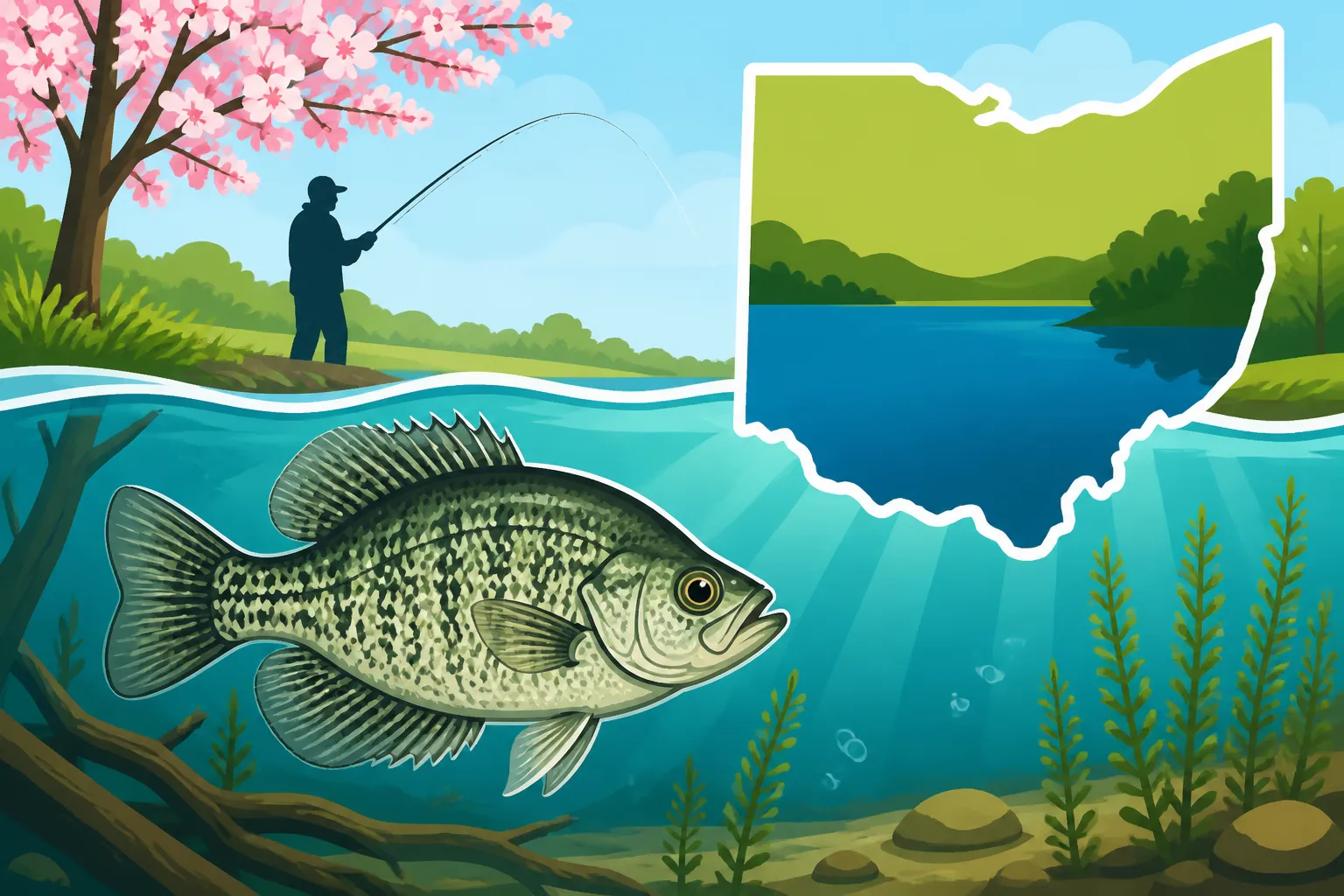
That annual rite of spring, when the ice finally relinquishes its grip and the days start to warm, brings with it a single, burning question for so many Ohio anglers: "Where are the crappie?" We all know that crappie are creatures of comfort, driven by instinct, and their movement patterns in spring can feel like a riddle wrapped in an enigma. This guide is here to unravel that mystery, confirming what many of us suspect and providing insights into the "why" and "how" of tracking crappie as they prepare for their most important seasonal event.
Understanding Crappie Spring Migration in Ohio
There's nothing quite like the anticipation of spring fishing in Ohio, especially when you're thinking about those slabs of crappie. You've been cooped up all winter, dreaming of tight lines and full livewells, and now the weather is finally cooperating. But just because the calendar says "spring" doesn't mean the crappie automatically line up on the shoreline waiting for your jig. Their movements are deliberate, guided by age-old biological imperatives and the subtle cues of their aquatic environment.
Why Crappie Move: The Spawning Urge
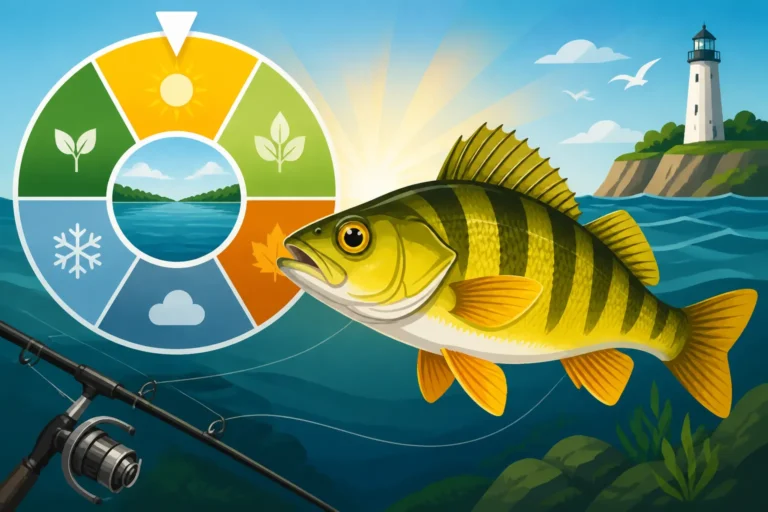
At the heart of every crappie's spring journey is the overwhelming urge to reproduce. As the water temperatures begin their gradual climb, a primal switch flips, signaling that it's time to find suitable nesting grounds. This isn't just a leisurely swim; it's a migration driven by the need to ensure the next generation. They're looking for areas that offer protection for their eggs, warmth for development, and a readily available food source for themselves during this energy-intensive period. It’s a make-or-break moment for the species, and it directly dictates where you'll find them. This biological clock is a major factor in the overall Ohio Fishing Season Calendar.
You might feel a little frustrated when you hit your usual early spring spots and come up empty-handed. It's easy to assume they "should" be there. But remember, crappie are exceptionally sensitive to even slight changes in water temperature and light conditions. They are constantly adjusting their depth and location to find that perfect balance of warmth, safety, and sustenance. So, while your fishing itch is undeniable, the crappie's reproductive instinct is even stronger. Understanding this fundamental drive is the first step in unlocking their spring patterns.
Defining "Shallow" for Crappie
When we talk about crappie moving shallow, what exactly do we mean? This isn't a one-size-fits-all definition, especially in Ohio with its diverse range of lakes, reservoirs, and rivers. "Shallow" in a crystal-clear, deep quarry lake might mean 8-12 feet of water, whereas in a murkier, shallower reservoir like Buckeye Lake, it could be as little as 2-4 feet. The key isn't a specific depth number, but rather the depth relative to the available cover and the penetration of sunlight warming the water.
Crappie will utilize whatever "shallow" cover is available to them. This can include anything from dense submerged brush piles and fallen trees along a bank to man-made structures like boat docks, piers, and riprap shorelines. Emergent vegetation, like cattails or lily pads just starting to sprout, also provides crucial protection and ambush points. They often prefer these areas not just for spawning but also because these shallow zones tend to warm up faster, attracting baitfish and insects—their primary food sources. The clarity of the water plays a huge role here; in turbid water, crappie often hold tighter to cover in shallower depths for security.
Key Indicators and Conditions for Shallow Crappie
So, how do you know when it's the time, and what exactly are you looking for to pinpoint those shallow-water crappie honey holes? It's all about paying attention to the details, much like reading a complex weather map. The crappie are giving us clues, we just need to learn how to interpret them.
Water Temperature Sweet Spot
This is arguably the most critical factor. Crappie begin their serious push to the shallows when the water temperatures consistently reach the mid-50s Fahrenheit, with the prime spawning window typically falling between 55 and 65 degrees. Below 50 degrees, they're usually still in deeper staging areas. Above 65, they might still be shallow but often become more scattered as post-spawn patterns begin. You can't just guess at this; a reliable water thermometer is an indispensable tool. You'll find a variety of affordable options on Amazon that you can clip to your boat or even attach to your fishing line.
A consistent warming trend, with several days of sunshine and mild air temperatures, will warm those shallow areas first. Look for sun-drenched coves and northern shorelines that receive direct sunlight for much of the day. A sudden cold front, even in late spring, can send crappie scurrying back to deeper water just as quickly as they came in shallow. They'll stage in adjacent deeper channels or offshore structures until conditions stabilize again. This fluctuation is one of the most frustrating aspects of spring crappie fishing but also part of the challenge.
Identifying Ideal Shallow Habitats
Once you have the right water temperature, the next step is locating the specific shallow habitats crappie prefer. They are definitely cover-oriented fish, seeking out structure that offers both protection from predators and ambush points for prey. In Ohio's diverse waters, this can mean a lot of different things.
Think about areas with significant submerged timber, like old creek beds or flooded wood. Brush piles, either natural or man-made, are absolute magnets. Docks, especially older, dilapidated ones with plenty of pilings and cross-members, offer shade and vertical structure. Riprap banks, often found near bridges or causeways, provide nooks and crannies. And as the spring progresses, pay close attention to emergent vegetation—anything from cattails, lily pads, to pondweed that's just starting to grow. These tender shoots offer both cover and a new food source for insects, which in turn attracts baitfish. For specific locations that are crappie hotspots, check out our guide on the Best Ohio Lakes for Crappie.
When scouting, use your eyes and your electronics. Polarized sunglasses are a game-changer for spotting submerged cover in clearer water. On your fish finder, look for brush piles or timber in those shallower depths, and often you’ll see the tell-tale arches of crappie suspended right in or around them.
Spring Weather Patterns and Their Influence
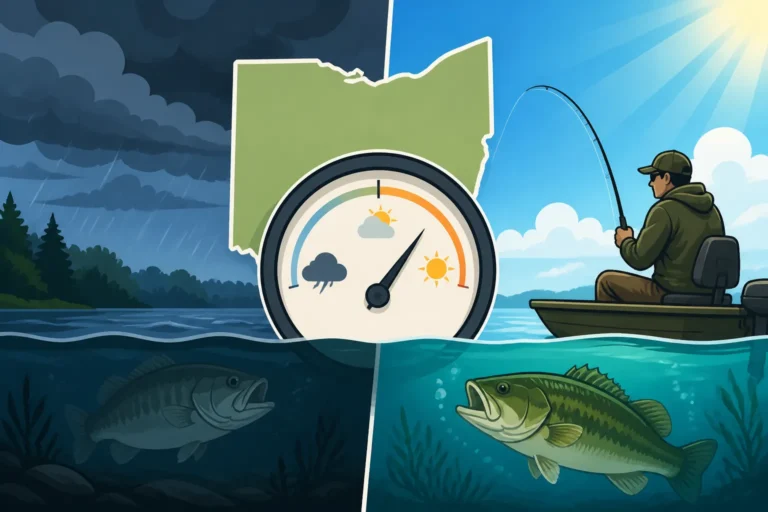
Beyond temperature, the broader weather patterns significantly impact crappie behavior. Stable, warm, and sunny days are generally fantastic for shallow crappie fishing. The sun penetrates the water, further warming those shallows, and crappie become more active and aggressive. Cloudy days can still be good, often drawing crappie out of the thickest cover a bit more, making them slightly easier to locate.
However, a sudden shift, like a cold front accompanied by high pressure and clear skies, can shut down the bite fast. Crappie might pull away from the absolute shallowest spots and suspend a few feet deeper or bury themselves in the densest cover. Strong, sustained winds can also muddy up shallow coves, making them less appealing for crappie, or push warm surface water to one side of the lake, concentrating fish there. Conversely, a gentle breeze can be your friend, creating a "crappie chop" that breaks up the surface, making your presence less noticeable to wary fish. Understanding these patterns is key to Reading Weather Patterns for Ohio Fishing.
Practical Strategies for Catching Shallow Spring Crappie
Once you've identified the right conditions and potential locations, it's time to put your plan into action. Catching these elusive panfish in the spring requires a thoughtful approach, combining the right bait, presentation, and timing.
Go-To Baits and Lures
For spring crappie, few things beat the classics, but having a few modern tricks up your sleeve doesn't hurt. The undisputed champion is often a live minnow, especially a small fathead or shiner. Hooked lightly through the back or lips and suspended under a small float, a struggling minnow is irresistible to a hungry crappie preparing to spawn. For more on this, check out How to Rig a Live Minnow for Crappie.
When it comes to artificials, small jigs are the bread and butter. Think 1/32 to 1/16 ounce jig heads, often tipped with a tiny plastic grub, tube, or a feather jig. The slow, tantalizing fall of a small jig is often what triggers a bite. Popular colors include chartreuse, white, pink, and various combinations thereof, but don't be afraid to experiment. Sometimes a subtle color, like a smoke or clear glitter, will be the ticket on bright, sunny days, while brighter colors excel in stained water or low light. Our guide on Best Jig Color for Ohio Crappie has even more specific advice. You can stock up on a wide array of jig heads and soft plastics from Amazon to ensure you have the right option for any water condition.
Presentation Techniques for Shallow Water
In shallow water, presentation is everything. Crappie, especially in clearer water, can be surprisingly spooky. Stealth is your friend. If you're fishing from a boat, use your trolling motor sparingly and quietly, or drift with the wind. If you're bank fishing, approach the water's edge slowly and keep a low profile.
A slip bobber rig is incredibly effective for shallow crappie. It allows you to precisely set your bait depth, keeping your minnow or jig suspended just above or in the cover. Cast past your target structure and slowly retrieve, allowing the bait to settle into the strike zone. If you’re casting without a bobber, a slow, steady retrieve with occasional pauses is often best. Let the jig fall naturally, then give it a slight twitch before continuing your retrieve. Remember, crappie often hit on the fall. Don't be afraid to work the same piece of cover from multiple angles, as fish might be positioned on different sides depending on current or light.
Best Times of Day and Specific Locations
While crappie can be caught throughout the day in spring, certain times often prove more productive. Early morning and late afternoon into dusk are prime feeding windows, especially on bright, sunny days. During these times, crappie often move slightly shallower or become more active around cover. Overcast days can extend these feeding periods, sometimes making the middle of the day just as good.
Focus your efforts on those sun-warmed northern banks, protected coves, and areas with dense cover. Look for slight depressions or channels that run into these shallow flats, as these can serve as highways for crappie moving in and out. Don’t ignore areas where new vegetation is emerging—these "green-up" zones are crucial food factories. Keep moving until you find active fish. Crappie are schooling fish, so where you catch one, there are often many more. This "Crappie Schooling Behavior" is a key aspect of their spring habits, so once you find them, stick around!
Navigating Challenges and Adapting Your Approach
Even with all the knowledge in the world, crappie fishing can throw curveballs. Conditions change, fish move, and what worked yesterday might not work today. Being adaptable and understanding the nuances will make you a more successful angler.
When Crappie Don't Go Shallow (or Retreat)
It’s happened to all of us. You’re ready for a shallow crappie bonanza, and they’re just not there. The most common culprit is unstable weather. A sudden cold snap that drops water temperatures back into the 40s or low 50s will cause crappie to retreat to deeper, more stable water. They’ll often hold in deeper channels adjacent to their intended spawning areas, or suspend over offshore brush piles and timber. In these scenarios, you’ll need to target those deeper staging areas, perhaps with vertical jigging techniques or by slowly trolling small crankbaits or minnows. For a general overview of seasonal movements, our Best Time of Year for Ohio Crappie Fishing article provides excellent context.
Another factor could be water clarity. Extremely muddy water from heavy rains can push crappie deeper or make them extremely tight to the densest cover, where they rely more on scent and vibration than sight. Adjusting your lure colors to brighter, more contrasting options or adding a small spinner blade to your jig might help in these situations.
Equipment Considerations for Shallow Crappie Fishing
You don't need a massive investment in gear to catch crappie, but having the right tools can certainly improve your success rate. A lightweight, sensitive rod (5 to 7 feet long, ultra-light to light action) paired with a small spinning reel spooled with 4 to 6-pound test monofilament or fluorocarbon line is ideal. This setup allows for accurate casting of light jigs and provides the sensitivity needed to detect those subtle crappie bites, which can sometimes feel like nothing more than extra weight on the line.
A good pair of polarized sunglasses, as mentioned before, is invaluable for spotting submerged cover in clear water. A small, portable fish finder can also be incredibly helpful, especially if you’re fishing from a kayak or small boat. These devices, many of which are available on Amazon, can quickly help you locate those crucial brush piles or even suspended schools of crappie that aren’t visible from the surface. Remember, even in shallow water, fish can be hiding in plain sight below the surface.
Respecting Crappie Populations During Spawning
While the spring spawn offers some of the best crappie fishing of the year, it's also a crucial time for the species' reproduction. As responsible anglers, it's vital to practice good conservation habits. Be mindful of your local Crappie and Panfish Daily Limits and size restrictions. These regulations are in place to ensure healthy fish populations for years to come.
If you plan to keep fish, only take what you'll reasonably use. Consider practicing catch and release for larger "slab" crappie, especially during the peak of the spawn, as these are often the most productive breeders. Handle fish gently, minimize their time out of the water, and release them carefully. This ensures that the population can continue to thrive, providing excellent fishing opportunities for future generations. Knowing and following all the rules, including those covered in the Ohio Fishing Regulations Every Angler Should Know, is part of being a good steward of our natural resources.
Spring Crappie Fishing Conditions and Techniques
Here's a quick reference for adapting your approach to spring crappie:
| Condition | Water Temperature Range (F) | Crappie Depth/Location | Recommended Baits | Preferred Techniques | Notes |
|---|---|---|---|---|---|
| Early Spring (Pre-Spawn) | 45-54 | Deeper channels, transition areas, main lake points, offshore brush piles (8-20 ft) | Live minnows, small hair jigs, blade baits | Vertical jigging, slow trolling, slip bobber on edges | Crappie schooling tight, can be lethargic. Focus on structure. |
| Peak Spawn (Shallow) | 55-65 | Shallow coves, docks, submerged timber, emergent vegetation, riprap (2-10 ft) | Live minnows, small plastic jigs, beetle spins | Slip bobber, casting & slow retrieve, pitching to cover | Fish are aggressive and highly concentrated. Stealth is key. |
| Post-Spawn (Transition) | 66-70+ | Moving deeper off spawning beds, scattered, still near cover (6-15 ft) | Small jigs, minnows, tiny crankbaits | Fan casting, slow retrieve, drift fishing, sight fishing around cover | Fish may be recuperating. Look for active stragglers. |
| Cold Front | Drops suddenly | Retreat to deeper cover, suspend lower in water column | Small, subtle jigs, dead-sticked minnows | Slow, deliberate presentation, targeting deepest parts of cover | Fish are spooky and inactive. Patience is critical. |
| Sunny, Warm Day | Stable | Tight to cover, in shaded areas, slightly deeper | Natural color jigs, minnows | Precise presentations, light line | Crappie can be wary. Look for shade lines. |
| Cloudy, Overcast Day | Stable | May roam slightly farther from cover, suspended a bit higher | Brighter jigs, minnows | Broader casting, slightly faster retrieves | Often excellent fishing, less spooky fish. |
Disclaimer
Fishing conditions and regulations in Ohio can change. Always consult the latest Ohio Department of Natural Resources (ODNR) fishing regulations booklet or their official website before heading out. This guide is for informational purposes and should be used in conjunction with official resources.