Does Barometric Pressure Affect Ohio Fishing?
Have you ever been out on your favorite Ohio lake or river, convinced it was going to be a banner day, only for the fish to suddenly get lockjaw? One minute they're biting, the next it's like the water is empty. It's incredibly frustrating, and often, anglers scratch their heads wondering what went wrong. While many factors contribute to fish activity, one subtle yet powerful influence often overlooked is barometric pressure. Understanding how these atmospheric shifts affect fish can be a game-changer for your success on the water.
What Exactly is Barometric Pressure and Why Does It Matter for Fish?
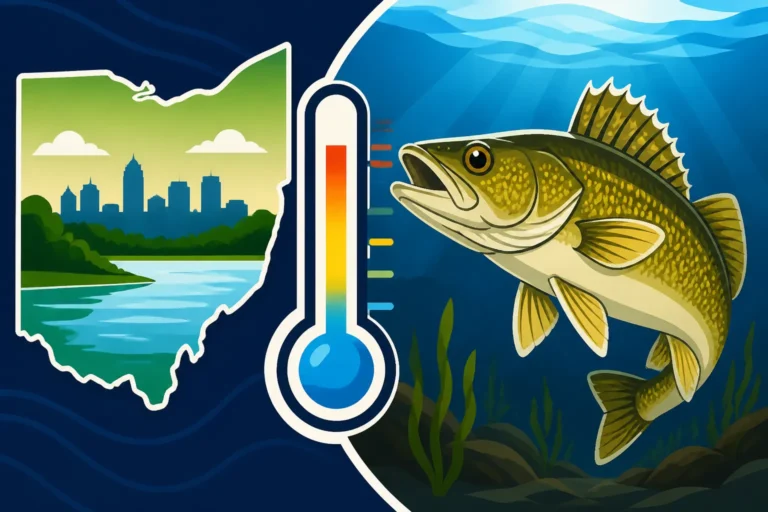
Think of barometric pressure as the weight of the air above us. It's constantly changing, pushing down on everything, including the water in our lakes, rivers, and even Lake Erie. This isn't just some abstract scientific concept; it's a real, tangible force that fish feel and react to. For us, a slight change in pressure might just mean a headache, but for a fish, it can be a significant shift in their environment.
The Science Behind Atmospheric Pressure
Atmospheric pressure is essentially the force exerted by the air column above a given point. When we talk about high pressure, we're referring to a heavier air mass pushing down on the earth's surface. Low pressure, conversely, means a lighter air mass. These changes are typically associated with weather patterns. High pressure often brings clear skies and stable weather, while low pressure is usually linked to stormy, unsettled conditions.
For fish, especially those with a swim bladder, this pressure isn't just a nuance; it's a fundamental part of their existence. The swim bladder is an internal, gas-filled organ that helps fish maintain buoyancy at various depths. It's a delicate system, and it has to constantly adjust to the external pressure of the water around it. When the atmospheric pressure changes rapidly, it alters the pressure on the water, which in turn impacts the fish's swim bladder. Imagine having to constantly adjust your internal air sacs just to stay at the right depth – it's a lot of work!
How Fish Physiologically React to Pressure Changes
When the barometric pressure drops, the external pressure on the water decreases. This causes the gas in a fish's swim bladder to expand. To compensate and avoid floating uncontrollably, the fish has to work harder to release gas or swim deeper. Conversely, when pressure rises, the gas in the swim bladder contracts, and the fish has to actively add gas or swim shallower to maintain its position.
This constant adjustment requires energy. A fish that's preoccupied with regulating its buoyancy might be less inclined to chase a lure or forage aggressively. It can make them feel uncomfortable, a bit like how we might feel a sinus headache before a storm. This physiological response is why barometric pressure isn't just a weather forecast detail; it's a critical factor in understanding why the fish might be biting one day and not the next. It influences their comfort, their metabolism, and ultimately, their willingness to feed.
How Changing Barometric Pressure Influences Fish Behavior
It's not just the absolute high or low pressure that matters, but rather the rate of change. Fish, like many animals, are finely tuned to their environment. Sudden shifts are usually what throw them off their game. Understanding how they react to rising, falling, and stable pressure can help you make better decisions on your next fishing trip to an Ohio hotspot, whether it's Lake Erie or a smaller inland reservoir.
The Impact of Falling Barometric Pressure
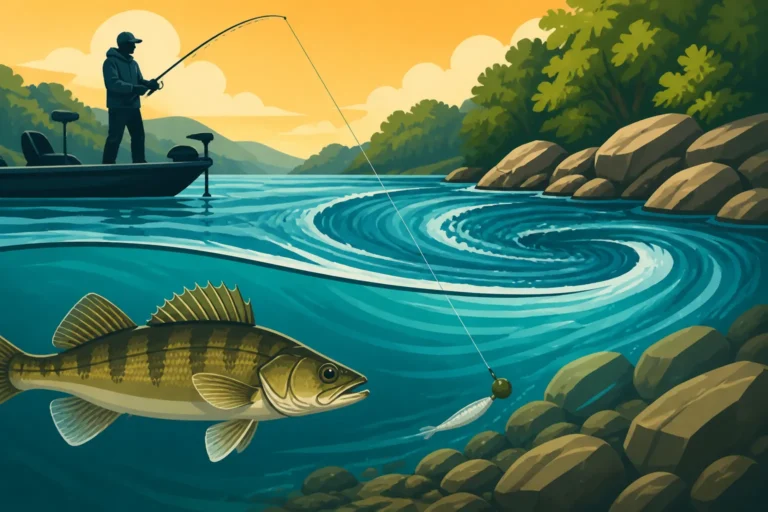
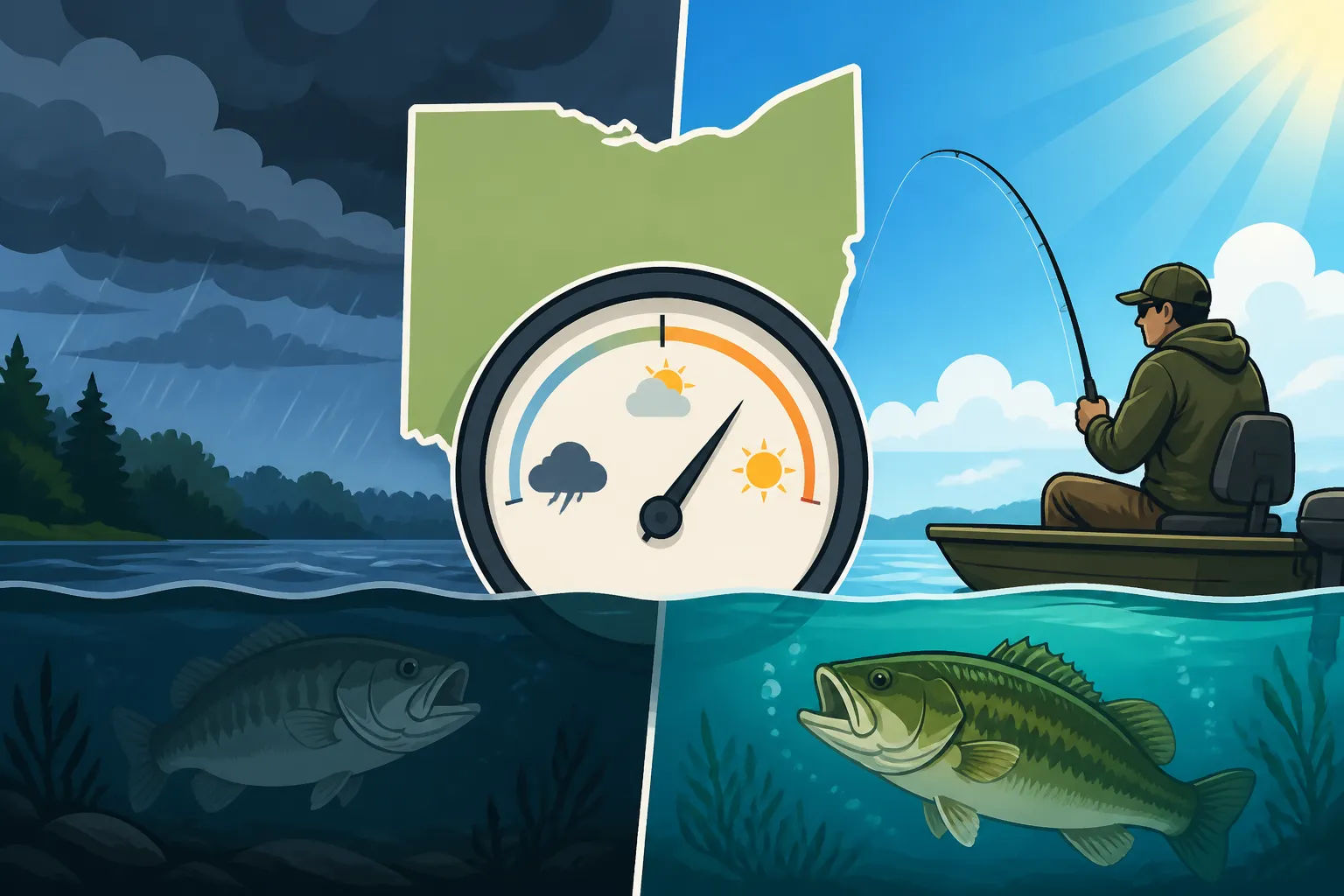
A falling barometer is often associated with approaching stormy weather fronts – think rain, wind, and even thunderstorms. For fish, this is usually a sign of declining activity. As the pressure drops, their swim bladders expand, causing discomfort. They often become less active, move to deeper water where the pressure is more stable, or seek out dense cover to feel more secure.
During a rapidly falling barometer, you'll often find fish "off the bite." They might be lethargic, ignore lures they'd usually strike, or hold tight to the bottom or structure. This isn't to say they won't bite at all, but you'll likely need to adjust your approach significantly. Think slower presentations, smaller baits, and putting your offering right on their nose. Some anglers report a brief burst of feeding activity just before a major front hits and the pressure plummets, as fish try to get a meal in before conditions become truly unfavorable. This pre-front bite can be fleeting, but it's often your best chance if a big storm is on its way.
The Effect of Rising Barometric Pressure
When the barometer starts to rise after a period of low pressure, it usually signifies improving weather – clearer skies, calmer winds, and stable conditions. This rising pressure compresses a fish's swim bladder, making them feel "lighter" and prompting them to move shallower or expend less energy to hold their position.
This is often when fish become more active and willing to feed. As conditions stabilize and their discomfort subsides, they're more likely to disperse from deep cover and actively hunt. A rising or high, stable pressure system is generally considered excellent for fishing. Fish feel more comfortable, their metabolism might pick up, and they're more prone to chasing down prey. This is when aggressive presentations and faster retrieves can really shine. If you're planning your trip using an Ohio Fishing Season Calendar, try to line it up with a few days of sustained high pressure for the best results.
Stable High and Low Pressure Systems
While rapid changes are the biggest disruptors, prolonged periods of stable pressure also have their own influence.
-
Stable High Pressure: This is often considered prime fishing time. With clear skies and consistent pressure, fish are usually comfortable and active. They'll follow their typical feeding patterns and can be found in their usual haunts. This is when you can confidently throw your favorite lures and expect a good response. The fish aren't stressed by environmental changes and can focus on foraging. This is particularly true for species like walleye on Lake Erie, where Ohio Walleye Fishing Guide tips often emphasize stable weather patterns.
-
Stable Low Pressure: A stable low pressure system, while not as ideal as stable high pressure, is generally better than a rapidly falling barometer. Fish have had time to adjust to the lower pressure. They might still be a bit deeper or closer to cover than during high pressure, but they will eventually resume some level of feeding activity. You might still need to fish slower or present baits more subtly, but they won't be completely shut down. They've simply adapted to the new normal.
Here's a quick look at how general pressure trends often affect fish:
| Barometric Pressure Trend | Associated Weather | General Fish Behavior | Recommended Fishing Adjustments |
|---|---|---|---|
| Rapidly Falling | Approaching Storm, Rain, Wind | Lethargic, deeper, seeking cover, "shut down" | Slow, subtle presentations, small baits, fish deep or tight to cover. Focus on pre-front bite if possible. |
| Rapidly Rising | Clearing Skies, Post-Front Improvement | Increasing activity, moving shallower, more aggressive | Moderate to aggressive presentations, standard baits, check typical feeding grounds. |
| Stable High | Clear, Calm, Sunny | Active, comfortable, predictable feeding patterns | Aggressive to moderate presentations, various baits, fish typical depths and structures. Excellent conditions. |
| Stable Low | Overcast, Drizzly | Less active than high pressure, but adaptable; deeper or in cover | Slower presentations, focus on structure, slightly deeper than stable high. |
Practical Strategies for Fishing Around Barometric Pressure Changes
Knowing about barometric pressure is one thing, but actually using that knowledge to improve your fishing in Ohio is another. It's about adapting your techniques and expectations based on what the atmosphere is doing. You can’t control the weather, but you can control your approach!
Reading the Barometer and Weather Forecasts
The first step is simply being aware. You don't need a fancy scientific setup. Many modern weather apps on your phone include barometric pressure readings and trends. Look for patterns: is the pressure steady, rising, or falling? Pay attention to how quickly it's changing. A slow, gradual drop over 24 hours is different from a sharp plunge in a few hours.
You can also purchase portable barometers, some of which are specifically designed for anglers. A quick search on Amazon will show you many options, from digital handheld devices to analog ones that can give you a clear trend. Integrating this into your pre-trip planning, alongside checking the Best Time of Day to Fish in Ohio or the Reading Weather Patterns for Ohio Fishing, will significantly boost your chances.
Adjusting Your Lure Presentation and Bait Choice
When the pressure is falling, fish are often uncomfortable and sluggish. This is not the time for fast, erratic retrieves or loud, attention-grabbing lures. Instead, think about:
- Slower Presentations: Dragging jigs, slow-rolling spinnerbaits, or using a dead-stick retrieve can entice a reluctant bite.
- Smaller Baits: Sometimes, a smaller profile bait is less intimidating to a fish that isn't feeling aggressive.
- Natural Colors: Muted, natural colors can often be more effective than bright, flashy ones when fish are wary.
- Live Bait: When artificials aren't working, live bait like minnows, worms, or leeches can be irresistible to even the most finicky fish because they require less effort to catch. You might want to refer to a guide on Best Baits for Ohio Catfish or Best Baits for Ohio Crappie for specific recommendations.
When the pressure is stable and high, fish are more likely to be active. This is when you can speed things up:
- Aggressive Retrieves: Twitching jerkbaits, burning spinnerbaits, or quickly jigging can trigger reaction strikes.
- Larger Baits: Fish with confidence in good conditions will often tackle a bigger meal.
- Flashy Colors: Bright colors and baits with a lot of flash can attract attention from active fish.
- Topwater: If conditions are right (calm, warm water), a stable high-pressure system can be fantastic for topwater action, especially for bass.
Targeting Different Depths and Structures
Fish respond to pressure changes by altering their depth. During falling pressure, they often seek deeper water where the pressure changes are less extreme, or they'll bury themselves in dense cover like weed beds, brush piles, or beneath docks. Your Ohio Fishing Gear and Tackle Guide might suggest specific tackle for these situations.
-
Falling Pressure: Focus on deep holes, channel edges, submerged timber, and thick vegetation. If you're fishing for species like walleye, you might need to try a Best Way to Locate Walleye Suspended Over Deep Water. For bass, pitching jigs or Texas-rigged worms into heavy cover can pay off.
-
Rising/Stable High Pressure: Fish will often move shallower, congregating around points, humps, weed lines, and rocky areas. They're out looking for food. This is when covering water effectively can lead to more bites. Consider using techniques like those in the Ohio Trolling Techniques for Lake Erie for species on larger bodies of water.
It’s about anticipating their move. If you see a major front coming, don't waste your time casting to shallow flats. Go straight for the deep structure or heavy cover.
Reading the Signs and Planning Your Ohio Fishing Trip
Beyond just the barometer, there are other natural indicators that can give you clues about impending pressure changes and how fish might react. Paying attention to these subtle signals can further refine your approach. The more data points you have, the better your fishing decisions will be.
Observing Natural Indicators
Nature often provides its own forecasts. Many of these are tied directly to barometric pressure.
- Cloud Formations: High, wispy cirrus clouds often precede a cold front and falling pressure. Dark, heavy cumulonimbus clouds, of course, signal an active low-pressure system and potential storms. Clear, blue skies usually indicate stable high pressure.
- Wind Direction and Speed: A shift in wind direction, especially from west or southwest to north or northeast, can signal a front moving in. Increasing wind speed often accompanies falling pressure.
- Bird Behavior: Birds flying low can sometimes indicate falling pressure, as the air is denser and flying higher requires more effort. Conversely, high-flying birds might suggest rising or stable pressure.
- Insect Activity: Many insects are sensitive to pressure. A sudden lack of bugs on the water, or them flying lower, can sometimes be a sign of a dropping barometer.
While these aren't as precise as a digital barometer, they offer additional layers of understanding for the observant angler. Combining these observations with your weather app information gives you a more complete picture of what's happening and what to expect from the fish. If you're wondering How to Adjust Technique After a Cold Front, these natural signs are often the precursor.
Planning Around Pressure for Different Species
Different fish species can react somewhat differently to barometric pressure, though the general trends usually hold. For example, some highly pelagic species like white bass or even aggressive smallmouth bass might continue to feed during minor pressure drops, while a more bottom-oriented fish like a channel catfish might hunker down faster.
- Walleye: Often sensitive to pressure changes, especially on large bodies of water like Lake Erie. A rapidly falling barometer will often push them deeper. Stable high pressure is excellent.
- Bass (Largemouth & Smallmouth): Will also seek cover or go deeper with falling pressure. Stable pressure often makes them very active.
- Panfish (Crappie, Bluegill): Can be very sensitive. Falling pressure often means they suspend or bury in brush piles. Rising pressure brings them out to feed.
- Catfish: While often thought of as less sensitive, even catfish can slow down significantly during major pressure drops. During stable conditions, especially low light or night, they can be very active.
Ultimately, understanding barometric pressure gives you another tool in your angler's toolbox. It helps explain those mysterious "tough days" and empowers you to adapt your strategy instead of just giving up. By paying attention to the weather and making informed decisions about your lure choice, presentation, and target depth, you can turn a slow day into a successful one, even when the pressure isn't playing along. Remember, it's about fishing smarter, not harder, and the barometer is a key part of that intelligence.
Disclaimer
This article is for general informational purposes only and does not constitute professional advice. Laws, prices and regulations vary by location and change over time. Consult a qualified professional for guidance on your specific situation.