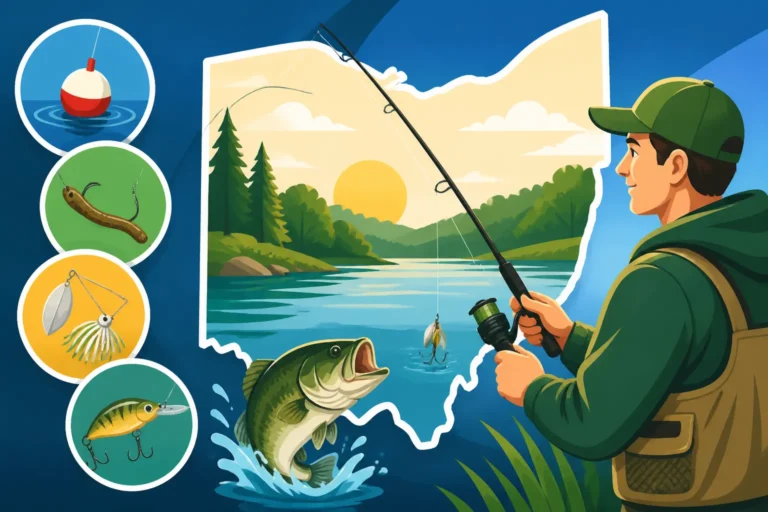
How to Rig a Slip Bobber for Saugeye
There's nothing quite as frustrating as knowing saugeye are in a specific depth, but your fishing rig just can't get your bait there effectively, or you're missing those subtle bites. Many anglers struggle with presenting their bait precisely in the water column where saugeye are actively feeding. This guide will walk you through exactly how to rig a slip bobber for saugeye, ensuring your bait is always at the perfect depth and helping you detect even the slightest nibble.
Why the Slip Bobber Reigns for Saugeye Fishing
When you're chasing saugeye, a hybrid cross between a walleye and a sauger, you often find them holding at specific depths, sometimes suspended over deeper water, sometimes right on the edge of a drop-off. This is where the venerable slip bobber truly shines, offering an unmatched level of precision and sensitivity that fixed bobbers just can't deliver.
The Frustration of Fixed Bobbers
Think about the classic red and white clip-on bobber. It's great for shallow panfish ponds, right? But imagine trying to fish a bait 15 or 20 feet deep with one of those. You'd have a mile of line between your bobber and rod tip, making casting nearly impossible. You’d be battling endless tangles, especially with live bait like minnows that want to swim off in every direction. The sheer amount of slack line would also make it incredibly difficult to feel the bite, let alone get a solid hookset. It's a classic scenario that many Ohio anglers have faced, leading to missed opportunities and a lot of head-shaking frustration. Fixed bobbers effectively limit you to shallower presentations, which simply won't cut it when saugeye decide to hold in deeper thermal layers or near submerged structures.
Unlocking Precision Depth Control
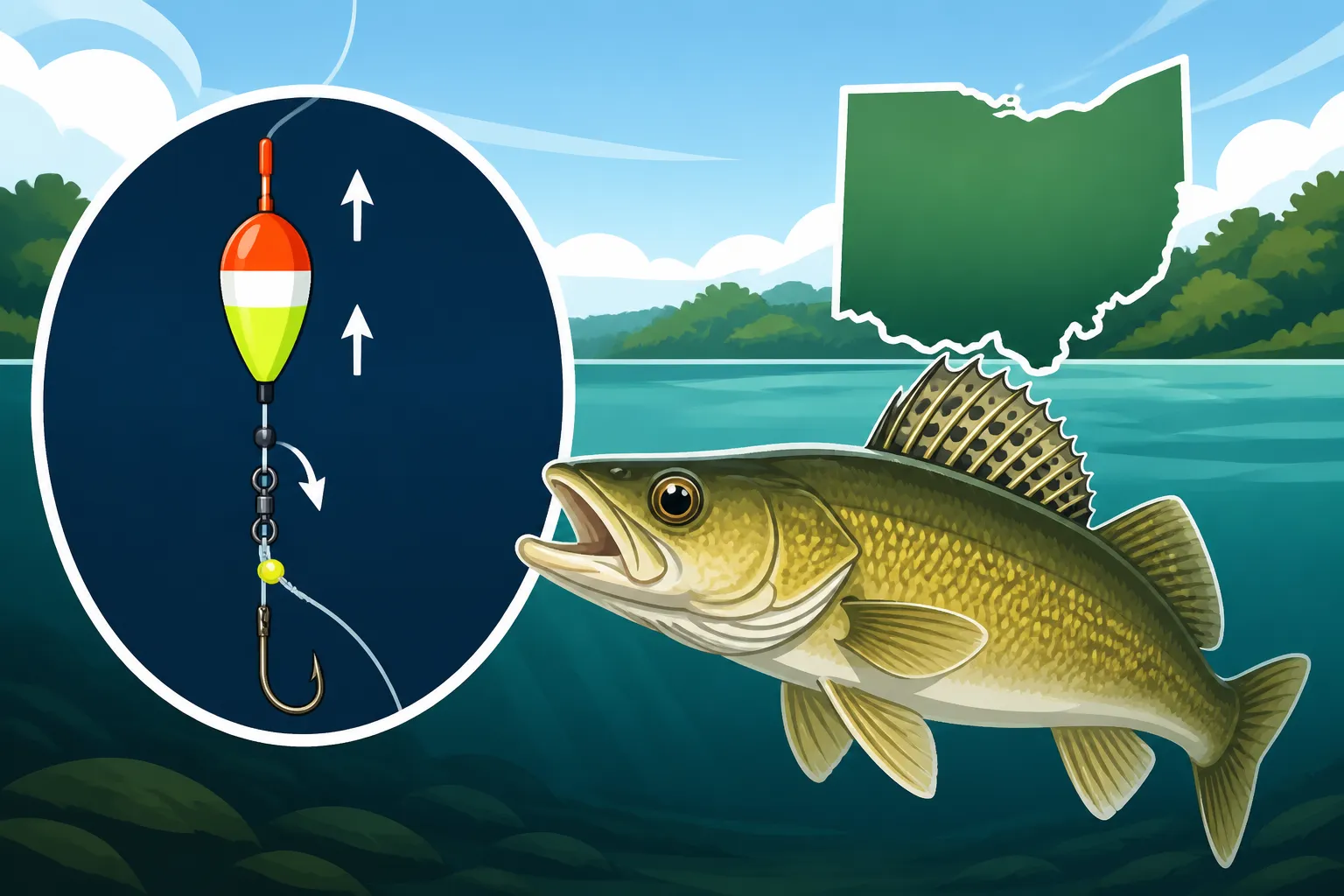
This is where the slip bobber enters the scene as your saugeye superpower. Unlike a fixed bobber, a slip bobber "slips" freely up and down your fishing line, controlled by a small knot called a bobber stop. This ingenious design allows you to set your bait at virtually any depth you desire, from just a few feet under the surface to 30 feet or more, all while maintaining a manageable amount of line above the bobber for casting. You can literally put your minnow or nightcrawler exactly where your Reading Ohio Fish Finders and Electronics tells you the fish are holding. This precision is absolutely critical when saugeye are picky, schooling tightly, or hugging a specific depth contour. Whether you're fishing a deep reservoir like Alum Creek Lake or one of the many great Ohio lakes for saugeye, the ability to dial in your depth can be the difference between a slow day and a limit catch.
Sensitivity and Strike Detection
Saugeye, much like their walleye cousins, can be notoriously subtle biters. Sometimes it’s a gentle tap, a slight hesitation, or just a slow drift of your bobber. A good quality slip bobber, especially those made from balsa wood or high-density foam, is incredibly sensitive. They displace very little water and offer minimal resistance, meaning even the lightest touch from a saugeye will translate into visible movement on your bobber. This enhanced sensitivity is a game-changer. You'll see those subtle movements that you'd completely miss with a clunky fixed bobber or by trying to feel the bite directly on the line in windy conditions. The visual cue of a dipping, twitching, or slowly sinking bobber gives you the precious seconds needed to prepare for a smooth, confident hookset.
Essential Gear for Your Slip Bobber Rig
To successfully rig a slip bobber for saugeye, you'll need a few key components. Having the right tools for the job not only makes the rigging process easier but also significantly increases your chances of success on the water. Let’s break down what you’ll need to assemble your ultimate saugeye setup.
Rod, Reel, and Line Choices
For saugeye fishing with a slip bobber, a medium-light to medium action spinning rod, typically 6'6" to 7'6" in length, is ideal. This rod provides enough backbone to cast your rig effectively and handle a fighting saugeye, but also offers the sensitivity needed to detect subtle bites. Pair it with a reliable spinning reel in the 2000-3000 size range, spooled with a good quality fishing line.
When it comes to line, you have a couple of solid options. Many anglers prefer 6-8 pound monofilament line due to its buoyancy, which helps keep the line floating slightly and reduces sag between your rod tip and the bobber. Monofilament also has a bit of stretch, which can be forgiving when a saugeye makes a sudden run. Another excellent choice, especially for increased sensitivity and less stretch, is fluorocarbon in the same weight range. Fluorocarbon is nearly invisible underwater, which can be a huge advantage for wary saugeye. However, it sinks more readily than mono, so be mindful of that if you're trying to keep your line high off the water. Some anglers even opt for a braid main line with a fluorocarbon leader for the best of both worlds – sensitivity and stealth. Just make sure your chosen line is compatible with your reel and strong enough to handle potential snags and a feisty fish. If you're looking to update your setup, checking out Choosing the Right Ohio Fishing Line or exploring combos on Amazon can be a great place to start your research.
The Star of the Show: Slip Bobbers
The slip bobber itself is, naturally, the most crucial component of this rig. Not all slip bobbers are created equal, and choosing the right one can make a noticeable difference.
- Balsa Wood Bobbers: These are often highly sensitive due to their light weight and buoyancy. They're excellent for detecting even the faintest bites and are a favorite among experienced anglers. Brands like Thill are renowned for their quality balsa bobbers.
- Plastic Bobbers: More durable and often more affordable, plastic slip bobbers come in various shapes and sizes. Look for ones with a thin profile and a through-body line guide to reduce resistance.
- Weighted Bobbers: Some slip bobbers come pre-weighted at the bottom. These can be advantageous in windy conditions or when you need your rig to settle quickly. They also stand up straighter in the water, making bites easier to spot.
For saugeye, aim for a bobber size that supports your bait and sinker without completely submerging. A general rule is to use the smallest bobber that will effectively float your presentation. Too large, and it offers too much resistance; too small, and it won't float correctly. You can often find a wide selection of bobbers on Amazon, allowing you to compare options and read reviews from other anglers.
Terminal Tackle Essentials
Beyond the rod, reel, and bobber, a collection of smaller, yet equally important, terminal tackle items are necessary to complete your slip bobber rig.
- Bobber Stops: These tiny, often fluorescent, knots or beads are what prevent your slip bobber from sliding all the way down to your hook. They typically come on a small plastic tube, which you slide onto your main line before the bobber. You can also tie your own using specialized bobber stop knot material. Make sure they're tight enough to hold position but can still be adjusted up or down the line when needed.
- Beads: A small plastic or glass bead is threaded onto the line after the bobber stop and before the bobber. This prevents the bobber stop from getting pulled inside the bobber's line guide.
- Weights: You'll need enough weight to get your bait down to the desired depth and make your bobber stand upright, but not so much that it pulls the bobber completely under.
- Split Shot: Small, easily attachable weights that are great for fine-tuning. You can crimp them directly onto your line a few inches above your swivel or hook.
- Bullet/Egg Sinkers: These are better for getting your bait down quickly in deeper water or current. They slide freely on your line above a swivel, providing less resistance to a biting fish. For saugeye, a 1/8 to 1/4 ounce sinker is a good starting point, but you might need to go heavier in strong currents like those found in parts of the Ohio River or on windy days.
- Swivels: A small barrel or ball bearing swivel is crucial. It connects your main line to your leader (the piece of line that goes to your hook) and helps prevent line twist, especially when using live bait. It also serves as a stopper for your sliding sinker if you opt for one.
- Hooks: For saugeye, sharp, appropriately sized hooks are paramount.
- Aberdeen Hooks: These thin-wire hooks are popular for live bait like minnows. Their light wire can straighten out if snagged, potentially saving your rig. Sizes #4 to #8 are common.
- Octopus Hooks: With their short shank and wide gap, these hooks are excellent for a variety of baits, including minnows and pieces of nightcrawler. They often have an upward turned eye. Sizes #4 to #6 are frequently used.
Remember to consider the size of your bait; the hook should be able to securely hold the bait without overpowering it. You can find excellent quality hooks from brands like Gamakatsu, Eagle Claw, or Mustad, readily available at most tackle shops or on Amazon.
Step-by-Step: Rigging Your Perfect Saugeye Slip Bobber Setup
Alright, you've got all your gear. Now it's time to put it all together. Don't worry, rigging a slip bobber isn't nearly as complicated as it might seem. Just follow these steps, and you'll be ready to target those Ohio saugeye with confidence.
Threading the Line and Setting the Stop
This is where the magic of the slip bobber begins!
- Start with the Bobber Stop: Take your bobber stop (the little string knot or rubber stop) and thread your main fishing line through the wire loop that usually comes with it. If it's a pre-made string stop, you'll slide the plastic sleeve off the wire and onto your main line, then pull the string stop off the sleeve. Make sure you don't accidentally pull the whole string knot off the line! For rubber stops, you usually just push the line through the hole. Slide this stop up your line about 10-15 feet from the end for now, as you’ll adjust the final depth later. Learning how to tie a good knot is essential here; if you're using a string bobber stop, ensure it's cinched down properly.
- Add the Bead: Immediately after your bobber stop, thread a small plastic or glass bead onto your main line. This bead acts as a buffer, preventing your bobber from sliding over the bobber stop knot. It’s a small detail, but a really important one for smooth operation.
- Attach the Slip Bobber: Now, thread your main line through the eyelet or sleeve at the bottom of your slip bobber, and then out through the top. The bobber should now be able to slide freely between the bead and the end of your line. Give it a gentle tug to make sure it moves smoothly.
At this point, you'll have your bobber stop, then the bead, then the slip bobber, all on your main line. The bobber stop is what ultimately controls how deep your bait goes.
Attaching Weights and Swivel/Hook
Next up, we need to add the necessary weight to get your bait down and present it effectively, along with your hook for the catch.
- Tie on Your Swivel: After the slip bobber, tie a small barrel swivel (sizes 10-12 are usually good) to the end of your main line using a strong knot like a Palomar knot or an improved clinch knot. The swivel is crucial because it helps prevent line twist, especially if you're using live bait that likes to spin. It also provides a connection point for your leader.
- Add Your Sinker (If Using a Sliding Sinker): If you're opting for a sliding egg or bullet sinker, thread this onto your main line before tying on the swivel. The swivel will then act as the stop for the sinker, keeping it from sliding down to your hook. For example, a 1/8 to 1/4 ounce sliding sinker is a common choice for many Ohio saugeye fishing scenarios, depending on depth and current.
- Attach Your Leader and Hook: Tie a 12-24 inch piece of fluorocarbon or monofilament leader line (usually 6-8 lb test) to the other end of your swivel. Then, tie your chosen hook (a #4 or #6 Aberdeen or Octopus hook is usually perfect for saugeye) to the end of that leader. Some anglers prefer to pre-tie leaders with hooks to save time on the water. If you want a bit more information on hooks, check out our Best Fishing Gear and Tackle Guide.
- Fine-Tuning with Split Shot (Optional but Recommended): Even if you're using a sliding sinker, it's often a good idea to add a few small split shot sinkers a few inches above your hook on the leader. This helps to weigh your bait down and keep it in the strike zone, especially with buoyant live bait like minnows. The goal is to get your bobber to stand upright in the water with just the bright top portion showing, indicating a perfectly balanced rig.
Adjusting Depth and Presentation
This is the continuous process that separates successful anglers from those struggling. Saugeye are depth-oriented, so hitting their preferred zone is key.
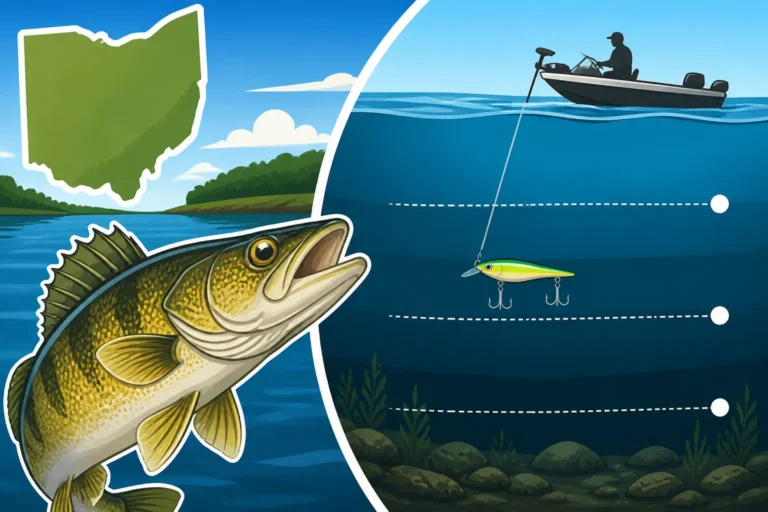
- Initial Depth Setting: Start by estimating the depth of the water you're fishing or consulting your fish finder. Set your bobber stop so that your bait will be just above the bottom, or at the depth where you're seeing fish on your electronics. For example, if you're fishing in 20 feet of water and see saugeye at 18 feet, slide your bobber stop so that there's approximately 18 feet of line from the hook to the stop.
- Trial and Error: Cast your rig out and observe how it settles. If your bobber is lying flat, you don't have enough weight. If it's barely visible, you might have too much weight or your bait is still too shallow. Adjust your split shot or sliding sinker as needed to get that perfect "cocked" presentation.
- Finding the Strike Zone: Saugeye often suspend. Don't be afraid to experiment with different depths. If you're not getting bites after 15-20 minutes, adjust your bobber stop up or down a few feet. Sometimes moving your bait just a foot or two can make all the difference. This methodical approach is critical, especially when fishing unfamiliar waters or when the fish are finicky. Consider reading our Ohio Saugeye Minimum Length Limit to ensure you're compliant with regulations when you start reeling them in!
Tips and Tricks for Maximizing Your Saugeye Success
Rigging the slip bobber is just the first step. To consistently put saugeye in the net, you need to combine your perfect rig with smart tactics and a bit of angler intuition.
Choosing the Right Bait
Saugeye are opportunistic feeders, but they do have their preferences. Using the right bait, presented effectively with your slip bobber, can significantly increase your strike rate.
- Live Minnows: Hands down, live minnows are often the top choice for saugeye. Shiners, fatheads, or small creek chubs in the 2-4 inch range are excellent. Hook them lightly through the lips or just behind the dorsal fin to keep them lively. Their natural movement is irresistible to saugeye. Our guide on Best Live Bait for Ohio Saugeye offers more specifics.
- Nightcrawlers: A classic for a reason, a juicy nightcrawler, hooked once or twice through the head to allow for plenty of wiggling, can be incredibly effective. Sometimes a half-crawler or a piece of a crawler on a smaller hook is just what they want.
- Soft Plastics: While live bait often dominates, soft plastics can also work, especially if you tip your hook with a small piece of minnow or worm for added scent. Small paddle-tail swimbaits, grubs, or twitch baits can be jigged under the slip bobber, imitating a wounded baitfish. Experiment with colors; sometimes a chartreuse, white, or dark green jig can be the ticket.
- Scent Boosters: Don't underestimate the power of scent. Applying a quality fish attractant to your live bait or soft plastics can provide an extra edge, especially in stained water where saugeye rely more on their sense of smell.
Reading the Water and Adjusting Depth
Saugeye are highly influenced by their environment. Successful anglers are constantly observing and adapting.
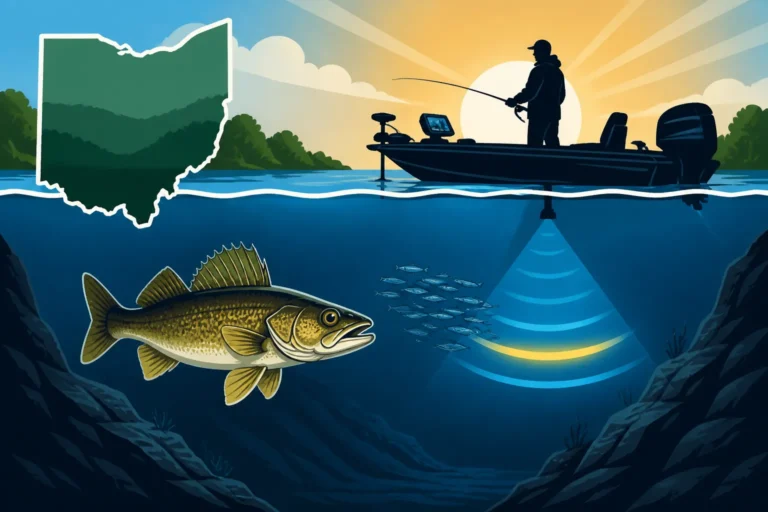
- Use Your Electronics: A fish finder is an invaluable tool for saugeye fishing. It helps you identify depth, bottom structure (like submerged humps or brush piles), and most importantly, where the fish are holding in the water column. If you see fish at 15 feet, set your bobber stop to 15 feet. It’s that simple, but incredibly effective.
- Look for Structure: Saugeye love structure. This could be rock piles, weed lines, drop-offs, submerged timber, or even bridge pilings. They use these areas for ambush points and cover. Position your slip bobber rig near these features.
- Consider Current and Wind: Current can affect how your bait presents. In stronger currents, you might need a slightly heavier sinker to keep your bait in the strike zone. Wind can make bobber watching difficult, so a weighted bobber or a slightly larger bobber might be beneficial on blustery days. Our Ohio Walleye Fishing Guide also offers valuable insights into understanding fish behavior in various conditions, which directly applies to saugeye.
- Experiment Constantly: Don't be afraid to change your depth, bait, or even location if you're not getting bites. Saugeye can move throughout the day, and what worked an hour ago might not work now. Start by fishing just off the bottom, then slowly work your way up the water column until you find their preferred depth. The Ohio Fishing Season Calendar can give you clues as to what conditions to expect.
Mastering the Hookset
Saugeye bites can be incredibly subtle, often just a slight dip or a slow disappearance of your bobber. Overreacting or waiting too long can both lead to missed fish.
- Watch the Bobber Closely: Keep your eyes glued to that bobber. Any unusual movement – a twitch, a slow pull under, or even just sitting lower in the water than usual – could indicate a bite.
- The Gentle Lift: When you see a bite, resist the urge to rear back with a massive hookset. Instead, make a gentle, sweeping upward motion with your rod tip. This takes up any slack line and allows the hook to penetrate the saugeye's mouth firmly. Saugeye have fairly soft mouths compared to some other species, so a brutal hookset can sometimes tear the hook out.
- Maintain Pressure: Once you feel the weight of the fish, maintain steady pressure and reel it in smoothly. Avoid pumping the rod too aggressively, as this can create slack and allow the fish to throw the hook.
Common Mistakes to Avoid
Even experienced anglers can make mistakes. Being aware of these common pitfalls will help you avoid them.
- Overweighting Your Bobber: Too much weight will cause your bobber to sink completely or lie flat, making it impossible to detect bites. It also creates resistance for the fish, making them drop the bait. Aim for a perfectly balanced setup where just the top of the bobber is showing.
- Using the Wrong Size Hook: A hook that's too large will deter bites, while one that's too small might not get a good hookset or could be swallowed by the fish, making release difficult. Match your hook size to your bait and the expected size of the saugeye.
- Ignoring Regulations: Always be aware of the current Ohio Fishing Regulations Every Angler Should Know. This includes bag limits, size limits, and any special regulations for the body of water you're fishing. It's also a good idea to know How Many Fishing Lines You Can Use in Ohio. Ignorance of the law is no excuse, and wildlife officers are out there to ensure compliance.
- Not Checking Your Line: Periodically check your line for nicks, abrasions, or weakened spots, especially near the hook or bobber stop. A small nick can lead to a lost trophy fish. A fresh leader tied with good Ohio Fishing Knots to Know can save a lot of heartache.
By mastering the slip bobber rig and combining it with these strategic fishing tips, you'll be well on your way to becoming a more effective saugeye angler in Ohio. Happy fishing!
Disclaimer
The information provided in this guide is for general informational purposes only. Fishing regulations, conditions, and techniques can change. Always consult the official Ohio Department of Natural Resources (ODNR) fishing regulations before heading out and prioritize safety on the water.