Best Live Bait for Ohio Saugeye
It’s a tale as old as time for many Ohio anglers: you’ve scouted the perfect spot, the weather’s just right, and you’re convinced today is the day to land a trophy saugeye. Then, you cast out, wait, and… nothing. The frustration is real, and often, the missing piece isn't your technique or location, but simply the bait. Artificial lures have their place, but when saugeye get finicky, or you’re simply looking for the most consistent bite, nothing beats the natural appeal of live bait. This comprehensive guide will peel back the layers on why live bait reigns supreme for Ohio saugeye, detailing the top choices, how to keep them lively, and the best ways to present them to ensure your next trip is a saugeye success story.
Why Live Bait Excels for Ohio Saugeye Fishing
Saugeye, a hybrid cross between a walleye and a sauger, inherit the best predatory traits from both parents. They are opportunistic feeders, often lurking near structure or drop-offs, ambushing anything that looks like an easy meal. While they will strike at flashy lures, their primary senses are tuned to detect natural prey through sight, vibration, and scent. This is where live bait truly shines, providing an irresistible combination that artificials can struggle to replicate.
Understanding Saugeye's Natural Instincts
Think about what a saugeye typically eats in its natural environment: smaller fish, insects, worms, and crustaceans. These prey items aren't perfectly symmetrical or brightly colored; they're alive, erratic, and emit natural scents and vibrations that saugeye instinctively recognize as food. A live minnow struggling on a hook, a nightcrawler wiggling enticingly, or a leech undulating in the water column perfectly mimics these natural food sources.
When a saugeye detects live bait, it's not just seeing a potential meal; it's sensing its movements, feeling the subtle vibrations, and smelling the natural oils and enzymes released into the water. This multi-sensory appeal triggers a primal predatory response, often leading to a more aggressive and committed strike compared to a hesitant nip at a plastic imitation. This natural authenticity is especially crucial in heavily pressured waters or during tougher bites, where saugeye might be more discerning. It gives them fewer reasons to doubt and more reasons to bite.
The Unmatched Appeal of Natural Presentation
Beyond the intrinsic appeal of a living meal, live bait offers a presentation that's incredibly difficult to duplicate with artificials. A perfectly rigged minnow drifts or swims with a natural current, maintaining its own subtle movements that can draw attention from a distance. Artificial lures, no matter how realistic, rely solely on the angler to impart action. While skilled anglers can make artificials dance, a live bait often does the work for you, presenting itself in a way that’s simply more believable.
Consider a delicate jigging presentation: a minnow on a jig head, just barely moving, still has its fins twitching and gills flaring, creating micro-movements and scents that are incredibly alluring. Or imagine a slip bobber setup where a lively minnow is suspended precisely at the saugeye's feeding depth; its efforts to swim free send out constant signals. These natural nuances often make the difference between a fish that follows and a fish that commits. The consistency of these natural cues is often what makes live bait such a productive option for those looking to improve their catch rates for this sought-after species.
Top Live Bait Choices for Ohio Saugeye
When it comes to picking the best live bait for saugeye in Ohio, you've got a few proven heavy hitters that consistently produce. Each has its own strengths, and knowing when and how to use them can make all the difference.
Minnows: The Saugeye Staple
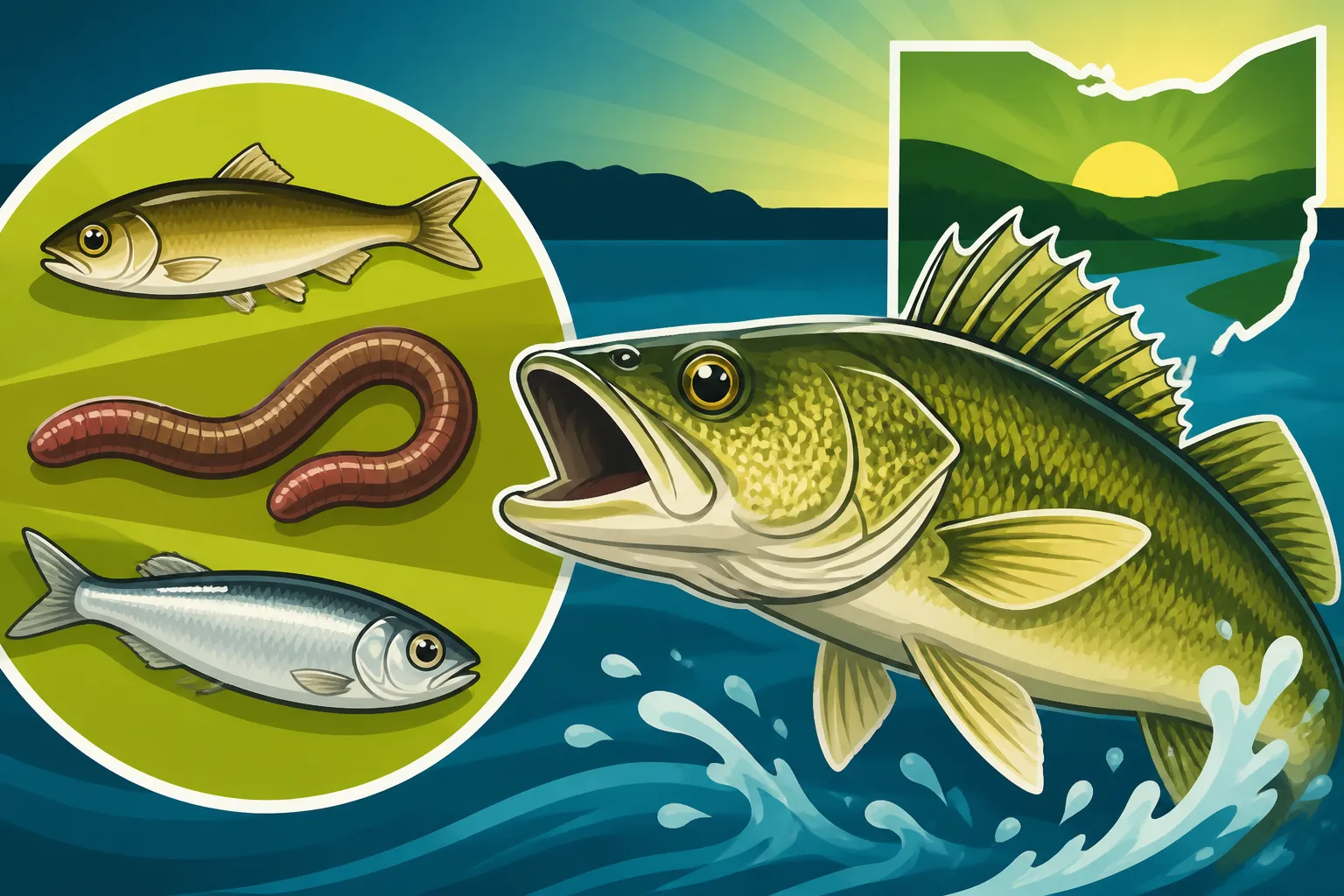
Minnows are arguably the most popular and effective live bait for saugeye, and for good reason. They are what saugeye eat naturally, and their erratic swimming action is a perfect trigger. There are a few varieties of minnows you'll commonly encounter in bait shops, and each has its own subtle advantages.
- Fathead Minnows: These are probably the most common and readily available baitfish. They’re relatively hardy, inexpensive, and have a good amount of flash and movement. Their smaller size makes them ideal for jigging or under a bobber, especially when saugeye are targeting smaller prey. They are a reliable choice for consistent action.
- Golden Shiners: Larger and often more active than fatheads, golden shiners have a vibrant golden flash that can attract saugeye from a distance. Their larger profile can entice bigger fish, and they tend to stay livelier on the hook. However, they can be a bit more delicate and expensive. They’re excellent for a more aggressive presentation, like slow-trolling or drift fishing, where you want to cover more water with an appealing bait.
- Emerald Shiners: Known for their silvery flash, emerald shiners are often found in larger water bodies like Lake Erie. They are incredibly lively and can be exceptionally effective, especially in clear water where their flash can be seen. They can be very fragile, though, so handling them gently and keeping them in well-aerated water is paramount.
When rigging minnows, aim to hook them lightly through the lips or just behind the dorsal fin. Lip-hooking allows them to swim naturally, while back-hooking can sometimes keep them higher in the water column and provide an injured fish presentation. Remember that you can often purchase a variety of minnows at local bait shops or even through online resources; just make sure you're always aware of local regulations, which are detailed in guides like the Ohio Fishing Regulations Every Angler Should Know.
Nightcrawlers and Worms: Scent and Substance
Don't underestimate the humble nightcrawler or other worms when targeting saugeye. While minnows are typically preferred, worms offer a powerful scent trail and an enticing wiggling action that can be irresistible, especially in stained or muddy water where visual cues are less effective.
Nightcrawlers are robust, easy to find, and can be rigged in multiple ways. They release a strong earthy scent that saugeye can detect from afar. When saugeye are sluggish or in deeper, darker water, a plump nightcrawler can often outproduce a minnow. For maximum appeal, thread the nightcrawler onto a hook, leaving a good portion of it dangling to writhe and attract attention. Sometimes, using a worm blower to inject air into the worm can make it float just off the bottom, keeping it visible and appealing. This is a tactic often discussed in general guides for Ohio Saugeye Fishing Guide.
Other worms, like red wigglers, can also work, particularly for smaller saugeye or panfish that might be mixed in. However, nightcrawlers offer the best combination of size, durability, and scent for saugeye specifically. Keep your worms cool and moist, and they’ll be ready for action.
Leeches: The Underrated Powerhouse
Leeches might not be everyone’s first choice, perhaps due to their appearance, but veteran saugeye anglers often swear by them. They are incredibly hardy, stay lively for a long time on the hook, and offer a unique, undulating swimming action that can be very attractive. Plus, saugeye, like their walleye cousins, absolutely love them.
Leeches are particularly effective in warmer water temperatures, typically from late spring through early fall, when they are most active. They can be fished under a bobber, on a plain hook, or even tipped on a jig. Hooking a leech once through the sucker (the wider end) is usually best, allowing it to stretch, wiggle, and swim freely. They have a tough skin, so they stay on the hook well, even through light strikes. While not always as readily available as minnows or nightcrawlers, many well-stocked bait shops will carry them, especially during peak seasons. You might even find them listed on Amazon from specialty bait suppliers during certain times of the year, though local shops are usually your best bet for fresh, live bait.
Mastering Live Bait Presentation and Care
Having the best live bait is only half the battle; knowing how to keep it healthy and present it effectively is crucial for consistent success. A dead or lethargic bait is far less appealing than a lively one, and improper rigging can deter even the most aggressive saugeye.
Keeping Your Bait Lively and Healthy
The healthier and more active your live bait, the more effective it will be. This means proper care before and during your fishing trip.
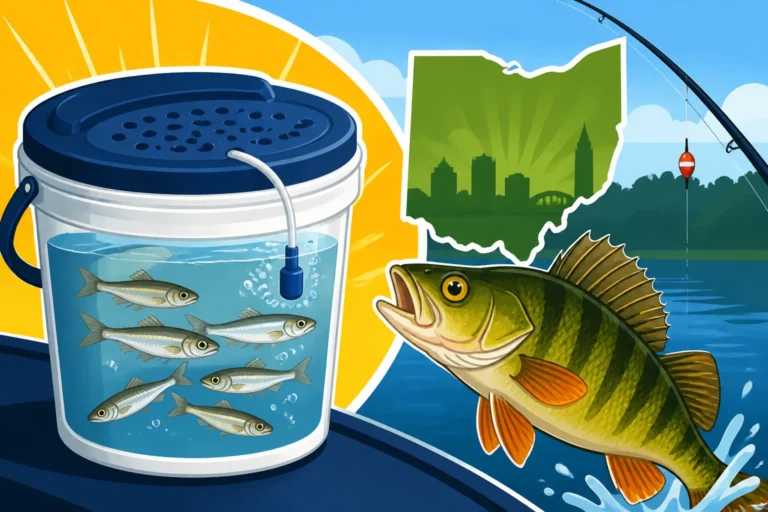
- Bait Buckets and Coolers: Invest in a good quality bait bucket or a small cooler with an aerator. A good bait container will be insulated to keep water temperatures stable and have an aerator to provide oxygen. Portable aerators, readily available on Amazon, are a game-changer, especially on hot days, circulating air to keep your minnows or leeches kicking.
- Water Quality and Temperature: Avoid drastic temperature changes. If you’re buying minnows from a bait shop, try to acclimate them gradually to the lake water temperature if there’s a big difference. Don’t overcrowd your bait bucket, and change the water periodically if it starts to look cloudy or foul. Using non-chlorinated water is essential, which is why carrying a few bottles of distilled water or using lake water directly (if clean) can be beneficial.
- Handling: Handle your bait gently. Use a small minnow net to scoop them out rather than your hands, which can strip off their protective slime coat. Less stress means livelier bait.
Proper care isn't just about ethics; it's about maximizing your chances of catching fish. A healthy, active bait is an undeniable attractant for saugeye.
Optimal Rigging Techniques for Saugeye
The way you present your live bait can greatly influence your success. Saugeye are often found near the bottom or suspended over structure, so your rigging needs to get the bait to them naturally.
- Slip Bobber Rigs: This is a fantastic method for suspending a minnow or leech at a precise depth. The slip bobber allows you to cast a long distance and then have the bait fall to a predetermined depth, making it ideal for targeting saugeye over humps, along drop-offs, or near submerged cover. When setting up a slip bobber for saugeye, use a small, sharp hook (like a #4 or #6 octopus hook) and enough split shot to keep the bait down but still allow it to swim naturally. For more detailed instructions, you might check out how to set up a How to Rig a Slip Bobber for Saugeye.
- Jig and Minnow/Leech: A simple lead-head jig tipped with a live minnow or leech is deadly. This allows for an active presentation, letting you hop, drag, or swim the bait along the bottom or through suspended schools. Match your jig weight to the depth and current; a 1/8 to 1/4 ounce jig is often a good starting point for inland reservoirs, while heavier jigs might be needed in current. Hook the minnow through the lips or eyes, or the leech through its sucker, so it dangles below the jig.
- Three-Way Rigs/Bottom Bouncers: When drift fishing or slow-trolling, particularly in larger reservoirs or river systems, a three-way rig or bottom bouncer is excellent. This rig keeps your bait near the bottom while allowing it to trail naturally behind. A three-way swivel has one line to your main rod, one to a sinker (often a bell sinker or bottom bouncer), and one to a leader with your live bait. The length of your leader will depend on how high you want the bait off the bottom, typically 12-36 inches. This is a very effective way to cover ground and present your live bait right in the saugeye's strike zone, a common strategy detailed in articles like Best Technique for Saugeye in Ohio Reservoirs. Many anglers purchase pre-tied bottom bouncers and leaders, which you can easily find on Amazon, saving you time on the water.
Reading the Water and Adjusting Depth
Saugeye are notorious for being depth-sensitive. What worked yesterday at 15 feet might be completely ineffective today if they've moved to 25 feet. Pay attention to your fish finder to locate schools of baitfish and saugeye. Adjust your bobber stop or the length of your leader accordingly. If you're not getting bites, don't be afraid to experiment with different depths until you find where the fish are holding. Wind and current can also impact where saugeye position themselves, so observe these factors and make continuous adjustments to your presentation.
Tailoring Your Bait to Conditions and Seasons
Ohio's diverse fishing environments and distinct seasons mean that what works best in one scenario might not be ideal in another. Adapting your live bait choices and presentation to the prevailing conditions is a hallmark of a successful angler.
Seasonal Saugeye Preferences
Saugeye behavior and feeding patterns shift throughout the year, influencing which live baits are most effective.
- Spring: As water temperatures rise, saugeye become more active and begin their post-spawn recovery. This is a fantastic time for live minnows. They are often aggressively feeding to regain energy, and a lively fathead or shiner fished on a jig or under a slip bobber can be incredibly effective. Consider locations where warmer water might be attracting baitfish. Many anglers target saugeye during spring, a season highlighted in our Ohio Fishing Season Calendar.
- Summer: In the heat of summer, saugeye often move to deeper, cooler waters or seek out shade and structure during the day. Nightcrawlers and leeches become increasingly productive as water temperatures climb. Leeches, in particular, remain extremely active and appealing in warm water. Fished on a bottom bouncer while drifting over deep flats, or suspended under a bobber in low-light conditions, they can trigger bites when other baits fail.
- Fall: As waters cool, saugeye enter a "feeding frenzy" phase, fattening up for winter. This is prime time for larger minnows, like golden shiners, as saugeye are looking for substantial meals. Trolling with minnows on spinner rigs or casting jig-and-minnow combinations near channel edges and deep points can be highly productive.
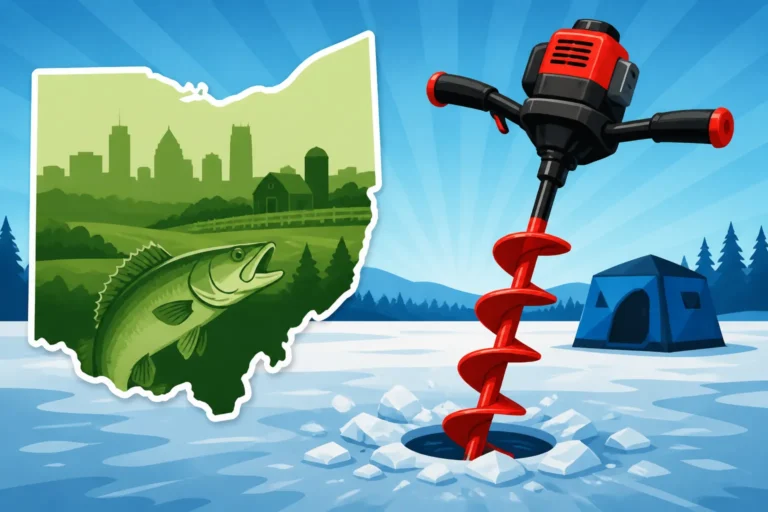
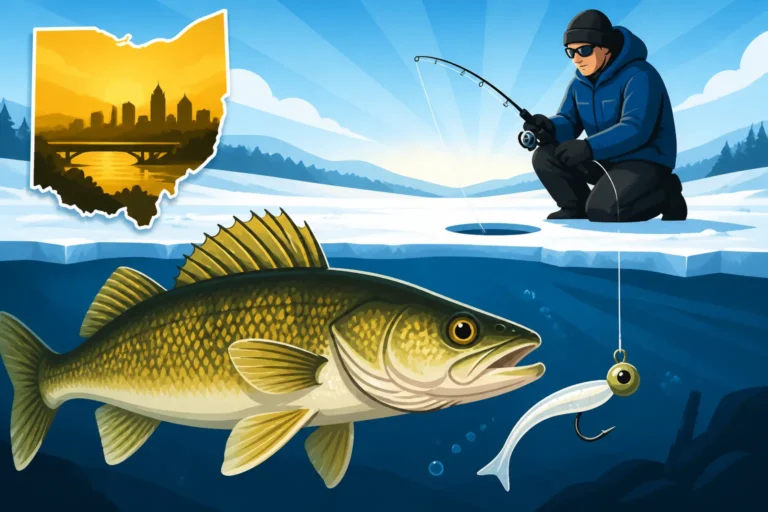
- Winter (Ice Fishing): Even under the ice, live bait is king for saugeye. Small minnows, like fatheads, presented on a tiny jigging spoon or a plain hook under a tip-up are incredibly effective. Their subtle movements draw saugeye in. Be sure to keep your bait warm enough to stay lively, perhaps in a small insulated bait bucket placed inside your ice shanty. Ice fishing for saugeye is a popular pastime, with specific techniques often discussed in our Ohio Winter Fishing and Ice Safety guide.
Water Conditions: Clarity, Temperature, and Current
The specific conditions of the water you're fishing can also dictate your best live bait approach.
- Water Clarity: In clear water, visual appeal is paramount. Emerald shiners or golden shiners with their bright flash can be irresistible. Focus on natural colors and subtle presentations. In stained or muddy water, scent and vibration become more critical. This is where a juicy nightcrawler, with its strong scent trail, or a lively minnow that creates more vibration, can excel. The saugeye rely more on their lateral line and olfactory senses in these conditions.
- Water Temperature: As noted in the seasonal breakdown, temperature plays a huge role. Leeches thrive in warmer water, while minnows can remain active in colder water. Extremely cold water can make bait sluggish, so keeping them in an insulated bucket near ambient air temperature (within reason) can help maintain their vigor.
- Current: In river systems or areas with strong currents, durable baits are key. Leeches hold up exceptionally well, as do robust nightcrawlers. When fishing current, ensure your rigging allows the bait to flow naturally without spinning unnaturally. A three-way rig can be particularly effective in maintaining a natural presentation in flowing water. Understanding the nuances of Ohio River Fishing Guide can be very beneficial here.
By considering these factors and adapting your bait choice and presentation, you'll significantly increase your chances of finding success on your next saugeye fishing adventure in Ohio. Remember, the saugeye is a fantastic fish, and with the right live bait, you'll be well on your way to catching them.
Disclaimer
Fishing conditions, regulations, and fish behavior can change rapidly. Always consult the latest official Ohio Department of Natural Resources (ODNR) fishing regulations before heading out. This guide is for informational purposes only and does not supersede state or local laws. Adhere to all safety guidelines when on the water.