Best Fly Patterns for Ohio Steelhead
If you've ever stood rivers edge, peering into the cold, clear waters of an Ohio tributary during steelhead season, you know the mix of excitement and frustration that comes with choosing the right fly. It feels like there are a million patterns out there, each promising to be the one, and it can be truly overwhelming trying to pick the handful that will actually entice those powerful chrome beauties. This guide is here to cut through the noise, offering practical, veteran advice on the best fly patterns for Ohio steelhead, tailored to various conditions and seasons.
Understanding Ohio Steelhead Forage and Behavior
Before we even dive into specific patterns, it's crucial to understand what makes an Ohio steelhead tick. These incredible fish are essentially rainbow trout that have migrated from Lake Erie into our rivers to spawn, and their behavior and feeding habits change drastically once they leave the vastness of the lake. They're not always actively "feeding" in the traditional sense, but they are opportunistic, territorial, and often looking for a high-calorie meal or simply something familiar drifting by.
The Steelhead Diet: What Are They Really Eating?
Once steelhead enter the rivers, their primary food sources shift from baitfish in the lake to whatever is readily available in the river system. This largely includes insect larvae, eggs from other spawning fish (especially salmon and other trout), smaller baitfish, and even tiny crustaceans. They're looking for protein-rich snacks that require minimal effort to consume, especially as their focus shifts towards reproduction. Sometimes, they're not even feeding out of hunger, but rather striking out of instinct, irritation, or pure aggression, particularly during the peak of the spawn. Understanding this helps us choose patterns that either mimic these food sources or trigger those instinctual reactions.
How Water Conditions Influence Fly Choice
The condition of the river itself is perhaps the most significant factor in determining which fly pattern will be effective. A big, muddy river after a heavy rain requires a completely different approach than a crystal-clear, low-water scenario. When the water is high and turbid, steelhead rely more on their lateral line to detect vibrations and scent, meaning larger, darker, and more "buggy" patterns might get their attention. Conversely, in low and clear conditions, fish become incredibly wary, demanding smaller, more natural-looking flies and flawless presentation. Water temperature also plays a role; colder water often means fish are less active and less willing to chase, favoring slower drifts and smaller offerings. If you want to know more about how to interpret river conditions, check out our guide on How to Read Steelhead Holding Water.
Essential Fly Categories for Ohio Steelhead
While the exact pattern might vary, Ohio steelhead flies generally fall into a few key categories, each designed to imitate a specific food source or provoke a particular reaction. Having a solid selection from each category will put you in a great position, no matter what the river throws at you.
Egg Patterns: The Unbeatable Staple
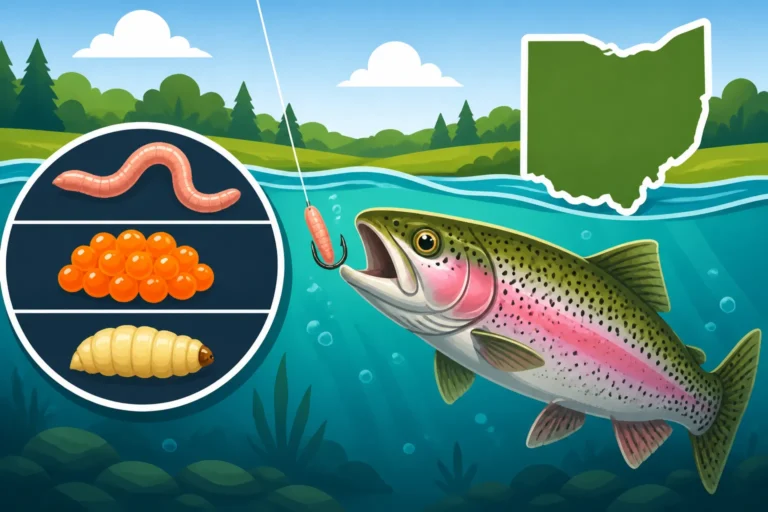
If there's one category of fly that no Ohio steelhead angler should be without, it's egg patterns. Steelhead are often in the river alongside other spawning fish like salmon, brown trout, and even other steelhead, and the drifting eggs from these fish are a readily available and highly nutritious food source. Even when other fish aren't actively spawning, steelhead seem to have an innate attraction to egg imitations.
Good egg patterns typically feature soft, synthetic materials that absorb water and drift naturally. Colors like "Oregon Cheese," "roe," "tangerine," "peach," and even brighter "chartreuse" can be deadly. Sizes usually range from 8mm to 12mm, mimicking single eggs or small clusters. Some popular choices include Glo-Bugs, Otter Eggs, and Sucker Spawn. You can find a fantastic array of pre-tied egg patterns, along with the necessary materials to tie your own, on Amazon. The key with egg patterns is often to drift them naturally with split shot, just off the bottom, in areas where fish are staging or actively spawning. Knowing Fly Fishing Techniques for Ohio Steelhead will greatly enhance your success with these patterns.
Nymphs: Imitating Subsurface Insect Life
Nymphs are another cornerstone of steelhead fly fishing, especially in clearer water or when fish are more focused on a natural diet. These patterns imitate the larval or juvenile stages of aquatic insects that make up a significant portion of a trout's diet. While steelhead in rivers aren't solely focused on insects, they certainly won't pass up an easy meal.
Popular nymph patterns include Stoneflies, Caddis Larvae, Hare's Ears, and Pheasant Tails. Larger stonefly imitations (like a Pat's Rubber Legs or a Kaufmann's Stone) are excellent choices when the water is a bit higher or stained, providing a good profile and enticing movement. Smaller, more subtle nymphs, often with a touch of flash, work wonders in low, clear conditions. Sizes can range from a beefy size 6 down to a tiny size 16. Black, brown, olive, and natural tan colors are always a good bet. When these patterns are drifting naturally, mimicking the river's current, they can be incredibly effective. Consider pairing a smaller nymph with an egg pattern as part of a tandem rig for maximum appeal.
Streamers: Predatory Imitations for Aggressive Fish
While many anglers default to eggs and nymphs, don't underestimate the power of streamers, especially for aggressive or territorial steelhead. Streamers imitate baitfish, leeches, or other larger prey, and they often provoke a reactive strike rather than a feeding one. When steelhead are feeling feisty, or when water conditions (like higher flows and cooler temperatures) make them more inclined to chase, a well-presented streamer can be absolutely devastating.
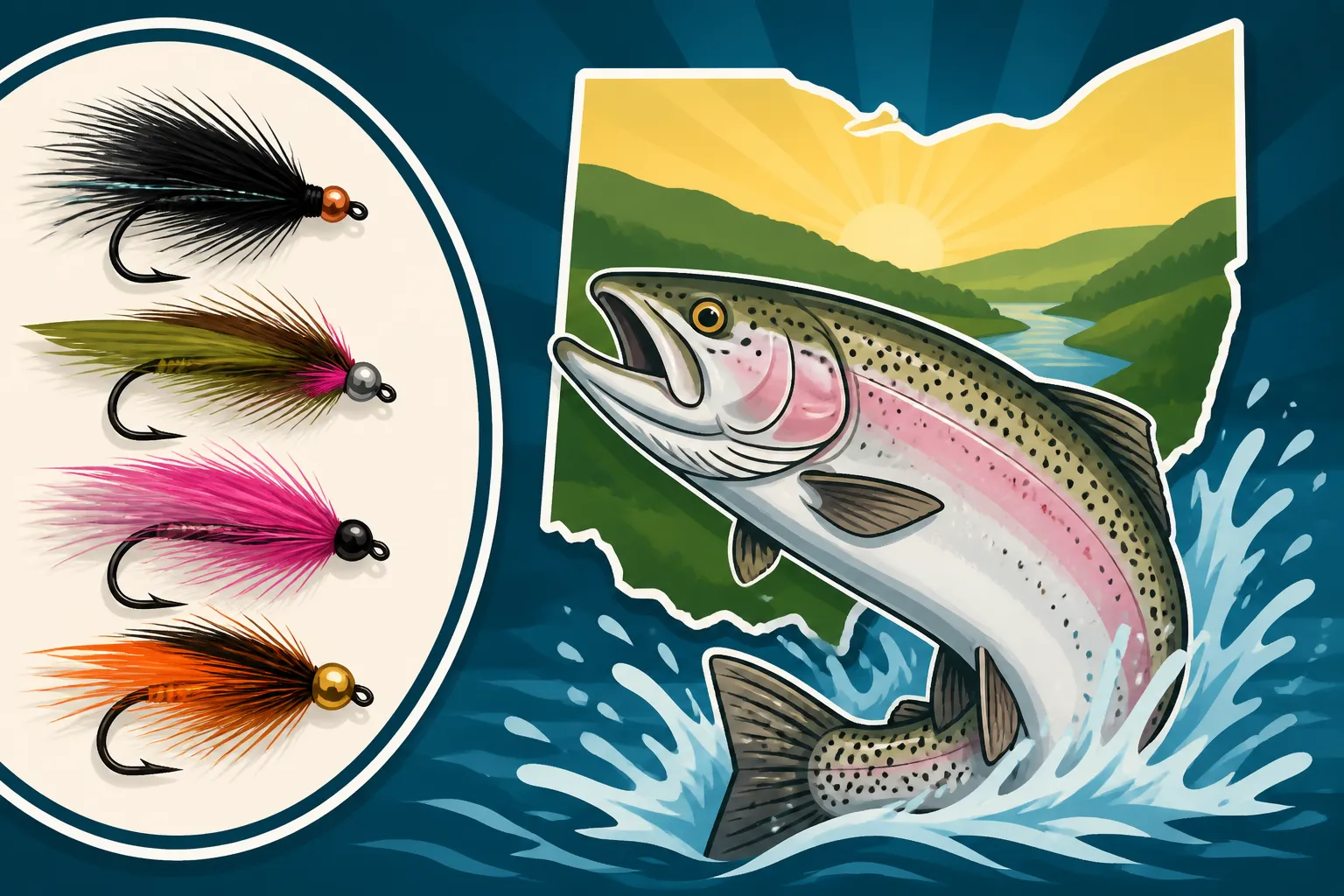
Colors like black, olive, white, or even brighter "chartreuse" can be effective, often with some flash incorporated. Popular patterns include Woolly Buggers (in various sizes and colors), Sculpins, Clouser Minnows, and intricate articulated streamers. Sizes typically range from large #2 hooks down to #8. The key to streamer fishing is often movement—stripping the line to imitate a swimming baitfish, or swinging it through a run to make it look like something trying to escape. These can be particularly effective in deeper pools, runs, or around structure where steelhead might be holding, ready to ambush prey. For a deeper dive into these techniques, our comprehensive Ohio Steelhead Fishing Techniques guide is a fantastic resource.
Wet Flies and Soft Hackles: Subtle Presentations
Often overlooked in the pursuit of steelhead, wet flies and soft hackles offer a more subtle and classic presentation. These patterns imitate drowned insects, emerging insects, or even small baitfish, often with a "breathing" action created by their soft hackle material. They are particularly effective in slower currents, eddies, or when fish are being exceptionally selective in clearer water.
Traditional patterns like the Leadwing Coachman, Partridge and Orange, or various soft hackle pheasant tail variations can be very productive. Colors usually lean towards natural tones: browns, olives, blacks, and grays. Sizes typically range from #10 to #16. The beauty of wet flies and soft hackles is their natural drift and subtle movement. They are often swung downstream and across the current, allowing the current to impart action to the fly, making it appear alive and vulnerable. This technique can be especially effective when you're targeting fish that are rising (though rare for steelhead in rivers) or just lethargically holding in softer water.
Seasonal and Situational Fly Pattern Recommendations
Knowing the categories is one thing, but knowing when to deploy specific patterns can be the difference between a blank day and a memorable one. Ohio's steelhead season stretches from late fall through spring, and conditions can change dramatically within that timeframe.
Early Run and High Water Patterns
When the first substantial rains of autumn bring fresh pushes of steelhead into the rivers, conditions are often high and murky. This is prime time for bigger, brighter, and more attention-grabbing flies.
- Egg Patterns: Large (10-12mm) Glo-Bugs in "roe," "tangerine," or "chartreuse." Sucker Spawn in bright orange can also be excellent. The larger size and vibrant color help fish detect them in lower visibility.
- Nymphs: Big Stonefly imitations (Pat's Rubber Legs in black or brown, size 6-8) are fantastic. Their bulky profile and rubber legs create significant vibration, which is key in turbid water. A San Juan Worm in red or wine color is also a reliable choice, especially after rains have washed natural worms into the river.
- Streamers: Black or olive Woolly Buggers (size 4-8), often with some flash, are perfect for aggressive fish in high water. Strip them slowly or swing them through deeper runs.
- Tip: Don't be afraid to go a little heavier with your tippet (8-10 lb fluorocarbon) in these conditions, as the fish are less line-shy, and you'll need the strength for heavy currents and large fish. Our guide on Best Water Flow for Steelhead Fishing on the Rocky River offers specific insights into these conditions.
Mid-Season Low and Clear Water Patterns
As winter progresses, or during dry spells, river levels can drop, and the water often becomes crystal clear. This makes fish incredibly wary and spooky. You'll need to scale down your flies and refine your presentation.
- Egg Patterns: Smaller (8-10mm) Otter Eggs or Micro Spawn patterns in more subdued colors like "cream," "peach," or "natural roe." These look more realistic in clear water.
- Nymphs: Subtle nymphs are key. Pheasant Tail Nymphs (size 14-16) with a touch of flash, Copper John (size 14-16) in copper or red, or even a small Hare's Ear Nymph (size 14-16). Focus on perfect drifts.
- Wet Flies/Soft Hackles: Partridge and Orange (size 14-16) or other natural soft hackles can be deadly when swung through slower runs or eddies. Their subtle movement is very appealing to wary fish.
- Tip: Drop down to lighter tippet (6 lb fluorocarbon) and lengthen your leader. Stealth and presentation are paramount. Look for more information on When the Rocky River Steelhead Run Peaks to time your clear water trips.
Late Season and Post-Spawn Tactics
Spring brings warmer temperatures and the peak of the steelhead spawn. Fish might be more focused on spawning activities, but they are still catchable. Post-spawn, some "drop-backs" will be actively feeding as they head back to the lake.
- Egg Patterns: Still highly effective, especially smaller sizes as fish are often keyed into actual eggs being laid. Try smaller Glo-Bugs (8-10mm) or Otter Eggs in "peach," "pink," or "natural roe."
- Nymphs: Same as mid-season, but don't overlook a larger Stonefly if the water is picking up with spring rains.
- Streamers: As drop-backs begin to feed aggressively, smaller streamers (black or olive Woolly Buggers, size 8-10) can be excellent. Fish them near current seams or structure where fish might be recovering and ambushing baitfish.
- Tip: Focus on targeting staging areas below spawning redds, or slower pools where post-spawn fish might be recuperating. The general Ohio Fishing Season Calendar will help you plan your late-season adventures.
Tips for Presentation and Confidence in Your Fly Choice
Having the right flies is only half the battle. How you present them and your confidence in your choice can drastically impact your success. Remember, steelhead fishing is as much about technique as it is about tackle.
Matching the Hatch…or the Bait
While "matching the hatch" is a classic trout fishing adage, for Ohio steelhead, it's often more about "matching the bait" or "matching the mood." If you see salmon or other trout actively spawning, then eggs are likely the "hatch" to match. If the water is full of dislodged worms after a rain, a San Juan Worm makes sense. Observe the water, the activity, and the conditions. If you're consistently not getting bites, don't be afraid to change things up.
Consider carrying a variety of patterns in different sizes and colors. A small fly box from Amazon can help keep your essential patterns organized. Sometimes a subtle shift in color or size can make all the difference. For example, if fish are ignoring a bright orange egg, switch to a more natural "roe" color or a smaller size. This kind of nuanced understanding of what steelhead eat is critical, and you can learn more about it in What Steelhead Trout Eat in Lake Erie Tributaries.
Don't Be Afraid to Experiment
One of the biggest mistakes anglers make is sticking with a fly pattern that isn't working, simply because it "always works" or "looks good." Steelhead fishing can be incredibly humbling, and what worked yesterday might not work today. Don't be afraid to cycle through different patterns, even those outside the "steelhead norms." Try a different color egg, a flashier nymph, or a smaller streamer. Change your drift, change your depth, or try a different leader setup.
Sometimes, the confidence you have in a particular fly pattern can actually make it more effective. If you believe that chartreuse Glo-Bug is going to catch a fish, you'll likely cast it more accurately and present it more thoughtfully, increasing your chances. But always be willing to adapt. The most successful steelhead anglers are those who are constantly observing, experimenting, and adjusting their approach until they crack the code for that particular day and those particular fish. Don't forget, sometimes just a slight adjustment to your Best Fly Patterns for Ohio Steelhead makes all the difference.
Ohio Steelhead Fly Pattern Quick Reference
Here's a handy table summarizing some go-to patterns and their optimal uses:
| Fly Type | Specific Patterns | Ideal Conditions | Target Behavior | Key Colors |
|---|---|---|---|---|
| Egg Patterns | Glo-Bug, Otter Egg, Sucker Spawn | All conditions, especially during spawning runs | Opportunistic feeding, territorial | Roe, Orange, Chartreuse, Pink, Peach |
| Nymphs | Pat's Rubber Legs, Pheasant Tail, Copper John, Hare's Ear | Clear to slightly stained water, colder temps | Imitating insect larvae, subtle feeding | Black, Brown, Olive, Tan, Natural |
| Streamers | Woolly Bugger, Sculpin, Clouser Minnow | Higher flows, stained water, aggressive fish | Predatory strike, territorial | Black, Olive, White, Chartreuse |
| Wet Flies/Soft Hackles | Partridge & Orange, Soft Hackle Pheasant Tail | Clearer water, slower currents, wary fish | Emerging insects, subtle feeding | Natural, Brown, Olive, Grey |
| Worms | San Juan Worm | High, stained water, post-rain | Washed-out bait, opportunistic | Red, Wine, Pink |
Disclaimer
The information provided in this guide is for general informational purposes only. Fishing regulations, seasons, and local conditions can change frequently. Always consult the latest Ohio Department of Natural Resources (ODNR) fishing regulations before heading out on the water. Stay safe and fish responsibly.