Best Tip-Up Setup for Ohio Walleye
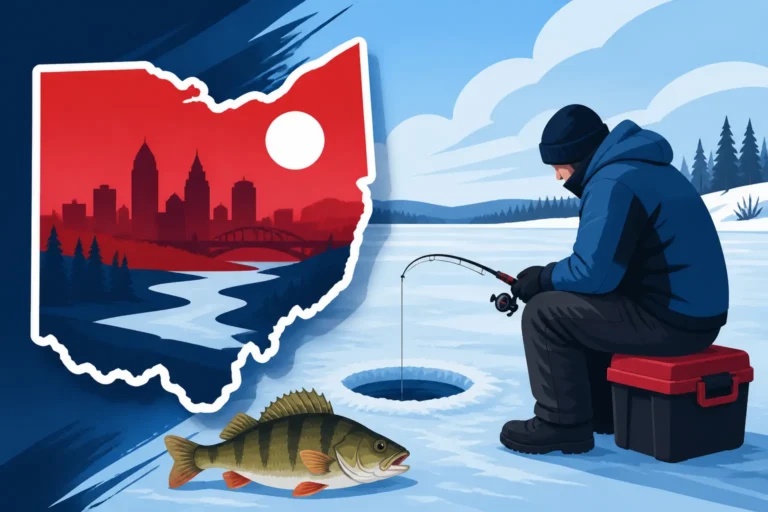
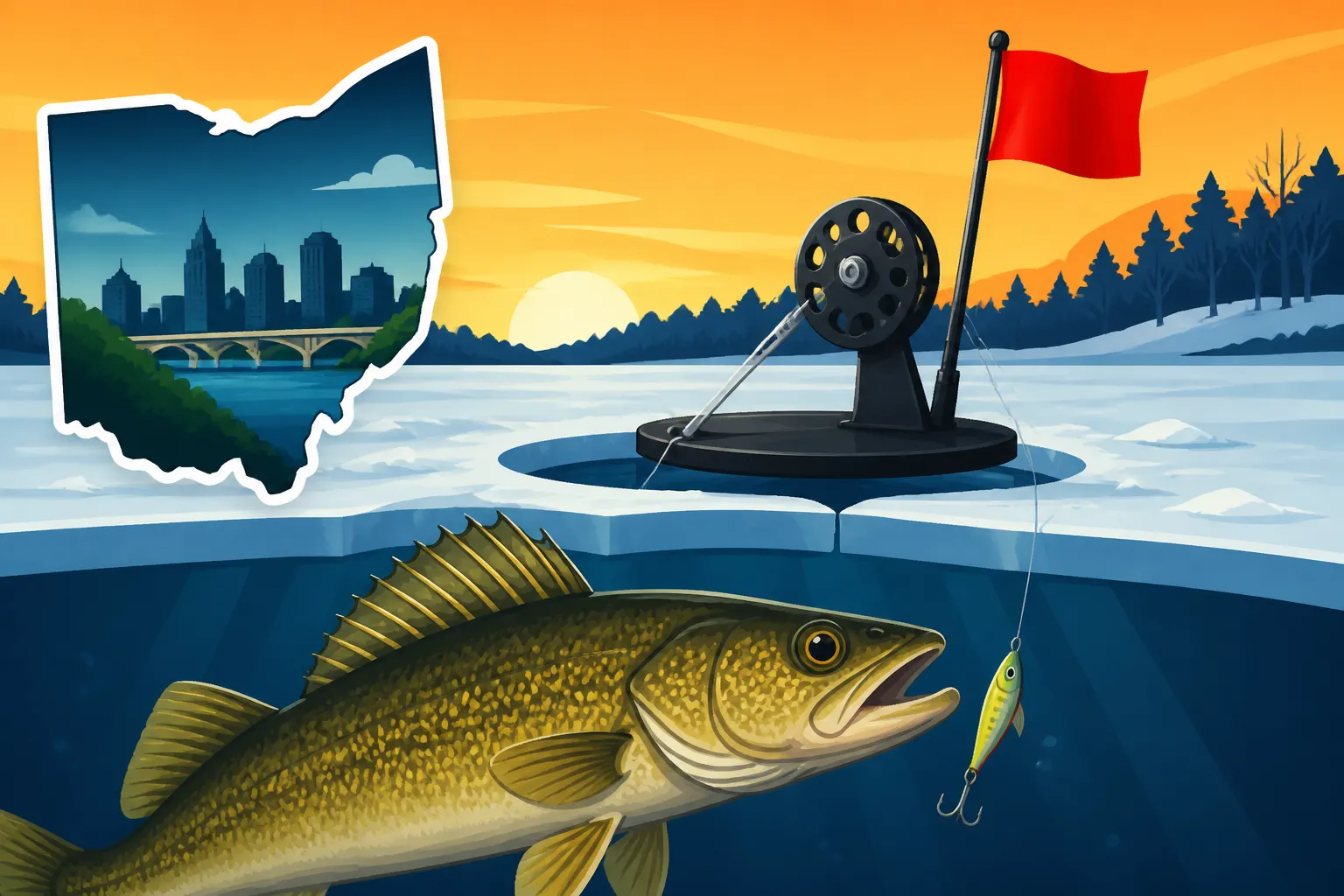
There’s nothing quite like the crisp, silent mornings out on an Ohio frozen lake, the promise of a big walleye lurking beneath the ice. But let’s be real, ice fishing can sometimes feel like a waiting game with too many missed opportunities, especially if your gear isn't quite dialed in. It's incredibly frustrating to see that flag fly, rush over, and set the hook only to feel nothing, or worse, have the fish drop the bait. This guide is dedicated to helping you master the art of the tip-up setup specifically for Ohio walleye, ensuring you maximize your chances of turning those flags into fish on the ice.
The Foundation: Choosing the Right Walleye Tip-Up
Before you even think about hooks and bait, you need a solid foundation. The tip-up itself is your silent sentinel, tirelessly waiting for a bite when you might be sipping coffee in a warm shanty or jigging another hole. Not all tip-ups are created equal, especially when targeting feisty Ohio walleye in sometimes brutal winter conditions.
What Makes a Good Tip-Up for Ohio Walleye?
A good walleye tip-up needs to be reliable, highly visible, and capable of enduring the harsh Ohio winter. You’re looking for something that won't freeze up easily, can stand up to wind, and signals a strike effectively. Reliability means consistent flag deployment without false alarms or, conversely, flags that stick and don't pop up. Visibility is crucial; imagine scanning a vast, snow-covered lake for that little red flag, so bright colors are always a plus. Ease of use in extreme cold is another non-negotiable factor. Your hands will be cold, likely gloved, and fumbling with tiny components or stiff mechanisms is a recipe for frustration and lost fish.
The design of the tip-up also plays a huge role. Traditional wooden cross-stick designs are classics, but modern thermal designs offer advantages. Thermal tip-ups, for instance, are designed to cover the hole, reducing ice formation and keeping your bait presentation active longer. When you’re out on a blustery day on Lake Erie or a smaller inland lake like Mosquito Creek, the last thing you want is a hole that freezes shut every hour, forcing you to constantly chip away ice and disturb the water.
Essential Components of a Walleye Tip-Up
Let's break down the core pieces that make a tip-up function, because understanding each part helps you optimize your entire setup.
- The Frame: This is the backbone of your tip-up. It needs to be sturdy enough to handle strong winds and the occasional run-in with a snowmobile, yet lightweight enough to carry across miles of ice. Materials vary from wood to various plastics and metals. Wooden frames are traditional and often very durable. Plastic or composite frames, especially those found on models like the HT Enterprises Arctic Bay Pro, can be lighter and less prone to swelling or warping in wet conditions.
- The Spool: This is where your fishing line is stored, submerged in the water to prevent freezing. A smooth-running spool is paramount. Any resistance can alert a wary walleye, causing it to drop your bait. Look for spools with minimal friction and good capacity for plenty of line. Some spools are made of metal, others plastic. While metal spools can conduct cold more, they often offer smoother rotation.
- The Trip Mechanism and Flag: This is the exciting part – the signal! When a fish pulls the line, it trips a mechanism that releases a brightly colored flag. The sensitivity of this mechanism is key. For walleye, you want a trip that isn't too heavy, allowing lighter bites to register, but not so sensitive that a strong gust of wind or a tiny perch can send your flag flying, creating unnecessary dashes across the ice. Many modern tip-ups offer adjustable sensitivity settings, which can be a game-changer when conditions change or you're targeting particularly finicky fish.
- The Stem/Shaft: This is the vertical part that holds the flag. It needs to be long enough to get above the snow depth for visibility, but not so tall that it becomes a wind sail.
- The Hole Cover (Optional but Recommended): For thermal tip-ups, this is an integrated feature. For traditional models, you might use a separate hole cover or foam pad. This helps insulate the hole, slowing down ice formation, which is a major advantage when ice fishing in Ohio, particularly on smaller lakes and ponds where ice thickness can fluctuate. You can find excellent hole covers on Amazon that fit various tip-up styles.
The Importance of Flag Sensitivity
Walleye can be notoriously subtle biters, especially in frigid water. They might pick up a bait and move a short distance before fully committing. A flag mechanism that's too stiff will miss these tentative bites, leaving you wondering why your bait keeps getting stolen. Conversely, one that's too light can be tripped by baitfish, current, or even a strong gust of wind, sending you on a wild goose chase.
The ideal sensitivity allows the spool to turn with minimal resistance, ensuring the fish feels nothing out of the ordinary when it takes the bait. Many tip-ups, like those from Clam or Frabill, feature adjustable tension on their trip mechanisms. This allows you to fine-tune it based on the size of your bait, the strength of the wind, and the aggressiveness of the bite. For walleye, I generally recommend setting it to be as light as possible without false tripping. This way, even a light nibble sends that flag skyward, giving you the heads-up you need.
Rigging Your Tip-Up for Optimal Walleye Strikes
Once you have your preferred tip-up, the real magic happens in the rigging. This is where you tailor your setup to the specific conditions and the behavior of Ohio walleye. The right line, leader, hook, and bait combination can dramatically increase your success rate.
Line Selection for Ohio Walleye
Choosing the right line is critical for tip-up fishing, balancing strength, visibility, and performance in cold water.
- Main Line (on the spool): Your main line typically needs to be durable and resistant to freezing. Many anglers opt for a specialized tip-up specific braided line or a good quality nylon monofilament.
- Braided Line: A 20-30 lb test braided line is popular. It has minimal stretch, offering excellent sensitivity and hook-setting power. It also tends to shed water better than mono, reducing ice buildup. Brands like PowerPro or Sufix Ice Braid are common choices. Its strength is reassuring when a trophy walleye decides to make a run.
- Nylon Monofilament: If you prefer mono, a good quality 15-20 lb test is usually sufficient. Look for lines designed for cold weather, as standard mono can become stiff and coil memory in freezing temperatures. Mono offers a bit more stretch, which can act as a shock absorber against sudden runs.
- Line Color: On the spool, visibility isn't a primary concern as it's underwater. However, a high-visibility line can make it easier to see and manage when you're pulling it by hand, especially at night or in low light.
- Leader Material and Length: This is where stealth comes into play. Walleye can be very line-shy, especially in clear water or during slower bite periods.
- Fluorocarbon Leader: Hands down, fluorocarbon is the best choice for a walleye leader. It's virtually invisible underwater due to its refractive index being similar to water. It's also abrasion-resistant, which is crucial around sharp walleye teeth or ice edges. A 10-15 lb test fluorocarbon leader is usually ideal. Brands like Seaguar or Berkley Vanish are reliable.
- Leader Length: A leader length of 2-4 feet is a good starting point. This provides enough separation from your main line to offer stealth, while still being manageable when fighting a fish. You might go longer in extremely clear water or shorter if you're targeting fish in dense cover where snags are a concern.
Hook and Bait Combinations
The perfect hook and bait combo is what ultimately draws in the walleye. This choice often depends on water clarity, fish activity, and available baitfish.
- Live Minnows: The classic and often most effective walleye bait under the ice.
- Hook Type: A small, sharp treble hook (size 8 or 10) or a single Aberdeen or Octopus hook (size 4 or 6) are common. Trebles offer multiple points for hookups, especially on light biters. Single hooks tend to cause less damage to the minnow, keeping it livelier longer. If you’re practicing catch and release, a single hook is generally preferred.
- Hooking Method: Hook your minnow lightly through the back, just behind the dorsal fin, being careful not to hit the spine. This allows the minnow to swim naturally and present an enticing target. Another method is hooking through the lips, which can also keep the minnow lively and well-presented.
- Minnow Size: Shiners, chubs, or large fathead minnows (2-4 inches) are excellent. Sometimes larger baits entice larger walleye. You might consider looking at our guide on Best Baits for Ohio Catfish for some crossover ideas on live bait presentation, although walleye specific choices tend to be smaller.
- Jigs and Plastics: While less common on tip-ups, sometimes a jig tipped with a minnow head or a small plastic can be effective, especially if you want to leave a more active presentation that requires less maintenance. Consider small jigging spoons or swimbaits.
- Sucker Minnows: For truly trophy-sized walleye, a larger sucker minnow (4-6 inches) can be rigged on a heavier fluorocarbon leader with a larger single hook. This is a commitment to big fish, but the reward can be substantial.
Weighting and Presentation
Getting your bait to the right depth and keeping it there, while allowing it to move naturally, is crucial.
- Split Shot: Small split shot weights are your best friend. They allow you to add just enough weight to get your minnow down to the desired depth without hindering its natural swimming action. Start with one or two small split shot (sizes #7 to #4) placed 6-12 inches above your hook.
- Bell Sinkers/Egg Sinkers: If you're fishing in current (though less common for tip-ups on frozen lakes, it can happen in certain areas) or need to get your bait down very quickly in deep water, a small bell or egg sinker might be used. Place this sinker further up the line (18-24 inches) from the hook, allowing your leader with the minnow to swim more freely below it.
- Depth Control: Walleye often hug the bottom or suspend just above structure. Use a depth finder or simply drop a small weight down to the bottom to determine your depth. Then, reel up 6-12 inches to present your bait just above the bottom. Walleye typically feed upwards, so keeping your bait slightly above them is usually more effective than right on the bottom. Remember, on inland lakes, walleye can often be found near drop-offs or transition areas between shallow and deep water.
Advanced Tip-Up Strategies for Ohio Walleye
Once you've got your basic setup dialed in, it's time to think about how you deploy and manage your tip-ups across the ice for maximum effectiveness. This is where experienced anglers truly shine, turning a simple tool into a strategic advantage.
Optimal Depth and Location
This is perhaps the most critical factor for consistent walleye success through the ice. Walleye are creatures of structure and transition.
- Finding the Goldilocks Zone: Walleye will often be found near break lines, submerged humps, points, and even weed edges. Use a good quality portable fish finder or even your boat's electronics (if you marked spots in open water season) to locate these structures. Our guide on Reading Ohio Fish Finders and Electronics can provide deeper insights into interpreting those underwater signals.
- Targeting Depths: On many Ohio lakes, walleye will often hold in depths ranging from 10 to 30 feet, depending on the time of day, available light, and forage. During low light periods (dawn, dusk, overcast days), they might push shallower, into 5-10 feet. Midday on bright, sunny days often sees them retreat to deeper water or tight to structure. Don't be afraid to set tip-ups at varying depths across your spot to locate the active feeding zone.
- Soft vs. Hard Bottom: Walleye often prefer a harder bottom composition, like rock, gravel, or sand, rather than soft, mucky bottoms. However, they will frequent soft bottoms if baitfish are present. Your fish finder can help differentiate bottom types.
Spacing and Spreading Your Traps
Ohio regulations allow anglers to use up to six fishing lines at once, which means you can spread out your tip-ups strategically. This is a huge advantage for covering water and locating active fish. You'll want to be familiar with the comprehensive Ohio Fishing Regulations Every Angler Should Know to ensure you're compliant with statewide and specific waterbody rules.
- The "Fan" Approach: Instead of placing all your tip-ups in a tight cluster, spread them out in a fan pattern across a potential fishing area. For example, if you're fishing a point, place one tip-up on the shallow side, one on the deeper edge, and others along the break line at varying depths. This allows you to quickly identify where the fish are holding.
- Covering Different Depths: Along with spreading horizontally, deploy tip-ups at different depths within your chosen area. One might be 6 inches off the bottom, another 2 feet up, and maybe one halfway up the water column if you suspect suspended walleye.
- Responding to Flags: When a flag goes up, pay attention! If you catch a fish from a particular depth or location, consider moving another tip-up to that "hot" zone. Walleye often school, especially in winter, so where there's one, there are often more. Keep in mind the total number of lines you can use as outlined in How Many Fishing Lines You Can Use in Ohio.
Monitoring and Maintenance
Tip-ups are "set it and forget it" tools to some extent, but consistent monitoring will yield better results.
- Check Regularly: Even if the flag isn't flying, it's a good idea to check your tip-ups periodically (every 30-60 minutes).
- Bait Check: Is your minnow still lively? Has it been stolen or nibbled without tripping the flag? Replace sluggish or dead bait.
- Hole Check: Is the hole freezing up? Clear any ice around the line to ensure it runs freely.
- Line Check: Has the bait been moved significantly by currents or by a fish that spit the hook? Re-set if needed.
- Night Fishing Considerations: Walleye are often more active feeders at night. If you're brave enough to venture out for some night fishing, consider using tip-ups with LED lights or reflective flags for easier detection in the dark. Just ensure your lights are legal and not too bright, which could potentially spook fish. The Ohio Ice Fishing Guide covers various aspects of ice fishing, including night fishing tips.
Common Pitfalls and Troubleshooting
Even with the best gear and strategy, ice fishing presents unique challenges. Knowing how to troubleshoot common issues can save your day on the ice.
Dealing with Wind and Snow
Ohio winters can be unpredictable, with sudden gusts and heavy snowfall.
- Tip-Up Stability: Strong winds can blow over lighter tip-ups, leading to false flags or tangled lines. Consider placing a small pile of snow or ice around the base of your tip-up to anchor it. Some tip-ups, particularly the wider cross-style ones or thermal models, offer better inherent stability.
- Hole Protection: Blowing snow can quickly fill an open hole, making it hard to access your line. Thermal tip-ups or separate hole covers are excellent for preventing this. If you don't have one, regularly clearing snow from around the hole is essential.
Missing Bites or Spooking Fish
This is one of the most disheartening experiences for a tip-up angler. The flag flies, your heart races, you grab the line, and… nothing.
- Waiting for the Run: Often, anglers are too eager. When a flag goes up, a walleye might just be mouthing the bait or moving a short distance. Resist the urge to yank the line immediately. Give the fish 5-10 seconds (or sometimes more, depending on aggressiveness) to take the bait and start "running" with it. You'll feel the line steadily pulling away when it's time to set the hook. This takes practice and patience, but it’s key for learning How to Set the Hook on a Soft-Biting Walleye.
- Stealth on Approach: When a flag goes up, approach quietly. Heavy footsteps or loud talking can transmit vibrations through the ice, potentially spooking a walleye that's still on the hook. Try to sneak up from downwind if possible.
- Line Twist and Kinks: Check your line for twist or kinks regularly. These can cause resistance that a walleye will feel, leading them to drop the bait.
Gear Malfunctions in the Cold
Freezing temperatures are tough on gear.
- Icing Up: The biggest culprit. Your line, spool, and trip mechanism can all freeze solid.
- Prevention: Use quality cold-weather line. Keep your holes clear of slush and ice. For tip-ups, a small amount of non-toxic antifreeze (like windshield wiper fluid or specialized ice fishing hole treatment) poured into the hole can slow down freezing around the line. Thermal tip-ups significantly reduce this issue by insulating the hole.
- Remedy: If your line freezes to the ice, gently chip around it, or use a small amount of warm water (if you have it) to free it. Never yank hard, as you can break your line or even your rod if you have a jigging rod near the hole.
- Stiff Mechanisms: Grease on the spool or trip mechanism can stiffen in the cold. Ensure you use cold-weather lubricants, or simply clean and dry mechanisms thoroughly before each trip to avoid grime buildup.
By understanding these components, rigging your setup meticulously, and employing smart strategies, you'll be well on your way to more successful walleye trips on the ice. Remember, ice fishing for walleye is a patient angler's game, but with the right tip-up setup and a little know-how, those flags will be flying and your cooler will be filling with delicious Ohio walleye. For a broader understanding of how walleye behave, you might want to review our extensive Ohio Walleye Fishing Guide. If you're also considering other species, check out Best Lures for Ohio Fishing for more options. And don't forget to review our full Best Ohio Fishing Gear and Tackle Guide for other essential items.
Tip-Up Comparison Table for Ohio Walleye Anglers
To help you decide which type of tip-up might be best for your specific needs, here's a quick comparison of common styles.
| Tip-Up Style | Key Features | Pros | Cons | Ideal Conditions/Use |
|---|---|---|---|---|
| Traditional (Cross) | Simple, wooden or plastic cross-frame | Inexpensive, durable, reliable, easy to use | Hole often freezes, can be less visible, prone to wind tip-overs | General purpose, good for beginners, calm days |
| Thermal (Round) | Circular base covers hole, often insulated | Prevents hole freezing, good visibility, stable in wind, stealthy | More expensive, bulkier to transport | Cold, windy days; targeting wary walleye; long fishing sessions |
| Wind Tip-Up | Features a sail or paddle that moves with wind | Bait moves naturally, attracts fish, can cover wider area | More complex, requires wind, can tangle easily | Moderate wind days, active walleye, covering large flats |
| Jaw Jacker/Automatic | Rod holder and strike indicator in one | Automatic hook set, keeps rod close, sensitive | More expensive, heavier, requires specific rod setup | Anglers who prefer active jigging but want an extra line out |
| Polly-Wog | Flat, low-profile design, often thermal | Compact, very stable in wind, good hole insulation | Can be harder to pick up with gloves, less common | Windy days, minimalist setup, experienced anglers |
Disclaimer
Fishing regulations, license requirements, and local conditions can change. Always check the latest Ohio Department of Natural Resources (ODNR) regulations before heading out on the ice. This guide provides general information and recommendations for educational purposes. Stay safe on the ice by always checking ice thickness and conditions. For guidelines on how thick ice should be for safe fishing, refer to our article on How Thick Ice Should Be Before Fishing in Ohio. When considering the best time of year to target walleye through the ice, you might find our guide on Best Time to Ice Fish for Walleye in Ohio particularly helpful.