How to Fish for Catfish From the Bank
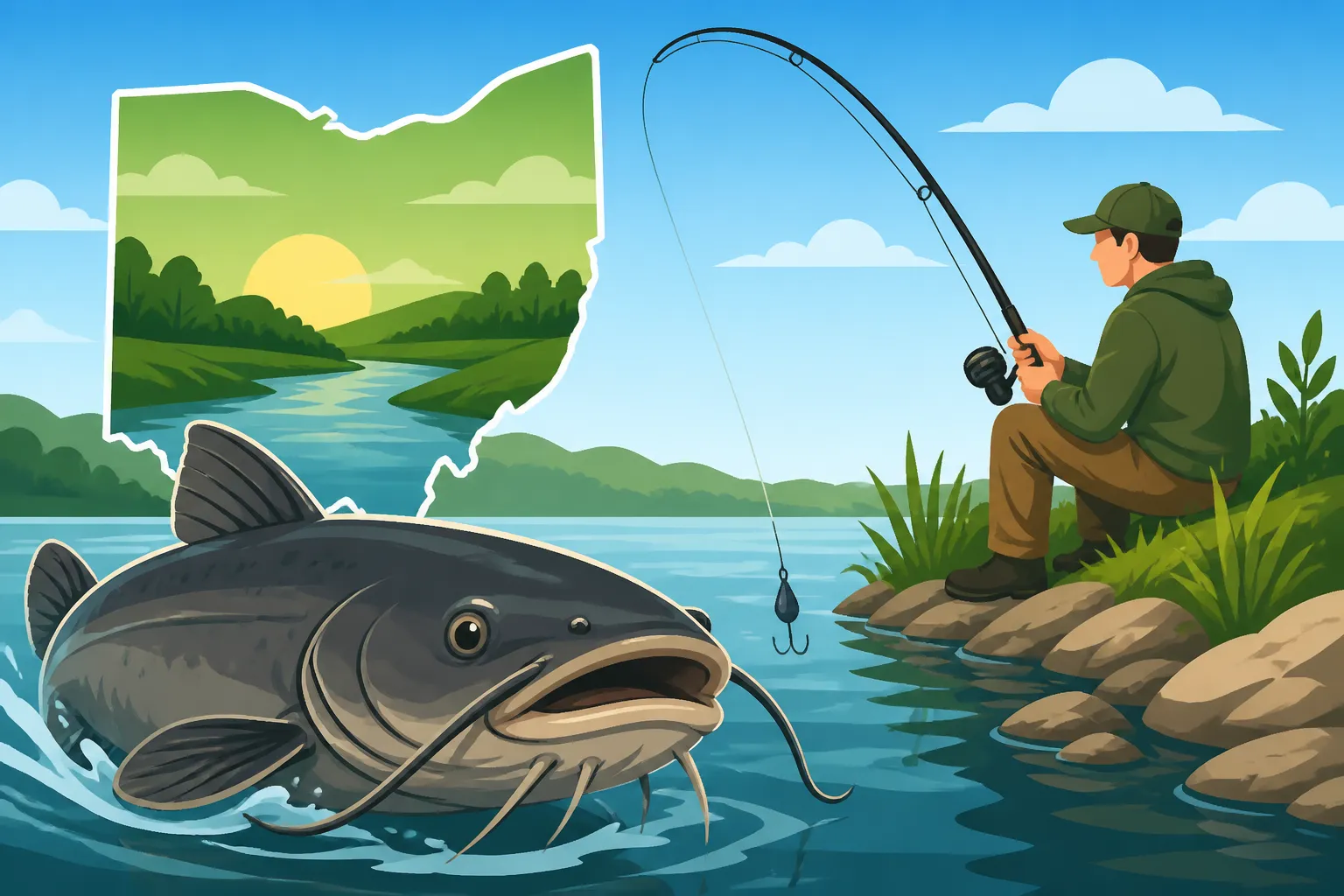
If you've ever stood on the bank of an Ohio river, reservoir, or even a quiet farm pond, watching the water and dreaming of a powerful tug on your line, you're not alone. Many anglers feel a special pull toward catfish, those whiskered warriors of the deep that offer a truly rewarding fight and often, a delicious meal. But knowing how to effectively target them from shore in Ohio can sometimes feel like a puzzle, especially when you see boat anglers seemingly having all the luck. This guide is here to unravel that mystery, providing you with the practical knowledge, gear recommendations, and proven techniques to make your next bank catfishing adventure a success.
Why Bank Fishing for Catfish is So Rewarding and Accessible in Ohio
There's something uniquely satisfying about casting a line from solid ground and hooking into a hard-fighting catfish. It’s a sport that doesn't require a boat, expensive electronics, or even a lot of fancy gear, making it incredibly accessible for everyone, from seasoned veterans to families just getting started in fishing. Ohio's diverse waterways teem with various catfish species, ensuring that opportunities are abundant no matter where you are in the state.
The Allure of the Catfish
Ohio is home to a fantastic population of channel catfish, flathead catfish, and even some blue catfish, particularly in the larger river systems. These aren't just bottom-dwelling scavengers; they are powerful fish that put up an incredible fight, often testing your tackle and your resolve. For many, the thrill isn't just in the catch, but in the anticipation. You never quite know what kind of fight you're going to get when a catfish takes your bait.
Beyond the fight, catfish are also highly regarded for their culinary appeal. A fresh catfish fillet, expertly prepared, is a true delicacy, and knowing you caught it yourself adds an extra layer of satisfaction. Whether you're fishing for sport or for the dinner table, Ohio's catfish provide endless possibilities. Their resilience and widespread distribution mean that even on tough days, you often have a good chance of getting a bite.
Prime Ohio Locations for Bank Catfishing
Ohio offers an incredible variety of waters where you can successfully target catfish from the bank. Rivers are often prime spots, especially those with slower currents, deep holes, or woody debris. The Ohio River, for instance, is renowned for its trophy-sized flatheads and channel cats, and there are countless public access points along its banks. Smaller rivers and creeks throughout the state also hold excellent populations.
Reservoirs and larger lakes are another fantastic option. Look for areas with access to deeper water, old creek channels, or any kind of structure like riprap banks, submerged timber, or even boat docks. Many of Ohio's state parks offer excellent shore access to lakes like Alum Creek Lake or Indian Lake. Even smaller, local ponds and community fishing lakes, often overlooked, can be absolute goldmines for channel catfish, especially if they have some depth or structure. It's often about finding those subtle features that provide cover or ambush points for these opportunistic feeders. You can explore many of these options by looking at a broader guide on the Best Places to Fish in Ohio.
Essential Gear for Bank Catfishing in Ohio
One of the great things about bank fishing for catfish is that you don't need to break the bank to get started. While specialized gear can certainly enhance your experience, a basic, reliable setup will get you into fish. The key is durability and strength, as Ohio catfish can be surprisingly powerful.
Rods, Reels, and Line
When it comes to rods, you want something robust with a medium-heavy to heavy power rating and a moderate-fast action. This combination provides enough backbone to cast heavy baits and battle big fish, while still offering enough tip sensitivity to detect those subtle catfish bites. A length of 7 to 9 feet is ideal for bank casting, allowing for longer casts and better line control over obstacles. You can find many suitable options on Amazon that offer great value.
For reels, a sturdy spinning reel in the 4000-6000 size range or a conventional baitcasting reel designed for heavier lines will serve you well. Make sure it has a smooth, strong drag system, as you'll rely on it heavily during a prolonged fight. Spool your reel with a strong monofilament line, typically 15-30 lb test, or braided line in the 30-65 lb range. Braided line offers superior sensitivity and strength for its diameter, which can be a huge advantage when fishing around snags or for detecting light bites at a distance. If you're wondering about specific setups, considering the general guidance for strong fish, a setup similar to what's recommended in Best Rod and Reel Setup for Lake Erie Walleye might work, though often a bit heavier for big catfish.
Terminal Tackle You Can't Forget
Your terminal tackle is where the magic happens, connecting your line to your bait. Here’s what you’ll need:
- Hooks: Circle hooks are king for catfish. They are designed to hook fish in the corner of the mouth, which is much safer for the fish if you plan to release it, and it significantly reduces gut-hooking. Sizes 3/0 to 8/0 are good starting points, depending on your target species and bait size.
- Weights (Sinkers): You'll need an assortment of weights to keep your bait on the bottom and to cast effectively. Egg sinkers (1/2 oz to 2 oz) are popular for their ability to slide freely on the line, allowing a fish to take the bait without feeling immediate resistance. Pyramid sinkers are excellent in current, while disc or no-roll sinkers are good in slower water.
- Swivels: Heavy-duty barrel swivels or three-way swivels help prevent line twist and are crucial for creating effective rigs.
- Leader Material: A strong fluorocarbon or monofilament leader (15-40 lb test) is often tied between your main line and hook. This offers a bit of abrasion resistance if fishing around rocks or wood, and if you snag, you might only lose your hook and leader, not your entire rig.
- Bobbers (Optional): While most catfish are caught on the bottom, a large slip bobber can be effective in certain situations, especially if you're trying to suspend bait just above submerged weeds or structure, or when fishing for smaller channel cats.
Don't forget essentials like a sharp knife, a headlamp for night fishing, a pair of pliers for hook removal, and a sturdy net for landing bigger fish. A comfortable chair and a rod holder or two will make your bank fishing experience much more enjoyable as well.
The All-Important Bait
Catfish are opportunistic eaters, and they have an incredible sense of smell. This means you have a wide array of bait options, but some are undoubtedly more effective than others.
- Cut Bait: This is a classic for a reason. Chunks of oily fish like shad, skipjack herring, or even commercially available cut baits (like those found at local bait shops or sometimes on Amazon) are irresistible to catfish. The scent trail they leave in the water is a huge attractant. Smaller pieces are great for channel cats, while larger sections are perfect for big flatheads.
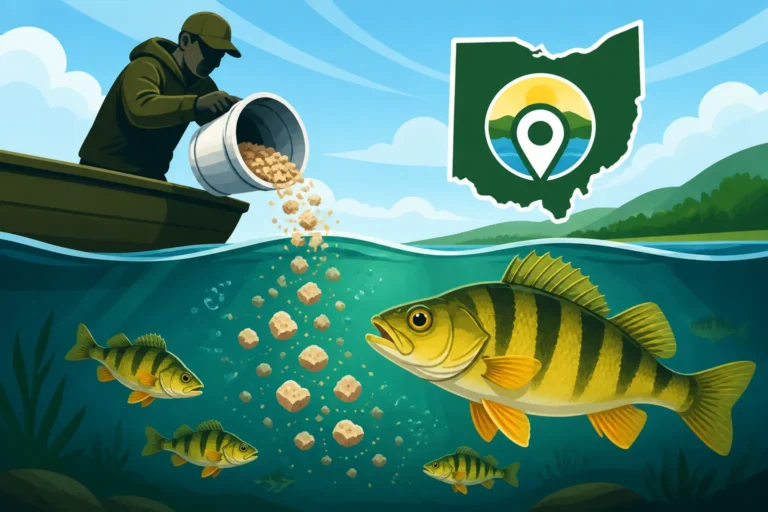
- Stink Baits/Prepared Baits: These specially formulated baits are designed to unleash a powerful scent. Dips, dough balls, and punch baits are popular, often fished with special bait holders or sponges on the hook. Different brands and formulations exist, so it's worth experimenting to see what works best in your local waters.
- Live Bait: For trophy flatheads, live bait is often preferred. Large shiners, bluegill, or other small panfish (check local regulations for baitfish rules) are excellent choices. Hook them carefully through the back or lip to keep them lively.
- Worms: Good old nightcrawlers and redworms are universally appealing. While perhaps not the top choice for monster flatheads, they are incredibly effective for channel catfish and often entice other species too. They’re easy to find and use, making them a great starting point, especially for a casual outing.
Experimentation is key! What works one day or in one body of water might not work in another. Don't be afraid to try different baits and presentations. You can learn more about specific offerings in our guide to Best Baits for Ohio Catfish.
Proven Techniques for Bank Fishing Ohio Catfish
Successfully catching catfish from the bank isn't just about having the right gear; it's about understanding how to present your bait effectively and where to find the fish from shore.
Bottom Fishing Rigs for Stationary Success
The vast majority of catfish caught from the bank in Ohio are taken using bottom fishing rigs. These setups ensure your bait is right where the catfish are often feeding – on the bottom.
-
The Carolina Rig (or Slip Sinker Rig): This is perhaps the most popular and versatile rig for bank catfishing. It consists of a sinker (often an egg sinker) that slides freely on your main line, followed by a swivel, and then a leader (usually 12-24 inches) tied to your hook. The beauty of this rig is that the catfish can pick up the bait and move off without feeling the resistance of the heavy sinker, giving you a better chance to set the hook. This is critical because catfish often "mouth" the bait before committing.
- Setup: Thread your main line through an egg sinker. Tie the main line to one eye of a barrel swivel. To the other eye of the swivel, tie a leader (e.g., 18 inches of 20 lb fluorocarbon). Finally, tie your circle hook to the end of the leader.
- Why it works from the bank: This rig casts well and keeps your bait firmly on the bottom in moderate current or still water. The sliding sinker means less resistance on the bite, crucial for spooky catfish.
-
Three-Way Swivel Rig: This rig is excellent when you need to fish multiple baits or suspend one off the bottom in areas with snags. A three-way swivel has three attachment points: one for your main line, one for a leader to your hook, and one for a shorter leader (usually 6-12 inches) to a weight.
- Setup: Tie your main line to one eye of the three-way swivel. Tie a leader with your hook to a second eye. Tie a shorter leader with your sinker to the third eye.
- Why it works from the bank: It helps keep your bait off the immediate bottom in snaggy areas, and it can be used to fish different depths if you're targeting fish slightly suspended. It also allows for multiple hook presentations, if local regulations permit.
Finding the Right Spot from Shore
One of the biggest challenges for bank anglers is reading the water and identifying productive spots without a fish finder. However, there are many visual cues that can lead you to catfish.
- Structure is Key: Look for anything that breaks up the current or provides cover. Fallen trees (called "snags" or "laydowns"), submerged brush, rock piles, bridge pilings, and old dock structures are all catfish magnets. These areas provide ambush points and protection from strong currents.
- Current Breaks and Eddies: In rivers, catfish will often congregate in areas where the current slows down, such as eddies behind obstacles, deeper pockets along the bank, or the seams where fast water meets slow water. They conserve energy here while waiting for food to drift by.
- Deep Holes: While you might not see them, deep holes are often found on the outside bends of rivers or near points in lakes. Catfish frequently retreat to these cooler, deeper areas during the day or in hot weather. Casting your bait to the edge of a known drop-off or suspected deep hole can be very productive.
- Inflows and Outflows: Any culvert, small creek, or discharge pipe that feeds into a larger body of water can be a hot spot, especially after rain when nutrient-rich water (and potential food) is washing in.
Take your time to observe the water before you cast. Look for current patterns, signs of baitfish, or even subtle disturbances on the surface that might indicate fish activity. Remember, catfishing from the bank often involves moving and trying different spots until you find where the fish are holding.
Casting and Presentation Tips
Getting your bait to the prime location from the bank requires a bit of skill and strategy.
- Accurate Casting: Practice casting accurately to your target spots – those fallen trees, the edge of a current seam, or that deep drop-off you've identified. Overhanging trees or brush behind you can limit your casting angle, so be mindful of your surroundings.
- Stealth: Catfish aren't usually as spooky as trout or bass, but excessive noise or stomping on the bank can still put them off, especially in clear, shallow water. Try to approach your fishing spot quietly.
- The Waiting Game: Once your bait is out there, be patient. Catfish often take their time to find and investigate bait. Keep your rod in a sturdy holder, with the bail open (on a spinning reel) or clicker engaged (on a baitcaster) to allow fish to run with the bait. Watch your rod tip closely for subtle taps or a steady bend indicating a bite.
- Active Searching (Sometimes): While bank catfishing is often a waiting game, if you're not getting bites after 20-30 minutes, consider reeling in and trying a slightly different spot or adjusting your casting distance. Sometimes just a few feet can make all the difference. You can find more comprehensive guidance on Ohio Catfish Fishing Techniques if you’re looking to dive deeper.
Timing Your Ohio Bank Catfish Adventure
Just like any other species, catfish activity is heavily influenced by the time of day, season, and prevailing weather conditions. Understanding these factors will significantly increase your chances of success from the bank.
Best Times of Day and Season
Catfish are often most active during periods of low light, which makes them a fantastic target for bank anglers looking to escape the daytime heat and crowds.
- Night Fishing: Without a doubt, night fishing is one of the most productive times for bank catfishing in Ohio, especially for larger flatheads and channel cats. Catfish use their excellent sense of smell and touch to navigate and feed in the dark. As the sun sets, they often move into shallower areas to forage. Make sure you have a good headlamp and are familiar with your fishing spot during daylight hours before venturing out after dark. Many experienced anglers swear by the late hours, as detailed in guides about Catfish Feeding Patterns at Night.
- Dawn and Dusk: The hours just before sunrise and just after sunset are also prime times. The lowering light levels trigger catfish to become more active, and baitfish are often moving during these transitions.
- Warmer Months: While you can catch catfish year-round, their activity generally peaks during the warmer months, from late spring through early fall. As water temperatures rise, their metabolism increases, and they feed more aggressively. During the hottest parts of summer, concentrate your efforts during the low-light hours or in deeper areas that you can access from the bank.
- Spring and Fall Transition: Spring, as waters warm, sees catfish coming out of their winter sluggishness, often feeding heavily before spawning. Fall, as waters cool, can also provide excellent fishing as they fatten up for winter. To align your trips, consult an Ohio Fishing Season Calendar for general trends.
Reading the Water and Weather
Catfish behavior is intrinsically linked to their environment, and understanding these cues can help you pick the best days and spots.
- Water Temperature: Catfish are generally more active in warmer water (above 60 degrees Fahrenheit), but not too warm. In the dead of summer, they'll seek cooler, deeper water or become more nocturnal. In spring, target areas that warm up quickly, like shallow flats near deep water.
- Water Clarity: While catfish can find food in muddy water thanks to their keen sense of smell, they often prefer a bit of stain over extremely clear conditions. After heavy rains, when rivers might be muddy and high, catfish can be found in eddies or slack water areas, waiting for food that's washed into the system. Overly clear water can make them more cautious, especially during the day.
- Rain and Runoff: A rising or falling barometer and recent rainfall can significantly affect catfish. A steady rain or a period of heavy runoff can stir up sediment and nutrients, often turning on the bite. However, extreme flooding can scatter fish or make conditions unfishable.
- Wind: Moderate wind can be your friend, as it creates current and pushes baitfish, which can in turn attract catfish. A strong, steady wind might make casting difficult, but it can also concentrate fish on the leeward side of structures.
Always pay attention to what the water is telling you. The more you observe and adjust your strategy based on these conditions, the more successful you'll become as an Ohio bank catfisherman.
| Bait Type | Best for Species | Scent Level | Ease of Use | Notes |
|---|---|---|---|---|
| Cut Shad/Skipjack | Flathead, Channel | High | Moderate | Oily, strong scent; excellent for attracting larger catfish. |
| Chicken Liver | Channel Catfish | Medium | Easy | Widely available, but can be messy and falls off hook easily. |
| Nightcrawlers | Channel Catfish, Small Flathead | Medium | Easy | Universal appeal, good for smaller cats and panfish bycatch. |
| Prepared Stink Baits | Channel Catfish | Very High | Easy | Specially formulated, many varieties, best with bait holders. |
| Live Bluegill/Shiner | Flathead Catfish | Low | Moderate | Best for trophy flatheads; ensure legal baitfish size. |
| Shrimp (Raw) | Channel Catfish | Medium | Easy | Strong scent, readily available, often overlooked. |
Disclaimer
This article is for general informational purposes only and does not constitute professional advice. Laws, prices and regulations vary by location and change over time. Consult a qualified professional for guidance on your specific situation.