Ohio Northern Pike Range and Habitat
For many anglers in Ohio, the thrill of battling a hard-fighting predator like the Northern Pike is an experience that keeps them coming back to the water. However, finding these elusive, toothy critters can feel like a real mystery if you don't understand their preferred haunts and habits. This comprehensive guide will pull back the curtain on the Northern Pike's range and habitat throughout Ohio, helping you pinpoint where these impressive fish live and thrive, and ultimately, improve your chances of a successful encounter.
Unmasking the Ohio Northern Pike: Beyond the Confusion
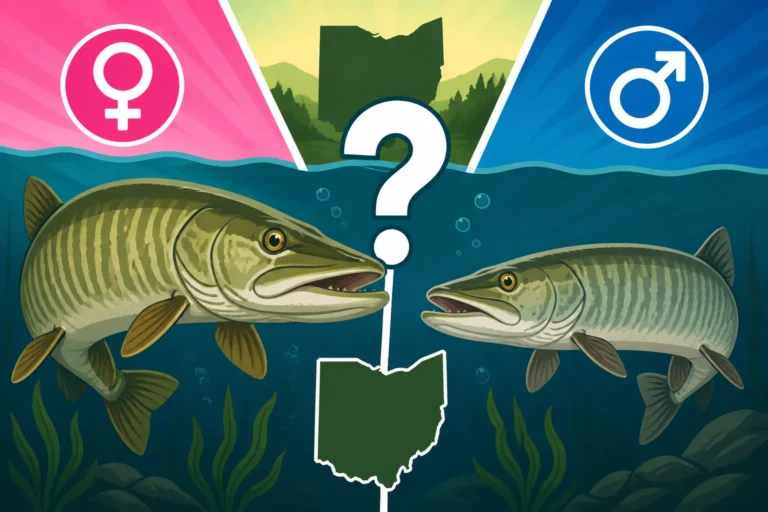
Before we dive into their favorite hangouts, it's crucial to understand what exactly a Northern Pike is and how it stands apart, especially from its close cousin, the muskellunge. Many an angler has excitedly reeled in what they thought was a pike, only to realize it was a smaller muskie or vice-versa. It's a common mix-up, and honestly, even seasoned pros can do a double-take sometimes! But knowing the differences is key, not just for identification but for understanding their unique habitat preferences.
Identifying the Northern Pike
Northern Pike, often just called "pike" by local anglers, are truly impressive fish with a long, slender body, a duck-bill shaped snout, and a mouth full of razor-sharp teeth. They are ambush predators, perfectly camouflaged to blend into their surroundings, typically green or olive-brown with lighter, bean-shaped spots along their sides. One of the easiest ways to tell a pike from a muskie, especially a smaller one, is to look at the scales on their cheek and gill cover. Pike have fully scaled cheeks and gill covers, whereas muskies only have scales on the upper half of their cheek and gill cover. Their dorsal and anal fins are set far back on their body, almost like a rudder, giving them incredible burst speed to snatch unsuspecting prey.
While they might not reach the sheer trophy sizes of some of Ohio's monster muskies, Northern Pike are still formidable fish. Many anglers consider a pike over 30 inches a fantastic catch, with some larger specimens pushing into the 40-inch range. The fight they put up is something to behold, often characterized by powerful runs and acrobatic jumps, making them a highly sought-after sport fish. If you're curious about their larger relatives, check out our guide on Ohio Muskie vs Northern Pike Identification.
Where Northern Pike Fit in Ohio's Waters
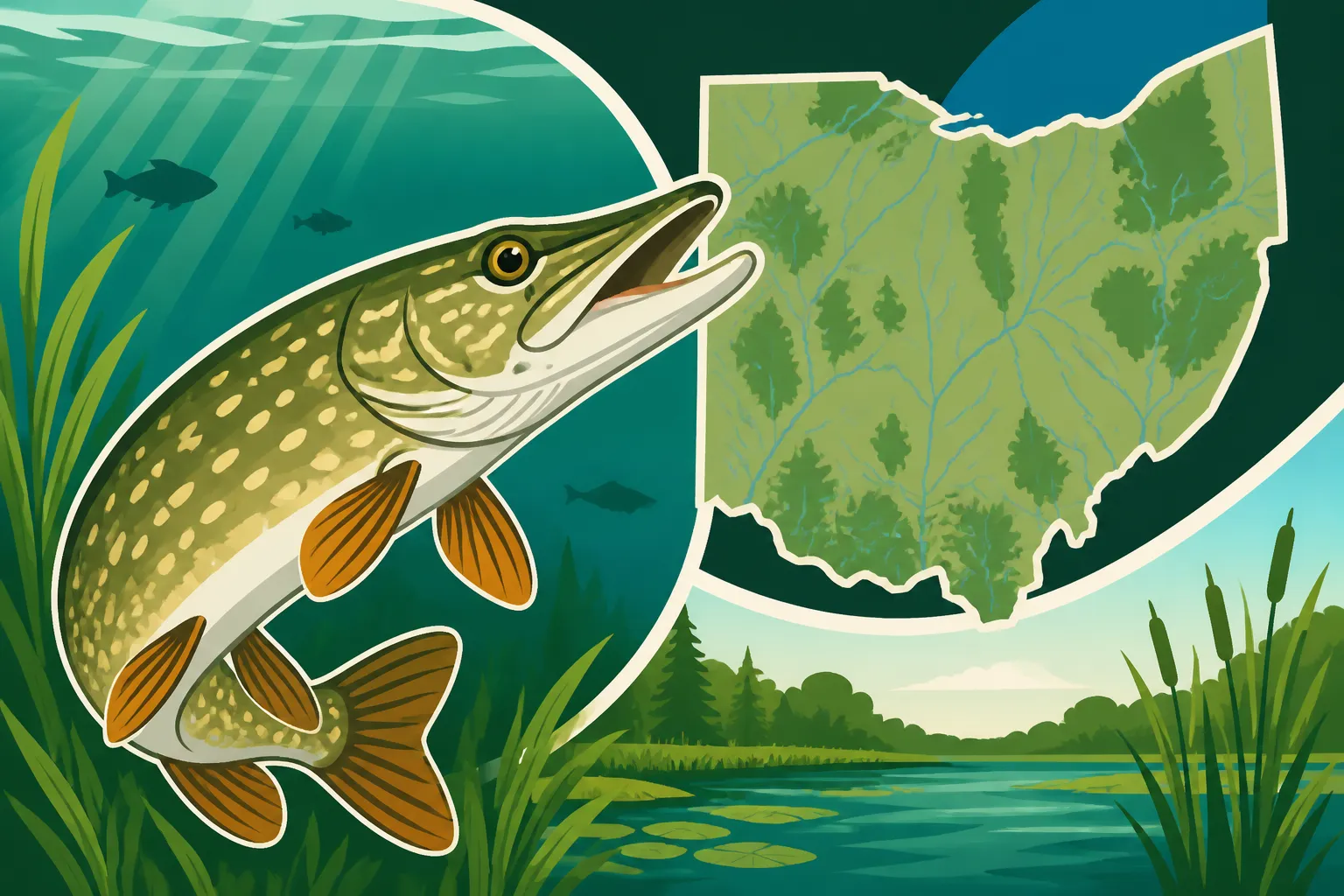
Historically, Northern Pike have a more limited distribution in Ohio compared to some other popular game fish. They are generally more at home in cooler, clearer waters found further north, making their presence in Ohio somewhat concentrated in specific regions, particularly the glacial lakes and reservoirs of northeastern Ohio. These fish are true cold-water warriors, thriving in environments where other species might struggle. They're built for survival, and their preferred habitats reflect that need for cool temperatures and ample cover.
Unlike species that might be found in nearly every farm pond, pike have specific requirements. They need a good food source, usually abundant baitfish, and the right structural elements to ambush their prey. This often means large weed beds, submerged timber, or rocky points. Understanding these fundamental needs will give you a significant advantage in locating them. While often confused, their ecological roles can sometimes overlap, but their primary niches remain distinct. For a broader look at impressive catches, you might be interested in Ohio State Record Fish by Species.
The Ideal Pike Abode: Unpacking Habitat Preferences
Northern Pike aren't just any fish; they're creatures of habit with very specific demands from their environment. If you want to find them, you need to think like a pike. They’re masters of ambush, meaning they value cover and structure above almost everything else. Imagine a ninja of the aquatic world, waiting patiently, perfectly hidden, ready to strike. That's a pike.
Submerged Vegetation and Structure
When we talk about pike habitat, the first thing that usually comes to mind for experienced anglers is dense weed beds. And for good reason! Northern Pike absolutely adore thick submerged vegetation, often referred to as "pike factories." Think about it: a lush bed of lily pads, coontail, or milfoil offers perfect camouflage. Pike can lie motionless within these weeds, virtually invisible, waiting for an unsuspecting panfish or baitfish to swim by. This dense cover also provides shelter from the sun, helping to maintain cooler water temperatures during warmer months, which is vital for these cold-water fish.
Beyond weeds, any kind of underwater structure is a magnet for pike. This includes fallen trees, submerged brush piles, old docks, rock piles, and even sharp drop-offs. These features create eddies and current breaks, providing prime ambush points and hiding spots. A pike will often position itself on the edge of a weed line, facing open water, or next to a submerged log, ready to dart out and grab a meal. When you're out on the water, whether you're using a fish finder or just your eyes, look for these structural elements. They are often the key to unlocking pike concentrations. Many anglers even find specialized equipment on platforms like Amazon to help them navigate these weedy areas or cast effectively.
Water Temperature and Clarity
While Northern Pike can tolerate a range of conditions, they truly thrive in cooler water. Their optimal temperature range is generally between 55 and 75 degrees Fahrenheit. This is why you'll often find them more active and accessible in spring and fall, and even throughout the winter during ice fishing season. During the peak of summer, when water temperatures soar, pike will seek out deeper, cooler water, or burrow into the thickest, shadiest weed beds they can find. If you're fishing a warm lake in July, don't expect to find them cruising in the shallows unless it's very early morning or late evening.
Clarity is another factor. While they aren't as finicky as some sight-feeding fish, pike generally prefer clearer to moderately stained water. Extremely muddy or turbid water can make their ambush tactics less effective, as their visual hunting skills are somewhat hampered. However, they can adapt. In moderately stained waters, they might rely more on their lateral line system to detect vibrations from prey. Understanding these temperature and clarity preferences helps you narrow down your search, even before you make your first cast. This also influences tackle choices, where items like bright, flashy lures found on Amazon might be more effective in stained water.
Prime Pike Waters: Locating Them in Ohio
Ohio's landscape, largely shaped by ancient glaciers, has left us with some fantastic fishing opportunities, including scattered but significant Northern Pike populations. While they aren't as widespread as bass or panfish, dedicated pike anglers know exactly where to go to increase their odds of tangling with these formidable predators.
Northeastern Ohio's Glacial Lakes
The lion's share of Ohio's best Northern Pike fishing is concentrated in the northeastern part of the state. This region is dotted with natural, glacial lakes that offer the perfect blend of cool, deep water and abundant weed growth – exactly what pike crave. Lakes like Mosquito Creek Lake, Pymatuning Reservoir (shared with Pennsylvania), West Branch Reservoir, and LaDue Reservoir are renowned pike hotspots. These large water bodies provide vast expanses of ideal habitat, from expansive flats carpeted with weeds to rocky points and submerged timber.
Mosquito Creek Lake, for instance, is famous for its extensive shallow flats that become choked with weeds in summer, offering countless ambush points. Anglers here often spend their days casting large spinnerbaits or jerkbaits along these weed edges, waiting for that explosive strike. Pymatuning, with its massive size and diverse structure, also holds a healthy population of pike, alongside its famed muskie. Fishing these lakes often means covering a lot of water, focusing on areas with distinct changes in depth or heavy cover. Fishing Mosquito Creek Lake is a great resource if you're planning a trip there.
Rivers and Connecting Waterways
While lakes and reservoirs are primary pike strongholds, don't overlook some of Ohio's slower-moving rivers and connecting waterways, especially those flowing into or out of pike-heavy lakes. These rivers often have stretches with reduced current, abundant aquatic vegetation, and plenty of cover, creating perfect environments for pike to thrive. The Grand River, for example, particularly its lower sections, can hold pike, especially in the quieter backwater areas and oxbows. These areas provide the same kind of ambush cover and cooler water pockets that pike seek in lakes.
Smaller, forgotten creeks and drainage ditches connected to larger pike waters can also serve as nurseries or temporary homes for pike, especially during high water events or spawning season. These areas might not hold trophy fish, but they can offer exciting opportunities for smaller, feisty pike. It's all about looking for those "sanctuaries" where the current slows down, and weeds or woody debris accumulate. Sometimes, a forgotten bend in a river or a deep pool can surprise you with a solid pike. For general fishing rules in different water bodies, consider Ohio Fishing Regulations Every Angler Should Know.
Reservoirs with Established Populations
Beyond the natural glacial lakes, several man-made reservoirs across Ohio have established Northern Pike populations, often due to stocking efforts or natural migration from connected waterways. These reservoirs usually mimic the characteristics of glacial lakes, offering deep sections, significant weed growth in shallower bays, and various underwater structures. While not all Ohio reservoirs hold pike, those with a history of strong pike fishing are worth exploring. Always check current fishing reports and local regulations for the specific reservoir you plan to visit, as populations can fluctuate.
For instance, West Branch Reservoir is a well-known location for both muskie and pike, offering diverse habitats including deep channels, expansive flats, and plenty of standing timber. Likewise, LaDue Reservoir, another northeast Ohio gem, is managed for both species, and its irregular shoreline and varied depths make it an excellent choice for pike. These larger impoundments can be intimidating, but by focusing on the same habitat features – deep weed lines, points, and structural elements – you can significantly improve your chances of success. A reliable fish finder, available through retailers like Amazon, can be an invaluable tool for mapping these underwater structures.
Seasonal Shifts in Pike Location
Just like us, Northern Pike adjust their routines and locations based on the changing seasons. What works in spring might be completely ineffective in summer, and vice-versa. Understanding these seasonal movements is crucial for consistently finding pike throughout the year.
Spring: Post-Spawn and Shallow Feeding Frenzy
Spring is a fantastic time to target Northern Pike in Ohio. After the ice melts and water temperatures begin to rise, pike will move into shallower areas to spawn. Once spawning is complete, usually in early spring, they become incredibly active and hungry, seeking to replenish their energy reserves. This is when you'll find them cruising the shallow bays, newly emerging weed lines, and around points close to their spawning grounds.
During this post-spawn period, they are often aggressive and willing to hit a variety of lures. Look for shallow areas that warm up quickly, especially those with dark bottoms or heavy cover. Think sun-exposed flats near deeper water, submerged wood, or patches of emergent reeds. This is also a great time to cover water quickly, casting large spinnerbaits, spoons, or shallow-running crankbaits. The fish are often concentrated and relatively easy to access from shore or a small boat. Don't be surprised to find them just a few feet from the bank, especially on overcast days.
Summer: Deeper and Denser Cover
As summer progresses and water temperatures climb, Northern Pike typically retreat from the shallowest, warmest waters. They become more elusive, seeking refuge in deeper, cooler water or burying themselves in the densest, shadiest weed beds. This can be a frustrating time for anglers who don't adjust their tactics. Instead of shallow flats, focus on deep weed edges, offshore humps, deep rock piles, and points that drop off into cooler water. Pike will still use cover for ambush, but that cover will likely be in deeper water.
During mid-summer, pike might suspend over deeper water, especially if there's an abundance of baitfish schools. Trolling large crankbaits or deep-diving jerkbaits can be an effective strategy in these situations. If you're fishing weed beds, focus on the outermost edges of the thickest patches, or look for channels and pockets within the weeds where pike might be lying in wait. Fishing early mornings and late evenings can also be productive, as pike might move shallower to feed during these cooler periods. Best Time of Day to Fish in Ohio offers more general insights into daily fish activity.
Fall: The Pre-Winter Feast
Fall is arguably one of the best times to target trophy Northern Pike in Ohio. As water temperatures begin to drop, pike sense the approaching winter and embark on a feeding frenzy to fatten up. They become incredibly active and aggressive, often moving back into shallower to mid-depth areas where baitfish are abundant. This is when they are at their heaviest and most robust.
Look for pike around distinct structures that attract baitfish, such as rocky points, steep drop-offs, and remaining green weed beds. As some of the aquatic vegetation starts to die off, the remaining green weeds become even more important as cover. Large, flashy baits that mimic dying baitfish can be particularly effective. Trolling or casting large spoons, jerkbaits, and even oversized soft plastics can yield impressive results. The cooling water invigorates these fish, making for some truly spectacular battles.
Winter: Ice Fishing Opportunities
For dedicated ice anglers, winter offers a unique opportunity to target Northern Pike in Ohio. Pike remain active under the ice, continuing their predatory habits. Ice fishing for pike is a popular pastime on many of the state's pike-holding lakes and reservoirs. They will often congregate around the edges of deep weed lines, submerged points, and humps.
Tip-ups are a favored method for pike ice fishing, allowing anglers to cover a larger area with live bait like shiners or large minnows. Jigging with heavy spoons or large lipless crankbaits can also be effective, especially when worked aggressively near structure. Safety on the ice is paramount, so always check ice conditions and go with a buddy. Ohio Ice Fishing Guide and Ohio Ice Fishing Gear and Line Rules are excellent resources if you're planning a winter pike adventure. Pike are certainly one of the fish that Which Ohio Fish Stay Active All Winter Long.
Conservation and Responsible Angling
While Northern Pike aren't as prevalent as some other species in Ohio, they are a valuable component of our aquatic ecosystems. Practicing responsible angling ensures these thrilling fish continue to thrive for future generations. It's about respecting the resource and playing our part in conservation.
Understanding Regulations and Limits
Every angler has a responsibility to know and follow the current fishing regulations for Ohio. This includes understanding statewide bag and size limits for Northern Pike, as well as any special regulations that might apply to specific bodies of water. These rules are put in place by wildlife agencies to manage fish populations sustainably. For instance, there might be a minimum length limit to ensure pike have a chance to reproduce, or a daily bag limit to prevent overharvesting.
Always check the Ohio Department of Natural Resources (ODNR) fishing regulations booklet or website before you head out. These resources are readily available and provide the most up-to-date information. Ignorance of the law is never an excuse, and violating regulations can result in fines or loss of fishing privileges. Being informed is a simple step we can all take to be responsible anglers. For all general regulations, look at Ohio Fishing Regulations Every Angler Should Know.
Catch and Release Practices
Northern Pike are robust fish, but like all game fish, they benefit from proper handling, especially if you plan to release them. Many pike anglers practice catch and release, particularly for larger, older fish which are vital for the breeding population. If you intend to release a pike, handle it with care. Use a large, rubberized landing net to minimize damage to its scales and fins. Avoid touching its gills at all costs.
When removing hooks, consider using long-nosed pliers or a jaw spreader, as pike have extremely sharp teeth. If the hook is deeply set, it might be best to cut the line as close to the hook as possible rather than risk further injury to the fish. Support the fish horizontally, especially larger ones, and get it back into the water quickly. Allow it to revive itself before letting it swim away. This might mean holding it gently in the water, facing into a slight current, until it kicks strongly. For tools that aid in safe catch and release, from specialized pliers to measuring boards, check out options on Amazon.
Protecting Pike Habitat
The survival of Northern Pike populations in Ohio is directly tied to the health of their habitat. As anglers, we can all contribute to protecting these vital ecosystems. This means being mindful of our impact on the water. Avoid disturbing sensitive spawning areas in spring, and be careful not to damage aquatic vegetation unnecessarily.
Reducing pollution, properly disposing of fishing line and litter, and avoiding the spread of invasive species are all crucial steps. Invasive plants, for example, can outcompete native aquatic vegetation that pike rely on for cover and ambush points. By being stewards of our waterways, we ensure that the impressive Northern Pike continues to thrive in Ohio's lakes and rivers for many angling seasons to come.
Disclaimer
This article is for general informational purposes only and does not constitute professional advice. Laws, prices and regulations vary by location and change over time. Consult a qualified professional for guidance on your specific situation.