Tappan Lake Fishing for Bass and Crappie
There’s nothing quite like the excitement of planning a fishing trip to a new lake, but the sheer volume of information (or lack thereof) can sometimes feel overwhelming. You want to know where the fish are biting, what they're hitting, and how to maximize your time on the water, especially when you're targeting specific species like bass and crappie. This comprehensive guide is here to cut through the noise, offering detailed insights and actionable advice for a successful fishing adventure on Ohio's Tappan Lake.
Exploring Tappan Lake: A Haven for Bass and Crappie Anglers
Tappan Lake, nestled in the rolling hills of eastern Ohio, is a gem for freshwater anglers, particularly those with a passion for bass and crappie. It's not just another body of water; it’s a diverse ecosystem that provides ample opportunities for both seasoned and novice fishermen. Understanding the lake's unique characteristics is the first step toward a productive outing.
Lake Characteristics and Fish Habitat
Tappan Lake is a substantial reservoir, covering over 2,350 acres with more than 30 miles of shoreline. It's a part of the Muskingum Watershed Conservancy District (MWCD) and offers a varied topography, which translates into a multitude of fishing opportunities. The lake's depths vary considerably, from shallow, stump-filled coves to deeper main lake channels. This variety creates a rich tapestry of habitats that bass and crappie absolutely love.
You'll find plenty of submerged timber, brush piles, rock formations, and weed beds throughout the lake. These structures are crucial for both species, offering ambush points for bass and schooling areas for crappie. The lake bottom itself is a mix of rock, gravel, and mud, providing different feeding grounds and spawning areas. Knowing these characteristics helps immensely when you're trying to locate fish. The water clarity can vary, sometimes having a bit of stain, which can actually be a good thing for bass and crappie as it makes them feel more secure and less wary of predators or anglers. The shores are often steep, especially along the main channel, but many coves offer shallower, more gradual banks perfect for springtime activity.
Why Tappan Shines for Bass and Crappie
Tappan Lake has a well-deserved reputation for producing quality bass and crappie. For bass anglers, both largemouth and smallmouth bass call Tappan home, although largemouth tend to dominate in the lake's shallower, timber-laden areas. The abundant structure, combined with a healthy forage base of shad and panfish, allows bass to thrive and grow to impressive sizes. It’s not uncommon to pull 3-5 pound largemouth from Tappan, with bigger specimens certainly present for those willing to put in the time.
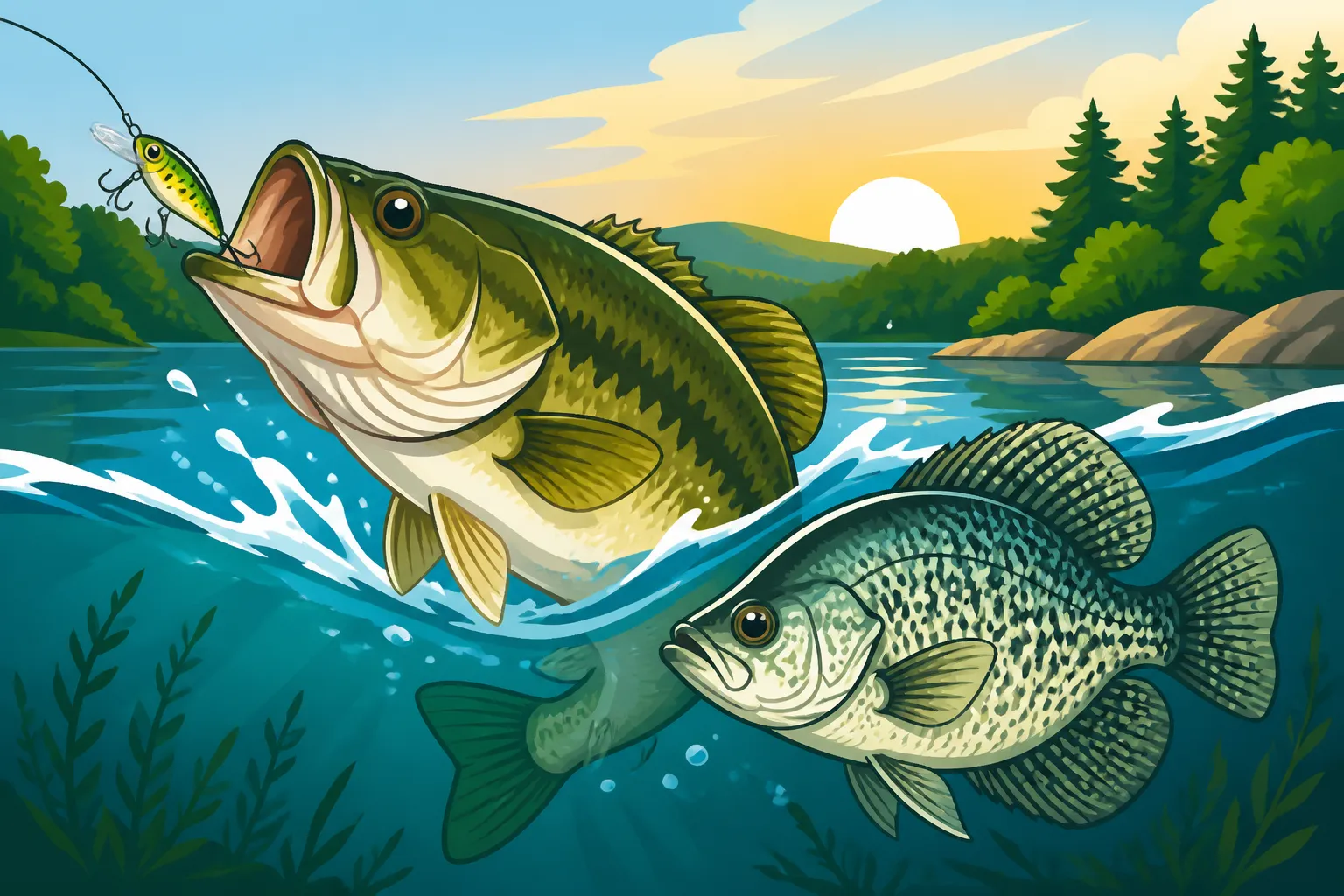
Crappie fishing here is often exceptional. Tappan Lake is known for its robust populations of both black and white crappie. The numerous brush piles, downed trees, and submerged structures provide ideal cover for crappie to school up, especially during the cooler months. In the spring, these fish move into shallower areas to spawn, making them more accessible to anglers. The lake management efforts by the Ohio Department of Natural Resources (ODNR) also contribute to healthy fish populations, ensuring there's a good future for Tappan Lake fishing. For those who love chasing panfish, Tappan offers some of the Best Ohio Lakes for Crappie in the state.
Targeting Largemouth and Smallmouth Bass at Tappan Lake
Fishing for bass at Tappan Lake can be incredibly rewarding, but it requires understanding their seasonal movements and preferred techniques. These aggressive predators offer a thrilling fight, and Tappan provides ample opportunities to hook into some real trophy-sized fish.
Seasonal Bass Patterns and Hotspots
Bass behavior changes dramatically with the seasons, and knowing these patterns is key to consistent success.
- Spring (Pre-spawn & Spawn): As water temperatures rise into the 50s and 60s, largemouth bass migrate from deeper wintering grounds to shallower coves and flats. Look for them around fallen timber, docks, and submerged vegetation in 3-10 feet of water. This is when they’re bulking up for the spawn and then guarding their nests. Some of the most exciting fishing happens during this period, often making it one of the Best Spring Fishing Techniques in Ohio to try.
- Summer (Post-spawn & Summer Patterns): After the spawn, bass disperse. Early summer might see them recuperating in slightly deeper water near their spawning areas, but as the water warms, they'll seek out cooler, oxygen-rich spots. This often means deeper weed lines, shaded areas under docks or overhanging trees, and offshore humps or points. Dawn and dusk are prime times for topwater action, but during the day, they might be found deeper.
- Fall (Feeding Frenzy): As temperatures drop and baitfish schools migrate, bass enter a feeding frenzy to prepare for winter. They will often follow schools of shad into creek arms and shallower flats, actively chasing prey. This can be one of the most productive times to catch large numbers of active fish.
- Winter (Deep Water): Bass typically move to deeper, more stable water in winter. They'll relate to significant structure like deep points, channel swings, and large timber piles in 15-30 feet or more. Their metabolism slows, so presentations need to be slower and more subtle.
Specific hotspots generally include the upper arms of the lake where creek channels feed in, especially those with submerged timber. The main lake points and humps that drop into deeper water are also excellent, particularly in summer and fall. Any dock or brush pile you can locate is worth a cast.
Top Lures and Techniques for Tappan Bass
The versatility of Tappan Lake means you need a diverse tackle box. Here are some proven setups:
- Jigs and Plastics: For working submerged timber, brush piles, and rock structures, a Texas-rigged worm or creature bait is tough to beat. Popular colors include green pumpkin, black and blue, and junebug. Flipping and pitching these into heavy cover is a fantastic way to coax out big largemouth. Jig fishing, especially with a football or arkie-style jig dressed with a craw imitation, is also incredibly effective on deeper structure and points. Learning How to Fish a Texas Rig in Heavy Cover is essential here.
- Crankbaits: Medium-diving crankbaits in shad patterns or crawfish colors work wonders on points, humps, and along riprap. Lipless crankbaits can be deadly in spring and fall when bass are chasing baitfish on shallower flats. Match your crankbait to the depth the fish are holding at.
- Spinnerbaits and Chatterbaits: These are excellent search baits, especially in stained water or around sparse cover. White and chartreuse are classic colors. They are great for covering water quickly and drawing reaction strikes.
- Topwater Lures: When conditions are right (low light, calm water, warm weather), nothing beats the explosive strike of a bass on a topwater frog, popper, or walking bait. Focus on shallow coves, lily pads, or over submerged grass.
- Jerkbaits: In cooler water, particularly spring and fall, a suspending jerkbait can be irresistible to both largemouth and smallmouth. Work it with a twitch-twitch-pause retrieve near points and channel swings.
Always check the current Ohio Largemouth and Smallmouth Bass Limits before heading out to ensure you're compliant with all regulations.
Unlocking Tappan Lake's Crappie Secrets
Crappie are a favorite target for many Ohio anglers due to their abundance and delicious table fare. Tappan Lake offers incredible crappie fishing, and with the right approach, you can fill a cooler.
Crappie Hotspots and Seasonal Movements
Just like bass, crappie movements are dictated by water temperature and their need for food and spawning grounds.
- Spring (Pre-spawn & Spawn): This is prime time for crappie. As water temperatures hit the mid-50s, crappie move into shallow areas to spawn. Look for them in shallow coves, around docks, fallen trees, brush piles, and stump fields in 2-8 feet of water. They'll be tightly schooled and actively feeding. This is often considered the Best Time of Year for Ohio Crappie Fishing.
- Summer: After spawning, crappie tend to move to deeper, cooler water. They'll often suspend over creek channels, along deep weed lines, or around large, submerged timber structures at depths of 10-20 feet or more. Finding suspended schools with your electronics is key during this period.
- Fall: As water temperatures begin to drop, crappie will once again become more active, moving to areas where baitfish are congregating. They can often be found relating to deep brush piles, channel edges, and points. The bite can be excellent as they feed heavily before winter.
- Winter (Ice Fishing): If ice conditions allow, Tappan Lake can be a fantastic ice fishing destination for crappie. They’ll be congregated in deeper basin areas, often suspending over structure. Vertical jigging small jigs or minnows through the ice is the way to go.
Many of the same brush piles and submerged timber that attract bass will also hold crappie. Focus on creek channels and the backs of coves where there's plenty of wood structure. The lake's many coves provide excellent crappie habitat.
Effective Baits and Rigs for Tappan Crappie
Crappie aren't usually picky eaters, but presentation can make all the difference.
- Jigs: Small jigs (1/16 to 1/32 ounce) are the undisputed champions for crappie. Tipped with a small soft plastic (like a tube, grub, or paddle tail) in colors such as chartreuse, white, black/chartreuse, or pink, they are incredibly effective. A slow retrieve or vertical jigging works best.
- Live Minnows: A live minnow fished under a bobber or on a crappie rig is a classic and highly effective method. Use a small hook (size 4 or 6 Aberdeen) and vary your depth until you find the fish.
- Crappie Rigs: These simple rigs often consist of two hooks tied at different depths, allowing you to present two baits at once or target different levels of the water column. Tip them with minnows or small jigs.
- Spider Rigging/Trolling: For those covering larger areas, especially in deeper water, spider rigging with multiple rods out the front of the boat, each with a jig or minnow, can be very productive. Slow trolling these rigs along channel edges or over submerged humps can lead to limits of crappie.
- Slip Bobbers: When crappie are suspended at a specific depth, a slip bobber rig allows you to easily set your bait at the exact level they are holding, whether it's over a brush pile or a deep flat.
Always be sure to check the current Crappie and Panfish Daily Limits to ensure you are fishing legally. Knowing what colors are working best on any given day can be crucial, so don't be afraid to experiment with your jigs. You can find a wide selection of proven options in guides like Best Lures for Ohio Fishing.
Planning Your Tappan Lake Fishing Trip: Regulations and Practical Advice
A successful fishing trip isn't just about knowing where the fish are; it's also about being prepared and understanding the rules of the game. Tappan Lake is a fantastic resource, and respecting its regulations ensures it remains that way for everyone.
Understanding Ohio's Fishing Rules
Before you even wet a line at Tappan Lake, make sure you're properly licensed. Ohio requires all anglers aged 16 and older to possess a valid fishing license. You can easily purchase these online through the ODNR website, at a local sporting goods store, or even some bait shops around the lake. For a full breakdown of requirements, check out the Ohio Fishing License Guide for Residents and Nonresidents.
Beyond the license, it’s crucial to familiarize yourself with the statewide and specific Tappan Lake regulations. While many regulations are standard across Ohio, some lakes have special rules regarding size limits, bag limits, or even tackle restrictions. For example, ensuring you're aware of the Ohio Fishing Regulations Every Angler Should Know will save you from potential fines and ensure a responsible fishing experience. It's always a good practice to download or pick up the current Ohio Fishing Regulations booklet before your trip.
Essential Gear and Access Points
Having the right gear makes a world of difference. For bass, you'll want a medium-heavy to heavy action spinning or baitcasting rod, paired with a reel spooled with 10-20 lb monofilament, fluorocarbon, or braided line, depending on your preferred technique and cover. For crappie, lighter gear is the way to go: a light to ultralight spinning rod (5-7 feet long) with a sensitive tip, paired with a small spinning reel spooled with 4-6 lb monofilament or fluorocarbon. Don't forget a good selection of hooks, weights, and bobbers.
Tappan Lake offers several convenient boat ramps, including facilities near the Tappan Lake Park office, along US-250, and in the southern portion of the lake. These ramps provide easy access for trailered boats. For shore anglers, there are designated fishing areas within Tappan Lake Park, and many public access points along the shoreline, especially where public roads intersect the lake. When packing for your trip, consider what's on the list for What to Bring on an Ohio Fishing Charter even if you're not booking a guide, as many of those essentials apply to any extended day on the water.
If you're looking for an even more tailored experience or want to learn from a local expert, many anglers also utilize resources like FishingBooker to find and connect with experienced fishing guides in the region, especially if they’re targeting a specific species or time of year. While this guide gives you the basics, a day with a local guide can exponentially increase your knowledge of a particular body of water like Tappan Lake.
Tappan Lake Seasonal Fishing Planner
To help you visualize the best times and places for bass and crappie at Tappan Lake, here's a quick overview:
| Season | Target Species | Best Location / Depth | Preferred Techniques | Key Considerations |
|---|---|---|---|---|
| Spring | Bass (LM & SM) | Shallow coves, stump fields, docks (3-10 ft) | Jigs, soft plastics, shallow crankbaits, spinnerbaits | Pre-spawn & spawning phases; active feeding |
| Crappie | Shallow brush piles, fallen trees, docks (2-8 ft) | Small jigs, live minnows under bobber, crappie rigs | Spawning migration; easily accessible schools | |
| Summer | Bass (LM & SM) | Deeper weed lines, offshore humps, shaded cover (8-20+ ft) | Deep diving crankbaits, Texas rigs, topwater (early/late) | Low light for topwater; deeper presentations mid-day |
| Crappie | Suspended over channels, deep timber (10-25 ft) | Vertical jigging, spider rigging, live minnows | Locate schools with electronics; often suspend | |
| Fall | Bass (LM & SM) | Creek arms, points, shallower flats (5-15 ft) | Lipless crankbaits, spinnerbaits, jerkbaits, jigs | Feeding frenzy; follow baitfish schools |
| Crappie | Deep brush piles, channel edges, points (8-20 ft) | Small jigs, live minnows, slow trolling | Increased activity as water cools; schooling up | |
| Winter | Bass (LM & SM) | Deep points, channel swings, large timber (15-30+ ft) | Jigging spoons, slow-rolled jigs, blade baits | Slow presentations; fish tighter to structure |
| Crappie | Deep basin areas, suspended over structure | Ice jigs, small spoons, live minnows (ice fishing) | Ice safety paramount; focus on vertical presentations |
As you can see, Tappan Lake offers year-round opportunities for both bass and crappie, providing varied challenges and rewards with each passing season. Whether you're a seasoned angler or just starting out, there's always something new to learn and enjoy on its waters.
Disclaimer
Fishing conditions and regulations can change rapidly. Always consult the Ohio Department of Natural Resources (ODNR) for the most current information regarding fishing licenses, limits, and specific lake regulations before your trip. This guide is for informational purposes only and should not replace official sources.