What Channel Catfish Eat
There’s nothing more frustrating than heading out to your favorite Ohio fishing spot, eager to reel in some feisty channel catfish, only to find your bait ignored time and time again. It’s a common scenario, and often, the missing piece of the puzzle isn't your technique or location, but a fundamental misunderstanding of what these opportunistic eaters actually prefer to munch on. This guide is going to pull back the curtain on the diverse diet of channel catfish, helping you choose the best baits to fill your stringer.
Understanding the Channel Catfish Diet: Why It Matters for Anglers
Channel catfish are one of Ohio's most beloved and abundant sport fish, prized for their strong fight and delicious meat. But what truly makes them accessible to anglers of all skill levels is their incredibly diverse diet. They aren't picky eaters, but understanding their natural preferences and how those preferences shift is key to consistent success. Forget the notion that all catfish just eat anything; a more nuanced approach will put more fish in your net.
The Opportunistic Eater: What Defines a Channel Catfish's Palate
Think of a channel catfish as the ultimate scavenger and predator of the aquatic world. Their diet is incredibly broad, ranging from tiny aquatic insects and crustaceans to smaller fish, plant matter, and even carrion. This opportunistic nature means they'll take advantage of whatever food source is most readily available in their environment. They possess highly developed senses, particularly their barbels, which act like taste buds and nostrils, allowing them to detect even the faintest scent of food in murky waters. Their eyesight might not be their strongest asset, especially in low light or stained water, but their keen sense of smell and touch more than make up for it. This makes scent-based baits incredibly effective, as they can "smell" their dinner from a distance.
How Diet Changes with Age and Environment
Just like us, a catfish's diet changes as it grows from a tiny fry to a massive trophy. Younger, smaller channel catfish often start by feeding on zooplankton, insect larvae, and small crustaceans. As they get bigger, their diet expands to include small minnows, shad, crayfish, and larger insects. A truly mature, larger channel catfish, especially those found in big rivers like the Ohio River Fishing Guide or larger reservoirs, will readily consume larger baitfish and even small mammals or birds that happen to fall into the water.
The environment also plays a huge role. In a river system with a strong current, channel cats might focus on what the current brings them – drowned insects, dislodged worms, or stunned baitfish. In a stagnant pond, they might forage more for insect larvae, frogs, or smaller panfish like bluegill. Knowing the typical food sources in your specific fishing location can give you a significant advantage. For instance, if you're fishing a lake known for a healthy shad population, using shad as bait would be a very smart move.
The Best Natural Baits for Channel Catfish in Ohio Waters
When it comes to tempting channel catfish, sometimes the simplest and most natural offerings are the most effective. These are the baits that mimic what they're already eating in the wild, making them irresistible. The beauty of natural baits is that they often have the right texture, scent, and appearance to fool even the wariest catfish.
Common Prey Items You Can Replicate
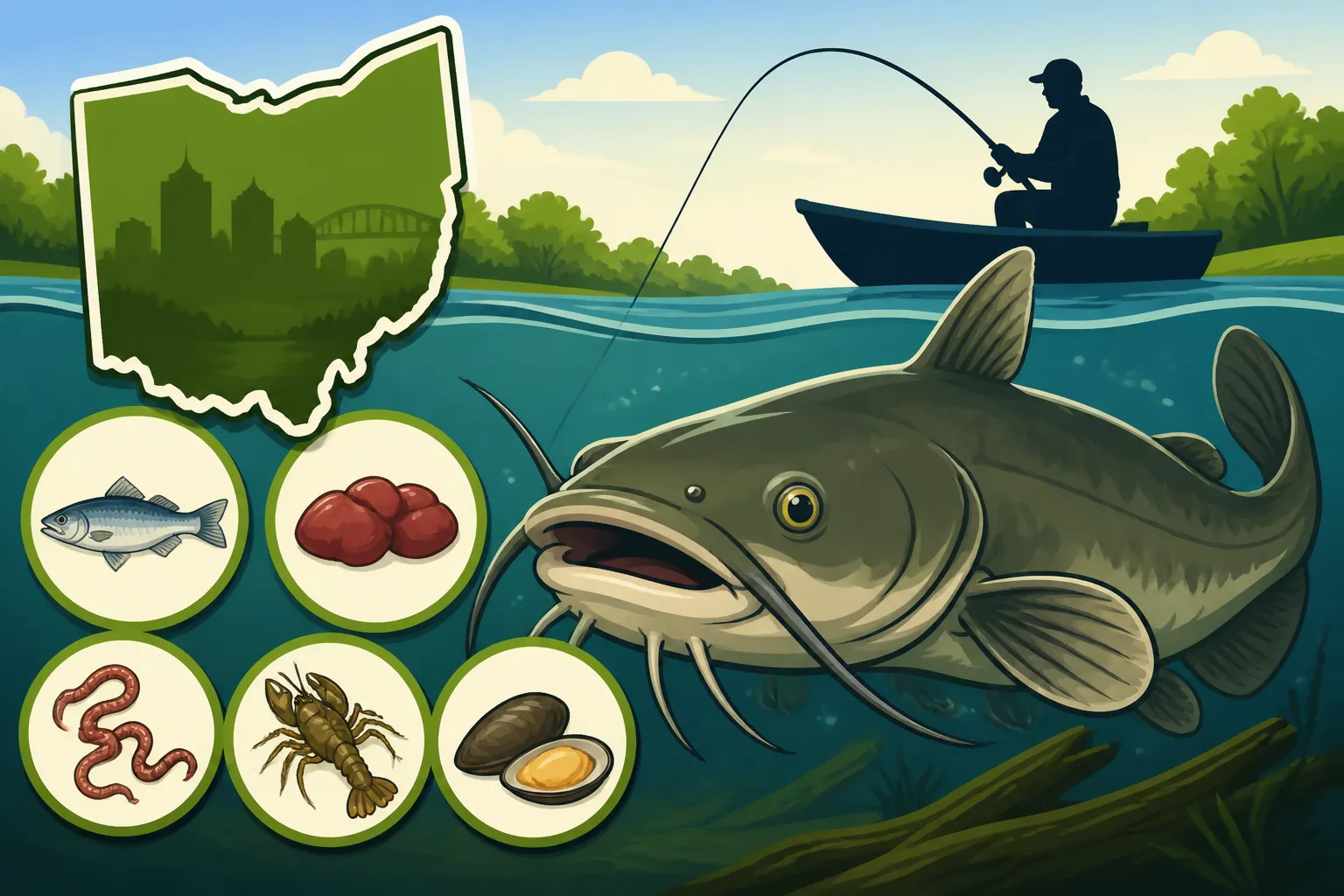
- Worms: The classic. Nightcrawlers, red wigglers, or even garden worms are absolute channel catfish magnets. They wriggle, they release scent, and they're a natural part of a catfish's diet. A big, juicy nightcrawler threaded onto a hook is hard for any self-respecting catfish to pass up. They're especially effective after a rain when worms get washed into the water, triggering a feeding spree.
- Minnows and Shad: Small baitfish are a staple for larger channel catfish. Fathead minnows, shiners, and especially cut pieces of shad or whole small shad (where legal) are incredibly effective. The oily flesh of shad creates a strong scent trail in the water, drawing catfish from considerable distances. Live minnows can be fished under a bobber or on the bottom, while cut bait offers a potent scent.
- Crayfish: These freshwater lobsters are a delicacy for many fish, including channel catfish. If your fishing spot has a healthy population of crayfish, using a whole or cut piece of crayfish can be a game-changer. They're especially good in rocky areas where catfish forage for them naturally.
- Insects: Crickets, grasshoppers, and even cicadas when they emerge, can be fantastic baits. While usually associated with panfish or trout, channel catfish won't turn down a terrestrial insect that's fallen into the water. They're particularly effective in shallower areas or near overhanging vegetation.
Beyond the Basics: Less Obvious Natural Delicacies
Sometimes, thinking outside the box with natural baits can yield surprising results. These might not be your everyday choices, but they are certainly on a channel cat's menu.
- Shrimp: Both raw and cooked shrimp work wonders. Raw shrimp, especially those that have been thawed and refrozen a time or two to soften them and release more scent, are fantastic. The strong, distinct smell of shrimp travels well in the water, attracting hungry catfish. You can find good quality bait shrimp at many tackle shops or even grocery stores.
- Frogs and Tadpoles: Small frogs or large tadpoles, when legal and available, can be excellent baits for bigger channel catfish. They represent a substantial meal and their movement in the water can entice a strike.
- Small Panfish (Cut or Live): While you might not want to sacrifice your bluegill catch, a filleted strip or even a small, legal live bluegill (check local regulations for Ohio Statewide Bag and Size Limits) can be a prime offering for a trophy channel cat. The tough skin and oily flesh of panfish make for durable and scented bait.
- Clams and Mussels: In waters where these mollusks are present, channel catfish will readily feed on them. Cracking open a clam or mussel and using the meat on a hook releases a natural, potent scent that catfish are accustomed to.
Unconventional and Prepared Baits That Channel Catfish Love
Beyond the natural smorgasbord, there's a whole world of prepared and unconventional baits that are absolute magnets for channel catfish. These baits often rely on intense scent, unique textures, or eye-catching colors to draw in fish, especially when natural forage is less abundant or when you want to specifically target catfish. You might even find some of these readily available on platforms like Amazon if your local tackle shop doesn't carry a specific brand.
The Power of Scent: Cut Baits and Stink Baits
This is where channel catfish truly distinguish themselves from many other species. Their superior sense of smell makes scent-heavy baits incredibly effective.
- Cut Bait: This is a broad category, but the principle is simple: take a fish, cut it into pieces, and let the oils and blood seep into the water. Common choices include shad, herring, mullet, carp, or even other species of catfish (where legal). The fresher, the better, but some anglers prefer their cut bait to "age" a bit to enhance the scent. The key is to present a piece large enough to entice a decent-sized channel cat but not so large that smaller fish can't get it in their mouth. Using a sturdy circle hook with cut bait ensures a good hookset. Best Baits for Ohio Catfish often highlights the effectiveness of cut bait.
- Stink Baits: These are manufactured baits specifically designed to appeal to a catfish's olfactory senses. They come in many forms: dough balls, dips, pastes, or even pre-formed "worms." Brands like Catfish Charlie, Sonny's, and Rippin Lips are popular among anglers. These baits are formulated with powerful, often pungent, aromas that catfish find irresistible. The stronger the smell, often the better! When fishing with dip baits, you'll usually need a specialized bait holder or sponge hook to keep the gooey concoction attached. You can often find a wide variety of these concoctions and specialized rigs on platforms like Amazon.
- Cheese: Yes, good old cheese! Velveeta, limburger, or any strong-smelling soft cheese can be pressed onto a hook and works surprisingly well. The milky fats and strong odor disperse in the water, signaling an easy meal.
Homemade Concoctions and Store-Bought Favorites
Anglers are a creative bunch, and over the years, many have developed their own secret recipes for catfish baits. These range from simple household items to elaborate mixtures.
- Chicken Livers and Gizzards: These are legendary for a reason. The blood, strong scent, and soft texture of chicken livers are perfect for attracting channel catfish. They can be a bit messy to work with and tend to fall off the hook easily, so many anglers will wrap them with a small piece of mesh or thread them carefully. Gizzards are tougher and stay on the hook better, offering a different texture. You can easily pick these up at your local grocery store.
- Hot Dogs: Believe it or not, hot dogs, especially those cut into coin-sized pieces and allowed to "marinate" in garlic powder or a flavored drink mix, are fantastic. They're cheap, readily available, and surprisingly durable on a hook.
- Soap: While less common today, some old-school anglers swear by ivory soap, cut into cubes. The natural fats and scent are thought to attract catfish. It's an interesting experiment if you're feeling adventurous!
- Corn and Dough Balls: While often associated with carp, channel catfish will occasionally take sweet corn or simple dough balls. These are generally less effective than scent-heavy baits but can work in ponds where catfish are used to eating plant matter.
- Prepared Baits from Amazon: Beyond the specific stink bait brands, you can find a whole host of prepared baits designed for catfish on Amazon. This includes pre-flavored chicken pieces, various power-bait style nuggets, and even specialized bait dyes and enhancers you can add to your own mixes. When you're stocking up for a trip, checking out the selection of catfish rigs and bait options on Amazon can save you a trip to multiple stores.
| Bait Type | Description | Pros | Cons | Ideal Situation |
|---|---|---|---|---|
| Natural Baits | ||||
| Nightcrawlers | Live worms, wriggling and releasing natural scent. | Universally appealing, easy to find. | Can be picked off by smaller fish, fragile on hook. | All-around, especially after rain. |
| Cut Shad/Minnows | Pieces of oily baitfish. | Strong scent trail, highly attractive. | Can be messy, requires fresh bait. | Targeting larger cats, murky water. |
| Crayfish | Live or cut freshwater crustaceans. | Natural food source, durable. | Can be hard to find, may require trapping. | Rocky bottoms, areas with native crayfish. |
| Chicken Livers | Organ meat, bloody and soft. | Intense scent, very effective. | Very messy, falls off hook easily. | Still water, short casts, strong current. |
| Prepared Baits | ||||
| Stink Baits | Commercial dips, pastes, or doughs with strong odor. | Specifically designed for catfish, strong scent. | Can be messy, often requires specialized hooks. | Targeting actively feeding catfish, all conditions. |
| Hot Dogs | Processed meat, often flavored. | Cheap, easy to use, durable. | Less natural scent, may attract smaller fish. | Casual fishing, family trips, beginner-friendly. |
| Shrimp (Raw) | Thawed or fresh raw shrimp. | Good scent, readily available. | Can be expensive, may fall off hook easily. | Versatile, good in various water conditions. |
Seasonal and Situational Diet Shifts: Adapting Your Approach
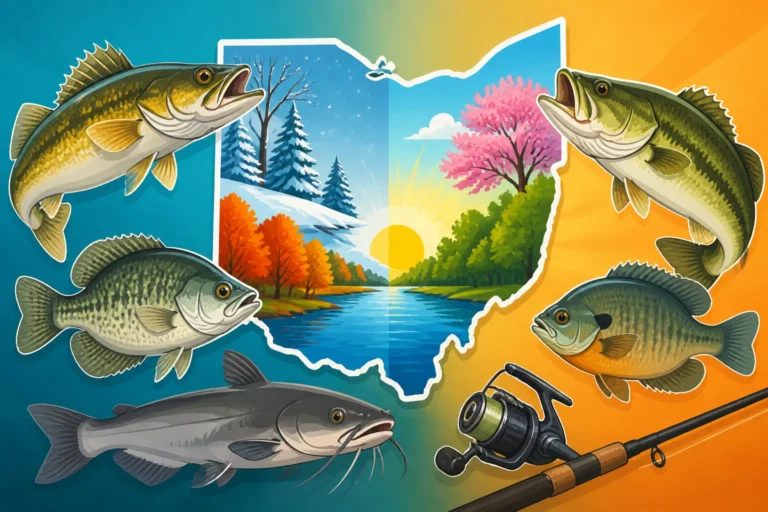
Understanding what channel catfish eat is one thing, but knowing when they prefer certain foods, or how their preferences change with the seasons and water conditions, is what truly elevates your fishing game. A successful angler is always adapting. For example, knowing Catfish Feeding Patterns at Night can dramatically increase your success during evening trips.
Spring and Summer Feeding Frenzies
- Spring: As water temperatures rise after the cold winter, channel catfish become much more active. They're looking to recover energy lost over winter and prepare for spawning. This is a prime time for natural baits like worms and minnows, as these are becoming more active in the warming water. Cut bait can also be exceptionally effective as fish move into shallower spawning areas and become very aggressive feeders. If you're looking for Best Places to Catch Channel Catfish in Ohio during spring, shallower flats and creek mouths are often hotspots.
- Summer: This is peak catfish season! With warm water, high metabolism, and abundant food, channel catfish are on the hunt. They'll eat almost anything. Stink baits, chicken livers, cut bait (especially shad or carp), and even hot dogs are all excellent choices. Look for them in deeper holes during the day, moving shallower at dawn, dusk, and throughout the night. Their feeding can be vigorous, and they’re often willing to chase down a good scent trail. If you're planning on anchoring in a river, understanding How to Anchor for Catfish on the Ohio River will be crucial for presenting your bait effectively.
Fall and Winter Slowdowns
- Fall: As water temperatures begin to drop, channel catfish enter a "fattening up" phase, similar to other species. They're trying to put on weight for the upcoming cold. This means they're still actively feeding, but perhaps less frenetically than in summer. Rich, oily cut baits or strong stink baits can still be very productive. They might move to slightly deeper water than in summer but will still be accessible.
- Winter: This is often the toughest time to target channel catfish. Their metabolism slows down significantly in cold water, and they become much less active. They'll generally hold in the deepest parts of lakes and rivers, often in large schools. When they do feed, it’s usually a slow, subtle bite, and they prefer smaller, less effort-intensive meals. Live or dead minnows, small pieces of cut bait, or even nightcrawlers fished slowly on the bottom can tempt them. Patience is key during winter fishing, and choosing the right bait that offers maximum scent with minimal effort from the fish is crucial. Just remember, while the bite slows, it's not impossible to catch them! Don't forget to check Ohio Catfish Daily Bag Limit regardless of the season.
By carefully considering the season, the local environment, and the specific habits of channel catfish, you can fine-tune your bait selection and drastically improve your chances of a successful outing. Whether you're using a tried-and-true worm or a powerful stink bait, understanding what makes them tick is your ultimate advantage. You can check the Ohio Channel Catfish Fishing Guide for more in-depth information on targeting these incredible fish.
Disclaimer
This article is for general informational purposes only and does not constitute professional advice. Laws, prices and regulations vary by location and change over time. Consult a qualified professional for guidance on your specific situation.