What a Freshwater Drum Is
If you've ever hooked into a powerful, hard-fighting fish in Lake Erie or one of Ohio's larger rivers and wondered what exactly you'd reeled in, there's a good chance it was a freshwater drum. These often-misunderstood fish are abundant throughout our state's waters, providing a unique angling experience and playing an important ecological role. This comprehensive guide will dive deep into everything you need to know about the freshwater drum, from identifying them to understanding their habits and how they fit into Ohio's aquatic ecosystems.
Unpacking the Freshwater Drum: An Ohio Angler's Introduction
The freshwater drum is one of those species that many Ohio anglers encounter, but perhaps don't know a ton about. They're often mistaken for other bottom-dwelling fish, or simply considered a "trash fish" by those unfamiliar with their habits and qualities. But trust me, once you get to know them, you'll appreciate these sturdy, native fish for what they are – a true Ohio aquatic resident with some fascinating characteristics.
Identifying the Freshwater Drum: Physical Traits
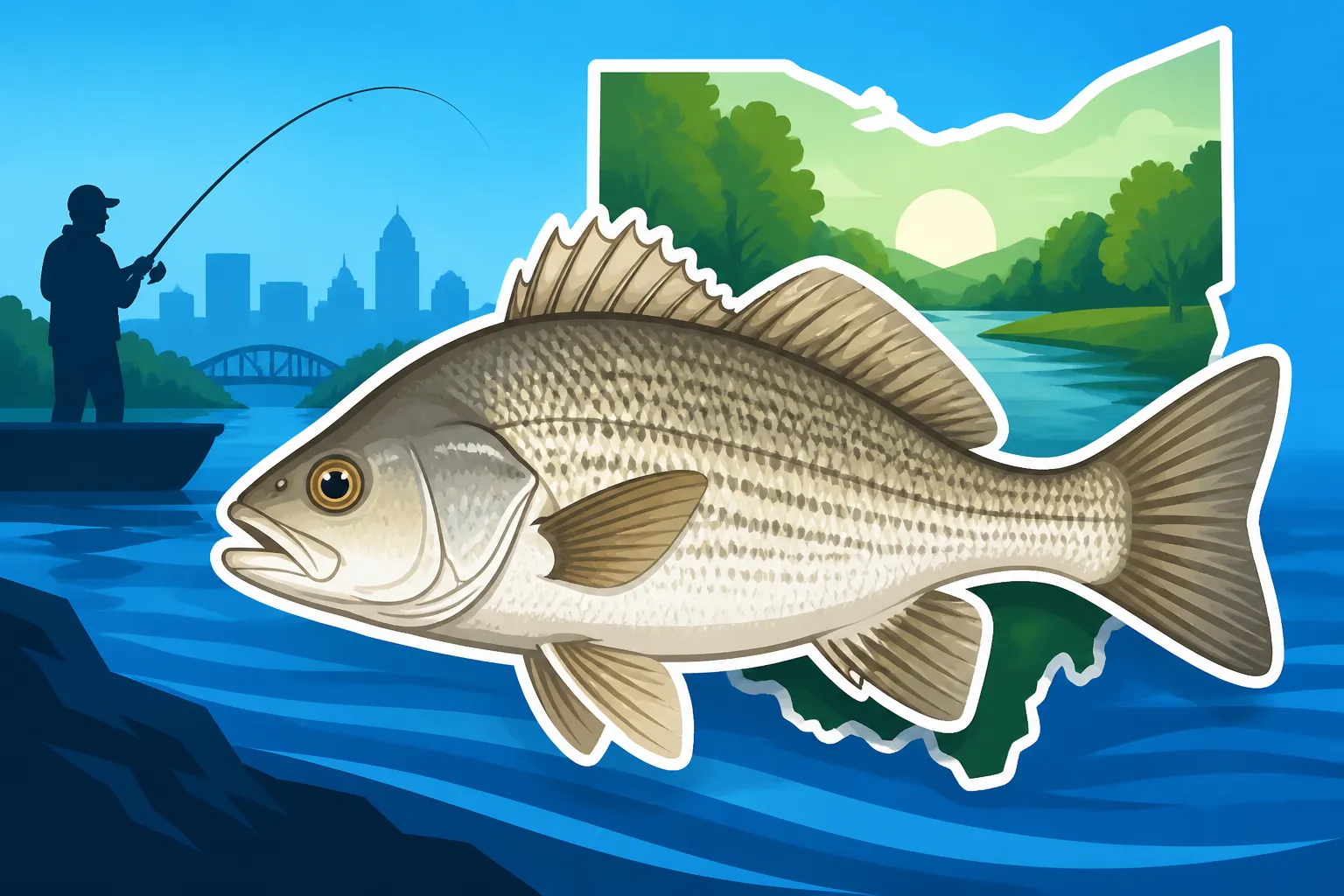
At first glance, a freshwater drum might seem a bit generic, but upon closer inspection, they have several distinguishing features. They are generally silvery-bronze to grayish in color, sometimes with a slightly darker back and lighter belly. Their body shape is somewhat deep and compressed, giving them a stocky, robust appearance. You'll notice a distinct, high-arched back, which is one of their tell-tale signs, especially compared to the more elongated bodies of many other Ohio species.
Their scales are large and rough to the touch, and they possess a prominent lateral line that extends all the way to the tip of their rounded tail fin. This lateral line is crucial for fish, helping them detect vibrations and pressure changes in the water. One of the most unique features is their mouth. It's subterminal, meaning it's located on the underside of their head, perfect for their bottom-feeding lifestyle. Inside, they have powerful pharyngeal teeth in their throat, which are incredibly adept at crushing the shells of mollusks and crustaceans. Finally, their dorsal fin is long, often appearing continuous or only slightly notched, unlike the distinctly separate dorsal fins you might see on a walleye or bass.
Common Names and Local Lore
Like many fish with a wide distribution and long history, freshwater drum have picked up a few nicknames over the years. The most common alternative name you'll hear in Ohio, especially around Lake Erie, is "sheepshead." This moniker likely comes from the appearance of their teeth, which some say resemble those of a sheep, or perhaps their tendency to root around the bottom like a sheep grazing. Whatever the origin, if someone mentions catching a "sheepshead" in Ohio, they're almost certainly talking about a freshwater drum.
They're also sometimes called "gaspergou" in some parts of the country, though that's less common here. The "drum" part of their name is perhaps the most interesting, referring to the unique drumming or grunting sound they can produce. This isn't just local folklore; it's a real biological phenomenon, which we'll delve into a bit more later. This sound is made by vibrating specialized muscles against their swim bladder, creating a low-frequency, throbbing noise that can sometimes be heard both above and below the water. It’s definitely a piece of local lore that holds true!
Where to Find Freshwater Drum in Ohio: Habitat and Range
Freshwater drum are incredibly adaptable and resilient fish, which is why they are so widespread throughout Ohio's waterways. They aren't picky about water clarity or bottom type, making them a common sight for many anglers. Understanding their preferred habitats can significantly improve your chances of encountering them, whether you're targeting them specifically or just curious about the bycatch.
Preferred Ohio Habitats
When it comes to Ohio, freshwater drum thrive in two main types of aquatic environments: large lakes and rivers. Their absolute stronghold is Lake Erie Fishing Guide for Ohio Anglers. You'll find them abundant across all three basins of Lake Erie – western, central, and eastern – often frequenting the same areas where walleye and yellow perch are sought. They prefer deeper areas, usually sticking close to the bottom, often congregating around structures like reefs, rock piles, drop-offs, and even shipwrecks. If you're out trolling for walleye, you'll likely pick up a drum or two, sometimes a whole stringer of them.
Beyond Lake Erie, they are a significant component of the fish community in the Ohio River Fishing Guide, particularly in deeper pools and stretches with slower currents. Tributaries feeding into the Ohio River and Lake Erie, especially their lower, wider sections, can also hold good numbers of drum. Even many of Ohio's larger inland reservoirs and lakes, such as Hoover Reservoir, Alum Creek Lake, and Mosquito Creek Lake, contain healthy populations. They are true bottom dwellers, constantly foraging along the lake or river bed, so look for them wherever there's soft sediment, gravel, or even rocky bottoms. Areas where you find significant mussel beds are often prime drum territory, given their diet.
Freshwater Drum Throughout the Seasons
One of the great things about freshwater drum is their year-round activity. Unlike some species that become incredibly sluggish in winter or retreat to deep, inaccessible areas, drum are pretty consistent.
- Spring: As water temperatures rise, drum become more active and begin their spawning ritual. They'll move into shallower areas, though still typically staying close to the bottom. This is a great time to catch them, as they're often feeding aggressively in preparation for or recovery from spawning. You might find them closer to shore or in major river channels.
- Summer: During the peak of summer, drum often move to deeper, cooler waters, especially in Lake Erie. They'll still be hugging the bottom, but you might need to target depths of 20 to 50 feet or more. They remain very active feeders throughout the warmer months, making them a common catch for anyone bottom fishing.
- Fall: As the water cools again, drum will often scatter and can be found in a variety of depths, from shallower flats to deeper holes. Their feeding remains strong as they pack on reserves for the winter ahead.
- Winter (Ice Fishing): Yes, you can even catch freshwater drum through the ice! While not a primary target for most ice anglers, they are often caught incidentally while Ice Fishing Techniques for Ohio Walleye or crappie. They’ll be found near the bottom, usually in deeper basins of lakes. They don't typically burrow into the mud like some carp species; they remain active, albeit at a slower pace. You can learn more about general ice fishing in our Ohio Ice Fishing Guide.
Freshwater Drum Behavior and Diet
To truly appreciate the freshwater drum, it helps to understand their unique behaviors and what makes them tick beneath the surface. These are not your average pelagic cruisers; they are specialized bottom feeders with some remarkable adaptations.
What Do They Eat?
Freshwater drum are true bottom-feeders, often called benthivores. Their diet is incredibly varied, but heavily leans towards invertebrates found on or in the substrate. Their subterminal mouth and powerful pharyngeal teeth are perfectly designed for this lifestyle.
Their menu primarily consists of:
- Mollusks: This is a big one! Freshwater drum are incredibly efficient at crushing and consuming clams, snails, and especially invasive species like zebra and quagga mussels. In Lake Erie, they play a crucial role in controlling these invaders, acting as a natural biological control. They use those powerful throat teeth to grind up the shells before ingesting the soft tissue.
- Crustaceans: Crayfish, scuds, and other small crustaceans are also high on their list. These provide a good source of protein and are readily available in many Ohio waters.
- Insect Larvae: The larval stages of various aquatic insects found in the mud and silt are also a consistent food source.
- Small Fish: While not their primary diet, drum will certainly opportunistically prey on small baitfish, especially if they are slow or injured.
This varied diet makes them quite adaptable and allows them to thrive in many different environments where food sources might shift. If you want to see what some other common Ohio fish species eat, check out our Ohio Channel Catfish Fishing Guide or Ohio Yellow Perch Fishing Guide.
The "Drumming" Phenomenon
The most captivating aspect of the freshwater drum, and the origin of its name, is its ability to "drum." This isn't just a quirky behavior; it's a vital form of communication, particularly during spawning season. The sound is produced by specialized muscles that connect to the dorsal wall of their body cavity and vibrate against the swim bladder, which then amplifies the sound. It's akin to a drumstick hitting a drum.
Why do they do it? The primary reason is believed to be related to reproduction. Male drum are typically the ones responsible for this booming serenade, using it to attract females during spawning season and potentially to mark their territory. Different "calls" might even convey different messages, though much about their specific acoustic communication is still being studied. Imagine being underwater during peak drum spawning season – it must sound like a muffled, throbbing orchestra! This unique attribute really sets them apart from most other fish species you'll encounter in Ohio.
Fishing for Freshwater Drum in Ohio
While not always the target species, freshwater drum provide a fantastic fight and can be a lot of fun on the end of a line. Many anglers who are after walleye or catfish often find themselves reeling in a drum, and they should be appreciated for their sporting qualities.
Gear and Techniques
You don't need highly specialized gear to catch freshwater drum in Ohio. Standard medium to medium-heavy action spinning or baitcasting tackle will suffice. A good quality reel spooled with 10-20 lb monofilament or braided line will handle most drum you encounter.
The key to catching drum is often presenting your bait on or very near the bottom, which aligns perfectly with their natural feeding habits.
- Bottom Rigs: A simple slip-sinker rig (often called a Carolina rig) or a three-way swivel rig works exceptionally well. These rigs allow your bait to sit directly on the bottom while the line can move freely through the sinker, making it harder for the fish to detect resistance. Many anglers find these rigs incredibly effective, and you can find various sinker styles on Amazon to match current and depth.
- Baits: Freshwater drum aren't particularly picky eaters.
- Live Baits: Live nightcrawlers are absolute killers. They're readily available and drum can't resist them. Minnows and small crawfish are also highly effective.
- Cut Bait: Strips of fresh shad, perch, or even chunks of nightcrawler can entice a bite, especially from larger drum.
- Artificial Lures: While less common, drum can sometimes be caught on artificial lures, particularly jigs tipped with soft plastics or even small crankbaits when actively feeding on baitfish near the bottom.
- Techniques:
- Drift Fishing: On Lake Erie, drifting with a crawler harness or a plain hook tipped with a nightcrawler is an extremely popular and effective method. You'll catch plenty of walleye, but drum will frequently join the party.
- Anchoring/Still Fishing: Casting out a bottom rig from an anchored boat or from shore and letting it sit is another tried-and-true method. This is great for targeting deeper holes in rivers or distinct bottom structures in lakes.
- Jigging: In deeper water, vertical jigging with a spoon or a heavy jig tipped with bait can also provoke strikes from drum.
They are often caught incidentally, as I mentioned, while anglers are targeting species like Ohio Walleye Fishing Guide, Ohio Channel Catfish Fishing Guide, or Ohio Crappie Fishing Guide. But don't be surprised if a big drum gives you a run for your money!
Freshwater Drum as a Sport Fish
This is where opinions often diverge. Some anglers view freshwater drum as a nuisance, a "rough fish" that interferes with their pursuit of more "glamorous" species. However, an increasing number of anglers are coming to appreciate the freshwater drum for its fighting prowess. When hooked, especially larger specimens, they pull hard and refuse to give up, often making strong, surging runs and headshakes. On light tackle, they can provide an incredibly thrilling battle, bending rods and testing drag systems.
For families or beginners, drum can be an excellent target species because they are abundant and generally willing to bite, offering consistent action that keeps things exciting. They might not jump like a bass or have the same cachet as a walleye, but they are undeniably strong and fun to reel in. Plus, if you're looking to try something different, purposefully targeting these powerful fish can be a rewarding experience. You can find many specific tackle options and how-to guides for various techniques on Amazon, often with customer reviews that can help you select the right gear.
Conservation and Management of Ohio's Freshwater Drum
Fortunately, the freshwater drum is a species that does not typically require extensive conservation efforts in Ohio due to its robust and widespread populations. Their adaptability and generalist feeding habits have allowed them to thrive even in changing environments.
Population Status in Ohio
The freshwater drum population in Ohio, particularly in Lake Erie, is considered healthy and abundant. They are a resilient species, capable of reproducing effectively and tolerating a range of water conditions. In fact, their strong numbers and dietary preferences make them a fascinating subject for ecological study. Their consumption of invasive mussels, especially zebra and quagga mussels, highlights their surprising role in local ecosystems. While these mussels are an invasive nuisance, the drum's ability to consume them means they are, in a way, helping to manage a problem that affects other native species and water quality.
This abundance means they contribute significantly to the overall biomass of fish in our waters, forming an important part of the food web for larger predators like flathead catfish and even some birds of prey. Their presence indicates a healthy and functioning aquatic system.
Regulations and Limits
Due to their widespread abundance and robust populations, freshwater drum typically have very generous or, in many cases, no specific daily bag limits or size restrictions in Ohio. This is a stark contrast to species like walleye or bass, which often have strict limits to ensure sustainable populations. This relaxed approach to drum regulations reflects their healthy status and lack of immediate conservation concerns.
However, it is always crucial to consult the most current Ohio Fishing Regulations Every Angler Should Know before heading out. Regulations can change, and while drum are usually not heavily managed, it's your responsibility as an angler to be aware of any specific rules that might apply to the body of water you're fishing. You can usually find the official regulations booklet online or at any place that sells Where and How to Buy an Ohio Fishing License.
| Feature | Freshwater Drum (Sheepshead) | Channel Catfish | Common Carp |
|---|---|---|---|
| Appearance | Silvery-bronze, high-arched back, large scales, subterminal mouth, rounded tail. | Gray to olive-brown, slender, deeply forked tail, smooth skin (no scales), barbels around mouth. | Bronze to golden, large scales, deep body, distinct dorsal fin, barbels around mouth, often has humped back. |
| Primary Habitat | Lake Erie, Ohio River, large inland lakes (bottom dweller). | Rivers, lakes, ponds (prefers slower currents, structure). | Rivers, lakes, ponds (very adaptable, often in muddy areas). |
| Diet | Mollusks, crustaceans, insect larvae, small fish. | Omnivorous: insects, small fish, crustaceans, detritus, plant matter. | Omnivorous: aquatic vegetation, insects, worms, detritus. |
| Distinguishing Mark | "Drumming" sound, pharyngeal teeth for crushing shells. | Forked tail, barbels. | Large scales, often two pairs of barbels, sometimes a "mirror carp" variant with few scales. |
| Sporting Quality | Strong fighter, good on light tackle. | Excellent fight, especially larger fish. | Powerful, long runs, very strong. |
Freshwater drum truly are an interesting and often underestimated part of Ohio's aquatic landscape. They offer a great fight, are readily available, and play a vital role in the ecosystem. So next time you hook into one, take a moment to appreciate this unique native Ohio fish!
Disclaimer
This article is for general informational purposes only and does not constitute professional advice. Laws, prices and regulations vary by location and change over time. Consult a qualified professional for guidance on your specific situation.