Best Ohio Reservoirs for Walleye and Saugeye
If you're an angler in Ohio, you know the unparalleled thrill of a Lake Erie walleye bite. But let's be honest, not everyone has the time, boat, or budget for a big Lake Erie trip, and sometimes you just want to explore closer to home. The good news is, Ohio's reservoirs are absolute gems for targeting walleye and their feisty cousins, saugeye, offering fantastic opportunities often overlooked. This guide is dedicated to uncovering the best inland reservoirs where you can hook into these highly sought-after fish, providing you with all the details to plan your next successful outing.
Why Reservoirs for Walleye and Saugeye? Beyond Lake Erie's Shadow
Many anglers automatically associate walleye fishing with the vast expanse of Lake Erie, and for good reason—it’s the Walleye Capital of the World! However, Ohio's numerous inland reservoirs offer a different, yet equally rewarding, fishing experience. These man-made lakes are carefully managed by the Ohio Department of Natural Resources (ODNR) with robust stocking programs, ensuring healthy and thriving populations of both walleye and saugeye. What you lose in the sheer numbers found on Lake Erie, you often gain in convenience, accessibility, and a more intimate fishing experience on smaller, often less crowded, waters.
The Allure of Inland Walleye and Saugeye
Fishing for walleye and saugeye in reservoirs provides a unique set of challenges and rewards. You’ll often find these fish relating more closely to specific structures like old creek channels, humps, points, and standing timber – remnants of the landscape before the valley was flooded. This structure-oriented behavior means that anglers who can effectively locate and present baits in these areas can be incredibly successful. Plus, the fight of a reservoir walleye or saugeye in a more confined space can be quite exhilarating. Many anglers also find that the fishing pressure on these inland lakes, while still present, is often less intense than on Lake Erie, leading to a more relaxed day on the water.
Beyond just the catch, there's a certain charm to exploring these inland fisheries. Reservoirs are often surrounded by state parks, wildlife areas, or other natural landscapes, providing a beautiful backdrop to your angling adventure. You might find yourself fishing alongside towering bluffs, dense forests, or quiet coves, offering a sense of solitude that's harder to come by on bigger bodies of water. The diverse ecosystems also mean you might hook into other species like bass, crappie, or catfish, adding to the day's excitement.
Understanding the Differences: Walleye vs. Saugeye in Reservoirs
It's common for anglers to use the terms "walleye" and "saugeye" interchangeably, especially in Ohio's inland waters, but there are distinct differences that influence their behavior and preferred habitats. Walleye (Sander vitreus) are native to Ohio and thrive in cooler, deeper, and clearer waters, often found in natural lakes or large impoundments like Lake Erie. They are known for their golden hue, large, opaque eyes, and often grow to impressive sizes.
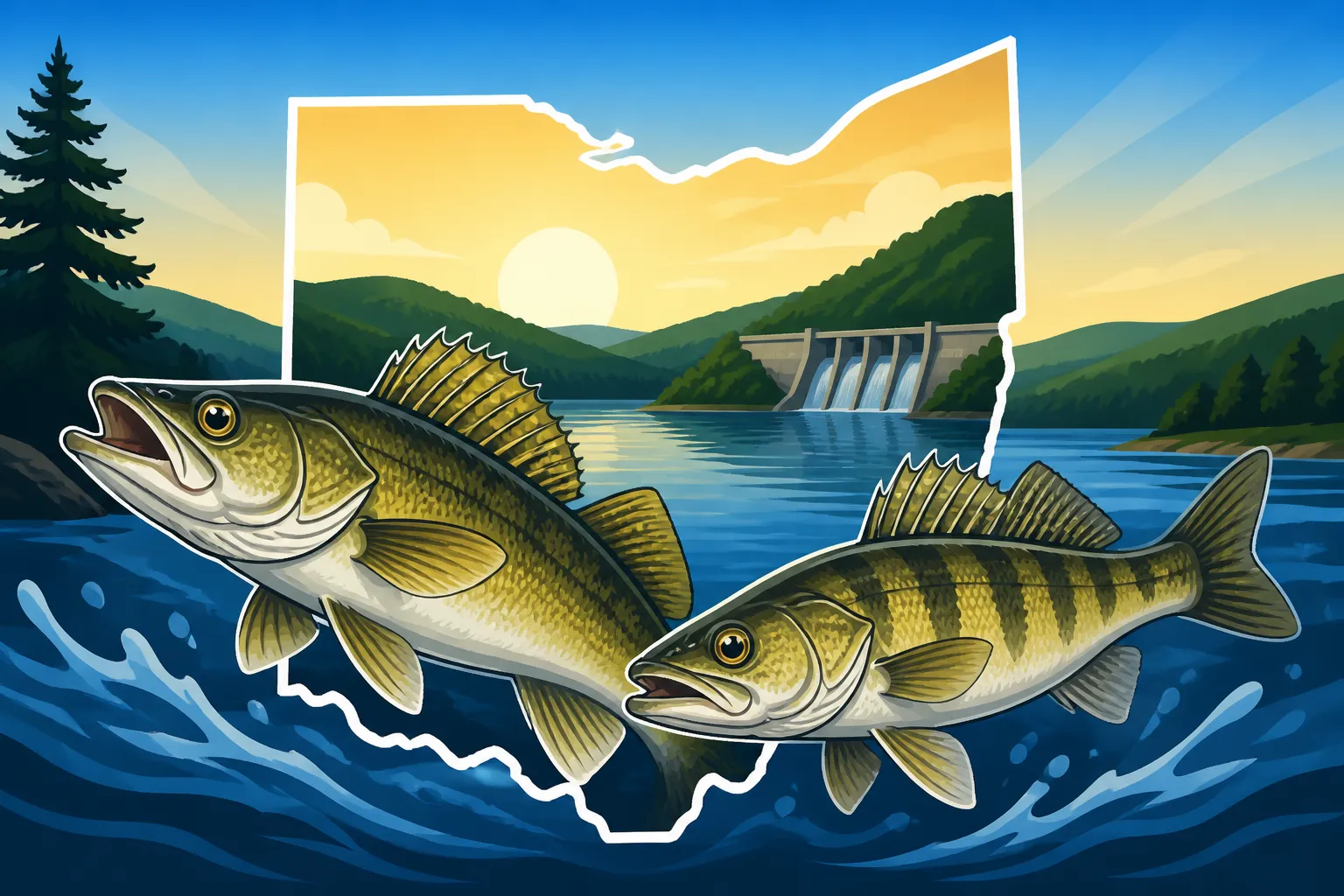
Saugeye, on the other hand, are a hybrid fish, a cross between a female walleye and a male sauger (Sander canadensis). They were specifically developed by the ODNR to thrive in the warmer, murkier, and more turbid waters of Ohio’s inland reservoirs where native walleye might struggle. Saugeye typically have distinct dark blotches on their sides, a more mottled appearance, and often a row of dark spots on their dorsal fin, which walleye usually lack. They grow faster than sauger and are more adaptable than purebred walleye in these reservoir environments, making them a fantastic sport fish for inland anglers. They also tend to be more aggressive feeders, which can lead to more consistent bites.
Knowing the difference isn't just for identification; it helps you understand where to find them. While walleye might stick to deeper, clearer sections of a reservoir, saugeye might be more comfortable in slightly shallower, more stained areas, especially around submerged cover. Both are excellent table fare, with firm, white fillets, but their subtle differences offer anglers a chance to fine-tune their approach based on the specific water body they are fishing and the species they are targeting. You can learn more about Ohio Saugeye vs Walleye Identification to help you tell them apart.
Top Walleye and Saugeye Reservoirs in Central Ohio
Central Ohio offers some of the state's most accessible and productive reservoirs for walleye and saugeye. Many of these lakes are within a short drive of major metropolitan areas like Columbus, making them popular weekend destinations. Don't let their proximity fool you; these waters hold some truly impressive fish.
Alum Creek Lake: A Muskie and Walleye Powerhouse
Just north of Columbus, Alum Creek Lake is a massive reservoir renowned for its diverse fishery, particularly its trophy muskie and solid walleye population. With over 3,300 acres of water and numerous coves, points, and submerged structures, it offers ample opportunities for anglers seeking these elusive fish. The ODNR regularly stocks walleye here, contributing to a healthy population that can provide consistent action throughout the year.
The key to Alum Creek's walleye success often lies in understanding its diverse bottom contours and depths. Anglers frequently target the main lake basin, especially around the old river channel, humps, and points where walleye will congregate. Trolling crankbaits, especially during low light conditions or at night, can be very effective in deeper open water. For those preferring to cast, working jigging spoons or blade baits near submerged timber or rocky ledges can also produce strikes. Remember to check the current Ohio Statewide Bag and Size Limits before you head out, as regulations can vary.
Beyond walleye, Alum Creek is also one of the best spots in Ohio for muskie, so don't be surprised if you hook into a toothy critter while targeting walleye. The lake’s varied habitat also supports excellent populations of bass and crappie, making it a fantastic multi-species destination. Its sheer size means there’s always a new spot to explore, and the challenge of finding those hidden walleye honey holes keeps anglers coming back year after year. For more specific insights, check out our Fishing Alum Creek Lake for Muskie and Saugeye guide.
Hoover Reservoir: Close to Columbus, Full of Potential
Hoover Reservoir, located just northeast of Columbus, is another central Ohio gem known for its consistent saugeye and walleye fishing. While it's a primary drinking water source for the city, much of the reservoir is open to anglers, offering nearly 3,000 acres of prime fishing grounds. Hoover is especially popular for its saugeye population, which benefits from consistent stocking efforts by the ODNR.
Hoover's saugeye tend to relate heavily to the extensive submerged creek channels, deep points, and humps found throughout the lake. Early spring and late fall are prime times to target these fish, especially during the low light hours of dawn and dusk. Trolling is a popular and effective method here, often using crankbaits that mimic baitfish like shad or minnows. Jigging with minnows or soft plastics near structure can also be highly productive, particularly when fish are suspended.
The reservoir’s proximity to Columbus makes it an ideal spot for a quick fishing trip after work or a relaxed weekend outing. While shore access can be limited in some areas due to its designation as a drinking water source, there are several boat ramps and designated fishing areas that offer excellent access. Just be sure to familiarize yourself with any specific boating restrictions, as certain areas might have speed limits or no-wake zones. Our guide on Fishing Hoover Reservoir Near Columbus offers more detailed tips for this popular spot.
Deer Creek Lake: Consistent Action and Diverse Opportunities
Moving slightly southwest of Columbus, Deer Creek Lake is a 1,277-acre reservoir that offers consistent walleye and saugeye fishing, alongside excellent populations of crappie and bass. It's nestled within Deer Creek State Park, providing beautiful scenery and a range of recreational activities, making it a perfect spot for a family fishing trip.
Deer Creek's walleye and saugeye populations are well-maintained through regular stocking, and anglers here report good success. The lake features a relatively uniform bottom with a pronounced old creek channel running through it, which often holds schools of fish. Focus your efforts around these channel edges, especially where they intersect with points or humps. Vertical jigging spoons or blade baits can be deadly when fish are concentrated, and slow trolling with bottom bouncers and crawler harnesses can cover a lot of water to locate active fish.
Shoreline access is quite good at Deer Creek State Park, particularly near the dam and along the causeway. This makes it an excellent option for anglers without a boat. Many successful catches are made from the bank, especially during the spring and fall when fish move shallower. The consistent action for multiple species makes Deer Creek Lake a reliable choice for a fun and productive day of fishing.
Premier Northern Ohio Reservoirs for Walleye and Saugeye
While Lake Erie dominates northern Ohio's walleye scene, there are still fantastic inland options that hold their own. These reservoirs offer excellent opportunities, often with less competition than the big lake, and provide a different challenge for anglers.
Mosquito Creek Lake: Northeastern Ohio's Walleye Gem
Located in northeastern Ohio, near Cortland, Mosquito Creek Lake is a massive 7,850-acre reservoir known for its robust walleye fishery. It's one of Ohio’s largest inland lakes, offering vast expanses of water and diverse habitats, from shallow flats to deep channels, making it a true walleye haven away from Lake Erie.
Mosquito Creek Lake has consistently been one of the top inland walleye producers in Ohio, thanks to dedicated stocking programs by the ODNR. Anglers here often employ classic walleye tactics such as trolling with crankbaits and crawler harnesses, especially across the main lake basin and along the edges of the old creek channel. The lake's expansive size means that fish can be spread out, so covering water is key. Pay close attention to subtle depth changes and submerged contours on your fish finder.
The sheer size of Mosquito Creek Lake can be intimidating for newcomers, but it also means there are always new areas to explore and less pressure on any single spot. Early spring and late fall are prime times for targeting walleye, as they move into shallower areas to feed. During summer, look for them holding deeper, often suspended over baitfish schools. Our dedicated guide to Fishing Mosquito Creek Lake provides even more in-depth strategies.
LaDue Reservoir: A Hidden Treasure for Saugeye
Tucked away in Geauga County, LaDue Reservoir is a beautiful, sprawling reservoir covering approximately 1,600 acres. While it might not have the same recognition as some of the larger walleye fisheries, LaDue is a fantastic spot for saugeye, often surprising anglers with its productivity. This reservoir has a more natural, less developed feel, adding to its appeal.
LaDue's saugeye population is healthy and aggressive, providing excellent action, particularly during the cooler months. The reservoir features numerous submerged roadbeds, bridge abutments, and timber that provide ideal ambush points for saugeye. Vertical jigging with spoons, blade baits, or minnow-tipped jigs along these structures can be incredibly effective. Trolling small crankbaits or spinner rigs over deeper flats and along channel edges also works well.
Special regulations are in place at LaDue Reservoir, including an electric-only motor restriction, which creates a quieter and more peaceful fishing environment. This might limit some anglers who prefer gas-powered boats, but it enhances the overall experience for others and often leads to less disturbed fish. Always check the specific LaDue Reservoir Fishing Rules and Access before planning your trip to ensure compliance and maximize your enjoyment.
Southern and Eastern Ohio's Best Walleye and Saugeye Waters
While northern and central Ohio often get the spotlight for walleye and saugeye, the southern and eastern regions of the state also boast some fantastic reservoirs. These lakes offer beautiful scenery and productive fishing, often in less crowded settings, making them perfect for anglers looking for a peaceful escape.
Piedmont Lake: Trophy Potential in the Southeast
Located in southeastern Ohio's Belmont and Harrison counties, Piedmont Lake is a deep, clear 2,270-acre reservoir managed by the Muskingum Watershed Conservancy District (MWCD). While Piedmont is widely known as a premier muskie lake, it also holds a respectable and often overlooked population of walleye and saugeye, offering anglers a chance at a multi-species trophy day.
Piedmont's walleye and saugeye tend to inhabit the deeper, clearer sections of the lake, often relating to the extensive submerged timber and rock piles that provide excellent cover. Focus your efforts on the main lake points, steep drops, and the old river channel. Trolling deep-diving crankbaits is a popular method, especially during the summer and fall when fish are holding in deeper water. Vertical jigging spoons or heavy blade baits can also tempt fish hiding in the timber.
The lake's clear water can make walleye and saugeye a bit more wary, so stealth and finesse can be important. Fishing during low light conditions or at night can significantly increase your success. Piedmont's reputation for big muskie means that you should always be prepared for a surprise encounter, adding an extra layer of excitement to your walleye or saugeye hunt. Our Piedmont Lake Muskie Fishing Guide offers insights that can also be applied to understanding the lake's deeper structure where walleye and saugeye might also reside.
Seneca Lake: Deep Water, Big Fish
Also part of the MWCD system in eastern Ohio, Seneca Lake is a vast 3,550-acre reservoir known for its deep waters and excellent fishing opportunities, including a solid population of saugeye and some walleye. Its expansive size and varied depths provide ample habitat for these sought-after game fish.
Seneca Lake's saugeye thrive in its deep, fertile waters. Anglers often find success by targeting the numerous points, humps, and submerged creek channels that define the lake's bottom. Trolling deep-diving crankbaits or using bottom bouncers with crawler harnesses or spinner rigs are effective ways to cover water and locate active fish. Vertical jigging over deep structure, especially near schools of baitfish, can also be a game-changer.
The depth of Seneca Lake means that saugeye often suspend in the water column, particularly during the warmer months, making a good fish finder invaluable. Look for baitfish schools and target the saugeye hovering just below or within them. Seneca Lake also boasts excellent crappie and bass fishing, allowing for a diverse day on the water. The amenities at Seneca Lake Park make it a great destination for a longer fishing trip, complete with camping and lodging options.
Paint Creek Lake: A Scenic Spot with Solid Fishing
Located in southern Ohio, near Bainbridge, Paint Creek Lake offers 1,148 acres of scenic water and a dependable saugeye fishery. This reservoir is nestled within Paint Creek State Park, providing picturesque views and a tranquil fishing experience amidst rolling hills and woodlands.
Paint Creek Lake's saugeye population is sustained by consistent stocking by the ODNR. Anglers here can find saugeye primarily along the deeper contours of the lake, especially the old creek channel, points, and submerged humps. Trolling small to medium-sized crankbaits that dive to appropriate depths for the structure you're targeting is often a successful approach. When saugeye are less active or concentrated, vertical jigging with minnows or soft plastics can entice bites.
The lake has decent shore access in certain areas, particularly near the dam and boat ramps, making it accessible for anglers without a boat. Spring and fall are traditionally the best times for saugeye fishing at Paint Creek Lake, as the fish are more active and often found in shallower feeding areas. During the summer, look for them deeper, often suspending or relating to cooler thermoclines. The beautiful natural setting only adds to the appeal of fishing at Paint Creek.
Key Factors for Successful Reservoir Walleye and Saugeye Fishing
Successfully targeting walleye and saugeye in Ohio's reservoirs requires more than just knowing where they are stocked. It involves understanding their behavior, adapting to seasonal changes, and employing the right techniques. These fish are notorious for being finicky, but consistent success comes from paying attention to details.
Seasonal Patterns and Fish Movements
Understanding how walleye and saugeye move throughout the year is paramount to consistent success in reservoirs. Each season presents unique challenges and opportunities:
- Spring (Pre-spawn & Spawn): As ice melts and water temperatures begin to rise (typically 40-50°F), walleye and saugeye start to stage for spawning. They'll move into shallower areas, often near rocky points, dam rip-rap, or tributary mouths. This is a fantastic time for jigging with minnows or casting shallow-running crankbaits. The fish are often aggressive as they prepare to spawn.
- Late Spring/Early Summer (Post-spawn & Transition): After spawning, fish disperse from their shallow staging areas. They'll often feed aggressively to regain strength. As water temperatures climb into the mid-50s and 60s, they start transitioning to their deeper summer haunts. This is a great time for trolling crankbaits or bottom bouncers with crawler harnesses along channel edges and points.
- Summer (Deep Water & Thermocline): During the warmest months (water temps 70°F+), walleye and saugeye typically move to deeper, cooler water, often suspending near the thermocline if one exists, or relating to deep structure like humps, submerged timber, and old river channels. Trolling deep-diving crankbaits, spoons, or vertical jigging in these areas are effective. Night fishing can also be incredibly productive as fish move shallower to feed.
- Fall (Feeding Frenzy): As water temperatures cool down in autumn (50-60°F), walleye and saugeye begin their aggressive fall feeding patterns, stocking up for winter. They'll move shallower again, often chasing baitfish into coves and along main lake points. Trolling, casting crankbaits, or jigging with larger baits can all be highly effective during this "last supper" period.
- Winter (Ice Fishing): On reservoirs that freeze over safely, ice fishing can be fantastic. Walleye and saugeye often hold to deep points, humps, and channel edges. Jigging spoons, blade baits, or minnows under tip-ups are common and productive methods. Always prioritize safety and check ice thickness before venturing out. Our Ohio Ice Fishing Guide offers comprehensive safety and technique advice.
Keeping an eye on local conditions and understanding these general patterns will help you predict where the fish are likely to be.
Effective Techniques and Lure Choices
While walleye and saugeye can be caught using a variety of methods, certain techniques consistently produce in reservoir settings.
- Trolling: This is arguably the most popular and effective method for covering large areas and locating active fish in reservoirs. Trolling crankbaits (like those from Rapala, Berkley, or Bandit) at various depths and speeds is key. Match your crankbait size and color to the local forage (shad, perch, shiners) and water clarity. Experiment with different depths by using leadcore line, planer boards, or simply choosing crankbaits with different diving bills. Bottom bouncers paired with crawler harnesses or spinner rigs are also deadly, especially when fish are relating to the bottom. For a deeper dive, check out Best Ohio Walleye Fishing Techniques.
- Jigging: Vertical jigging is highly effective when fish are concentrated in specific areas, such as over humps, along channel edges, or in submerged timber. Jigging spoons (like Johnson Silver Minnow or Kastmaster), blade baits (e.g., Heddon Sonar), or soft plastics (like Berkley Gulp! Minnows or Zoom Fluke) tipped with a minnow or piece of nightcrawler can entice strikes. During colder water periods, a slow, methodical retrieve is often best. In warmer water, more aggressive snaps can trigger a reaction bite.
- Casting: For shore anglers or those targeting shallower areas, casting crankbaits, lipless crankbaits, or even spinnerbaits can be productive. Focus on points, rip-rap, and areas with submerged cover. The "rip-jigging" technique, where you aggressively snap a jig or lipless crankbait off the bottom, can be excellent for triggering reaction strikes from saugeye.
- Live Bait: Never underestimate the power of live bait for walleye and saugeye. Minnows (shiners, fatheads), nightcrawlers, and leeches are universal favorites. Rig them on a plain hook under a slip bobber, on a jig, or behind a bottom bouncer. Sometimes, simply presenting a lively minnow in the right spot is all it takes to get a bite, especially when fish are finicky.
Experimentation is key. What works one day or one lake might not work the next, so be prepared to change your approach.
Reading the Water and Structure
Walleye and saugeye are structure-oriented fish, meaning they will relate to specific features in their environment. Learning to "read" the water and identify these structures is a critical skill for reservoir success.
- Submerged Structure: Reservoirs are man-made, so they often contain remnants of the original landscape. Old creek channels, roadbeds, foundations of old homes, fence lines, and standing timber are all prime walleye and saugeye magnets. These features provide cover, ambush points, and often hold baitfish. A good contour map (either paper or on your fish finder) is essential for locating these hidden treasures.
- Points and Humps: Points extending into the lake and submerged humps or islands are classic walleye and saugeye holding areas. Fish will often stage on the downcurrent side of these structures, or patrol their edges looking for food. The transition zone where a flat drops off into deeper water near a point is a particularly productive area.
- Wind and Current: Wind can be your friend! A consistent wind pushing across a reservoir creates a "walleye chop" which can increase feeding activity by disorienting baitfish and creating turbid water. Fish will often congregate on the windblown side of points or shorelines. While most reservoirs don't have strong currents, any subtle current from inflows or dam releases can concentrate fish.
- Baitfish Presence: Walleye and saugeye follow their food. Look for schools of baitfish (shad, alewives, minnows) on your fish finder. Where the baitfish are, the predators are likely to be nearby. Often, walleye and saugeye will be positioned just below or on the edges of these schools. Also, pay attention to bird activity; diving birds often indicate baitfish pushed to the surface, which can signal active feeding fish below.
- Water Clarity and Temperature: These factors play a huge role. Walleye and saugeye prefer stained or turbid water, which protects their light-sensitive eyes. In clear reservoirs, they are often deeper or more active during low light. Optimal water temperatures for aggressive feeding typically range from the mid-50s to high 60s Fahrenheit. Outside this range, they might be slower or move to different depths.
Learning to combine these elements – structure, bait, conditions – is what separates consistent anglers from those who just get lucky.
Essential Gear and Tackle for Reservoir Success
Having the right tools for the job can make a world of difference when targeting walleye and saugeye in Ohio's reservoirs. From your rod and reel setup to your electronics, equipping yourself properly will enhance your experience and increase your chances of success.
Rods, Reels, and Line Choices
The versatility of reservoir fishing means you’ll often be employing a few different techniques, and having appropriate gear for each can be beneficial.
- Rods: For trolling, a medium-heavy action rod between 7 to 9 feet is ideal. The longer length helps spread out multiple lines and absorbs the shock of strikes, especially when trolling with crankbaits or bottom bouncers. For jigging or casting, a medium-light to medium action spinning rod, typically 6 to 7 feet long, offers the sensitivity needed to detect subtle bites and the backbone to set the hook. A fast action tip is usually preferred for quick hook sets.
- Reels: A baitcasting reel with a line counter is a massive advantage for trolling. It allows you to precisely control your lure depth and easily duplicate successful presentations. For jigging and casting, a good quality spinning reel in the 2500-3000 series range provides smooth operation and reliable drag.
- Line:
- Monofilament: A good all-around choice for its stretch, which can be forgiving when fighting fish, and its affordability. Use 8-12 lb test for most applications.
- Fluorocarbon: Nearly invisible underwater and has excellent abrasion resistance, making it a great leader material. Many anglers also spool their entire reel with 10-12 lb fluorocarbon for jigging because of its low stretch and sensitivity.
- Braided Line: Offers superior strength, minimal stretch (incredible sensitivity!), and casts exceptionally well. A 10-20 lb braid is common for trolling, jigging, and casting. However, because it's so visible, it's almost always paired with a 6-10 foot fluorocarbon leader (8-12 lb test) to fool wary fish. The lack of stretch in braid makes it ideal for feeling light bites in deep water. You'll find more details on choosing the right line in our Choosing the Right Ohio Fishing Line guide.
A good line conditioner, regardless of your line choice, can help with casting distance and prevent tangles. Always check your line regularly for nicks and abrasions, especially after fishing around submerged timber or rocks.
Electronics and Navigation Aids
In the vastness of Ohio's reservoirs, electronics are no longer a luxury but a necessity for consistently finding walleye and saugeye.
- Fish Finder/Sonar: A modern fish finder with good down imaging and side imaging capabilities is your most powerful tool. It allows you to scan wide areas for structure (old channels, humps, timber), identify baitfish schools, and even spot individual fish. Learning to interpret the sonar returns takes practice, but it's invaluable for determining fish depth and location. Many units from brands like Humminbird and Lowrance offer detailed mapping capabilities. For tips on how to effectively use your electronics, consult our guide on Reading Ohio Fish Finders and Electronics.
- GPS/Chartplotter: Integrated into most modern fish finders, a GPS unit allows you to mark waypoints for productive spots (e.g., a submerged hump where you caught fish, or a baitfish school). This is crucial for returning to those exact spots later or on subsequent trips. High-definition mapping chips for your specific reservoir can show detailed contour lines, helping you visualize submerged structure before you even get there.
- Electric Trolling Motor with Spot-Lock: If you have a boat, a bow-mounted electric trolling motor with GPS-based "spot-lock" or "anchor" feature is a game-changer. It allows you to hold your boat precisely over a piece of structure or a school of fish, even in wind or current, without dropping an anchor. This frees you up to focus on fishing rather than boat control. Brands like Minn Kota's Ultrex and MotorGuide's Xi5 are very popular for this feature.
- Marine Radio/Weather App: While not directly for finding fish, a marine radio (VHF) or reliable weather app on your phone is crucial for safety. Reservoir weather can change quickly, and being aware of incoming storms, strong winds, or fog can prevent dangerous situations. Always prioritize safety on the water.
Investing in quality electronics and taking the time to learn how to use them effectively will significantly increase your angling success and enjoyment on Ohio's reservoirs.
Planning Your Reservoir Walleye and Saugeye Trip
A successful fishing trip starts long before you cast your first line. Proper planning, from understanding regulations to considering professional help, can make all the difference.
Checking Regulations and License Requirements
Before heading out to any Ohio reservoir, it's absolutely critical to familiarize yourself with the current fishing regulations. The Ohio Department of Natural Resources (ODNR) sets specific rules for bag limits, size limits, and seasons for various species, and these can sometimes vary between water bodies.
- Fishing License: First and foremost, you will need a valid Ohio Fishing License Guide for Residents and Nonresidents. Licenses can be purchased online through the ODNR website, at many bait and tackle shops, or other authorized vendors. Make sure your license is current for the season you plan to fish. You can find out more about Ohio Fishing License Types and Options to choose the one that suits you best.
- Bag and Size Limits: While this guide focuses on general reservoir fishing, always double-check the specific Ohio Statewide Bag and Size Limits for walleye and saugeye. These limits are subject to change annually based on fish population assessments. For example, some reservoirs might have a slot limit (fish within a certain size range must be released) or a lower daily bag limit than others. Knowing these rules beforehand will prevent any unintentional violations and ensure sustainable fishing for everyone.
- Special Regulations: Some reservoirs, like LaDue, might have additional regulations, such as electric-only motor restrictions or specific zones where fishing is prohibited. Always consult the ODNR's current fishing regulations booklet or their website for the most up-to-date and reservoir-specific rules. Ignorance of the law is not an excuse, and violations can lead to fines or license suspension.
A quick check of the regulations before each trip is a small effort that can save you a lot of trouble.
Finding Guides and Charter Services
If you're new to a particular reservoir, or simply want to maximize your chances of success and learn from an expert, hiring a fishing guide is an excellent option. Guides spend countless hours on the water and possess an intimate knowledge of local fish patterns, hot spots, and effective techniques.
- What a Guide Offers: A good guide will not only put you on fish but will also teach you how to read the water, identify prime structure, and present baits effectively. This can be an invaluable learning experience, especially for techniques like trolling with planer boards or vertical jigging in deep water. They typically provide all the necessary gear, bait, and often even clean your catch.
- How to Find a Guide: Many local bait shops near your chosen reservoir can recommend reputable guides. Online platforms like FishingBooker are also excellent resources. You can search specifically for guides who specialize in walleye and saugeye fishing on Ohio reservoirs, read reviews from other anglers, and compare prices and offerings. This can help you find the perfect guide to match your experience level and goals. Looking into an Ohio Fishing Charter Guide (even for inland guides) can give you a better understanding of what to expect.
- Booking Considerations: When booking, confirm what's included (gear, bait, fish cleaning), the duration of the trip, and their cancellation policy, especially regarding weather. Don't be afraid to ask questions about their experience on that specific reservoir and what tactics they typically employ. Booking in advance, especially for peak seasons, is always a good idea. A guided trip isn't just about catching fish; it's about learning and enjoying the experience to its fullest.
Conservation and Future of Ohio's Reservoir Fisheries
As responsible anglers, it's our duty to protect and preserve the incredible fishing opportunities that Ohio's reservoirs provide. The health of these fisheries depends on both effective management by the ODNR and the ethical practices of every individual who wets a line.
Practicing Responsible Angling
Adopting responsible angling practices ensures that future generations can enjoy the same, if not better, fishing experiences we have today.
- Adhere to Regulations: This is the most fundamental aspect of responsible angling. Respecting bag limits, size limits, and seasonal closures is crucial for maintaining healthy fish populations. These regulations are scientifically determined to ensure sustainable harvests and protect spawning stocks. Going over the limit, even by one fish, can have cumulative negative impacts.
- Catch and Release: While walleye and saugeye are excellent eating fish, consider practicing catch and release, especially for larger breeding-size fish. Trophy-sized fish contribute significantly to the gene pool. If you do release fish, handle them gently with wet hands, minimize their time out of water, and use appropriate tools like de-hookers to reduce stress.
- Respect the Environment: Pack out everything you pack in, including all trash, discarded fishing line, and bait containers. Never leave litter behind. Be mindful of boat wakes, noise, and other disturbances to wildlife and other anglers. Use proper disposal methods for dead bait and fish to prevent the spread of diseases or invasive species. Keeping our waterways clean and pristine benefits not just the fish, but all who enjoy the outdoors.
- Know Your Fish ID: Accurately identifying your catch is important for adhering to regulations. For instance, knowing the difference between a saugeye and a walleye is important if there are different rules for each species. Check out our Ohio Saugeye Fishing Guide and Ohio Walleye Fishing Guide for detailed identification tips.
By practicing these simple yet impactful habits, we all contribute to the long-term health and vitality of Ohio's precious reservoir fisheries.
ODNR Stocking Programs and Research
The excellent walleye and saugeye fishing in many of Ohio's reservoirs wouldn't be possible without the extensive efforts of the Ohio Department of Natural Resources (ODNR) Division of Wildlife. They play a pivotal role in managing and enhancing these fisheries.
- Consistent Stocking: The ODNR operates several fish hatcheries across the state, including the state-of-the-art St. Marys Fish Hatchery. These facilities are responsible for raising and stocking millions of walleye and saugeye fingerlings into Ohio's reservoirs each year. This stocking is essential, as natural reproduction rates for these species in many reservoirs are insufficient to sustain a robust fishery due to various environmental factors. The specific number of fish stocked varies by lake and year, based on biological assessments of the fish population and angler demand.
- Fisheries Research and Monitoring: Beyond stocking, the ODNR conducts extensive research and monitoring programs. This involves regular fish surveys using nets and electrofishing to assess population health, growth rates, age structures, and the success of stocking efforts. They also monitor water quality, habitat conditions, and baitfish populations to understand the overall health of the ecosystem. This data-driven approach allows them to make informed decisions about stocking numbers, harvest regulations, and habitat improvements.
- Habitat Restoration: The ODNR also engages in various habitat restoration projects. This can include creating fish attractors, protecting spawning habitats, or improving shoreline stability. These efforts are crucial for providing diverse and healthy environments for walleye, saugeye, and other aquatic species. Anglers can support these efforts by purchasing their Ohio Fishing License and special conservation plates, as a portion of those funds directly supports these vital programs.
The collaborative efforts between the ODNR and responsible anglers are what make Ohio's reservoirs such fantastic places to chase walleye and saugeye. Let's do our part to keep it that way.
Disclaimer
Fishing involves inherent risks, including but not limited to adverse weather conditions, boating hazards, and injuries from fishing equipment. Always exercise caution, adhere to safety guidelines, and wear appropriate personal protective equipment, such as life jackets, when on the water. Fishing regulations and conditions can change rapidly; always consult the latest official Ohio Department of Natural Resources (ODNR) guidelines before your trip. This guide is for informational purposes only and does not assume liability for any accidents, injuries, or legal infractions that may occur.