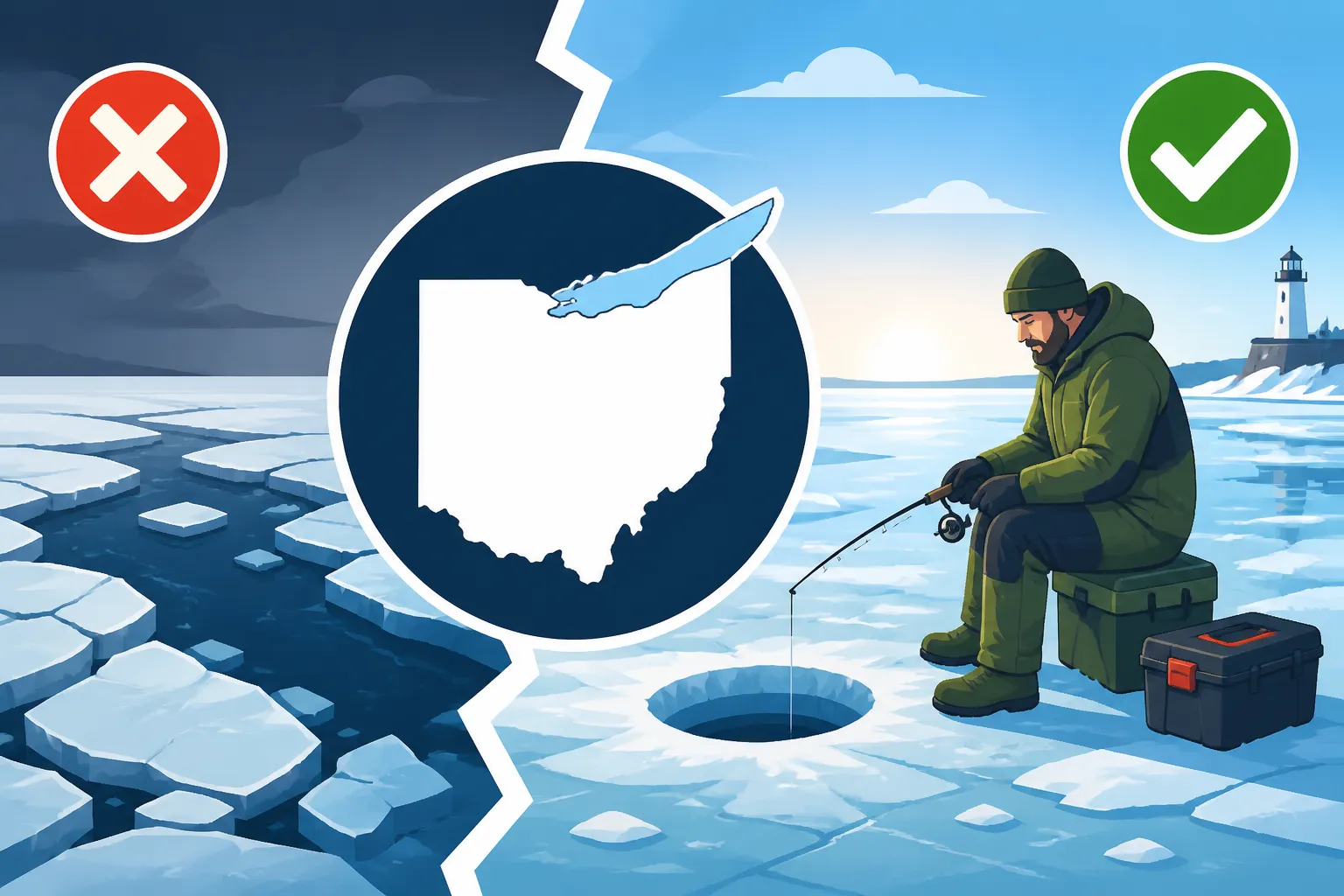
Is Lake Erie Safe for Ice Fishing?
The crisp, cold beauty of a frozen Lake Erie calls to many intrepid anglers, promising legendary catches of walleye and yellow perch. Yet, the sheer size and dynamic nature of the lake often leave anglers wondering: is ice fishing on Lake Erie truly safe? This guide aims to peel back the layers of uncertainty, offering a realistic look at the unique challenges and essential precautions required to enjoy Ohio's largest winter fishery responsibly.
The Allure and Peril of Lake Erie Ice Fishing
There’s nothing quite like the experience of being out on a frozen Lake Erie, surrounded by a vast expanse of white, with the quiet hum of ice and the thrill of potential trophy fish beneath your feet. It’s a truly unique Ohio fishing experience, but one that comes with inherent risks that must be respected.
Why Lake Erie Draws Ice Anglers
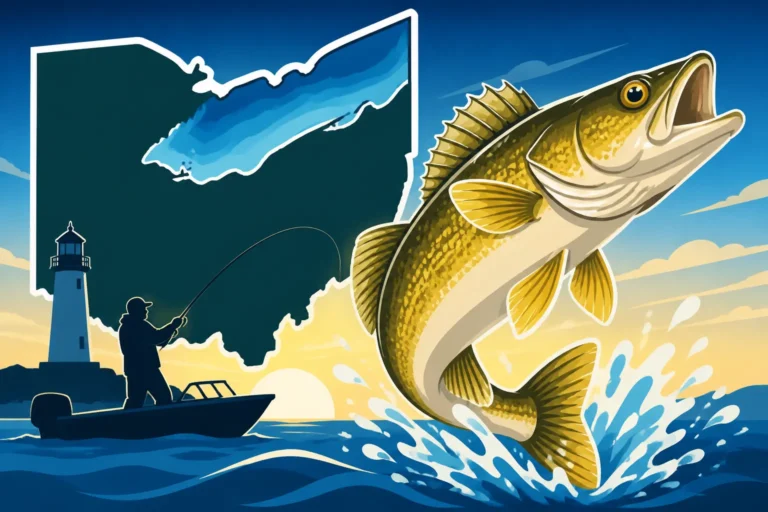
For those who brave the winter chill, Lake Erie offers unparalleled opportunities. The lake is renowned as the "Walleye Capital of the World" for a reason, and that doesn't stop when the temperatures drop. Anglers frequently pull out impressive numbers and sizes of walleye, often much larger than those found in smaller inland lakes. Beyond walleye, the yellow perch fishing can be absolutely phenomenal, with jumbos often biting aggressively through the ice. The sheer potential for a memorable catch, combined with the camaraderie of fellow anglers on the ice, makes it a powerful draw. Many dream of catching a trophy walleye through the ice, and Lake Erie is undeniably one of the best places in the world to make that dream a reality.
Understanding Lake Erie's Unique Challenges
However, Lake Erie is not your typical small, sheltered inland lake. Its vastness, exposure to unpredictable weather, and powerful currents make it a far more complex and potentially dangerous environment for ice fishing. Unlike a cozy local pond where ice conditions might be relatively uniform, Lake Erie is a dynamic beast. Strong winds can create pressure ridges, open leads (large cracks of open water), and thin ice patches that appear suddenly and without warning. The lake's substantial depth variations and constant water movement, especially near river mouths and channels, mean that ice can be thick in one spot and dangerously thin just a few feet away. This isn't just a matter of checking ice thickness in one place; it's about constantly re-evaluating your surroundings. It's easy to get complacent on a familiar small lake, but Lake Erie demands constant vigilance.
Crucial Factors for Ice Safety on Lake Erie
Staying safe on Lake Erie's ice boils down to a blend of accurate information, constant observation, and unwavering caution. You can't just assume anything; every trip, every spot, needs a fresh assessment.
Ice Thickness: The Golden Rule and its Nuances
The most common safety advice for ice fishing revolves around ice thickness, and for good reason. The general rule of thumb from the Ohio Department of Natural Resources (ODNR) for safe ice is typically:
- 2 inches or less: STAY OFF! Absolutely no activity.
- 4 inches: Suitable for ice fishing on foot.
- 5-7 inches: Supports a snowmobile or ATV.
- 8-12 inches: Can hold a small car or light truck.
- 12-15 inches: Capable of supporting a medium truck.
However, on Lake Erie, these numbers come with significant caveats. Four inches of clear, solid, black ice might be safe in a sheltered bay, but four inches of cloudy, slushy, or refrozen ice in an exposed area with strong currents is an entirely different story. The ice on Lake Erie is rarely uniform. You might find several feet of solid ice in one area, only to encounter a dangerously thin patch just a short distance away due to currents, pressure ridges, or underwater springs. This means constant drilling and checking as you move, rather than just relying on a single spot check. For more detailed information, check out our guide on How Thick Ice Should Be Before Fishing in Ohio.
Monitoring Weather and Ice Conditions Constantly
Lake Erie's weather is notoriously fickle, especially in winter. A calm morning can quickly turn into a treacherous afternoon with high winds. High winds are the ice angler's arch-nemesis, as they can rapidly break up ice sheets, especially thinner sections or those near open water. They can also push large sheets of ice many miles offshore, stranding anglers. Always check the forecast religiously – not just for air temperature, but for wind speed and direction. Pay attention to sudden drops in temperature that can cause ice to contract and crack, or warm spells that can rapidly deteriorate its strength. Local conditions can vary wildly from official forecasts, so local knowledge is paramount.
The Peril of Pressure Ridges and Cracks
Pressure ridges are perhaps the biggest non-weather related threat on Lake Erie. These occur when large ice sheets collide, often due to wind or current, causing the ice to buckle and stack up. They look like jagged, uneven lines of piled-up ice. While they might seem like solid ground, the ice immediately adjacent to a pressure ridge can be extremely thin, unstable, or even open water, as the force of the collision creates weak spots. Never attempt to cross a pressure ridge without thoroughly checking the ice on both sides and assessing the stability of the ridge itself. Similarly, large cracks, or "leads," can open up unexpectedly, especially after strong winds or temperature changes, leaving anglers stranded on a detached ice floe. These phenomena are far more common and dangerous on large bodies of water like Lake Erie compared to smaller, more protected lakes.
Essential Safety Gear and Practices for Lake Erie Ice
While understanding the dangers is step one, preparing yourself with the right gear and adopting smart practices is what will truly keep you safe on Lake Erie’s ice.
Must-Have Safety Equipment
When venturing onto Lake Erie's ice, your gear list should prioritize safety above all else. This isn't the time to skimp.
- Ice Picks: These are non-negotiable. Worn around your neck, they are your primary self-rescue tool if you fall through. They allow you to get a grip on the ice and pull yourself out.
- Spud Bar: A heavy metal bar with a chisel-like end, used to test ice thickness as you walk. It’s crucial for identifying weak spots before you step on them. Strike the ice firmly ahead of you; if it chips easily, turn back.
- Flotation Suit or PFD (Personal Flotation Device): A specialized ice fishing suit designed to provide buoyancy and insulation if you go into the water. Even if you're a strong swimmer, the shock of cold water can incapacitate you quickly. A PFD worn under your regular winter gear is a good alternative.
- Rope: At least 50 feet of sturdy rope with a throwable float bag can be a lifeline for rescuing a partner.
- GPS and Compass: Crucial for navigation, especially if fog or whiteouts roll in, which can disorient you rapidly on a featureless expanse of ice. Mark your entry and exit points.
- Fully Charged Cell Phone: Stored in a waterproof bag or case.
- Whistle: To alert others if you're in distress.
- First-Aid Kit: For minor injuries.
- Extra Layers of Warm, Dry Clothing: In a waterproof bag.
- Headlamp/Flashlight: Even in daylight, conditions can change, and you might be out longer than expected.
- Shovel: To create windbreaks or to free stuck equipment.
Remember, having the gear is one thing; knowing how to use it is another. Practice with your ice picks and learn basic self-rescue techniques. Our Ohio Ice Fishing Guide offers more insights into essential equipment.
Never Go Alone and Share Your Plans
This is perhaps the simplest yet most vital rule for Lake Erie ice fishing: never go out by yourself. The buddy system is essential. If one person falls through, the other can assist in rescue or call for help. Beyond having a companion, always tell someone trustworthy on shore your exact plans – where you're going, your expected return time, and who you're with. If something goes wrong, rescuers will know where to start looking. This simple act can drastically reduce search and rescue times if an emergency occurs.
Navigating the Ice and Knowing When to Turn Back
When you're on the ice, be a detective. Look for signs of trouble:
- Ice Color: Clear blue or black ice is generally the strongest. White or opaque ice (snow ice) is weaker, as are gray areas which indicate water saturation or melting.
- Sounds: Listen for cracks, groans, or popping sounds. While some ice noise is normal, sudden loud cracks or a continuous "booming" sound can indicate instability.
- Visibility: If a fog bank is rolling in, or snow is reducing visibility, it’s time to head back. Getting lost on Lake Erie's vast ice sheet is a serious threat.
- Trust Your Gut: If something feels off, or if conditions rapidly change, don't hesitate. Pack up and leave. No fish is worth risking your life. Anglers often face the frustration of having to cut a productive day short, but it's a frustration far preferable to a rescue scenario.
Official Resources and Local Expertise
In an environment as dynamic as Lake Erie, relying solely on your own observations isn't enough. Tapping into official channels and local knowledge is paramount for making informed safety decisions.
Ohio DNR Warnings and Advisories
The Ohio Department of Natural Resources (ODNR) is your official source for ice conditions and safety warnings. They monitor the larger lakes and often issue advisories, especially after significant weather events or when ice conditions are particularly precarious. Keep an eye on their official website and social media channels. While they can't report on every single square foot of ice, their broader warnings about overall lake conditions, strong currents, or unsafe ice formations are critical to heed. They also provide valuable resources like the official Ohio Fishing Regulations Every Angler Should Know which details general rules for all Ohio waters, including ice fishing rules.
Local Bait Shops and Guides: Your Best Friends
Without a doubt, local bait and tackle shops along Lake Erie's coastline – think places in Port Clinton, Sandusky, or Ashtabula – are absolute goldmines of real-time, hyper-local ice condition information. These folks are talking to anglers coming off the ice all day long, hearing firsthand reports of good ice, bad ice, pressure ridges, and open leads. They often have whiteboards with daily updates or social media pages where they share crowd-sourced information.
Furthermore, if you're new to Lake Erie ice fishing, or simply want to maximize your safety, consider hiring a local ice fishing guide. They spend every day out on the ice and have an intimate understanding of its ever-changing moods. They know where the currents are, where pressure ridges typically form, and where the safest access points are. They also usually provide specialized equipment, like portable shanties and flasher units, which can enhance your experience. You can often find reputable guides through platforms like FishingBooker, which lists experienced captains and guides operating on Lake Erie. Booking a trip with an experienced guide can not only put you on fish like walleye or yellow perch, but also teach you invaluable safety lessons specific to this huge body of water. Check out our guide on Ice Fishing Guide Services in Ohio for more details.
The Role of Technology: Apps and GPS
Modern technology has become a powerful ally for ice anglers. GPS devices, whether standalone units or smartphone apps, are essential for marking safe travel routes, identifying hazards, and finding your way back in a whiteout. Many apps offer satellite imagery which can sometimes reveal large cracks or open water. Weather apps that provide real-time wind speed, direction, and radar can help you anticipate dangerous conditions. There are also community-driven ice fishing forums and social media groups where anglers share real-time updates on ice conditions, fishing reports, and safety alerts. While these aren't official sources, they can provide a good pulse on what's happening on the ice right now. However, always cross-reference this information with official sources and your own observations, and never rely solely on a single app or forum post.
What to Do in an Emergency
Even with the best preparation and precautions, accidents can happen. Knowing what to do in an emergency can mean the difference between life and death.
Self-Rescue Techniques
If you do fall through the ice, staying calm is your absolute first priority. The initial shock of the cold water can be overwhelming, but panicking will only make things worse.
- Don't Dive Down: Avoid instinctively pushing off the bottom, as you may become disoriented under the ice.
- Turn Towards the Way You Came: This is usually where the ice is strongest.
- Use Your Ice Picks: Dig them into the ice and pull yourself forward, kicking your feet vigorously to help propel you onto the ice. If you don't have picks, try to break the ice edge until it's strong enough to support you.
- Crawl Out: Once you're out, don't stand up. Crawl or roll away from the hole, spreading your weight as much as possible, until you're on solid, stable ice.
- Seek Shelter and Warmth Immediately: Get to a shanty or vehicle, remove wet clothing, and get into dry layers. Hypothermia sets in quickly.
Assisting Others and Calling for Help
If a companion falls through, remember the mantra: "Reach, Throw, Go."
- Reach: If you can safely reach them from solid ice using a long branch, a fishing rod, or anything else, do so while lying flat to distribute your weight.
- Throw: If reaching isn't safe, throw them a rope, a spare PFD, or a life ring. Again, lie flat on the ice.
- Go: Only as a last resort, if you have no other option and are certain of your own safety, should you attempt to crawl towards them, still lying flat and bringing something for them to grab onto. Never rush directly to the hole while standing upright.
Once the person is out, get them to warmth immediately. Call 911 or the Coast Guard (if on Lake Erie proper) as soon as possible. Even if the person seems okay, they need medical evaluation for hypothermia. Always err on the side of caution.
Here’s a quick overview of ice thickness guidelines, keeping Lake Erie’s specific challenges in mind:
| Ice Thickness (Clear, Solid Ice) | General Recommendation (Inland Lakes) | Lake Erie Specific Considerations |
|---|---|---|
| Facing the unpredictable conditions of a frozen Lake Erie for your winter fishing isn't just about bundling up; it's about navigating some of Ohio's most dynamic and potentially dangerous ice. Many anglers are drawn to the promise of huge walleye and abundant perch, but they rightly question whether the thrill is worth the risk. This comprehensive guide will equip you with the crucial knowledge, safety protocols, and real-time strategies needed to approach Lake Erie ice fishing with confidence and caution, making your pursuit both rewarding and safe. |
Understanding Lake Erie's Ice: A Unique Challenge
Unlike small inland lakes or ponds where ice forms relatively uniformly and stays put, Lake Erie is a vast, active body of water. Its sheer size, exposure, and constant movement mean that ice conditions can be incredibly variable and change rapidly, sometimes within hours. This makes "Is Lake Erie safe for ice fishing?" a question with a far more nuanced answer than you might get for a smaller, more sheltered body of water.
Why Lake Erie's Ice Is Different
Imagine trying to freeze a swimming pool versus trying to freeze an ocean. Lake Erie isn't an ocean, but it's massive enough to behave very differently from your average 100-acre reservoir. Its immense surface area means it's constantly exposed to wind, which is the primary driver of ice movement and instability. Even when air temperatures are well below freezing, sustained high winds can fracture vast sheets of ice, creating open water leads or stacking ice into dangerous pressure ridges.
Furthermore, the lake's depth varies dramatically, from shallow western basin areas ideal for perch and walleye to deeper central and eastern basins. This impacts how quickly and uniformly ice forms. Shallower areas tend to freeze first and hold ice better, but they are still susceptible to break-offs. The constant currents, particularly near river mouths like the Maumee River or Sandusky River, and around islands, can thin ice from below or prevent it from forming solidly in the first place. This means that even if a large area appears frozen, hidden currents could be eroding the ice underneath.
The Dynamics of Ice Formation and Deterioration
Ice formation on Lake Erie isn't a linear process; it's a constant battle against external forces. It typically begins in the shallower western basin, which is less deep and more protected. However, even here, a warm spell or a strong gale can quickly melt, fracture, and move substantial ice sheets. Deterioration happens from both above (sun, warm air, rain) and below (currents, warmer water upwellings). One of the most frustrating things for anglers is seeing seemingly good ice only to find it's "rotten" or honeycombed from a previous warm spell, offering no structural integrity despite its thickness. This is why visual inspection and constant testing are far more important than just knowing the air temperature or a generalized forecast. It's a testament to the lake's power that even in the dead of winter, its ice can be notoriously unreliable.
Essential Safety Protocols Before You Step on the Ice
Preparation is not just key; it's non-negotiable when it comes to Lake Erie ice. The information you gather before even leaving your house can literally save your life.
The Absolute Importance of Real-Time Ice Reports
Forget what the ice was like yesterday, or even this morning. On Lake Erie, conditions can change hourly. That's why relying on real-time ice reports is paramount.
- Local Bait Shops and Marinas: These are your absolute best friends. Places like Wild Wings Bait and Tackle in Port Clinton or Fisherman's Wharf in Sandusky are often buzzing with the latest on-ice intel. They get reports directly from anglers coming off the ice, guides who are out daily, and sometimes even have webcams or dedicated phone lines for ice updates. They can tell you about specific pressure ridges that have formed, areas of open water, or sudden thinning. If you're planning a trip, call them the day before and the morning of. Their knowledge is truly hyper-local and invaluable.
- Ohio Department of Natural Resources (ODNR): While less frequent with specific spot reports, the ODNR often issues broader warnings and advisories regarding overall lake conditions, particularly after major weather events or when large-scale ice movements are anticipated. Their general guidance on Ohio Winter Fishing and Ice Safety is always a good starting point for understanding universal safety principles.
- Online Forums and Social Media Groups: Many dedicated Lake Erie ice fishing groups exist where anglers share recent observations, photos, and warnings. These can be a great supplement but should always be cross-referenced with more reliable sources and your own on-site observations. Be wary of outdated posts or anecdotal evidence from unfamiliar sources.
Monitoring Weather, Wind, and Water Temperatures
It's not just about how cold it is outside. Several weather factors directly impact ice safety.
- Wind Speed and Direction: This is arguably the biggest factor on Lake Erie. Winds over 10-15 mph can start to move large ice sheets, especially if there are existing cracks or thinner sections. Prolonged strong winds (20+ mph) are extremely dangerous as they can push ice miles offshore in a matter of hours, trapping anyone on it. Always check wind forecasts, and be aware that lake-effect winds can be much stronger than inland forecasts suggest.
- Air Temperature Fluctuations: Sustained freezing temperatures (below 20°F) for several days are needed for solid ice formation. However, a sudden warm-up (above freezing for more than a day or two) will rapidly degrade ice quality, turning solid ice into slush or "rotten" ice.
- Snowfall: While beautiful, a fresh blanket of snow can act as an insulator, slowing down ice growth. More dangerously, it can hide thin spots, open leads, or pressure ridges, making navigation treacherous. It can also create slush pockets where snow mixes with water on top of the ice.
- Water Temperature and Currents: These are harder to monitor directly but are crucial. River mouths like the Maumee River can bring warmer, moving water into the lake, creating dangerous currents and thin ice even amidst solid surrounding ice. Always assume active currents near inlets and outlets. Knowing the average lake temperature can give you a clue about how quickly ice is forming or melting.
On-Ice Safety: Gear, Companionship, and Constant Vigilance
Once you've done your homework and deemed it reasonably safe to access the ice, your on-ice practices and gear become your frontline defense.
Non-Negotiable Safety Equipment
You should never step foot on Lake Erie's ice without these items:
- Ice Spud Bar: This is your primary tool for testing ice. Every few steps, give the ice a solid whack ahead of you. If it breaks in one or two hits, you're on dangerously thin ice. If it takes several forceful hits, it's likely safer. This is how you confirm that 4-inch minimum for foot travel is truly present.
- Ice Picks (Ice Claws): Worn around your neck and easily accessible, these are for self-rescue. If you go through, you can use them to grip the ice and pull yourself out. They are incredibly simple but incredibly effective.
- Personal Flotation Device (PFD) or Flotation Suit: A PFD should be worn over all your layers, not under them, so it can provide immediate buoyancy. Flotation suits are specialized ice fishing suits designed to keep you afloat and provide thermal protection if you go into the water. The shock of cold water can be debilitating, even for strong swimmers, so buoyancy is critical.
- Throw Rope or Lifeline: A minimum of 50 feet of buoyant rope, ideally in a throw bag, allows you to rescue a partner from a safe distance without putting yourself at risk.
- GPS Unit with Waypoints: On a vast, featureless expanse of ice, it's incredibly easy to get disoriented, especially in fog or a whiteout. Mark your entry point and any known hazards. A marine GPS or a reliable smartphone app with offline maps and GPS capabilities is crucial. This is especially true if you're exploring areas for walleye or yellow perch that are further offshore.
- Fully Charged Cell Phone (Waterproofed): For emergencies. Store it in a waterproof case or Ziploc bag.
- Headlamp/Flashlight: Even if you plan to be back before dark, conditions can change, or you might get delayed.
- Whistle: To signal for help if you're unable to shout.
- First Aid Kit: For minor injuries.
- Extra Layers of Dry Clothing: Stored in a waterproof bag.
Remember to also carry your Ohio Fishing License Guide for Residents and Nonresidents and know the Lake Erie Fishing Regulations in Ohio for the species you are targeting.
The Buddy System and Communication
Never, ever ice fish alone on Lake Erie. The buddy system isn't just a suggestion; it's a safety imperative. If one person falls through or gets into trouble, the other can assist or call for help. Beyond having a partner, it's crucial to inform someone on shore of your exact plans: where you're going, your expected return time, and who you're with. If you don't check in, they know when and where to start a search. Communication on the ice is also vital; keep an eye on your partners, regularly check in, and stay within a reasonable distance of each other.
Navigating the Ice with Caution
Every step on Lake Erie's ice should be taken with awareness.
- Constant Testing: As mentioned, use your spud bar to test the ice ahead of you. Don't just walk to a spot and drill one hole; test as you travel.
- Observe Ice Color and Texture: Dark, clear ice is generally the strongest. Milky or opaque ice is weaker, and gray ice indicates water saturation and extreme weakness. Avoid any ice that looks slushy, honeycombed, or has open cracks.
- Identify and Avoid Pressure Ridges: These are lines of jagged, piled-up ice where two ice sheets have collided. They are inherently unstable and can have dangerously thin ice or open water immediately adjacent to them. Never assume they are safe to cross.
- Beware of Open Leads: These are large cracks or channels of open water that can form suddenly, especially after strong winds. They can appear out of nowhere and leave you stranded on a detached floe.
- Fog and Whiteouts: Lake Erie is notorious for sudden fog and whiteout conditions, especially with blowing snow. These can reduce visibility to mere feet, making navigation impossible without GPS. If conditions worsen, turn back immediately.
- Know When to Retreat: The most important safety rule is knowing when to call it a day. If the wind picks up suddenly, a fog bank rolls in, or you encounter questionable ice, pack up and head for shore. No fish, no matter how big a walleye or jumbo perch, is worth risking your life.
Seeking Professional Guidance and Knowing Lake Erie's Hotspots
For those who are serious about ice fishing Lake Erie safely and successfully, professional guidance and knowledge of specific areas can make a world of difference.
The Value of Experienced Ice Fishing Guides
If you're new to Lake Erie ice fishing, or even an experienced angler from smaller lakes, hiring a reputable ice fishing guide is one of the best investments you can make. Guides, often found on platforms like FishingBooker, specialize in navigating the complexities of Lake Erie's winter environment. They have:
- Up-to-the-minute Ice Knowledge: Guides are on the ice daily and have the most current information on safe travel routes, pressure ridge locations, and areas of concern. They know exactly where the safe ice is for the best Ohio Walleye Fishing Guide or Ohio Yellow Perch Fishing Guide opportunities.
- Safety Equipment and Expertise: They come equipped with all necessary safety gear, often including portable ice shanties, heaters, and communications equipment, and they know exactly how to use it.
- Fishing Expertise: Beyond safety, they know where the fish are biting, saving you countless hours of drilling and searching. This means more time catching rather than just staying safe.
- Learning Opportunity: A guided trip is an excellent way to learn safe ice fishing practices specific to Lake Erie, giving you the confidence and knowledge to potentially venture out more independently in the future.
When looking for a guide, check reviews, ask about their experience on Lake Erie's ice, and inquire about their safety protocols. Our guide on Choosing an Ohio Fishing Charter also has relevant advice for selecting reputable services.
Understanding Lake Erie's Prime Ice Fishing Areas
While ice conditions are dynamic, some areas of Lake Erie are generally more conducive to safe ice formation and better fishing opportunities due to their shallower depths and more sheltered nature.
- Western Basin (especially west of Port Clinton): This region, including areas around Catawba Island, Marblehead, and near the Maumee Bay, typically freezes first and holds ice better due to its shallower average depth (around 25-30 feet). It's a prime area for walleye and yellow perch. However, proximity to the Maumee River and its currents still demands caution.
- Sandusky Bay: This large, relatively shallow bay often freezes solid earlier than the main lake and can be a fantastic spot for yellow perch and some walleye. Its more sheltered nature makes it less susceptible to large-scale ice movements, but currents from rivers entering the bay can still create thin spots.
- Nearshore areas of the Central Basin: While the central basin is generally deeper, some nearshore areas, particularly around Cleveland or Ashtabula, can offer ice fishing opportunities, especially for yellow perch. However, these areas are more exposed to the open lake and should be approached with extreme caution, and usually only after prolonged cold spells have established thick, stable ice.
Even in these "prime" areas, never let your guard down. Ice is never 100% safe, and Lake Erie demands respect at all times. Always consult local bait shops and guides for the most current information before heading out. The excitement of catching huge walleye or filling a bucket with jumbo yellow perch is unmatched, but it needs to be tempered with serious safety considerations.
Disclaimer
The information provided in this guide is for informational purposes only and is not a substitute for professional advice, official regulations, or personal judgment. Ice conditions are highly variable and can change rapidly. Always exercise extreme caution, follow all local regulations, and prioritize your safety above all else when venturing onto ice. The author and publisher are not responsible for any accidents, injuries, or losses incurred while ice fishing.