Best Lures for Ohio Fishing
Ohio's diverse waters offer an incredible fishing experience, but let's be honest, standing in front of an overflowing tackle box, or staring at rows of lures in a sporting goods store, can feel overwhelming. Choosing the right lure can be the difference between a memorable day of bending rods and a frustrating, fishless outing. This comprehensive guide is here to cut through the noise, helping you understand the best lures for Ohio fishing, tailored to specific species, waters, and conditions, so you can spend less time guessing and more time catching.
Understanding Ohio's Diverse Waters and Target Species
Before we even begin talking about specific lures, it’s crucial to understand that Ohio isn’t just one big fishing hole. We have an incredible variety of aquatic environments, each with its own unique characteristics and, consequently, its own best practices for lure selection. What works wonders on the vast expanse of Lake Erie might be completely ineffective in a small, brush-choked inland pond. Knowing your battleground is half the fight.
Lake Erie's Big Water Challenges
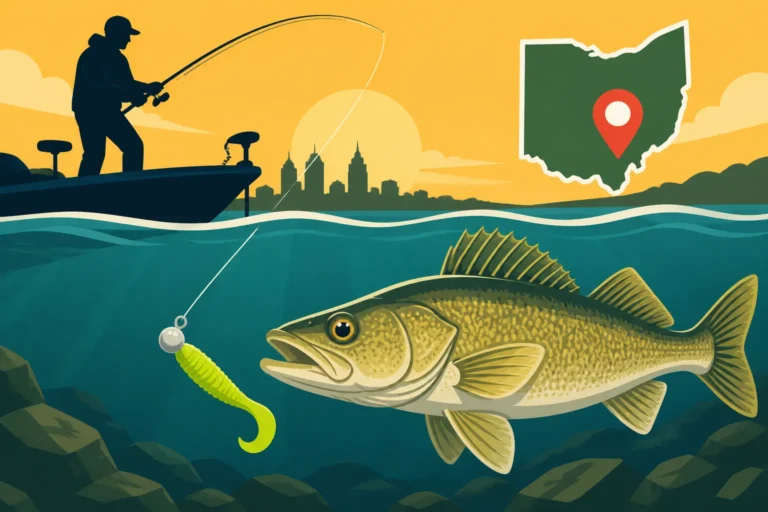
Ah, Lake Erie – often called the "Walleye Capital of the World" for a reason! This Great Lake is a massive fishery, but its sheer size and dynamic conditions present unique challenges. Anglers often break it down into the Western Basin, known for its shallower, warmer waters and prolific walleye hatches, and the Central Basin, which is deeper and cooler, demanding different tactics. The wind, waves, and current can change rapidly, impacting fish behavior and lure presentation.
When you're out on Erie, you're primarily chasing walleye, but yellow perch and smallmouth bass are also huge draws. For walleye, the name of the game is often covering water, which typically means trolling or drift fishing. Perch, on the other hand, are often found in schools closer to the bottom, sometimes requiring a more stationary approach. Smallmouth bass love rocky structures and can be found in shallower nearshore areas or around the islands. The sheer abundance of forage fish like gizzard shad and emerald shiners also plays a massive role in what lures mimic natural food sources. Understanding the nuances of Lake Erie fishing regulations in Ohio is also paramount for a successful trip.
Inland Lakes and Reservoirs: Diverse Habitats
Away from the big lake, Ohio boasts hundreds of inland lakes and reservoirs, each with its own personality. From the massive Hoover Reservoir near Columbus to the smaller, more intimate Mogadore Reservoir, these waters can range from deep, clear quarries to shallow, fertile impoundments. Their habitats vary wildly, including submerged timber, weed beds, rock piles, open water, and vast mud flats. This diversity means a one-size-fits-all approach to lures simply won't cut it.
These inland waters are prime territory for largemouth bass, smallmouth bass (especially in clearer, rockier reservoirs), crappie, bluegill, saugeye, and muskie. Largemouth bass will often hug cover like lily pads, fallen trees, or dock pilings, while smallmouth prefer rocky points and deeper humps. Crappie and bluegill tend to school around submerged brush, docks, or weed edges. Saugeye, a hybrid of walleye and sauger, often behave similarly to walleye, holding on breaks and deeper flats. Then there's the elusive muskie, the fish of a thousand casts, which demands specialized, oversized offerings. Navigating the depths and structures of these varied lakes requires a flexible lure strategy.
Rivers and Streams: Current and Cover
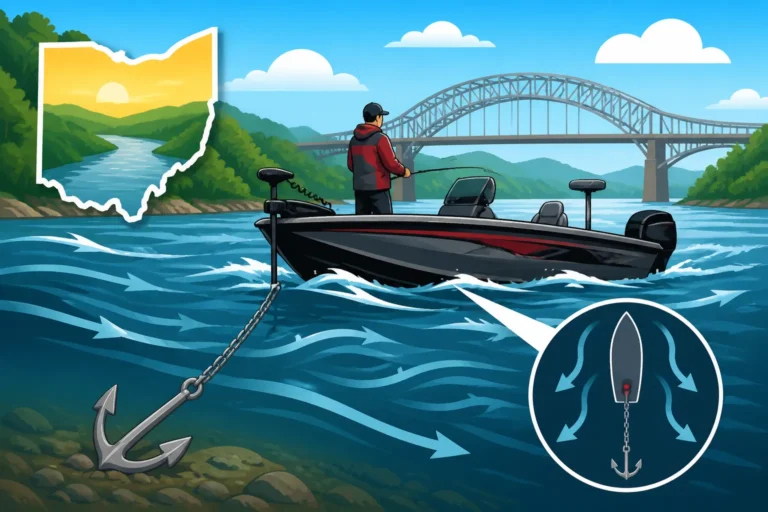
Ohio's network of rivers and streams, from the steelhead-rich tributaries flowing into Lake Erie to the sprawling Ohio River, offers a different kind of fishing challenge. Current is the defining factor here, influencing how fish position themselves and how lures need to be presented. Fish in rivers often hold in eddies, behind current breaks like boulders or logjams, or in deeper pools, expending minimal energy while waiting for food to drift by.
These moving waters are fantastic for steelhead (seasonal), smallmouth bass, rock bass, and a variety of catfish species. Steelhead are often targeted with egg imitations, small jigs, or drifting baits, mimicking their natural food sources during their spawning runs. Smallmouth bass in rivers are aggressive predators, hitting a wide range of lures that can be worked through the current. Catfish, while often caught on natural baits, can also be enticed by jigs or scented soft plastics presented on the bottom. Understanding how to read the water – identifying seams, eddies, and riffles – is just as important as choosing the right lure when fishing these flowing environments.
Top Lures for Walleye in Ohio
Walleye are undoubtedly one of Ohio's most sought-after game fish, especially on Lake Erie. Their elusive nature and delectable taste make them a prime target for many anglers. Successfully catching walleye often comes down to presenting the right lure at the right depth and speed.
Crankbaits for Trolling and Casting
Crankbaits are arguably the most iconic walleye lures, especially when fishing Lake Erie. These hard-bodied lures come in countless shapes, sizes, and colors, each designed to dive to a specific depth and exhibit a unique wobbling or rattling action. For trolling, which is a staple on Lake Erie, deep-diving crankbaits are critical for reaching walleye holding in the water column, sometimes 20 to 50 feet down, depending on the season and specific location. Brands like Bandit, Rapala Deep Husky Jerks, and Reef Runner are household names among Lake Erie walleye anglers, with specific color patterns often becoming "hot" for a given season or water clarity.
When selecting crankbaits for trolling, consider the dive curve of the lure and how it interacts with your line diameter and trolling speed. Lighter lines and faster speeds will generally allow a lure to dive deeper. Different colors perform better in varying conditions; brighter, more fluorescent colors like chartreuse, orange, and firetiger tend to excel in stained or overcast conditions, while more natural patterns like perch, shad, or smelt often work best in clear water and bright sun. For casting, shallow-running crankbaits or suspending jerkbaits can be deadly when walleye are actively feeding in shallower areas, particularly during low light conditions or over reefs. The key is to match the lure's profile and action to the prevalent forage fish and present it at the depth where the walleye are holding, often revealed by your Reading Ohio Fish Finders and Electronics.
Spinner Rigs and Crawler Harnesses
When walleye are scattered or finicky, particularly in the warmer months on Lake Erie and many inland reservoirs, spinner rigs and crawler harnesses are unbeatable. These setups combine the flash and vibration of a spinning blade with the irresistible scent and natural action of live bait, typically a nightcrawler. The rig itself consists of a leader with one or more hooks, beads, and a spinner blade, often pulled behind a bottom bouncer or an in-line weight to get it down to the fish.
The beauty of a crawler harness is its versatility. You can vary blade types (Colorado, Indiana, Willowleaf), colors, and sizes to fine-tune your presentation. Colorado blades produce a strong vibration and work well in stained water, while Willowleaf blades offer more flash and are great for clearer water and faster retrieves. Many anglers on Lake Erie will run multiple rods with different blade colors and styles until they figure out what the walleye are keying in on. The beads between the blade and the hooks serve to create more attraction and protect the knot. The natural movement of a juicy nightcrawler, combined with the visual and vibrational appeal of the spinner, makes this a deadly combination for actively feeding walleye, especially when they are spread out along the bottom or suspended just above it. For a deeper dive into techniques, check out Best Ohio Walleye Fishing Techniques.
Jigs for Vertical Presentation
Jigs are a cornerstone of walleye fishing, especially when fish are concentrated in specific areas, holding tight to structure, or are less active in colder water. The beauty of a jig is its ability to be presented vertically, making it effective for targeting fish marked on your electronics directly beneath the boat. Common jig types include lead-head jigs dressed with soft plastics, hair jigs, blade baits, and jigging spoons.
Soft plastic paddletails, grubs, or minnow imitations on a jig head can be incredibly effective when slowly hopped or dragged along the bottom or subtly lifted and dropped for suspended fish. Blade baits, like the Heddon Sonar or Vibrato, are fantastic for vertical jigging, especially in colder water; their rapid vibration on the lift can trigger powerful strikes. Jigging spoons, such as the Little Cleo or a Kastmaster, offer a different flutter and flash as they fall, mimicking injured baitfish. The key to jigging is often a subtle presentation – less is more. A slow, methodical lift and fall, with pauses, often coaxes a bite from even the most lethargic walleye. When the Ohio Fishing Season Dates and Effective Periods point to colder water, these vertical jigging presentations become absolutely critical.
Essential Lures for Ohio Bass (Largemouth & Smallmouth)
Ohio’s lakes, reservoirs, and rivers are home to vibrant populations of both largemouth and smallmouth bass. While they share the "bass" moniker, their habitat preferences and feeding behaviors often differ, necessitating a diverse tackle box. Understanding these differences and having the right lures on hand will drastically improve your success.
Soft Plastics: Versatility for All Conditions
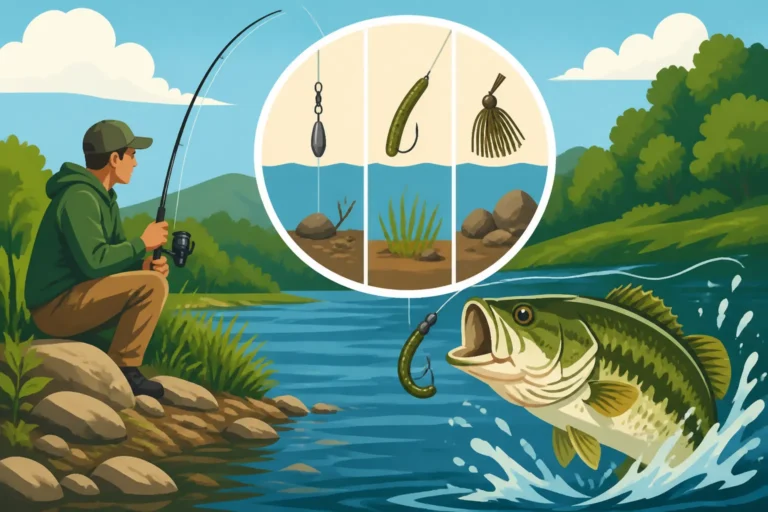
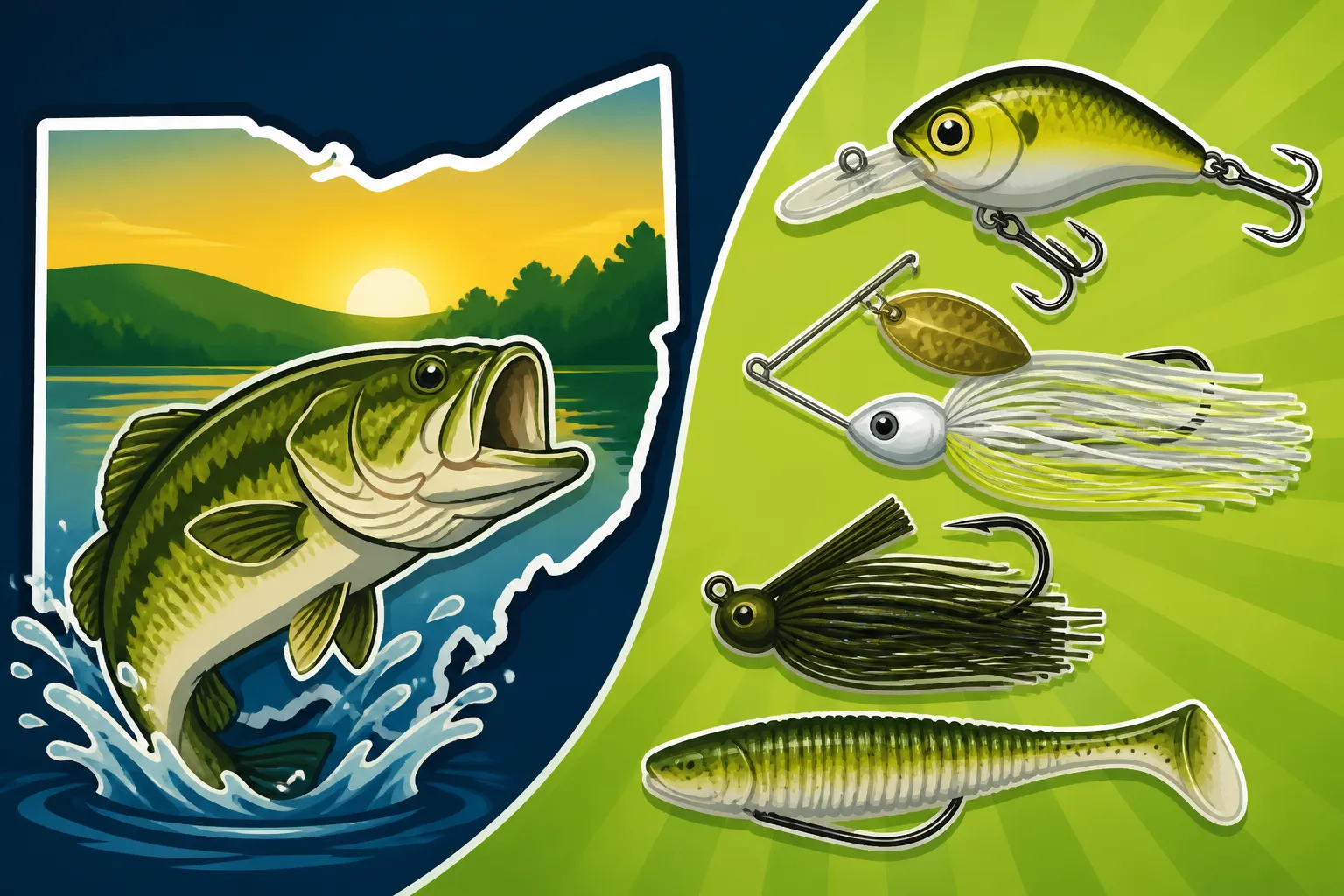
If there's one category of lures that epitomizes versatility for bass fishing, it's soft plastics. These pliable, lifelike baits can imitate everything from worms and crawfish to baitfish and leeches, and they can be rigged in countless ways to suit any condition or cover type. For largemouth bass, who love to hide in thick cover, the Texas rig is a go-to. A bullet weight, a worm hook, and a soft plastic worm or creature bait create a weedless presentation that can be pitched into dense vegetation, flipped under docks, or dragged along the bottom.
Smallmouth bass, often found in clearer water and around rocky structures, respond incredibly well to Ned rigs and drop shots. A Ned rig, consisting of a small mushroom-head jig and a short, buoyant soft plastic, stands up off the bottom, presenting a subtle, natural profile that smallmouth can't resist. Drop shots suspend a soft plastic worm or minnow imitation above a lead weight, keeping the bait right in the fish's strike zone, even when they're lethargic. For a comprehensive look at bass fishing, check out our Ohio Largemouth and Smallmouth Bass Limits and related guides. Wacky rigs, where a stick worm is hooked in the middle, offer a tantalizing slow fall that often provokes strikes from finicky bass. The array of colors, from natural greens and browns to vibrant blues and purples, allows anglers to "match the hatch" or stand out depending on water clarity and fish mood.
Crankbaits and Jerkbaits for Reaction Strikes
When bass are active and aggressive, or when you need to cover a lot of water quickly, crankbaits and jerkbaits are indispensable. Crankbaits are designed to dive and wobble, mimicking fleeing baitfish or crawfish. Squarebill crankbaits, with their blunt bills, are perfect for bouncing off shallow cover like stumps and rocks, often deflecting to trigger a reaction strike from largemouth. Deeper-diving crankbaits are essential for reaching bass holding on offshore humps, ledges, or points in reservoirs.
Jerkbaits, on the other hand, are designed to be fished with a "twitch, twitch, pause" retrieve, creating an erratic, dying baitfish action that drives both largemouth and smallmouth wild. Suspending jerkbaits are particularly effective in colder water, as they remain in the strike zone during the pause, giving sluggish bass ample time to commit. Brands like Rapala, Lucky Craft, and Megabass are popular choices, known for their realistic finishes and enticing actions. For aggressive smallmouth bass in clear waters, a jerkbait worked over rocky shoals can be absolutely deadly. The key is to experiment with your retrieve speed and the length of your pauses, letting the fish tell you what they prefer on any given day.
Topwater Lures for Exciting Blow-ups
There’s nothing quite like the explosive thrill of a bass blowing up on a topwater lure. These baits, designed to be fished exclusively on the surface, offer some of the most exciting fishing experiences, especially during low light conditions or over shallow, weedy areas. Poppers, with their cupped faces, create a "splish-splash" sound that mimics a struggling baitfish or insect. Walk-the-dog baits, like a Heddon Super Spook, glide side-to-side across the surface with a rhythmic retrieve, imitating a baitfish darting back and forth.
Frogs and toad imitations are fantastic for fishing heavy cover like lily pads, matted grass, or thick submerged weeds where other lures would snag. Their weedless design allows them to be worked directly over the densest cover, presenting a tempting meal to bass lurking below. The anticipation of a big bass suddenly erupting from the water to engulf your frog is truly electrifying. Topwater fishing is often best during the early morning, late evening, or on overcast days when bass are more willing to look up for their meal. For more on strategies, check out Best Ohio Bass Fishing Techniques.
Effective Lures for Ohio Panfish and Crappie
Panfish and crappie are the backbone of many family fishing trips and offer consistent action for anglers of all skill levels across Ohio. While they may not be the biggest fish, they are abundant and incredibly fun to catch, often providing excellent table fare. Targeting them effectively usually means scaling down your tackle and presenting lures with a more subtle approach.
Tiny Jigs and Soft Plastics
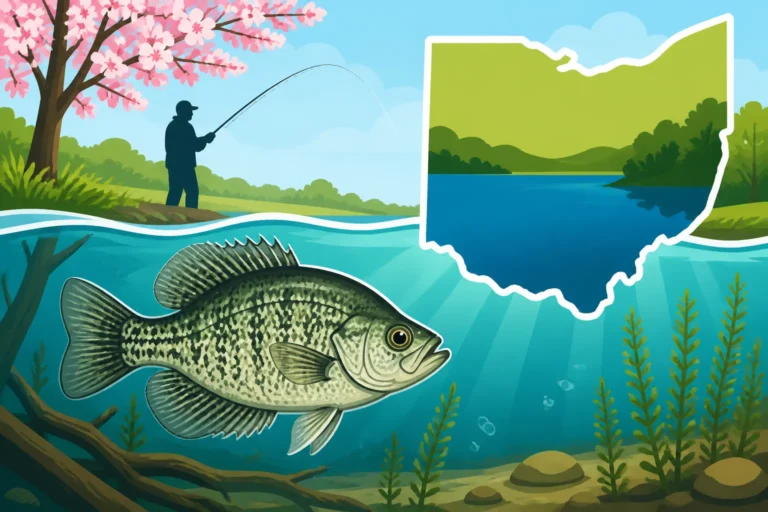
When it comes to crappie, bluegill, and other panfish, tiny jigs are absolute gold. These small, often brightly colored jig heads, ranging from 1/32 to 1/8 ounce, are typically paired with an equally small soft plastic body. Tube baits, small grubs with curly tails, or tiny minnow-imitating plastics are incredibly effective. The small profile and subtle action of these lures mimic the small insects, larvae, and fry that panfish frequently feed on.
Light tackle is key here – ultra-light spinning gear with 2-4 pound test line allows for delicate presentations and maximizes the fun of the fight. Different colors can be more effective on different days; chartreuse, white, and pink are perennial favorites, but don't shy away from natural colors like smoke or black, especially in clear water. Whether you’re casting them out and slowly retrieving, or vertically jigging them around submerged timber and brush piles (known crappie hotspots), these tiny jigs are hard to beat. You can often find a wide array of these specialized micro jigs on sites like Amazon.
Bobber and Jig Combinations
The classic bobber and jig setup is not only highly effective for panfish but also incredibly easy for beginners and kids, making it a staple for family fishing outings in Ohio's many public lakes and ponds. This rig allows you to present a small jig or bait at a precise depth, keeping it suspended in the strike zone where crappie or bluegill are holding. The bobber serves as a visual strike indicator, dancing or disappearing when a fish bites.
To set up, simply tie a small jig (often a lead head with a chenille body or a small soft plastic grub) to your line, then attach a bobber a set distance above it. The depth is crucial – start by setting the bobber so the jig hangs a few feet deep, then adjust as needed. If you see fish on your fish finder, set the bobber to put your lure just above them. Small live baits like minnows (for crappie) or waxworms/maggots (for bluegill) can also be hooked directly to a small, plain hook and suspended under a bobber for added attraction. This method is particularly effective around docks, weed edges, or brush piles, offering a simple yet deadly way to fill a cooler with panfish. Learn more about Ohio Crappie Daily Limit and how to target these delicious fish.
Spinnerbaits and Spoons for Aggressive Panfish
While tiny jigs are fantastic for finesse presentations, sometimes panfish, especially larger crappie and white bass, will respond aggressively to more active lures. Small inline spinnerbaits, like those from Mepps or Panther Martin, provide flash and vibration that can trigger reaction strikes. The rotating blade, often paired with a small feathered or bucktail body, mimics baitfish or larger insects.
Similarly, tiny spoons, like the Acme Little Cleo in smaller sizes, can be deadly for active panfish. When cast and retrieved with an erratic stop-and-go action, they flutter and flash like injured baitfish. These lures are particularly effective when panfish are actively chasing bait in open water or when you're targeting larger, more aggressive specimens. They allow you to cover more water than a small jig, making them excellent search baits when you're trying to locate schools of feeding fish. Experiment with retrieve speeds and pauses to find the cadence that the fish prefer on any given day.
Specialized Lures for Ohio's Trophy Fish
Ohio is home to several species that anglers consider "trophy fish" due to their size, fighting prowess, or elusive nature. Targeting these magnificent creatures often requires a specialized approach, including specific lures designed to entice a bite from these top predators.
Muskie Baits: Big Baits for Big Fish
The muskie, often called the "fish of a thousand casts," is truly a trophy fish in Ohio. They inhabit several large lakes and reservoirs, including Piedmont Lake, Alum Creek Lake, and Leesville Lake. These apex predators demand attention, and their lures are proportionally massive. Forget your average bass tackle; muskie fishing requires heavy-duty rods, reels, and lines to handle these powerful fish and their often oversized baits.
Bucktails are perhaps the most iconic muskie lures. These large spinners, often with two or three blades and a generous skirt of deer hair or synthetic material, are retrieved at high speeds to create flash and vibration. Large jerkbaits, glide baits, and crankbaits, often 8 to 14 inches long, are also staples. These lures are designed to mimic large forage fish like suckers or shad and require specific retrieve techniques – often a series of sharp jerks and pauses for jerkbaits, or a smooth, gliding retrieve for glide baits. Brands like Musky Innovations, Livingston Lures, and Bucher Tackle are well-known in the muskie community. The sheer size and cost of these lures can be intimidating, but catching just one Ohio muskie makes it all worth it. If you're serious about chasing the biggest fish, our Ohio Muskie Fishing Guide will provide even more insights.
Steelhead Lures: Adapting to River Conditions
Ohio's Lake Erie tributaries – rivers like the Rocky, Grand, Chagrin, and Vermilion – become meccas for steelhead anglers during their seasonal runs. These strong, acrobatic rainbow trout challenge anglers with their powerful fights and selective feeding habits. Lure selection for steelhead often focuses on mimicking natural food sources or triggering a reaction strike in cold, fast-moving water.
One of the most effective "lures" for steelhead is actually a natural bait presentation: spawn bags. These small mesh bags, filled with cured salmon or trout eggs, are drifted naturally along the river bottom, mimicking the eggs that steelhead readily consume. Beads, which are essentially single egg imitations, are also drifted under a float. Small jigs, often tipped with a maggot or waxworm, can be deadly in slower pools. For more active presentations, small crankbaits (like the Rapala Countdown) that dive to specific depths, or spoons (such as Little Cleos or Kastmasters) that flutter enticingly, can trigger aggressive strikes. Colors like chartreuse, orange, and pink are often hot for steelhead, especially in stained water, while more natural patterns work in clearer conditions. Successful steelhead fishing often requires precise presentations and an understanding of Ohio Steelhead Fishing Techniques.
Saugeye Lures: A Hybrid Approach
Saugeye, the hybrid cross between a walleye and a sauger, are a popular game fish in many of Ohio's inland reservoirs, offering a strong fight and excellent table fare. Because they share characteristics of both parent species, the best lures for saugeye often overlap with those used for walleye and sauger, but with a slight emphasis on slightly smaller profiles.
Jigs are a go-to for saugeye, especially when tipped with a minnow or a soft plastic grub. A lead-head jig worked slowly along the bottom or vertically jigged can be incredibly effective, particularly in areas with structure like submerged humps or old creek channels. Blade baits and jigging spoons also work well for saugeye, much like their walleye cousins, especially in colder water when they are schooling tighter. Crankbaits that run at the appropriate depth for the saugeye's preferred holding areas are also very productive. Look for medium-diving crankbaits in natural baitfish patterns or bright colors for stained water. Often, saugeye will hold slightly deeper than walleye but shallower than sauger in similar conditions. Experimentation with depth and retrieve is key. For detailed information, see our Ohio Saugeye Fishing Guide.
Factors Influencing Lure Selection
Choosing the "best" lure isn't just about the species you're targeting; it's also about adapting to the ever-changing environment. Water clarity, time of day, weather, and seasonal fish behavior all play a critical role in determining which lure will be most effective. Ignoring these factors can lead to a frustrating day on the water.
Water Clarity and Color
The clarity of the water you're fishing is one of the most critical factors dictating lure color and style. In clear water, fish have excellent visibility and are often more wary. This usually calls for more natural-looking lures in subtle colors like greens, browns, and baitfish patterns (shad, perch, smelt). Lures with less flash and vibration are often preferred to avoid spooking the fish. Fluorocarbon line, which is nearly invisible underwater, also becomes more important in these conditions.
Conversely, in stained or muddy water, fish rely more on their lateral line to detect vibrations and less on sight. This is where lures with strong vibrations, loud rattles, and bright, contrasting colors really shine. Chartreuse, orange, hot pink, and firetiger patterns create a stronger visual presence in low visibility. Lures with a lot of flash, like chrome or gold blades on spinnerbaits, also help. In these conditions, a more aggressive presentation might be necessary to get a fish's attention. Think about how easy it is for you to see something in murky water; fish face the same challenge, and a bright, noisy lure helps them find it.
Time of Day and Weather Conditions
Just like humans, fish behave differently depending on the light conditions and weather. Early morning and late evening, often referred to as "prime time," typically offer lower light levels, which encourage many predatory fish to move into shallower water to feed. During these times, topwater lures, shallow-running crankbaits, or spinnerbaits can be incredibly effective. Fish are often less spooky in dim light, allowing for more aggressive presentations.
Midday, especially on bright, sunny days, often pushes fish deeper or into heavier cover to escape the sun and heat. This calls for lures that can be presented effectively in deeper water or through dense vegetation, such as deep-diving crankbaits, jigs, or Texas-rigged soft plastics. Overcast or rainy days often mimic low-light conditions, encouraging fish to remain active longer throughout the day. Post-frontal conditions, characterized by high pressure and clear skies after a storm, can make fish lethargic. In these scenarios, slower, more subtle presentations with finesse lures like Ned rigs or drop shots often produce better results. Reading Weather Patterns for Ohio Fishing can give you an edge in adapting your lure choices.
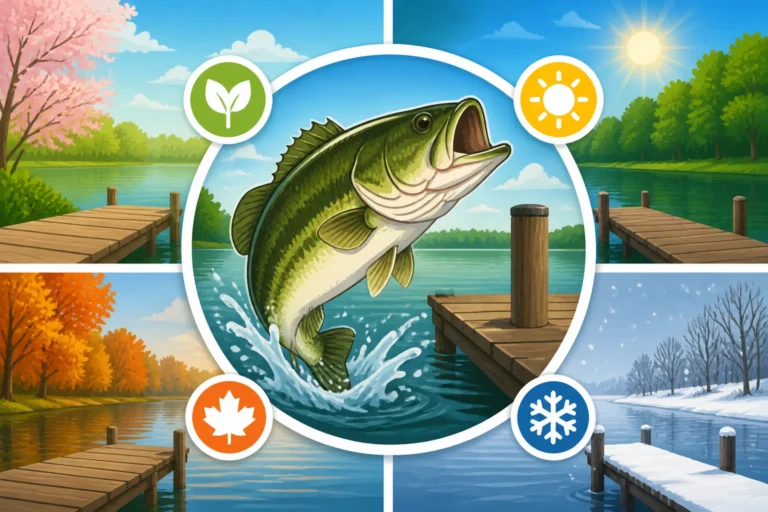
Seasonal Considerations and Fish Behavior
Ohio's distinct seasons bring about significant changes in water temperature, forage availability, and fish behavior, directly influencing lure selection.
- Spring: As water temperatures rise, fish move to shallower waters for spawning. This is a prime time for prespawn aggression. Spinnerbaits, jerkbaits, and shallow-running crankbaits work well for covering water. During the spawn, soft plastics, jigs, and slow-moving presentations are often best, targeting fish on beds or staging nearby. For walleye, the When Ohio's Walleye Season Peaks on Lake Erie is a key time for specific lures.
- Summer: Warmer water pushes many fish deeper or into heavy cover during the day. Deep-diving crankbaits, Carolina rigs, and heavy jigs are effective for offshore bass. Topwater and shallow presentations can still work during low light periods. For walleye on Lake Erie, trolling with crawler harnesses or deep-diving crankbaits dominates.
- Fall: As water temperatures cool, many fish enter a "feeding frenzy" to bulk up for winter. This can be one of the most exciting times to fish, with aggressive strikes. Crankbaits, jerkbaits, spinnerbaits, and even large swimbait can be highly effective. Muskie fishing also peaks in the fall, requiring large, flashy baits.
- Winter/Ice Fishing: Once ice forms, fish activity slows down significantly. Small jigs, spoons, and blade baits presented vertically through the ice are the primary methods. Live bait, like minnows or waxworms, often tipped on a small jig, can be irresistible to lethargic fish. Our Ohio Ice Fishing Guide offers specific lure and technique advice for the cold months.
Understanding these seasonal transitions and how they affect fish positioning and aggression levels is fundamental to choosing the most appropriate lure type and presentation.
Rigging and Presentation Techniques
Even the perfect lure won't catch fish if it's not rigged correctly or presented naturally. The finesse (or lack thereof) in your presentation, the line you choose, and the knots you tie all contribute significantly to your overall success on the water. It's the small details that often make the biggest difference.
Matching Line to Lure and Species
The fishing line you choose is the direct connection between you and the fish, and it plays a vital role in lure performance and detection of subtle bites. There are three main types of line, each with its own advantages:
- Monofilament (Mono): This classic line is forgiving with stretch, making it great for topwater lures or crankbaits where you want a little give. It's easy to tie knots with and relatively inexpensive. However, its visibility and stretch can hinder sensitivity in deeper water.
- Fluorocarbon (Fluoro): Nearly invisible underwater due to its refractive index, fluorocarbon is excellent for clear water and stealthy presentations. Its low stretch provides increased sensitivity, making it ideal for feeling subtle bites with jigs and soft plastics. It also sinks, which can be beneficial for some lure types, but it's generally stiffer and more expensive than mono.
- Braided Line (Braid): With almost no stretch and incredible strength for its diameter, braid offers maximum sensitivity and casting distance. It's fantastic for fishing heavy cover, jigging, or when you need strong hooksets over long distances. However, it's highly visible, so many anglers will use a fluorocarbon or monofilament leader (often 4-10 feet long) tied to the braid with a strong knot like a FG knot or double uni knot.
Choosing the right pound test is also crucial. Lighter lines generally allow lures to run deeper and have a more natural action, while heavier lines offer increased abrasion resistance and strength for fighting larger fish or fishing in heavy cover. A general rule of thumb: match your line strength to the cover you're fishing and the size of the fish you expect to catch. Find more tips on Choosing the Right Ohio Fishing Line.
Essential Knots for Lure Fishing
Having a few strong, reliable knots in your repertoire is non-negotiable for lure fishing. A poorly tied knot is a weak link that can result in lost lures and, worse, lost fish.
- Improved Clinch Knot: This is a fantastic all-around knot for tying monofilament and fluorocarbon directly to lures, hooks, and swivels. It's relatively easy to tie, strong, and compact.
- Palomar Knot: Widely regarded as one of the strongest and most reliable knots for tying braided line directly to lures, the Palomar knot is also excellent for fluorocarbon and monofilament. Its double-line wrap around the eye of the hook or lure provides exceptional strength.
- Uni Knot (or Grinner Knot): This versatile knot is great for tying line to terminal tackle and also for joining two lines of similar diameter, making it useful for tying leaders.
- FG Knot (or Slim Beauty Knot): While more challenging to learn, the FG knot is considered one of the best for joining braided main line to a fluorocarbon or monofilament leader. It's incredibly strong and creates a very slim profile that passes smoothly through rod guides.
Practice these knots until you can tie them quickly and correctly, even in less-than-ideal conditions. Always moisten your knots before cinching them down to ensure they seat properly and to prevent friction heat from weakening the line.
Understanding Retrieval Speed and Action
The way you retrieve your lure is just as important as the lure itself. Different lures are designed to be worked in specific ways to maximize their inherent action and trigger strikes.
- Crankbaits: Typically retrieved with a steady, consistent retrieve to achieve their diving depth and wobbling action. Varying retrieve speed or adding an occasional pause or twitch can sometimes trigger strikes from following fish.
- Jerkbaits: Best fished with a "twitch, twitch, pause" cadence. The pause is often the most critical part, allowing the lure to suspend and entice a bite. Experiment with the length of the pause.
- Soft Plastics (Jigs, Worms): Often require a slower, more subtle approach. Dragging, hopping, or slowly lifting and dropping the bait along the bottom or through cover is common. The rod tip is used to impart action, while the reel simply takes up slack.
- Topwater Lures: Each type has a specific retrieve. Poppers require short, sharp twitches to create a splash. Walk-the-dog baits need a rhythmic "slack-line" twitch to make them zig-zag. Frogs are typically "walked" or paused over mats.
- Spinnerbaits: A steady retrieve is common, allowing the blades to spin and create flash and vibration. Varying the depth and speed, or bumping it off cover, can be effective.
Fish are often keyed into a specific presentation on any given day. If one retrieve speed isn't working, don't be afraid to change it up. Speeding it up, slowing it down, adding pauses, or making it more erratic can often be the difference between an empty livewell and a full one. This adaptability is part of the art of fishing!
General Tips for Lure Fishing in Ohio
Fishing in Ohio, whether it's for the elusive muskie or a panfish platter, is a journey of continuous learning. While having the right gear and knowing the technicalities are crucial, a few overarching principles can enhance your experience and increase your success rate, especially when it comes to lure fishing.
Start with Versatile Lures
For those just getting into Ohio fishing, or even seasoned anglers trying a new spot, it can be overwhelming to decide which lures to buy. Instead of emptying your wallet on every flashy new item, start with a few versatile lures that are proven producers for a variety of species and conditions.
- Jigs (1/8 oz to 1/4 oz): These are perhaps the most versatile lure, effective for walleye, bass, crappie, and saugeye. Pair them with a selection of soft plastic grubs, paddletails, and minnow imitations in natural and bright colors. They can be cast, pitched, or jigged vertically.
- Crankbaits (medium diving): A couple of medium-diving crankbaits in a natural baitfish pattern (like shad or perch) and a bright, aggressive color (like firetiger) will cover a lot of water and attract bass, walleye, and saugeye.
- Spinnerbaits (3/8 oz): A white or chartreuse spinnerbait is a classic for bass in various cover types and can even attract aggressive panfish or pike.
Having a solid foundation of these versatile lures will allow you to adapt to many common fishing scenarios before you need to specialize further. You can often find starter lure kits or individual versatile lures from brands like Berkley or Strike King, easily available on Amazon. This approach helps you gain confidence and understanding before investing heavily in niche tackle.
Pay Attention to Local Reports
One of the best ways to stay ahead of the curve in lure selection is to tap into local knowledge. Fishing conditions can change rapidly based on weather, water levels, and fish migration, and what was hot last week might be cold this week.
- Bait Shops: Your local bait and tackle shop owners are often the best source of up-to-date information. They talk to anglers coming off the water all day and know which lures, colors, and presentations are currently producing fish in local waters. Don't be shy; ask them what's working and where!
- Online Forums & Social Media: Many Ohio fishing communities have active online forums or social media groups where anglers share reports, photos, and tips. While some information might be guarded, you can often glean valuable insights into what species are biting, what lures they're hitting, and general water conditions.
- Fishing Guides: If you're serious about mastering a specific body of water or species, consider hiring a local Ohio Fishing Charter Guide. They live and breathe fishing, and can provide invaluable, real-time advice on lure selection and techniques.
This localized intelligence can save you hours of trial and error and point you directly to the most effective lures for current conditions. It’s an easy way to shortcut the learning curve and increase your chances of success.
Don't Be Afraid to Experiment
Even with all the advice in the world, fish can be unpredictable. What worked yesterday might not work today, and what works for one angler might not work for another. The most successful anglers are often those who are willing to experiment and adapt.
- Change Lure Colors: If you're not getting bites, try a different color. Sometimes a subtle change from a natural shad to a brighter chartreuse can make all the difference, especially as light conditions or water clarity change.
- Alter Lure Sizes: If fish are being finicky, try downsizing your lure (finesse fishing). If you're targeting trophy fish, don't be afraid to go bigger.
- Vary Your Retrieve: This is perhaps the most important aspect of experimentation. Try speeding up, slowing down, adding pauses, making jerks more aggressive, or trying a completely different retrieve pattern. A subtle change in cadence can be the trigger.
- Switch Lure Types: If crankbaits aren't working, try a jig. If jigs aren't working, try a soft plastic or a spinnerbait. Keep rotating through your tackle box until you find what the fish are reacting to.
The ability to observe, adapt, and experiment is what truly makes a great angler. Don't get stuck in a rut; keep trying new things until you crack the code. Every fishing trip is a puzzle, and experimenting with lures and presentations is how you solve it.
| Lure Type | Primary Species Targeted | Ideal Conditions | Key Characteristics | Where to Find |
|---|---|---|---|---|
| Crankbaits | Walleye, Largemouth Bass, Saugeye | Trolling, covering water, active fish | Diving depth, wobble, rattle, baitfish imitation | Tackle shops, Sporting goods stores, Amazon |
| Soft Plastics | Largemouth/Smallmouth Bass, Crappie, Walleye | Finesse, heavy cover, clear water, varied depths | Lifelike action, subtle, versatile rigging | Tackle shops, Sporting goods stores, Amazon |
| Jigs | Walleye, Crappie, Saugeye, Steelhead, Bass | Vertical presentation, cold water, concentrated fish | Weight, hook, can be tipped with bait or plastic | Tackle shops, Sporting goods stores, Amazon |
| Spinner Rigs | Walleye, Yellow Perch | Drifting, trolling, stained water, active fish | Flash, vibration, live bait (crawler) attachment | Tackle shops, Sporting goods stores |
| Topwater Lures | Largemouth/Smallmouth Bass | Low light, calm water, heavy cover | Surface action, splash, walk-the-dog | Tackle shops, Sporting goods stores |
| Bucktails | Muskie | Aggressive presentation, covering water | Large blades, high speed, flash, vibration | Specialized muskie shops, Online retailers |
| Spoons | Steelhead, Walleye, Panfish | Casting, jigging, flutter action, mimicking injured baitfish | Flash, flutter on fall, various sizes | Tackle shops, Sporting goods stores |
Disclaimer
Fishing conditions and regulations in Ohio can change. Always consult the latest Ohio Department of Natural Resources (ODNR) fishing regulations before heading out on the water. This guide provides general information and recommendations, but it is your responsibility to understand and adhere to all current laws and safety guidelines.