Ice Fishing Techniques for Ohio Walleye
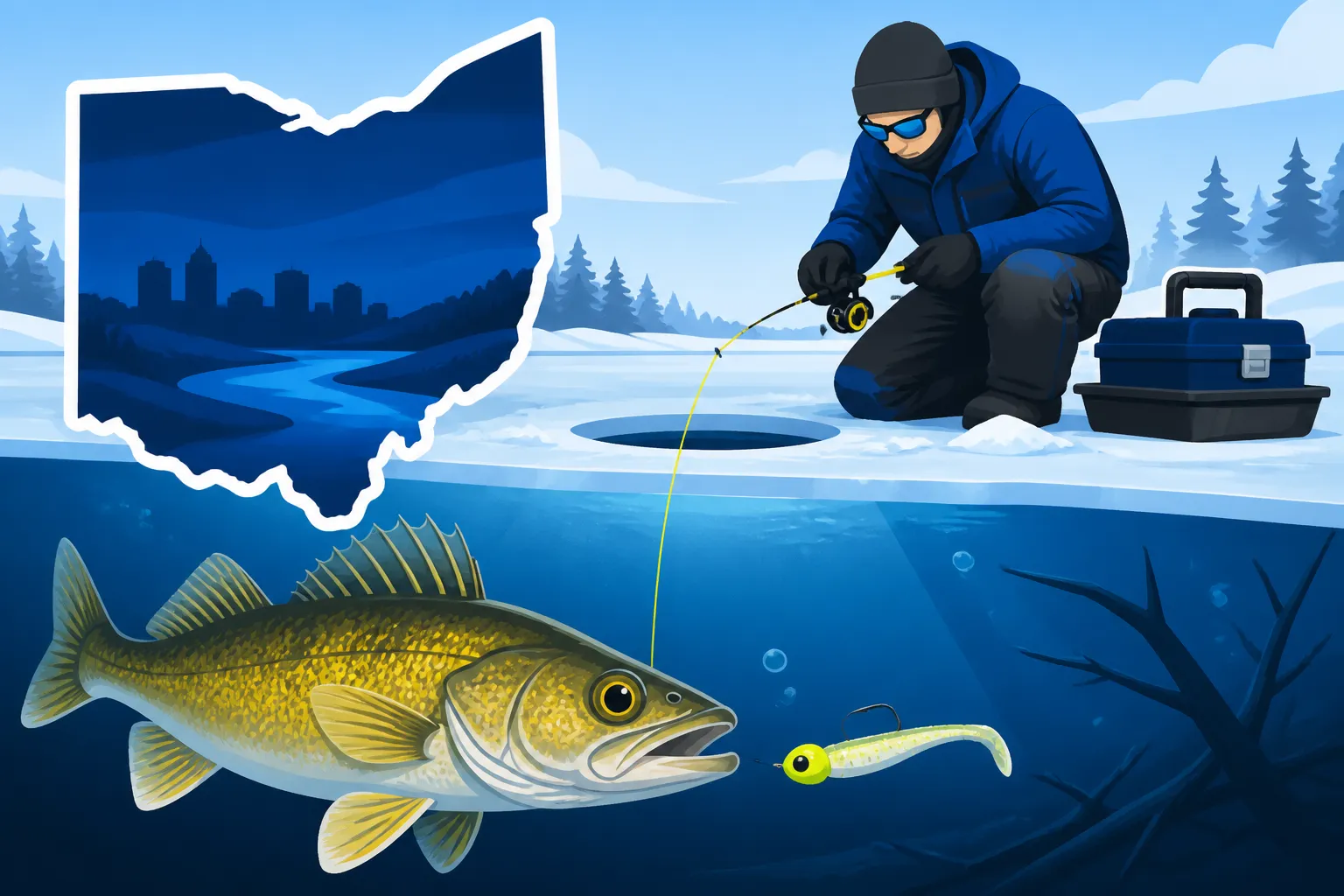
As the chill sets in and Ohio's lakes and reservoirs freeze over, many anglers find themselves facing a unique challenge: how to effectively target walleye through the ice. It can feel like these toothy predators vanish once the open water season ends, leaving many scratching their heads, wondering about the best gear, locations, and techniques to coax them into biting when the world above is frozen solid. This guide is here to unravel the mystery, providing you with practical, in-depth strategies to make your ice fishing excursions for walleye in Ohio both productive and incredibly rewarding.
Understanding Ohio Walleye in Winter
When the ice forms, the underwater world transforms, and so does the behavior of walleye. They're still there, of course, but their metabolism slows, their feeding windows change, and their preferred hangouts become much more specific. It's not just about drilling a hole anywhere; it's about understanding their winter rhythm.
Walleye Behavior Under the Ice
Walleye, like many cold-blooded fish, become less active as water temperatures drop. This doesn't mean they stop eating entirely, but their movements are generally more subdued, and their feeding periods can be shorter and less frequent. They tend to school up more tightly in winter, often congregating in specific areas that offer a combination of forage, oxygen, and structural protection. This schooling behavior is a double-edged sword: you might spend a lot of time searching, but once you find them, the action can be fast and furious.
Their metabolism dictates that they're conserving energy, so they're looking for an easy meal. This means your presentations need to be subtle yet enticing enough to trigger a strike without requiring too much effort from a lethargic fish. Unlike the aggressive chase sometimes seen in warmer months, winter walleye often "mouth" or "suck in" baits with very little force, making sensitive gear absolutely critical. They'll hug bottom contours, relate to structure, and often suspend just off the bottom over deeper water, especially in lakes like Lake Erie or larger reservoirs. Understanding these nuances is crucial for success, whether you're chasing the giants on Lake Erie's western basin or the steady action in inland waters.
Key Environmental Factors
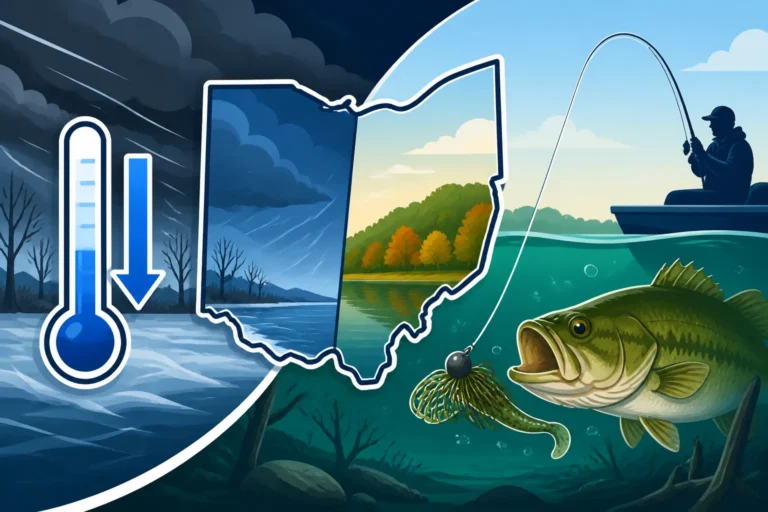
Several environmental factors play a huge role in how and where walleye behave under the ice. First and foremost is light penetration. With snow cover on the ice, light levels beneath the surface can be incredibly low, making walleye more active during what we might consider "daylight" hours on open water. Overcast days, or even fishing at dawn and dusk, can be prime times for walleye as they use their superior low-light vision to ambush prey. Clear, bright days might push them deeper or into heavier cover.
Oxygen levels are another critical factor. While generally stable in winter, areas with decaying vegetation or poor circulation can develop low oxygen, forcing walleye to seek out more hospitable waters. Look for areas with fresh inflows, healthy vegetation (if present), or consistent depth changes that allow for better water movement. Lastly, barometer pressure can have a noticeable effect. Stable or rising pressure often correlates with better fishing, while rapidly dropping pressure can sometimes shut down the bite as fish feel the change. These are just some of the insights covered more broadly in our guide to Ohio Fishing Season Calendar. Keep an eye on weather patterns and how they might influence the bite.
Essential Gear for Ohio Ice Walleye
Having the right equipment is non-negotiable for successful ice fishing, especially when targeting a species as particular as walleye. From the rod in your hand to the electronics peering into the depths, every piece of gear plays a vital role. If you're new to the sport, checking out a comprehensive Ohio Ice Fishing Guide can help you get started with the basics.
Rods, Reels, and Line Selection
For Ohio walleye, your rod needs to be sensitive enough to detect those often subtle bites, yet have enough backbone to handle a spirited fight and hoist a decent fish through a small hole. Look for medium-light to medium power ice rods, typically 28 to 36 inches long, with a fast or extra-fast action tip. Graphite rods offer superior sensitivity, allowing you to feel even the lightest "tick." Brands like Fenwick, St. Croix, and Thorne Bros offer excellent options, readily available on platforms like Amazon. Paired with a spinning reel in the 1000-2000 size range, spooled with a high-visibility braided line (like 6-10 lb test PowerPro or Sufix 832) and a 6-10 lb fluorocarbon leader, you'll have a formidable setup. The braid provides extreme sensitivity and minimal stretch, while the fluorocarbon leader offers invisibility and abrasion resistance against sharp ice edges or walleye teeth. Always tie a strong knot, such as a double Uni or an Albright, to connect your braid to your leader.
The rod length is key. Shorter rods (24-28 inches) are great for fishing inside a shanty where space is limited, while longer rods (30-36 inches) offer better leverage and shock absorption for larger fish in more open conditions. Many anglers opt for multiple rod setups – one for jigging aggressively and another for deadsticking – to cover different presentations simultaneously. This helps you figure out what the walleye are responding to on any given day.
Augers, Shelters, and Safety Gear
Getting through the ice is your first hurdle, and a good auger makes all the difference. While hand augers are economical for thinner ice, a powered auger (gas, propane, or electric) is a godsend for drilling multiple holes, especially on thicker ice common later in the season. Brands like Jiffy and Eskimo are popular choices, and options from Strikemaster are also highly regarded. For battery-powered options, which are becoming increasingly popular for their quiet operation and ease of use, you might consider models like the Ion or the StrikeMaster Lithium 40V, both often found on Amazon. Make sure your auger blades are sharp; dull blades make for a frustrating day.
Shelters, whether pop-up or flip-over models, offer crucial protection from Ohio's often biting winter winds, making your experience far more comfortable and allowing you to focus on fishing. Brands like Clam, Eskimo, and Otter make durable shelters for solo anglers or small groups. Beyond comfort, safety is paramount. Always carry ice picks, a spud bar (to test ice thickness), a throwable flotation device, and wear appropriate thermal clothing. Remember, ice conditions can vary wildly, even on the same body of water, and knowing How Thick Ice Should Be Before Fishing in Ohio is non-negotiable.
Electronics: Flashers and Live Sonar
In the world of ice fishing for walleye, electronics are your eyes below the surface. A quality flasher, like those from Vexilar or Marcum, displays real-time sonar readings, showing you your lure, the fish, and the bottom instantly. This allows you to observe how fish react to your presentation, whether they're rising to meet your bait or ignoring it. You can adjust your jigging cadence, lure type, or depth in real-time, drastically increasing your catch rate.
Even more advanced, modern live sonar systems, such as Garmin's LiveScope or Humminbird's Mega Live, offer an unparalleled view. These systems show you fish moving horizontally up to 50-100 feet away from your hole, their direction of travel, and how they react to your bait from a distance. While a significant investment, these tools can be game-changers, especially when walleye are spread out or moving actively. They allow you to understand fish behavior in a way never before possible, helping you decide when to stay put or when to drill new holes to intercept moving schools.
Top Ice Fishing Techniques for Walleye
Catching walleye through the ice often comes down to mastering a few key techniques and knowing when to apply them. It's a subtle game of entice and strike, and the right approach can make all the difference. Our guide on Best Ohio Walleye Fishing Techniques offers a broader perspective, but here we'll focus on ice-specific tactics.
Jigging Aggressively
Aggressive jigging is often the most effective method for calling in curious walleye and triggering a reaction strike. The goal is to imitate a fleeing or wounded baitfish, creating enough commotion to grab their attention from a distance. Start with a series of quick, sharp snaps of the wrist, raising your lure several inches or even a foot, then let it fall naturally. This fall is crucial; many strikes occur as the lure flutters down. Vary your retrieve speed, the height of your lifts, and the pauses between jigs. Sometimes a sharp, upward rip followed by a complete pause for 5-10 seconds is all it takes to trigger a strike from a hesitant fish.
Popular jigging lures include jigging spoons (e.g., Northland Forage Minnow, Acme Kastmaster, Swedish Pimple), blade baits (e.g., Heddon Sonar, Sebile Vibrato), and soft plastics on jig heads. Tip these with a minnow head, a wax worm, or a small piece of live minnow for added scent and visual appeal. Don't be afraid to experiment with color and size based on water clarity and depth. For a deeper dive into this specific technique, check out our piece on How to Jig for Walleye in Cold Water.
Deadsticking and Tip-Ups
While aggressive jigging calls them in, deadsticking and tip-ups often seal the deal, especially for finicky walleye. A "deadstick" setup involves a second rod, left stationary in a rod holder, with a live minnow hooked through the back or lips, suspended just off the bottom or at the same depth where you're jigging. The natural movement of the minnow is often irresistible to a walleye that might be wary of a aggressively jigged lure. This passive approach often catches the larger, more cautious fish that follow your jigged bait but refuse to strike it.
Tip-ups, on the other hand, allow you to cover a wider area. These devices hold a spool of line with a baited hook (usually a live minnow) and a flag that pops up when a fish takes the bait and pulls line. They are fantastic for spreading out your efforts, especially in Ohio lakes where you're allowed multiple lines (be sure to check current regulations for Ohio Fishing Regulations Every Angler Should Know and the number of lines permitted). Set your tip-ups along contour lines, near structure, or at varying depths to determine where fish are most active. A typical tip-up setup uses 15-20 lb monofilament or tip-up line, with an appropriate leader and a hook sized for your minnows. Many anglers swear by setting up tip-ups with minnows at different depths, sometimes pairing them with a jigging hole nearby to draw fish in.
Lure Selection and Presentation
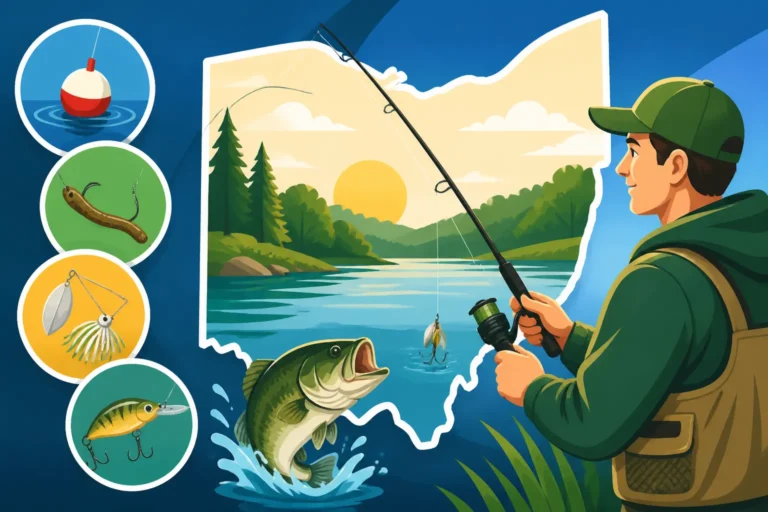
The right lure can make or break your day. For walleye, common ice fishing lures fall into a few categories:
- Jigging Spoons: Metallic spoons designed to flutter and flash on the drop. Examples: Northland Buck-Shot Rattle Spoon, Rapala Jigging Rap, VMC Tingler Spoon. Colors like silver, gold, perch, and firetiger are consistent producers. Tipping with a minnow head or live bait enhances effectiveness.
- Blade Baits: Compact, heavy lures that vibrate intensely on the lift and fall rapidly. They're excellent for aggressive fish or when you need to quickly get back down to a school. Examples: Heddon Sonar, Sebile Vibrato.
- Lipless Crankbaits: Smaller versions of open-water favorites, these produce a tight wobble and rattle. They can be very effective for covering water and calling fish in. Example: Rapala Rippin' Rap.
- Soft Plastics: Small plastic minnows, tubes, or grubs rigged on a jig head can be deadly, especially when fish are shy. The subtle action can be key. Try a Berkley Gulp! Minnow or a Z-Man Micro Finesse jig.
Table: Popular Walleye Ice Fishing Lures & Best Uses
| Lure Type | Best Use | Common Brands/Examples | Tipping Options |
|---|---|---|---|
| Jigging Spoons | Aggressive jigging, attracting fish from a distance, medium to deep water | Northland Buck-Shot, Rapala Jigging Rap, Acme Kastmaster | Minnow head, wax worm |
| Blade Baits | Fast drops, rapid retrieves, triggering reaction strikes | Heddon Sonar, Sebile Vibrato | None or very small chunk |
| Lipless Crankbaits | Attracting attention with rattle and vibration, covering water | Rapala Rippin' Rap, VMC Rattlin' Spoon | None |
| Soft Plastics | Finesse presentations, lethargic fish, natural appearance | Berkley Gulp! Minnow, Z-Man Micro Finesse, Custom Jigs & Flies | Wax worm, minnow piece |
| Rattle Baits | Added noise and vibration, often for stained water or low light | Jigging spoons with rattles, some lipless cranks | Minnow head |
Presentation involves more than just dropping the lure. Vary your jigging cadence, from aggressive rips to subtle quivers. Pay attention to your flasher; if fish rise but don't commit, try a longer pause or a more subtle movement. Sometimes, barely moving the lure, or what's called "deadsticking," is the ticket. When walleye are very lethargic, a tiny quiver of the rod tip can be enough to elicit a strike. Remember, a walleye strike in cold water can feel like nothing more than your line going slack or a slight heaviness, so constant focus on your rod tip and line is essential.
Locating Walleye Under the Ice in Ohio
Finding walleye through the ice is half the battle, and often the most challenging part. Unlike open water, you can't just motor around; you need to choose your spots wisely and be prepared to move. Many of Ohio's best fishing spots for walleye, from Lake Erie to smaller reservoirs like Mosquito Creek Lake or Hoover Reservoir, demand careful location strategies.
Prime Ice Fishing Structures
Walleye, even in winter, are creatures of structure. They relate to breaks, humps, points, and other underwater features that offer ambush points or proximity to deeper water.
- Points and Submerged Humps: These are classic walleye magnets. Fish will often hold on the windward side of points where current or waves might concentrate baitfish, or they'll patrol the edges of humps. Focus on the transition areas where depths change rapidly. In larger lakes like Lake Erie, finding these subtle humps or troughs can be incredibly productive, often holding schools of fish, particularly in the Western Basin of Lake Erie.
- Weed Lines and Basin Edges: If there's still healthy green vegetation under the ice, walleye will often patrol these areas, especially early in the ice season. The weeds provide cover for both predator and prey. As winter progresses, look for walleye suspended over the deep basins, often near the drop-off where the basin meets shallower structure. They might relate to the first significant depth change or "breakline" from shore.
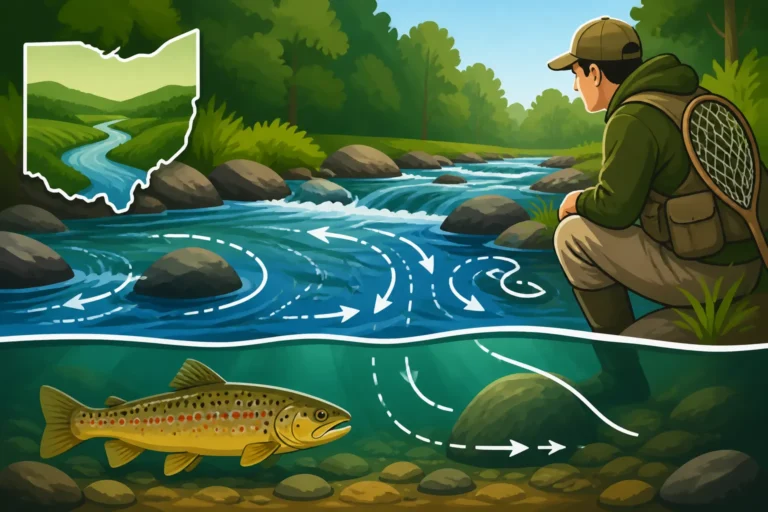
- Inflows and Outflows: Areas where creeks or rivers feed into a lake, or where water flows out, can create subtle currents and bring in fresh oxygen and nutrients, attracting baitfish and consequently, walleye. These spots can be particularly good during periods of stable weather.
- Man-Made Structure: Bridges, old roadbeds, submerged cribs, or even isolated brush piles can concentrate walleye. These provide distinct vertical structure in an otherwise featureless environment.
Always consult contour maps of the lake you're fishing. Many apps and devices now offer high-definition bathymetry that can reveal subtle features you'd never find otherwise. Mark potential spots on your GPS before you even hit the ice, then use your auger and electronics to confirm their presence and check for fish.
Reading Your Electronics Effectively
Your flasher or live sonar isn't just for showing fish; it's a tool for understanding the underwater world.
- Interpreting Signals: Learn to differentiate between your lure, baitfish, and walleye. Walleye typically appear as strong, solid signals, often a thicker band on a flasher, or clear, distinct arcs on live sonar. Pay attention to how fish approach your lure: Are they aggressive? Hesitant? Do they rise quickly or slowly? This information dictates how you adjust your presentation.
- Depth and Location: Use your electronics to precisely position your lure. Walleye often prefer a specific depth, sometimes just a few feet off the bottom, sometimes suspended higher in the water column. If you see fish at 15 feet in 25 feet of water, adjust your presentation to that exact depth. Don't be afraid to drop your lure right on their heads; sometimes, an initial aggressive drop can trigger a strike.
- Movement and Activity: If you're seeing fish moving quickly through your cone, they might be actively feeding. If they're lingering but not biting, try a more subtle approach. Live sonar, in particular, allows you to observe these movements from a distance, helping you decide whether to pursue a fish that's coming in or ignore one that's swimming away. It can also show you how quickly baitfish are moving, giving you clues about walleye activity. This kind of detailed understanding of fish movement is invaluable, especially when determining the Best Time of Day to Catch Walleye on Lake Erie or other large bodies of water.
The key is to not just see the fish, but to read their behavior. Are they reacting positively to your jigging motion? Are they ignoring it completely? If you're not getting bites, switch up your lures, colors, and retrieve patterns. If the fish are there but not biting, consider drilling a new hole a short distance away; sometimes a different angle of presentation is all it takes.
Safety First on the Ice
While ice fishing offers incredible opportunities, it comes with inherent risks. Being prepared and prioritizing safety is not just good practice, it's essential for your well-being. No fish is worth risking your life. This advice builds on the more general guidelines found in our comprehensive Ohio Ice Fishing Guide.
Ice Thickness and Conditions
The most critical safety consideration is always ice thickness. A good rule of thumb for safe foot travel is generally 4 inches of clear, solid ice. For snowmobiles or ATVs, you're looking at 5-7 inches, and for light vehicles, 8-12 inches. However, these are general guidelines, and conditions can vary drastically even on the same body of water.
- Monitor Conditions Closely: Always check local ice reports from bait shops, other anglers, and the Ohio Department of Natural Resources (ODNR) before heading out. Don't rely solely on visual inspection.
- Test as You Go: Use a spud bar or an auger to test ice thickness as you walk out, especially in unfamiliar areas. Pay close attention to areas around inlets, outlets, points, bridge pilings, or any areas with current, as ice can be significantly thinner there.
- Types of Ice: "New clear ice" is generally the strongest. "White ice" or "snow ice" forms from refrozen snow and is much weaker, requiring significantly more thickness for safety. Avoid discolored ice, slushy spots, or areas with obvious cracks or open water.
- Avoid Isolated Areas: If you're unfamiliar with a body of water, stick to areas where other anglers are present, but maintain a safe distance from them. This doesn't mean blindly following others, but it can indicate safer access points. Always remember that conditions can change rapidly with fluctuating temperatures.
Essential Safety Practices
Beyond understanding ice thickness, there are several practices that every ice angler should adopt.
- Go with a Buddy: Never ice fish alone. Having at least one companion dramatically increases safety in case of an emergency.
- Carry Safety Gear: Beyond a spud bar, ice picks are crucial. Worn around your neck, they can help you pull yourself out if you fall through. A rope or throwable flotation device should also be easily accessible. Consider wearing a flotation suit or vest, especially early or late in the season.
- Dress Appropriately: Layer your clothing to stay warm and dry. Waterproof and windproof outer layers are essential. Insulated boots, gloves, and a warm hat are non-negotiables to prevent hypothermia, which can set in quickly in Ohio's winter weather.
- Inform Others: Let someone know where you're going, when you expect to return, and who you're with.
- Stay Hydrated and Fed: Even in cold weather, it's easy to become dehydrated. Bring water and snacks to keep your energy levels up.
- Know Basic First Aid: Be prepared to handle minor injuries or cold-related issues like frostbite.
- Respect the Environment: Pack out everything you pack in, including any trash or discarded fishing line. Leave the ice cleaner than you found it.
By following these safety guidelines, you can ensure that your pursuit of Ohio walleye through the ice is not only successful but also safe and enjoyable. The reward of pulling a hard-fighting walleye through a hole in the ice is truly unique, making all the effort and preparation worth it.
Mastering the Season: When and Where to Fish for Walleye
Ohio's diverse waters offer fantastic walleye ice fishing, but knowing the prime times and places is key. Different bodies of water have different personalities, even under the ice. Our guide on Best Places to Fish in Ohio has a wider focus, but let's narrow it down to ice walleye hotspots.
Prime Ohio Walleye Ice Fishing Locations
Ohio boasts several excellent destinations for ice walleye, each with its own characteristics and challenges.
- Lake Erie: Without a doubt, Lake Erie is the crown jewel for walleye in Ohio, even through the ice. The Western Basin, particularly around Port Clinton, Catawba Island, and the Lake Erie Islands (like Kelleys Island), is famous for its incredible walleye population. Early ice (December-January) can be fantastic as walleye are still relatively aggressive. Focus on traditional reef complexes, feeder creek mouths, and subtle depth changes. Later in the season, when the ice is thick enough and stable, deeper water structures and mudflats can hold massive schools. Always exercise extreme caution on Lake Erie due to unpredictable ice movements and pressure cracks. Knowing the Lake Erie Walleye Bag Limits is vital.
- Mosquito Creek Lake: Located in northeast Ohio, this large reservoir is a consistent producer of quality walleye and saugeye through the ice. It's known for its relatively shallow, fertile waters, which warm up quickly in spring but also freeze well in winter. Look for fish on points, humps, and the edges of the old river channel. The vast mudflats can also hold cruising walleye. Anglers often find success here with aggressive jigging spoons tipped with minnow heads.
- Hoover Reservoir: Just north of Columbus, Hoover is another popular inland lake with a good walleye population. It's known for its deeper water and clearer conditions in some areas. Walleye here often suspend over the old river channel or relate to sharp drop-offs and submerged creek beds. Finesse techniques, like small jigs tipped with plastics or live bait, can be effective in its clearer waters.
- Indian Lake: In west-central Ohio, Indian Lake offers a shallower, more bowl-shaped fishery with plenty of structure in the form of weed beds (early ice), rock piles, and submerged islands. Walleye here can be found patrolling these features. It's often one of the first larger lakes to develop safe ice due to its shallower nature.
- Other Inland Reservoirs: Lakes like Alum Creek Lake, LaDue Reservoir, and Deer Creek Lake also hold respectable walleye populations and offer ice fishing opportunities, though success can vary year to year and depend heavily on ice conditions. Always check local reports and regulations for specific bodies of water before heading out.
Optimal Timing and Conditions
Timing is everything when targeting walleye on the ice.
- First Ice: Often considered the "golden period," first ice (typically December into early January in Ohio) sees walleye still relatively active and accessible in shallower areas. They haven't been pressured much, and bites can be aggressive. This is a great time to target points, shallow humps, and the edges of remaining green weeds.
- Mid-Winter: As winter progresses and ice thickens (late January through February), walleye often move to deeper structures, suspended over basins, or along major depth changes. Their metabolism slows further, and feeding windows can become shorter, often concentrating around dawn, dusk, and even into the night. Many anglers find Best Time to Ice Fish for Walleye in Ohio is really dependent on mid-day light penetration. Overcast days during this period can often be more productive than bright, sunny days, as the reduced light encourages walleye to roam more freely.
- Last Ice: The period just before ice-out (late February into March, depending on the year) can be another fantastic time. Walleye often become more active as they sense the approaching spawn, moving shallower and feeding more aggressively. However, this is also the most dangerous time on the ice due to rapidly deteriorating conditions, so extreme caution is paramount.
- Time of Day: While open water walleye fishing often peaks at night, ice fishing can be more productive during low-light periods (dawn and dusk), and even mid-day on overcast days, especially when there's heavy snow cover on the ice. The reduced light penetration makes walleye more comfortable moving and feeding throughout the day. However, a good strategy is to be on the ice an hour before sunrise and stay an hour after sunset, covering those crucial twilight bites.
Understanding these seasonal and daily patterns, combined with diligent scouting and smart use of your electronics, will dramatically increase your chances of finding and catching Ohio walleye through the ice.
Disclaimer
Fishing conditions and regulations in Ohio can change. Always consult the latest Ohio Department of Natural Resources (ODNR) fishing regulations before heading out. Ice conditions can be extremely dangerous; prioritize safety above all else. This guide is for informational purposes only.